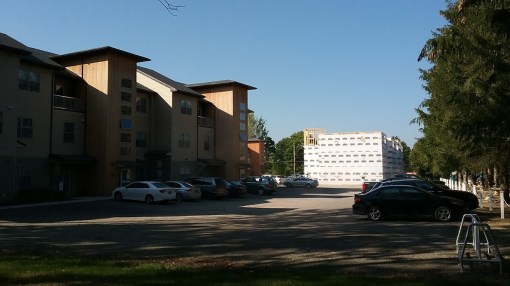
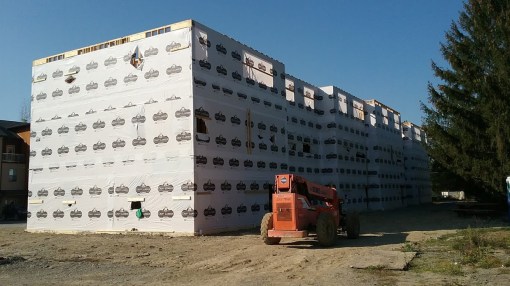
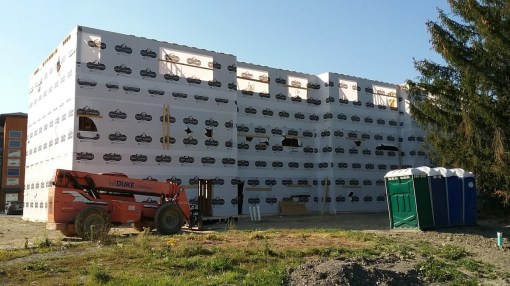
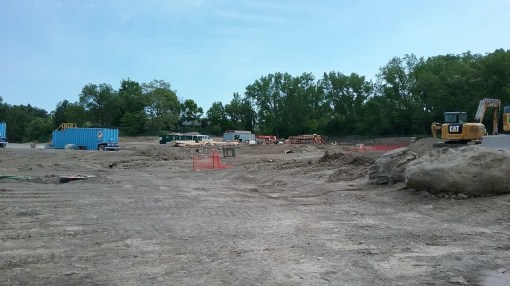
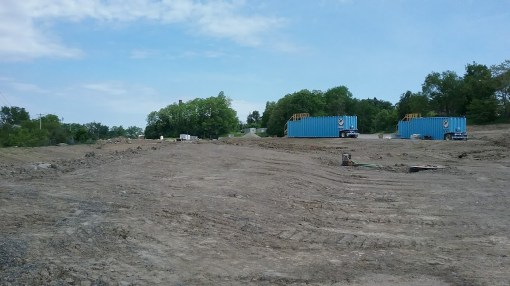
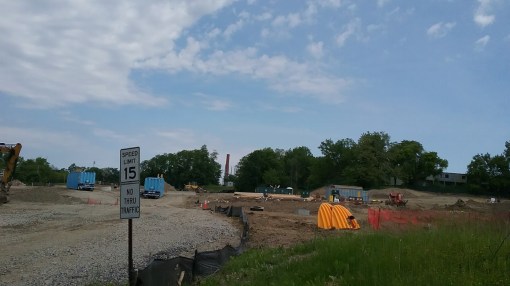
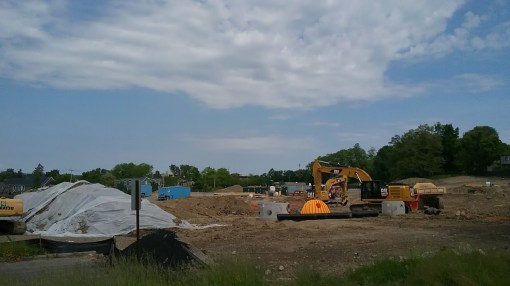
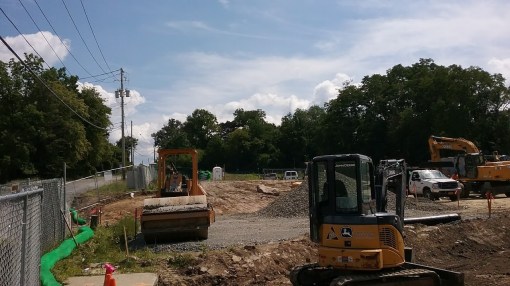
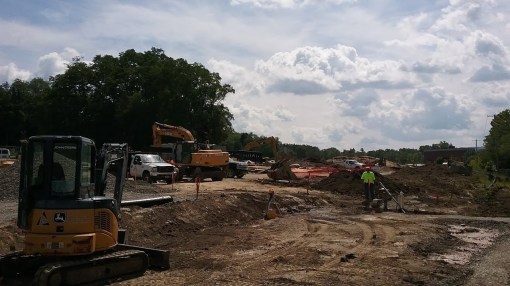
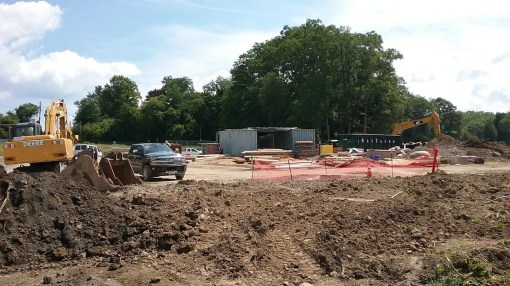
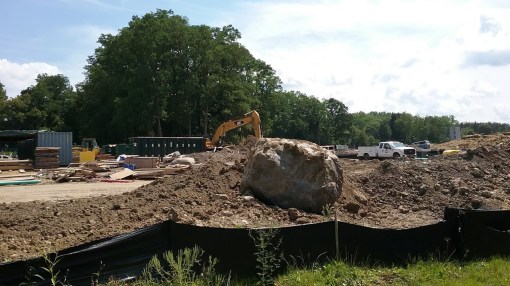
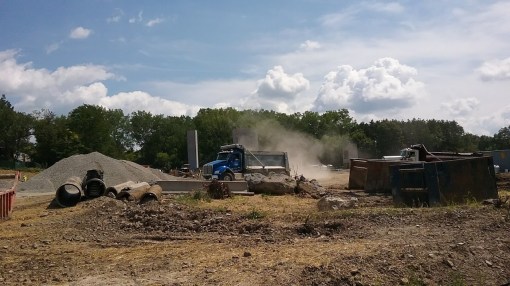
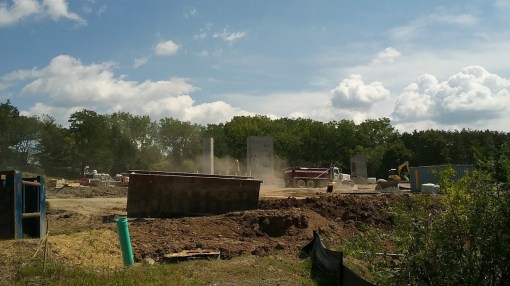
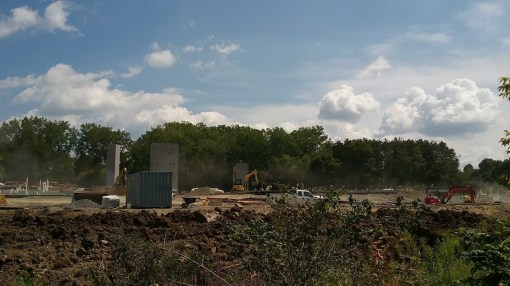
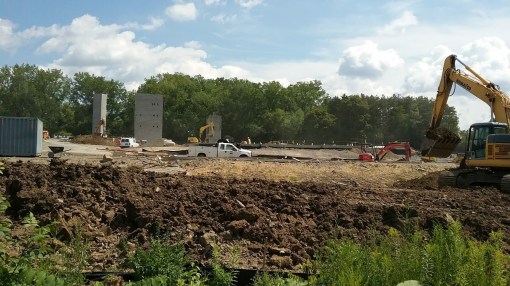
Rodeway Inn Construction Update, 9/2017

3 10 2017

The synopsis of the project can be found here.

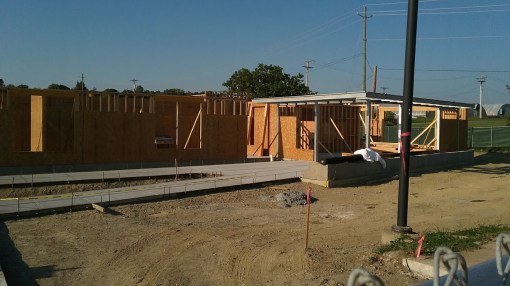
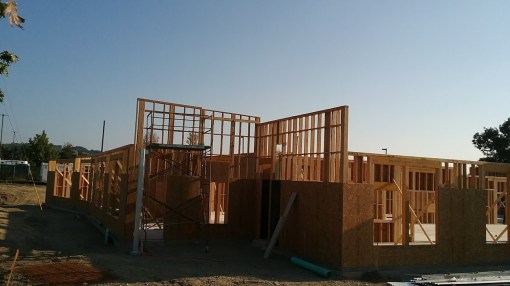
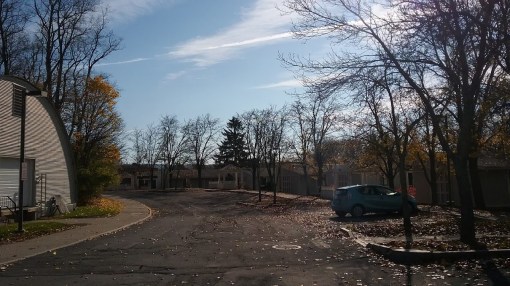
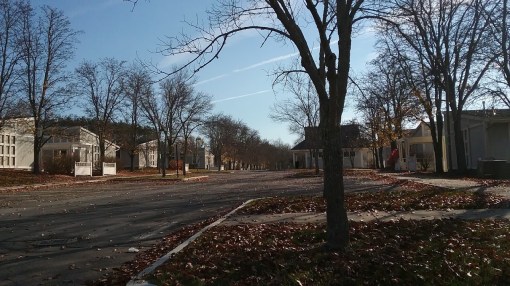
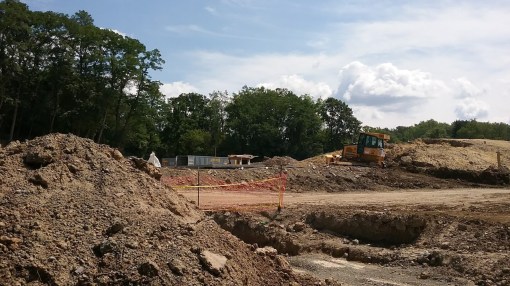
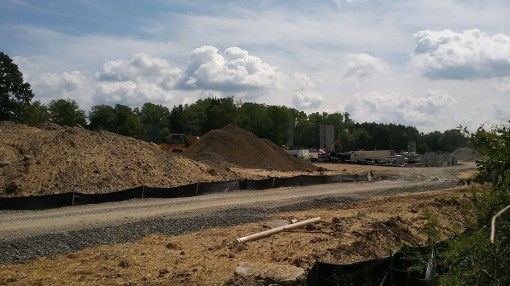
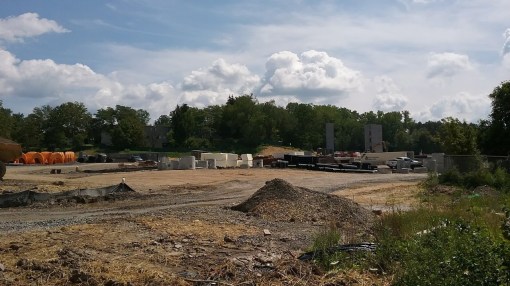
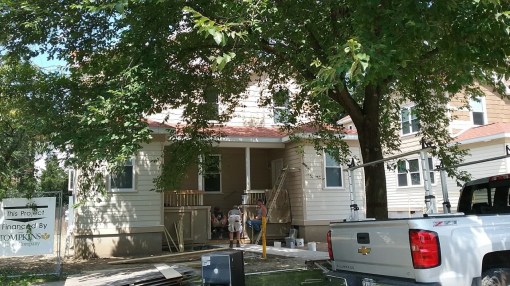
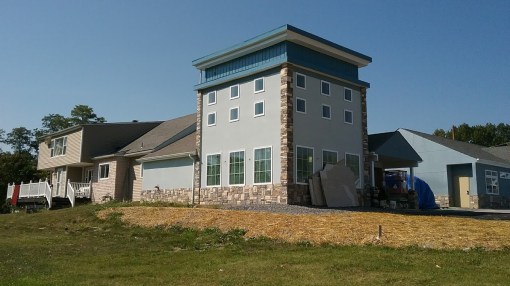
This was one of the more interesting visits because I ran into the owner, Pratik Ahir of JAMNA Hospitality Inc., while taking photos. Granted, there’s often that uncomfortable initial tension of “who’s taking photos of my property and why”, but I’ve been in touch with him through email before, so once I introduced myself the mood was much friendlier.

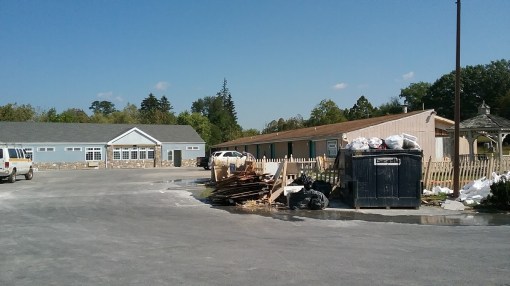
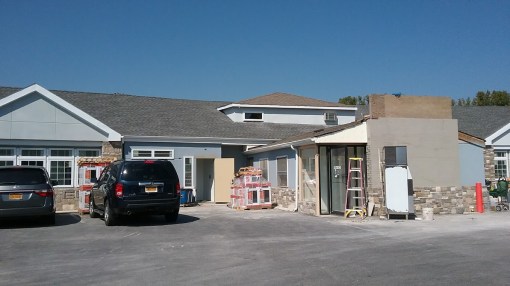
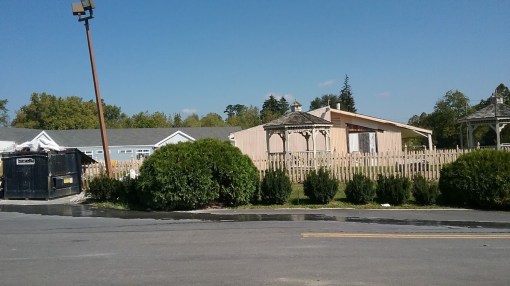
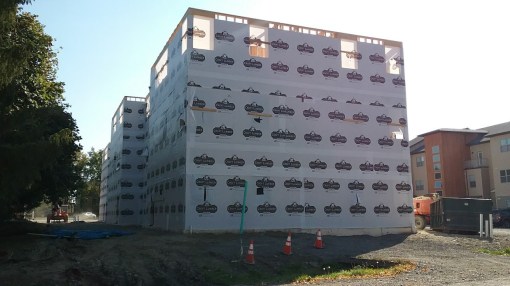
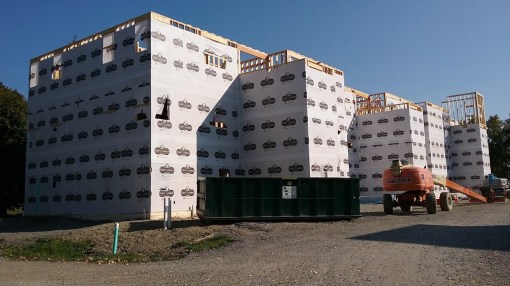
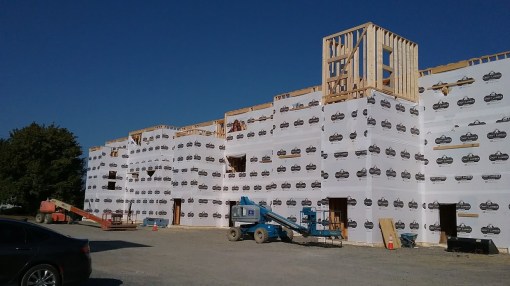
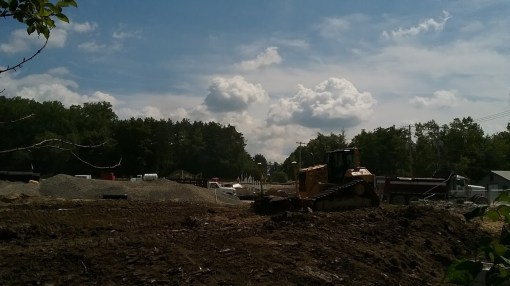
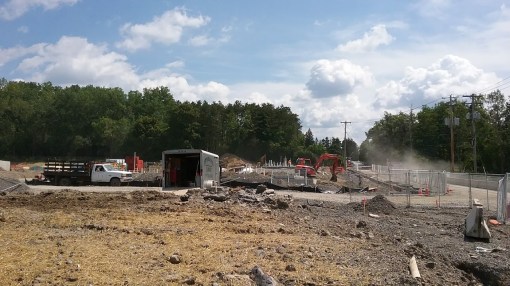
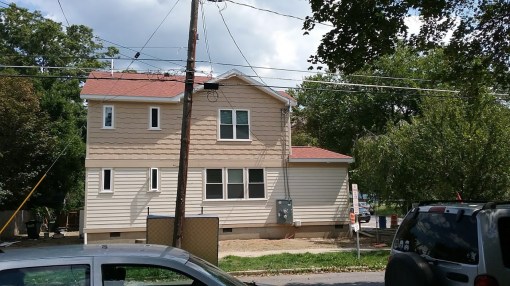
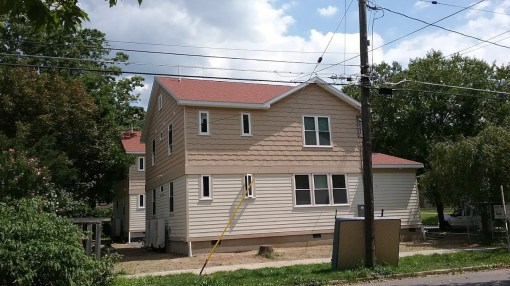
From what Ahir told me, this project could serve as a textbook example of the perils of renovating older buildings. One of the big reasons for the change in project scope was that one wings’ exterior walls partially collapsed during the initial work. So trying to make lemonade from lemons, Ahir decided to revise the project from additions to existing wings, to constructing brand new motel wings. This change also doubled the project cost.

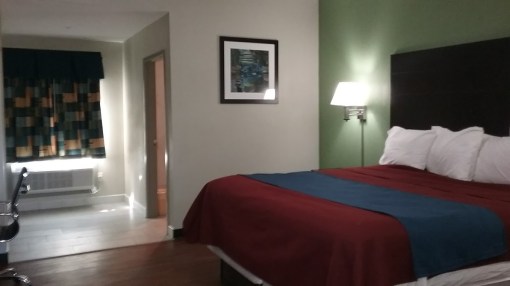
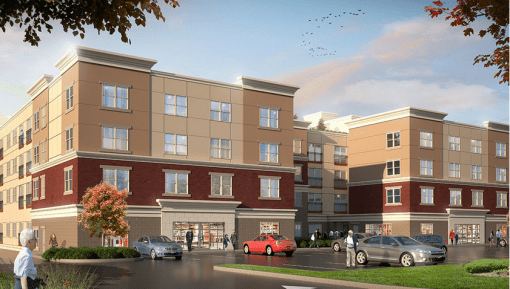
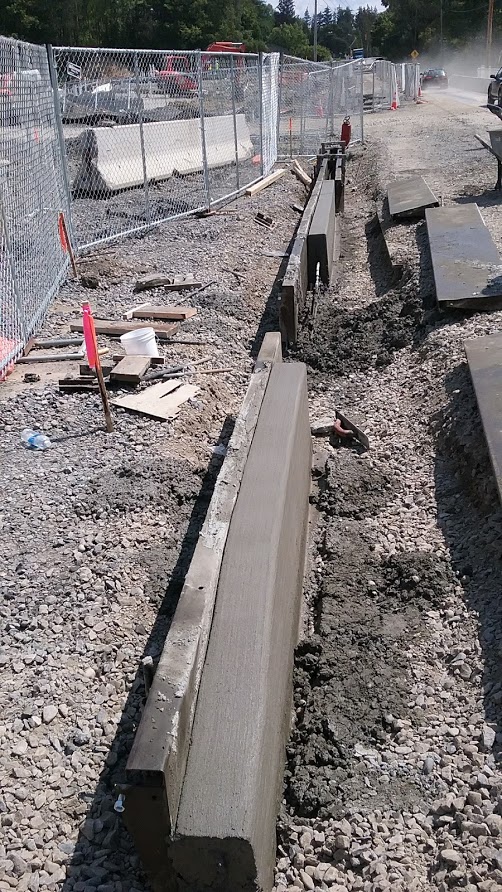
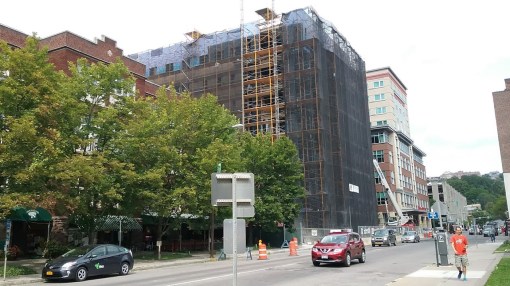
The motel should be fully open for occupancy around October 20th. The rooms appears to be no-frills but comfortable and tastefully appointed for travelers, and given Tompkins County’s premium on hotel room rates, a clean, economical option is welcome. The interior architecture is pleasant enough, while the exterior…I wouldn’t say it looks bad, but it is something of a hodge-podge of architectural features that aren’t ugly, but don’t quite mesh.

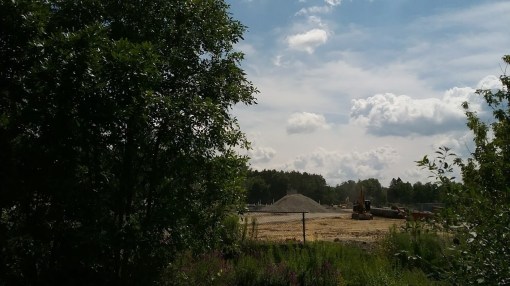
Ahir says he has plans to put his 70-room Sleep Inn project out for bid to a couple of preferred contractors, and hopes to start that project in the next few months. His partnership is with Choice Hotels (Rodeway is their economy motel unit), and he identified a market need for a new lower-middle segment hotel in the area, and Sleep Inn seemed like a good fit. Choice Hotels agreed, and the only Sleep Inn between Albany and Buffalo was green-lighted by the corporate parent.

We also touched on the presence of a couple other chain hotel specialist firms buying into or looking to buy into the Ithaca area. The temptation is there, and some, like Rudra Hotels/Rosewood Management, who did the Holiday Inn Express at 371 Elmira Road earlier this year, have established their footprint. Others are still figuring out their next step. On a related note, a number of smaller regional banks see Ithaca as a safer investment than other regional cities thanks to its economic stability, and this interest may result in a little more financing available for project developers over the next few years. Ahir says financing has been arranged for the Sleep Inn.


Ithaka Terraces Construction Update, 9/2017

3 10 2017

So we have a rule at the Voice not to publish the press releases of private for-profit entities unless they add something to an article. They don’t get published as standalones, if at all. From a pragmatic standpoint, giving a for-profit free advertising at our expense doesn’t make good financial sense, and it leads to questions about our integrity.

But, they still come in, filed away in case they come in handy at some point. That was the case here for the press release sent along by Brous Consulting’s Kevin Doubleday for the Ithaka Terraces project back on September 11th:

***

For Immediate Release: September 11th, 2017

Contact: Kyle Waller at 607-272-1765 or office@ppmhomes.com.

ITHAKA TERRACES CONDOMINIUM PROJECT GAINS APPROVALS NEEDED TO PROVIDE FIRST CONDOS AND FIRST NET-ZERO PROPERTY IN DOWNTOWN ITHACA

Ithaka Terraces is a new sustainable luxury condominium complex in downtown Ithaca, currently under construction at 215 West Spencer Street. Scheduled to open in Fall 2017, the Terraces are destined to be the region’s first net-zero condominium complex. The property is currently undergoing last-stage developments with units now available for sale through locally owned and operated PPM Homes. The project is also one of only a few condominium projects to be built in the area since the most recent recession.

The twelve unique units, inspired by colorful Greek cliffside architecture, thus the Ithaka name, range in size from a single story, 1005 square feet flat up to a two-story townhouse, 1520 square feet and boast high-end amenities including hardwood and tile flooring, luxury finishes, and a host of energy-saving appliances. Units start at $299,000.

Combining cutting edge green technology with a walkable location, a car-free or car-light lifestyle is easily attainable. The motivation to build Ithaka Terraces came from the developer’s desire to provide the maximum possible state-of-the-art sustainable living with the highest emphasis on achieving net-zero energy. Hence, no costs were spared to find and take advantage of opportunities in the design and building process to incorporate the most advanced sustainable techniques. The potential for reduced energy use is in place in these condominiums, making the inhabitants able to maintain one of the lowest environmental impacts and costs possible anywhere with a fantastic and active quality of life.

Ithaka Terraces strives to incorporate the most sustainable construction methods and living technology. This includes the use of air-source heat pumps, conduction ranges, LED lighting, electric water heaters, Low-E windows, super-insulated walls and roofs, smart temperature monitoring devices, and other energy-saving devices.

Further green features are available for even greater sustainable living at the Terraces, including charging stations for electric vehicles and at least six Ithaca Carshare vehicles stationed within walking distance. Transportation for the average household is likely to use more energy than the home itself. The Terrace’s convenient location makes it simple to reduce transportation energy use significantly by allowing cars to be an option rather than a necessity for the vast majority of trips.

Because of recent net-metering laws passed by New York State, off-site solar power can be provided to homes in cities from solar arrays outside the city, which makes net-zero living possible. All the energy used at Ithaka Terraces will be provided by solar power from PPM Homes’ 225 kw (835 panels) solar farm about 15 miles east of Ithaca.

Ed Cope, owner of PPM Homes and team leader of the Ithaka Terraces team, has been active in environmental and sustainability causes for forty years.  He started an environmental center in Indiana 25 years ago and he and his family live off grid, using power only from renewable energy (solar panels and some wind).  He started Energy Independent Caroline as part of his early efforts to switch the Caroline town government to renewable energy for its power use.  

One of his apartment buildings on South Hill was the first commercial roof-top solar installation in Ithaca. Ed has strived to build housing units so energy efficient that their entire energy use can come from his small solar farm outside Ithaca; truly net-zero energy. Additional team members include Stream Collaborative, Taitem Engineering, Renovus Solar, and TG Miller and Associates. The project is being managed by Kyle Waller at PPM homes.

For more information on Ithaka Terraces, you can visit: www.ithakaterraces.com or contact Kyle Waller at 272-1765 or office@pphomes.com.

END.

***

It looks like they might be doing soft marketing of the units, with a brochure up and inquiries allowed, but no formal listings up yet. The Ithaka Terraces website states that prices will be in the $299,000-$434,000 range, a ~10% jump from previous estimates. Units range in size from 1,005 SF to 1,520 SF. Ten are two-bedroom units, two are three-bedroom units.

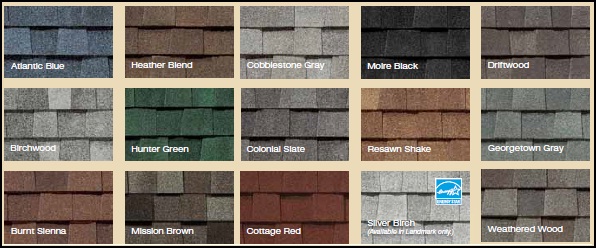
Buildings A and C look like they’re getting the scratch coat for its stucco finish, while B is still ZIP panels and waterproofed covers. Framing is still underway for Building D, which started much later than the other three.offhand, I think the shingles are from one of Certaineed’s designer series, here in Cottage Red. The formwork along the east side/upper slope may be for a concrete retaining wall that will hold the hill back from the parking area.


Cayuga View Senior Living Construction Update, 9/2017

2 10 2017

The official groundbreaking for the Cayuga View Senior Living project was back on August 9th. Since that time, the basement level of the Cayuga View Senior Living project has been built out work has begun on the ground level floorplate, and the construction of masonry stairwells and elevator cores. It looks like the big supplier for the CMUs is Zappala Block out of Rensselaer (“REN-suh-lur”).

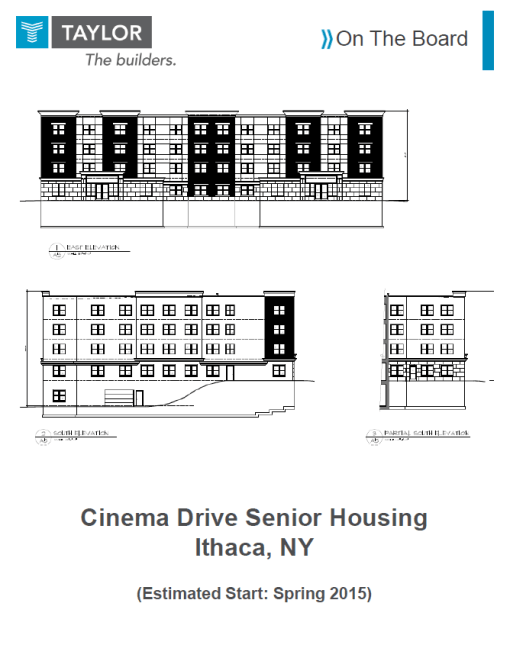
The Taylor the Builders (general contractor) press release alternately states 50 units and 60 units in the mixed-use project, but the number I’ve long heard is 60, 48 2-bedroom and 12 1-bedroom. The 2,680 SF of first-floor retail is split evenly between the two wings of the building’s ground floor. One of the things that pops up fairly often in the marketing literature is the attempt to sell it to snowbird retirees who leave the area during the cooler and cloudier months for more pleasant climes, which the Thaler family co-developing Cayuga View has long done.

“We are proud to partner with Manley Thaler and Rochester’s Cornerstone Group, to bring this scenic mixed-use development to the Village of Lansing,” said Taylor president Karl Schuler at the groundbreaking. “This project addresses a specific niche and community need for market-rate senior housing, while doing so with an overall development that more than satisfies a lifestyle choice among the growing populous {sic} of mature adults in this market.” It’s going to be a busy time for Rochester-based Taylor, as work is also getting underway in Downtown Ithaca on the 12-story Harold’s Square project this month.

Noting the gaps above the window and door rough openings, my semi-educated guess would be that it’s set aside for later architectural finishes, maybe polished stone or similar. It’s a little hard to cross-check with renders because 1) only one render of the project has ever been formally released, and 2) that render does not really show the slope of the site of the walkout basement level. An earlier render from a couple years ago predates the current window layout, but lends credence to the possibility. The below-grade base of the concrete foundation (or will be, once backfilled) looks to be insulated with Dow rigid foam board insulation with a black waterproofing membrane over the top.

The project timeline calls for a Spring 2018 opening. A synopsis of the project can be found here.


Village Solars Construction Update, 9/2017

1 10 2017

It looks like the Village Solars are moving along, albeit at the slowest pace in years. Since 102 Village Place was torn down back in June, the site was cleared, the foundation and underground utilities reconfigured, and framing has begun on its replacement. The wood frame was up to the top floor by the time of this late September site visit, and erection of the roof trusses was due to take place in just a few days. The housewrap is already in place, and as the interior receives its frames, pipes, wiring and rough-ins, work will being on window and door fittings. Probably looking at an early spring finish here.

Note that it’s not uncommon to just housewrap over the rough openings, and cut out the holes later. The excess will be trimmed off and the edges will be fastened back to the inside wall, allowing for a tight and complete wrapping of the rough opening.

Interestingly, none of the other tear-downs or new building sites have started, meaning that only one building is currently under construction. That’s rather unusual for Lifestyle Properties, whose in-house construction crew typically works on 2 or 3 buildings at a time. There was a dirt pile near one of the future building sites, but it’s been that way for a while, so it’s likely being used as a staging area. The limited construction suggests that the Lucentes may be falling behind their anticipated construction timeline, which generally calls for two or three buildings a year in order to stay on track.


Cornell Law School Renovation Update, 9/2017

30 09 2017

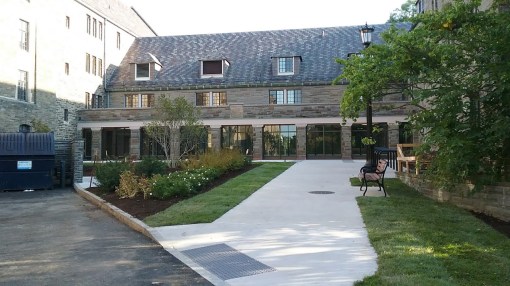
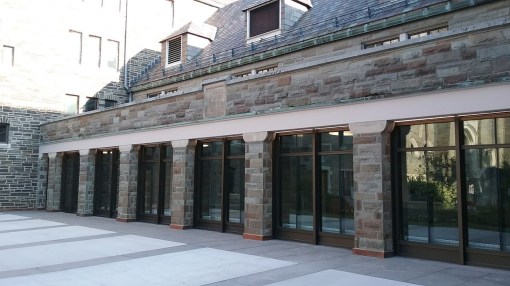
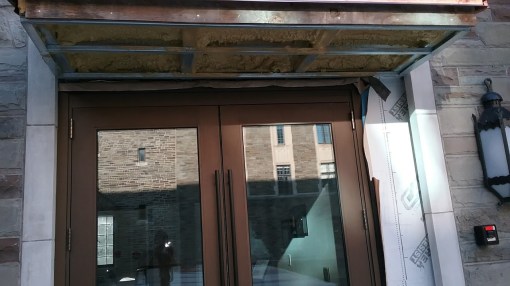
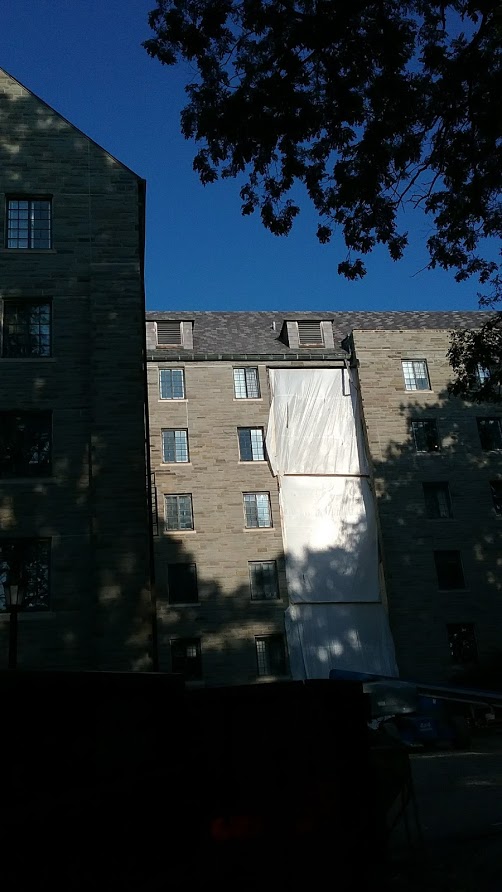
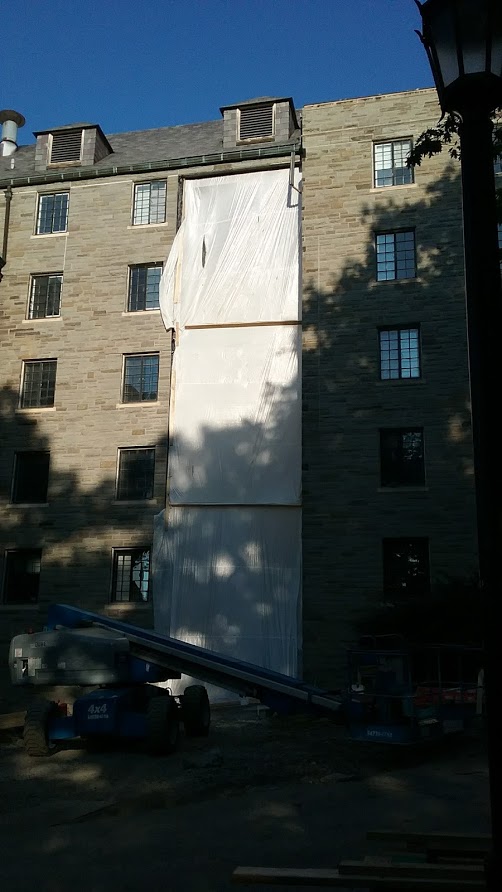
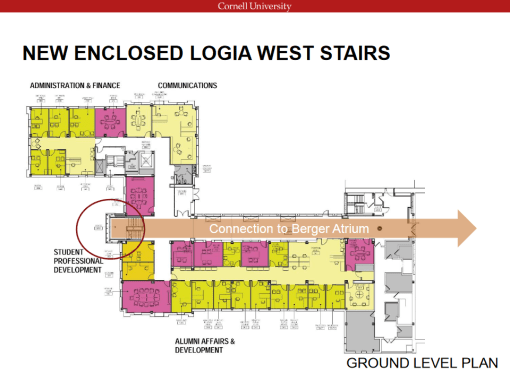
It appears the loggia has been enclosed at the Cornell law school. The fence is down, the landscaping is in place, and apart from some exterior finishing work, that portion of the renovation is complete. The new glazing works well with the collegiate Gothic architecture.

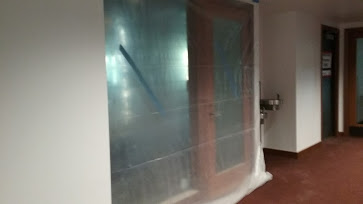
The new west stairwell has yet to be installed, with some plastic sheeting serving as an exterior membrane for the time being. With the old exterior wall removed, installation of the structural frame is likely to start soon, and it seems plausible that Welliver and Cornell would like to have the new stairwell closed up before winter comes. From the inside, it looks like some of the new office and academic space has been completed, while the southwest wing remains in the interior framing stage, with some metal wall studs visible through the hazy plastic sheet separating the construction area from the finished spaces.


Cornell Veterinary School Expansion Construction Update, 9/2017

29 09 2017

After two years of updates, the vet school expansion is practically finished. The exterior finishes are complete, and the Flower-Sprecher library is stocked with bookcases and workstations. Final landscaping and interior finish work appears to be all that is left on the agenda. According to a construction update from the Vet School, the academic spaces officially opened for academic use on September 11th. The exterior landscaping will be finished by October 1st, and offices and labs will be fitted out from now through December. The interior atrium is certainly cavernous and imposing, and it’s a shame the doors were locked during this past weekend’s visit.

The veterinary complex has never been an especially attractive group of structures, and the expansion project, designed by Weiss/Manfredi of New York, manages to add a modern update without being ostentatious. The boost in class sizes will give more students (120 per class, vs the current 102) a chance at Cornell’s quality veterinary education, and the growth provides fringe economic benefits for the Ithaca area as well. The new lecture halls, tutorial and surgery areas will no doubt be put to good use educating students and serving the community at large.

If I want to mark one concerning note, and be the obnoxious discriminating alum at the same time, I could point out that it appears that what was once the #1 vet school in the country is no longer #1 – UC Davis, whose student population is nearly 25% larger, is the new gold standard. So I suppose alumni could take to arguing over where the vet school’s resources would be better used. But, I study puffy clouds and cow farts for a living, and vet school politics is a debate outside this blog’s scope.

While this is the last update for the expansion, the new $7 million, 12,000 SF Community Practice Service Building will continue to use the same tags and headings, since the projects, though separate, have always been included in the same update posts. At this time, general contractor G. M. Crisalli & Associates has completed the foundation and underground utilities, and is erecting the wood framing for the walls of the one-story building. It looks like the front entrance area uses structural steel framing as a canopy. Sections of plywood sheathing are also up, and it looks like they may be planning to use a form of housewrap. A bit surprised they didn’t spring for ZIP panels, but each barrier has its pros and cons.  Some interior stud walls have also been assembled. The front sidewalks have already been poured and the curbing extruded, which seems reasonable as heavy equipment enters and exits from the other side of the construction site. The new CPS Building, designed by local firm HOLT Architects, should be open by May 2018.

Old:

New:


The Maplewood Redevelopment, Part III: Site Photos

5 09 2017

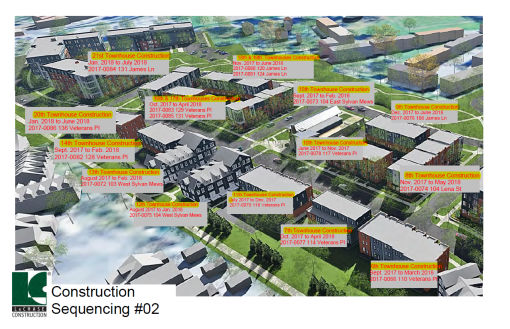
The rough construction timeline for the Maplewood structures looks something like this: Apartment buildings B and C started construction first in the spring, and the first townhouses were scheduled to begin in May. All of the major apartment buildings are expected to start construction by the end of August, while the last of the townhouse strings will not begin build-out until January 2018. Roughly speaking, the ends of the project site have earlier starts than structures in the middle of the site, and the more traditional-looking townhouse units start construction before the more modern strings.

The timeline is likely slightly behind schedule. During the mid-August site visit, a worker said that five of the foundations had been completed, but it seems at least six should have been finished by that point. The reason given for the relatively slow progress has been the wet summer, which has interfered with certain parts of the construction. For example, concrete pouring and curing for the foundations becomes a lot more complicated with the presence of frequent downpours. Rainwater can damage the foundation during certain stages of the process by causing the new pour to become soft again, reducing its structural integrity. Depending on timing, extra precautions have to be taken, or even worse, if it’s a real washout of a day the pour simply can’t take place at all. Several construction days have been lost, and to pick up the slack, the project asked for and received approval to increase the workday from 8 AM – 6 PM, to 7 AM – 7 PM, with the town’s stipulation that the extra two hours keep work noise below 85 decibels.

The photos below come from three separate time periods – February, which was mostly just site prep and excavation for underground utilities, the continuation of utilities excavation and installation in April, and the readying of connections to those new utilities in August. The circular concrete structures seen in April and August are for underground electric utility junctions. Similar structures may be used for wastewater pipes and drainage pipes. The teal pipes are PVC sewer pipes, and the rectangular precast concrete sections are protective covers. New curbing is being installed along Mitchell. I don’t know what the ridged crescent-shaped orange structures are, but if a reader knows, feel free to chime in in the comments.

Above-ground, it looks like the masonry stairwells for apartment buildings B and C have been built as of August. The slots in the sides suggests structural steel frames. A trailer on-site belongs to Peppard & Sons Masonry of Lockwood, so they may be the pertinent sub-contractor. Foundation slabs can be seen, and wood forms have been prepared for future pours.


Pre-development site photos:

February 2017:

June 2017:

August 2017:


Tompkins Financial Corporation HQ Construction Update, 8/2017

25 08 2017

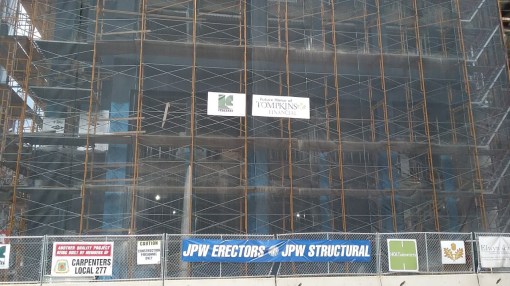
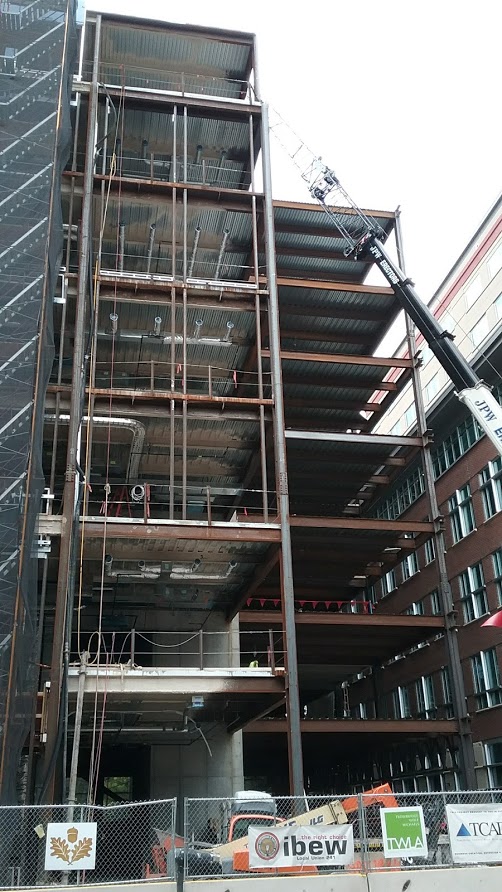
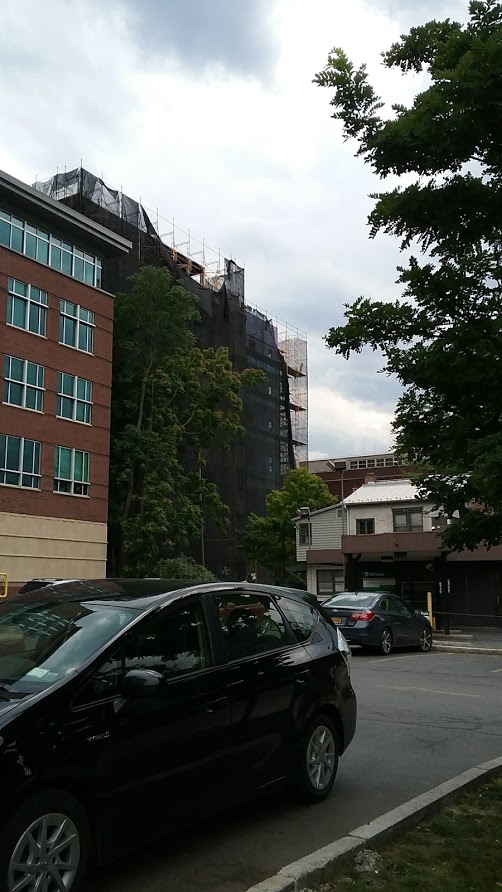
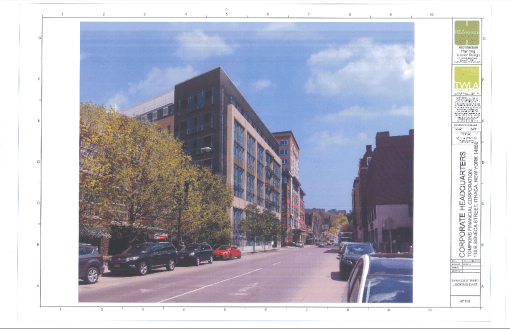
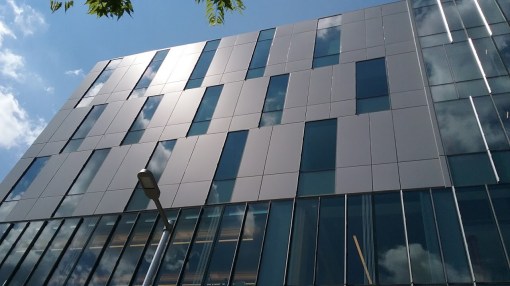
At the new Tompkins Financial Headquarters under construction at 119 West Seneca Street downtown, it looks like most of the structural steel has been erected, and gypsum sheathing has been installed over the skeleton. The top (seventh) floor is set back slightly from the lower levels, and will use light colored aluminum metal panels on all sides except the front, which will use black brick and stone veneer. With the exception of the rear stairwell, the side and rear walls will be faced with a tan brick veneer on the lower floors.

Brick veneer can be tricky because it’s porous. Water can penetrate the brick and make its way to subsurface coatings, where moisture can do damage over time. As a result, builders have to use a water-resistive barrier (WRB) between the sheathing and the brick. This can be done a few different ways – with Simeon’s and DiBella’s, for example, they used a polyurethane spray foam.

In this case, it looks like there’s a bright blue-colored vapor barrier being applied over the sheathing, probably Carisle Coating and Waterproofing (CCW) 705 or similar. CCW-705 is a rubberized-asphalt adhesive laminated with a smooth, durable plastic film. Construction crews spray an adhesive (CAV-GRIP) onto the sheathing, and then roll out the air/water barrier sheets over the top, kinda like wallpaper. These unfurled sheets are then pressed over with a seam roller to ensure it’s firmly and completely applied to the building surface.  The edges of the sheets are then filled in with a liquid mastic, which is a putty-like waterproof filler and sealant. Once the surface is completely sealed by the barrier, tie plates are fastened with washers and screws, and the brick veneer is laid over the top, typically with a 2″ spacing for drainage and ventilation. It appears the brick may be underway on the western wall of the building, as shown in the first image below. Meanwhile, the bottom floor looks like a different sheathing material, some variety of Dow Thermax panels (fiberglass embedded in polyiso) from the looks of it.

Based on building elevations and girder brackets, the JPW Erectors crane located at the southeast corner of the site will eventually be replaced with the last steel sections for the building. The steel decking is in, and there’s ductwork for the HVAC rough-ins. Curious to see if they’ll have the building closed up before the first snow flies.

LeChase is the general contractor, and it looks like they have some union crews doing work on site – the Carpenters’ Union Local 277 and the IBEW (International Brotherhood of Electrical Workers) Local 241 have signage up, as do project team members JPW Erectors, Elwyn & Palmer (structural engineering), TWMLA Landscape Architects, and HOLT Architects.


1001 North Aurora Street Construction Update, 8/2017

20 08 2017

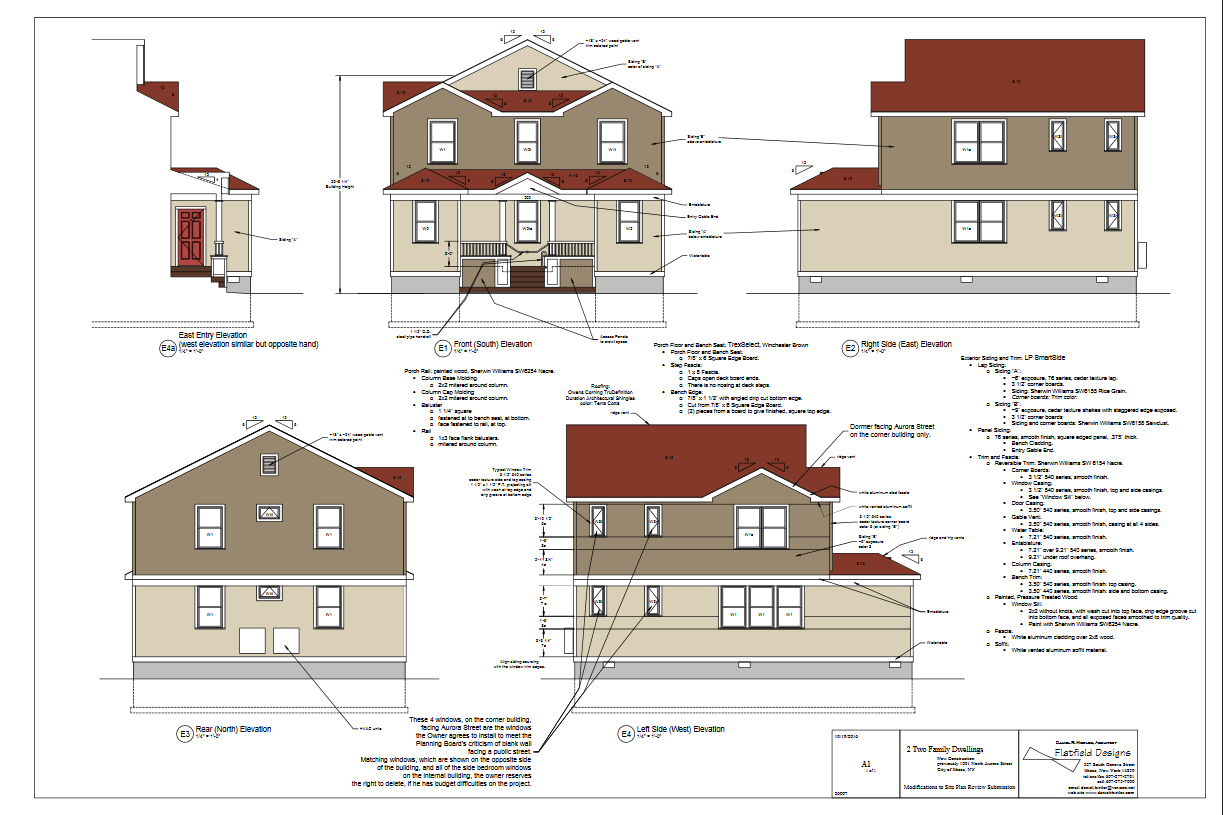
This small infill project in Ithaca’s Fall Creek is just about done. Tenants have already moved into the four three-bedroom units, and it looks like all that’s left on the outside is grass seeding and a coat of paint. According to the guys working on the duplexes, the mismatch in the second floor LP SmartSide wood siding was because the store they bought them (think they said Home Depot offhand) from had ran out, so they just bought what was available with the intent of painting over it when they were ready. It looks like the first floor has been painted, so that’s a good sign. It is nice to see that, although they were threatened for deletion if expenses came too high, the side windows on the inward-facing walls of the units (east side of 202, west side of 206) were retained.

This is a small, unassuming project. It replaced an older single-family home with four units that fit in with the neighborhood. It’s a bump in density without garnering too much attention. To be candid, it’s probably the only feasible way to add density to Fall Creek – scout out the few vacant lots, or buildings with less historic or aesthetic value, and try to design something that fits in (the only other one I’m aware of is the Heritage Builders infill project on West Falls Street, but at this point it would need re-approval from the planning board).

The three guys out front said that once these are complete, they expect to start work on developer Stavros (Nick) Stavropoulos’ next project at 107 South Albany Street. That site has not changed much over the summer, all that is there at the moment is the fenced-off foundation of the old building. The 11-unit apartment building slated for that site is expected to be completed by summer 2018.


209-215 Dryden Road Construction Update, 8/2017

19 08 2017

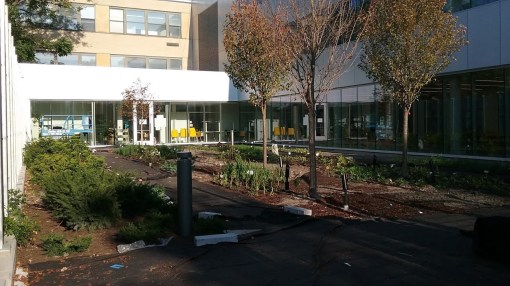
The Breazzano Center is occupied, so for practical purposes this project is complete. The interior and exterior finish work is wrapping up (interior moldings, some cosmetic exterior panels), and it looks like the new street seating, curbing and bike racks are in – the development team may hold off on plantings until next spring, depending on how well the project team thinks the new landscaping will grow in to its new environment, and by extension, its ability to withstand the winter months.

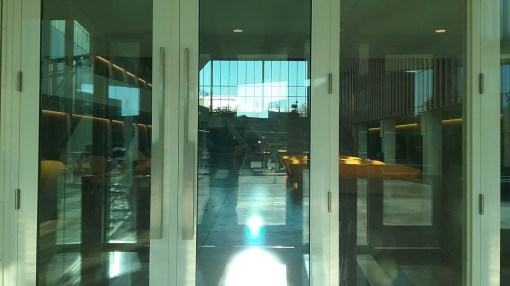
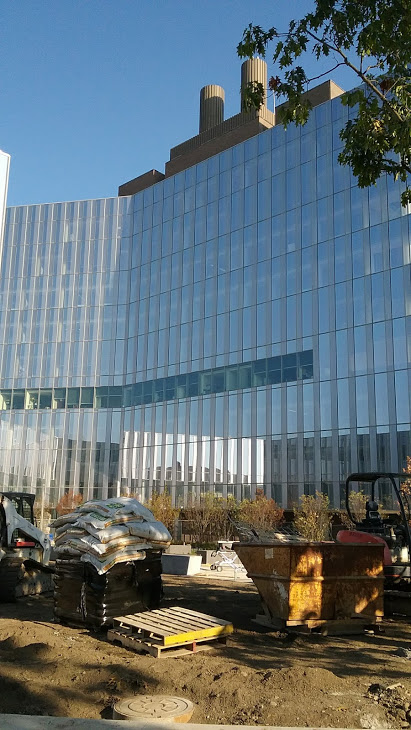
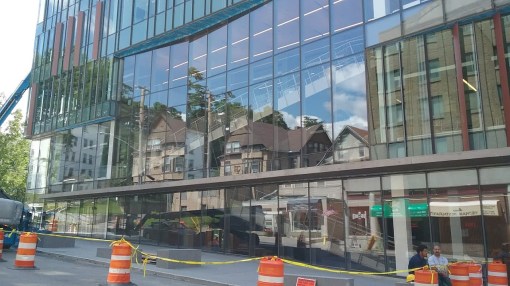
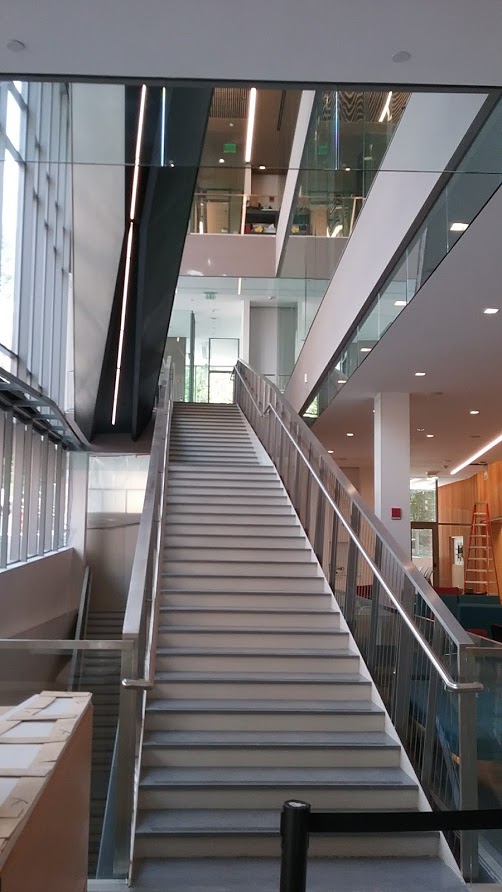
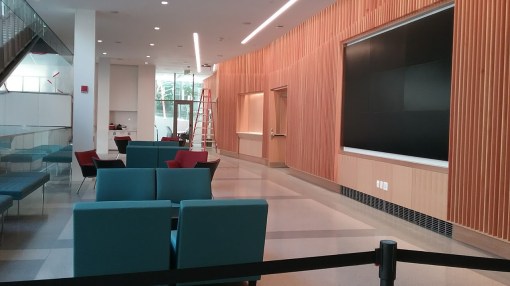
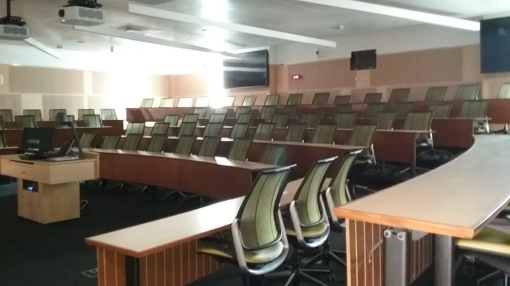
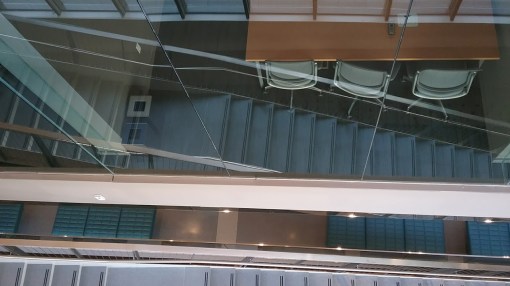
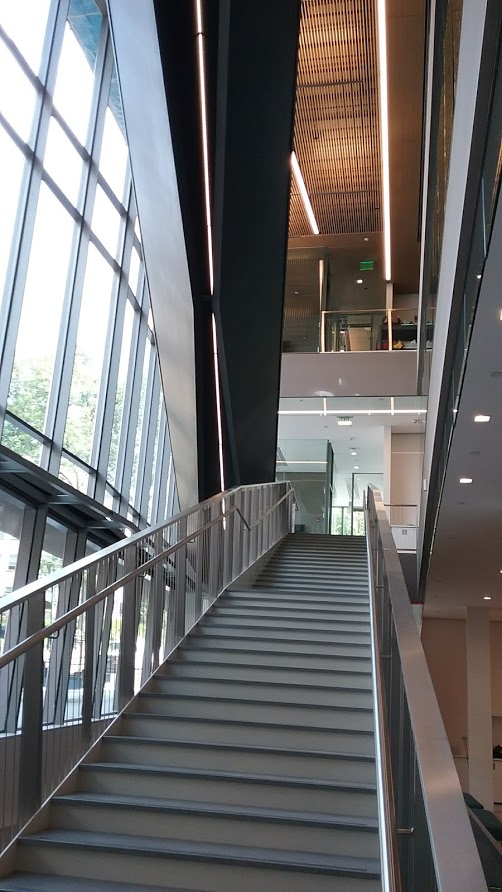
The interior is relatively dramatic for an office and academic building. There’s lots of natural light thanks to the glass curtain wall, the natural wood paneling gives it a warmer look, and the lighting underneath the staircases in the multistory atrium is a nice touch. If I have any interior critique, it’s that there’s so much transparent glass and bright light, it can feel a little disorienting, creating a feeling of space that makes the 76,000 SF building seem much larger than it is. Some of the breakout rooms and one of the tiered large-group classrooms are also included in the photos below.

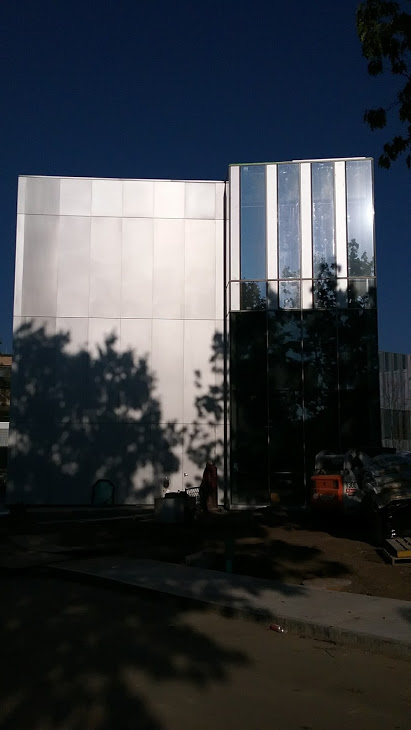
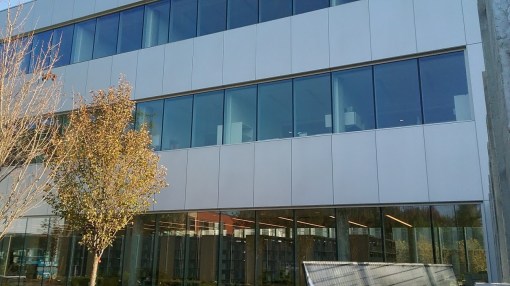
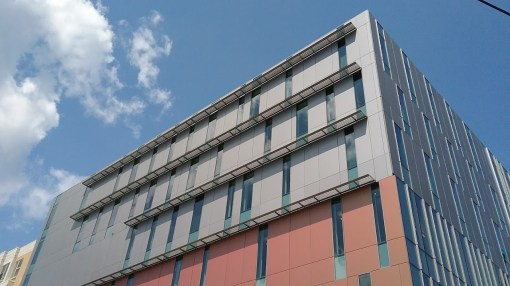
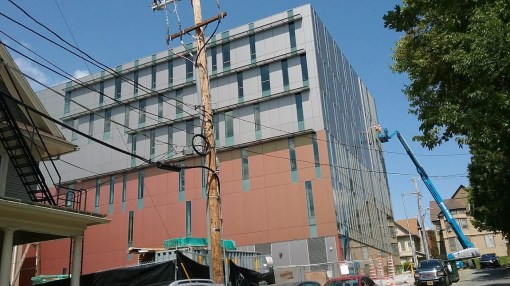
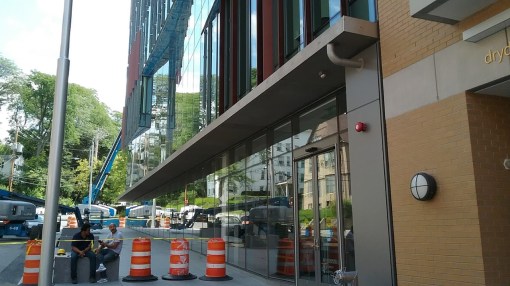
The exterior is a big change of pace from the CMU-faced residential buildings (much of it from Jagat Sharma’s hand) that define much of Collegetown. The glass curtain wall is unique, for the time being. Personally, I’m not a big fan of the aluminum panels on the sides and rear, though I recognize the cost utility provided, and necessary protection of certain interior spaces like the broadcast studio on the fourth floor.

Speaking to some construction workers on-site (the same ones who kindly gestured me to go in and take a look), they were uncertain when construction would start on Novarr’s complementary 24-unit apartment building at 238 Linden Avenue next door. But a timeline from April suggests next month, with completion next summer. That sounds reasonable – finish with one building, transition immediately to the next. Work on Novarr’s 119-125 College Avenue townhouse project has yet to start either; it appears to be a makeshift parking lot for construction crews and company trucks.

Overall, it seems the recent work in this part of Collegetown and Ithaca is a net positive. With projects like the Breazzano, 238 Linden and Dryden South, within just a few years, a corner of Ithaca that once housed a few student-oriented businesses and mostly-rundown/vacant apartments will have been replaced with dozens of beds, office space for hundreds of Cornell staff, and classrooms for deep-pocketed students who visit for only a few weeks a year. Plus, it adds up to an additional $15 million or so in taxable property (and that’s accounting for the reduction as a result of the Tompkins County IDA PILOT agreement).  There’s a clear financial benefit to Collegetown business owners and to the city. Add an aesthetic bonus point for removing the power poles and shifting moving the electrical utilities underground.

The $15.9 million project will be 100% occupied by Cornell on a 50-year lease. Hayner Hoyt Corporation of Syracuse is the general contractor.

Before:

After:


The wording on these sheets conjures images of a stuffy, tense maître d’ addressing his staff.