Cornell Law School Renovation Update, 1/2017

17 01 2017

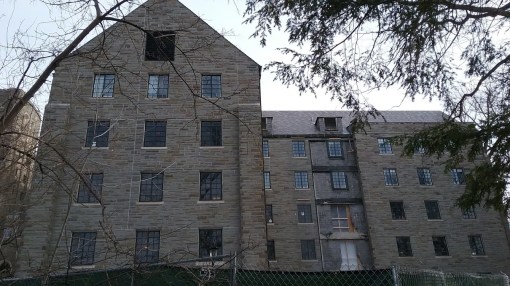
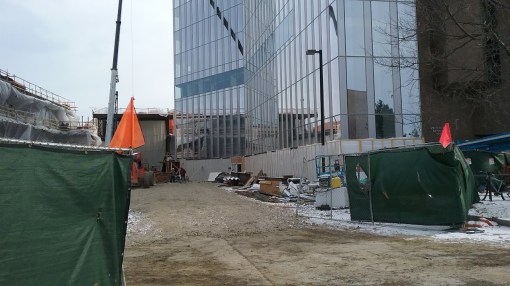
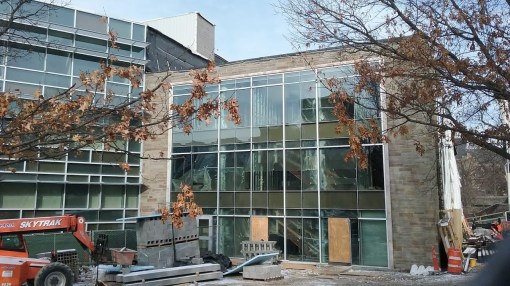
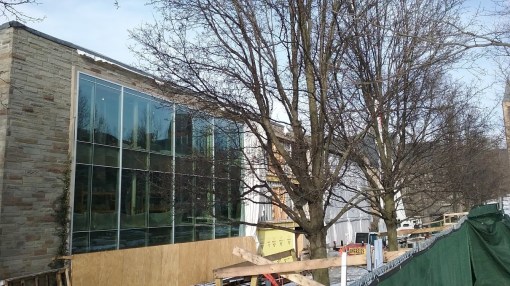
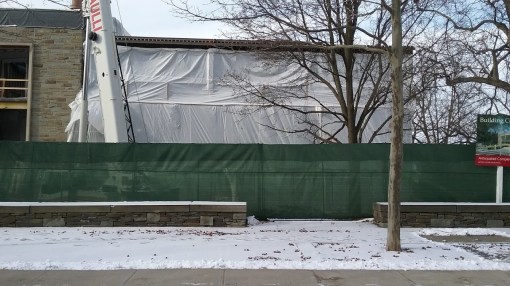
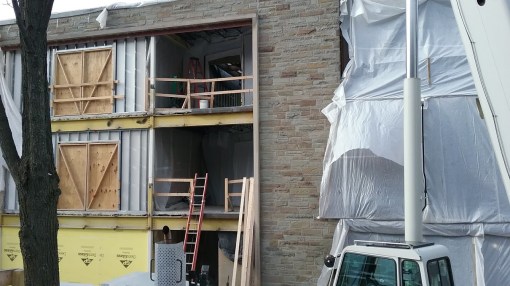
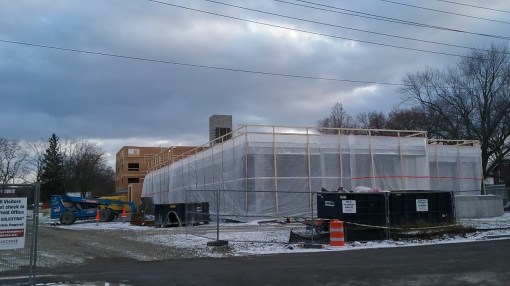
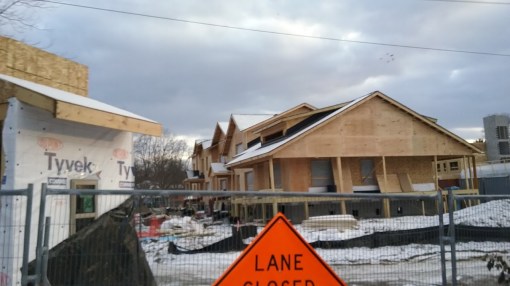
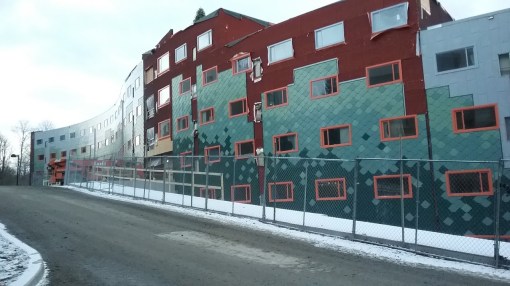
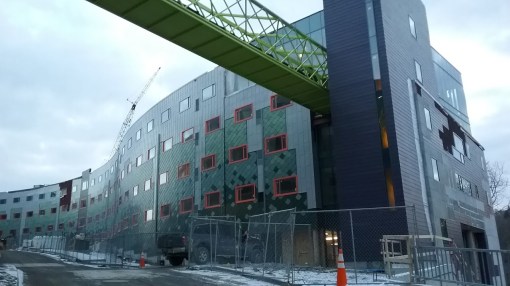
From the outside, it doesn’t look like much is happening. But, given all the steel beams on site, the safe bet is that the former dorms inside are still being gutted to nothing but the load-bearing walls, and those beams will become a part of the new interior partitions, new stud walls for the enhanced faculty office and professional space. This is by and large an interior renovation, but perhaps after the deepest cold of the season passes, we’ll see more progress towards enclosing the loggia and the new stairwell on the west face. The wire mesh over the exposed west wall is for safety reasons.

20170107_105312 20170107_105321 20170107_105342 20170107_105408 20170107_105424 20170107_105432 20170107_105542 20170107_105624

hughes_cornell_4 hughes_cornell_3


Cornell Veterinary School Expansion Construction Update, 1/2017

17 01 2017

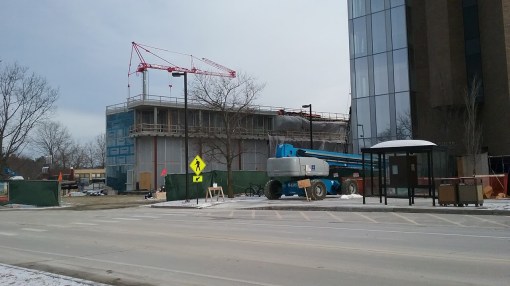
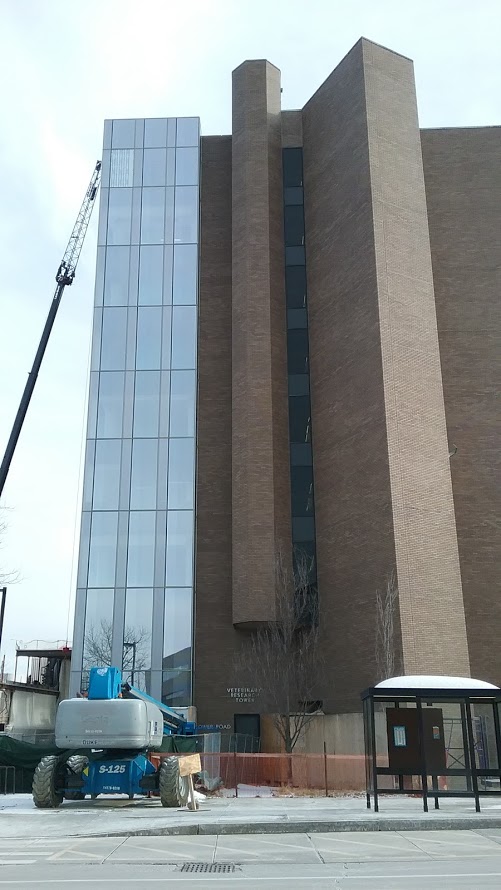
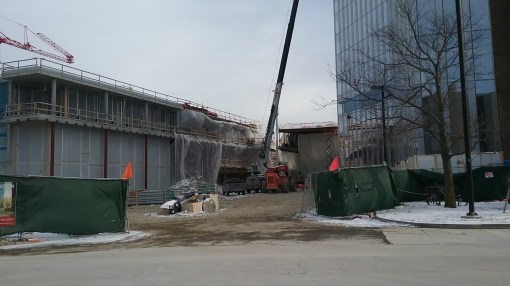
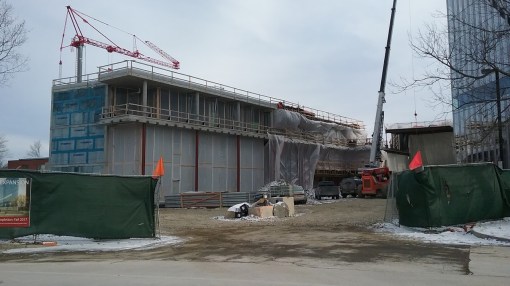
Starting to see more progress on the structural frame of the $74.1 million Vet School additions. The reinforced concrete frame of the new library and administrative offices now extends all the way back to the rest of the Vet School complex; the new section is draped over with plastic sheets. Also, as the new wing gets fleshed out, the rough openings of the windows are taking shape. It doesn’t look like there’s been too much exterior progress on the new atrium.

According to the project webpage (last updated two weeks ago), interior framing (metal stud walls probably) is underway, rough-ins are underway, and the new cafeteria is under construction. Welliver will have the new atrium and lecture hall fully closed up by the end of January. Most of the Vet Research Tower work has been completed, but new office layouts are still in the works for the sixth and seventh floors, and that work won’t get underway until this Spring.

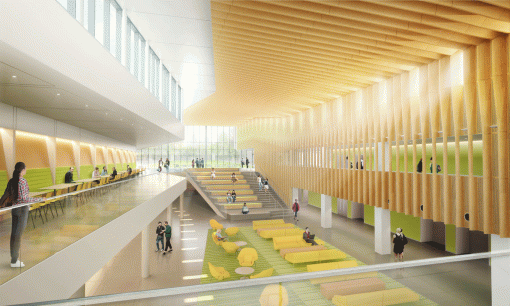
The new $7 million ($4.9 million hard cost) Community Practice Service Building is out for bid, with a march demo planned for the Poultry Virus Building currently on site, and a March 2018 opening, about seven months after the bulk of the new Vet School structures. It is a wood-frame 12,000 SF building designed by HOLT Architects, and I still have yet to find an image of the design.

20170107_102456 20170107_102508 20170107_102521 20170107_102540 20170107_102615 20170107_102640 20170107_102646 20170107_102708 20170107_102740 20170107_102838 20170107_102846

cad048742a281097e5667382eced42333f5656954f5a3ef1021519c03b4abe9f

20160522_131445 20160522_131417 20160522_131344

20160522_131403


Gannett Health Center Construction Update, 1/2017

15 01 2017

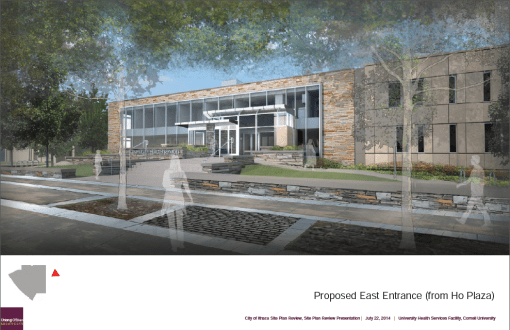
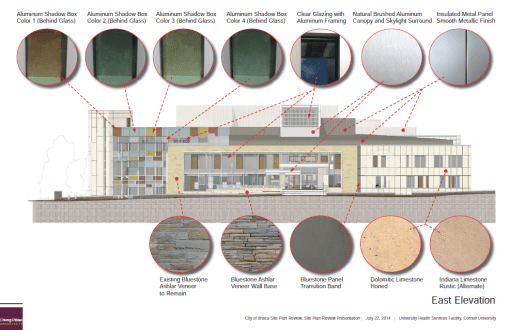
Okay, for as much as I miss the old banded concrete and glass, the large window panes, clear glazing and thin aluminum frames designed by Ithaca’s Chiang O’Brien Architects do have a certain modern chic going. However, this armchair critic still has yet to decide if he likes the offset between the outer and interior frames of the curtain wall. The windows have made their way north along the old east wing. Peering through, you can make out some of the new metal stud walls, so utilities rough-ins for the gutted 1950s structure are underway.

The new entry canopy has yet to be built out. Pike, the contractor, could soon insert the northernmost panes where the old east wing’s interior is exposed, but the curtain wall glazing won’t be finished until the canopy has been constructed.

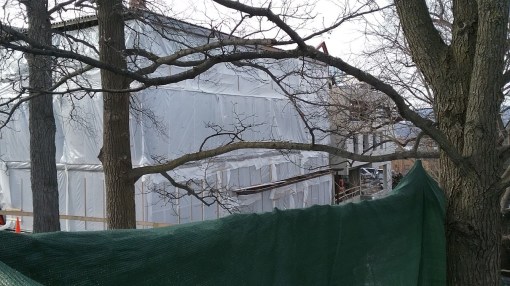
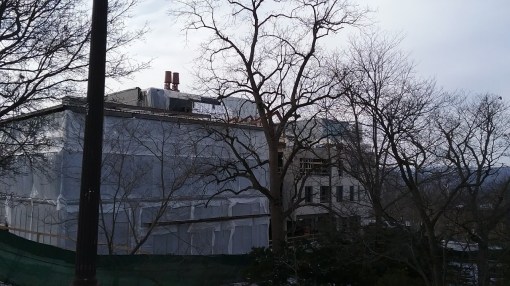
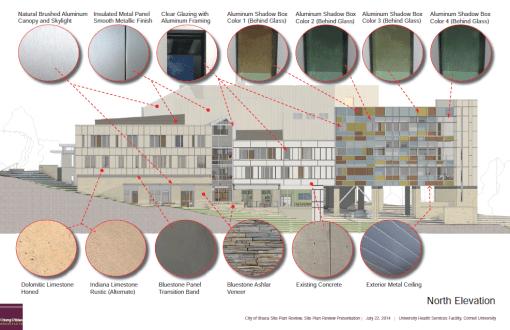
The new three-story 18,000 SF northeast wing, which replaces the former Ho Plaza entry, rose pretty quick – like the Breazzano Center, it’s wrapped up in plastic to limit workers’ exposure to the cold. The outside of the new wing will be faced in a couple types of limestone, with a bluestone transition panel and bluestone veneer at its base – the 1979 west wing is being updated so that the two will look similar, although the 1979 wing will retain its concrete exterior, giving the two wings some visual contrast.

According to Cornell’s revamped project website, the Gannett project is 70% complete. Whether that included the new addition that opened last year is not clear. The entire project should be finished by this fall.

20170107_105817 20170107_105841 20170107_105904 20170107_105908 20170107_105926 20170107_105950 20170107_110000 20170107_110007 20170107_110038 20170107_110100 20170107_110108

gannett_northeast_persp gannett_north_final gannett_eat_persp gannett_east_final gannett4


Ithaka Terraces (215-221 West Spencer Street) Construction Update, 1/2017

14 01 2017

The first building of the Ithaka Terraces, Building “A”, is fully framed and in the process of being roofed. The project uses double stud exterior walls in tandem with Insulated Concrete Forms (ICFs), which is thermally insulated plastic filled with concrete. The zip sheathing goes on over the surface. The purpose of the thick, more premium approach is for more efficient insulation, since the condo units are designed to be net-zero compatible (the high energy efficiency reduces the need for off-site renewable energy sources, and net-zero becomes more feasible as a result).

Further up the sloping site, smaller Building “B” has completed the ICF erection ground floor and is starting work on the upper floors. Note the reinforced concrete wall facing South Cayuga (east). That will eventually be back-filled and hidden from view. As seen in some of the early concept designs below, only the top floor of the three floors of Building “B” and “D” will have windows facing outward; the South Cayuga side of the property is where the parking lot will be laid.

The other large building in the four-building cluster, Building “C”, a mirrored floorplan of “A”, is just getting started; the site was being prepped and graded when these photos were taken last week. Building “D”, a mirrored floorplan of “B”, will start construction at a later date, as the other three get further along. In the last photo, one can see the winding temporary staircase workers use to get to the building themselves. AquaZephyr, an Ithaca firm specializing in eco-friendly construction, is the general contractor in charge of the buildout.

The 12-unit condo project will begin formal marketing later this Spring. There will be 10 two-bedroom units and 2 three-bedroom units, in the $265k-$390k range. A late 2017 opening is planned. Interested readers can submit queries here.

20170107_112320 20170107_112356 20170107_112359 20170107_112419 20170107_112433 20170107_112437 20170107_112656 20170107_112710 20170107_112727 20170107_112735

215-221_spencer_v1_2 215-221_spencer_v3_1

ith_terr_intro


602 West State Street Construction Update, 1/2017

13 01 2017

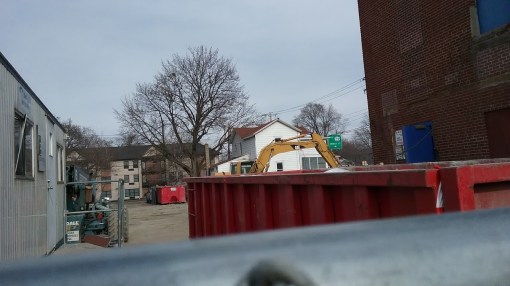
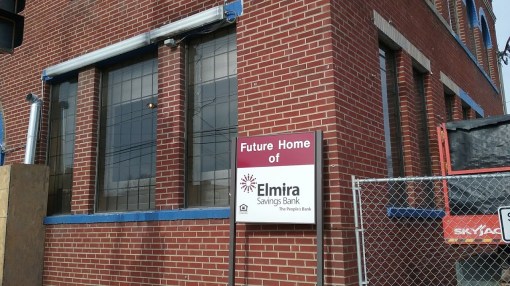
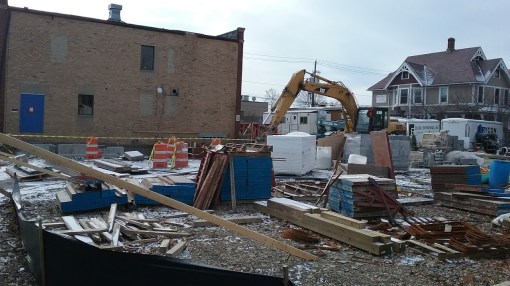
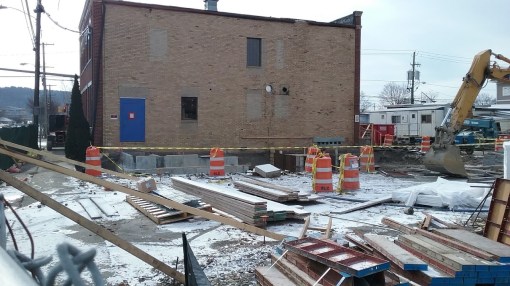
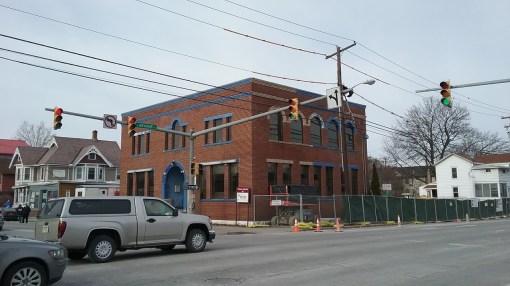
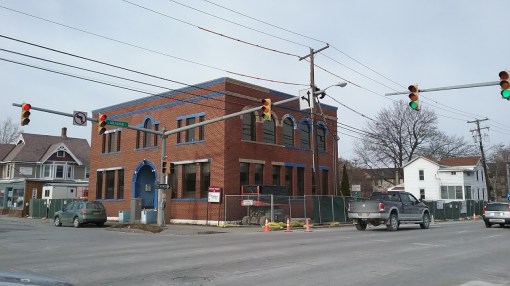
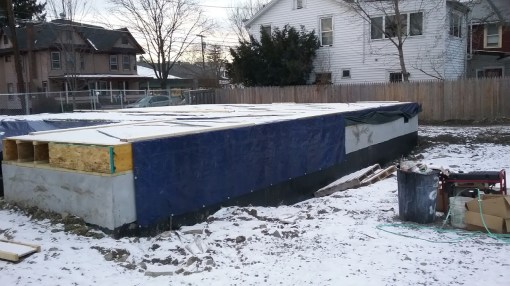
With the sidewalk along Meadow St closed off, getting up close to the Elmira Savings Bank project just became much more difficult. From the front, there hasn’t been much exterior work yet – judging from the dumpster, Edger Enterprises has been more focused on gutting the interior of the hundred year-old building. It does look like that, since November, some of the historically inaccurate blue paint has been stripped from the east facade. It doesn’t look like there’s been much progress on the new wing on the north side, the foundation looks about the same at it did two months ago. Dunno if they’ll be hitting that March 2017 completion date.

More info about the project can be found here.

20170107_114207 20170107_114322 20170107_114328 20170107_114404 20170107_114448 20170107_114515 20170107_114552 20170107_114603 20170107_114747 20170107_114801 20170107_114856


1001 North Aurora Street Construction Update, 1/2017

11 01 2017

This is another one of those modest-sized infill projects where if you blink, you might just miss it.

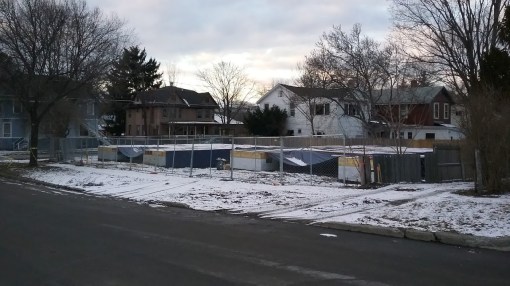
1001 North Aurora is on the north end of Fall Creek, across the street from the elementary school. The plan replaces an old though not especially historic single-family home with twom two-family homes, each unit with three bedrooms for a total twelve. Four parking spaces are included. The project was approved in October 2016 by the city planning board; the lot subdivision that triggered board review.

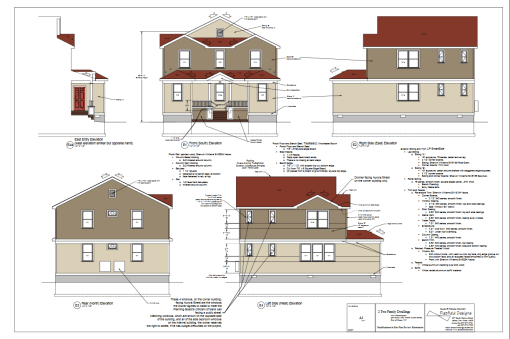
Over the course of review, the board requested a little more character in the house designs, including more windows, two different shades of lap siding (which will be LP SmartSide wood siding, painted Sherwin-Williams “Rice Grain” and “Sawdust”), and dormers. The materials also include Owens Corning TruDefinition “Terra Cotta” shingles and S-W “Nacre” trim boards. The initial design looked like this, and the final is shown below. The eastern building will not have the dormer, and may not have the pocket windows in the west wall either, as those were stated to be cost-dependent. The side facing Aurora, however, has to put them in as a stipulation of the approvals; after some recent issues with other projects, the board’s been getting a little more assertive when it comes to building details being built as approved.

The developer is Stavros Stavropoulos. The Stavropoulos family is perhaps best known for running State Street Diner, but recently they’ve been wading deeper into the development pool, building a new two-family home at 514 Linn Street and a two-family addition onto 318-320 Pleasant Street. Tompkins Trust gave a $400,000 construction loan to this project back in August.

Each unit will ring in at about 1200 square feet. Local architect Daniel R. Hirtler, fresh off of another duplex on the corner of Oak Avenue and Oneida Place in Collegetown, is in charge of design. Construction is expected to wrap up by the end of May 2017. According to Craigslist, the units are renting for about $2325 each ($775/bedroom), and two of the four units are already rented. Quote:

“New duplexes featuring 3 bedroom, 1.5 bath apartments. Open floor plans, ductless heating and cooling in every room, hardwood floors, stainless steel appliances, corian counter tops, stackable washer and dryer, fully furnished, off street parking and much more.”

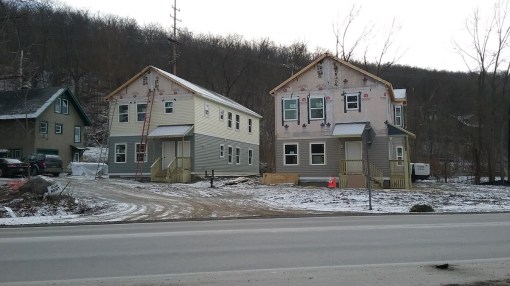
You’ll notice in the photos below that the completed foundation slab sits a little above the ground – the northern part of Fall Creek has a high water table, so to help avoid water/flooding issues, the buildings are raised slightly. Wood framing is just beginning, so look for these to take shape as we finish out the winter and head into spring.

Quick final detail – 1001 North Aurora Street was the old address. These properties will use addresses on the 200 Block of Queen Street.

20170106_161844 20170106_161904 20170106_161928  20170106_161955 20170106_162000 20170106_162032

1001_n_aurora_v2_1


312-314 Spencer Road Construction Update, 1/2017

10 01 2017

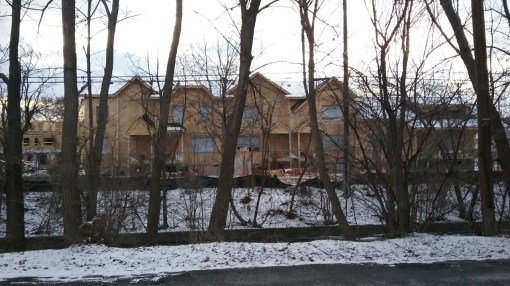
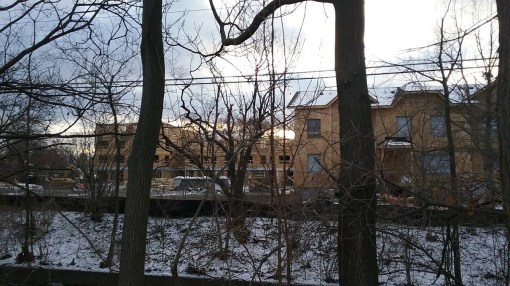
The new duplexes on Old Elmira Road seem to be moving right along. The east building has three shades of siding, one for each floor, and a third at gable-level. The exterior is accented by white trim boards. The variety in colors is an easy to way visual interest to an otherwise simple design. We’ll have to wait and see what colors they break out for the west building, which also benefits from a window bay projection facing towards the open space. It looks like plans to use shake siding on the bay projection have been dropped. Both building appear to be fully roofed and shingled. Signage at the edge of the road suggests precast concrete Superior Walls were used in the foundation work.

The 4 3-bedroom units are expected to hit the market in February. In the November update, I noted that Craigslist had these at $1700; the Modern Living Rentals website, which is the rental company for developer Charlie O’Connor, has them listed at $2100. Consider these a preview of the 4 two-family homes to be built at 607 South Aurora this spring and summer, which are also an O’Connor project.

20170107_113210 20170107_113347 20170107_113417 20170107_113438 20170107_113506 20170107_113530 20170107_113545 20170107_113554


210 Hancock Construction Update, 1/2017

9 01 2017

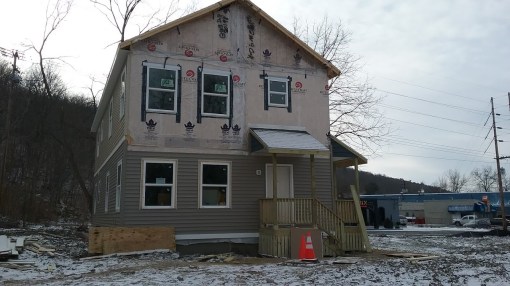
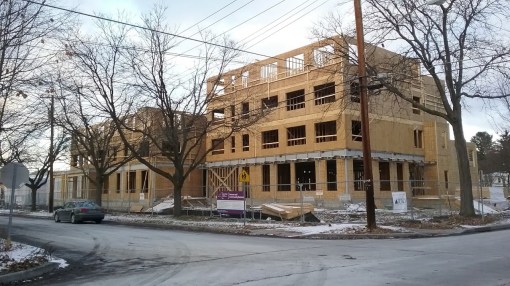
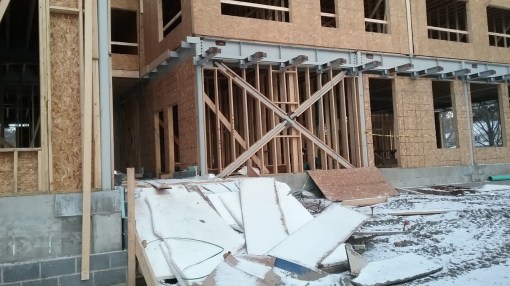
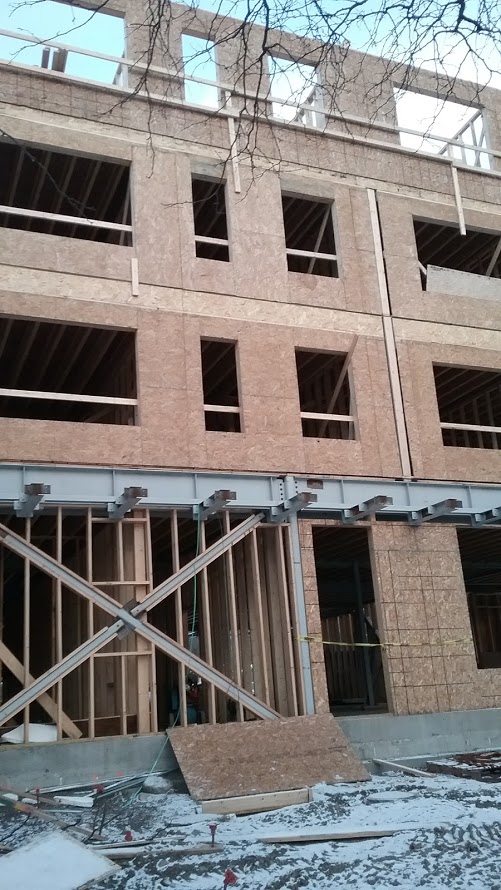
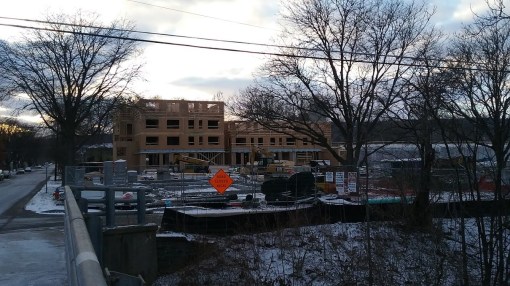
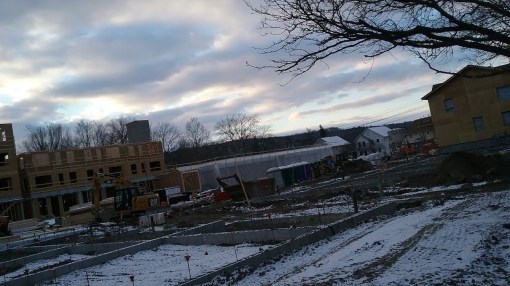
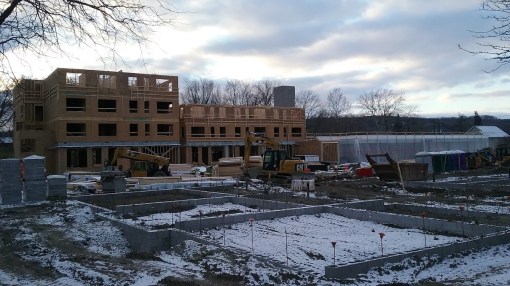
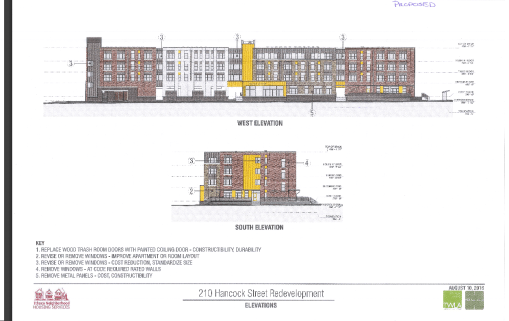
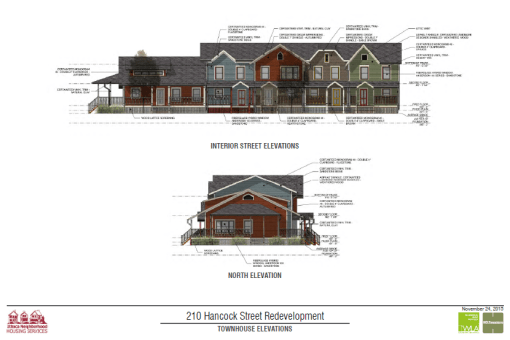
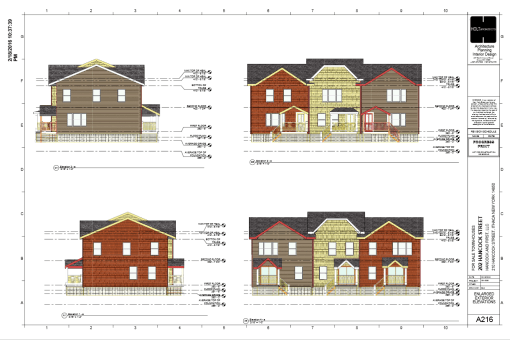
So much to see over at the 210 Hancock site. First, the prefabricated wood wall panels of section “A”, the south wing of the apartment building, are up to the top (fourth) floor, and one gets a pretty good idea of the vertical scale of the building. For the record, roof height will be 46 feet, not counting mechanicals. The second section to the north of it, “B”, was designed by HOLT Architects to be a little closer to the street, so it looks less like one continuous wall, and helps create the impression of separate structures. The first floor of these two subsections, which is framed by metal and wood rather than wood alone, will house the daycare, rental offices and commercial space. Sections “C” and “D” will consist of apartments over the indoor garage, which is currently wrapped in plastic sheeting, and separated from the other two section by a CMU stairwell.

The rental townhouses are fully framed (210 Hancock’s website says window install is expected to start soon), and it appears that Lecesse has start construction on the seven for-sale townhouses – the foundation walls have been excavated and poured. These units have a slab (shallow) foundation, and not having to worry about excavation allows the townhouses to move along at a faster clip. The apartments and rental townhouses should be ready by August, the for-sale townhouses by November. Ithaca Neighborhood Housing Services (INHS) has a website up for rental applications here and qualified home-owners here.

20170106_155902 20170106_155925 20170106_160000 20170106_160020 20170106_160043 20170106_160130 20170106_160153 20170106_160227 20170106_160247 20170106_160309 20170106_160331 20170106_160347 20170106_160457 20170106_160508 20170106_160531 20170106_160540 20170106_160610 20170106_160626 20170106_160639 20170106_160700 20170106_160711 20170106_160720 20170106_160736 20170106_160744 20170106_160821 20170106_160855
inhs_pride_design_v6_1

inhs_pride_design_v5_3 inhs_pride_design_v5_2

202_hancock_1 202_hancock_2

202_hancock_3


Collegetown Terrace Construction Update, 1/2017

8 01 2017

And to think that a year ago about this time, Collegetown Terrace’s Building 7 was just an excavated trench.

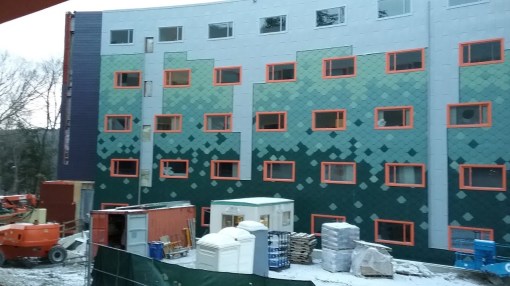
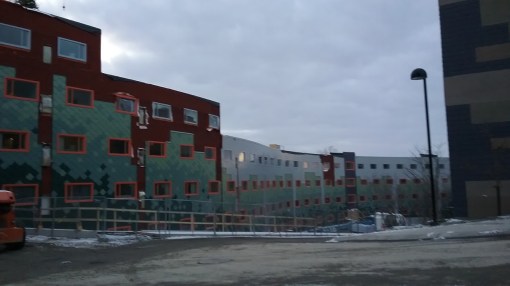
On the outside, facade installation continues. It looks like that, along with the fish scales and aluminum panels, there might be a dark blue fiber cement siding not unlike that seen on the smaller buildings lining East State Street. The east cinder block stairwell seen in November’s photos has been wrapped in waterproofing and is now receiving its exterior finishes. Most of the windows have been fitted at this point. The AC units have yet to be installed, and from what could be seen through the windows and openings, the inside has had drywall hung in some locations, but is still down to the stud walls in other sections. There are a couple of architectural quirks that give the building a little bit of visual interest – for instance, the reverse-pitch on the roof where Valentine Place terminates, probably indicating a stairwell or landing area, breaks up the monotony of the wall. I really like the curtain-wall glass used for the amenities/common area at the southwest corner of the structure.

A pine tree on the roof is a traditional way to celebrate the “topping out” of the building.

By the way, I have been wrong – the fish scales are in fact metal, their finish coat just makes them feel like vinyl. According to a trade industry website, they are “0.032-aluminum (0.032” thickness), diamond-shaped, flat metal CastleTop Shingles from ATAS International Inc. of Allentown, Pennsylvania. ikon.5 architects selected three standard colors-Hartford Green, Patina Green and Hemlock Green-and four designer colors-Adobe Dust, Metallic Gold, Acorn Yellow and Louisburg Green.” It looks like the shingles are more commonly advertised for roofing, although their interlocking tabs allow them to be used for walls as well. The three shades of green on Building 7 are the three standard colors, logic being that designer color shingles likely cost more and were used more sparingly. The other four show up on Building 3 where it approaches East State Street.


20170106_163724 20170106_163805 20170106_163817 20170106_163912 20170106_163931 20170106_163951 20170106_164021 20170106_164026 20170106_164102 20170106_164206 20170106_164212 20170106_164249 20170106_164309 20170106_164636 20170106_164719 20170106_164730  20170106_164800 20170106_165233


902 Dryden Road Construction Update, 12/2016

19 12 2016

Varna has long been touted as one of those places where development is likely to happen. The hamlet, which has under 1,000 people, sits close to Cornell in the town of Dryden – land is cheaper than most parts of the city, but the area is served by the bus line, which opens it up to Cornell’s deep-pocketed student market. However, Varna can be a tough nut to crack – this far out, the demand is mostly driven by more cost-conscious grad students rather than free-spending undergrads, and the going price for a rental is lower. With a less captive market and less lucrative rents, Varna becomes a trickier prospect.

Plus, although the town itself is fairly accommodating, some members of the local neighborhood group, the Varna Community Association, have a disposition against rentals, preferring that any development that comes along be owner-occupied. Owner-occupied is possible as Tiny Timbers hopes to demonstrate, but it is more difficult to finance since a developer can’t guarantee income the same way they could with rentals.

Since the 1980s, one can find at least six projects proposed in Varna that never came to fruition – the latest and grandest being a massive 260-unit proposal by the Lucente family, which the town turned away from further consideration after concerns about quality of life, and significant pushback from members of the VCA. Concurrently, the town was looking at updating the hamlet’s zoning, and the issues with the Lucente plan helped formulate the new Varna comprehensive plan adopted in 2012, and revised zoning not long thereafter. The zoning identified areas for density and dvelopment (ideally, a walkable core), and preserving more rural lands beyond the main drag.

902 Dryden Road, first proposed in June 2015, was the first project to come along after those planning and zoning updates. It was somewhat unexpected by some residents, because a redevelopment of this property was not envisioned in the town’s 2012 plan (which shows that plans are guidelines, not prescriptions). Initially, it was a 15-unit, 42-bed proposal, rentals aimed towards grad students and Cornell staff. Two of the units, totaling six bedrooms, already exist. Modern Living Rentals, a partnership of local developers Charlie O’Connor and Todd Fox, purchased the property in June 2014 for $215,000. At the time, the units were going to be entirely solar-powered, aiming for net-zero energy (what is produced on-site is equal to or greater than what it consumed).

At this point in time, Fox and O’Connor had done some duplexes and the 6-unit apartment building at 707 East Seneca in the city, but 902 was going to their first “large” project. But, they hadn’t counted on strong opposition, not just from neighbors but from Cornell Plantations (now Cornell Botanical Gardens), who had concerns about the floodplain at the rear of the parcel, where it borders Fall Creek. The town was hesitant to move forward with approval unless there were revisions.

As time wore on and meetings were held with the town and VCA, the project was reduced in scale; the lot size used to determine maximum unit density was calculated incorrectly the first time and two units were removed, and then the project was scaled back further to reduce impacts on the floodplain, moving the gravel parking lot so that it wouldn’t infringe on the plain – the final count came out to 10 units and 32 bedrooms, or 8 units and 26 bedrooms if counting just the new structures. The solar panels had been on the flood plain as well, but were eliminated because they were no longer financially doable at 8 units; it was stated that the infrastructure would be built to support net-zero energy down the line, if power was purchased from off-site. The reduced-size project was acceptable to the town and to Cornell, and 902 Dryden was approved in March 2016.

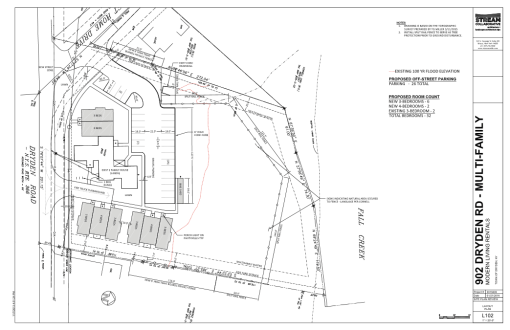
Along with the existing duplex, two new units will be built opposite a shared wall. Two three-unit clusters will also be built on the east side of the parcel. The middle units of the three-unit clusters will have four bedrooms with 1606 SF of living space; all the rest will be three-bedroom units, and about 1500 SF each. STREAM Collaborative is the project architect.

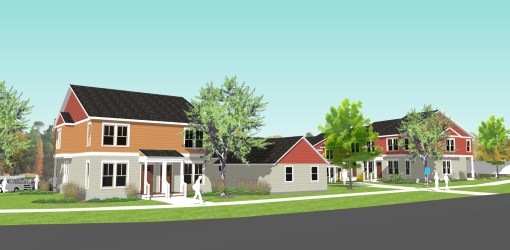
There are two separate groups of drawings floating around for the buildings, and I am not sure which is correct. The render below, from shortly after approval, shows warm colors. Renders on MLR’s website show what looks like blue, brown and white fiber cement panels. The unit rents range from $1500-$2000/month for the three-bedrooms, and $2600/month for the four-bedrooms. The project cost was estimated at about $1.5 million in early Site Plan Review docs.

It’s a bit of tricky site for photos- the site borders the intersection of 366 and Forest Home Drive, leaving a pull-off in front of the mobile home park, or at the spit of land where the roads split. But it looks like site clearing and foundation excavation are ongoing. If anyone knows who the contractor is, drop me a line in the comments.

20161211_130116

902_dryden_final 902_dryden_v4_1