Poet’s Landing Phase II Construction Update, 2/2017

23 02 2017

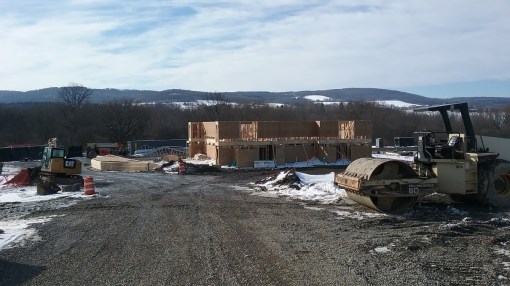
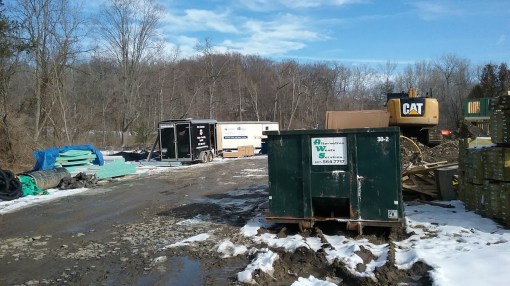
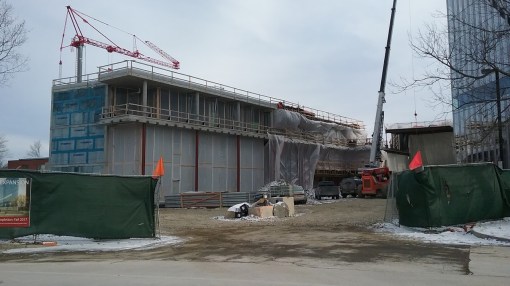
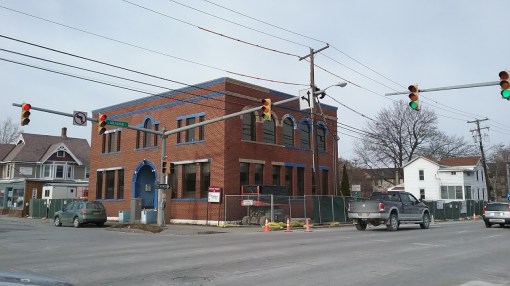
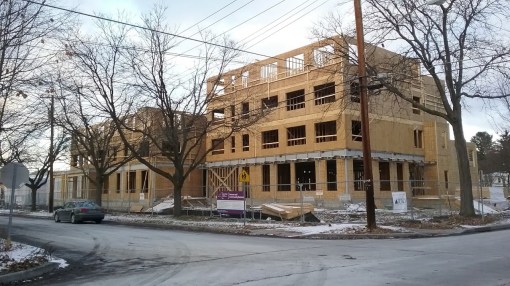
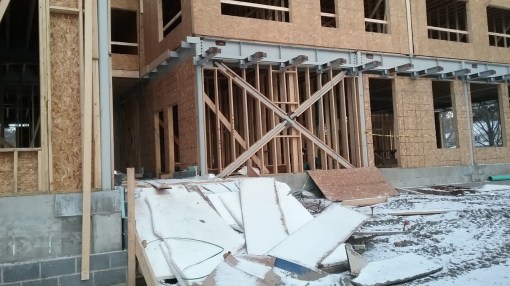
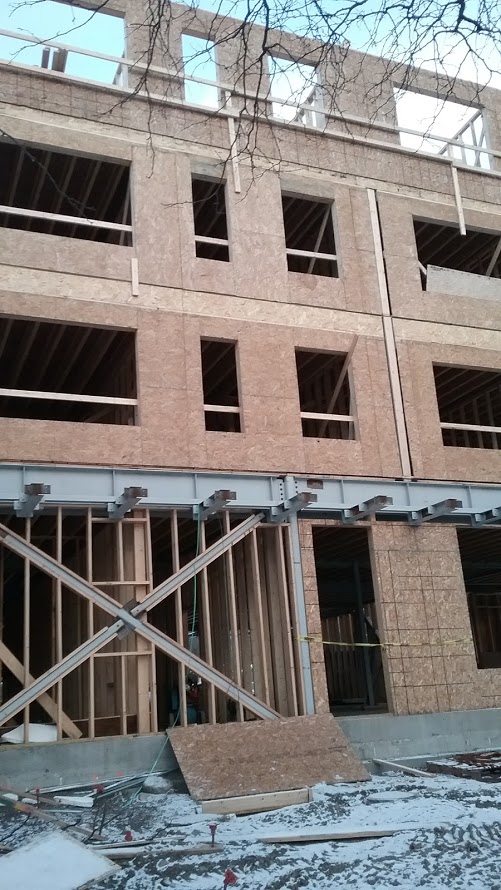
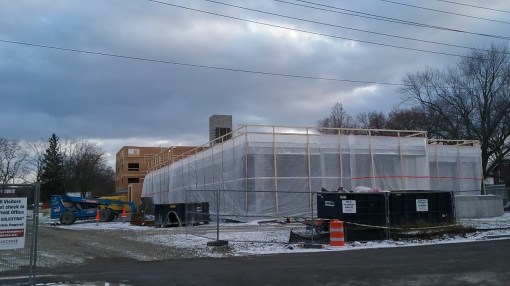
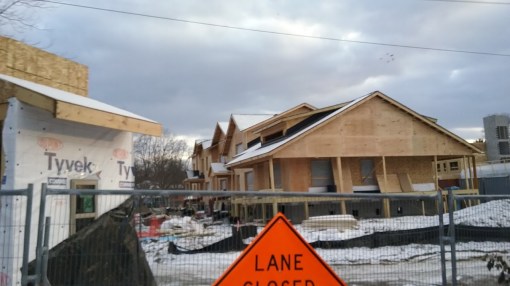
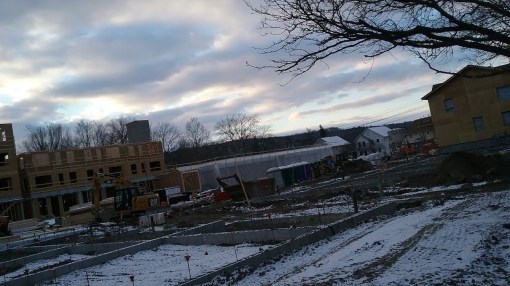
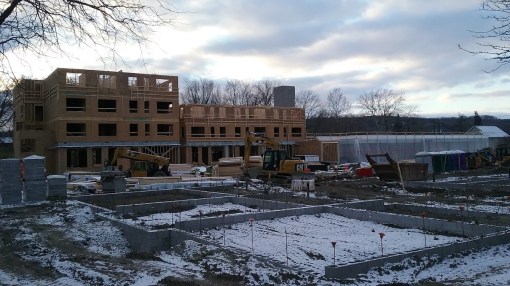
Poet’s Landing is moving along. Framing for the first eight-unit building is underway; the slab foundation has been poured for two more. The other four buildings in the 48-unit project will come along as the weather warms up – it’s possible that LeChase may have the sites cleared forms ready for the rest of the foundation pours, but they may be buried under the snow (this was the first place I visited last Saturday morning, so the unseasonable heat had yet to do its melting magic).

According to an article published just yesterday, Boston Capital has bought the Low Income Housing Tax Credits (LIHTCs) awarded to Conifer Realty to help finance the project. The Boston-based real estate investment firm paid $7.6 million. Boston Capital can apply those credits to the taxes on its holdings, and Conifer gets the money it needs to pay for hard and soft development costs (which total $10.8 million, the rest coming from federal/state grants and equity). Boston Capital is a frequent partner of Conifer, having bought their LIHTCs many times in the past, including those awarded to the 72-unit first phase of Poet’s Landing that opened a few years ago.

poets-landing-ii

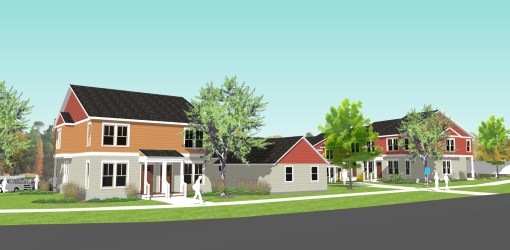
Quoting Housingfinance.com, which also had the first actual render of the project shown above:

“Located on 10 acres, Poets Landing II will feature 16 one-bedroom, 24 two-bedroom, and eight three-bedroom units in six two-story buildings. Units will include central heating and air conditioning, dishwashers, patios/balconies, and storage. Residents at Poets Landing II will have access to the community amenities at Poets Landing I, which feature a leasing office, a great room, a computer workstation, a laundry center, and a playground. The apartments will be available to families earning 60% or less of the area median income.”

20170218_095951 20170218_100015 20170218_100102 20170218_100157 20170218_100221 20170218_100254 20170218_100323 20170218_100326 20170218_100330 20170218_100346


902 Dryden Road Construction Update, 2/2017

22 02 2017

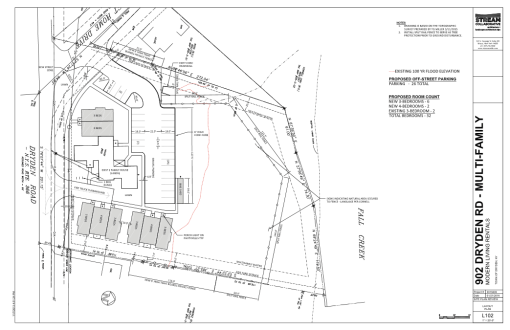
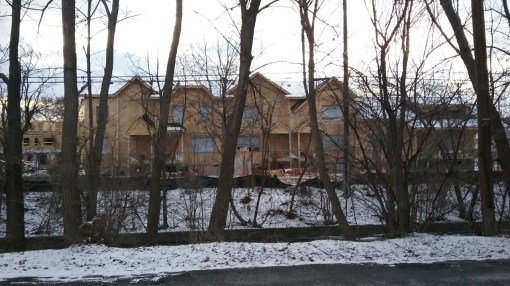
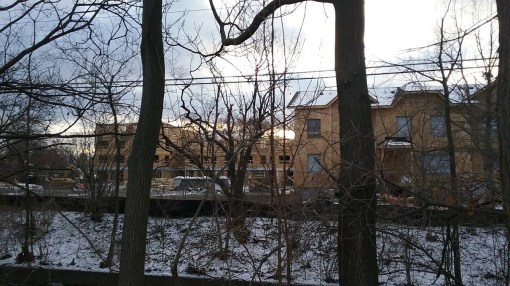
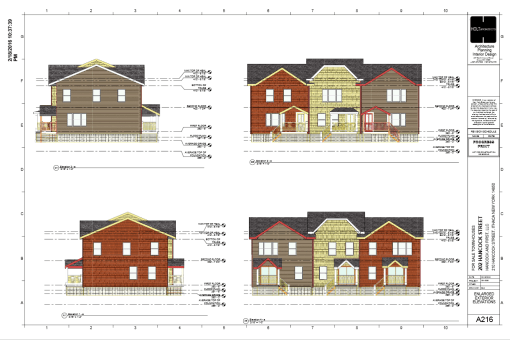
Visum Development’s townhouse project at 902 Dryden Road in Varna is coming along. The 8 new townhouses are divided up into three building sections – 3-unit section “A”, closest to Fall Creek; 3-unit section “B”, closer to Dryden Road, and 2-unit section “C”, which has a shared wall with the existing two-unit house.

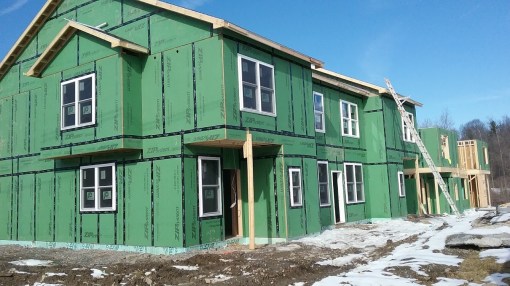
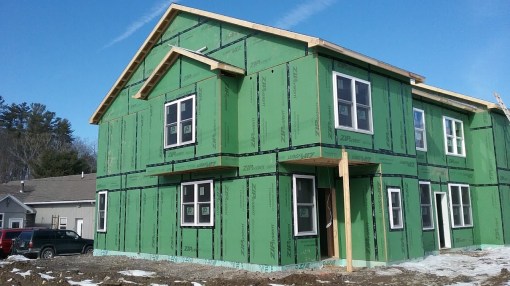
“B” appears to be the furthest along – fully framed (wood frame), roofed, sheathed with ZIP panels, and windows have been fitted. “A” is undergoing framing of its second floor, and “C” is waiting for its foundation to be poured, with forms in place and underground utilities routed and capped.

Visum’s Facebook page says 32 new beds, which is half-right; the eight new townhouse units will have 26 bedrooms. The other six bedrooms come from the existing two-family, which will be renovated. So it depends on one’s definition of “new”. The final product has eight 3-bedroom, 2 bath units and two 4-bedroom, 2 bath units.

While Visum and Modern Living Rentals are different entities with partial ownership lap, MLR handles all of the renting and property management for Visum. The four-bedrooms are renting for $2400/month, and the 3-bedrooms for $1,500-$1,950/month. Quoting the ad:

“Brand new construction in late 2016, has all the amenities needed! Brand new EVERYTHING, stainless steel appliances, granite counter tops, kitchen complete with a dishwasher! Great sized rooms with ample closet space, all custom tiles bathroom as well! Washer and dryer IN unit!”

Varna has lower premiums on land, taxes and somewhat lower development costs, and those are all savings to the developer. But because it’s not a captive market like Collegetown, or as desirable as Fall Creek, the rents are lower. In short, Varna has lower development costs and also lower revenue. In this case the project team feels those two overarching factors balance out, and the townhouses are able to provide a comfortable return on investment.

All units have August 1st as the move-in date. STREAM Collaborative is the architect, Bella Faccia Construction is the general contractor, and Emery Construction of McGraw is doing the framing. More information on the project can be found here.
20170218_103016 20170218_103052 20170218_103106 20170218_103127 20170218_103131 20170218_103152 20170218_103224 20170218_103229 20170218_103253

902_dryden_final 902_dryden_v4_1


News Tidbits 2/18/17: Credits and Loans

18 02 2017

warren_medical_lansing_1

1. Over in Lansing village, it looks like the new Arleo medical office building is starting to moving forward. A sketch plan of the project was presented at the village planning board’s meeting earlier this week. Although Lansing doesn’t upload accessory docs like site plans and elevations, this one has been floating around for the past several months in marketing material as “Cayuga Ridge”. Quoting the May 7th 2016 news roundup:

“The new one-story building, which appears to be designed by Binghamton-based Keystone Associates, would be off of Warren Road, although it looks like the building would be accessed from a driveway coming off of Uptown Road. The 2.71 acre property north of 100 Uptown Road is zoned “Human Health Services District” by the village, and borders undeveloped land owned by Cornell, and several other suburban medical office buildings built over the past few decades. The resolution on the attached site plan is too low to determine the square footage, though it looks to be in the low tens of thousands.”

labourgade-on-seneca-dormer2

2. For those who like their cottages tiny – it looks like Schickel Construction has begun work on the spiritual successor to their 140-unit Boiceville Cottages project in Caroline. The 40-house rental development is called “La Bourgade on Seneca”, and is located in the town of Hector, in Schuyler County just outside of Burdett village. For the record, Bourgade is a French term for an unfortified village or settlement. More details can be found on the website here. There will be two cottage types available -, “The Classic”, a 2-bedroom, 900 SF plan that will rent at $1,495/month, and “The Spacious”, a 2-bedroom with a dormer loft space totaling 1,000 SF and renting at $1,695 month. The house very much like their Boiceville cousins, but with angled eaves (dunno what the correct term is and google’s not helping – if there’s an architect reading, please chime in). All units will have lake views.

Personally, I see this as a stretch for the Ithaca market, since it’s 25 miles west of the city. But it might tap into a more plebeian contingent the wine country crowd, the wealthier of whom have taken to building grand vacation or permanent homes along the Finger Lakes in recent years. The first 9 units, three clusters of three, are currently under construction, as is a community center. Delivery is expected in May 2017.

ic_master_plan_3

3. It looks like Ithaca College is putting some more thought into their housing needs. The college has been meeting with planning firm U3 Advisors to explore the possibility of new off-campus student housing.

U3 Advisors is already familiar with the area, as they are also under contract with Cornell to formulate their off-campus housing plan. Unlike Cornell, however, Ithaca College has no plans to grow enrollment – the master plan expects it to stay steady around 7,000. However, many of the dorms are reaching the end of their useful lives, meaning that the college can either sink a fair sum into renovation and replacement of utility systems, or tear down and build anew. An off-campus option could either be a private entity on private land, or a deal on IC-owned land like what Cornell and EdR are doing with Maplewood. A 200-300 bedroom off-campus option could mesh with the town of Ithaca’s visions for a walkable South Hill neighborhood on the intersection of Route 96 and King Road.

It’s still just studies and meetings at this point, but as the oldest dorms hit 50 years old on South Hill, there might be something fresh in the pipeline. We’ll see what happens.
cma_v2_2

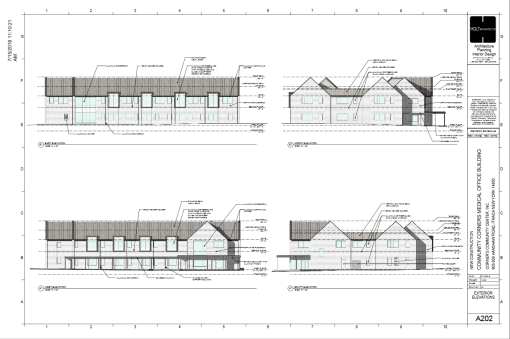
4. Ithaca’s West End will be welcoming a new tenant in the next couple months. Courtesy of Nick Reynolds over at the Times, the USDA is shifting its regional office out of Community Corners in Cayuga Heights, and into Fulton Meadows, a commercial office building at 225 South Fulton Street. the move is being undertaken in anticipation of the construction of Tim Ciaschi’s new Cayuga Medical Associates office building, which is set to get underway at Community Corners later this year.
201_college_v5_1

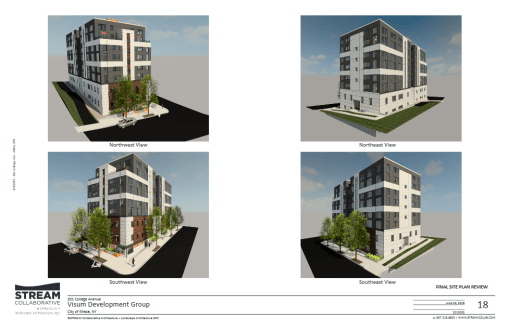
5. Looks like we have an idea of the price tag for Visum Development’s 201 College Avenue. According to a construction loan filed with the county on the 15th, S&T Bank loaned Todd Fox’s company $7,870,673 to help cover the costs of the project. The breakdown in the filing says $6,841,038 for hard construction costs (materials/equipment/labor), $507,000 in soft costs (permits/legal/marketing/financing fees), $300k in contigency and $226k in interest reserves. Add in the $2.64 million for the land purchase, and the total comes to $10,514,180.

That’s something of a premium because the project is on an accelerated schedule after the big hullabaloo with Neil Golder and the city Planning Board last fall. Note that the loan doesn’t cover all the costs and that there is money from other sources, like cash equity from Visum itself.

S&T Bank is a regional bank based out of Western Pennsylvania, but they’ve been making inroads into Ithaca’s commercial lending market. S&T Bank also financed the construction of the Holiday Inn Express that recently opened on Route 13, lending $5,973,750 to the hotel developers.

Quick aside, I think this is the first time I’m seeing the square footage calculated out – 201 College will be 33,398 SF.

20170106_160736

6. Hopefully this runs after by INHS refinancing explainer, so it makes more sense. Quick rehash, low income housing tax credits (LIHTCs) are sold to banks and similar financial institutions so that they get the tax credit, and the affordable housing developer gets the money they need to move forward with a project. With that in mind, here’s an interesting though unfortunate tidbit from INHS’s Paul Mazzarella:

“This following may be more than you want to include in this article, but it is relevant.  The pricing of tax credits exists in a marketplace where they rise and fall in value.  In past projects completed by INHS, we’ve received from $0.91 to $1.02 of equity investment for each dollar of tax credit.  The pricing of tax credits has recently plummeted because of the recent election and the uncertainty in DC.  This is mostly due to discussions about changing the corporate tax rate.  A lower corporate tax rate will mean that companies have less profits to shield from taxes and therefore the demand for tax credits will be reduced.  Even though no changes have yet been made to the corporate tax rate, just the discussion about this has reduced the pricing of tax credits to around $0.80.  What does this mean for INHS? It means that the project that we’ve been working on for several years suddenly has a funding gap that didn’t exist a few months ago, due entirely to investor’s fear of risk due to an uncertain future..  This is true for every tax credit project in the country and has all of us struggling to make the pro formas work.”

Sigh. Politics.

habitat_208_third_st


7. The Times has the first render for Habitat for Humanity’s two-family townhouse project at 208/210 Third Street on the city’s Northside. It looks to be the same architect as the 4-unit project for 402 South Cayuga – I can’t seem to find the architect offhand as a few designers have donated time and energy, but local planner George Frantz shepherded the project through the approvals process. Each unit is about 1500 SF. The plan for the $305,000 project is to break ground in April and have the move-in ceremony in Spring 2018. As with all local Habitat projects, a portion of the construction will come from volunteer labor, including 500 hours of “sweat equity”, and homeownership classes that the two recipient lower-income families (making 60% AMI or less, $32,000/year) will need to complete as part of the deal.

maplewood-v7_7-planning-board

8. Wrapping this up with the local agendas for next week – the town of Ithaca will be looking at a home B&B permit on Bostwick Road, a retaining wall for Ithaca College’s track, and finishes touches on the Maplewood approvals. The city’s project review meeting indicates the city plans to look at the subdivision at 109 Dearborn Place, Declaration of Lead Agency and Environmental Review for the 11-unit 107 South Albany Street plan,  and “Approval of Conditions” for City Centre, which is just making sure they’ve completed everything asked for in the final approval. In sum, nothing too exciting at the moment, but we’ll see if the city has any new projects coming up when the actual PB agenda comes out next week.

9. Quick note to wrap up – the woman behind the Rogues Harbor Inn in Lansing has purchased a prominent and historic building on Freeville’s main drag. Eileen Stout purchased 2 Main Street, a mixed-use building with restaurant space, a tile shop and three apartments, on Thursday for $132,000. The seller was Tompkins Trust and it’s well below assessment – doesn’t look like a foreclosure though. The bank bought the property for almost double the price in May 2016.



The Cherry Artspace Construction Update, 1/2017

20 01 2017

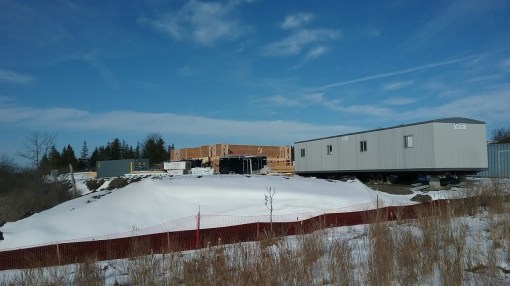
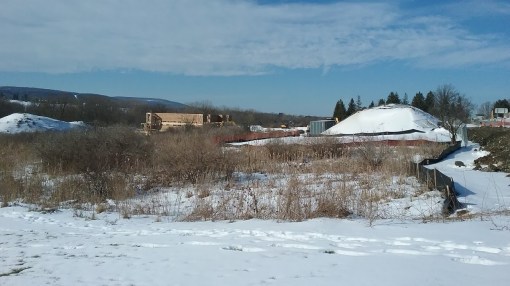
The Cherry Artspace was saved for last because originally, these photos were going to be used in an Ithaca Voice article. But, with the State Theatre piece running this week, it didn’t seem like a good idea to run two pieces about performing arts spaces in a short span, so the Cherry Arts will be profiled in a piece next month. That would make these photos too old by then, so here they are.

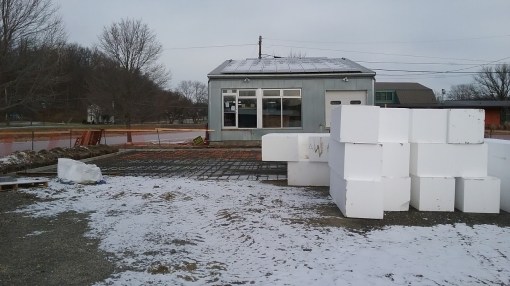
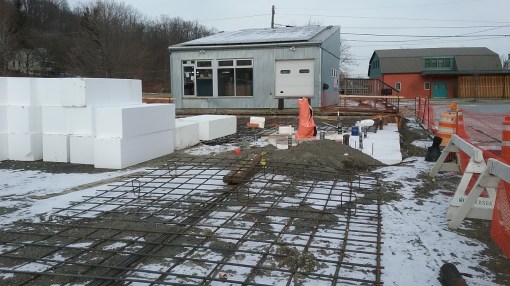
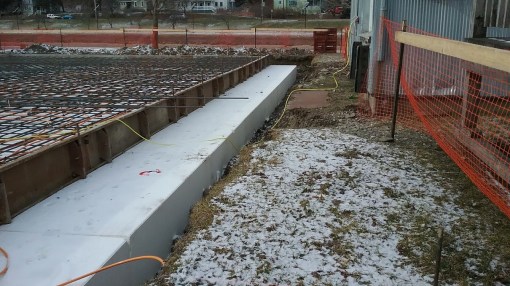
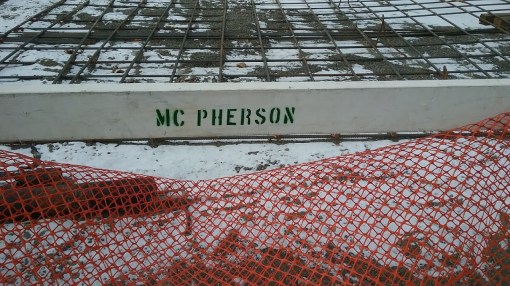
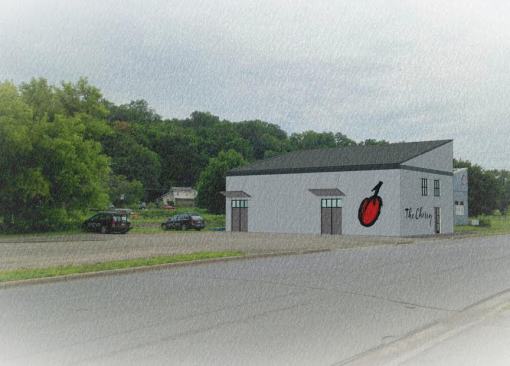
The Styrofoam block “floaters” are mostly in place and a steel rebar mesh has been laid on top in anticipation of pouring the concrete slab – the mesh will provide increased strength to the concrete as it cures. Water, sewer and utility hookups are piped beneath and up through the foundation. Looking at the sawhorses, it looks like McPherson of Ithaca is the general contractor. The 1,900 SF building should be ready for its first performances sometime this Spring.

20170107_115618 20170107_115631 20170107_115645 20170107_115703 20170107_115707 20170107_115729

cherry_2


Cornell Law School Renovation Update, 1/2017

17 01 2017

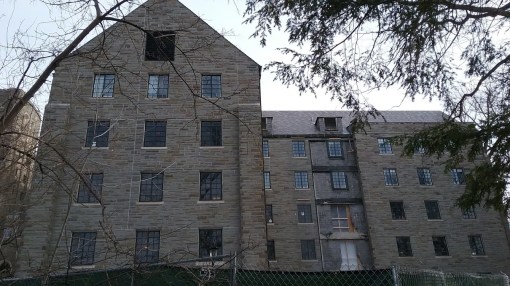
From the outside, it doesn’t look like much is happening. But, given all the steel beams on site, the safe bet is that the former dorms inside are still being gutted to nothing but the load-bearing walls, and those beams will become a part of the new interior partitions, new stud walls for the enhanced faculty office and professional space. This is by and large an interior renovation, but perhaps after the deepest cold of the season passes, we’ll see more progress towards enclosing the loggia and the new stairwell on the west face. The wire mesh over the exposed west wall is for safety reasons.

20170107_105312 20170107_105321 20170107_105342 20170107_105408 20170107_105424 20170107_105432 20170107_105542 20170107_105624

hughes_cornell_4 hughes_cornell_3


Cornell Veterinary School Expansion Construction Update, 1/2017

17 01 2017

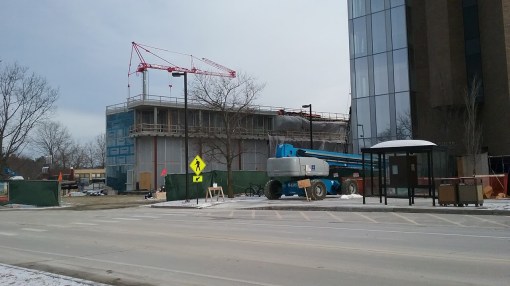
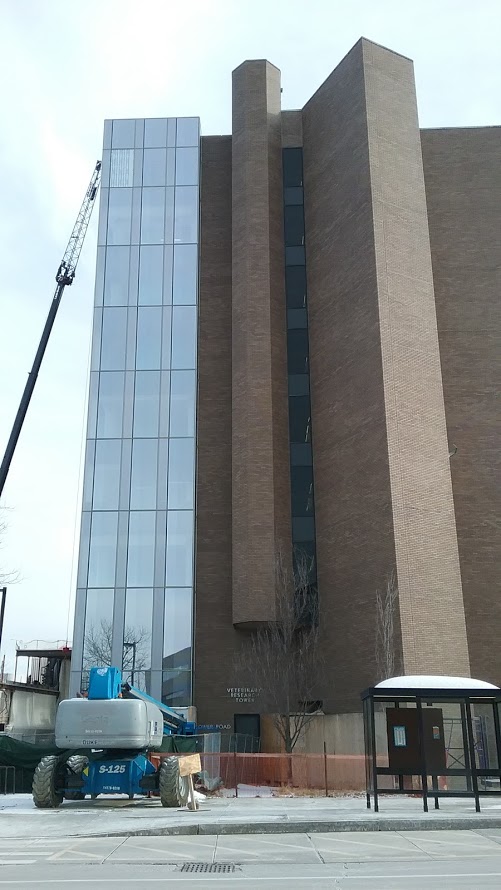
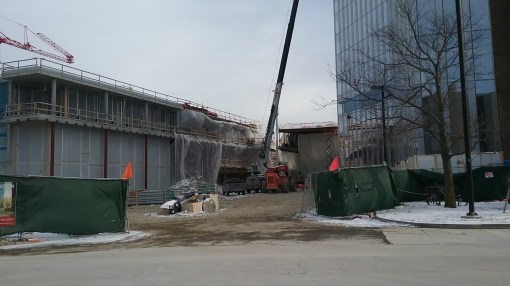
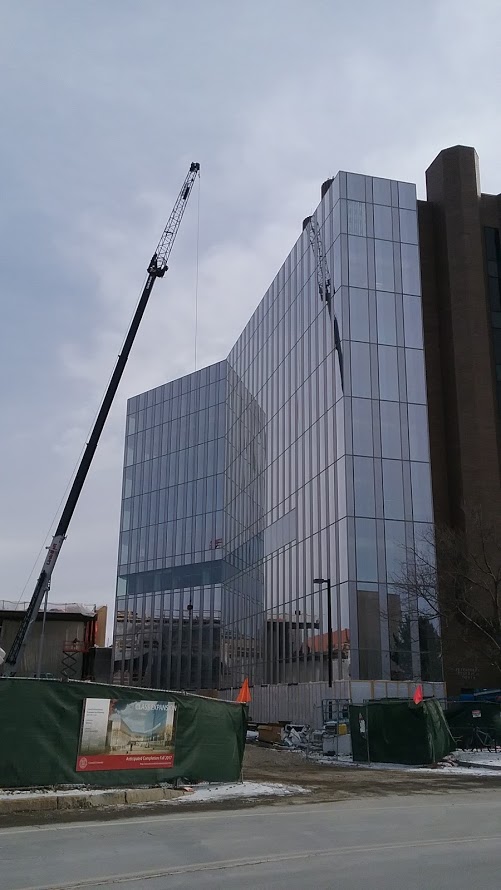
Starting to see more progress on the structural frame of the $74.1 million Vet School additions. The reinforced concrete frame of the new library and administrative offices now extends all the way back to the rest of the Vet School complex; the new section is draped over with plastic sheets. Also, as the new wing gets fleshed out, the rough openings of the windows are taking shape. It doesn’t look like there’s been too much exterior progress on the new atrium.

According to the project webpage (last updated two weeks ago), interior framing (metal stud walls probably) is underway, rough-ins are underway, and the new cafeteria is under construction. Welliver will have the new atrium and lecture hall fully closed up by the end of January. Most of the Vet Research Tower work has been completed, but new office layouts are still in the works for the sixth and seventh floors, and that work won’t get underway until this Spring.

The new $7 million ($4.9 million hard cost) Community Practice Service Building is out for bid, with a march demo planned for the Poultry Virus Building currently on site, and a March 2018 opening, about seven months after the bulk of the new Vet School structures. It is a wood-frame 12,000 SF building designed by HOLT Architects, and I still have yet to find an image of the design.

20170107_102456 20170107_102508 20170107_102521 20170107_102540 20170107_102615 20170107_102640 20170107_102646 20170107_102708 20170107_102740 20170107_102838 20170107_102846

cad048742a281097e5667382eced42333f5656954f5a3ef1021519c03b4abe9f

20160522_131445 20160522_131417 20160522_131344

20160522_131403


Ithaka Terraces (215-221 West Spencer Street) Construction Update, 1/2017

14 01 2017

The first building of the Ithaka Terraces, Building “A”, is fully framed and in the process of being roofed. The project uses double stud exterior walls in tandem with Insulated Concrete Forms (ICFs), which is thermally insulated plastic filled with concrete. The zip sheathing goes on over the surface. The purpose of the thick, more premium approach is for more efficient insulation, since the condo units are designed to be net-zero compatible (the high energy efficiency reduces the need for off-site renewable energy sources, and net-zero becomes more feasible as a result).

Further up the sloping site, smaller Building “B” has completed the ICF erection ground floor and is starting work on the upper floors. Note the reinforced concrete wall facing South Cayuga (east). That will eventually be back-filled and hidden from view. As seen in some of the early concept designs below, only the top floor of the three floors of Building “B” and “D” will have windows facing outward; the South Cayuga side of the property is where the parking lot will be laid.

The other large building in the four-building cluster, Building “C”, a mirrored floorplan of “A”, is just getting started; the site was being prepped and graded when these photos were taken last week. Building “D”, a mirrored floorplan of “B”, will start construction at a later date, as the other three get further along. In the last photo, one can see the winding temporary staircase workers use to get to the building themselves. AquaZephyr, an Ithaca firm specializing in eco-friendly construction, is the general contractor in charge of the buildout.

The 12-unit condo project will begin formal marketing later this Spring. There will be 10 two-bedroom units and 2 three-bedroom units, in the $265k-$390k range. A late 2017 opening is planned. Interested readers can submit queries here.

20170107_112320 20170107_112356 20170107_112359 20170107_112419 20170107_112433 20170107_112437 20170107_112656 20170107_112710 20170107_112727 20170107_112735

215-221_spencer_v1_2 215-221_spencer_v3_1

ith_terr_intro


602 West State Street Construction Update, 1/2017

13 01 2017

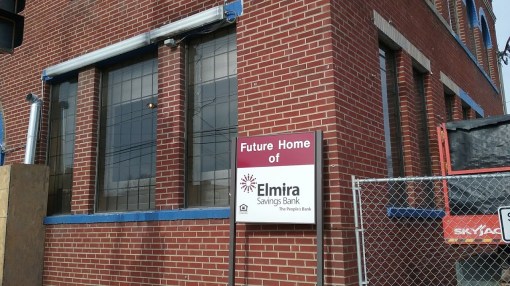
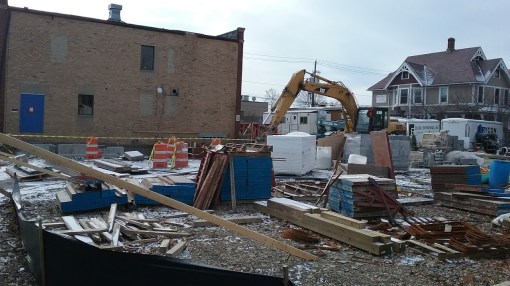
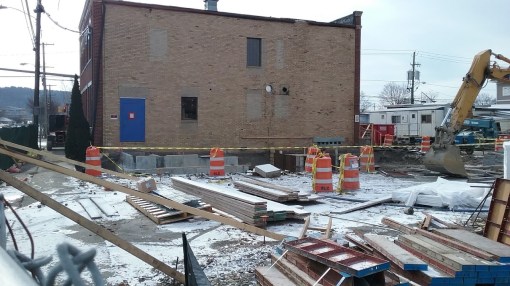
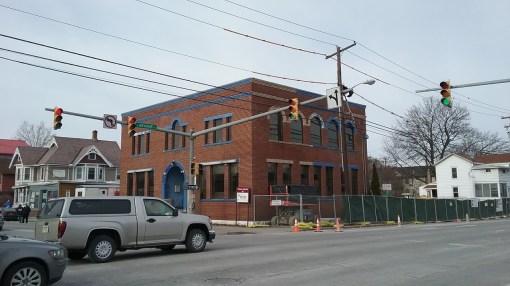
With the sidewalk along Meadow St closed off, getting up close to the Elmira Savings Bank project just became much more difficult. From the front, there hasn’t been much exterior work yet – judging from the dumpster, Edger Enterprises has been more focused on gutting the interior of the hundred year-old building. It does look like that, since November, some of the historically inaccurate blue paint has been stripped from the east facade. It doesn’t look like there’s been much progress on the new wing on the north side, the foundation looks about the same at it did two months ago. Dunno if they’ll be hitting that March 2017 completion date.

More info about the project can be found here.

20170107_114207 20170107_114322 20170107_114328 20170107_114404 20170107_114448 20170107_114515 20170107_114552 20170107_114603 20170107_114747 20170107_114801 20170107_114856


210 Hancock Construction Update, 1/2017

9 01 2017

So much to see over at the 210 Hancock site. First, the prefabricated wood wall panels of section “A”, the south wing of the apartment building, are up to the top (fourth) floor, and one gets a pretty good idea of the vertical scale of the building. For the record, roof height will be 46 feet, not counting mechanicals. The second section to the north of it, “B”, was designed by HOLT Architects to be a little closer to the street, so it looks less like one continuous wall, and helps create the impression of separate structures. The first floor of these two subsections, which is framed by metal and wood rather than wood alone, will house the daycare, rental offices and commercial space. Sections “C” and “D” will consist of apartments over the indoor garage, which is currently wrapped in plastic sheeting, and separated from the other two section by a CMU stairwell.

The rental townhouses are fully framed (210 Hancock’s website says window install is expected to start soon), and it appears that Lecesse has start construction on the seven for-sale townhouses – the foundation walls have been excavated and poured. These units have a slab (shallow) foundation, and not having to worry about excavation allows the townhouses to move along at a faster clip. The apartments and rental townhouses should be ready by August, the for-sale townhouses by November. Ithaca Neighborhood Housing Services (INHS) has a website up for rental applications here and qualified home-owners here.

20170106_155902 20170106_155925 20170106_160000 20170106_160020 20170106_160043 20170106_160130 20170106_160153 20170106_160227 20170106_160247 20170106_160309 20170106_160331 20170106_160347 20170106_160457 20170106_160508 20170106_160531 20170106_160540 20170106_160610 20170106_160626 20170106_160639 20170106_160700 20170106_160711 20170106_160720 20170106_160736 20170106_160744 20170106_160821 20170106_160855
inhs_pride_design_v6_1

inhs_pride_design_v5_3 inhs_pride_design_v5_2

202_hancock_1 202_hancock_2

202_hancock_3


902 Dryden Road Construction Update, 12/2016

19 12 2016

Varna has long been touted as one of those places where development is likely to happen. The hamlet, which has under 1,000 people, sits close to Cornell in the town of Dryden – land is cheaper than most parts of the city, but the area is served by the bus line, which opens it up to Cornell’s deep-pocketed student market. However, Varna can be a tough nut to crack – this far out, the demand is mostly driven by more cost-conscious grad students rather than free-spending undergrads, and the going price for a rental is lower. With a less captive market and less lucrative rents, Varna becomes a trickier prospect.

Plus, although the town itself is fairly accommodating, some members of the local neighborhood group, the Varna Community Association, have a disposition against rentals, preferring that any development that comes along be owner-occupied. Owner-occupied is possible as Tiny Timbers hopes to demonstrate, but it is more difficult to finance since a developer can’t guarantee income the same way they could with rentals.

Since the 1980s, one can find at least six projects proposed in Varna that never came to fruition – the latest and grandest being a massive 260-unit proposal by the Lucente family, which the town turned away from further consideration after concerns about quality of life, and significant pushback from members of the VCA. Concurrently, the town was looking at updating the hamlet’s zoning, and the issues with the Lucente plan helped formulate the new Varna comprehensive plan adopted in 2012, and revised zoning not long thereafter. The zoning identified areas for density and dvelopment (ideally, a walkable core), and preserving more rural lands beyond the main drag.

902 Dryden Road, first proposed in June 2015, was the first project to come along after those planning and zoning updates. It was somewhat unexpected by some residents, because a redevelopment of this property was not envisioned in the town’s 2012 plan (which shows that plans are guidelines, not prescriptions). Initially, it was a 15-unit, 42-bed proposal, rentals aimed towards grad students and Cornell staff. Two of the units, totaling six bedrooms, already exist. Modern Living Rentals, a partnership of local developers Charlie O’Connor and Todd Fox, purchased the property in June 2014 for $215,000. At the time, the units were going to be entirely solar-powered, aiming for net-zero energy (what is produced on-site is equal to or greater than what it consumed).

At this point in time, Fox and O’Connor had done some duplexes and the 6-unit apartment building at 707 East Seneca in the city, but 902 was going to their first “large” project. But, they hadn’t counted on strong opposition, not just from neighbors but from Cornell Plantations (now Cornell Botanical Gardens), who had concerns about the floodplain at the rear of the parcel, where it borders Fall Creek. The town was hesitant to move forward with approval unless there were revisions.

As time wore on and meetings were held with the town and VCA, the project was reduced in scale; the lot size used to determine maximum unit density was calculated incorrectly the first time and two units were removed, and then the project was scaled back further to reduce impacts on the floodplain, moving the gravel parking lot so that it wouldn’t infringe on the plain – the final count came out to 10 units and 32 bedrooms, or 8 units and 26 bedrooms if counting just the new structures. The solar panels had been on the flood plain as well, but were eliminated because they were no longer financially doable at 8 units; it was stated that the infrastructure would be built to support net-zero energy down the line, if power was purchased from off-site. The reduced-size project was acceptable to the town and to Cornell, and 902 Dryden was approved in March 2016.

Along with the existing duplex, two new units will be built opposite a shared wall. Two three-unit clusters will also be built on the east side of the parcel. The middle units of the three-unit clusters will have four bedrooms with 1606 SF of living space; all the rest will be three-bedroom units, and about 1500 SF each. STREAM Collaborative is the project architect.
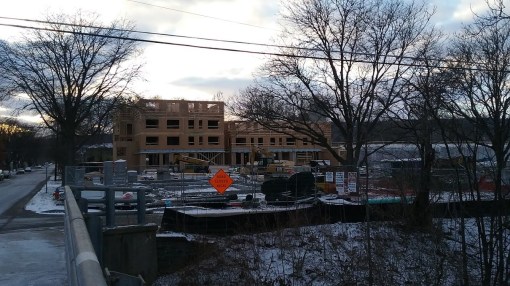
There are two separate groups of drawings floating around for the buildings, and I am not sure which is correct. The render below, from shortly after approval, shows warm colors. Renders on MLR’s website show what looks like blue, brown and white fiber cement panels. The unit rents range from $1500-$2000/month for the three-bedrooms, and $2600/month for the four-bedrooms. The project cost was estimated at about $1.5 million in early Site Plan Review docs.

It’s a bit of tricky site for photos- the site borders the intersection of 366 and Forest Home Drive, leaving a pull-off in front of the mobile home park, or at the spit of land where the roads split. But it looks like site clearing and foundation excavation are ongoing. If anyone knows who the contractor is, drop me a line in the comments.


20161211_130116

902_dryden_final 902_dryden_v4_1