Library Place Construction Update, 10/2019

10 11 2019

Quoting the roundup at the Voice:

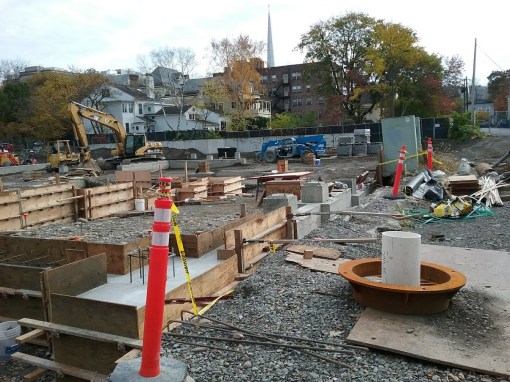
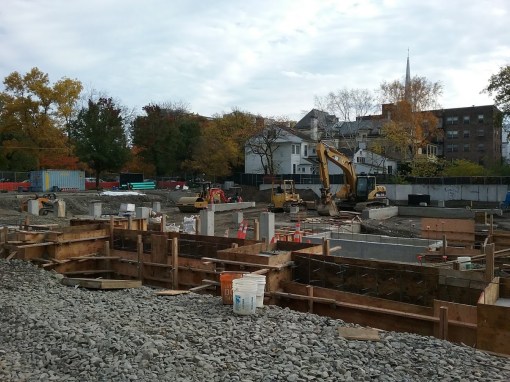
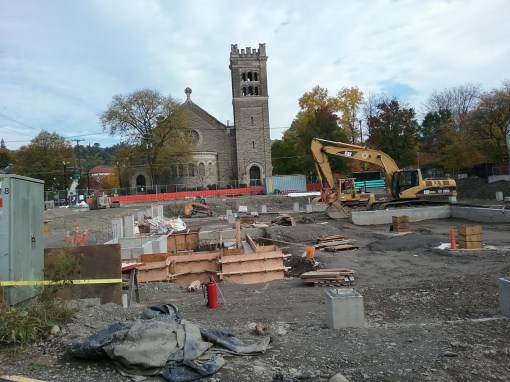
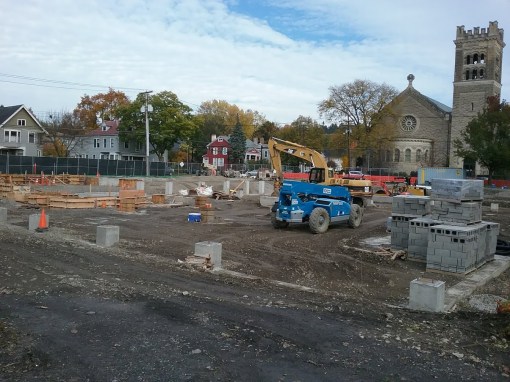
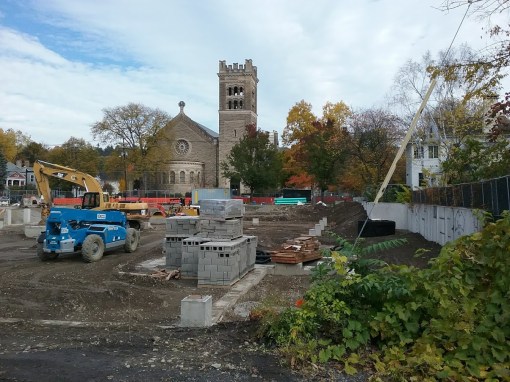
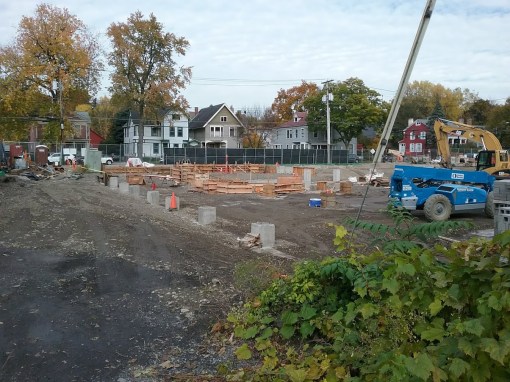
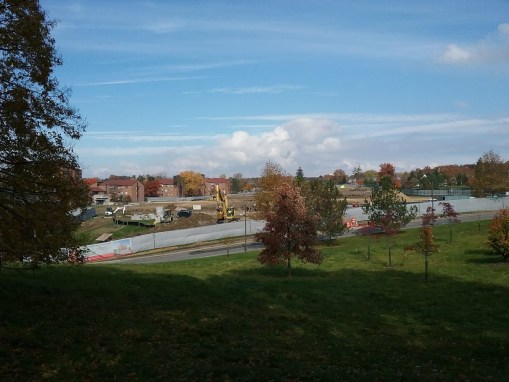
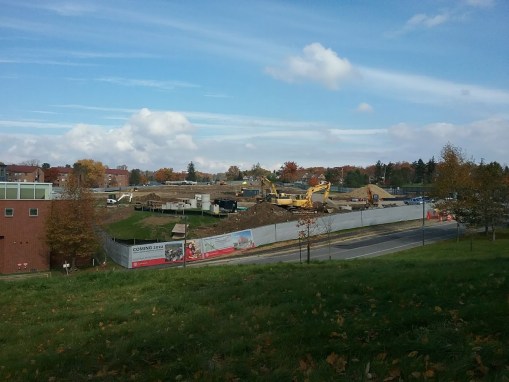
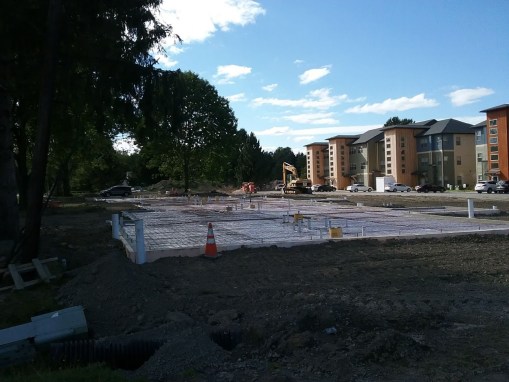
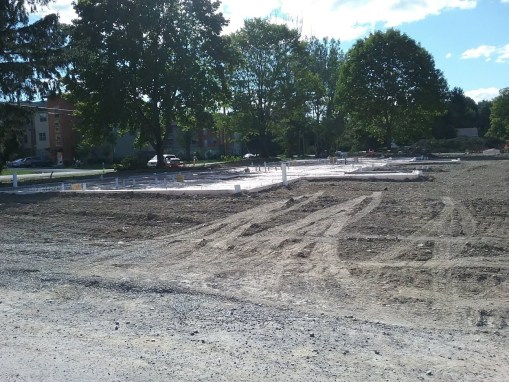
“With the foundation piles in place, wood forms have been erected for the pouring of the concrete footers and exterior foundation walls for the four-story building. Part of the old library’s foundation is being reused in the project, but the two buildings have somewhat different footprints, so some new foundation walls are necessary. The rebar extended from the steel piles is encased in concrete and capped, and the steel bolts rising out of the cap will tie into the structural skeleton of the building above. Underground water pipes are being connected from the building to the city’s water system this week.

You might notice some similarities with the Cornell project with the forming and pouring walls, but also note some big differences as well – some of the building sites in Cornell (the sophomore village buildings) don’t require deep foundations. The soil on the hills is in better shape than it is in the more low-lying areas, and can generally handle a heavier load. This gives Cornell the benefit of being able to do quicker, less expensive foundation work in those areas where a shallow foundation is feasible.

The $17 million mixed-use building, which will contain commercial space, space administered by Lifelong and 66 senior apartments, is anticipating opening at the tail end of 2020 or early 2021.”

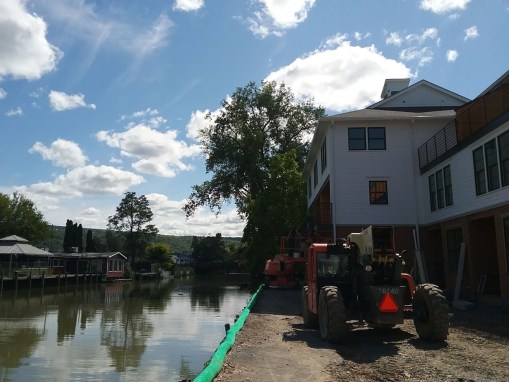
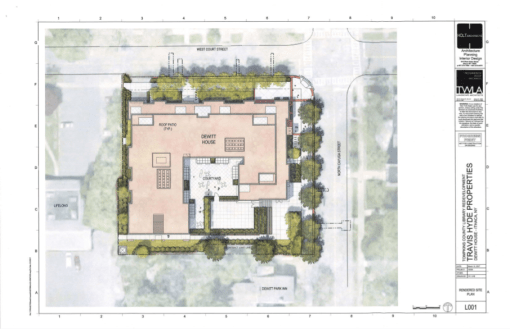
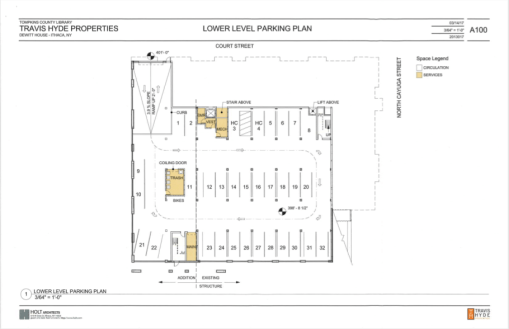
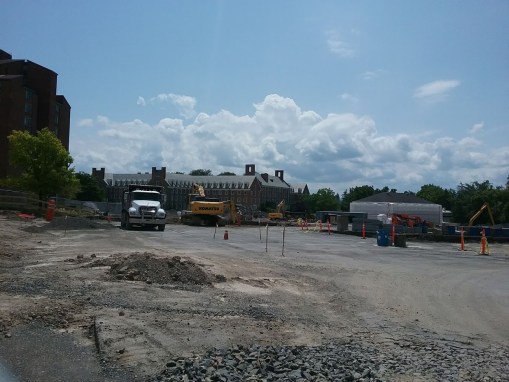
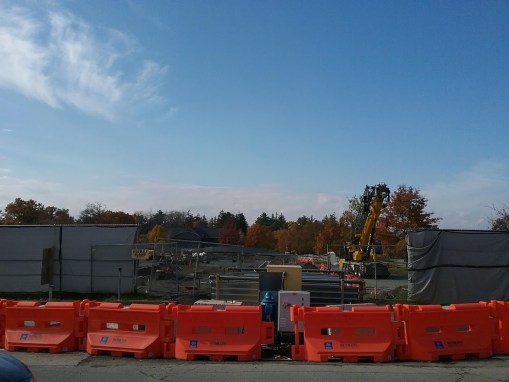
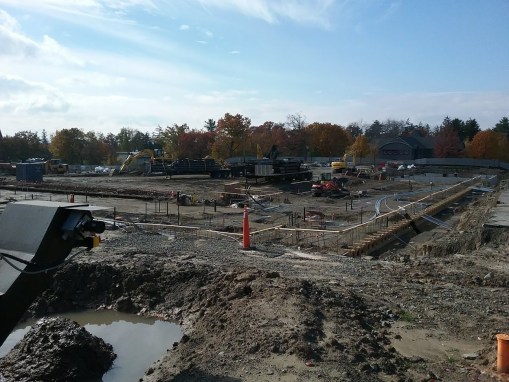
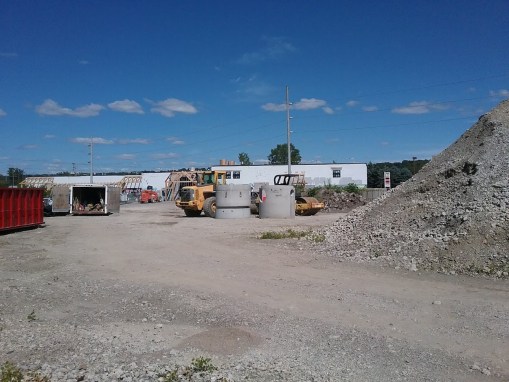
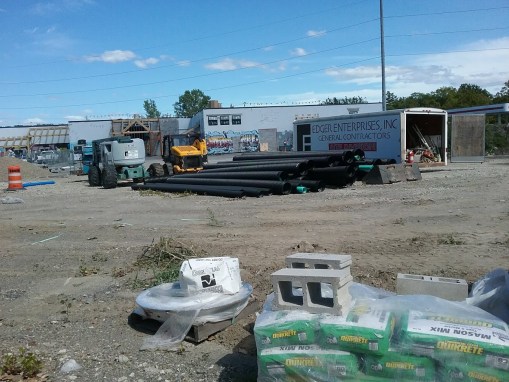
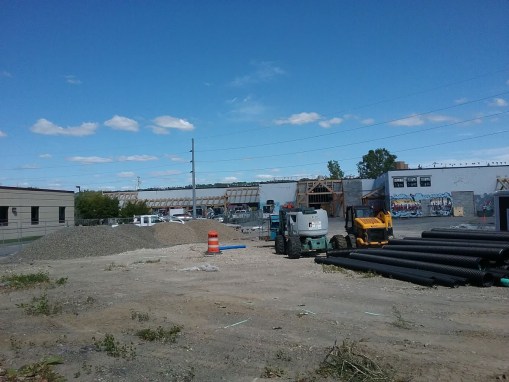
One thing that’s not readily apparent quite yet is that there’s a partially underground parking garage below the primary structure. That garage does not extend all the way to the street except for the entrance, which is where the fence gates are (and where these photos start from). You can eyeball the perimeter walls from the three concrete wells partitioned off in various boxes – the northern one, seen in the fourth photo, will house an elevator, mechanical room and stairwell, the middle one next to the excavator will house the trash room, and the southern one, next to the huge stack of masonry blocks, will house a maintenance room and southern stairwell.


Harold’s Square Construction Update, 10/2019

10 11 2019

One of these days, we’ll get a tour to line up. Harolds Square’s project team does allow tours on a limited basis, if one can do Thursdays. Trying to get myself, the Voice staff photographer, and the project team to get all our schedules to align has so far not panned out. Maybe after Thanksgiving.

With that in mind, these photos were originally intended for use in the Harold’s Square feature, but after the second time it fell through, they ended up in the construction gallery instead. To quote that:

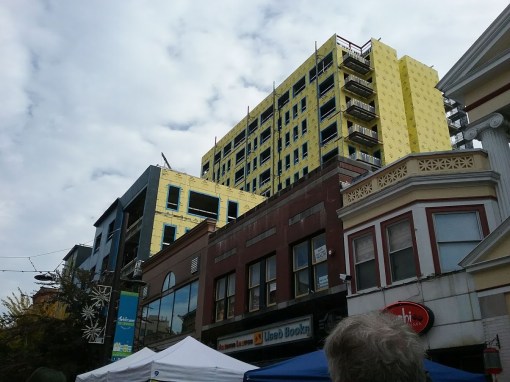
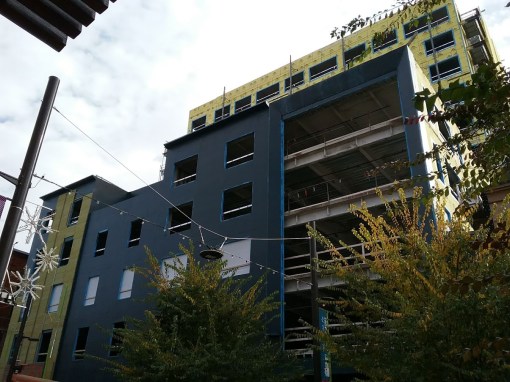
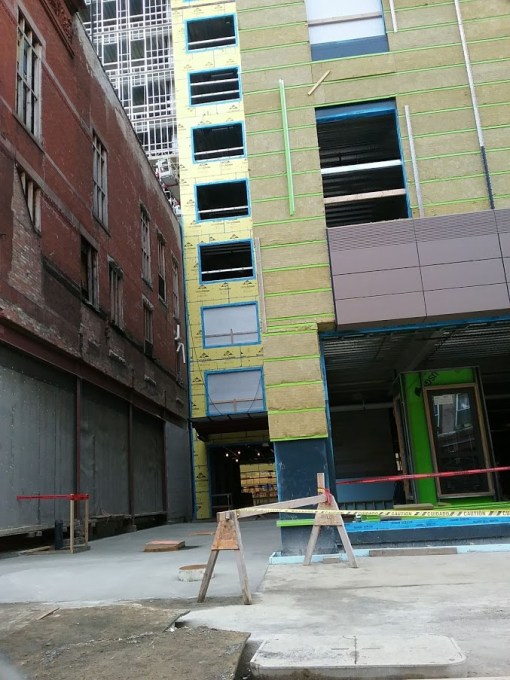
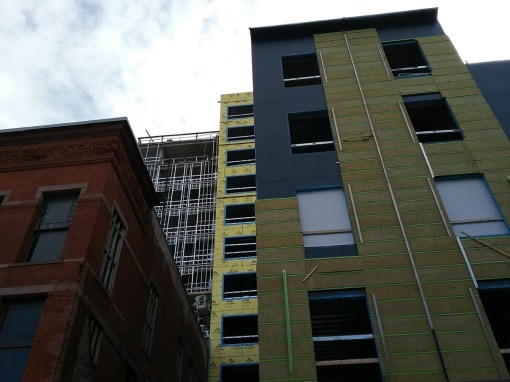
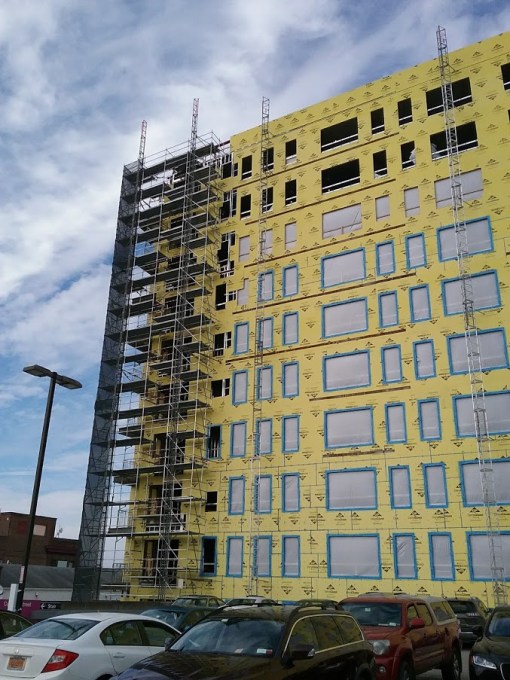
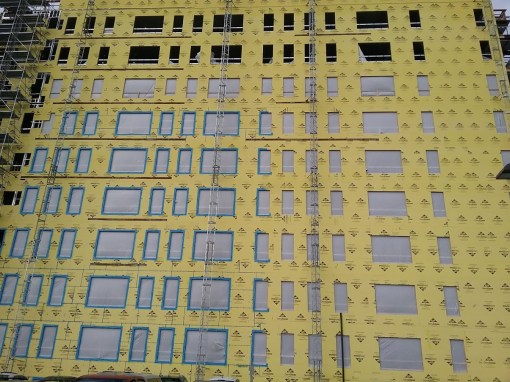
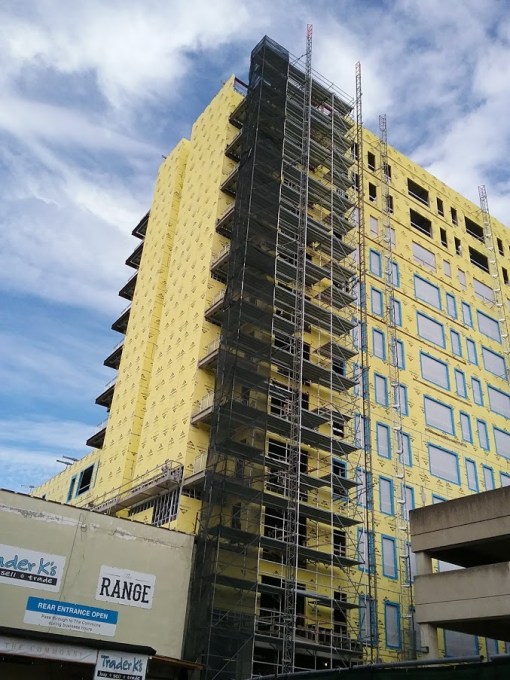
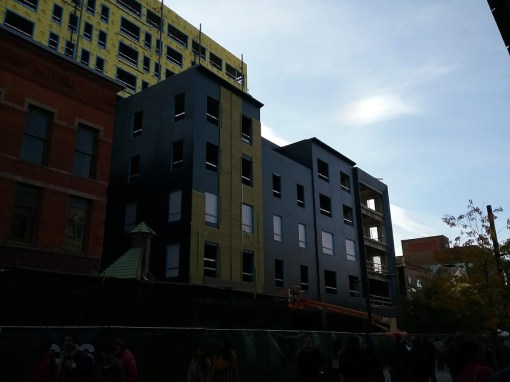
“It’s a boxy yellow giant. That bright material going over the exterior steel stud walls is the outer layer for Georgia-Pacific DensGlass fiberglass mat-faced gypsum sheathing. Fire-proof and mold-proof, DensGlass is common for commercial and mixed-use structures. The blue material around the rough window opening is likely a water-resistive barrier to prevent any rain or outside moisture from getting in under the window frames. Then a more general waterproof coating is applied over the structural walls, mineral wool insulation is attached, and then rails and clips for the aluminum exterior finishing panels.

On the inside, utilities rough-ins (mechanical, electrical and plumbing) are probably underway, but interior walls have yet to be fully built out on the uppermost levels. The large opening facing the Commons (to be a glass curtain wall section with decorative metal panels and fins) only shows fireproofing and sprinkler systems in place.

Completion of the 78 apartments, 52,000 SF of office space, and 14,400 SF of retail space is planned for summer 2020 – a little earlier on the office space and retail, a little later on the apartments. There have been rumors of an office tenant lined up, but no official announcement, and there have been neither rumors or announcements for potential occupants of the Commons-facing retail space.”


https://platform.twitter.com/widgets.js

The terra cotta used on the exterior, seen in the Commons-dacing photos, is Avenere Cladding’s NeaCera Rain Screen Terra Cotta product. Thanks for the shout-out on Twitter guys, but you got the city wrong by about sixty miles. Henderson-Johnson, the terra cotta installer / cladding subcontractor, is based out of Syracuse.

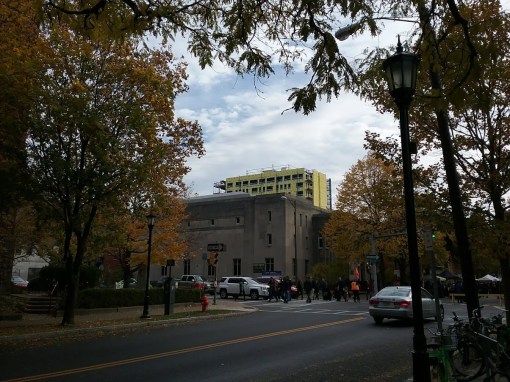
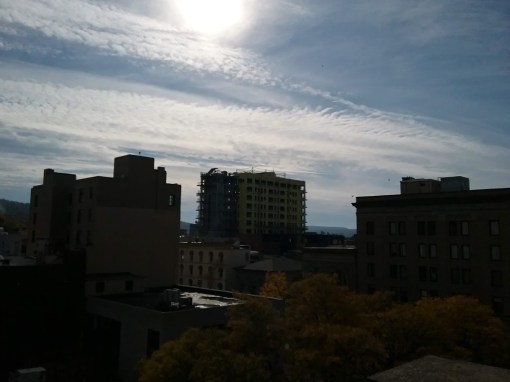
It still amazes me just how much this building is visible from other parts of the city and county. Granted, the DensGlass stands out, but 139 feet and 4 inches is enough to be readily visible from parts of South Hill, West Hill and the flats.

The design of the project’s been tweaked a bit (northwest corner windows, top floor panel color, entries and facade details on the Commons-facing portion), and some new renders, interior and exterior, can be found on CJA Architects’ website alongside floor plans. Initially I thought the paneling had changed on the northeastern wall, but it appears it’s always been a darker color, it just didn’t show up well in the older renders.

OLD:

NEW:


Cornell North Campus Residential Expansion Construction Update, 10/2019

31 10 2019

I’ve been intended to do a formal introduction piece for Cornell’s enormous North Campus Residential Expansion, but the sheer breadth of it makes it an arduous task – I’ve estimated the full write-up will push about 10-12 pages, and it’s one of the reasons why the blog has gone quiet. For now, here are monthly photo updates from the site. For now, background reading and history can be found by reading the Voice archive here and here.

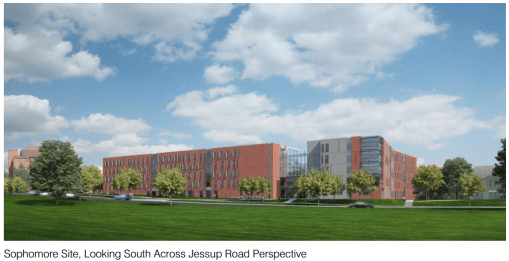
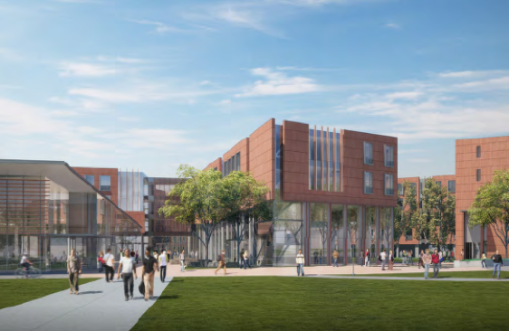
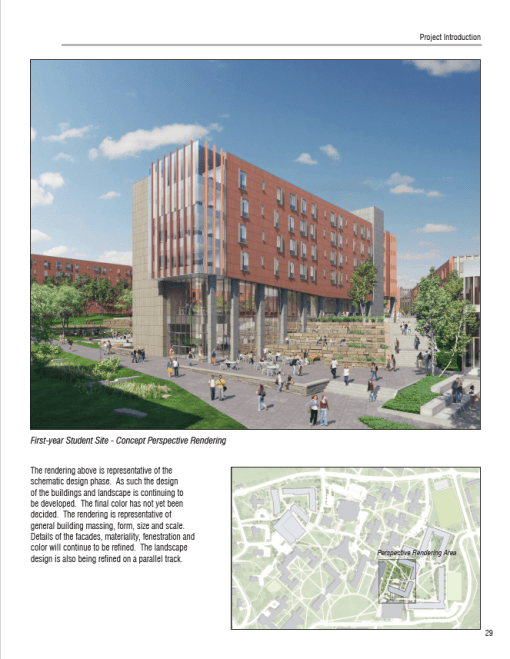
The sophomore village (Site 1) will have four residential buildings with 800 new beds and associated program space totaling 299,900 SF, and a 1,200 seat, 66,300 SF dining facility.This is being built on what was the CC Parking Lot and the former Sigma Alpha Mu fraternity on Sisson Place, now Northcross Road. All buildings in the sophomore village are in the City of Ithaca. The bounds of the sophomore village extend into the village of Cayuga Heights, but only the landscaping.

The freshman village (Site 2) will have three new residential buildings (spanning the City and Town line), with a total of 401,200 SF and 1,200 new beds and associated program space. Site Plan Review Documents indicate about 223,400 SF is in the City, and 177,800 SF is in the Town. At both sites, the buildings will be between two and six stories using a modern aesthetic. The project has an estimated price tag of $175 million and will result in the disturbance of about 25.6 acres at the two sites. The 250-page Site Plan Review (SPR) application can be found here, with supplemental reports here.

As previously noted, Cornell has grown substantially while its housing options have not. The application provides further insight by saying that one of the goals isn’t just to have housing available to 100% of freshman and sophomores, it’s to mandate they live on campus – currently, there is no requirement to live on campus, though freshmen are strongly urged to do so. 800 beds will be sophomores, 1,200 beds for freshmen, and 75 beds for live-in faculty, RAs and support staff. The growth in campus housing from 8,400 beds to 10,400 will also allow Cornell to address long-deferred maintenance to older residential halls and increase its undergraduate enrollment by another 900 (the current undergraduate enrollment is 14,900).

Water will come to the new dorms via Fall Creek and the Cornell filtration plant, sewer sustems will connect to joint city/town/village facilities, and the loss of 396 parking spaces is mitigated in part by the observation that the CC’s Lot inconvenient location and expensive parking permits meant only about 110 spaces were regularly used, and a surplus of parking in other North Campus parking lots means users will be assigned spaces nearby, with enough spaces left over for the few hundred additional vehicles 2,000 on-campus students may bring.

The dorms will tie into Cornell’s centralized energy system, which is primarily fed by the Cornell’s Combined Heat and Power Plant (CHP), which is powered primarily by natural gas and reuses waste heat, as well as an increasing set of renewable energy resources, like solar arrays and the lake source cooling program. Since the CHP system relies on natural gas as its primary energy source, it became a major source of contention during review. Cornell has stressed that more renewable sources are in the pipeline and the plan is to have all their energy be renewable by 2035, but that far-flung timeline has not been welcome news to many local environmental advocates.

The project falls in three municipalities and in three zoning districts: the U-I zoning district in the City in which the proposed 5 stories and 55 feet are allowed; the Low Density Residential District (LDR) in the Town, which allows for the proposed two-story residence halls (with a special permit); and the Multiple Housing District within Cayuga Heights, but only for landscaped areas. Technically, any one of six governmental bodies could have been lead agency – the city, the village, the town, the NYS Dormitory Authority, the Tompkins County Department of Health, or the NYS Department of Environmental Conservation. However, for the sake of coordination, the others consented to allowing the city to be Lead Agency for the project with decision-making authority on the environmental review, while offering their concurring critiques and subordinate reviews.

The buildings are being designed by ikon.5 Architects, the general contractor is Welliver of Montour Falls, and TWMLA is handling the landscape architecture. T.G. Miller is the civil engineer for the project, and Thornton Tomasetti is doing the structural engineering. Taitem Engineering served as an energy consultant for the project, which is pursuing LEED Gold Certification. Canadian firm WSP Global Inc. is in charge of the design of fire protection and mechanical/electrical/plumbing systems, and Ricca Design Studios will handle the interior design and fitting out of the food service areas within the new dining hall. SRF & Associates of Rochester did the traffic study, and John P. Stopen Engineering of Syracuse did the geotechnical work. Intergrated Acquisition and Development (IAD) is the co-developer (non-owner) with Cornell.

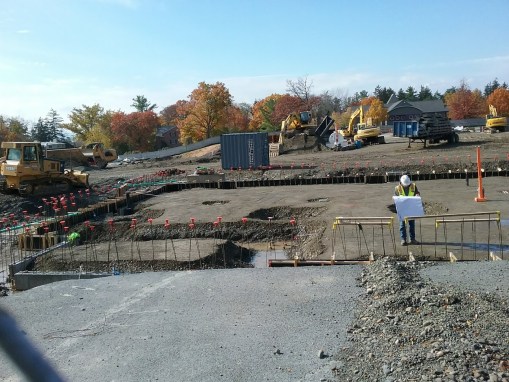
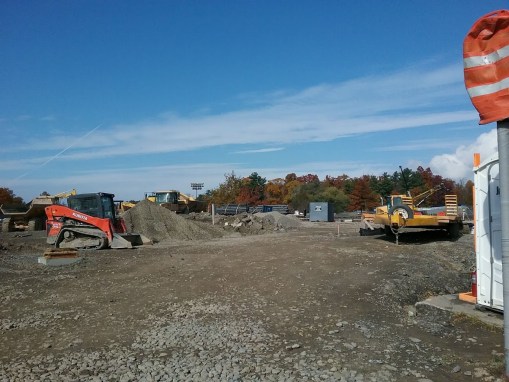
Since receiving approval in late June 2019, the project has progressed at a quick pace, with the sophomore village underway just a few weeks later. As of this week, the excavation work and concrete footer pours are already underway. Wood forms are in place to hold the concrete in place as it cures, and rebar, for structural strength, is ready for the pour, capped with orange plastic toppers for safety reasons. Underground utilities installations and excavation work are ongoing at the freshman village site, which started a little later in the fall.

Plans are to have the sophomore village open by August 2021, and the freshman village by August 2022. A project of this size will require a sizable number of workers. The project team expects that 75-100 construction workers will be employed at any one time, 140 on average, and 280 at peak construction periods. The new dorms would create 85-110 jobs after opening, mostly in maintenance and program support roles.

August 4th:

Freshman village site:

Exterior wall mock-up:

September 6th / Sophomore Village Only


October 27th: Freshman village

Sophomore village:


323 Taughannock Boulevard Construction Update, 9/2019

21 09 2019

Clearing out the photo stash from the article for the Voice earlier this week.

I didn’t press into in the article, but I don’t understand the relationship between Arnot Realty and local investors Steve Flash and Anne Chernish, who came up with the project. I was on the understanding going in that Arnot bought a 75% stake, but when I asked, the question was immediately shot down and warned that it could not be discussed – I didn’t even get that much pushback from the IDA tax abatement question.

The IDA question was actually my one stipulation when they reached out to suggest a walkthrough – I wouldn’t consider an article unless that topic was addressed. I’ve had people complain articles like this and East Pointe can come off as “fluff pieces”, but there is a real effort to ask and get answers to questions and issues related to those projects.
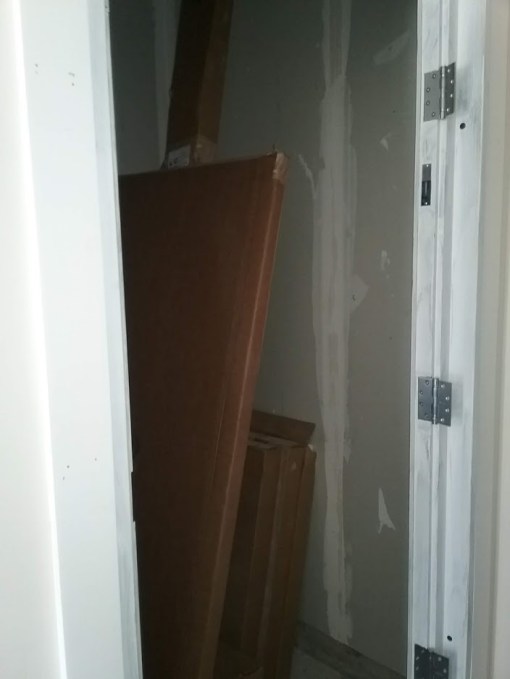
A close-up of one of the “lifts”. As mentioned in the article, because they aren’t commercial grade, they can’t formally be called elevators.
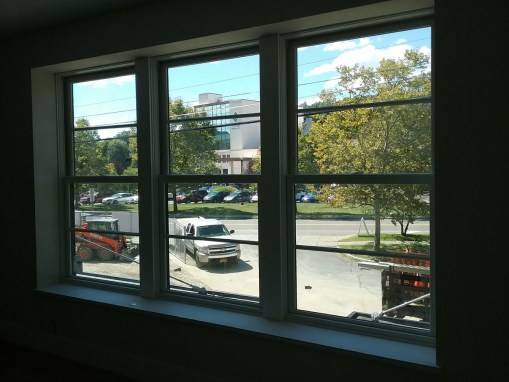
Note the electric heat pump.

It was clear to me when asking about occupancy that there was some shyness with the response, trying to explain away something, which generally means it’s not good. Here, they said they were happy with the studios, a wide degree of interest, but that people were hesitant to commit to the two-bedroom units without them being more substantially complete. Here’s the transcript:

Brian: [00:06:17] I know we touched on this earlier but just so I have the recorded version of it here, how has the market interest been for the units? Are the studios more popular, or the two bedrooms? [00:06:24][7.7]

Taryn: [00:06:26] Right now, like I said the studios are more popular to hold. [00:06:32][5.5]

Taryn: [00:06:33] But people are looking at the two-bedroom units, we have a lot of people waiting for pretty much this week and next week to see what they would look like with final touches. [00:06:40][6.7]

Ian: [00:06:46] I would say that from an interest perspective it’s been very balanced, right. [00:06:49][2.6]

Ian: [00:06:52] But perhaps that consumers who are interested in the townhomes are a little bit less, in perhaps less of a time crunch as they put it right? If you’re student or a young professional, you have a very definite timeline for moving and occupancy, whereas perhaps if you’re selling a home you’re in a more flexible situation. [00:07:07][15.1]

The units will be ready for occupancy by the end of the month.
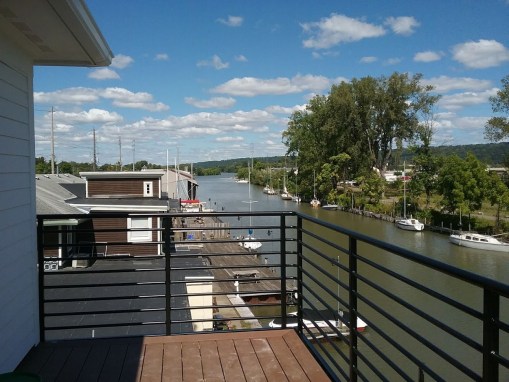
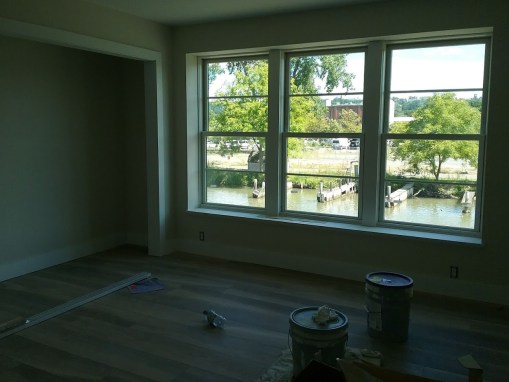
The views are great.

High ceilings. They’re still debating whether the small attic spaces will be legally permitted for use as storage space.

The two-bedrooms have plank flooring, while the studios have concrete floors.

Brian: [00:10:23] What surprised you in a good way as this was all coming along, and what surprised you in a bad way? [00:10:28][5.1]

Ian: [00:10:28] This is all coming from, I mean, I was I was going to say like with any construction project there are things you find out in the process of building that that are perhaps surprises, I wouldn’t say that there have been any particularly nasty things that we’ve come across. Or course any time that you’re working on a deep pile foundation, You’re kind of trusting that you know underground is going to be smooth sailing, and for the most part it was and we were really fortunate. [00:11:06][38.1]

Brian: [00:11:07] This uses a unique timber pile deep foundation, right? Because typically a deep pile of steel. [00:11:13][5.5]

Ian: [00:11:13] Yes. [00:11:13][0.0]

Brian: [00:11:14] But this uses like a treated timber that as long as it’s not exposed to air, it could last hundreds of years. [00:11:18][4.0]

Ian: [00:11:20] Right. So yeah. So this is on over one hundred and thirty timber piles, and they’re all driven to a depth of about 30 feet. [00:11:30][9.9]

Brian: [00:11:32] And was it Benson, Bensonwood did the modular components and they got trucked in. [00:11:37][4.6]

Ian: [00:11:37] Right. So it was a panelized construction in terms of the actual structure of the building. So D squared, local contractors out of Lansing. [00:11:46][8.8]

Brian: [00:11:48] Doug Dake? [00:11:48][0.1]

Ian: [00:11:48] And Doug Boles, hence D Squared. Yeah. The did that foundation and they poured the slab and then Bensonwood brought in their panels from New Hampshire and actually raised the building. Over what was probably only about a month and a half to get the whole thing raised, and then finishing is D Squared comes back in. OK so in terms of the labor used on the project, we’re well over 80 percent of what TCAD considers local labor. That has been another focus of ours. [00:12:25][37.3]

Brian: [00:14:40] And this is going to sound terrible. Is it Ar-NOT or AR-noh or something else? [00:14:45][4.8]

Taryn: [00:14:45] Almost like Ar-NIT and like Garnet but yeah. Well there is a gentleman named John Arnot who was a big I think he’s a doctor correct? About a hundred years, maybe not a hundred years ago but a while ago and then so we have the hospital we have, you know, so there’s a lot of places of that (name). [00:15:10][25.1]

Ian: [00:15:12] I guess to clarify by we, the Arnot name, as far as we the Arnot Realty company, we’re not involved with the hospital. [00:15:22][9.4]

Taryn: [00:15:22] Oh sorry. Yes. No we are not at all. [00:15:24][1.8]

Taryn: [00:15:25] There is just um there’s just a lot of aspects of the area that use that name but it’s not. It would have that name but it’s not, they’re not associated. [00:15:32][7.8]

Taryn: [00:15:33] Okay I should. Sorry. That’s sounded. [00:15:35][2.0]

Ian: [00:15:36] That’s fine. We just don’t want to see a video statement from the hospital. [00:15:39][2.6]

Taryn: [00:15:39] Yeah we do not. [00:15:43][4.2]

I have nothing but kind things to say about D Squared Inc. They were courteous and professional the entire time I was on site.

In case anyone still intends to use a studio as a workspace, these are intended to be filled in with business placards, and will be finished out with a decorative veneer when not in use.


GreenStar Co-Operative Market Construction Update, 9/2019

14 09 2019

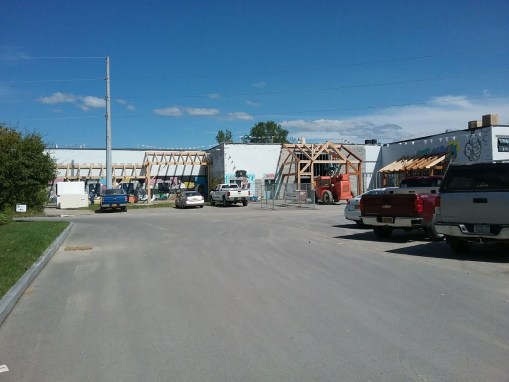
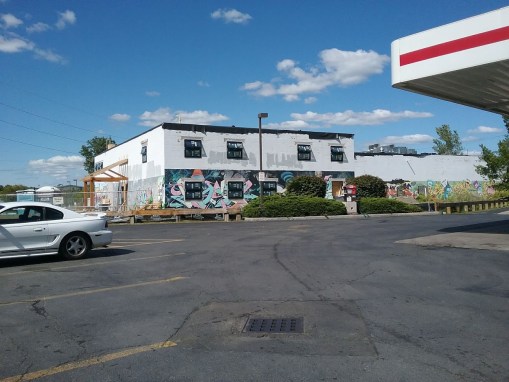
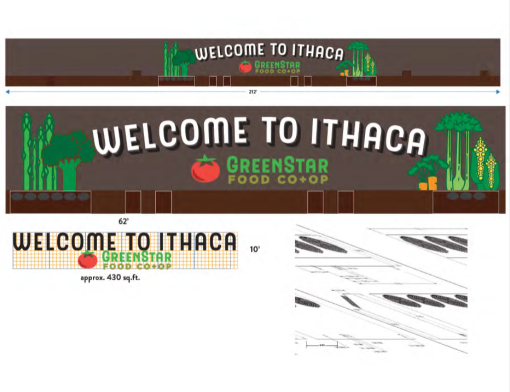
Over at the new GreenStar Co-Op at 770 Cascadilla Street, framing for the structural awnings and entrance bump-out are underway, and new windows have been fitted into what had been the windowless (if colorful, thanks to street art) exterior. The Owner Investment Program, which allows Co-Op members to invest in the expansion and receive a share of profits (dividends), has raised $1,659,500 and has a fall 2019 goal of $2 million (the ultimate goal is $2.5 million).

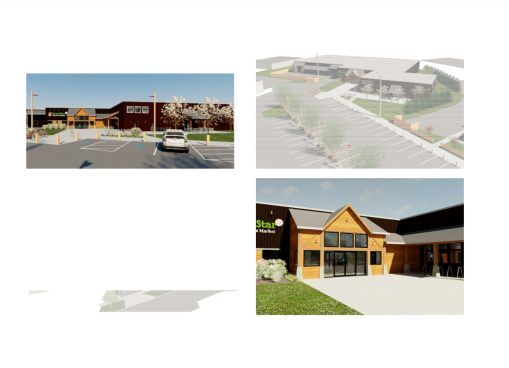
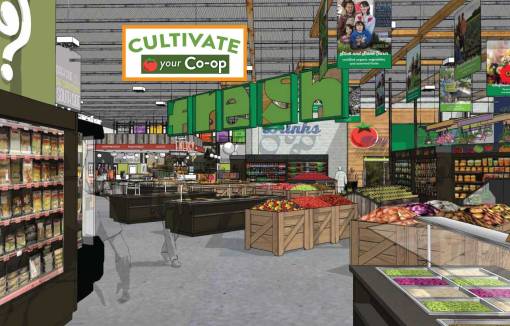
In a blog post, the Co-Op touts the new customer shopping experience to be had starting next spring, including expanded service areas and food offerings, as well as a number of cutting edge features in the name of ecological sustainability (100% solar power, 85% waste diversion through recycling/composting/donation of food, etc.). The accompanying photos show some new interior renders, as well as interior stud wall framing, drywall hanging, and mechanical/electrical/plumbing installation.

For better or worse, GreenStar’s issues haven’t involved the new flagship under construction lately, but potential labor violations and accusations of unfair treatment of workers seeking to form a union. Beyond the purview of a construction blog post, but just pointing it out for the sake of acknowledgement.


East Pointe Apartments Construction Update, 9/2019

14 09 2019

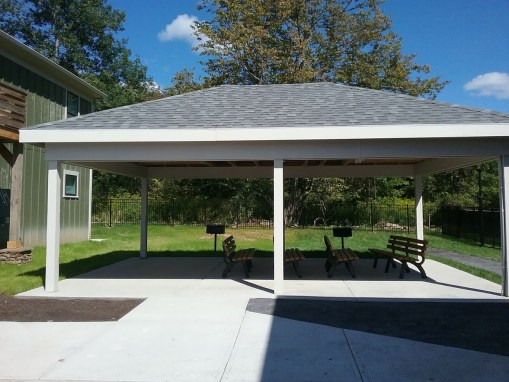
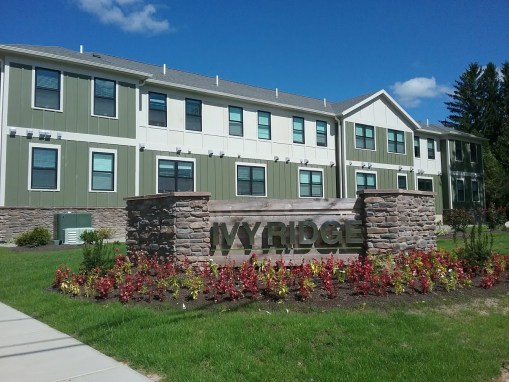
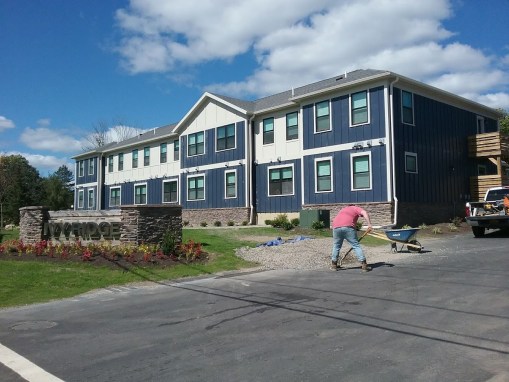
We’re about halfway through now, with seven of the fourteen 10-unit townhouse strings open for occupancy, and another two strings coming on each month through the remainder of the year.

The Craigslist ads are fairly standard, though they do raise an eyebrow. Typically, if a place is offering a free month of rent (which is usually deployed in the form of a discount amounting to one month metered out over the 12-month lease rather than a literal free month), they’re not hitting their occupancy goals.

If that’s the case, it probably has less to do with the units, which are by any regard pretty nice, and more to do with the number of them coming onto the market. 140 apartments is a lot to absorb at once in a a suburban neighborhood where students aren’t a significant part of the local rental market. Larger projects in Downtown Ithaca’s can tap into graduate and professional students pretty easily (City Centre relied on students to fill out its less desirable units), and the hills draw both undergrads and graduate/professional students. Meanwhile, Lansing and Dryden have no trouble filling smaller projects, like the 42-48 units the Village Solars brings online each year. East Pointe isn’t doing badly, it just isn’t easy in a small metropolitan area like Ithaca’s to bring a large suburban rental project onto the market in one phase and have it not experience some softness as the initial units are filled.

A full description of the project and its history can be found here.

***

ONE MONTH FREE!!!!

ONE, TWO AND THREE BEDROOM LUXURY APARTMENTS
FEATURING A WALK-UP GARDEN STYLE WITH PRIVATE ENTRANCES AND ATTACHED GARAGE WITH REMOTE OPENERS FOR EVERY APARTMENT. STARTING AT $1,695.00!!

CALL US TODAY TO SCHEDULE YOUR TOUR
NOW OPEN SATURDAYS AND SUNDAYS 10:00 A.M. TO 3:00 P.M.

High End Finishes

• High speed fiber internet-included
• Stainless finish appliances
• Washer & Dryer in every apartment
• Granite countertops
• Premium cabinets
• Vinyl plank flooring and wall-to-wall carpeting
• Tile showers
• Premium plumbing and lighting fixtures
• Oversized patio or deck
• Premium window coverings
• Community building with fitness center and gathering great room
• Sparkling swimming pool
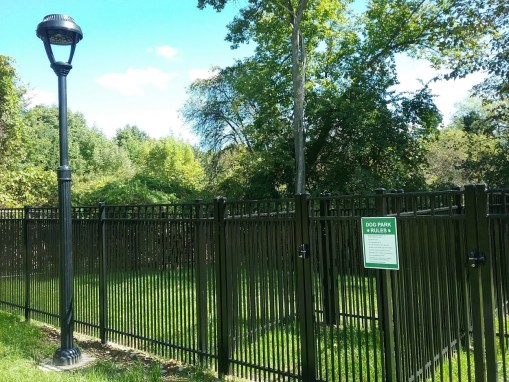
• Private Dog Park and Walking Trail


Village Solars Construction Update 9/2019

13 09 2019

So there’s been some news regarding the Village Solars buildout. The community center is in flux. The original proposal was for a mixed-use building with ground-level commercial and community amenities, and 20 one-bedroom apartments on the upper levels. Now, it’s an unknown. Per the Lansing Star:

“(T)hey will relocate the community center site to a location more central what will become an enlarged, single development. The lower floor would have amenities like a restaurant, a work-out center, and other features, with apartments on the upper floors. If not, they would build the smaller community center as already accepted by the Town.”

That means that the community center is being moved to another location on the site, and potentially take a different physical form, though programmatically it remains the same (commercial/community use on the ground level, residential above).

When the article says a more central location, it refers to the 96.44 acres of land east of the complex. The Village Solars are owned by Steve Lucente, and the undeveloped land to the east by his father Rocco, who had purchased it in 1960 and was recently planning his own apartment complex (schematic in the early Village Solars site plan below). My understanding is that the two Lucentes didn’t get along at all – I was warned to never bring up Steve when interviewing Rocco. After Rocco passed away about 18 months ago, Steve saw an opportunity to purchase the vacant land to the east from Rocco’s estate, and build a bigger complex in future phases (as yet unapproved). The purchase offer, at least check, is still being reviewed by Rocco’s Executors.

However, this created a problem. Local Law #6 of 2017, the Planned Development Area (PDA, like Ithaca’s PUD it’s D-I-Y zoning) with the town, stipulated that the community center had to be built and open by the end of 2020, and only one more apartment building could be built before it was done. So Steve Lucente and his project team had to make the case to the town of Lansing Planning Board and Town Board give them time to purchase the land and design the new community center, and let them do three more apartment buildings in the meanwhile to keep on pace with their construction plans. If the offer feel through, he’d build the community center starting next summer and finishing in 2021, a year later than initially planned. Generally, of all the communities to have to make such a request, Lansing would be one of the most accommodating.

Officially, only the Town Board really decides PDA amendments. But here, the Town Board was uncomfortable with the request at first, referred it to the Planning Board for guidance, and then after the Planning Board weighed in, it returned to the town board with a recommendation to consider during voting.

This caused some debate, with some of the planning board feeling like their credibility was taking a hint with this latest delay (the community center was delayed at least once, hence why it was explicitly stated in the 2017 PDA revision), and at least one member of the town board feeling as if they were purposely misled since banks would have received the notice of intent to modify the plans several months ago, but Steve Lucente countered that it was not a firm plan and only became firm later in the year when the offer looked like it had a good chance of being accepted. On a 3-1 vote, the town is permitting three more apartment buildings and only two more, and expects a community center to start next year in either the old or the new location.

At this point, the last of the originally permitted buildings, 24-unit 36 Village Circle North (3 three-bedrooms, 6 two-bedrooms, 3 one-bedrooms and 12 studios) has had its foundation footers poured and is awaiting the concrete slab pour. The tarp and mesh are in place for stability and added strength respectively, and you can see the below-ground utilities poking out, capped for the time being. A surveyor was on site during this visit to make sure everything was level and in good order before the wood frame starts to rise. The three newly permitted buildings are all reconstruction of existing 8-10 unit buildings, into two 18-unit buildings (2 Village Place, 22 Village Place) and one 24-unit building (117 Village Circle North).

Apparently, occupancy rates have been strong. Building “L” (113 Village Circle North) opened in June, and 22 of its 24 units were spoken for, with the other two rented shortly after.

As for the future, it’s not clear. Something will be proposed that may very well require more PDA amendments, but we’ll see. The elder Lucente’s complementary apartment complex was supposed to be around 300 units in size (built over several years), and it wouldn’t be a surprise if the Village Solars plan expands by a similar amount.


Milton Meadows Construction Update, 9/2019

9 09 2019

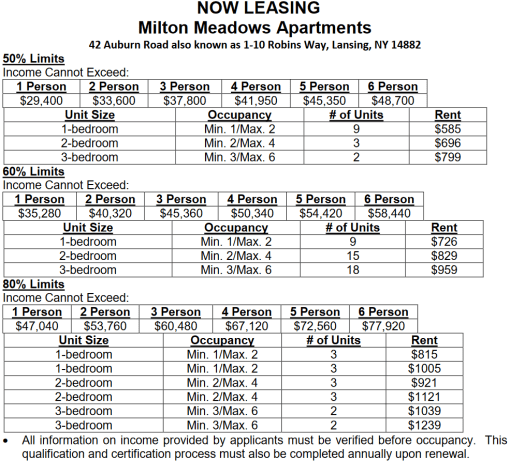
The buildings are not yet complete, but Milton Meadows is accepting applications for its 71 units (the 72nd is for an on-site manager). Income qualifications are 50-80% of area median income with first preference to veteran’s; specific on the income levels, monthly rent and associated details can be found at the end of this post, and online on the NYS Homes and Community Renewal website here.

The initial application round was from June 9th to July 9th, and applications were selected by a housing lottery. What that means is that once applications are gathered, those that qualify are put in random order and given a log number. From there, the developer begins the review process starting with the lowest log number as well as any preferential applicants. The lower one’s log number is, the more likely one is to hear back from the lottery. If there are any units remaining after the lottery is complete, those will be filled with later applications. If they’re all full, then applicants will be hanging out on a waiting list. That could be a few months, or longer. INHS has been known to take a couple years to make it all the way through its backlog for its more desirable unit sizes and locations.

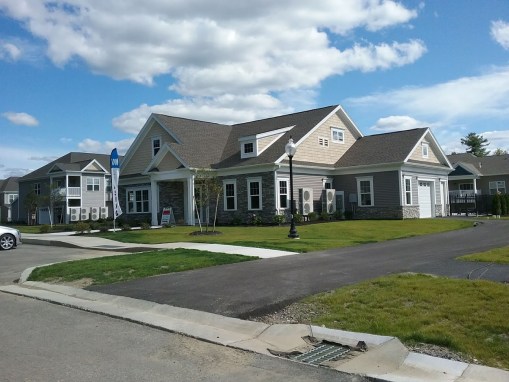
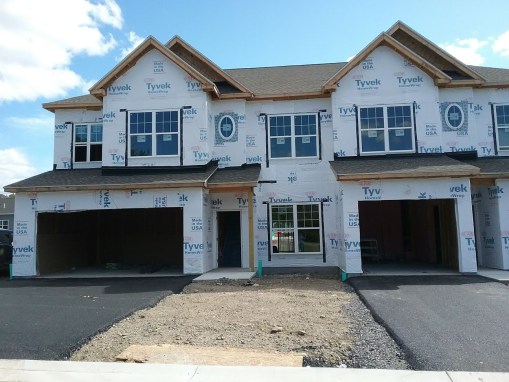
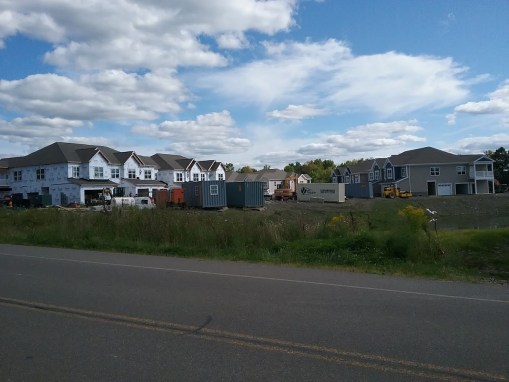
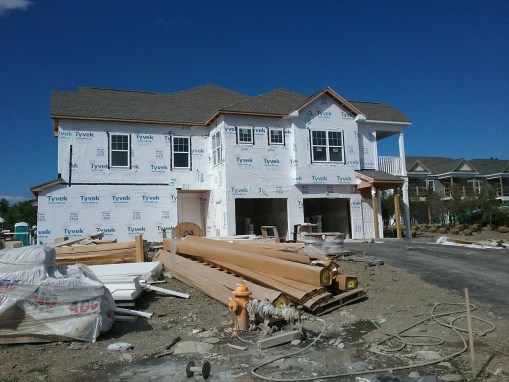
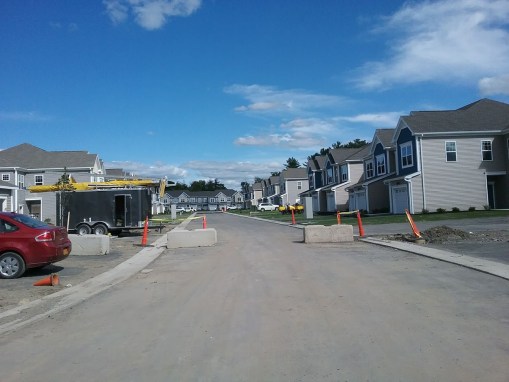
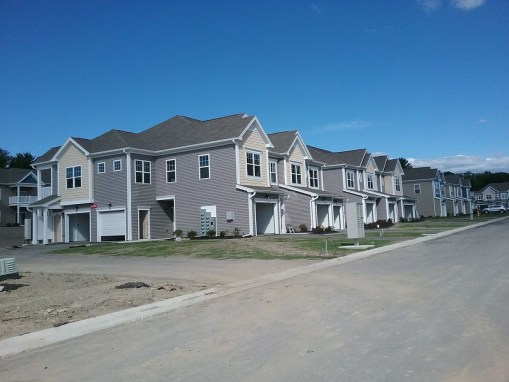
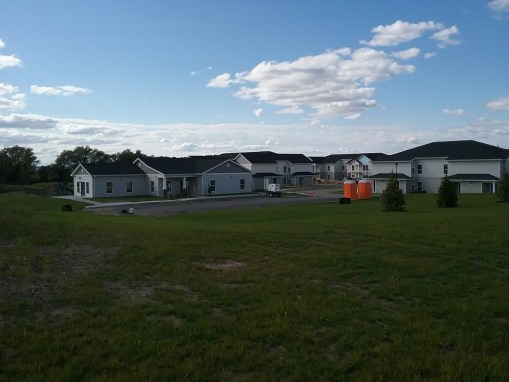
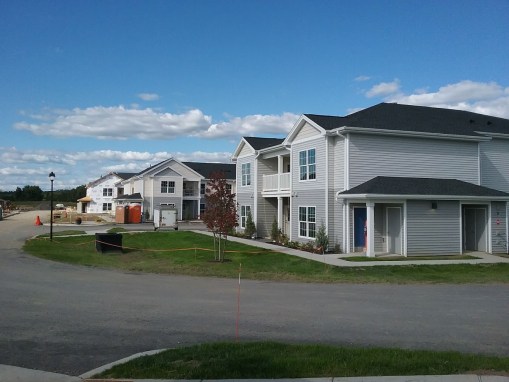
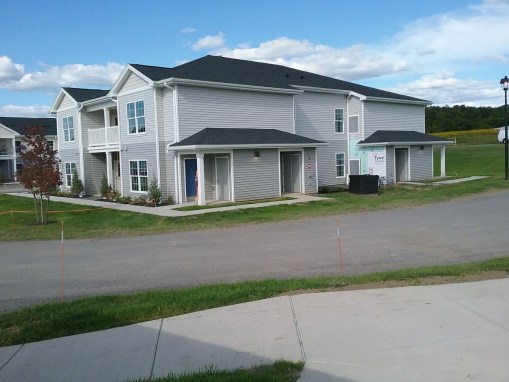
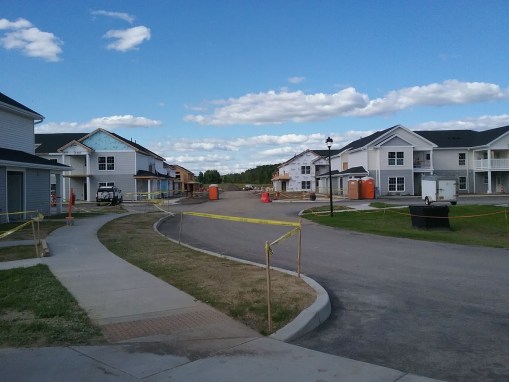
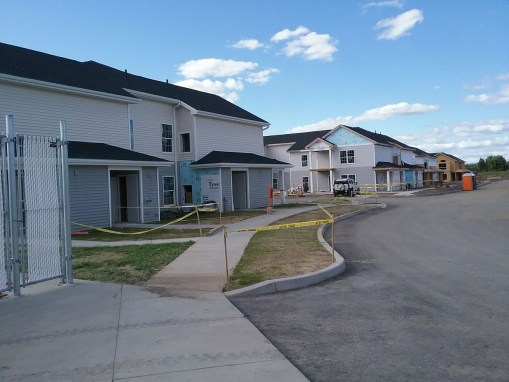
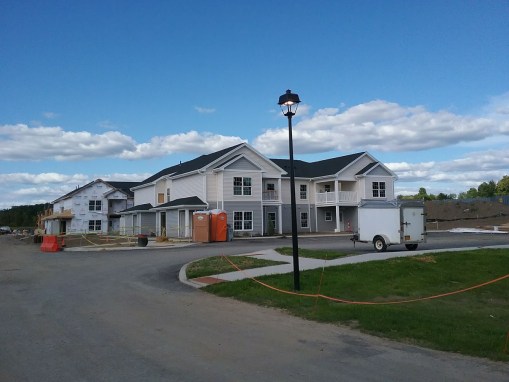
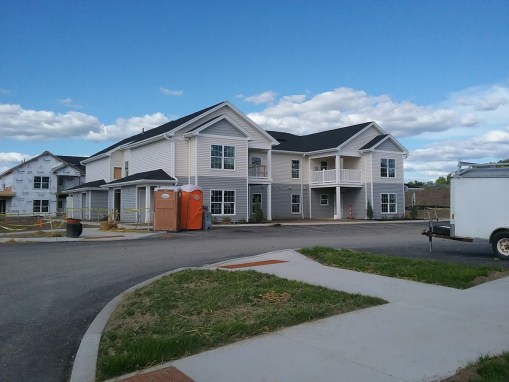
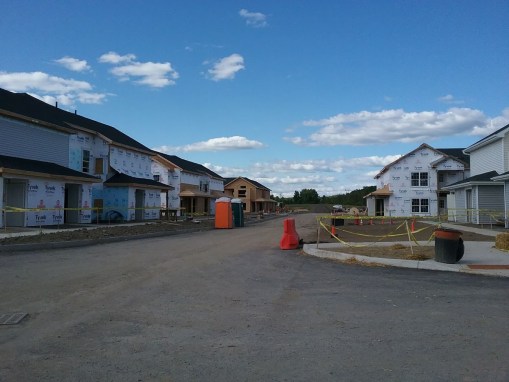
The nine apartment buildings generally progressed in the same order as their addresses. 1 Robin’s Way (42 Auburn Road), the community center, is essentially done. 2 Robin’s Way, the southeast corner building with eight 1-bedroom units, will be ready for occupancy by the end of the month. In this southern portion, the lighting and sidewalks have been installed/poured and even the grass seed has been laid. From there, buildings go backwards in the construction timeline – vinyl siding (probably Certainteed), a couple varieties of housewrap (Tyvek and a second blue-faced material), window and door fitting, and framing. 10 Robin’s Way, another building with eight 1-bedroom units, is just getting its shingles attached to the roof, and is otherwise fully framed but not much further along than that. 10 Robin’s Way will be ready for occupancy in the December time-frame, about three months later than first anticipated.
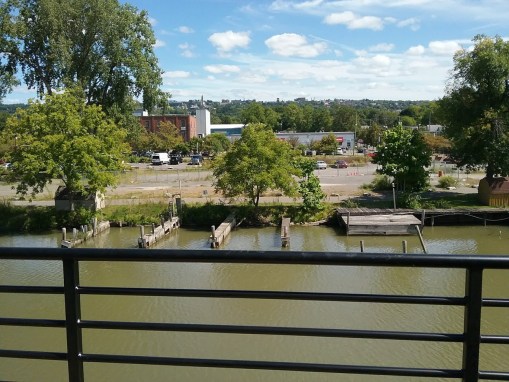
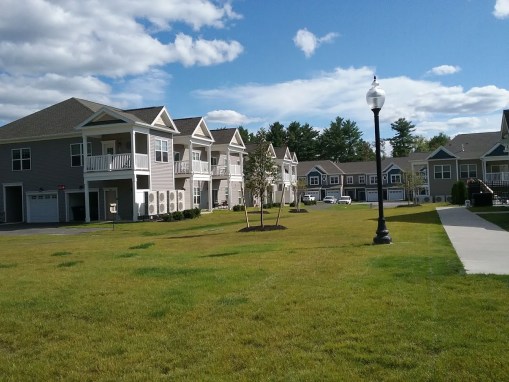
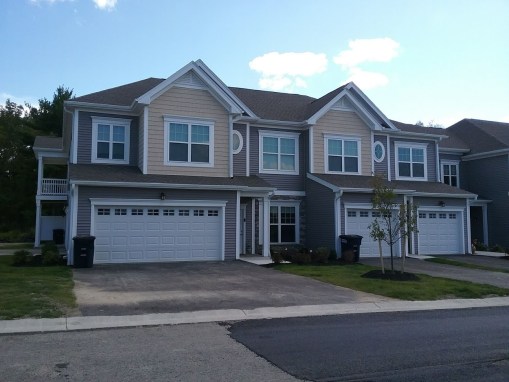
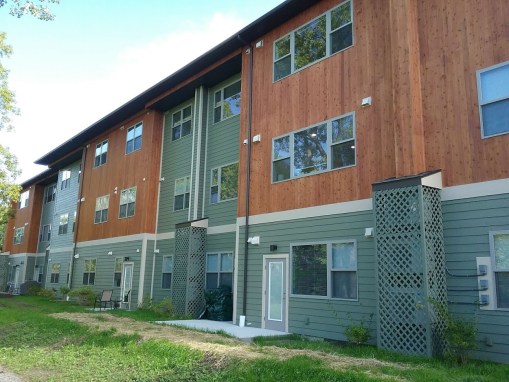
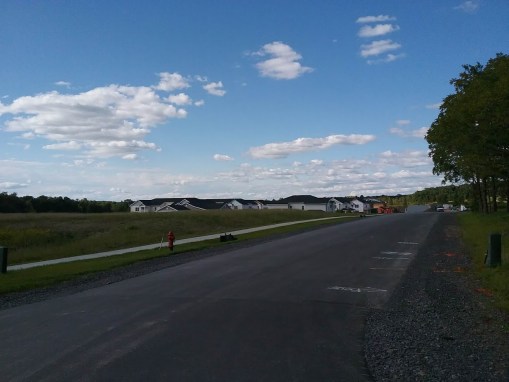
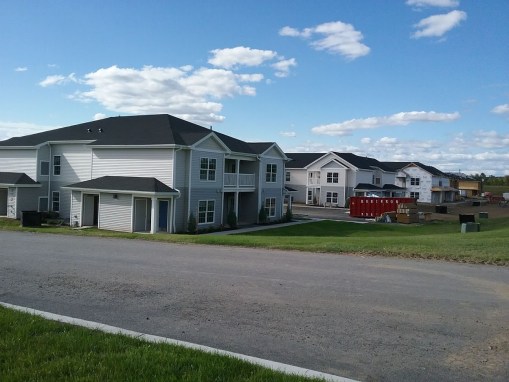
To give an idea of the visual differences between the building configurations, which come in eight one-bedroom, eight two-bedroom and eight three-bedroom flavors, the first photo shows a three-bedroom building on the left, a two-bedroom building in the middle, and a one-bedroom building on the right.

One kinda wishes they had gone with a more visually interesting color palate for the vinyl siding, which is two shades of grey and a tan, but chances are, it was whatever they could get that was durable and cheap in bulk. The early renders showed a different if still soft color palate.
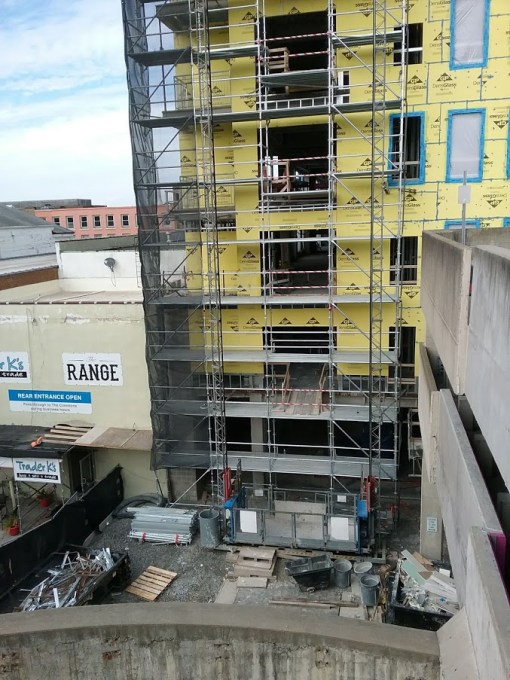
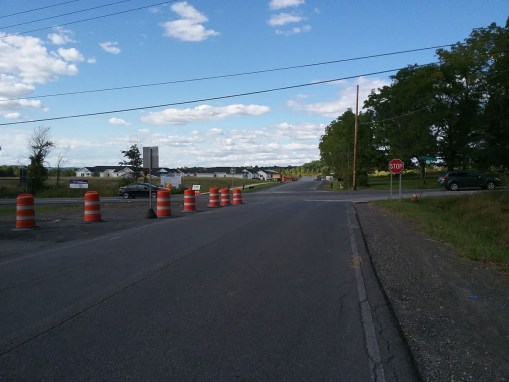
Also in progress is the realignment of Woodsedge Drive with Louise Bement Lane, to make them a proper four-corner intersection. This is being paid for with a $75,000 state grant with in-kind labor from the town.


TC3 Arthur Kuckes Childcare Center Construction Update, 9/2019

8 09 2019

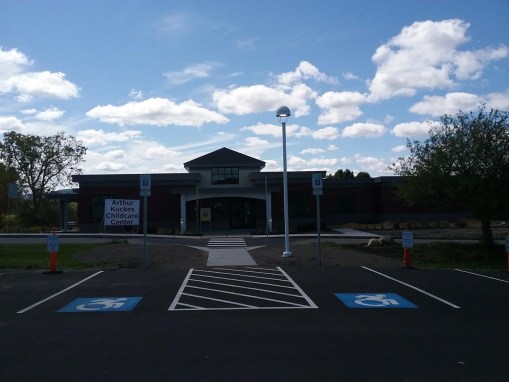
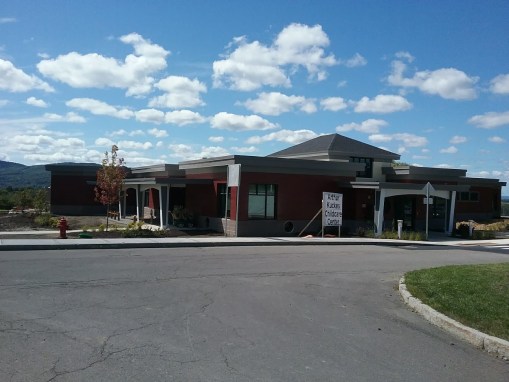
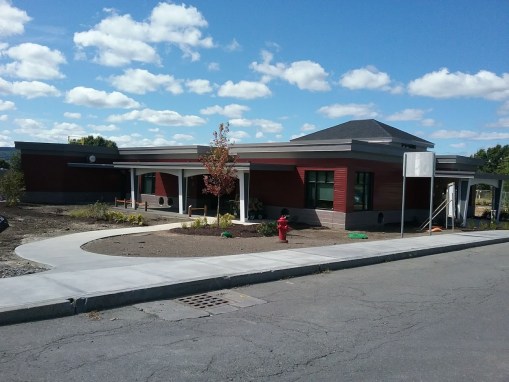
Another project to move into the “complete” column. The $6.5 million, 9,875 SF Arthur Kuckes Childcare Center has opened its doors for its young occupants. Interest in the new childcare facility has been strong enough that the facility is already full and has a waiting list, proof positive that affordable and flexible childcare options are in great need in Tompkins County.

Only signage, exterior landscaping and play areas remain on the to-do lists. Photos are limited because construction workers don’t mind their photos being taken, but parents with their young kids do.

Local architect Claudia Brenner designed the new facility, with Lansing’s Dende Engineering on board as a structural engineering consultant, T.G. Miller for surveying and civil engineering work, Jade Stone Engineering PLLC of Watertown for mechanical, electrical and plumbing design and engineering, Ithaca’s TWMLA for landscape architecture and Albany’s Ran Fire Protection Engineering for the sprinklers and other fire suppression systems.

More information about the project and Arthur Kuckes can be found here.


802 Dryden Road Construction Update, 9/2019

8 09 2019

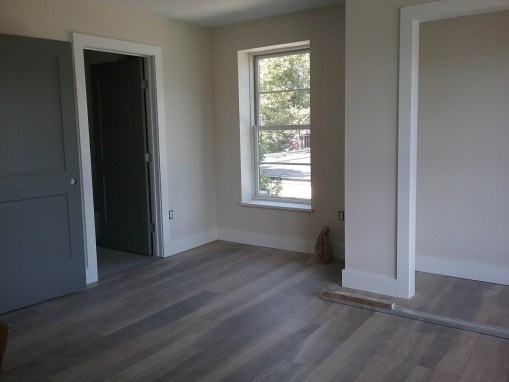
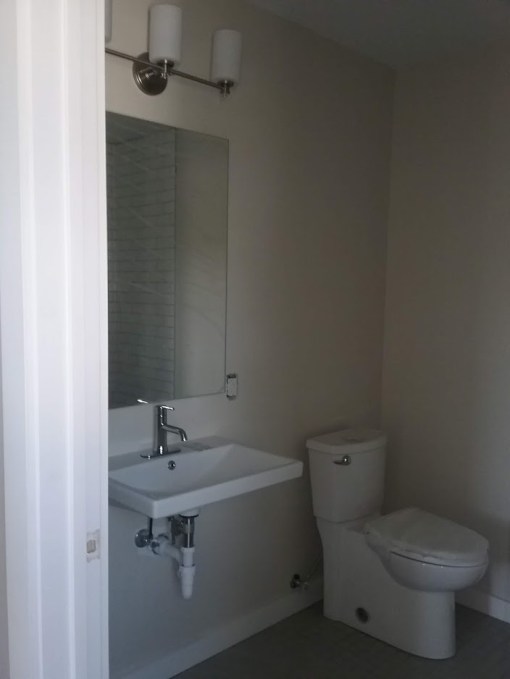
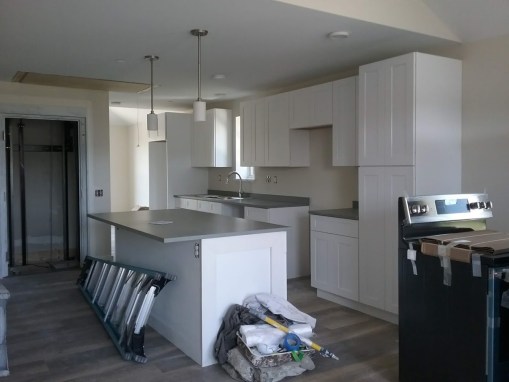
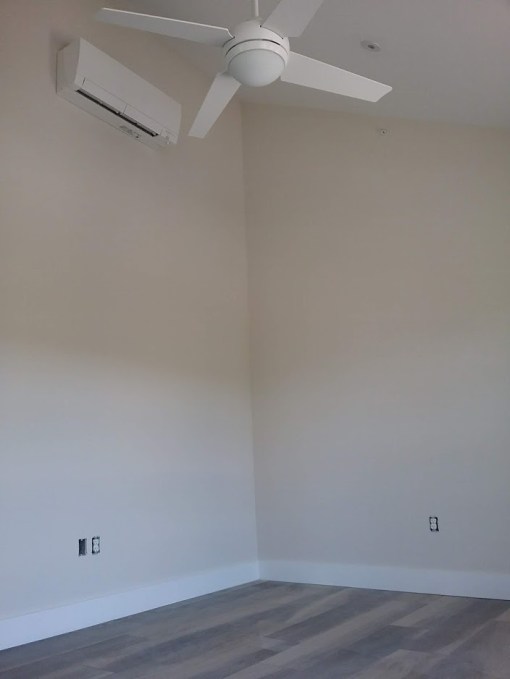
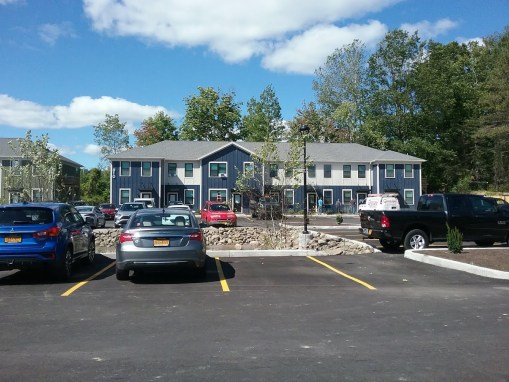
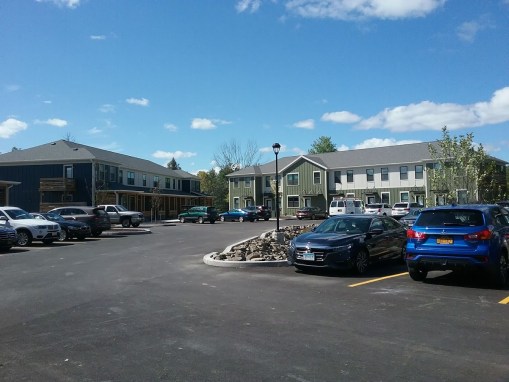
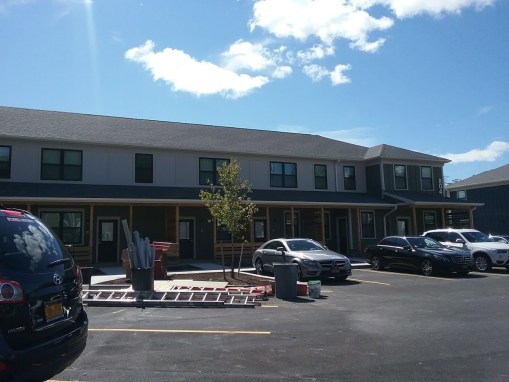
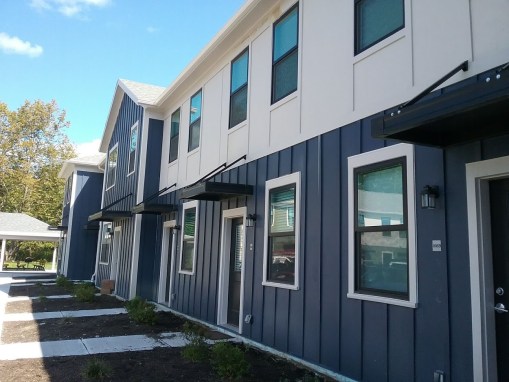
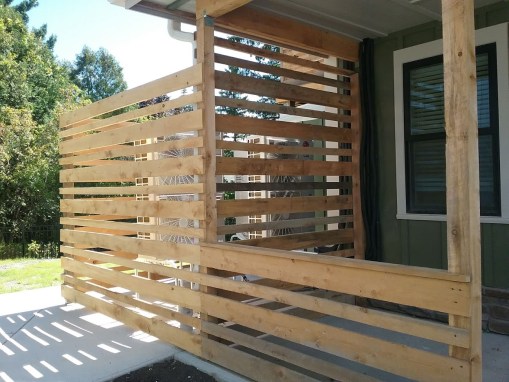
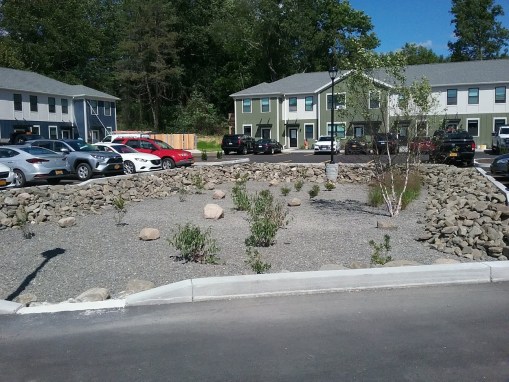
It’s safe to declare this project as done. A site visit on Friday had some landscapers on site, and a small crew powerwashing the construction dust off the vertical lap siding. The final product is true to the renderings (that’s less common than one might think), the biggest difference I can see is that the pavilion used unpainted wood and corner brackets in the renders, and it’s painted without brackets here. Since the website for the apartments uses renderings in place of its “photos” page, let me be the one to supply the first photos of the finished product.
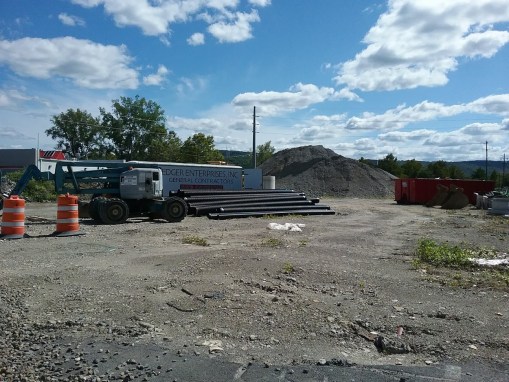
All things considered, the design is fine, and by being in a less settled part of Dryden right next to Cornell, it draws less attention from Varna residents who might otherwise not be fans if it were closer, and it’s right next to its primary place of “employment”, making for a minimal commute and lower vehicular traffic presence. In addition, with 108 bedrooms, that’s about 108 fewer students and student family members competing on the rest of the local market (these are geared a little more towards graduate/professional students, and some of those come to Cornell with spouses or children in tow).

The developer, Maifly Development of suburban Pittsburgh, did explore purchasing neighboring lots for a second development, but there are no indications that this has been pursued further. Maifly is in growth mode and purchased the under-construction project from the original developer, Modern Living Rentals, in a $2.075 million deal in September 2018.

For the sake of noting it since the emails come in regularly, the Trinitas plan down the road is in a holding pattern while they complete a study of infrastructure needs and impacts as part of the State Environmental Quality Review (SEQR). Other than that, I’m not aware of any other projects undergoing or close to undergoing site plan review in the Varna/366 Corridor.

Granger Construction of East Syracuse led the buildout, STREAM and John Snyder Architects designed the townhouse strings, GMB Consulting Services did the LEED score analysis, T.G. Miller P.C. handled land surveying and Marathon Engineering tackled the civil engineering work – Marathon’s Adam Fishel shepherded the project through the town boards. M&T Bank provided the $8.6 million construction loan.

Before:

After: