Carey Building Construction Update, 10/2015

22 10 2015

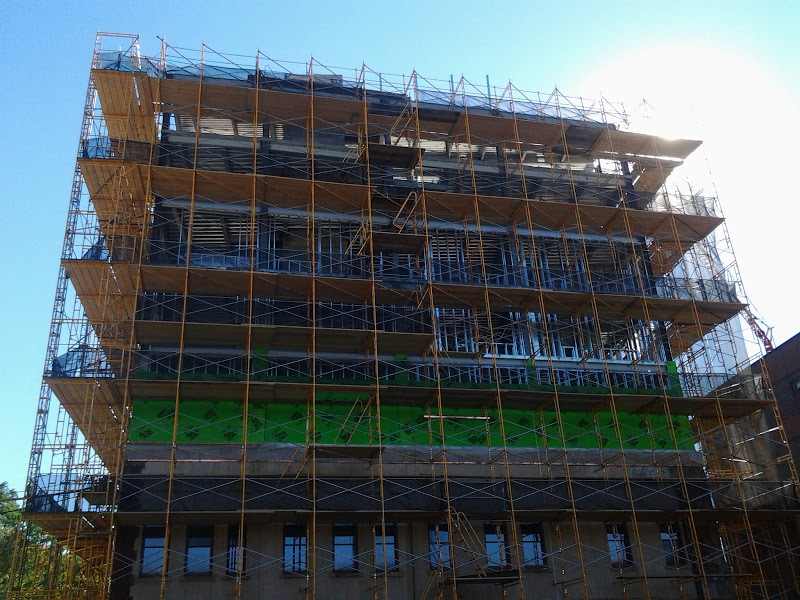
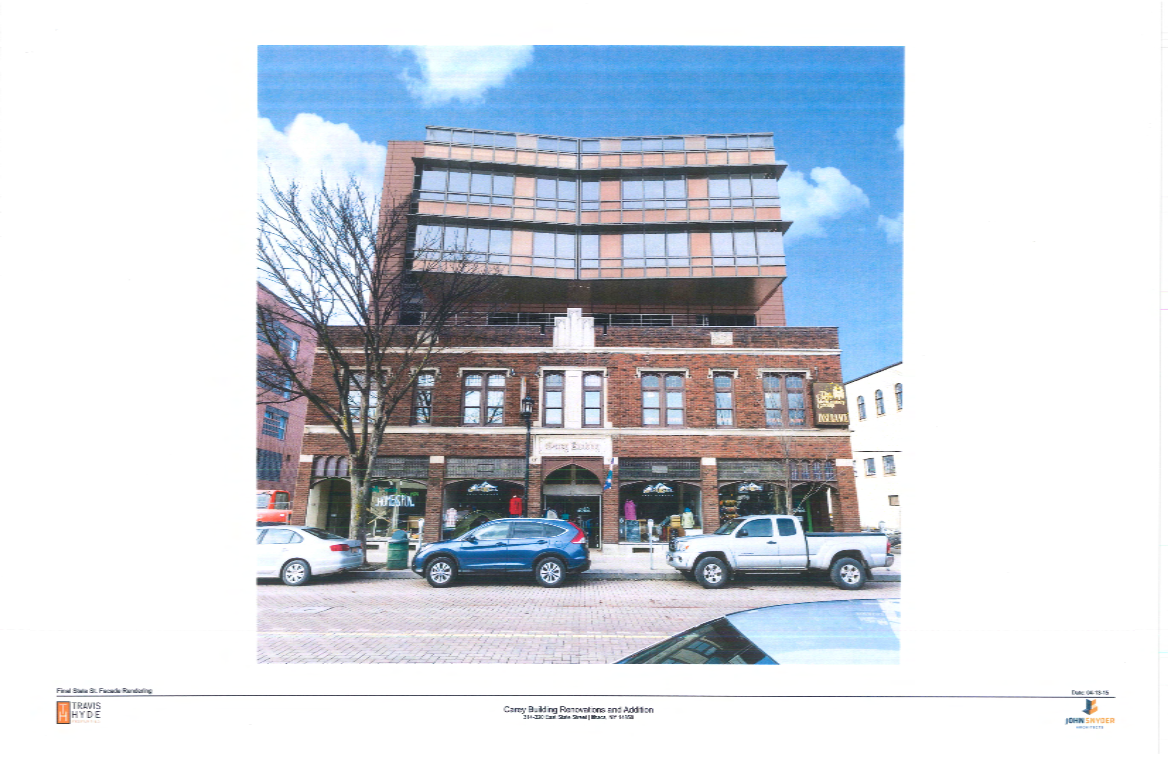
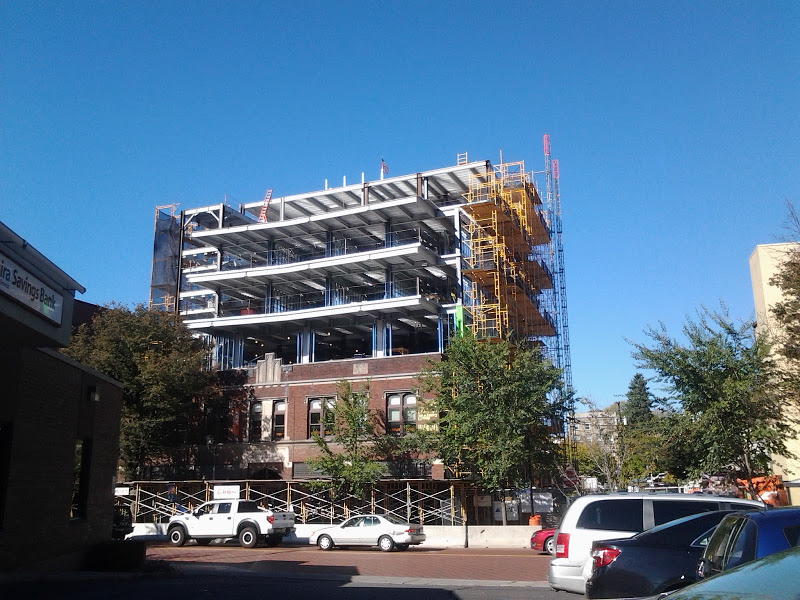
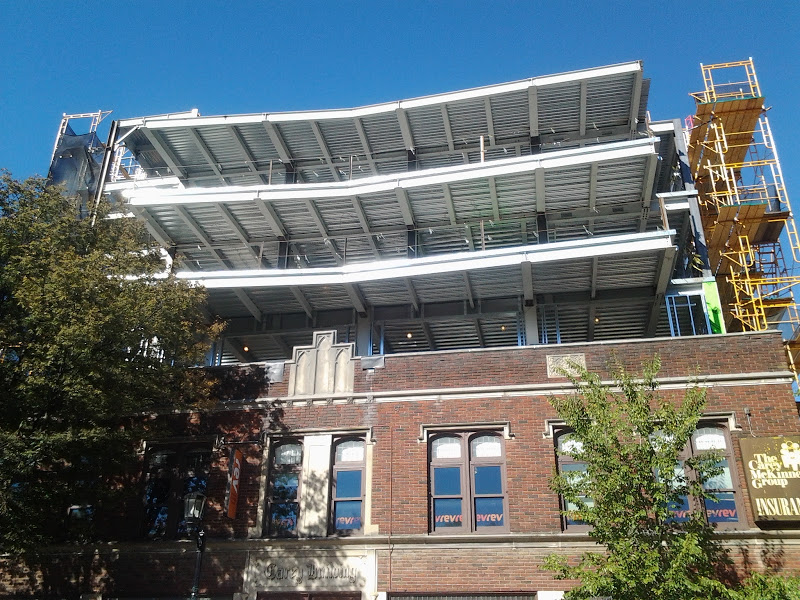
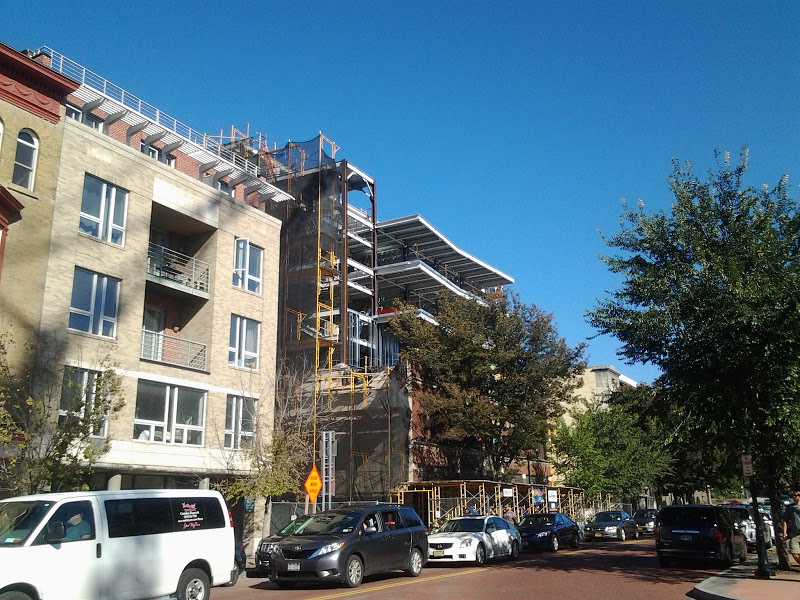
It looks like the Carey Building overbuild has topped out. Corrugated metal decking now covers all five floors of the addition. Interior metal stud walls have been roughed-in on the third through fifth floors, and some fiberglass-mat gypsum sheathing is even starting to show up on the exterior metal stud walls of the third floor. Look closely and you can see the window openings.

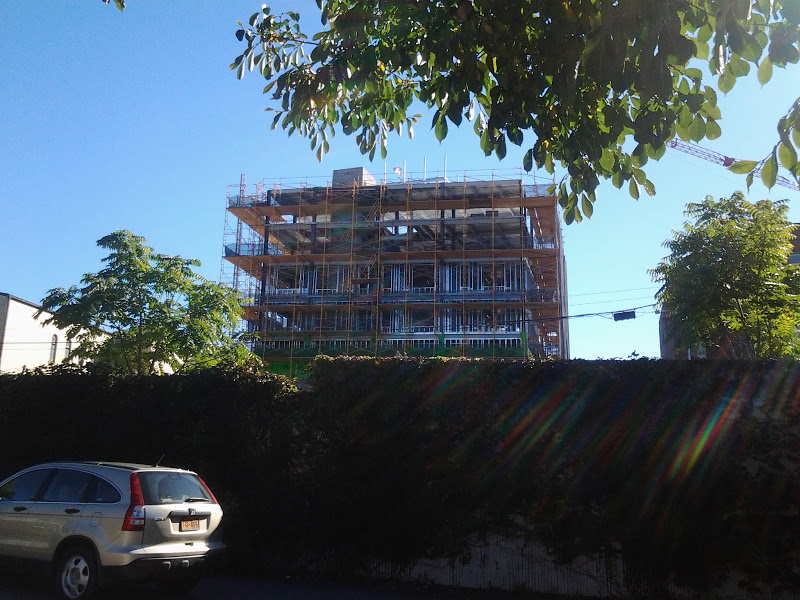
Looking at the Rev Business Incubator’s photo from the 19th, plastic sheeting now covers the front of the addition, and a little more progress has been made on those stud walls. Like the Lofts project, they project may end up looking like it’s trapped in a plastic bubble as the cool air gets frostier, and the need to keep those chilly winds at bay becomes more urgent. They also help in water proofing.

From October 11th:

20151011_144907 20151011_144931 20151011_145025 20151011_145410 20151011_145530 20151011_145603 20151011_145623

From Rev, October 19th:

carey_rev5_2 carey_rev5_3


804 East State Street Construction Update, 10/2015

20 10 2015

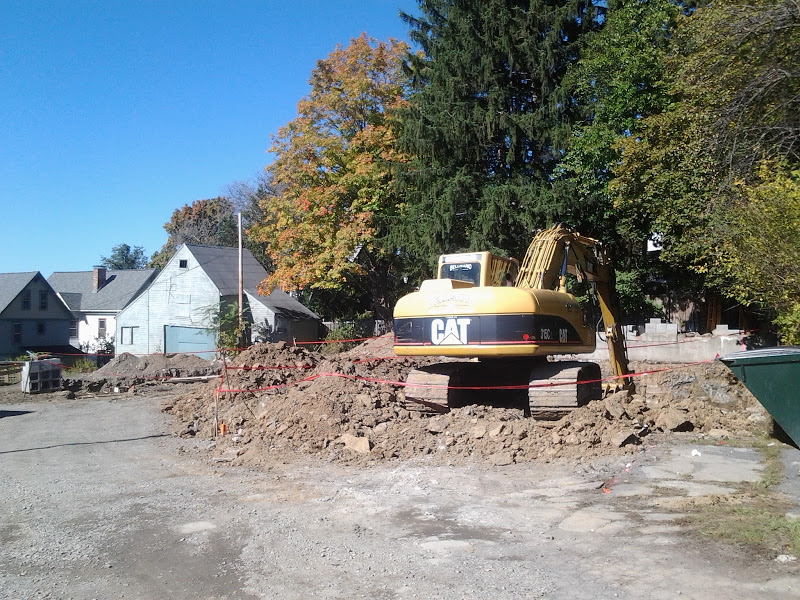
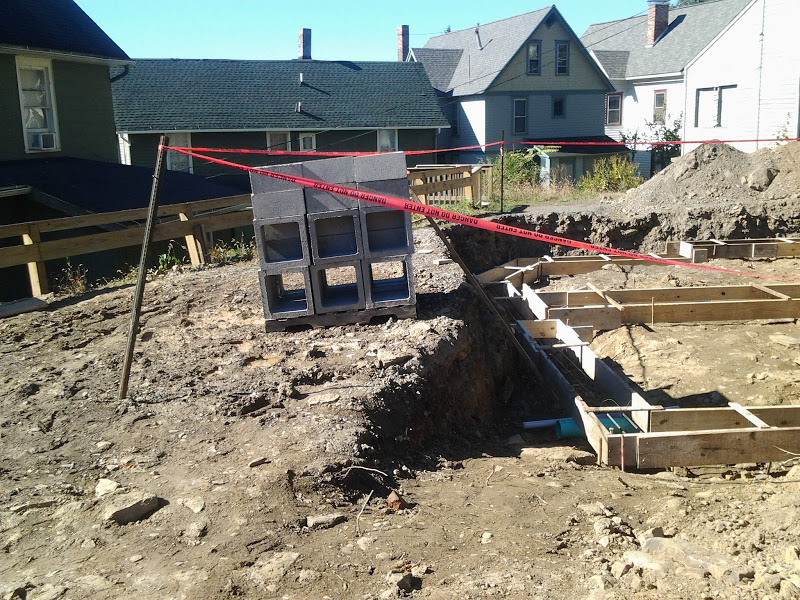
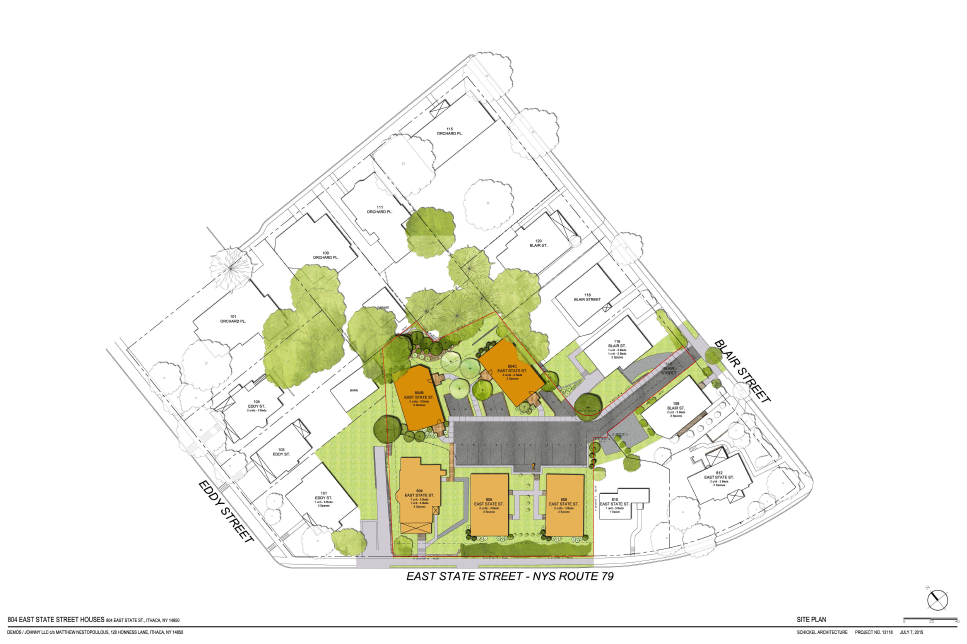
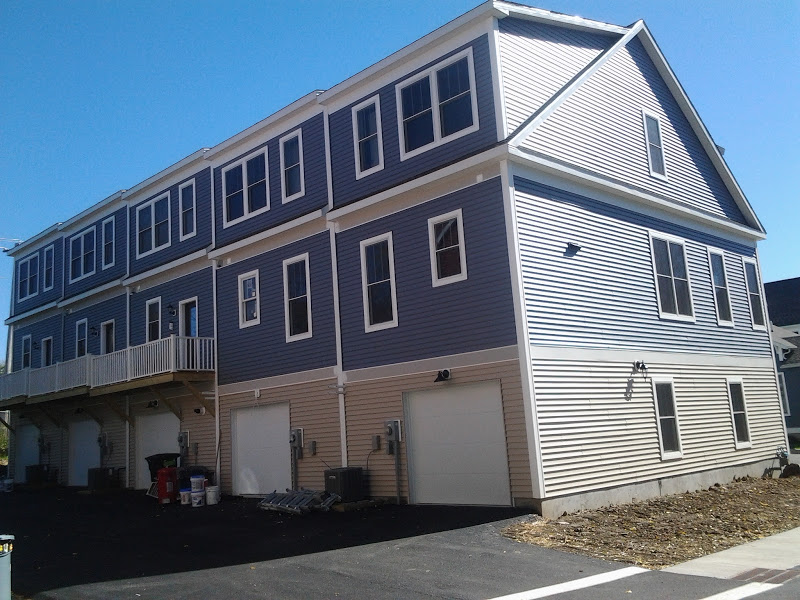
A new, small project to add to the list of projects underway, 804 East State has started construction on the fringe of Collegetown. The owners of the site, the Nestopoulos family of Ithaca, are building two modular duplexes, 4 units total, with 3 bedrooms each (12 total).

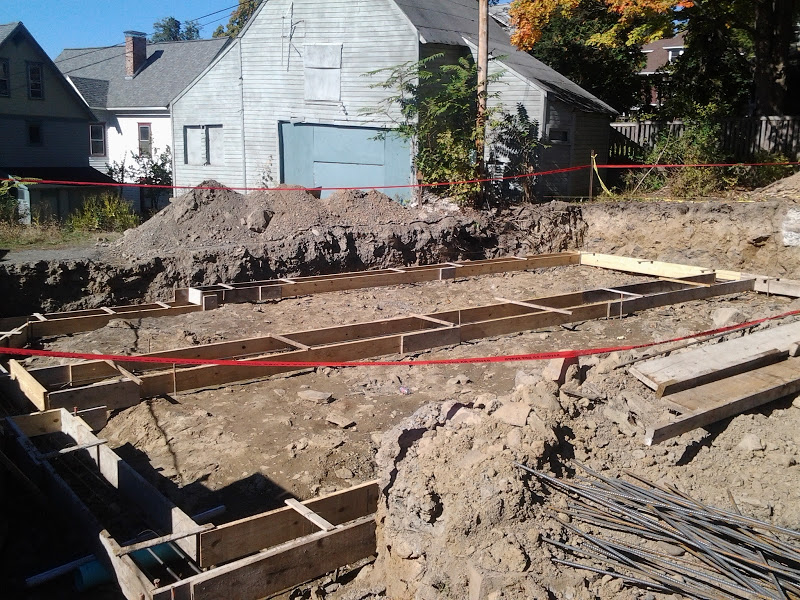
The foundations have been dug for both duplexes, and form boards have been placed in the footprints of the west building. The concrete foundation gets poured into the form boards, and the boards help the concrete hold its shape while it cures. Looking closely, you can see a few steps in the wood forms, since the site is sloped, the concrete foundation will be stepped. The small wood sticks on top of the forms are spreaders, to provide extra stiffness.

Once the forms are squared and levelled, the concrete will be poured in, levelled off and smoothed over. After a day or so, the forms can be removed, leaving the newly-finished foundation. Once the foundation is ready, the builders can begin erecting the concrete masonry unit (CMU) walls, the hollow concrete blocks seen in the photos. The modular pieces will then be brought in, hoisted into place and sealed together, not unlike the process at the Belle Sherman Cottages.

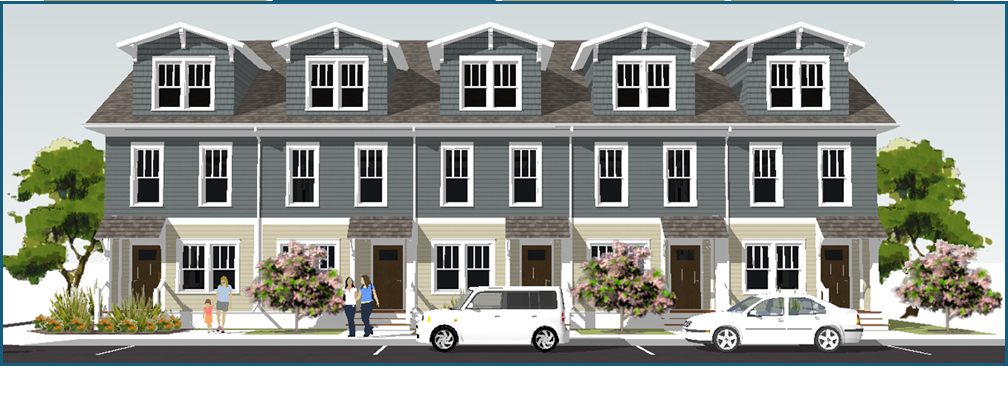
The plan is to have these completed by December 2015, with new occupants (likely students) moving in the following month. The project replaces a gravel parking lot. In an effort to appease neighbor opposition about the homes simple (and perhaps bland) design, the number of houses was reduced from three to two, they were oriented to minimize visual impact, parking was moved from below the units to surface lots, and extensive landscaping with an “outdoor room” is planned.

20151011_135439 20151011_135455 20151011_135513 20151011_135533 20151011_135556

112_blair_v4_2 112_blair_v4_1


205 Dryden Road (Dryden South) Construction Update, 10/2015

19 10 2015

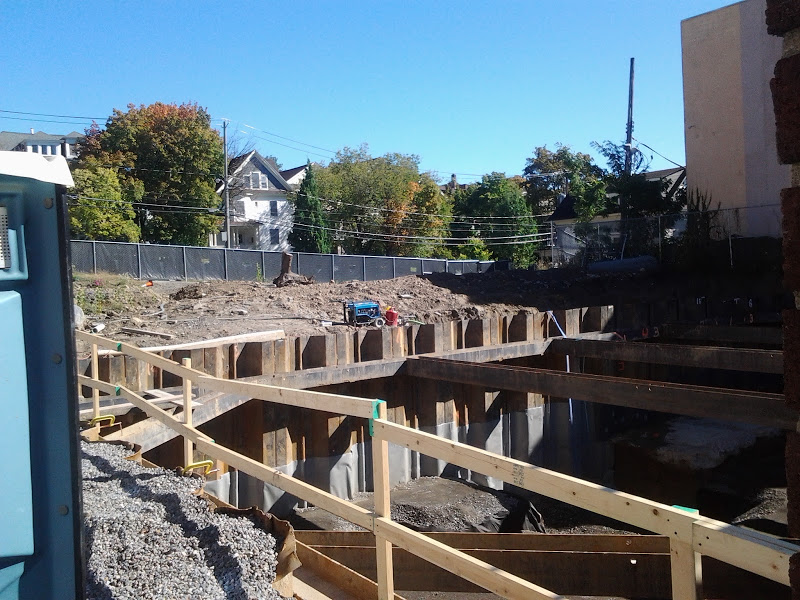
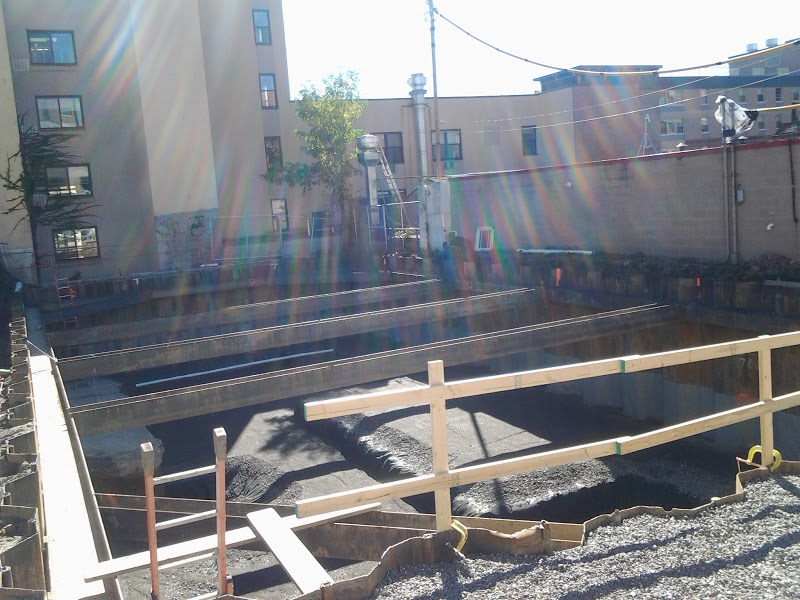
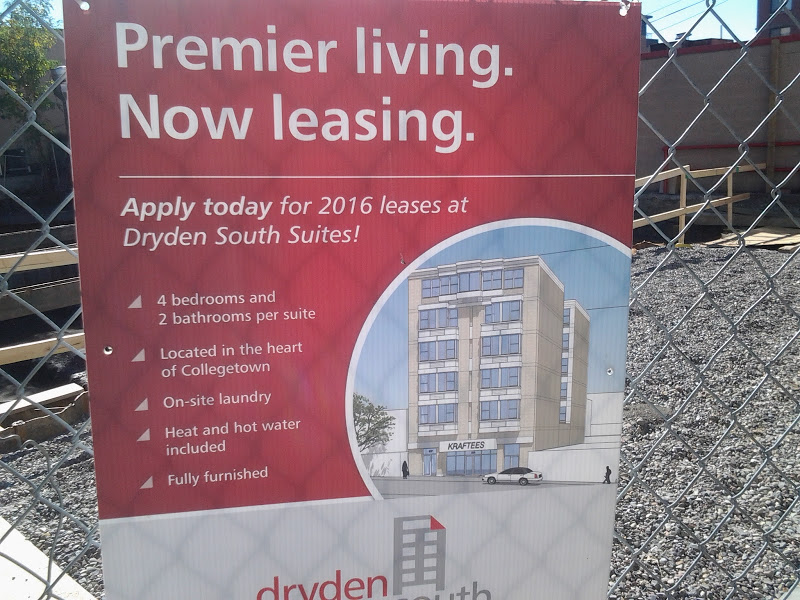
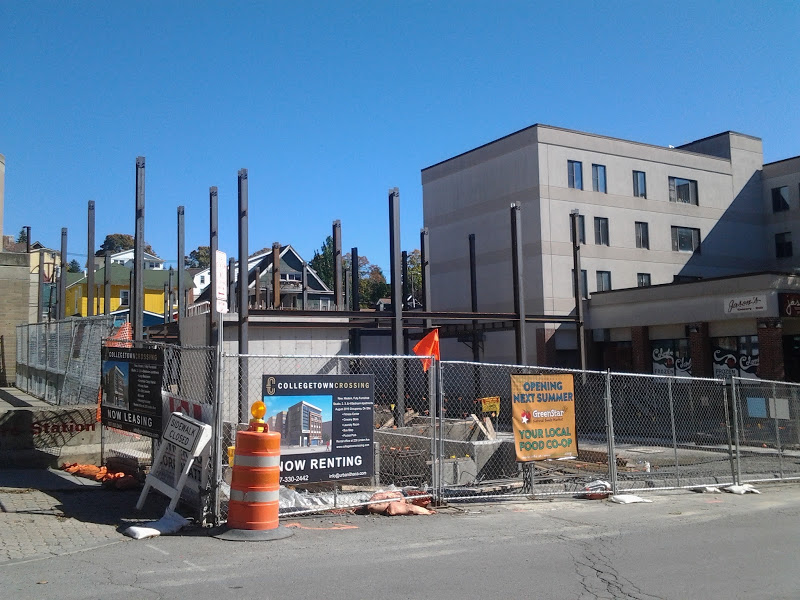
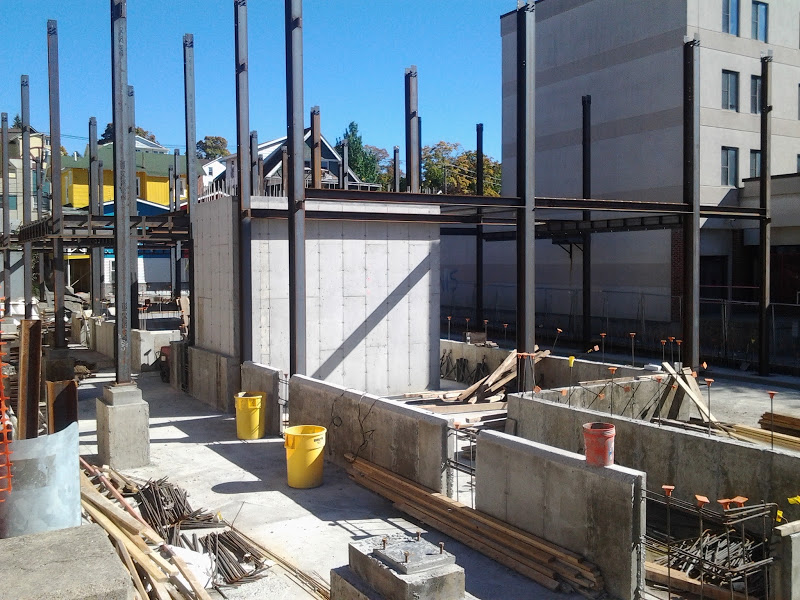
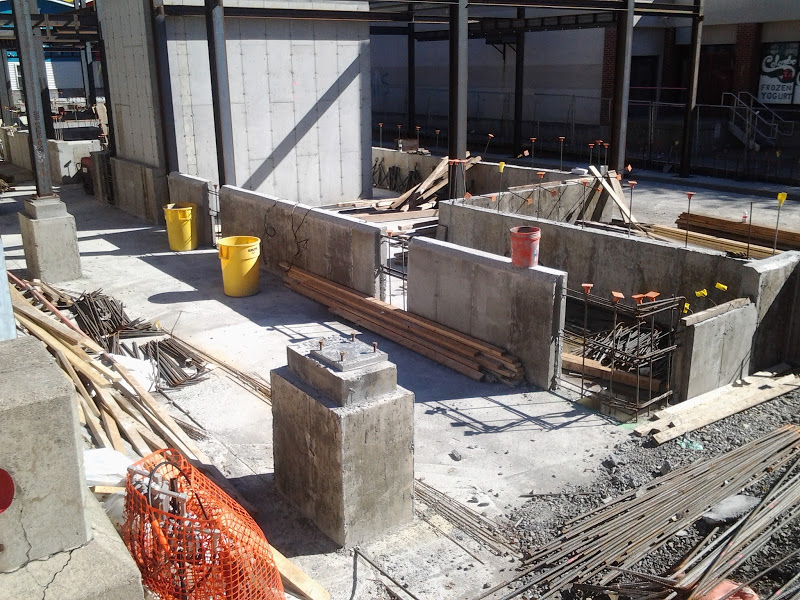
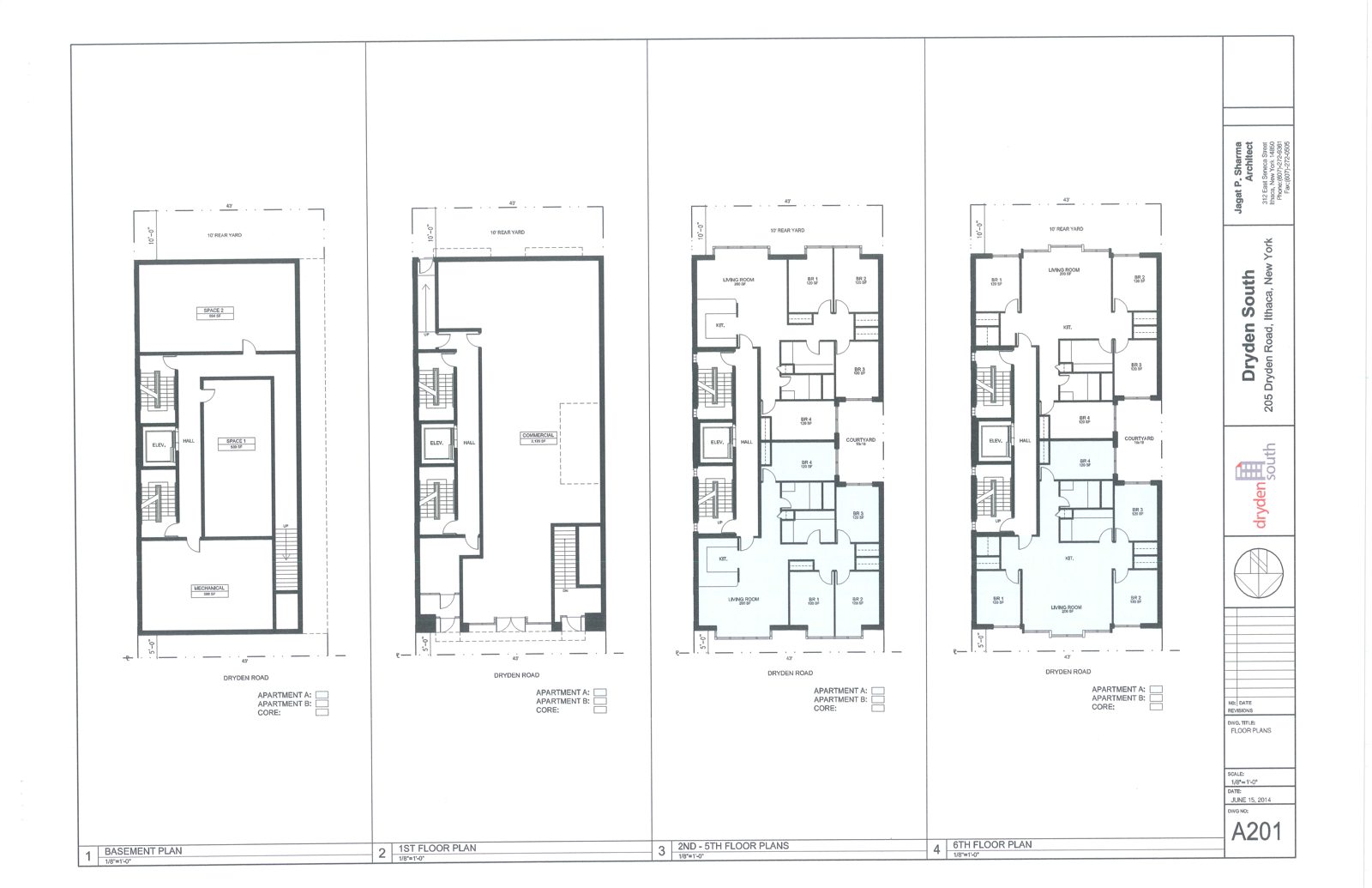
Turning the corner from 307 College, 205 Dryden (“Dryden South” for marketing purposes) is the third of Collegetown’s midrise apartment buildings under construction. The basement has been excavated and sheet metal piles keep the surrounding soil from spilling back in. The basement will contain the mechanical room and storage space. Structural steel has been erected up to street level. In the second image, the outlines of future interior basement walls and the base of the future elevator shaft can be seen.

In what’s sure to stoke a few tempers, prices for Dryden South have been priced at $1350/bedroom per month, meaning $5400/month for each 4-bedroom unit. Incredibly expensive, but not especially surprising given the astronomically high land values in central Collegetown. Owner Pat Kraft, who also runs Kraftee’s book store, has actively marketed the apartments on Facebook, Craigslist and its own website.

When completed in July/August 2016, the 6-story, 65-foot structure will house Kraftee’s in 2,400 SF of retail space on its ground floor, and 2 4-bedroom apartments on each of the upper five floors, for a total of 10 units and 40 bedrooms.

As you can tell from the first photo, apart from the demolition earlier this summer, work has yet to begin on John Novarr’s Collegetown Dryden project next door. But with approvals in hand, that six-story research/office building will be starting something in the next month, if the site plan review document is still accurate. The $6.4 million project was designed by Ithaca architect Jagat Sharma and Rochester-based LeChase Contruction is in charge of the build-out.

20151011_141022 20151011_141041 20151011_141053 20151011_141111


307 College Avenue (Collegetown Crossing) Construction Update, 10/2015

18 10 2015

The largest of the apartment projects under way in Collegetown, Urban Ithaca (the Lower family’s) project at 307 College Avenue, the “Collegetown Crossing” development, has made significant progress in the past few months.

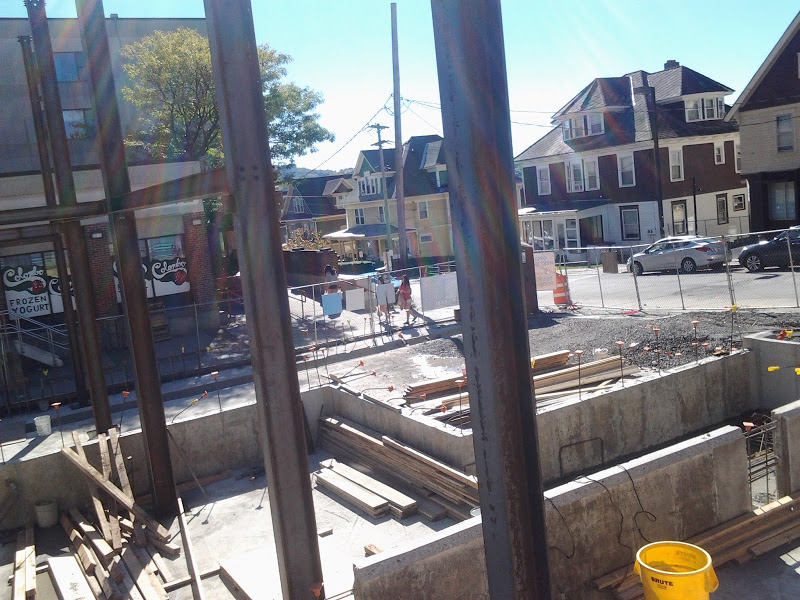
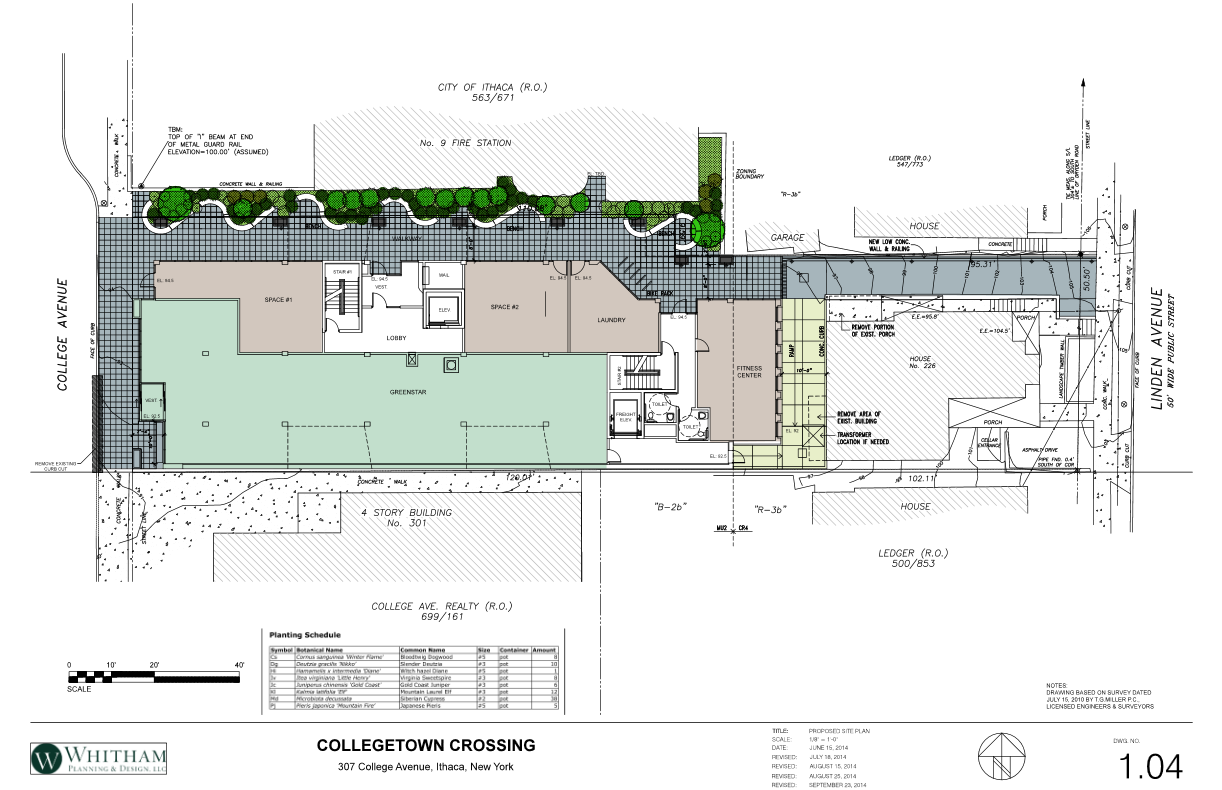
Structural steel columns have risen to the height of the building’s second floor, and some cross beams have been erected. The concrete area where the buckets are sitting in the second image is the future pedestrian walkway connecting College and Linden Avenues. A year from now, those pillars will support the second through sixth floors, while a vegetated pocket park and walkway will lead past the main lobby for the apartments, one of the commercial spaces, and the laundry area, before a kink in the path takes it past the entrance to rear stairs and a fitness center, and then out towards Linden Avenue.

Also, don’t let the perspective fool you – the fire station’s concrete pad (where the photos were taken from) is a little higher than the walkway, so the walkway’s height is greater than it looks.

Notice the three concrete boxes? The closest concrete box to where I’m standing is the lobby’s stairwell. The one a little further behind it is for the lobby elevator, and the third one, furthest back in the photo, is for the freight elevator and rear stairwell. One of the two smaller storefronts will be in front of the elevator shaft towards the street, its outline clearly visible in the poured concrete of the second photo. All three of these will rise with the rest of the building as it moves skyward.

The project will bring 96 bedrooms to market in 46 units, as well as a 3,200 SF full-service branch of the Greenstar Co-Op grocery store. Two other commercial spaces and an indoor TCAT bus stop are planned, but no tenant announcements have been made for the other retail spaces. Apartment rents are expected to be in $950-$1250/bedroom range. Everything should be open for occupancy by August 2016.

According to construction loan documents recently filed with county, the project’s cost is about $10.5 million. Collegetown favorite Jagat Sharma is the designer, and Hayner Hoyt Corporation out of Syracuse will be in charge of construction.

In case anyone’s wondering, the “harlequin house” behind 307 College, 226 Linden Avenue, is another Lower property. Just like 205 College.

20151011_140746 20151011_140800 20151011_140803 20151011_140821 20151011_140834

307college_rev2_1

307_college_site_plan_final

ctown_crossing_rev2_1


News Tidbits 10/17/15: Pressing the Issue

17 10 2015

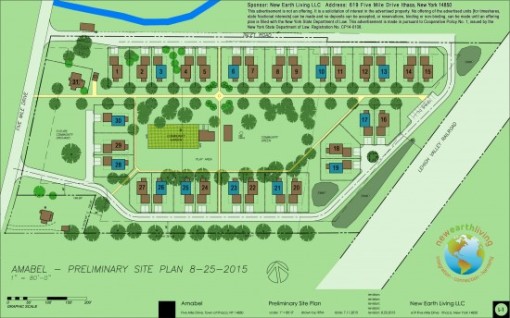
amabel_v4_1

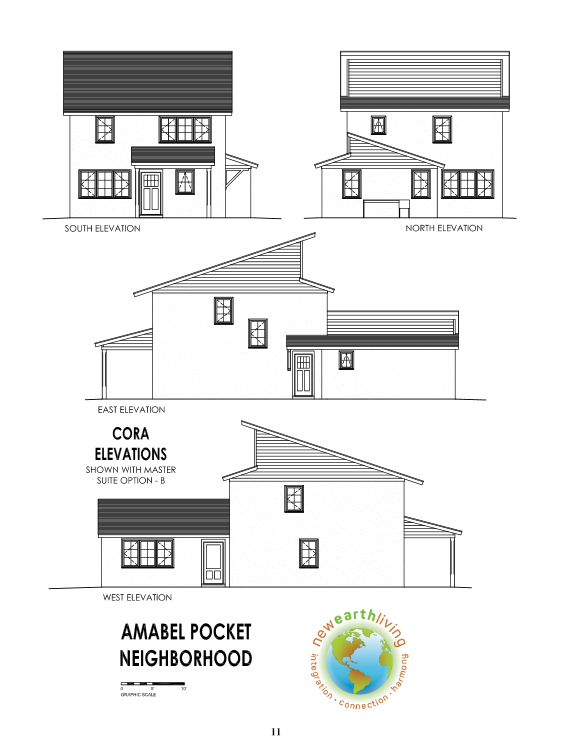
1. It looks like the Amabel housing development has another site plan. New pedestrian paths, a relocated community garden, and some substantial tweaks to the layout of the house, including a small access road for three homes near the southern termination of the loop road with Five Mile Drive (older plans here).

Marketing for the project hasn’t officially started, but New Earth Living LLC’s (Susan Cosentini’s) website does have interior renders for one of the proposed house styles, as well as an informational PDF. Plans call for Net-Zero energy efficiency homes, meaning that the amount of energy generated on site will power all the project’s energy needs. Example homes included in the PDF range from 1,184 SF to 2,083 SF – it looks like there will be four home models with alternate configuration options. Prices have yet to be announced.

amabel_v4_2

The Amabel project, proposed for 619 Five Mile Drive just southwest of the city of Ithaca’s boundary line, has been in the works for the past couple of years, a sort of grand follow-up to New Earth Living’s Aurora Street Pocket Neighborhood in Fall Creek. The project will have about 30 single-family homes at full build-out.

I know some of the more pessimistic readers here may call this suburban sprawl with a green sheen, but it’s a lot better than a cul-de-sac.

20151011_130755

2. The village of Lansing sent off their updated Comprehensive Plan to the county planning department this week for review and approval. Now, planning should be the village’s forte, since the village of Lansing was founded in the 1970s as a backlash against the construction of commercial and residential properties along Triphammer and Route 13, including what’s now The Shops at Ithaca Mall. The plan was last updated in 2005, and draft of the new plan can be found here.

The village seems to note with some distress that although population growth has slowed, traffic has continued to increase (due in large part to significant growth in Lansing town; many town residents pass through the village to get to employment centers in Ithaca). North Triphammer Road has already been widened, but there are concerns about the ability of infrastructure to handle further traffic increases. The village also notes a strong rise in the 55+ population, as well as the same affordable housing issues that plague Ithaca and much of the county; in Lansing’s case, the median household income can afford a $171,000 home by their estimate (2.5 x $54,721 = $136,800 qualifying mortgage, + 20% down-payment), but the average house in Lansing costs $258,000 (affordable to a household making ~$82,500; note all the numbers are 2010 values). The plan also shows that fair market rent in Lansing increased 64.1% from 2005-2015, meaning that unless a renter had an annual wage increase of 5.8%, they paid more of their income towards housing year after year.  29.4% of homeowners and 39.1% of renters pay above the HUD’s 30% of total income threshold for affordability. The village is concerned it will price aged residents right out of their homes.

In an effort to combat the growing problem, the village wants to focus new housing along main thoroughfares with easy bus access and bike infrastructure, and is aiming for smaller homes and apartments geared towards aging-in-place and senior communities. The village notes that 500 to 600 units of housing could potentially be developed over the next few decades (note Lansing averages ~10 units per year), mostly on the large, low-density home lots near the lake. These would almost certainly be geared towards the highest income brackets, but the benefit of greater supply might relieve pressure on other homes.

On the business end, the village would also like to encourage Cornell to relocate back-office and research operations to village sites. There’s also a push for senior-oriented businesses and a possible rethinking of the malls, not an uncommon thought in this age where malls are struggling and dying off.

There are arguably two senior developments planned that already fit their “want” category – the 12 senior units planned for the Lansing Meadows PDA (the ones planned next to BJ’s on Oakcrest Road), and 62 senior units for the CU Suites site on Cinema Drive (photo from last week above). Other residential growth will be fairly “organic”, with new homes built at the whim of owners and mom-and-pop builders. A new commercial medium-traffic zone along Hickory Hollow Drive might open some more business opportunities; as for Cornell, they seem to be more focused on their East Hill Village plans, but research park tenants are always a possibility.

The village plans to update its comprehensive plan again by 2025.

402_s_cayuga_st_rev2_1

3. On the topic of plans, here’s a progress report just released by the Ithaca Urban Renewal Agency regarding its five-year plan.

If you wanted another reason why housing in Ithaca is so expensive, the plan alludes to it here:

“A spike in local construction costs has delayed the start of construction on a planned four-unit first-time homebuyer project and a public facilities project that will improve a public recreational area. We anticipate these projects moving forward once they have been able to close their funding gaps.”

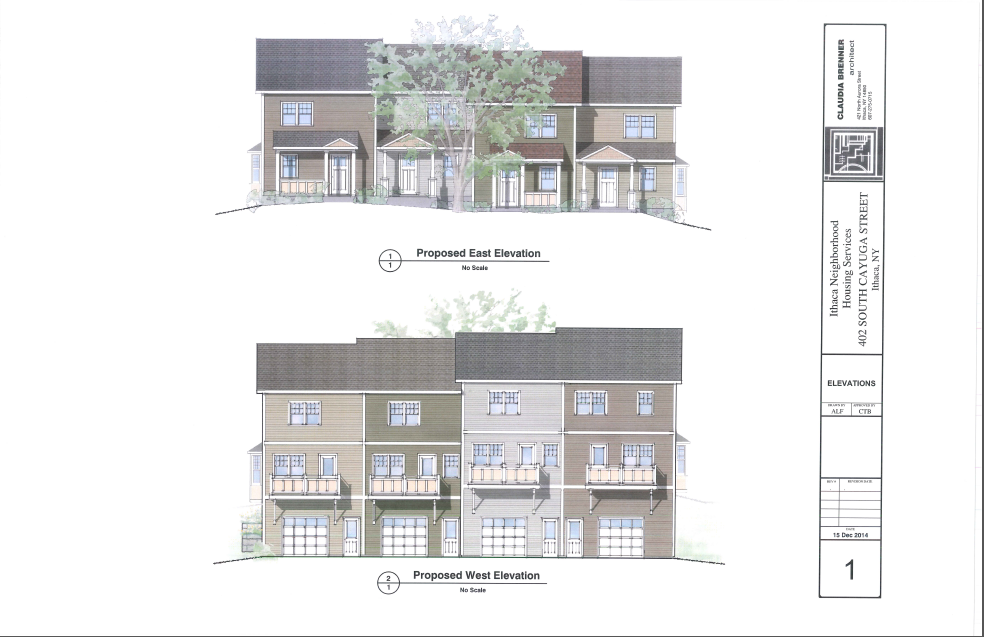
The four-unit homebuyer project is the townhouse project planned by INHS for 402 South Cayuga Street (shown above). INHS director Paul Mazzarella said the project was due to receive bids last month, and if they were within INHS’s budget, it would start construction. It hasn’t started.

Ithaca’s a small labor pool, so you either truck in labor from elsewhere and incur the wrath of construction unions, or you go local and pay a premium. But even then, with the relative burst in activity as of late, the local pool is getting tapped out and that’s driving prices up. Non-profits like INHS don’t have a lot of wiggle room in their budgets, and city government just won’t build if they can’t get affordable bids for infrastructure work. It also impacts programs that provide low-cost home repairs to those with low and fixed-incomes, because those low-cost repairs are no longer low-cost, and fewer people are able to be served.

One could one look at this as either a reason to limit approvals (which the construction trade unions are opposed to) or introducing more out-of-town labor to the market (which the trade unions are also opposed to). Stuck between two metaphorical rocks.

So long story short, in a region where the cost of housing is climbing dangerously fast, the city has a lot of work left to do meeting its affordability goals, with many actions/programs falling well short of annual numbers needed to meet the 5-year goal statistics. Hopefully some progress will be made in the upcoming year.

state_st_triangle_v5_1

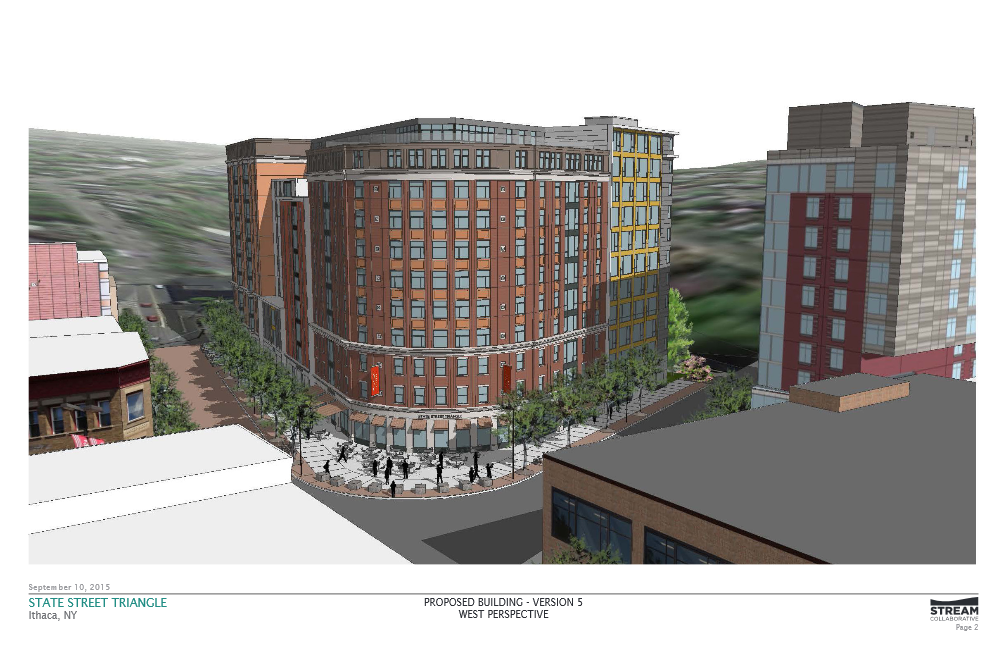
4. The mayor has dealt State Street Triangle a serious blow by announcing his opposition to the State Street Triangle, first reported on his facebook page and picked up by every news outlet in town, Svante Myrick cited the student housing focus and massing concerns for his opposition (he explicitly stated the height, 11 stories and 116 feet, was appropriate for its location, the 300 block of East State Street in the heart of downtown Ithaca). This is a big setback because apart from his social influence, the mayor sits on the county IDA, which is the governing body that votes on tax abatements.

A couple of the outlets have reached out to Campus Advantage, which is busy trying to formulate a response. They’ve hired a PR firm for whenever they’re ready. It could be the end of the project, it could still go on, it could be drastically altered. The chips have been tossed into the air, let them fall where they may.
20151011_121733 20151011_121800

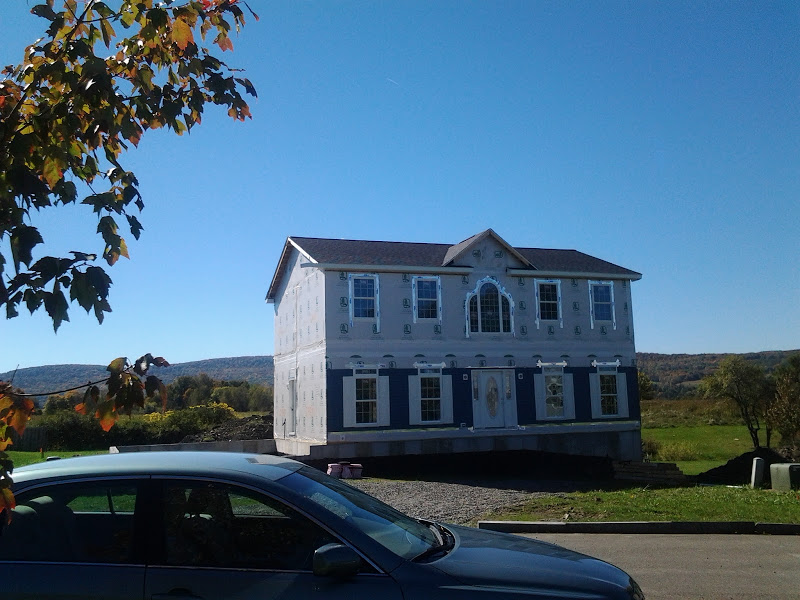
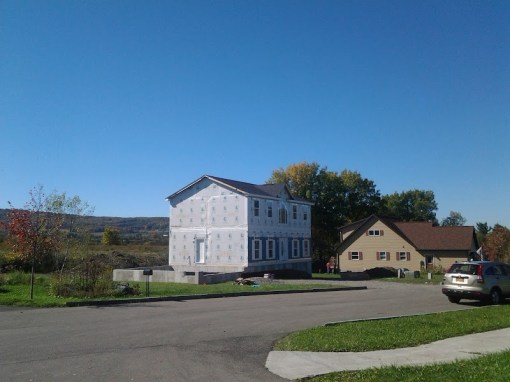
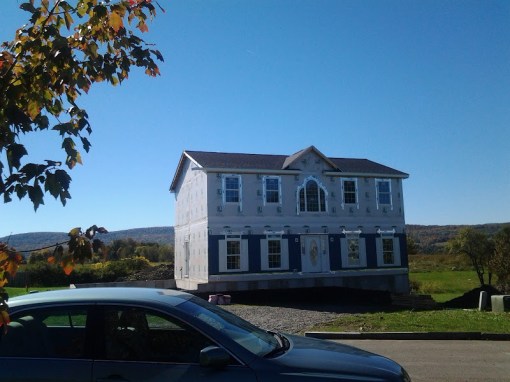
5. House of the week. This week, a trip out to Maple Ridge in Dryden. Maple Ridge is a housing development within the village that had the unfortunate luck of launching right before the Great Recession. After struggling, it’s been picking up in the past couple of years with five houses built since 2013. This modular home is the “Cayuga Lake” model offered by American Homes in Dryden. The pieces have been assembled and fastened together on top of the poured foundation, and some finish work has started. The uncapped foundation section is most likely a future garage. Modular homes tend to move through construction pretty quick, and this one will likely be finished in time for the holidays.

waterfront_rfp

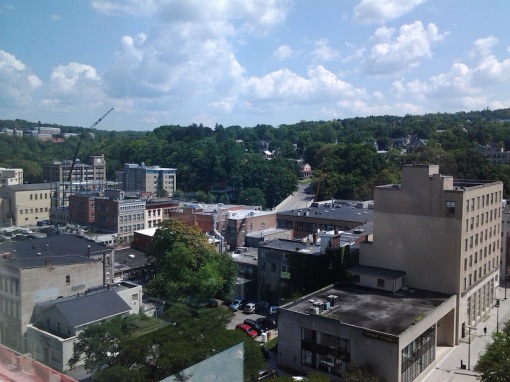
6. The county and city hosted a meeting discussing possible waterfront re-development plans for the NYS DOT site on Thursday night. Three plans were presented, two mixed-use commercial and residential, and a third that the Journal describes as just being “hotel”, but given the 7.66 acres on site, is probably mixed-use with a hotel component.

The third option is a little bit of a throwback because the city long-saw the waterfront as prime for a hotel. But the market has shifted towards downtown and Route 13, and with the market adding new hotels at a pretty good clip over the next few years (Marriott, Canopy, Holiday Inn Express), a hotel in that area is pretty unlikely. Local lawyer/developer Steve Flash proposed a five-story hotel on Inlet Island in 2007, but in the days before the waterfront zoning allowed five floors, the project was opposed and shelved.

An initial cost of the move is being pegged at $14 million, but it isn’t clear if a potential buyer would pay that directly, or the county/city, who then get reimbursed by a buyer. $14 million is quite an amount, but given the site’s potential, it’s feasible (but don’t expect any outside-the-box thinking; a developer will want to minimize risk since they have to make such a huge initial investment).

If anything is clear, it’s that, contrary to the opinion of at least one speaker at the meeting, most folks would like the snow plows and road salt stored somewhere else.
20150727_145000

6. I don’t comment on politics. I don’t comment on candidates. But I will comment on issues. And, probably no surprise to readers here, I find it worrisome when anti-development candidates come forward.

By and large, development in Ithaca isn’t happening “for the sake of development” like in the 1990s, when the local economy was mired in recession. It’s happening because the Ithaca area has added 6,000 jobs in ten years, mostly in healthcare and education. Cayuga Medical Center has added over 500 positions in 10 years, and while Cornell’s direct employment hasn’t changed much, the university has added nearly 2,500 students. That has created demand for thousands of units, but when combined with the slow pace of development within the county over the past decade, the result has been a critical housing deficit.

This is one of the major reasons behind the current affordable housing crisis – high demand, plus insufficient increases in supply, have resulted in very low vacancy rates and have made it a seller’s paradise when it comes to housing.

If you plan on selling your house or rental property and retiring to Florida in the next couple of years, you’re in for serious bank! Everyone else, whether through rents or increased tax assessments, ends up with a much greater burden. Housing costs are a big player in how Ithaca became the 8th most expensive city in the country.

If there are thousands of people coming here for work or retirement, and new housing isn’t there to absorb them, the wealthier folks moving in will simply pay a premium on what exists, and price out the existing working and middle class who can’t afford those premiums. Which some people are okay with.

Ithaca doesn’t need to “slow down” development, because that’s one of reasons why the affordability crisis is as bad as it is. What Ithaca needs is to be proactive about development, and generally it has been under Mayor Myrick. The city has actively worked to reformulate general guidelines like the Comprehensive Plan (first all-new plan since 1971!) and is starting work on part II, working on neighborhood-specific themes. Myrick’s government has also identified and maintained targeted development areas, like Collegetown’s Form Zoning and downtown density. The mayor has even come to bat for the $30k-$50k/year working class folks that “breed trouble” and need affordable housing, like with INHS’ 210 Hancock project.

Affordability is a long-term effort and a multi-pronged approach, by keeping vulnerable families in their homes, and providing new homes to accommodate the growing economy and population.

There’s still a lot of work to do, but hell, it’s a start. Sticking fingers in ones’ ears isn’t going to make the housing crisis go away.

327 Eddy Street (Dryden Eddy Apts) Construction Update, 10/2015

16 10 2015

Of the three major Collegetown apartment projects currently underway, 327 Eddy is probably the least “impressive” to look at because it has yet to begin putting up structural steel. But this isn’t to say there isn’t work underway.

The site has been excavated and the base of the building has been established. A steel rebar grid mesh can be seen at the base of the upper tier, with utility lines feeding through. The rebar mesh is a reinforcement for the concrete when it gets poured, helping to prevent cracks that may from in the concrete from spreading throughout the foundation and causing major damage. The lower building tier have yet to receive the rebar mesh, but given the elevation render, it might be filled out first with the “flowable fill” referenced in the last update. Rimming the base are steel sheet piles, which lock together to form a wall designed to keep spoil and water from neighboring properties from spilling onto the construction site.

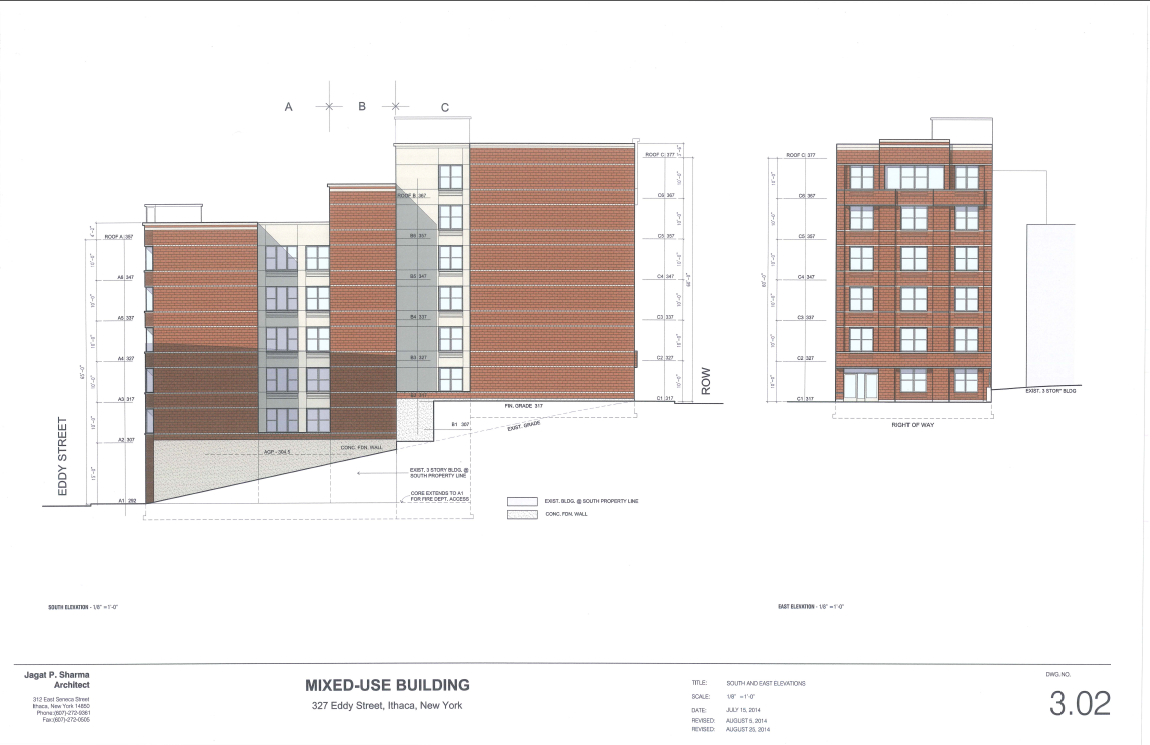
Plans call for a new 5-story building split into “steps” on the steeply-sloped site. The mixed-use building will bring 1,800 SF of retail space and 22 new apartment units with 53 bedrooms to the market in August 2016. Longtime Collegetown landlord Steve Fontana (of the Fontana’s Shoes family) is the developer, Jagat Sharma is the architect, and GM Crisalli & Associates of Syracuse will be overseeing construction. A construction loan of $4,824,000 is being provided by Tompkins Trust Company.

Note in the elevation drawing below, the building is six stories. It was reduced to five, and the decorative crown was reworked after approval was granted.

20151011_140231 20151011_140257 20151011_140309

327_eddy_rev4_1 327_eddy_rev2_3


Belle Sherman Cottage Construction Update, 10/2015

15 10 2015

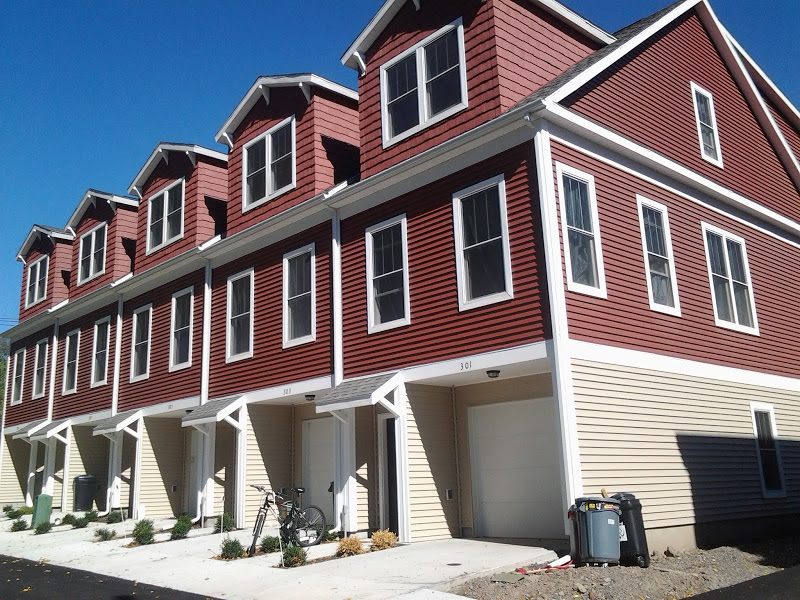
There’s not a whole lot left to say from a construction standpoint for the Belle Sherman Cottages project, located off of the 800 block of Mitchell Street. The townhouses are essentially complete, all that’s left is some landscaping and interior finishing-out. The Simplex modular pieces for the second set of five townhouses arrived on-site in mid-August, two for each townhouse unit. The pieces are then leveled and fitted together with steel plates, and then customized interior work begins for things like fixtures and flooring. On the outside, the foundation is backfilled, siding is attached, decks are built if the buyer chose to have one, and the landscaping is planted. The straw helps to keep the grass seed warm and moist so it can germinate, and it reduces the chance that wind will blow it away.

One difference from the computer rendering is that the render has all five townhouses at the same elevation. However, they’re actually staggered slightly, with the elevation dropping a few inches per unit as one moves from east to west. The same staggering effect was used on the first set of townhouses as well, with each unit dropping a few inches in elevation from north to south.

So, from start to finish, this was about…3.5 years? That’s not counting Lot 9, which doesn’t seem likely to happen anytime soon. Most of the new home construction was concentrated in just the past year and half – sales were slow at first, but they took off in early 2014.

The Belle Sherman Cottages project was developed by Agora Development of Skaneateles, and built by Carina Construction of Ithaca. Overall site design was penned by Ithaca-based STREAM Collaborative. The Simplex units were sourced from the company’s facility in Scranton, PA. A video of the construction process can be found on Carina’s Youtube account here.

20151011_134134 20151011_134147 20151011_134221 20151011_134235 20151011_134255 20151011_134324 20151011_134339 20151011_134402

belle_sherman_townhouses_1


Kendal at Ithaca Construction Update, 10/2015

13 10 2015

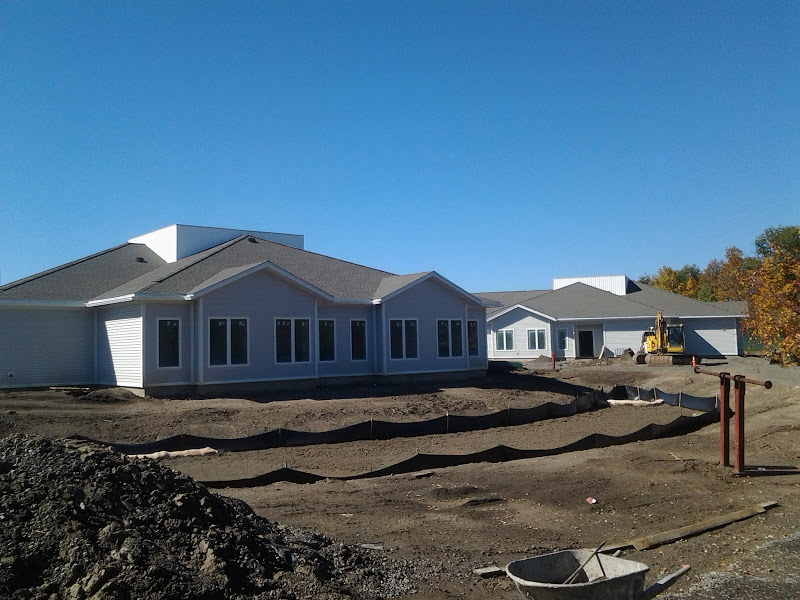
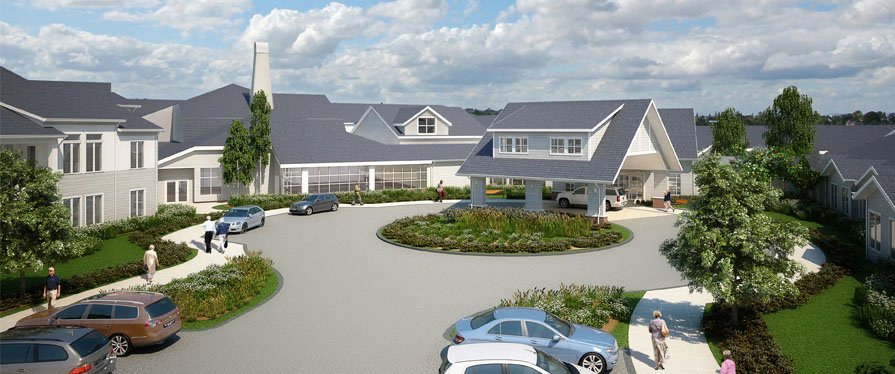
In Cayuga Heights, work is ongoing at the Kendal at Ithaca site as the project marches steadily towards its January 2016 opening date. The senior apartment wing is nearly complete, with just some minor exterior trim (balcony railings) and facade work left. New garages have been built for future tenants of the apartments. The skilled nursing facilities are largely finished from the outside, but are missing the decorative roofs and trusses, which will be installed later this fall. At least from the outside looking in, the new entrance circle/porte-cachere (photos four and five) looks like it has the most work left on its to-do list – windows have been fitted but the new entry and second-floor administrative offices have yet to have trim or facade materials installed. However, given that’s it’s one of the smaller additions, the project should pose no huge hurdle moving forward.

With the January opening date, landscaping work may not finish until the spring, when new trees and grass seeding can be done without fear of inclement weather.

Kendal at Ithaca is currently in the midst of a $29.3 million expansion. Three new wings will be built on the northeast side of the property as part of a new 48-bed skilled nursing center, an increase from the 35 beds currently available. On the southeast side of the complex, a new 2-story, 24-unit apartment wing is being built for independent seniors (16 one-bedroom, 8 two-bedroom). A new entrance, cafe, fitness center, and health center are also included in the additions, as well as major interior renovations. Landscaping additions and a 26-car parking lot are also planned. The construction project is aiming to achieve LEED Gold certification.

Construction began this past January. An estimated 20 to 25 new jobs will be created by the expansion, most of those in service positions that pay $24-$45k. The Kendal website seems to sidestep the discussion of costs, but a New York Times piece from when it opened in 1996 stated the entry fee was about $80,000 for a single person in the smallest unit, rising up to $267,000. Strictly calculating from inflation, the entrance fee may start around $120,000-$125,000 today.
Kendal was granted the privilege to issue tax-exempt municipal bonds by the county legislature to finance the construction of their new wings, but is not seeking any property tax abatement.

Local architecture firm Chiang O’Brien has partnered with the NYC office of Perkins Eastman to design the Kendal expansion. National contractor Lecesse Construction, with an office out of suburban Rochester, is in charge of general construction.

20151011_131238 20151011_131339 20151011_131344 20151011_131410 20151011_131433 20151011_131528 20151011_131532 20151011_131553

Kendal_1

expansion_banner


Upson Hall Construction Update, 10/2015

12 10 2015

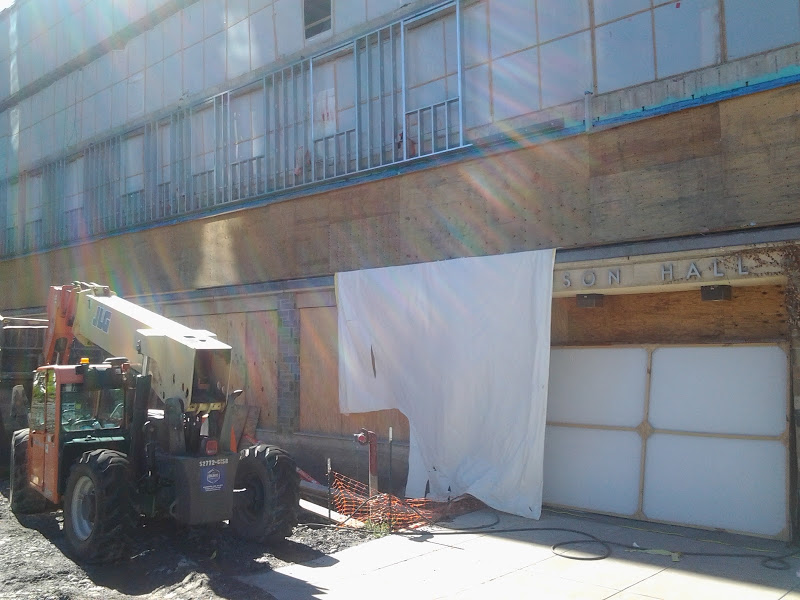
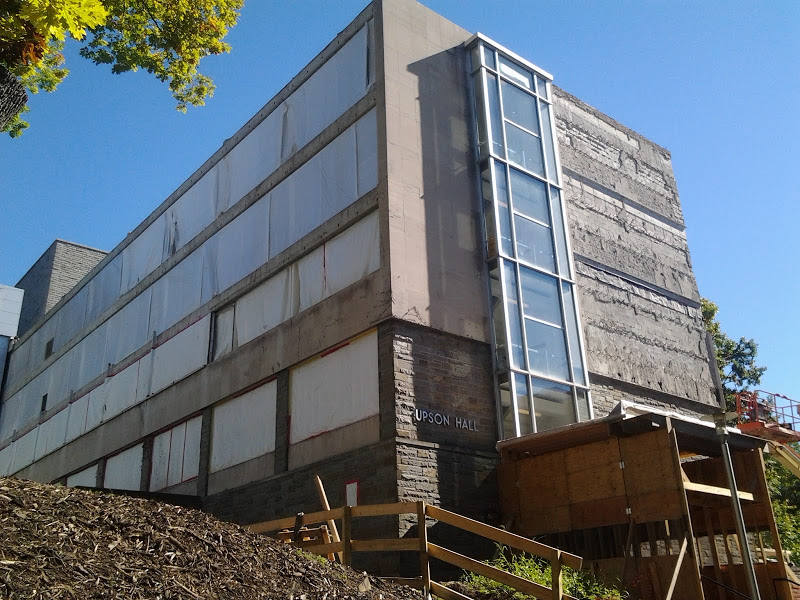
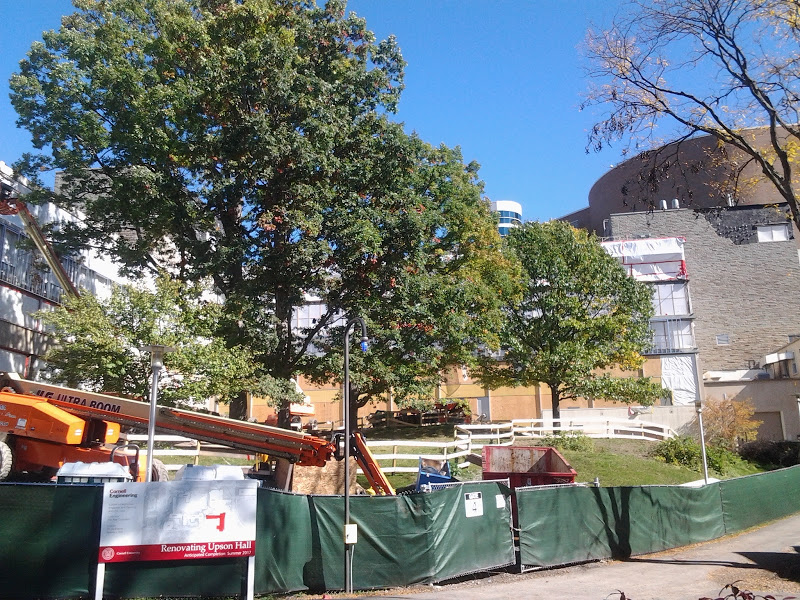
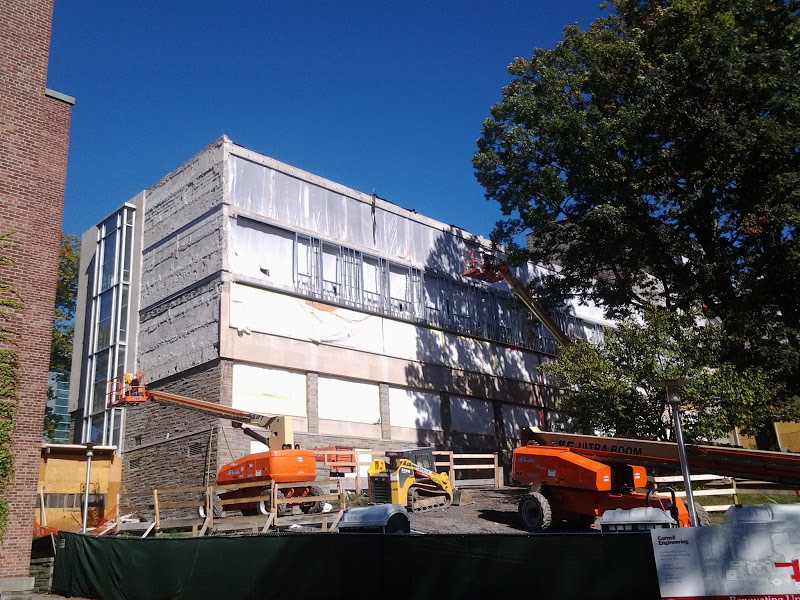
Over on the Engineering Quad of Cornell’s campus, work continues on the gut renovation of Upson Hall. Gone are the original Terra-cotta panels that banded the facade, and the bluestone that faced the building will be removed as the project progresses. Plastic sheeting covers the exterior, working as a vapor and weather barrier. Exterior metal studs, which form the walls, have started to show up on the third floor, with spaces indicating future window openings. These studs will be sheathed (probably with glass-mat gypsum sheet-rock) and later the facade will be put up after the windows have been installed and the building is fully closed in.

Inside the plastic sheets, new telecom rooms are being framed out on the first and second floors, and new drywall is being hung up. Wall framing for new classrooms and offices is underway on the third floor, as well as duct and pipe hanger installation (utilities rough-in). Floors four and five are still undergoing interior demolition – walls are being sandblasted to remove paint, worn-out mechanical, electrical and plumbing systems are being removed, and the old interior walls are being deconstructed so that the space can be re-purposed. New vertical shafts are being cur through the floors, and these will house state-of-the-art electrical and telecom infrastructure.

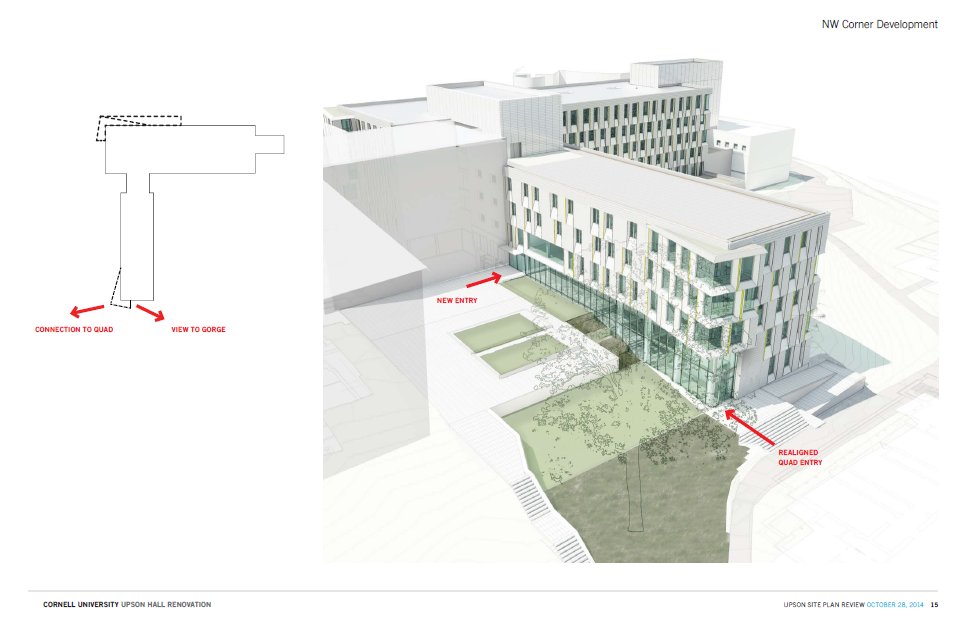
Sometime in the next couple of weeks (target date October 21st), the steel angle installation will begin for the northeast and northwest corners, which will be expanded outward as part of the renovation (the net gain in space will be about 4,000 SF). Steel clips will be attached to the existing structural steel, and then the new steel beams will follow. The entire project is expected to be completed by September 2017, with landscaping work in the second phase.

Upson Hall houses the Mechanical and Aerospace Engineering department, and previously housed labs and offices for computer science until the completion of Gates Hall last year. Built in 1956, the 160,000 SF building is being renovated and modernized at a cost of $63 million.The building will be seeking LEED Gold certification.

The New York office of Perkins + Will, who designed the original building during the height of modern architecture 60 years ago, are also working on the new design, in conjunction with New York-based LTL Architects and engineering firm Thornton-Tomasetti. The Pike Company out of Rochester has been hired on as the general contractor for the multi-million dollar project.

An interview with Robert Goodwin, the design director for Perkins + Will’s role in the project, can be found on the Voice here.

On a personal note, I walked through a spider web while getting photos, and once I got back to my car, found a fingernail-sized sandy-brown spider on my cheek. I quickly grabbed it and flung it onto my umbrella, and shook it out a moment later. Spiders don’t freak me out much, but if that had been a bee on my face, you’d be reading on the Voice that I either died of a heart attack, or drove into a wall.

20151011_132720 20151011_132726 20151011_132752 20151011_132846 20151011_132955 20151011_133005 20151011_133036 20151011_133040

100_2099upson_4


News Tidbits 10/10/15: Meeting With the Stakeholders

10 10 2015

1.There is nothing wrong with a little speculation. In a follow-up of sorts to the Voice piece about parking capacity in Downtown Ithaca, the Times’ Josh Brokaw did an interview of his own with city of Ithaca parking director Frank Nagy. Nagy believes that the 248-car estimate used by State Street Triangle is “way high”, but given that one of the refrains is that there’s not enough parking, they’d rather be safe than sorry.

More importantly, Nagy believes that the Seneca Garage only has about 10 years of life before a new garage will need to be built (the Seneca garage was built in 1972). The structural situation at Green Street is severe enough that the city may have to remove the end pieces and build up the middle section, which was renovated several years ago. The property is being reviewed, and with Tompkins Trust vacating office space on its ground floor as part of the move to its new HQ, the assessment is well-timed.

If the Green Street garage decides to go up rather than out, that leaves two very valuable properties that the city could sell to its benefit (financial, affordable housing, or otherwise). Both ends of the Green Street garage are zoned CBD-140, which offhand is the densest zoning in the entire city, 140 feet maximum height with no parking requirement. A zealous councilperson might try and change that post-SST, but as is, a rebuild of Green Street a few years from now could yield a lot of possibilities for downtown development. Put that in the notebooks for 2020 or so.

100_1281

2. Speaking of future plans, we have the bike debate currently raging in the streets. Now, this is only tangential to my usual work, and I am not versed in the topic, so it’s nice to go in without preconceptions.

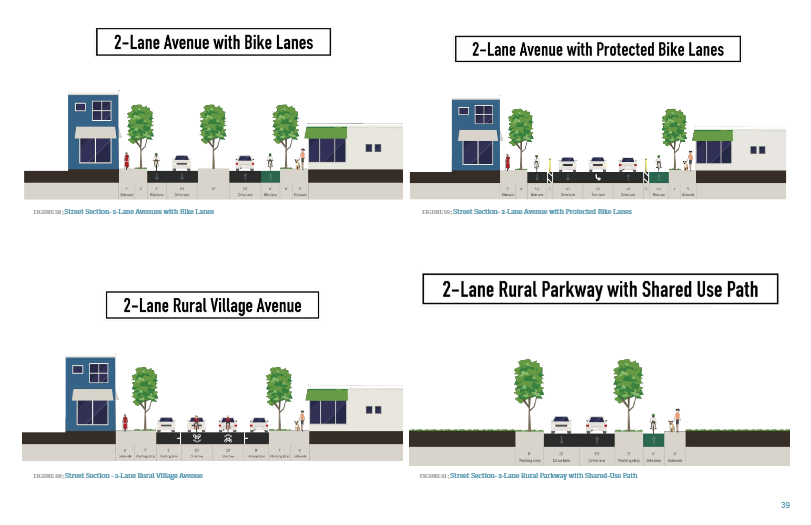
The city just finished work on Board of Public Works (BPW)-approved bike lanes on North Cayuga Street, specifically an unprotected bike lane on the east side (protected lanes were considered, but not approved). Although meetings gave due public notice, there were no letters sent to Cayuga Street residents informing them of the change, and a number of folks were caught off guard, including members of the city’s Common Council.

In the one corner, you have folks angry about the loss of parking, the inconvenience, and the danger it poses to the elderly. Unfortunately, you also have a council member describing biking-proponents in the same tone one would describe Albany lobbyists. The mayor has come out in favor of the N. Cayuga Street bike lane, although according to the Times, he’s not a fan of “resident-driven infrastructure”. It’s really a fascinating read from a planning perspective. – Times coverage here, Journal here.

bike_lanes_1

For what it’s worth, bike lanes are a major part of walkable communities and reduced ecological impacts (carbon footprints). I feel like I’ve seen this type of argument play out from the perspective of development quite a bit – every new Collegetown or downtown building gets the “Ithaca shouldn’t allow big buildings/they’re ruining Ithaca/where are they going to park” argument, and the “Ithaca is not a small town/it promotes walkable communities/suburban sprawl is destroying Tompkins green space” counter-argument. The key problem with the bike situation seems to be a lack of communication between the BPW and Common Council (and residents by extension). Luckily, the planning board doesn’t quite have this problem – everything they vote on gets publicized, on this blog if not elsewhere.

cornell_novarr_1

3. The last hurdle for John Novarr’s 215 Dryden Road project has been cleared. The Board of Zoning Appeals approved variances from the Collegetown Form Guidelines – the corner isn’t chamfered or set back enough and the building only has one main entrance (the form-based code mandates an entrance every 60 feet of non-residential space). The owner of the house across Linden from the corner was the lone opposition speaker, and the BZA vote was 4-1, with Marilyn Tebor Shaw opposed. No reason for Shaw’s decision was provided in the article.

With all the approvals tucked away, all that’s needed is for the city to sign off on the building permit. Expect this one to be underway within the next month.

image1 image2

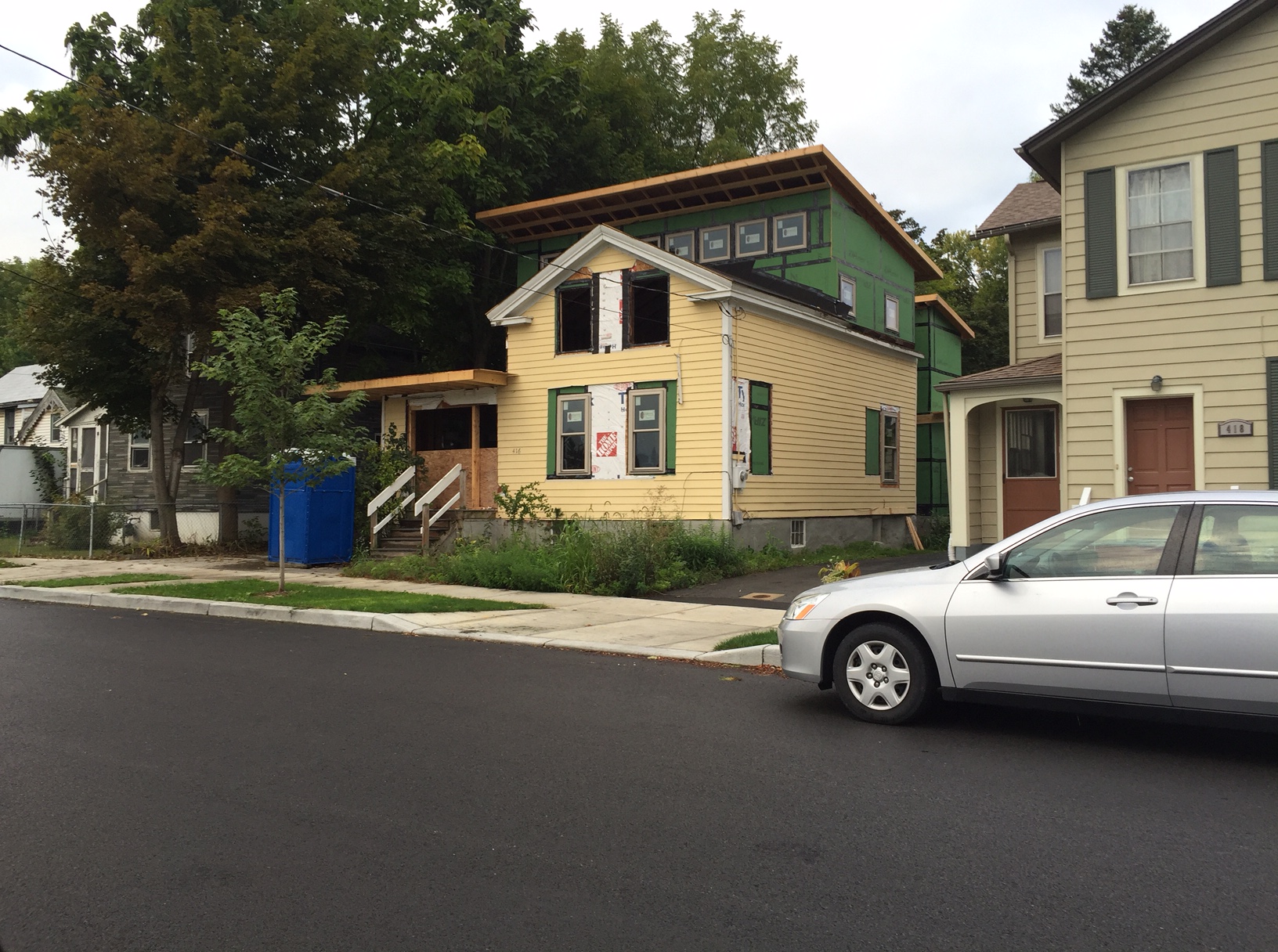
4. Reader submissions are always welcome. The photos for this week’s “House of the Week” featurette come courtesy of Frost Travis. The house receiving the addition is 416 North Plain Street in Ithaca’s Washington Park neighborhood. The current owners brought the property in October 2014. County records give it a 1900 construction date, which is often a default for old and unsure; it appears on an 1889 map of the area, but was not yet built in the 1866 map.

The rear addition looks like it’s been underway for a while – the exterior has been framed and sheathed with plywood Huber ZIP system roof and wall sheathing, which uses seams and tape to save time vs. traditional sheathing such as Tyvek housewrap. There are some windows fitted into the rough openings, but there’s still plenty of work to do with closing up the exterior and interior utilities rough-in. Looking at the original house, the owners appear to be fitting smaller windows in place of the originals – two window cutouts on the north wall have been filled in with sheathing, and a new window has been fitted in a new opening. The front door and adjacent window are gone, one large rough opening in their place. The front roof above the door and window was slanted, but has been dropped to a flat roof as part of the renovation and addition. Presumably, the butter yellow vinyl exterior will be re-finished as construction progresses. With any luck, this one will be finished before winter comes.

Pg-3-Rendering

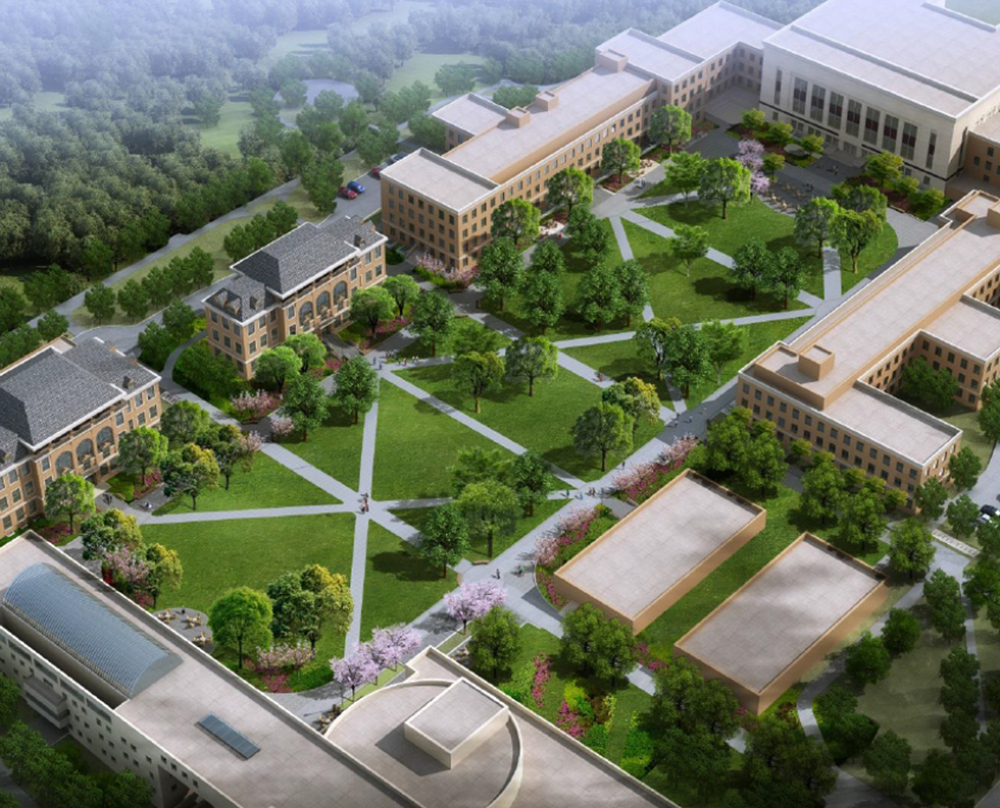
5. What a quick turnaround. The Cornell Daily Sun first made mention of the Ag Quad renovation last week as part of its coverage of the Collegetown Neighborhood Council meeting. Now only a week after Cornell shared a glimpse at the cards in its hand, they’re playing them. The $9.6 million project will be broken down into two phases, one that focuses on infrastructure, and one phase on landscape improvements (and being that much of the infrastructure is underground utilities, phase one could be described as churning up the ground, and phase two is making the upturned dirt pretty again). The renovations, which are set to start next summer and run through 2017, will include additional emergency phones, a rain garden, and outdoor gathering spaces in front of Mann Library and Roberts Hall (upper right and lower left in the above render).

Too bad those temp buildings are still there between Kennedy Hall and Plant Science. If the Southern Tier wins that Upstate Redevelopment competition, I have an idea where the new Plant Science Commericialization Building should go.

6. Plans for 416 E. State have evolved since the bar was first proposed. Originally conceived as a general bar/drinking establishment, developer and Argos Inn architect Ben Rosenblum has faced substantial opposition to the project – neighbors are vociferously opposed to a bar, citing noise problems and concerns about smokers, and the county planning department was not a fan of the traffic and parking arrangement, which had after hours parking across the street at Gateway Plaza. Although the project doesn’t need planning board approval, it does need BZA approval – area and setback deficiencies have resulted in the need for a zoning variance. The building itself won’t change dimensions, but the change in use triggers the city zoning laws.

416_e_state_v2_1

Representatives for Rosenblum and neighbors have met, and the compromise Rosenblum and his associates have proposed involves a lounge-type of establishment they’re calling “The Printing Press”, after one of the previous uses for the late 1940s warehouse. They’ll be going for an industrial/”speakeasy” aesthetic, and targeting the same older, more affluent clientele that patronizes the Bar Argos next door. Signage would be minimal, and exterior work limited largely to an accessory parking lot/handicap access, landscaping and a new coat of paint. Looking at the original plan vs. the revised plan, the bar no longer is in the rear corner, but moved closer to the building center so as to buffer the noise of patrons from disturbing neighbors. Parking will be shared and organized with the Argos Inn’s lot. For more info, cover letter here, renders here, vision statement here.

The new parking arrangement may assuage the county, and the low-key bar located centrally in the interior may be enough to satisfy some of the neighbors. But we’ll have to see the BZA’s reaction and what remaining opposition there is before anything is set in stone.

hotel_ithaca_v3_1

hotel_ithaca_v3_2

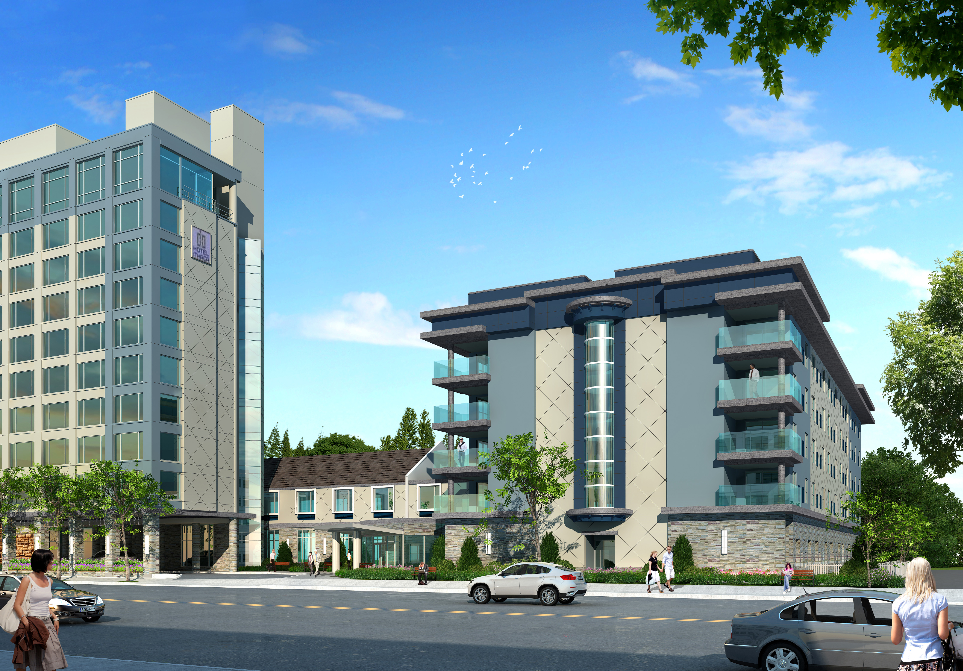
7. The Planning and Development Board has scheduled a Design Review Committee meeting to offer guidance and commentary on the styling of proposed buildings. While State Street Triangle isn’t on the agenda (yet), the Hotel Ithaca addition is. Renders here and here.

I’ve toned down my opinions over the years, but this…well, let’s just so those “sick burns” Nick Reynolds mentioned at the last planning board meeting were pretty well justified. I mean…yikes. The cross-hatched blank walls, the circular glazing, the “tourist trap” aesthetic. There’s an alternative being shown with small windows in place of the circular glazing, and rectangular facade hatching instead of the cross-hatching, but it’s not a great improvement. The board’s going to have a lot to say with this proposal.

215-221_spencer_v3_2

215-221_spencer_v3_1

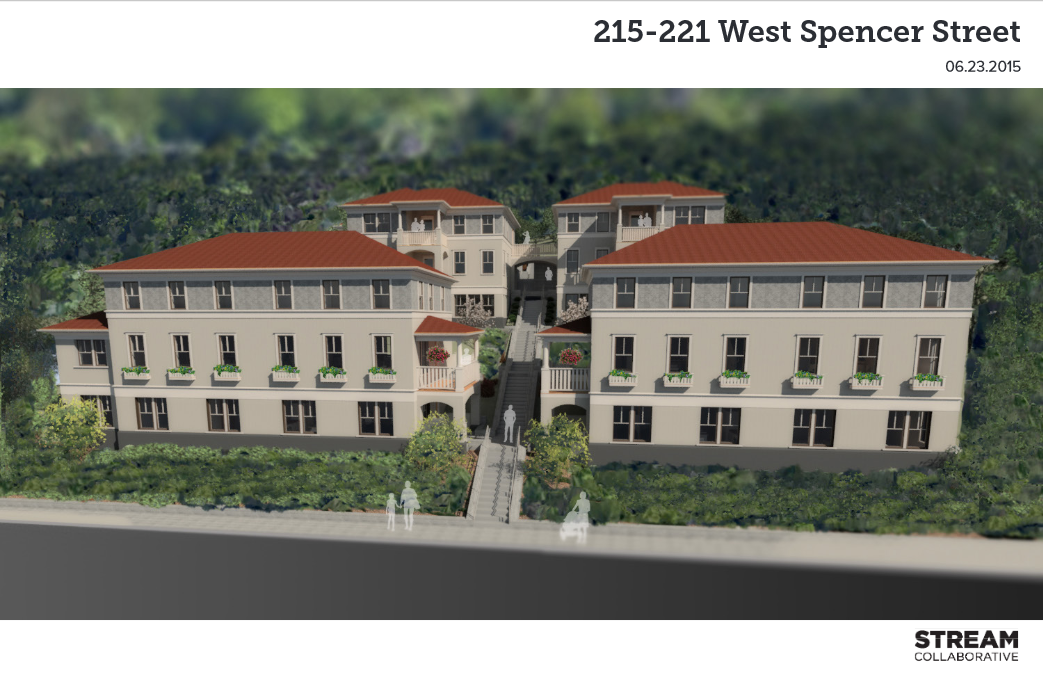
8. I had hopes that for the first time in three years, a major project would go through the boards without complaint or opposition. Hopes dashed. The complainant against the 4-building, 12-unit 215-211 West Spencer Street project cites the loss of the city’s parking lot on the site, the narrow width of S. Cayuga Street (the “rear” road), traffic, and no neighborly interactions because it’s a rental that faces Spencer Street.

215-221_w_spencer_orig

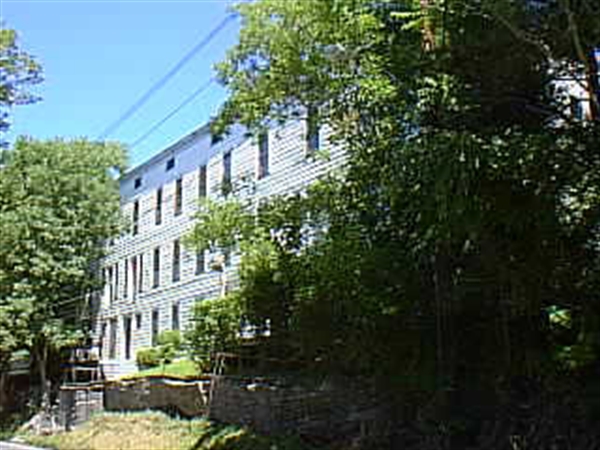
The kicker is, the letter-writer lives in an upscale Lansing subdivision. He rents out his 3-unit Cayuga Street property. The “house” that the letter claims used to be on the site is also misleading. It was a run-down multi-story apartment building (shown above in the photo from county records), demolished 12 years ago by the city, and turned into an informal parking lot that was never meant to be a long-term use. The land was sold by the city to Ed Cope for $110,000 last March.

I’m willing to entertain legitimate arguments and complaints to projects. But this isn’t one of them.