News Tidbits 6/10/17: In High Demand

10 06 2017

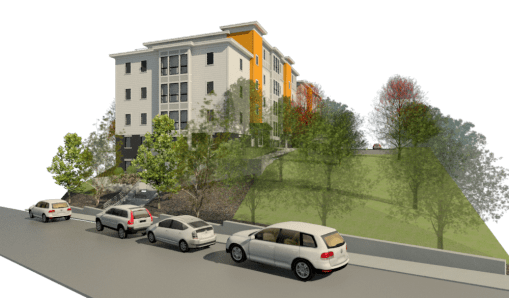
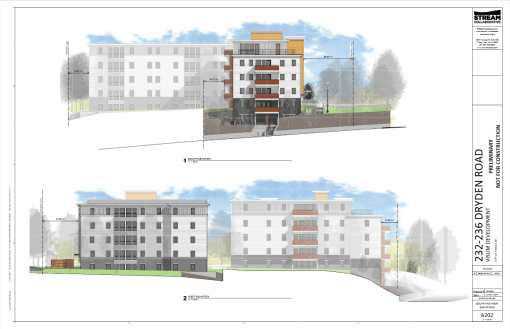
1. Start off this week with some eye candy. Here are the latest renders for Visum Development’s 191-bed, 60-unit project at 232-236 Dryden Road. The biggest change here is the Dryden Road facade – revised fenestration, and the addition of shingle-style balconies. STREAM Collaborative’s intent is to give the south building a little more historical sensitivity – when the Cascadilla school still had a dorm in the late 1800s and early 1900s, it included a 4-story shingle-style dormitory complete with dining room and gym. The balconies are throwbacks to the dormitory’s balconies.

However, given that this building will date open in 2018 and not 1898, instead of wood shingle, the balconies will use Allura “Redwood” fiber cement shinglewood pulp mixed with sand and cement, shaped for a wood-like appearance, but with the durability of concrete. Fiber cement is also more expensive to buy and install vs. materials like vinyl, which is why only more expensive or visible structures tend to use it. Other planned materials include Endicott manganese ironspot velour brick veneer, fiber cement panels with LP smart trim painted in Sherwin-Williams Pure White and Anonymous (actual name), lap siding in SW Pure White and Marigold, granite grey stucco (*real* stucco, not DryVit), a metal canopy and Andersen windows.

2. Business is good for STREAM Collaborative. So good that they’re expanding both in staff and space. The young, prolific architecture firm led by Noah Demarest will be moving out from its location in the City Hall Annex at 123 Sough Cayuga Street, and into a larger downtown space in the ca. 1872 Gregg Block at 108-112 West State Street, across from the State Theatre. The new digs are being renovated now, and are expected to be ready for occupancy by July 1st.

On another note, the owner of the city hall annex has taken to advertising the office space on Cragislist, which seems like the wrong choice to me. An apartment, sure. A house for sale or offices to rent? My impression is that folks prefer a more professional medium than what Craigslist offers. Kinda the same with jobs – servers or dog-sitters, sure. Accountants or architects? Ehh.

Maybe I’m just behind the times. Here’s the posting for the former Hal’s Deli on the 100 Block North Aurora Street. $5500/month.

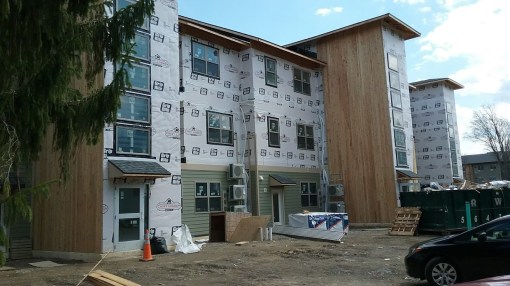
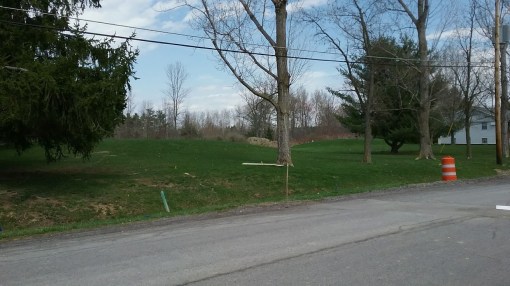
3. WHCU is reporting that INHS has had no shortage of applicants for the 210 Hancock rentals. After receiving over 200 applications, they set up a lottery in which 122 “made it through” , and then selected the top 60 (there are 59 rental units though…might be a just in case there’s a drop-out, or it could just be conversational rounding). If it’s anything like New York City’s lottery, what happens is that each application is validated, sorted for requested unit type, and is assigned a randomized log number – those who get 1-48 for the one-bedroom subset, and 1-11 for the two-bedrooms subset, are awarded dibs on a unit, so long as they pass the income check and background check. Unit occupancy is expected late this summer, and marketing for the seven for-sale units will start…
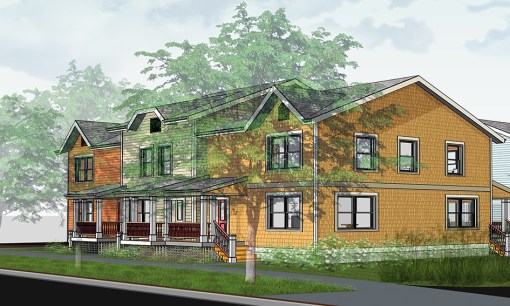
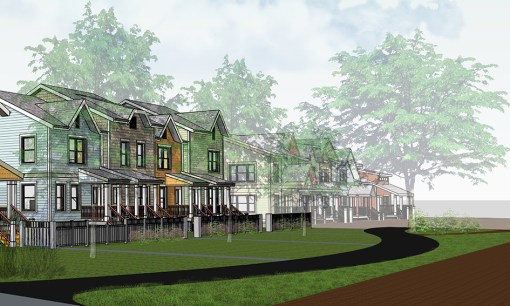
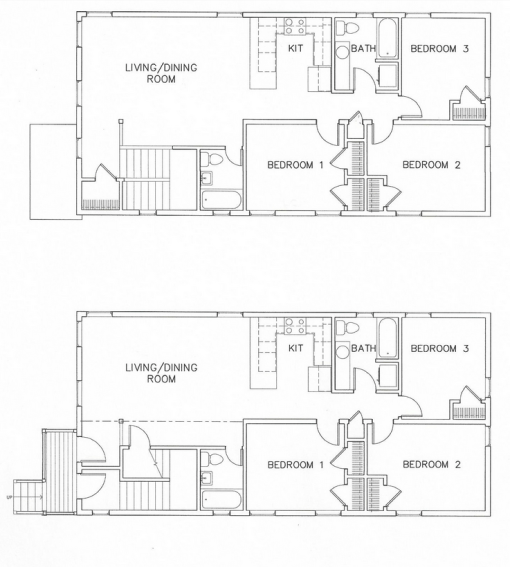
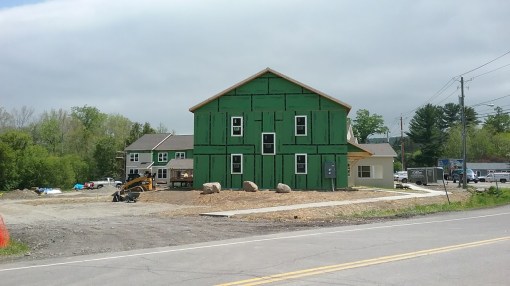
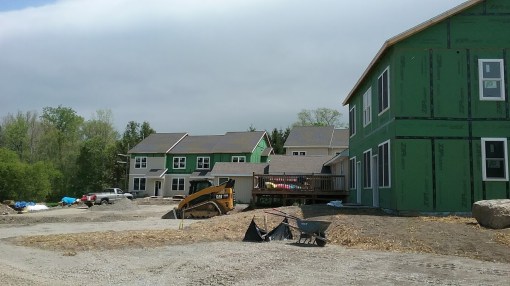
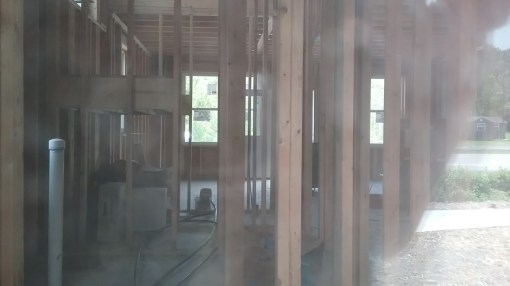
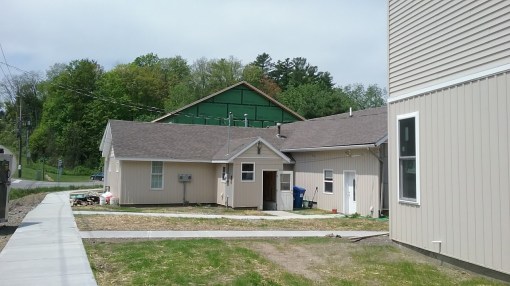
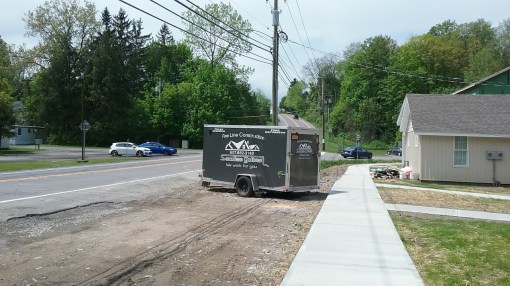
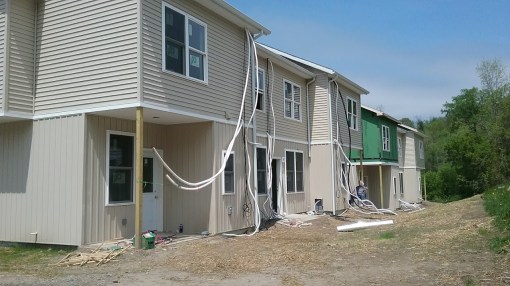
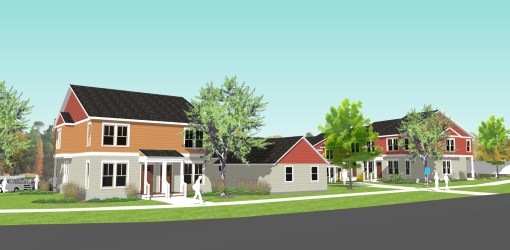
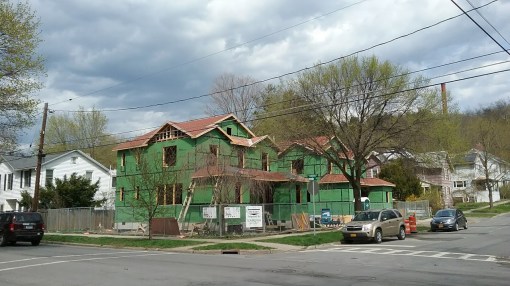
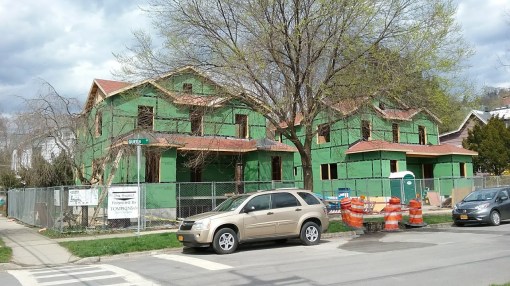
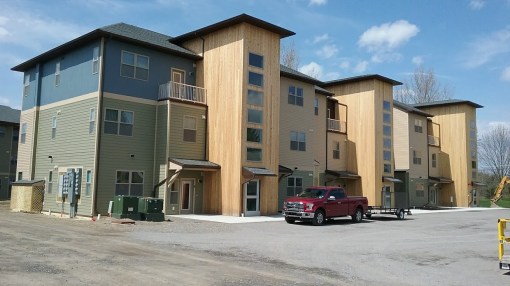
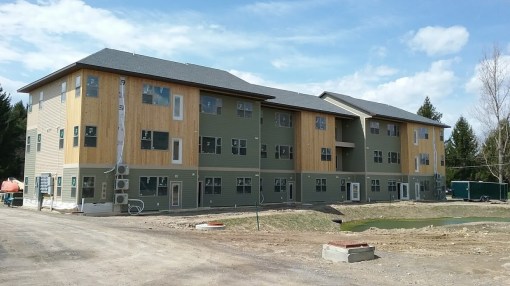
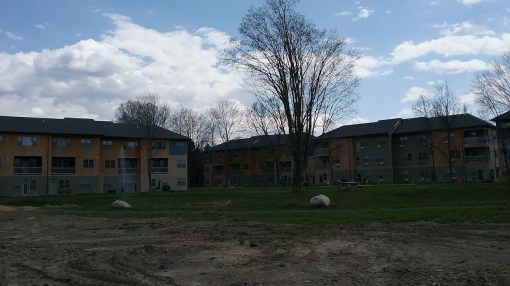
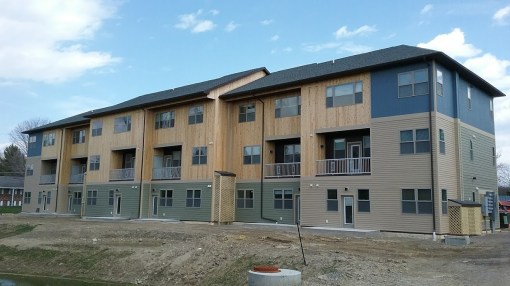
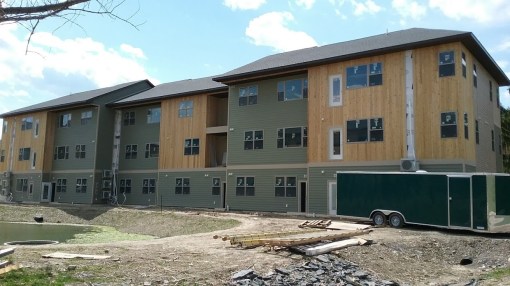
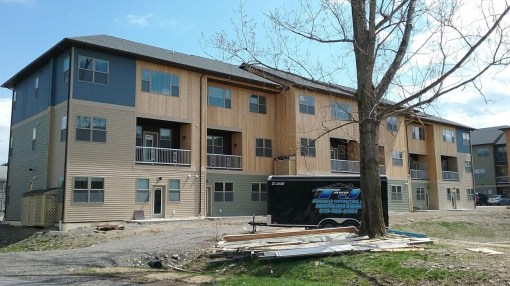
4. …pretty much now. The three units in the first image are 204, 206 and 208 Hancock Street, the four for-sales in image two are from L to R, 406, 408, 410 and 412 Lake Street. 206 Hancock, 408 Lake and 410 Lake will be 910 SF 2 bedroom, 1.5 bath units that will sell for $112,000 to qualified buyers. 406 Lake and 412 are 1088 SF, 2 bed 1.5 bath units priced at $129,000. The largest units, 204 Hancock and 208 Hancock, are 1300 SF, 3 bed 1.5 bath units that will sell for $145,000. The plan is to have buyers lined up for all seven units by the end of the year.

5. The county legislature has approved the Heritage Center acquisition. The county will pay $2 million for the 18,500 SF property, about $400,000 below assessment. Tompkins Financial Corporation is parting with its former offices next spring as it moves into a new HQ a block away. The plan is to have the heritage center, which will host tourism and history-focused non-profits, open for occupancy by the end of 2018, just as The History Center’s lease at 406 E. State runs out.

6. Seems like Lakeview is serious about their West End mixed-use project. The mental health services organization just purchased three properties on Thursday the 8th – 326 North Meadow for $150,000, 711-13 West Court Street for $525,000, and 329 North Meadow and 709 West Court (same owner) for $550,000.

Lakeview is planning a mixed-use 5-story building with a small amount of first-floor retail and 50 apartment units, all of which would be affordable, and half of which would be set aside for those with mental health ailments who are generally independent, but will have Lakeview staff to turn to in times of need. The project team requested $250,000 from the city IURA to help finance the $20.1 million project, but were only awarded $50,000 since it’s still at a relatively stage without detailed plans. The project team expects to submit their project for review later this year, with a 2018 construction start.

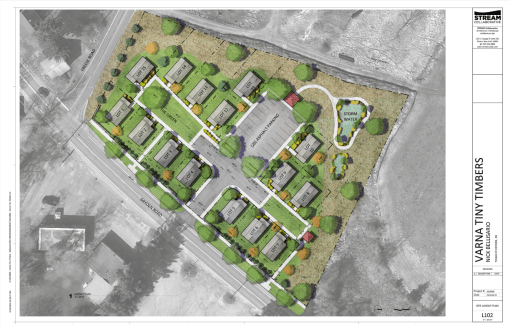
7. Tiny Timbers is doing well. In an update to their website, they note the completion of their first house, a “lofted L” model just over the county line in Hector, and a new house planned in Enfield (given that Enfield permitted just one new house last year, there’s probably a joke in there somewhere). There is another home just getting underway in Lansing’s Farm Pond Circle development, and a fourth will start soon on Grandview Drive in the city of Ithaca’s portion of South Hill. All the new units will be “big cubes” like the render shown above.

8. Looking at the city of Ithaca’s planning department memo this month, there’s nothing new to note for June. Smaller projects tend to show up in the memo, since the sketch plan for feedback isn’t as big of a deal for a small proposal, like a new store or a modest apartment building. Finger Lakes ReUse’s 22 studio units for vulnerable/formerly homeless populations will have its public hearing and Determination of Environmental Significant (step before prelim approval), the McDonald’s rebuild will have Declaration of Lead Agency, public hearing, BZA recs and DoES, 232-236 Dryden will have its DoES vote, and the Old Library redevelopment and 238 Linden will be up for approval.
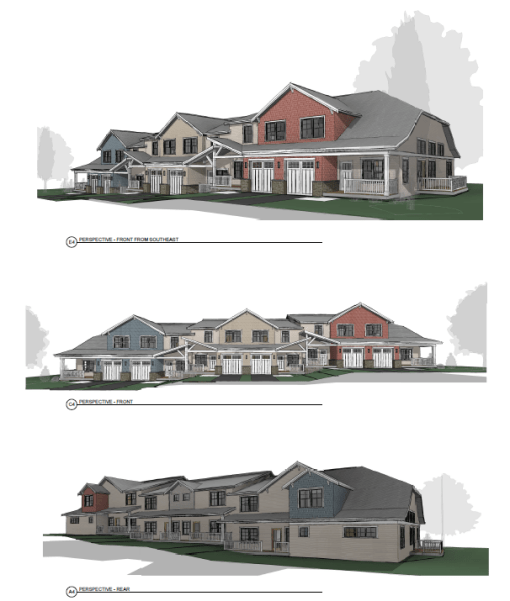
9. Finishing off this week with a word of approval – the Dryden town board gave approval to Gary Sloan’s 36-unit Evergreen Townhouses at 1061 Dryden Road, per Cassie Negley at the Ithaca Times. At the boards’ (both planning and town) encouragement, the solar panels were replaced with electric heat pumps, which could utilize off-site solar and open up the possibility of a more environmentally sustainable project overall, given the proliferation of solar arrays underway in Tompkins and the region (my off the cuff estimate has at least enough solar arrays planned in Tompkins in the next 18 months to power over 10,000 homes). A play structure and 11 more parking spaces were also added.


News Tidbits 6/5/17: The Return, Part III

5 06 2017

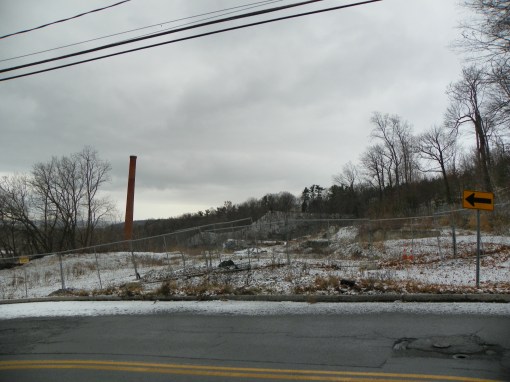
1. The Ithaca Gun site is almost in the clear, according to the NYS Department of Environmental Conservation (DEC). The state is proposing a “no further action” status for remediation of the Lake Street site along Fall Creek gorge, where the factory maintained a presence from 1885 to 1986. Testing the guns with lead bullets for decades had the unfortunate result of contaminating the gorge with toxic levels of lead and heavy metals, and the area has been under remediation in some form for almost 20 years. The first round of cleanup for the Superfund was from 2002-2004, but insufficient cleaning resulted in a second round of cleaning in 2014. A third round to excavate more contaminated soil along the steep slopes of the gorge was undertaken by the federal EPA over the past couple of years.

To quote: “Based on the results of the investigations at the site, the interim remedial measures and post-IRM screening that have been performed, the NYSDEC is proposing No Further Action as the remedy for the site…Periodic site inspections and reporting, which include additional removals of lead shot as needed, will ensure continued protection for the environment and public health.”

Note that this only impacts the part of the site that was donated to the city as parkland. A separate remediation plan has been crafted by Travis Hyde Properties as part of their plans to build 45 units of housing on the former factory site, the “Ithaca Falls Residences“. The completion of work on the city land would allow THP to put the finishing touches on their plan, and potentially move forward with their long-incubating housing proposal.

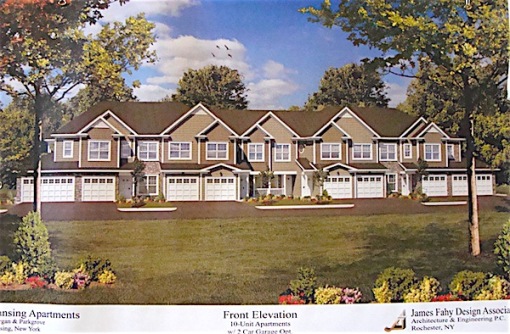
2. There was one detail that was initially missed when going over the failed candidacy of Lisa Bonniwell to the village of Lansing Board of Trustees. While her family’s housing development, the “Heights of Lansing”, has been in perpetual stall with only about 22 of the 80 units built since approval in 2005 (and the last townhouses in 2011-12, shown above), they do plan to start work on another “six-plex” string of luxury townhouses this year – Bonniwell cast blame on the gas moratorium for the holdup. Gives them something else to focus on after their lawsuit over the Park Grove Apartments re-zoning down the road, in which the courts decided in the village’s favor.

The existing units are 3 bedrooms, 2,297-2,400 SF and sell for about $350,000-375,000. Expect the next batch to be fairly similar, though with different exterior details – each string’s exterior finishes are unique.

3. Sticking with Lansing, the Cayuga Farms townhouses are planning some modest changes – the buildings will be smaller, which will allow 20% green space and the construction of a community clubhouse. There will still be 102 units with 3 bedrooms each, 1500-1800 SF, in the upper-middle (“premium”) market segment. The plan has been held up for years while trying to find appropriate ways to address wastewater/sewage, initially floating a pricey Orenco modular site-specific plan. However, with the likelihood of a sewer main being routed up North Triphammer Road in the near-future, that would render the sewage treatment issue a moot point and allow the already-approved project to move forward with permit requests.

4. Nothing too exciting with the local planning boards at the moment. The town of Ithaca is reviewing adjustments to the Westview subdivision that would allow homebuilder to have building permits open for more than two houses at any given time, and to allow him to build houses from different project phases (locations) so long as they have road frontage, sewer and water. Apparently the 2004 stipulations have created a headache with his newest home lots.

Meanwhile in Ulysses, the town planning board will be reviewing plans for additions to the Taughannock Inn at 2030 Gorge Road. The rather whimsical structure designed by architect Jason Demarest would add a “gatehouse/stable”, with five guest rooms, a check-in area, a bar and dining space, ice cream parlor, tent space, reflecting pools and whatever else that makes it sort of romantic events center for weddings, banquets and reunions. The 1870s inn will receive a new cupola, and the projects needs several zoning variance and a noise law revisions so that they can create to 90 dB until 1:30 AM.

5. Lansing’s 1020 Craft Road was picked up by an LLC tied to a construction company out of Endicott for $615,000 back in April, so that was was a strong indicator that something was planned. That plan looks like a gut renovation and 4,410 SF in additions, as well as a paved and landscaped parking lot. Pyramid Brokerage is already advertising professional office space in the 10,500 SF building, which was built around 1980 and used for manufacturing (sheet metal fabrication), and it was looking pretty run down by the time it was purchased. The lease is for $18.00/SF, with a minimum available space of 5,250 SF, which would be a pretty good sized office. Depending on the finishes though, it might have appeal for those looking for a suburban location with easy parking – CFCU’s headquarters is next door, and several other firms are housed in neighboring buildings.
6. The county released its report of potential tax foreclosures. The long story short is that if property taxes aren’t paid, the county may seize a property (courtesy says they give a couple warning first), which may then be sold by the county at auction to pay off the back taxes, or it may be given to a municipality if the community wants it, or it may be withheld completely if it is deemed to have special ecologic value (biodiversity, wetland, “Unique Natural Areas”, etc.)

There doesn’t appear to be anything too exciting in this year’s batch. The city almost got some prime waterfront real estate at a bargain price last year, but the owner was able to pay the tax bill before the city could claim it. This year, we see several rural properties that the county would like to put deed restrictions on for stream buffers and conservation options, a pair of industrial properties in Caroline and Dryden, and a handful of single-family homes around the area. Nothing that looks especially tempting to the ambitious, although there are a handful of individuals who scoop these properties up at auction and then market them at a much higher price (with some success).


607 South Aurora Street Construction Update, 5/2017

2 06 2017

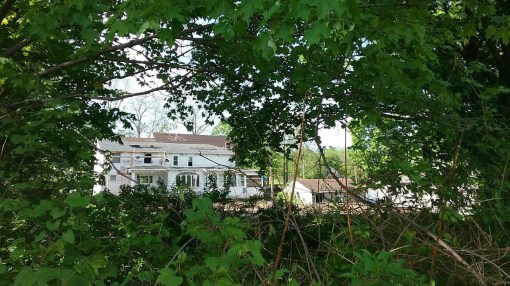
Projects are a bit like politicians in that the higher profile or most controversial ones get the vast majority of attention. 607 South Aurora Street fills neither of those specifications, and as a result, relatively few people are even aware of it.

The South Hill infill apartment project is located on an unusually large 0.73 acre lot. The property consists of an existing 5-bedroom, 2,300 SF home dating from about 1910, and had been in the possession of the Cassaniti family since at least the 1960s, legally split among the six Cassiniti brothers. If you’ve visited the hot dog and soda vendor on the Commons, you’ve met one of the Cassanitis.

Enter Charlie O’Connor of Modern Living Rentals (MLR). MLR is a young and ambitious rental company based out of Ithaca, a partnership primarily led by O’Connor and business partner Todd Fox. However, each has had their own ideas on how best to approach development – while Fox likes to think big and aim for high-profile projects, O’Connor is much more low-key and incremental in his approach. The two differ enough that they developer under different entities – Fox under his firm, Visum Development, and O’Connor as MLR. However, regardless of who develops, all their rental units are managed by MLR.

So while Fox is dreaming big with projects such as 201 College Avenue and 232-236 Dryden Road, and potentially sets off heated debates, O’Connor prefers to avoid controversy and take on less risk. His first project, with behind-the-scenes business partner Bryan Warren, was a pair of two-family houses at 312 West Spencer Road about half a mile southwest of 607. A bit of an unusual location, but close enough to urban destinations and Ithaca College that it was potentially viable, and after getting approvals last year, the project moved forward and is at least partially if not fully rented. Two existing houses that shared the original lot are being renovated as part of the project.

With those basically finished, O’Connor and Warren have moved onto MLR’s next project, 607 South Aurora. First proposed in August 2016, the location near downtown and IC makes it an easy sell, and in an area of 1.5-2.5 story owner-occupied and rental homes, four more two-family homes aren’t going to cause a big debate. In fact, in a city that loves giving its input, there were only ever a couple of neighbor comments about the project, and they were generally amenable – ‘better these than a large apartment building’ was the gist of it.

There were a few stipulations and revisions that were required, however. The original plan called for two homes near the street and two in the back of the L-shaped lot, with the renovated existing house in the middle. This was especially well received for aesthetic reasons (the city is still quite sore about the poorly-sited house MLR did two years before on the lot next door), so the site plan was redesigned to have three buildings on the interior side of the “L”, and one on the street to better match the curbside context. An internal driveway and clustered parking were added to help traffic and emergency vehicle circulation.

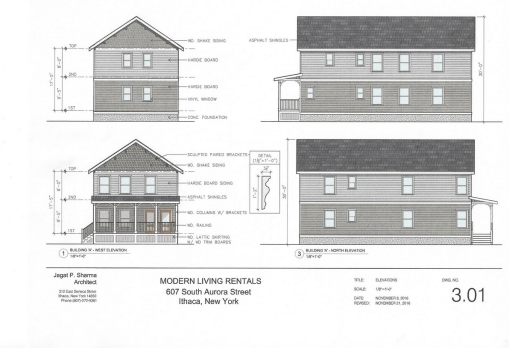
The building themselves didn’t change much – like 125 and 129 Elmira, they’re modular units on Superior Wall foundations. The unit facing Aurora has fiber cement siding and nicer details like a full lattice porch with railings, columns and brackets on the porch and roof. The rear units have small entry porches and use vinyl lap and shake siding.

With those details noted, the project was approved in November, and through an LLC, O’Connor and Warren bought 607 South Aurora, valued at $220,000 by the county, for $452,776 back in March (rule of thumb – if development is planned, expect a hefty premium).

Each of the eight new rental units will be three bedrooms and about 1,128 SF. The existing house will also be renovated and expanded slightly, raising the rear roof-line to add interior space. Expect occupancy by the start of the new academic semester in August. The apartments are being marketed at $2250/month, which works out to $750/bedroom.

According to county docs, the construction loan from Tioga State Bank was for $1.92 million and filed the day the house was sold. That figure is a combo of hard (materials, labor) and soft costs (acquisition, marketing, legal); by itself, the hard cost for the new construction and the renovation looks to be about $1.04 million.  Rochester’s Taylor the Builders, who will be doing Harold’s Square at some point, is the project’s general contractor.

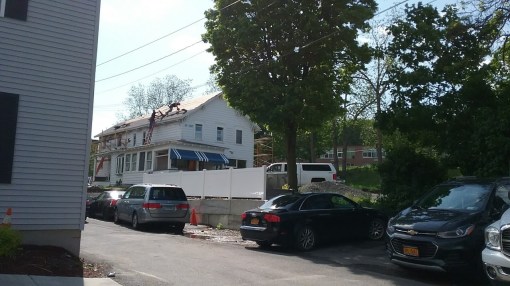
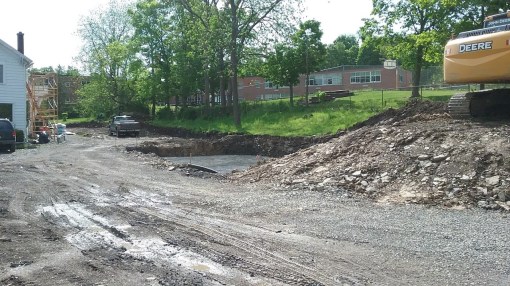
Looking at the site last month, a new roof is underway, and you can clearly see where the roof was raised in the roof by looking at the trim boards; the new section is housewrapped, and presumably the whole house will receive a new exterior finish at a later date. The windows in the rear are just rough openings for now, new windows will come along shortly. The soil has been excavated for the slab foundation of Building “A”, but due to the angle and slope of the site from the roads, it’s hard to tell how much of the site prep for “B”, “C” and “D” has been completed in the rear, apart from some disturbed soil.


902 Dryden Road Construction Update, 5/2017

27 05 2017

Visum Development/Modern Living Rentals’ project at 902 Dryden Road in Varna is coming along. Dropping by the site a few days ago, one of the things that stands out to be is that the design of the pair of townhouses closest to Forest Home Drive have been redesigned from the render that was shown when the project was approved by the Dryden town board in March 2016. Legally, this isn’t a big deal, since as long as the board stipulations have been met and it doesn’t affect the SEQR determination, then the modification is allowed. To be 100% honest, this armchair critic likes the redesign more, since it avoids the blank space near the party wall. Comparing the render to the other townhouse strings, it looks like there were some elevation adjustments and changes in fenestration, but the general appearance remains the same as approved.

However, one thing that I’m a little concerned about is the siding being all one color. It’s not a critical issue, but I think the monochrome makes the project bland and less pleasing to the eye. All the renders I’ve seen have shown a mixed palate, whether it be the grey/red/orange below, or the beige/blue/brown combination shown on MLR’s website. The mixed forms of siding – vertical, lap and shingle – but I hope that this isn’t the final exterior color.

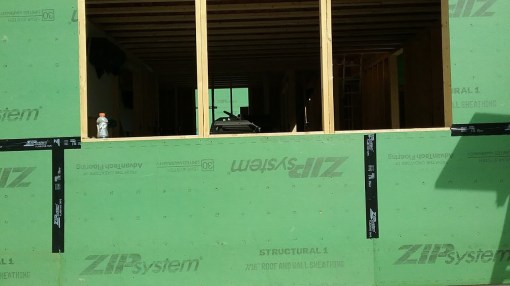
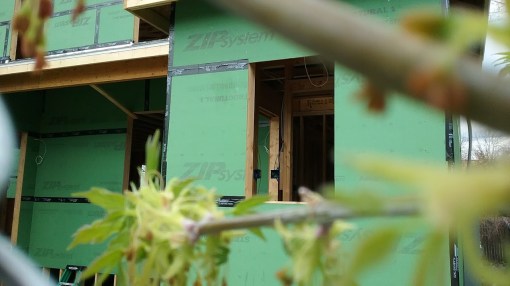
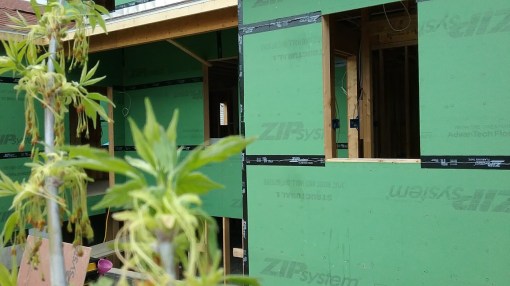
Anyway, the buildings have all been roofed and sheathed with ZIP panels, doors and windows have been fitted, the interior stud walls are good to go and rough-ins are underway. On the older strings, some of the siding is up and trim boards have been attached. The wiring and tubes coming out of the eaves on the rear face are connections for the electric air-source heat pumps. Although not a part of the initial build-out, Visum is exploring the installation of an offsite photovoltaic grid that would make the project net-zero energy, meaning that all the energy used is generated from renewable resources.

The site will have 26 parking spaces for its 32 bedrooms (2 existing 3-bedroom units, 6 new 3-bedroom units, 2 new 4-bedroom units), well above the one parking space per unit required by zoning. The site will also be a “flag stop” for TCAT buses and have bike racks to serve 20-24 bikes. The units, which are going for about $600-$700/bedroom, will be ready for occupancy in time for the 2017-18 academic year. Bella Faccia Construction, who did 707 East Seneca, is the general contractor, and STREAM Collaborative is the architect. AJH Design and Fine Line Construction also serve on the project team.

Side note, Bella Faccia’s website claims they’re doing a Cici’s Pizza in Ithaca – that would have been news to me, and my editor at the Voice would have been over the moon, but it turns out it was a typo and they meant Horseheads.


The Tompkins County Housing Strategy

18 05 2017

The County’s Housing Strategy draft was originally going to be in the next news roundup, but it’s large enough to do separately, and my colleague Kelsey is tackling this meeting for the Voice. For those who couldn’t attend the Housing Strategy hosted by the county last Wednesday evening, the presentation is here and the outline is here. Comments can be sent to the Planning Department here from now through the end of the month.

First, quantities. This was touched on in the news round-up a couple of weeks ago, but the county would like at least 580 units coming online each year, plus specialty student and senior housing. For comparison’s sake, the county hasn’t exceeded that value since 1994, when Kendal was permitted in Cayuga Heights, and prior to 2016, the last time it exceeded 500 units was in 2000.

In more recent years, the value bounced between 200 and 300 units in a given year; during the recession, it dropped into the mid-100s. The article linked above is older, so it lacks the 2015 values, which were 279 units countywide, consistent with 2012-2014. Then we get to 2016, which was just finalized by HUD. There were 575 units, of which 121 were single-family homes, and 454 were multi-family structures. Let’s present that by community (click on the table to expand):

Cayuga Heights and Freeville didn’t approve a single unit, while the 271 units in Ithaca city is their highest stat since 2000, and the second highest in the 35-year online record. Dryden village’s growth can be attributed to Poet’s Landing Phase II, Ithaca town’s to Cayuga Meadows, and Lansing town’s to the Village Solars.

The point of this is to illustrate that 580 units annually is a lofty figure, but it is an attainable goal.

Then we get to locations. The ideal is to focus the growth in the city of Ithaca – since these stats are non-student housing, the targeted areas in the city include Downtown, the State Street Corridor, West End/Waterfront, and anything they can displace from the big box corridor on the southwest side. If a good opportunity for infill presents itself elsewhere in the city, that’s great, but it’s not the focus.

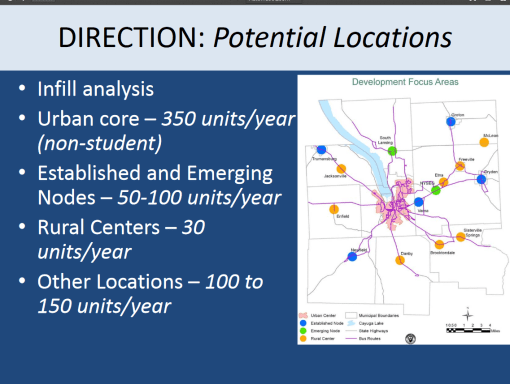
However, not everyone wants to live in Ithaca. Land in the “nodes” is cheaper and oftentimes the approvals process is easier. The county envisions 50-100 in the villages and growing hamlets like Varna and South Lansing, were a town center concept is in the RFP review process. Rural hamlets would see a handful of units annually (30 or less), and other locations basically just refers to Lansing’s suburban sprawl between the village and South Lansing. The town is hellbent on development any which way it happens, conventional approaches are the easiest to get financed, and the county’s not going to fight them.

The county’s housing strategy is three-pronged: Information/Collaboration, New Units and Existing Units.

  • Information and Collaboration includes a virtual housing office for resources and a collaborative network to formulate and pitch housing solutions. It’s kinda vague in the notes.
  • New unit strategies include support for targeted new development, streamlining zoning and examining potential incentives through the IDA.
    • Targeted new development can include RFQs for government-owned surplus property, early community engagement regarding DFAs (Development Focus Areas) and assistance in producing “shovel-ready” sites through things such as sewer access and energy hookups.
    • Streamlining zoning is to make it easier to get an initial product that will look like the final product – less uncertainty, less money spent on revisions. Inclusionary zoning seems pretty much dead in the water, as the county doesn’t seem to know if the community will support incentives for affordable housing, or if will even be effective. Done wrong, an inclusionary ordinance could actually result in less housing, if the burden is too great for the incentives offered.
    • Additional IDA incentives could include mixed-market or all-affordable rentals being eligible for abatements, and possible an abatement for any neighborhood or community who builds in inclusionary zoning. Looking at you, Trumansburg.
  • Existing unit strategies include the encouragement of rehabs (especially from rentals to owner-occupied), code enforcement and fair housing enforcement. Airbnb is still a tricky issue, so expect some tweaks to regulations on what constitutes rentals, hotels and legal occupancy.

There’s also a strong support/monitoring component in the strategy, which basically is a tracker of all projects underway, what stages, what they consist of, and so on. Beat you to the punch guys.


News Tidbits 5/6/17: Starting Small and Dreaming Big

6 05 2017

1. The Evergreen Townhouses in Varna was hotly debated at the last town board meeting, per the Times’ Cassie Negley. Linda Lavine, one of the town board members, was particularly fierce in her criticism, calling the solar panels “useless”, and others in attendance expressed concern about appropriate room for amenities.

However, it also seems one of the phrases bandied about was that it wasn’t “family-friendly”. If you’re reading this and one of those folks, do yourself a favor and stop using that term. It’s an enormously baited phrase, historically used to fight affordable housing as a racist/classist euphemism, because people of a certain class or color were apparently less appropriate for families to be around. For an unfortunate example, it was a phrase used with the INHS 210 Hancock affordable housing plan in Ithaca. Think of it as the equivalent of a religious group claiming a TV show isn’t “family-friendly” because it has a same-sex couple, or feminists.

Although this project is market-rate, deciding whether or not something is “family-friendly” is subjective and potentially baited. It gives others the wrong idea on how to discuss the pros and cons of a project, which should be about features, or lack thereof. TL;DR, find a different phrase.

Oh, and on another note – Planning Board member Don Scutt. For someone claiming Dryden is getting an anti-business reputation, your work fighting the solar panels isn’t doing the town any favors. I don’t always (often?) agree with your mirror opposite and board colleague Joe Wilson, but at least I can say he’s consistent in his views.

Anyway, off soapbox. It looks like the public hearing was left open as the project may potentially pursue a modified plan of some form, so we’ll just have to see what happens.

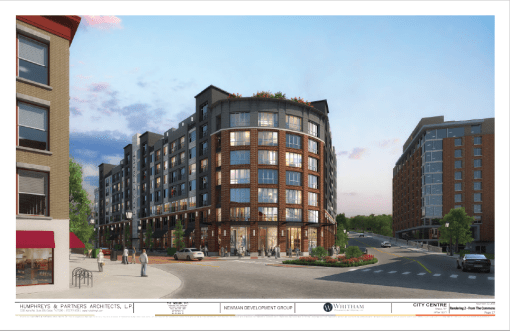
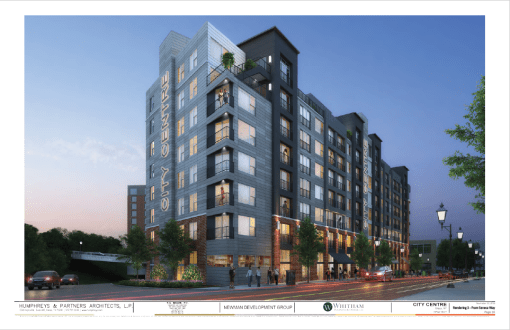
2. The Trebloc property, future home of City Centre, has exchanged hands. 301 East State Street sold for $6,800,000 on April 28th. The seller was “Trebloc Development Company”, the company of developer Rob Colbert. The buyer was “City Centre Associates LLC”, a limited-liability entity created Newman Development. This brings the 8-story, 218,211 SF mixed-use project one step closer to getting underway.

3. A couple of news notes from the Tompkins County PEDEEQ (planning/dev catch-all) Committee meeting:

I. OAR’s transitional housing at 626 West Buffalo Street will be called “Endeavor House”.

II. The county is set to start work on its draft housing strategy. The annual goal figures through 2025 include:

–580 “workforce units” per year, of which 280 are rentals going for 50-100% area median income, and 300 would be for-sale, with 80 of those condos.

–student beds, either dorms or student housing developers, commensurate with enrollment growth

–special needs beds to those making 50% or less of AMI. No quantitative descriptor is given.

–350 units in the urban core, 50-100 in “emerging and established nodes”, 30 in rural centers and 100-150 in “other areas”, which includes suburban Lansing.

https://www.facebook.com/plugins/post.php?href=https%3A%2F%2Fwww.facebook.com%2Fmedia%2Fset%2F%3Fset%3Da.1518721884836040.1073741852.772959889412247%26type%3D3&width=500

4. 607 South Aurora Street is officially underway. Modern Living Rentals posted an update to their facebook page showing site prep for their infill residential project in the city of Ithaca’s South Hill neighborhood. The four new buildings will be two-family units with three-beds each (24 total), similar to those recently completed at 125 and 139 Old Elmira Road. If the statistics are correct, the existing house will be renovated into a two family house – the banner suggests a 4-bed unit and a 2-bed unit to bring the total to 30 beds. This project will get a full write-up later this month, and its progress will be tracked as it heads for an August completion.

5. Looking at the city of Ithaca’s projects memo, it doesn’t look like anything brand new will be coming up. The formal review process is set to begin on Visum Development’s 232-236 Dryden Road project. I’m kinda confused on STREAM’s project description because it references both 191 bedrooms and 206 bedrooms, and some of the numbers don’t match the parenthetical figures -for example, thirty-seven (42) bike spaces. Going off the FEAF, it looks like the number of beds has in fact been increased to 206. The construction timeframe is August 2017 – August 2018, and it looks like both buildings will comprise one phase. Deep foundation, so apologies in advance to the neighbors who may be hearing a a pile driver this fall. The developer is exploring net-zero energy options.

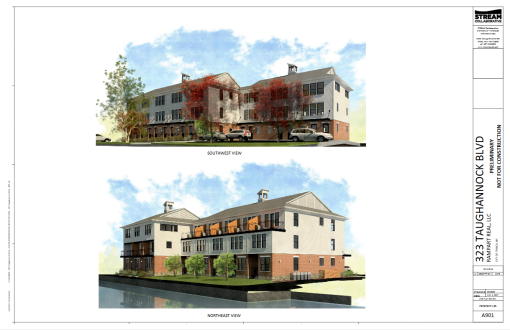
Also of note, 323 Taughannock received some visual tweaks. Gone are the cute sprial staircases leading to the waterfront, and in their place are more standard treatments. The group of five will now have their balconies on the third floor instead of the second floor. The changes on the front are more subtle, with the window fenestration now centered on each unit, and the front doors rearranged (old version here). Overall, the design is still roughly the same, it’s just a revision of a lot of details. Worth noting, given the crap soils on Inlet Island these will be on a timber pile foundation designed by Taitem Engineering. 238 Linden Avenue, 118 College Avenue and Benderson’s 7,313 SF retail addition are up for final approval this month.

6. Meanwhile, from the ILPC, it looks like there are a couple of density-expanding projects planned in the city’s historic districts. The first will renovate a garage at 339 South Geneva Street in the Henry St. John Historic District (part of Southside) into a one-bedroom carriage house. It’s infill, the garage is non-contributing and the design is an improvement, and it looks like a good if small project.

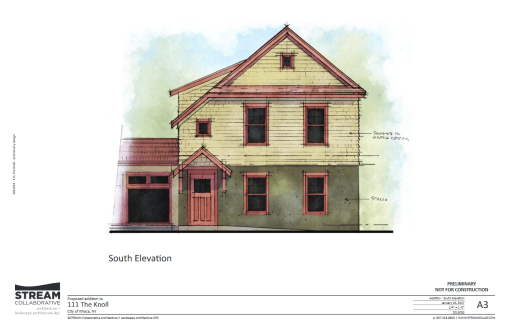
The other is a renovation of a classic Cornell Heights Mansion at 111 The Knoll into group housing for “Sophia House”, a Cornell Christian organization for women. The men’s equivalent, “Chesterton House”, is next door. The plan calls for renovating the five-bedroom, legal for eight-persons house into a 15-bed home. Part of that would entail demolishing the 1950s garage, which is connected by a breezeway to the ca. 1910 house, and replacing the garage with a four-bed addition, still connected through the breezeway.

Both designs are by STREAM Collaborative, as are 232-236 Dryden and 323 Taughannock. Can’t fault STREAM for being good at what they do – if a developer wants modern like 201 College, they get modern. If one wants traditional like the above examples, Noah Demarest and his team can do that too. They know the market and what works in terms of design. Unlike many local architecture firms, STREAM’s business is almost completely in Tompkins County – they did some concept design work in Rome and Utica, and some of the Tiny Timbers kits have been sold outside the county, but otherwise everything else is in or close to Ithaca. Business is good.

harolds_square_v4_new_comparo

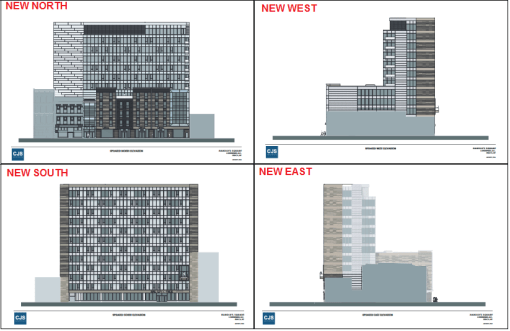
7. Admittedly, this is beating a dead horse, but Harold’s Square will eventually get underway. It appears the problem right now is that the tax abatement approved by the county is insufficient because of the increase in project costs (up 12% to $42.9 million), so the project team is heading back to the IDA to get the abatement revised (the Hilton Canopy did the same thing a few months ago). The project was previously approved for a 7-year abatement, but this time around they are seeking the 10-year abatement. Combined property, sales and mortgage tax abatement would come out to $5.089 million. New property taxes generated over the 10-year period would be $3.4 million (note that is on top of what’s already paid; IDA abatements use the current taxes as the baseline).

The office space and retail space look higher than previously stated (33k vs 25k, and 16k vs 12k), but it looks like that’s because the Sage Building renovations are included in the IDA numbers. The apartment count remains the same (108), although it looks like one 1-bedroom unit has been replaced with a 2-bedroom unit.

Two reasons are cited for the delay- issues with getting the office and retail space occupied, and a premium price on construction workers as a result of the increased local activity. The pre-development costs are clocking in around $800,000, so if it fails to get approval from the IDA’s board, that will be a pretty big cost to swallow.

Should it be approved, the construction timeline is stated as June 2017 through Q1 2019.

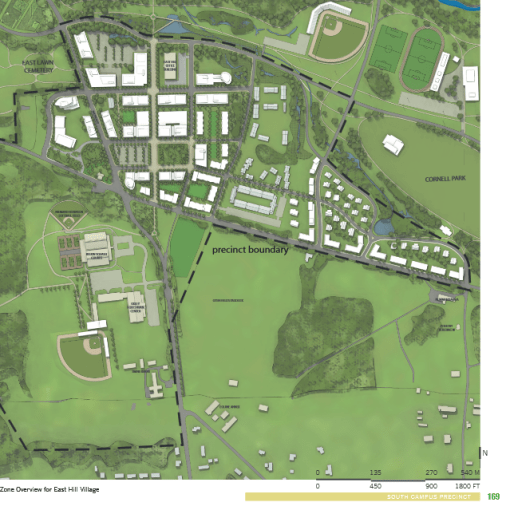
8. Just throwing this in for the sake of throwing this in – mark your calendars for May 17th, when Cornell hosts a forum about the new East Hill Village neighborhood from 5:30-7:30 PM at the East Hill Office Building at 395 Pine Tree Rd. The project website notes that it will start with a 30-minute presentation, followed by breakout groups to brainstorm what people do and don’t want included in the building plans – certain retail uses, housing components, general visions for the site. There will be more meetings over the next several months – the goal is an Autumn 2017 exhibition for the preliminary plans.


News Tidbits 4/29/17: Happy Birthday Mom

29 04 2017

1. The Times’ Matt Butler has written a great summary of almost everything you wanted to know about the Ithaca development approvals process (formally called entitlements). Basically, Ithaca’s high standards and arduous review process come with pros and cons. On a positive note, the city is more likely to get a nice product, the drawback is that it scares developers off. For those who do give the city a spin, the city is a desirable investment for a number of reasons (affluent residents, steadily growing economy), but the lengthy process generates uncertainties (bad for financing) and requires more money (bad for affordability).

There’s nothing wrong with high standards, but it really helps if the city gives developers a set of guidelines for what they’re looking for in a design, rather than forcing them to rely on antiquated zoning. Design guidelines were recently approved for Downtown and Collegetown, which should help, although an overhaul of the zoning would be much welcomed. However, in a city famous for its activism, even the most well-orchestrated plans can be broadsided by NIMBY grassroots, so even with these heavily-structured guidelines, building in Ithaca is likely to have uncertainties and challenges into the foreseeable future.

2. A couple of grants worth noting – Tompkins Community Action was awarded $3.7 million by the state to go towards construction of their Amici House project at 661-701 Spencer Road in Ithaca. The funds will cover about 45% of the $8.25 million construction cost. Work is supposed to begin this summer on the mixed-use project, which includes 23 studio units for vulnerable or previously homeless youth, and a 7,010 SF daycare/early education facility.

In other news,the Alcohol & Drug Council of Tompkins County was awarded $500,000 by the Care Compass Network Innovation Fund to use towards the establishment and operation of a 20-24 bed detox facility, much needed resource as the heroin epidemic continues to grip the nation. CCN is a non-profit consortium funded by Southern Tier health centers like Guthrie, Cayuga Med and Binghamton General. ADC-TC is a non-profit that focuses on substance abuse education, prevention and outpatient treatment. No facility was named in the announcement.

On a third note, the sale of 626 West Buffalo Street was completed. Tompkins County Opportunities, Alternatives, and Resources (OAR) intends to renovate the house into five beds of transitional housing for those getting out of jail and trying to get back on their feet. The intent is to provide, safe, secure housing to better help with the transition process, which can include education, job training and mental health and/or addiction treatment. The house was purchased for $95,000, and an additional $60,000 would be spent on renovations. The county voted to provide $100,000 in a one-time allotment – the rest of the money ($55,000) comes from grants, donations and a mortgage. Ultimately, the goal is to provide decent housing that helps reduce the recidivism rate (convicted persons committing more crimes), ideally saving the county on future court and incarceration costs, as well as what they hope pans out to a lower crime rate.

3. Tiny Timbers seems to be to a good start. The fledging modular timber-frame company run by the Dolph Family has added several members to its construction crew, and they will build the frame components out their newly-adapted warehouse-mill on Hall Road in Dryden. The house in Hector is nearly complete, two more are being prepared (both big cubes), and the gravel road is being constructed for their just-approved five-lot subdivision at 1624 Ellis Hollow Road. Going off the wording of their last blog post, it looks like three of those lots are already reserved or purchased (one lot is a conservation area).

4. Let’s not beat around the bush – you’re coming here for a bit of inside information, not just a news round-up. One of the reasons Dryden and Tompkins County have each committed $1,750 to an infrastructure study of the Route 13 corridor is that there is a concept proposal on the table from INHS for a mixed-use development with retail and 250 affordable housing units, on approximately 50 acres of a 100 acre parcel – half of it is north of the rail trail and would be conserved, possibly through Finger Lakes Land Trust. At 5 units/acre, it’s below Varna’s highest densities, but it’s about the rural threshold of about 2 units/acre.

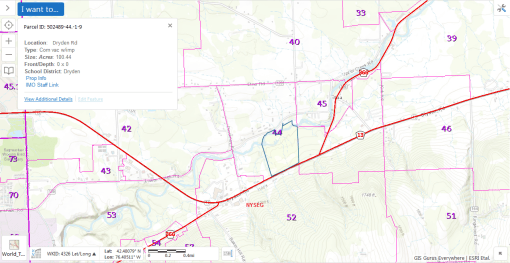
As it so happens, a quick check of the county’s property tax map shows a 100.44 acre parcel of vacant farmland across the street from 1477 Dryden Road, outlined in blue above. The back half is Fall Creek, so given buffers and general environment concerns, it’s good sense to leave it alone. The land has been owned by the Leonardo Family (the ones who ran The Palms) since 1942.

I asked Dryden Town Planning Director Ray Burger about it, and he knew only what the county said. But it’s something to keep an eye on as the town figures out whether or not to extend sewer to that parcel.

5. It seems like there’s quite the tempest going on in Lansing. Let’s review. All this comes courtesy of the Lansing Star (not for lack of trying on my part. Almost all Lansing staff and officials ignore my phone calls and emails, except zoning officer Marty Moseley. Thanks Marty.).

I. Over in the village, the “Preservation Party” lost the village election by a large margin to the incumbent Community Party by a roughly 75/25 split (240 votes vs 80 votes). This result should settle the Bomax Drive rezoning from commercial tech space to residential once and for all.

Image courtesy of the Lansing Star

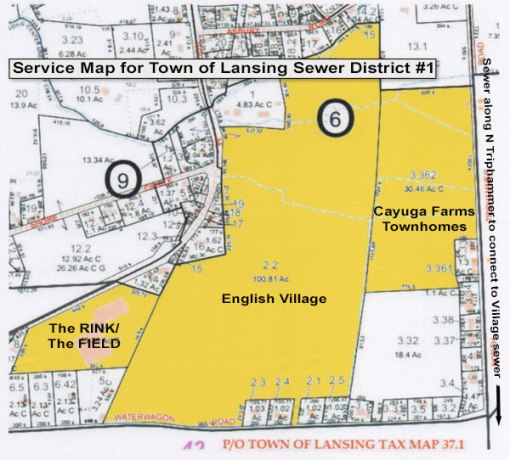
II. Lansing town has inked an MOU with Cayuga Heights and Lansing village to install a sewer line up Triphammer Road to create a small sewer district. However, it’s impacts would be substantial – it would have three primary users – the 102-unit Cayuga Farms project, the 117-unit English Village project, and the RINK, which is expanding its facility. The developers want the sewer so much, they’re paying for it in what town supervisor Ed LaVigne is calling a “public/private partnership”. Properties that do not hook up would not be hit with an increased assessment, according to LaVigne and county assessor Jay Franklin.

A back of the envelope estimate suggests $50-$60 million in increased land assessment, and $1.5 million+ in property taxes. Perfect for offsetting a rapidly devaluing power plant that was once your town’s biggest taxpayer. The village boards still need to sign off on the MOU, but Lansing town is desperate to make a deal.

III. The Lansing Meadows senior housing seems to be worked out, and it includes the  small community-focused food retail component desired by developer Eric Goetzmann. The public hearing is on the 1st; if approved next month, the construction bids will be posted shortly thereafter with an intended summer start on the 20-unit mixed-use project.

IV. Just…wow. On the one hand, LaVigne et al. have a right to be upset. Their town’s biggest taxpayer is faltering, they’re trying encourage as much development as they can to offset the plunge in property taxes, and with debates like the West Dryden pipeline, they have a right to be frustrated. But to say the county’s sabotaging your town is a whole different ball game. To say “[r]ight now The County is on the sh** list as far as I’m concerned,” well…

He deserves sympathy. There’s a lot of BS mixed in with the good of Tompkins County, and his town and its schools are in a real bind. Poo pooing them isn’t helping anybody. But…he can’t magically change how people in Dryden or Ithaca think. Ask solar companies if they’d be interested in town properties, find a way to make residential heat pumps and renewables work. Hell, work with TCAD, talk with Heather McDaniel and the green groups and come up with ideas. I had a professor in grad school tell me that “you lure more flies with honey than vinegar”. LaVigne has a right to be upset, but this isn’t a good look.

6. Now that a few people at INHS and County Planning have been annoyed (sorry guys), back to the news. The Journal is reporting that the town of Ulysses has acquired three Jacksonville properties from Exxon Mobil, in what they hope is the next step in closing a disastrous chapter in the town’s history. Back in the 1970s, the former Mobil gas station at the corner of Jacksonville Road and Route 96 leaked enormous amounts of gasoline and poisoned the hamlet’s groundwater – one report says a person passed out from noxious fumes when they turned on their shower.

The state DEC became involved and ordered Exxon Mobil to clean up the mess, which was carried out from 1984 to 1988, and the multinational gas company purchased most of the affected properties and demolished them – an 1827 church was left intact. The DEC’s case file was finally closed in 2005 after the test levels had receded to more acceptable readings, but Exxon Mobil has continued to own the property, letting the church fall into disrepair.

The town is buying the church at 5020 Jacksonville Road, a 0.275 acre vacant lot at 5036 Jacksonville Road, and a 0.656 acre vacant lot at 1853 Trumansburg Road for $5,001 (the trio’s total assessed value is $84,700). The plan is to install a septic for the church at 5036, renovate the church just enough to keep it from rotting out, and once the building is stable, the plan is to resell to someone looking for a unique fixer-upper. If no buyer is found, the town plans to eventually restore the church on their own. The larger lot on Trumansburg Road is being considered for resale towards private development, or use as a TCAT park-and-ride.

7. Is the Canopy Hilton underway or isn’t it underway? Still kinda hard to tell.

8. On the other hand, it looks like the new medical office building planned for Community Corners in Cayuga Heights, is starting demo work. The stone is being stripped from the existing buildings, to be reused on other structures. The Cayuga Medical Associates plan calls for a $5.6 million medical office building at 903-909 Hanshaw Road, 2 floors and 28,000 SF (square-feet), of which 23,200 SF will be lease-able space.

9. Nothing too exciting from the planning board agendas around the county – Lansing has nothing up, Cayuga Heights has nothing of note. Over in the town of Ithaca, Cornell plans to try again with its Peterson Parking Lot replacement (after the disastrous first try last April), the 15-lot Monkemeyer subdivision on East King Road continues review, and a 2-lot modification is up for consideration. In Dryden, the advisory planning board will continue review for the Tiny Timbers Ellis Hollow subdivision mentioned earlier, and a 7-lot subdivision of the former Dryden Lake golf course; there will also be some solar panel discussion, and possibly some info on the ~20 unit Pineridge Cottages project planned for Mineah Road.


1001 North Aurora Street Construction Update, 4/2017

21 04 2017

Some more progress on the two-building, four-unit 1001 North Aurora Street project in Fall Creek. Since February, the building have been framed out, roofed and shingled. For the record, the shingles are Owens Corning TruDefinition Duration Shingles, Terra Cotta color. Huber ZIP System plywood sheets are being attached to the exterior over the wood studs, and interior framing, rough-ins and drywall is underway.

On a happy note, it looks like the side windows on the eastern building, which had the potential to be deleted as a cost-saving measure, are indeed going in based on the rough openings. The exterior will consist of two brownish shades of LP SmartSide cedar texture siding, with a white lap band and trim. Technically, that white is Sherwin-Williams “Nacre”, and these plebeian lips had to go to Google to figure out how that’s pronounced (NAY-ker). Because mother-of-pearl is just two darn pedestrian. The browns are “Rice Grain” and “Sawdust”.

Developer Stavros Stavropoulos (d/b/a Renting Ithaca) should be bringing these 3-bedroom rental units onto the market by the end of May, as 202 Queen Street and 206 Queen Street. Shortly thereafter, he and architect Daniel Hirtler which be launching into next project, and their biggest to date – a 3-story, 11-unit apartment building at 107 South Albany Street, just west of downtown.


Village Solars Construction Update, 4/2017

19 04 2017

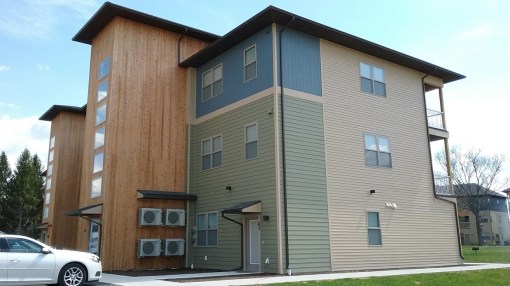
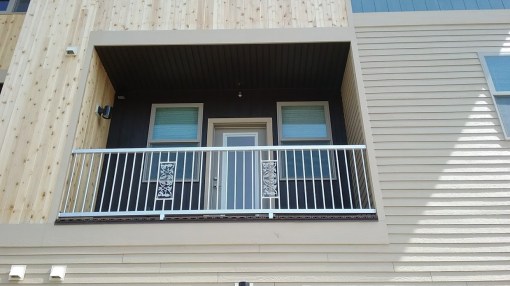
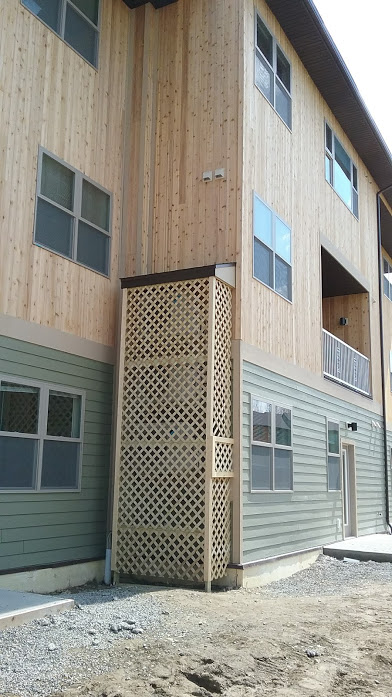
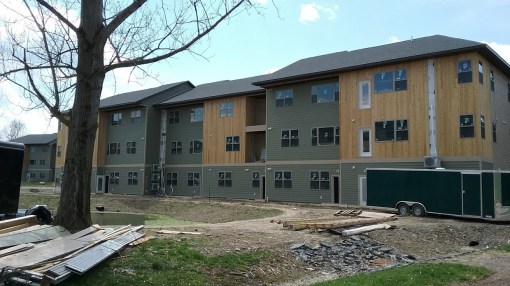
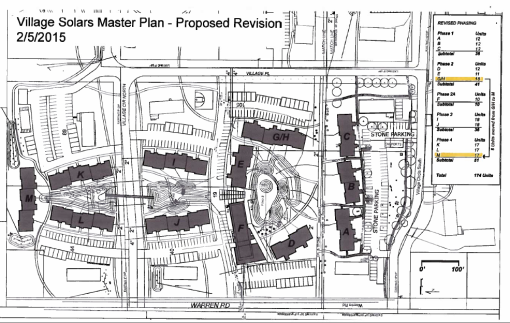
At the never-ending Village Solars apartment complex in Lansing, Building “I” is nearly complete from the outside. It sports a few details that make it stand apart from earlier phases – the balconies railings are a different design, a dark-colored fiber cement board is being used for some of the balcony alcoves, and the heat pumps have been hidden away under a wood lattice screen. Given how clean the immediate project site is, it would not be a surprise if this building is aiming for a May 1 occupancy.

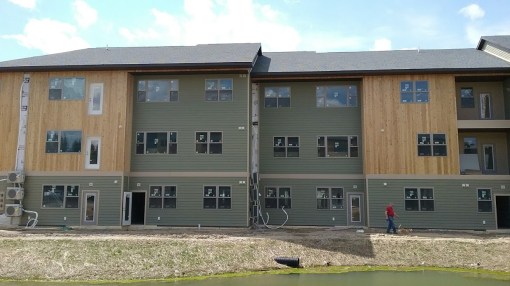
Meanwhile, Building “J” is a little further behind – the windows and doors have been fitted and the roofing is complete, but the exterior wood grain and fiber cement panels are still a work in progress, as is the building trim. The doors on the upper levels will likely lead to small juliette balconies like those seen here. Inside, it’s stud walls and rough-ins, and there did not appear to be any drywall hung yet.You can see the unscreened Daikin heat pumps in the fourth photo below. It looks like the roofing was done by T and J Associated Contractors out of Auburn.

It doesn’t look like work has started on Phase 4 yet, which should consist of the last three buildings in the first stage of build-out (“K”, “L”, and “M”). If it’s anything like the previous phases, the construction team will start with the Phase 4 site clearing this summer. The later stages of development call for multiple phases to the east, and possible replacement of some of the older 1970s apartment buildings with newer structures [3/22 Town Board Minutes]. Potentially, the complete build-out would be around 423 units, from 400 SF studio micro-units to 1,185 SF three-bedroom two-bath apartments. Keep in mind, that would be several years out, well into the next decade. Along with those units come community space, retail components, expanded trail and outdoor components and a bus stop.

Rents look to be in the middle of the market – the micro-unit studios start at $865/month, going all the way up to top-of-the-line three-bedroom units at $1680/month. One-bedrooms and two-bedrooms start at $950/month and $1260/month respectively.

While looking around, an older gentlemen walking his dog went in and out; dunno if it was a relative of the Lucente family (the owner/developers, d/b/a Lifestyle Properties), or a curious onlooker.


News Tidbits 4/15/17: Good and Bad Decisions

15 04 2017

1. It looks like the Lansing Meadows issue is being resolved. Village mayor Don Hartill has issued a sort of mea culpa for not sending the project to the Planning Board before inviting it to the Village board of Trustees, saying the Planning Board was caught off guard and it was his and the village attorney’s fault. So the project will visit the Planning Board with Hartill and developer Eric Gortzmann on hand to answer any questions the planning board might have. A workable solution is possible – the planning board isn’t necessarily opposed, they would prefer more housing but could be willing to hear out a commercial component so long as it’s set back from the road and screened from the homes by foliage. Optimistically, the cafe/diner and twenty senior housing units might be good to go within a month.

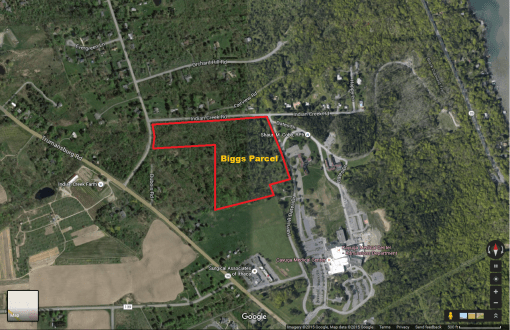
2. The Biggs Parcel is up in the air. There have been no offers since going on sale last July, and the contract with realtor CJ DelVecchio has expired. The county has decided not to renew while they weigh options. Options being weighed for the three-month hold include a smaller housing development on eight of the acres on the corner of Indian Creek and Harris B Dates Drive, and/or a solar farm, which may split neighbors between a low-intensity, eco-friendly project, and losing a portion of the woods so that the solar panels could operate. There is no plan for another Cayuga Trails-type project like what NRP proposed before the discovery of more extensive wetlands convinced them to cancell the project in September 2014.

3. The town of Ithaca has selected its firm of choice to conduct the economic development study and strategic plan for its Inlet Valey corridor southwest of the cityConsultEcon, Inc. of Cambridge, in partnership with Behan Planning and Design of Saratoga, was selected from six applications. Behan has previous experience in the area; in fact, they won an award for their work on the 2012 Varna Master Plan over in Dryden. The town will pay $30,000, and the state will pay $30,000 through its Empire State Development division. Although not state in the town agenda, I believe the time frame to perform and submit the study is six months.

According to Ithaca town’s 2014 Comprehensive Plan, the goal is to turn Inlet Valley from an auto-centric hodge-podge with no overarching character, to a semi-rural neighborhood with an agribusiness, “artisanal industrial”, and tourism focus, capitalizing on Ithaca Beer and the existing and proposed lodging. The Sleep Inn proposal submitted a potential rustic streetscape that gives an idea of the aesthetic the town seems to be going for.

4. From the PEDC, the Southside housing plan is ongoing, and the IURA has hired their new planner after Lynn Truame left for INHS. There was considerable discussion over the Waterfront rezoning, with general conceptual support, although the First Ward councilors are not fans of mixing housing with light industrial areas, or forcing businesses to compete with housing developers for waterfront sites. Councilwoman Brock (D-1st) was opposed to housing in the Cherry Street Corridor. The proposal was granted by vote the permission to circulate for review and comment, so there’s still time for thoughts and opinions to be contemplated and discussed.

5. On another note, many of the speakers at the PEDC meeting were there to speak out against the City Centre project at 301 East State Street, not because they didn’t like the building (well, most of them), but because it didn’t have affordable units, which they felt should be a requirement for abatements.

I support that to a degree, but I’m also aware that, all other things equal, the revenue loss from the affordable units has to be made up for somewhere, usually by passing the costs on to the other tenants. In that case, the city ends up with a lack of units for those with middle incomes. I like the idea of modestly more generous zoning as a tradeoff to the inclusionary housing component, but as a proposal, that didn’t go over so well – developers didn’t like it (because to build more they need bigger loans, so it hurts smaller developers), anti-development folks didn’t like it (because affordable or not, it’s more of what they don’t like), and there was significant uncertainty on whether it’d be effective.

The county IDA had its vote for the sales/mortgage/property tax abatements the following day, and they decided to grant the abatements 5-1, with legislator Will Burbank opposed. The 192-unit mixed-use project is expected to begin construction with the next couple of months, for an early 2019 completion.

6. Once in a while, you get a project so despised by neighbors, they decide to run for office as single-issue candidates – namely, to stop the project. That’s what happening in Lansing village. Mayor Donald Hartill and two incumbent trustees, Ronny Hardaway and Patricia O’Rourke, are being challenged in the May election by mayoral candidate Lisa Bonniwell and two trustee candidates, Gregory Eells and John LaVine. Their goal is to overturn the rezoning of the Park Grove property on Bomax Drive, which rezoned commercial/tech office space to multi-family, enabling a 140-unit apartment project to move forward with planning board review.

This is not the first time something like this has happened in Lansing. When the Lansing Reserve affordable housing project was proposed in 2011, two residents opposed to the project, Yasamin Miller and Brian Goodell, ran against incumbent trustees on a single-issue platform of stopping the project. They lost by 2:1 margins, but Lansing Reserve never moved forward, and since then the land has been bought by the village for park space.

Although in a Voice capacity I can’t formally take sides, I have big issues with the challenger’s platform. I’m not a big fan of the Park Grove as a project, but the rezoning makes sense. As the county’s airport business park study demonstrated, the demand for new commercial and industrial space is very limited, while from the Denter study, it is clear the demand for housing is quite strong (5,000 units in the next decade). It amazes me that the challengers are saying the project will lower property values in a village with substantial price appreciation and major affordability issues (but as noted by the Star, Bonniwell’s family developed the expensive and still incomplete Heights of Lansing project nearby, so she has a vested interest in limiting housing).

Not only that, in the interview with the Lansing Star, challenger LaVine suggests the village should look at eventually merging with the town of Lansing, which is completely contrary to the village’s formation in 1974 as a reaction to the mall, when residents demanded for stricter zoning that the town didn’t want to accommodate. The town has much looser zoning than the village. If voters think for one moment that the town wouldn’t seek to change zoning in the village to build up the tax base and cope with the likely loss of the power plant, they’re in for a rude surprise.

7. On the agendas, nothing too exciting this week. The town has a couple of telecom towers and a 600,000 gallon water tank for Hungerford Hill Road. Over in the city, it’s project review week, but zoning variances suggest another nicely-detailed garage from STREAM Collaborative (STREAM does really nice garages), a couple of home additions, and a new 1,695 SF house at 412 Worth Street in Belle Sherman designed by Jason Demarest. The property is a flag lot that straddles the city-town line, so it would be neigh impossible to do anything without a variance. Ulysses will just be discussing zoning, and the other towns and village will be doing their regular meetings later in the month.