Lofts at Six Mile Creek Construction Update, 6/2015

12 06 2015

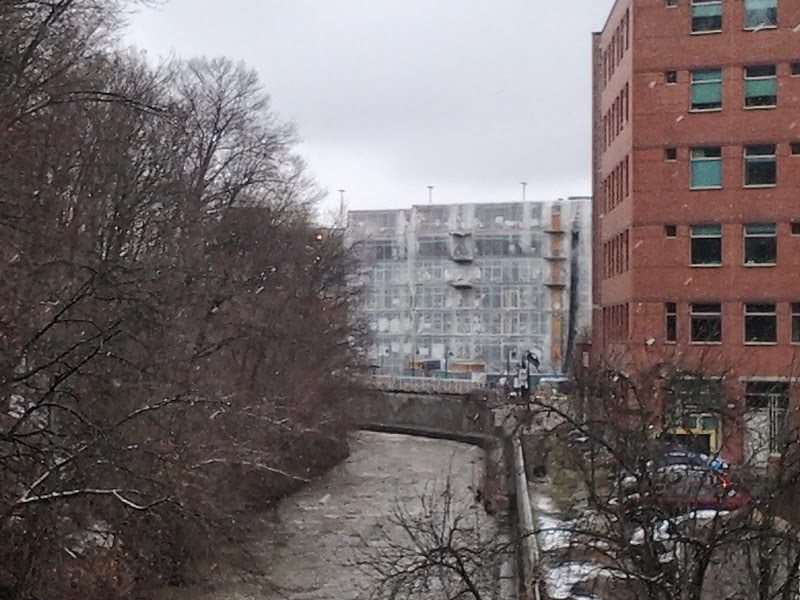
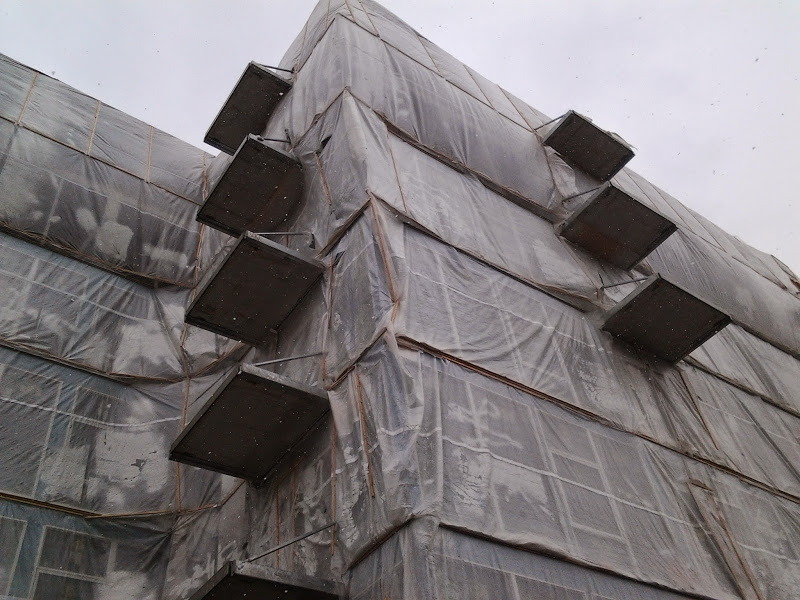
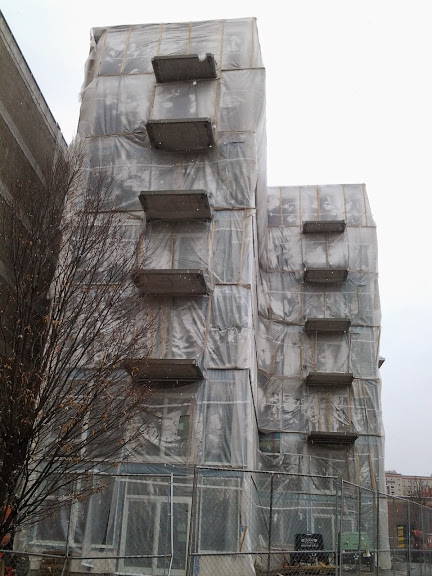
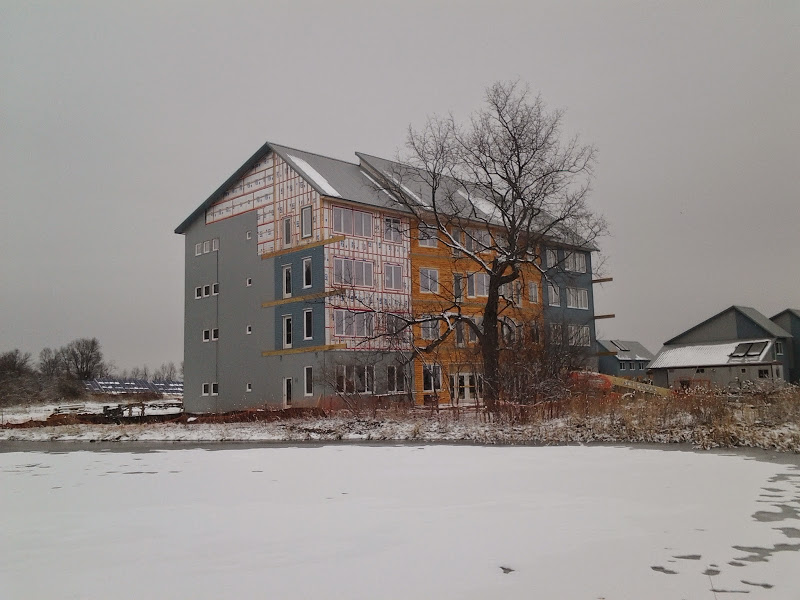
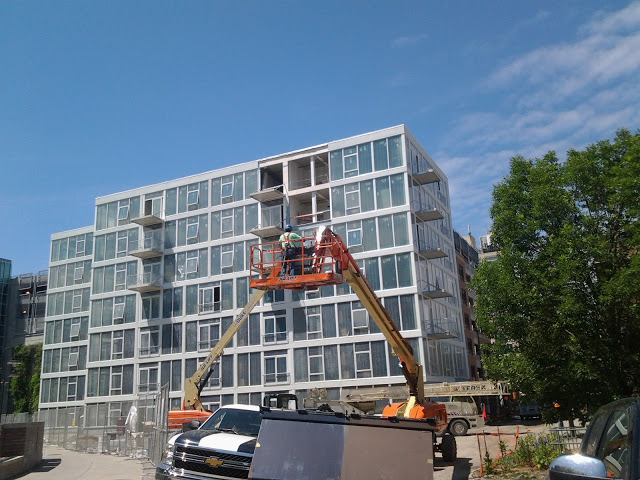
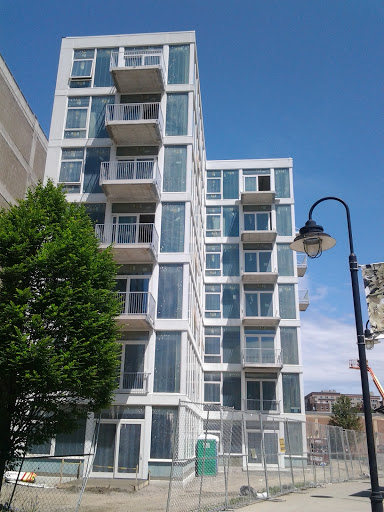
It won’t be long now, this project is in the home stretch. The protective plastic wrap is off and the product is almost ready to hit the market. The work at the “Lofts@Six MileCreek” site is mostly interior finishing at this point. A few of the exterior panels/window glazing had yet to be finished in these photos from last Friday, but a glance at the project’s facebook page shows that the windows have been installed, but the panelling has yet to be hung. Some other exterior finishes, such as balcony railings, are only partially completed as of now. A formal opening by late summer seems likely, thus completing the last phase of a 15-year project.

Looking at the rental agreement, tenants are allowed to have pets (for a $500 refundable fee and a $50 monthly rent surcharge), no more than two tenants may share a bedroom, and income is expect to be three times rent. 12 month leases only, 1 month’s rent as a security deposit.

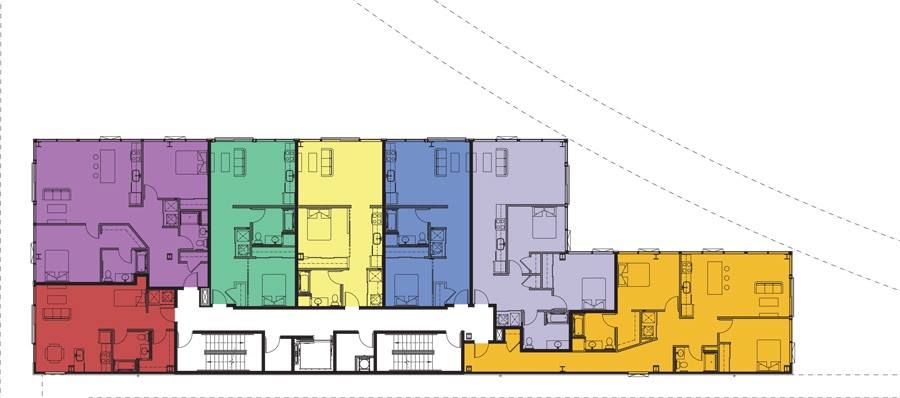
With rents ranging from $1,220/month and up, that means that the minimum a tenant can make and live in the building is $43,920/year. A top end 2-bedroom unit, at $2,655/month, requires $95,580/year. The three studios range from $1,220-$1,460/month, one-bedrooms from $2,160-$2,355/month, and two bedrooms from $2,095-$2,655/month. There’s no doubt these are premium prices, and as discussed in the last update on this project, that’s not necessarily a bad thing for everyone else.

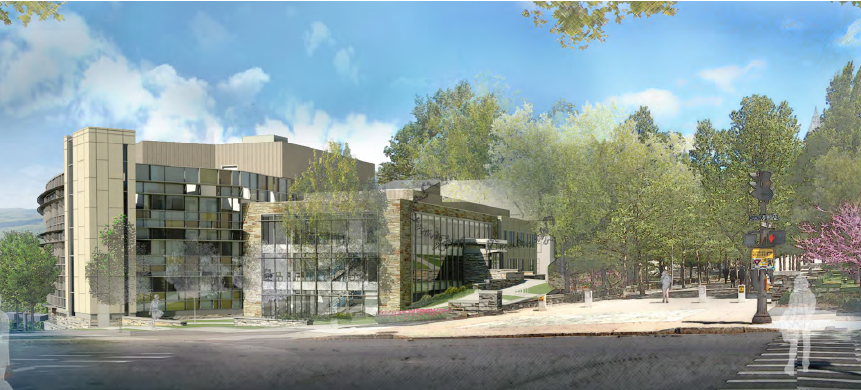
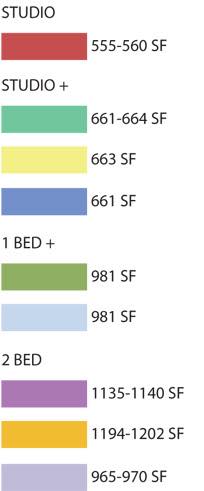
The Lofts at Six Mile Creek project consists of a a 7-story, 49,244 square foot structure that will contain 45 rental apartment units: 3 studios, 21 1-bedroom and 21 2-bedroom units. The building is being developed by Bloomfield/Schon + Partners out of Cincinnati, and construction is being handled by Turnbull-Wahlert Construction, also based in Cincinnati.

Leasing is being handled by CSP Management, and interested readers can apply for an apartment here or call 607-277-6961 if they feel so inclined. Questions can be directed to info@IthacaLofts.com.

20150605_114748 20150605_114809 20150605_114830 20150605_114902 20150605_114923 20150605_115108

cayugaplace_v5


202 Eddy Street Construction Update, 6/2015

9 06 2015

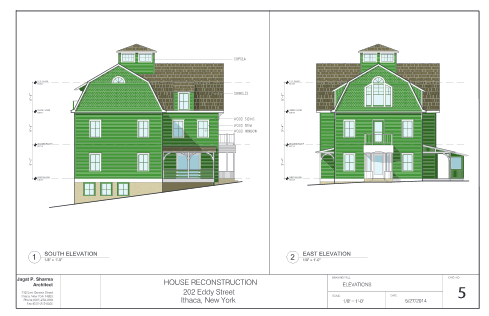
Work is progressing at 202 Eddy Street in Collegetown, where a reconstruction is underway to replace a historic building destroyed by fire in March 2014. Owner/developer Nick Lambrou announced plans to rebuild on the site shortly after the fire, with every intent of capturing the original home’s character. Being a part of the East Hill Historic District, the design of the replacement structure had to be approved by the Ithaca Landmarks Preservation Council (ILPC). After thorough review, the ILPC approved plans for a new 12-bedroom apartment building that completely replaces the fire-damaged building.

The new structure is a faithful interpretation of the original building, though it’s not an exact copy. An entrance door was repositioned, exterior emergency stairs will be internalized, and a chimney will not be rebuilt, but otherwise, its a close approximation of the original 19th century home. The architect is Ithaca-based Jagat Sharma, who has previous experience from the reconstruction of Sigma Pi’s house when it burnt down in 1995.

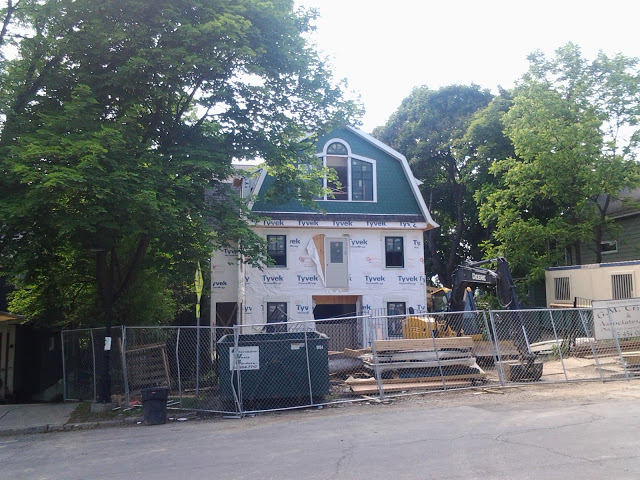
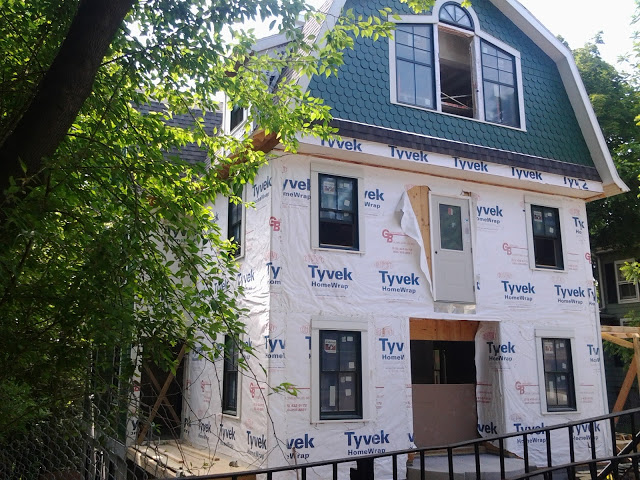
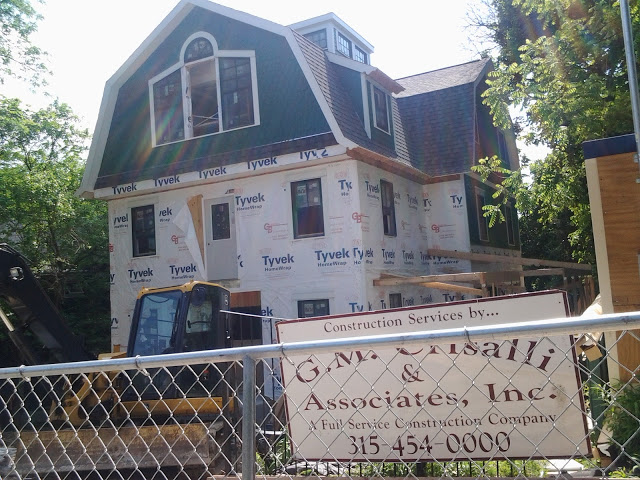
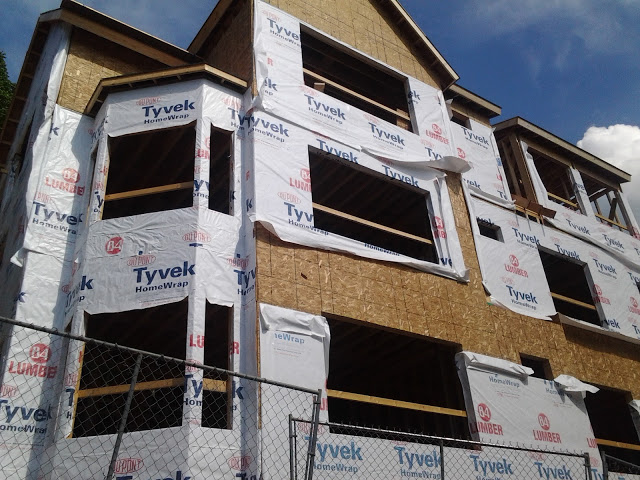
In these photos from Friday, most of the windows at least one of the doors have been fitted, and the exterior plywood is sheathed in Tyvek. The third floor, with its distinctive cupola, gives us a preview of the trim and siding – HardiePlank lap siding and half-round shingle siding, both in shades of green reminiscent of the original house, and “Arctic White” trim boards. Looking through the third floor window, there might be some drywall hanging underway, and judging from the first floor rough door opening, the interior lower floors may still be rough-ins phase.

202 Eddy is on the agenda this month by the ILPC; the council will conduct an inspection of materials just to make sure all is in good order, and as a prerequisite for issuing a Certificate of Appropriateness in July.

County records indicate the cost of construction is estimated at $750,000. Plans call for the new building to be completed and ready for occupancy by August, in time for the fall 2015 semester.

20150605_155608 20150605_155636 20150605_155702 20150605_155712

202_eddy


707 East Seneca Street Construction Update, 6/2015

8 06 2015

In and near the Collegetown neighborhood, several smaller construction projects are currently underway. One of those is 707 East Seneca, an urban infill project in the East Hill Historic District. Since the project was located in a historic district, the design had to go through the Ithaca Landmarks Preservation Council for approval, along with getting approval from the planning board, and the zoning board for an area variance (the lot was too small). After informational and voting meetings by different boards throughout the fall and winter, all the approvals were granted.

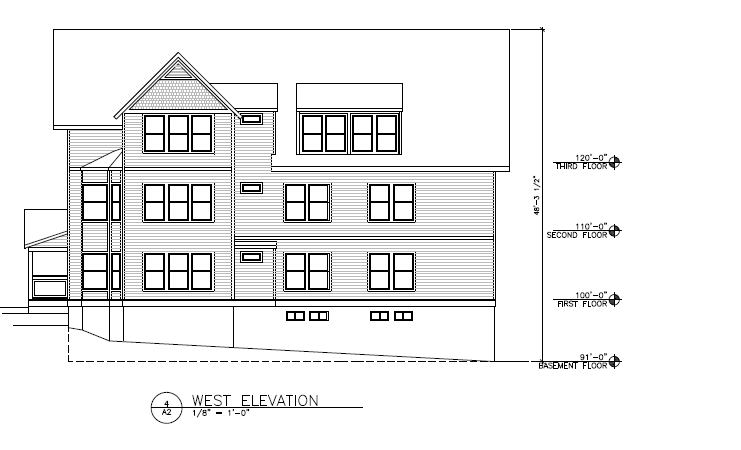
The design of the 3-story building is intended to be compatible with the historic homes from the late 1800s and early 1900s that surround the site. 707 East Seneca was originally the playground area for the now-closed East Hill School, and the lot was given to the city in 1982. The property fell into disuse, and the playground into disrepair.  The city voted to put the lot up for sale through the Ithaca Urban Renewal Agency (IURA) in summer 2014, and the vacant lot was sold for $130,000 last December. A building loan agreement filed with the county last Friday estimates the total “hard” construction cost for the building at $752,350. Hard construction costs leave out legal fees, permit fees, and other costs not directly related to construction.

When completed, the apartment building will have 6 units and 18 bedrooms. Four garage parking units will be located under the building and tucked into the hillside, in addition to five surface parking spaces. The building is expected to be completed before students return this August.

Note for the included renders, the black-and-white image with the small basement windows is the final design, but the colors are the same as the lead rendering.

In these photos taken last Friday, it appears that the building has been faced with plywood, topped out to its final storey and roofed. The exterior walls have been almost fully wrapped with Tyvek water barrier wrap. Some interior framing can be seen from the outside.

The design of the building is by Schickel Architecture of Ithaca, and the developer is Ithacan Todd Fox.

20150605_160815 20150605_160833 20150605_160902 20150605_160918 20150605_160932

707_E_Seneca_2

707_E_Seneca_rev1_1


News Tidbits 5/23: Cast A Discerning Eye

23 05 2015

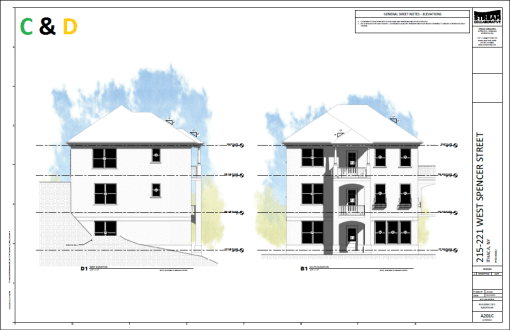
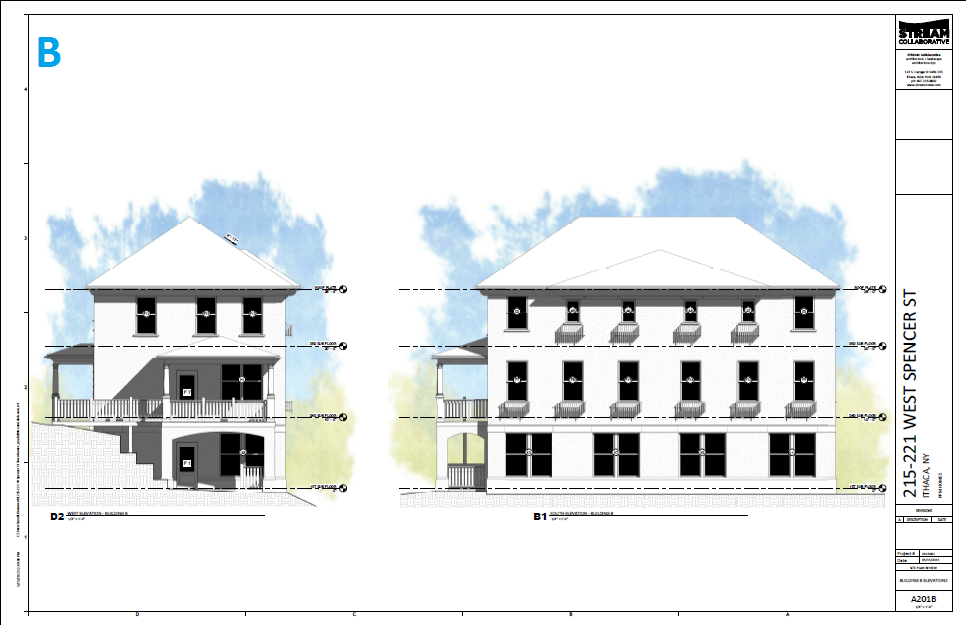
1. Starting off this week’s round-up, here are some new renders of PPM Homes’s apartment project proposed for 215-221 West Spencer Street just south of downtown.

215-221_spencer_v2_1

215-221_spencer_v2_2

215-221_spencer_v2_3

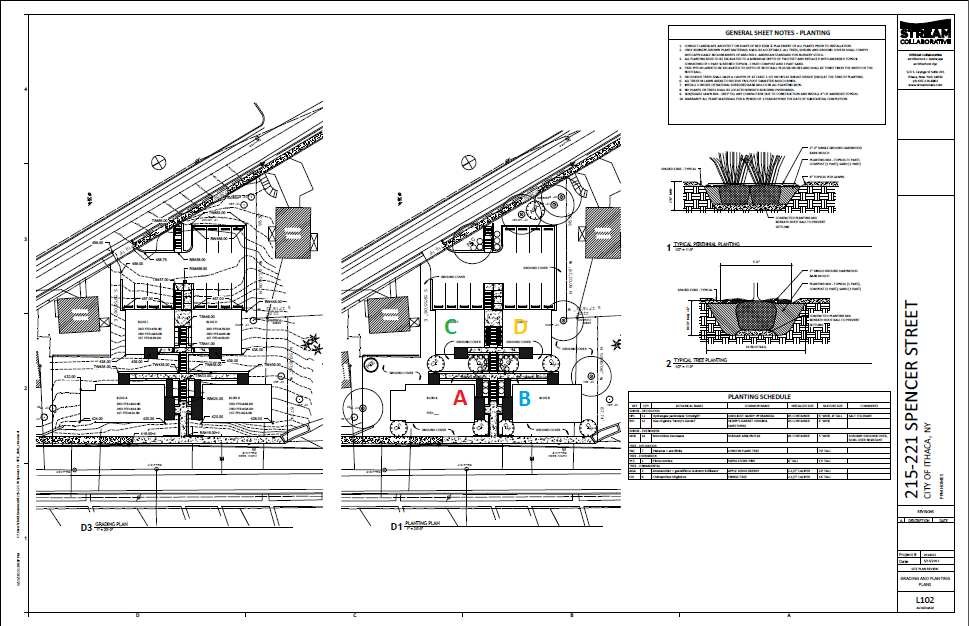
Note that C & D are the same design, but mirrored. The general forms are pretty much the same as the original sketch plan, but the porch and windows have been altered and the rooflines have been tweaked on A and B to give the Spencer Street facade a little more visual interest.

The 12-unit, 4-building project is being described as a “pocket neighborhood”. The two upper buildings closest to West Cayuga will have three two-bedroom units here, and the lower buildings facing West Spencer have a combined four two-bedroom units and two three-bedroom units, for a total of 26 bedrooms in the project. 12 parking spaces are provided as required by zoning. The owner is looking into remote net-metering of an off-site solar panel installation to provide all of the project’s electricity needs. The site will launch into the formal planning board review process next month.

The steeply-sloped 0.47 acre parcel has been vacant for several years, and currently sees use as an informal 12-space parking lot. The property was originally marketed for affordable housing projects only, but received no purchase bids. Once the affordable stipulation was removed, the parcel was marketed once again, and Ed Cope bought the parcel for $110,000 on March 6th.

The building designs are the work of local architect Noah Demarest of STREAM Collaborative.

215-221_spencer_v2_4

Random aside, I just found out that PPM’s Ed Cope is a Cornell biologist. And here I thought writing this blog and being an air quality scientist was an interesting contrast.

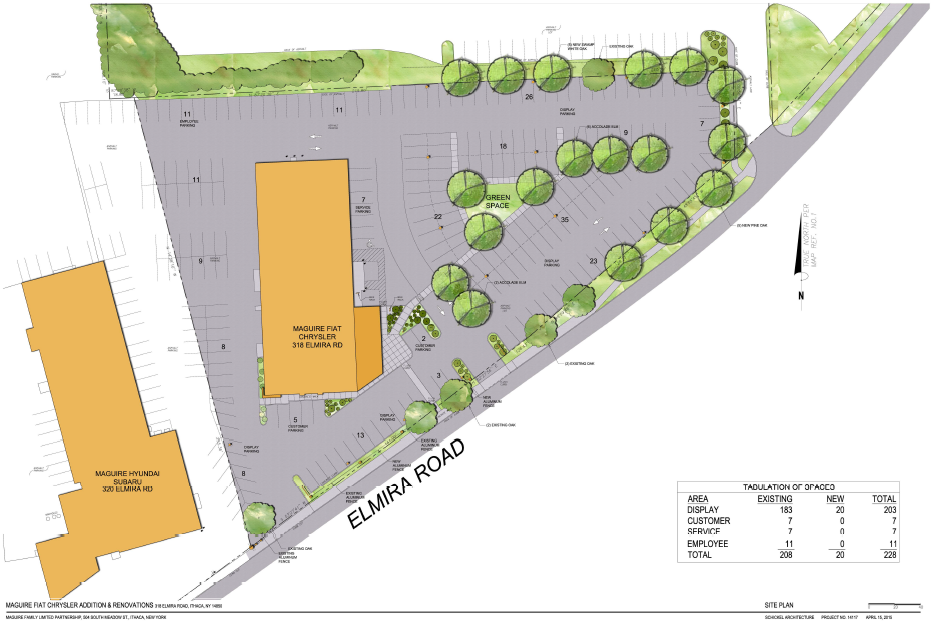
2. There might have been a day in not-too-distant past where someone said, “You know what Ithaca needs? Mini-golf.” Apparently someone heard those wishes. the Town of Ithaca’s Planning Committee will be looking at a possible zoning modification down near the intersection of Elmira Road and Seven Mile Drive that would allow a mini-gold establishment to move forward.

Stretching my memory here a bit, I seem to recall a mini-golf place up by Trumansburg, but if my google search is any indication, it closed a couple of years ago. I suppose there’s a niche to be filled.

Now comes the question of, “Does this fit with the town’s new Comprehensive Plan?” Here’s the description the town proposes for the Inlet Valley Gateway, including the area in question:

The Inlet Valley Gateway district is intended to be a setting for a mix of office, small-scale retail, hospitality, and tourism and agritourism uses, with low-impact light industrial, artisanal industrial, and skilled trade uses.
The scale, architecture and landscaping of future development will need to be carefully designed and articulated.

This area should retain a semi-rural character, with deep setbacks from arterial streets, wide spacing between uses, landscaped front yards, and vehicle parking sited on the side and/or rear of structures. Shared curb cuts will reduce potential conflicts with highway traffic. Sidewalks should follow streets, with connections to adjacent areas planned for residential development. Architectural design, landscaping, and site planning regulations should apply to all uses in this area, including industrial uses. Agglomeration of mechanical commercial uses, and incremental expansion of commercial zoning resulting in strip commercial development, will be strongly discouraged.

It sounds like that if the site is designed right, it could be a good fit. Probably a better fit than the Maguire’s dealership/HQ plan that was shelved a few months ago.

20150516_141049 20150516_141110

3. Here’s a couple of photos of the new duplex being built at 514 Linn Street. Each unit will be 3 bedrooms, and the apartments will be completed this summer. The building is being built on the foundation of the previous home that existed on the site, which dated from the late 1800s and was a near-copy of the peach-colored house next door. 514 Linn is being developed by the Stavropoulos family, who run the State Street Diner.

texas_roadhouse_v3_1

4. In an effort to win over the city, Texas Roadhouse is tweaking their proposed restaurant off of S. Meadow/13. Latest render here. Members of the planning board have previously expressed concerns that the original design had the entrance facing northward into the parking lot rather than the street, and that not enough attention was being placed on the street-facing west side. If the render is any indicator, the modified proposal still has a primary entrance on the north side of the building, but the street-facing side has a handicapped entryway, and the landscaping has been spruced up. Dunno if it’s what the board quite wanted, but they’ll decide if it’s good enough during their meeting next week.

dryden_south_rev_1

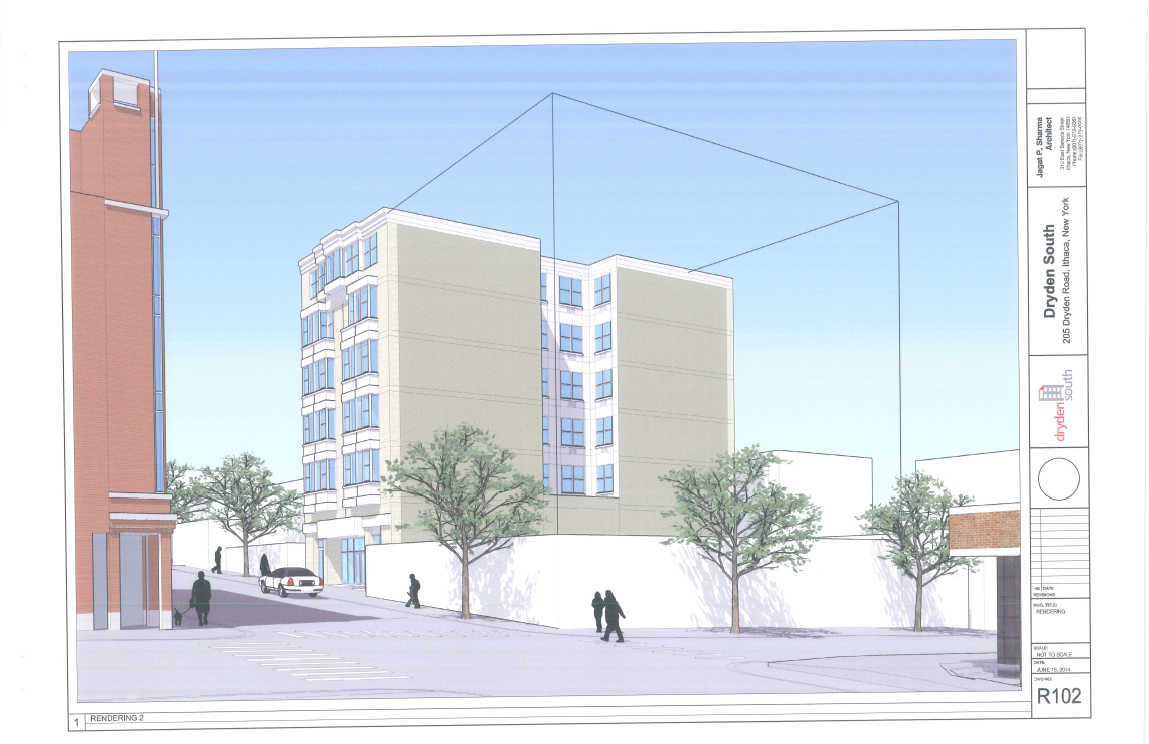
5. Looks like Pat Kraft’s Dryden South project (205 Dryden) has a website up and running. The 10-unit, 40 bedroom project will start site clearing in a few weeks, with excavation/foundation work going through the summer (according to an interview conducted by the Sun, Kraft hopes to have structural steel rising by the time students get back in late August). The 6-story, 65′ building will house Kraftee’s on its first floor, with two units of four bedrooms each on each floor above. units will be available for rent starting next August.

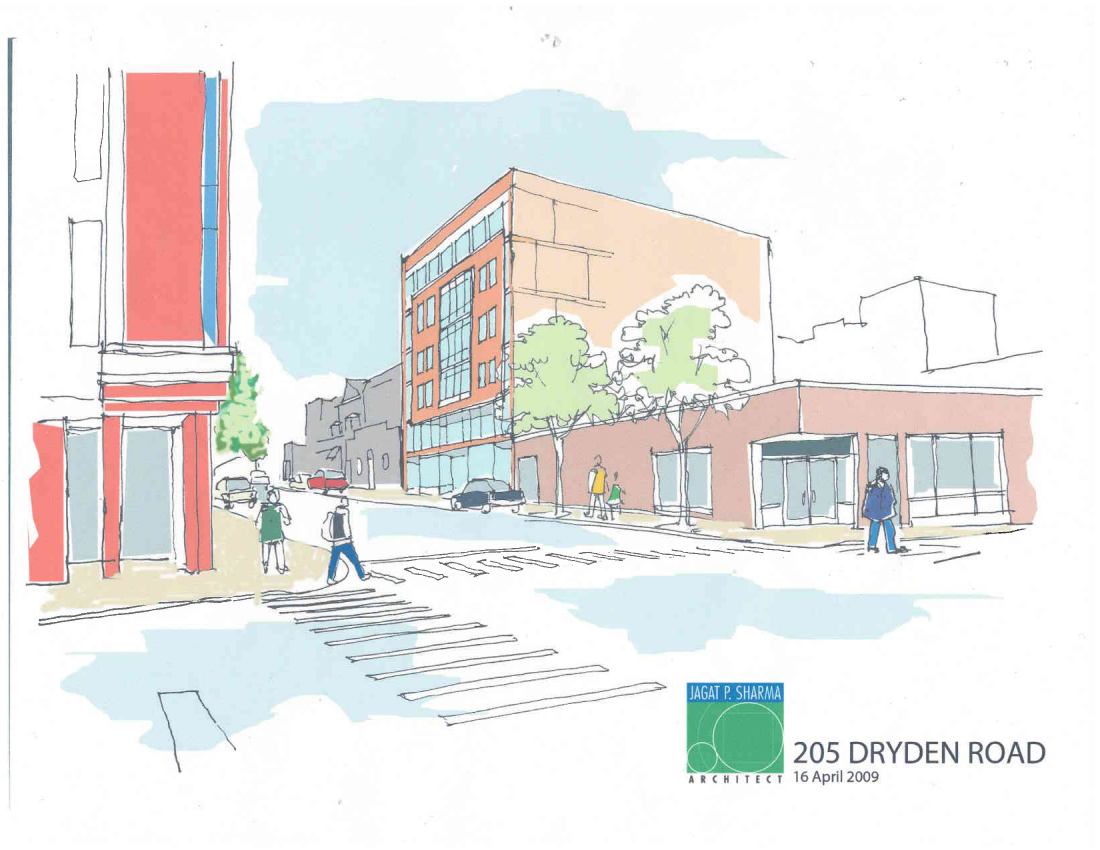
Dryden_south_2009_sketch

A neat little detail from the site is this old conceptual sketch done by Jagat Sharma for the site. Note the April 2009 date at lower right; this project has been in the planning stages for years, even though it only hit the Planning Board last Spring. On a personal note, I’m glad this hulking box didn’t end up being the final design.
simeons_v2_1 simeons_v2_2

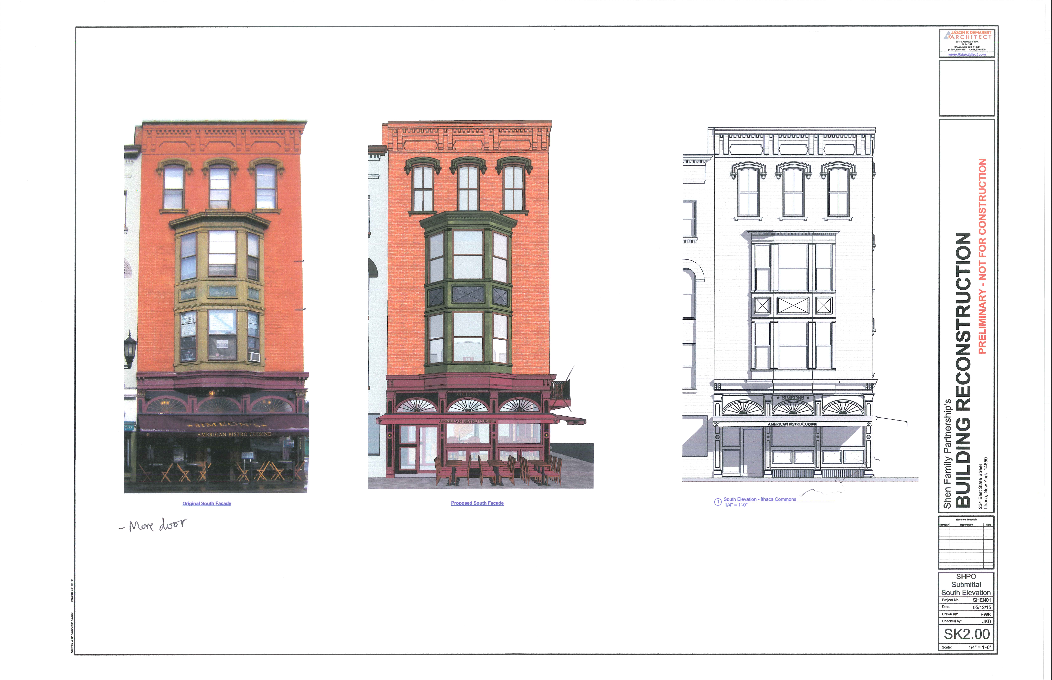
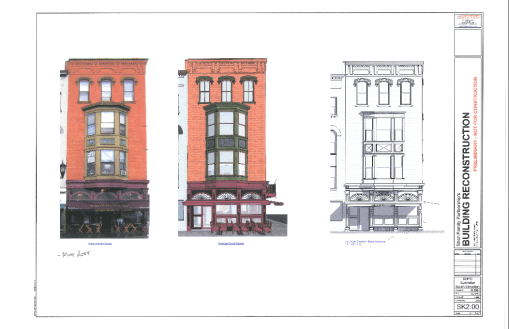
6. For those interested in what’s going on with Simeon’s, here’s an updated sketch design of the rebuild, courtesy of the Ithaca Landmarks Preservation Council (ILPC). The somewhat controversial side balcony/overhang is gone. About the only major difference between the original entrance and the rebuild is the location of the front door, which is now on the left (west) side instead of being in the center.

7.. Looks to be a quieter meeting for the planning board this month. No new sketch plans, and only one project, Texas Roadhouse, is being considered for approval. Here’s what’s up for discussion at Tuesday’s meeting:

IA. A minor subdivision to create a new home lot a 212 Hook Place on West Hill.

IB. A minor subdivision to divide a property on Hector Street on West Hill. The sisters applying for the subdivision are splitting the land among themselves but intend to keep both lots “Forever Wild”.

IIA. 210 Hancock gets its public hearing and possibly its Determination of Environmental Significance (which if okayed means that the project can be considered for prelim approval in June). I’m hearing there might be opposition mobilizing against the project. Given how transparent the whole design process has been, and that this is affordable housing in an urban area that struggles with housing costs, I’m going to be very, very disappointed if this happens.

B. Texas Roadhouse is up for Determination of Env. Signif. and possible Prelim/Final Site Plan Approval

C. Tompkins Financial’s new HQ will be reviewing parts of its Environmental Assessment Forms; no decisions expected

D. Declaration of Lead Agency (Planning Board agrees to conduct review) for the Maguire Fiat addition.

The board will also be conducting a review of State Environmental Quality Review (SEQR) forms used in determining environmental significance.



Boiceville Cottages Construction Update, 5/2015

20 05 2015

With three months filed away since my last trip out to the Boiceville Cottages, it seems like a good time for an update.

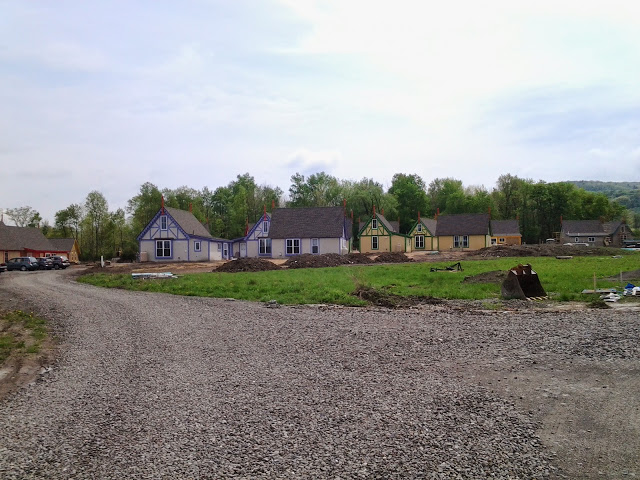
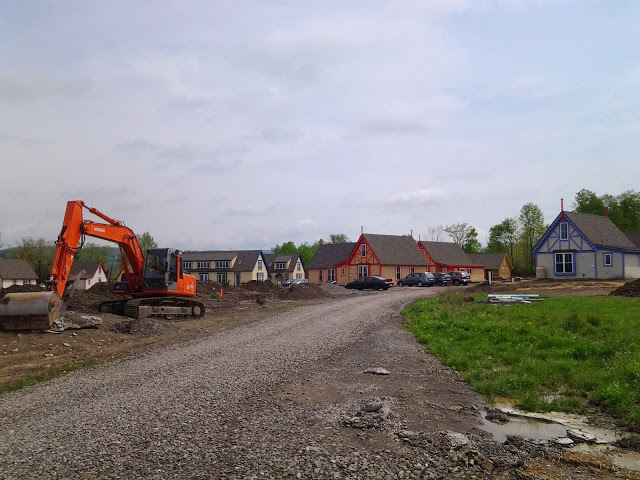
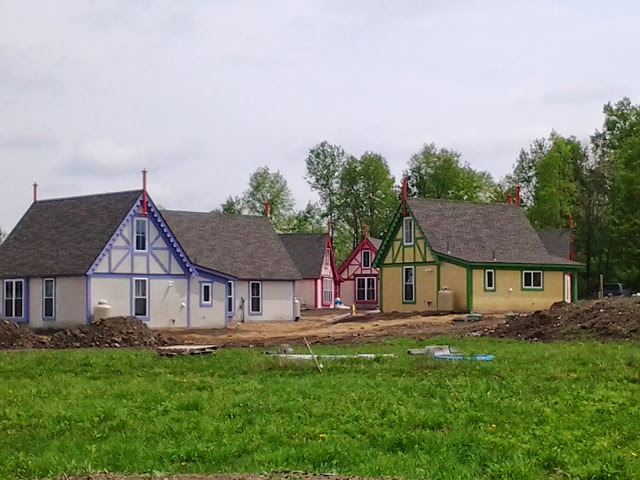
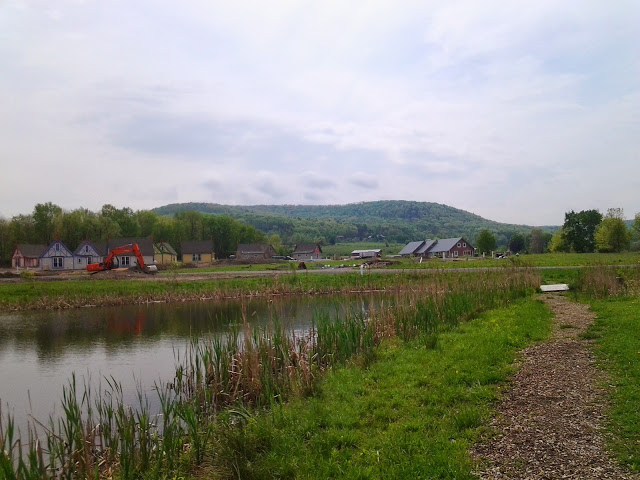
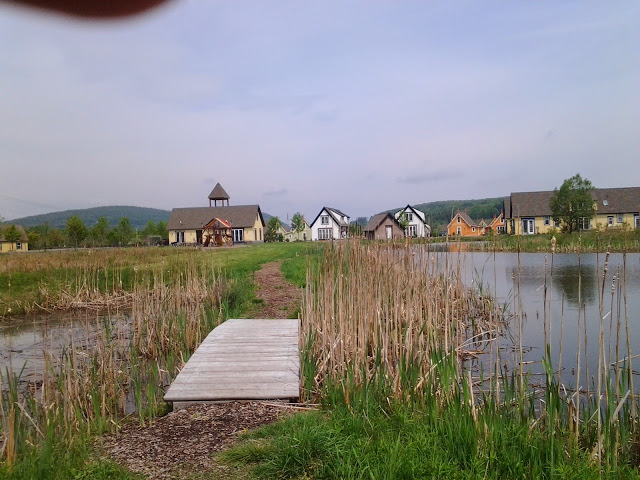
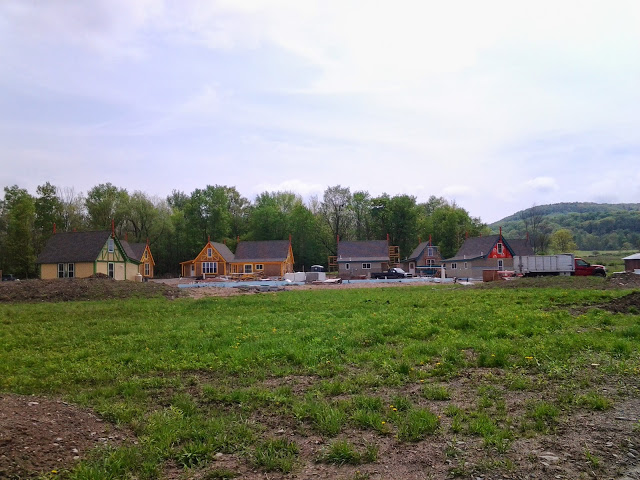
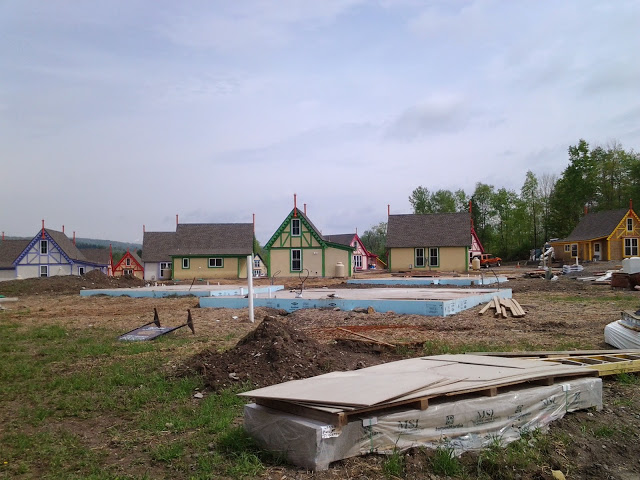
The pace of construction has picked up with the onset of the warm half of the year. The stucco homes with pea green timber trim have been completed. Three homes that were sheathed and had only a few windows fitted in February have progressed have now been fully fitted, stucco has been applied, and an attractive canary yellow timber trim is being attached to the new homes. Four more homes (stucco with teal timber trim) have started since last February, and these are not as far along – some of the red waterproof sheathing is still visible while the exterior finishes are being applied. Three concrete slab foundations, outlined with blue waterproofing (the covering might be for cement board being used to protect the slab insulation) are ready for new house construction in the near future. Suffice it to say, given the amount of disturbed land nearby, more slabs and more homes are a likely bet as we press on towards summer. So far, there looks to be at least 17 units completed during this calendar year.

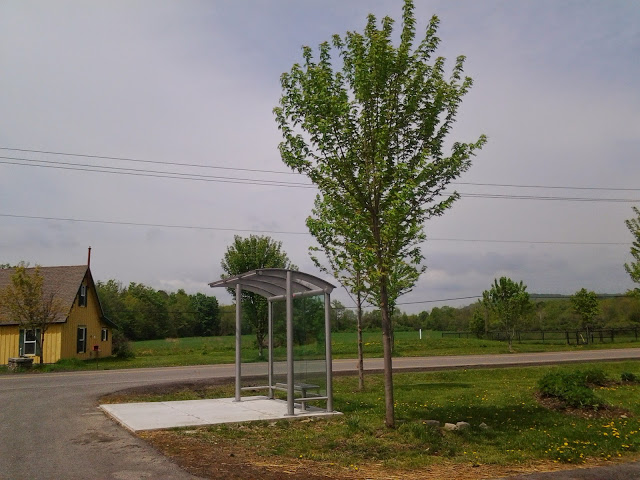
A couple more community features have also been added – a small wooden footbridge now crosses the neck of the pond, and a simple, modern looking bus stop shelter has been built near the meeting house.

Boiceville is in the midst of a 75-unit expansion, which will bring the number of units on the property to 135. Most of the units are 1 and 2-bedroom cottages, built in clusters of three, although a few “gatehouse” rowhouses offer studios and 3-bedroom units. The initial 24 units were built from 1996-97, with another 36 units built in the late 2000s.

20150516_112107 20150516_112121 20150516_112214 20150516_112222 20150516_112226 20150516_112321 20150516_112326 20150516_112403 20150516_112416 20150516_112422 20150516_112526 20150516_113015

20150516_111920 20150516_111924 20150516_111928 20150516_112031 20150516_112107


Klarman Hall Construction Update, 5/2015

19 05 2015

Since the last update on Klarman Hall in February, the snow has melted and East Avenue has been reopened to all vehicular traffic. Construction firm Welliver has been pouring concrete on the upper floors and the structural steel has been erected. Concrete pre-cast has been installed on the atrium-facing portions of the top floor, with bright green glass-mat sheathing visible on some of the panels. Within these panels, the window cutouts are visible, and as seen in the last photo, windows have already been installed on the south block facing into what will be the atrium. Windows will be installed in the north block shortly. To hoist these panels into place, a telescopic crane is used.

Less visible to the outside observer, interior wall framing is underway on the upper levels, with utilities rough-in continuing, and some drywall installation underway in the more complete areas. Openings have been created in Goldwin Smith’s rotunda (where people will flow in and out of Klarman’s atrium), and the sub-slab (the concrete below the new floor) is being poured.

The long-term construction schedule calls for window glazing (exterior glass wall installation) and drywall to be complete by the end of June. The atrium skylight glazing will take place during the summer, the elevator will be installed by August, and the green roof will be prepared just as the fall semester kicks in. Klarman Hall will open its doors to the public in December if all goes to schedule.

The 33,250 sq ft building was designed by Koetter | Kim & Associates, and is named for billionaire hedge fund manager Seth Klarman ’79. The cost of the new building, which began construction in May 2013, is estimated at $61 million.

20150516_143414 20150516_143445 20150516_143458 20150516_143530 20150516_143603 20150516_143644 20150516_143702 20150516_143751


Gannett Health Center Construction Update, 5/2015

18 05 2015

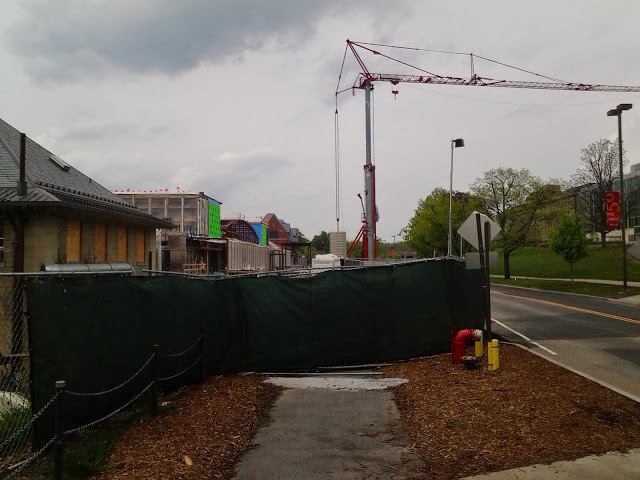
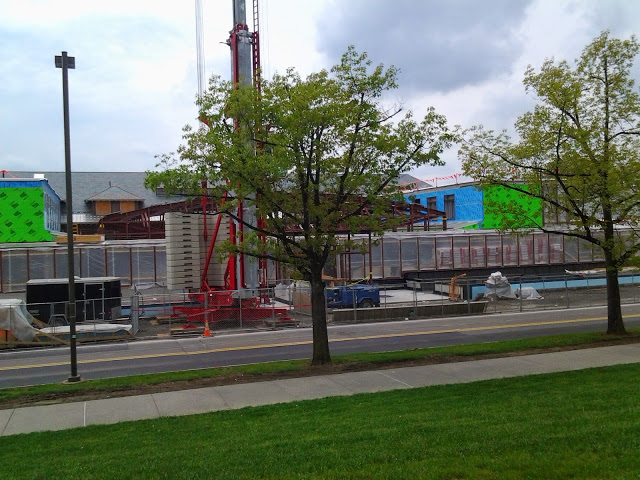
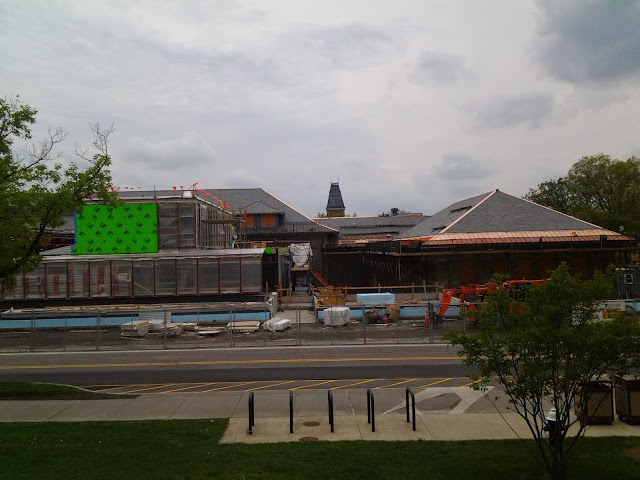
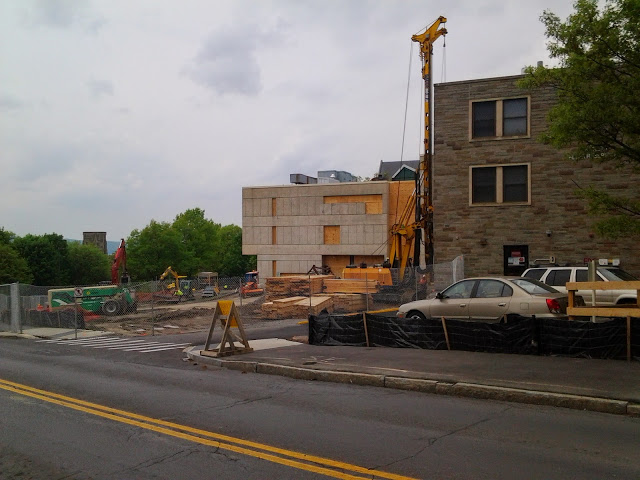
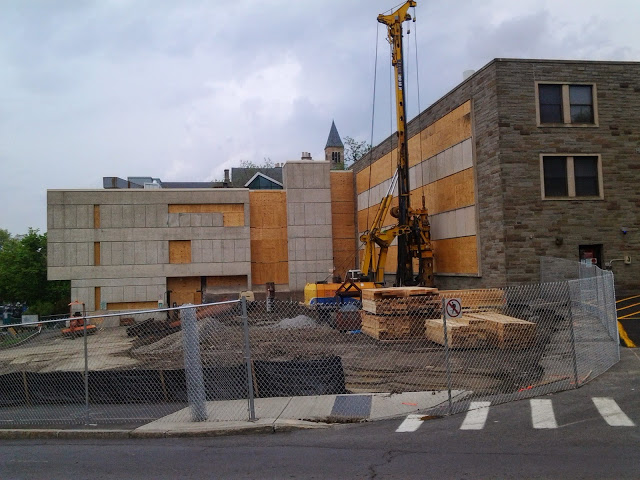
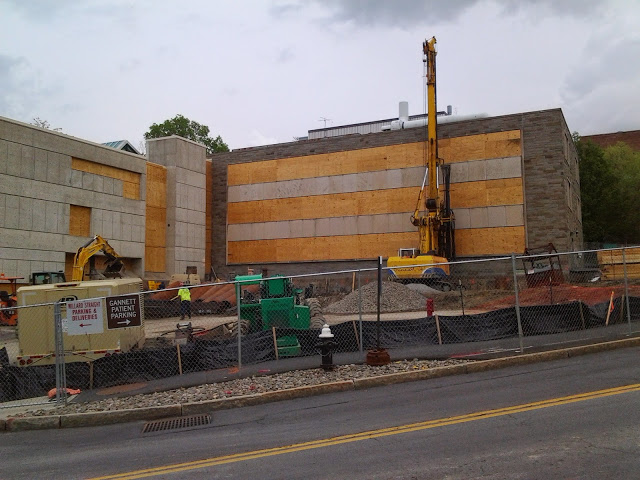
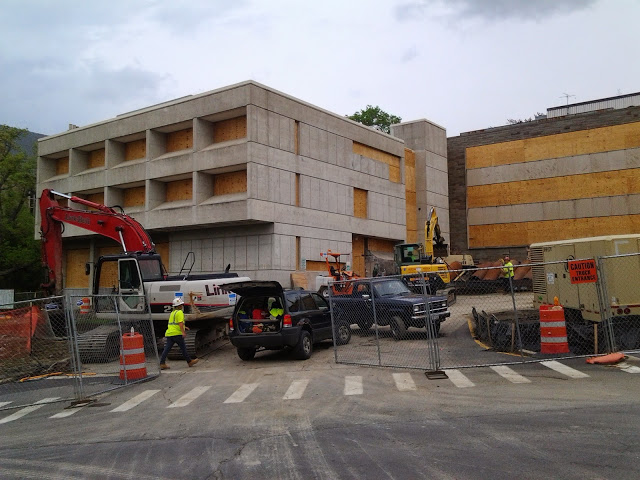
Construction on the Gannett Health Center addition officially launched March 30th, and now that a couple of months have passed, visitors can see some real progress has been made at the site. The photos below were taken last Saturday.

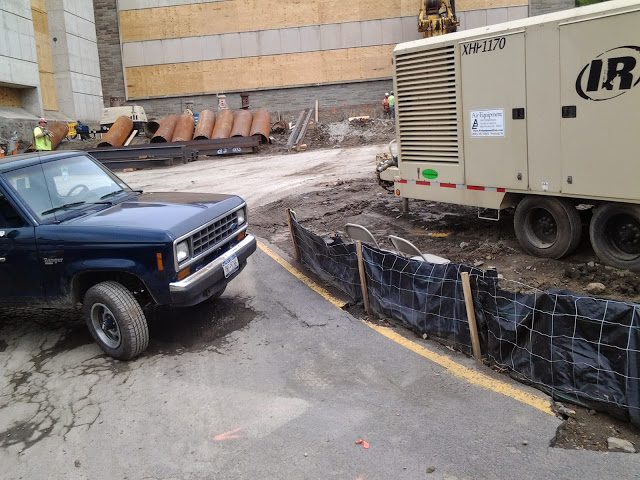
Perhaps the most obvious visual impact is the plywood in the old window spaces, presumably for protection of occupants while work goes on only a few feet away.  The large machine against the southwest wall of Gannett is a pile driver, inserting poles into the soil to provide foundation support for the new building. More specifically, the poles are H piles, also known as bearing piles, which you can in the last photo on the left. The large metal tubes in the last photo are caisson pipes that will be socketed to the bedrock and filled with concrete. These are numbered and are going to be inserted right next to the existing building, according to the construction workers I spoke with at the gate. Feel free to ask the workers questions if they don’t have their hands full, most are more than happy to talk about their work.

Although the photo of the hole itself seems to have been accidentally deleted, the excavator on the west side of the site is being used to dig out a rather large, deep hole where further foundation work/pile driving will take place.

Construction at Gannett will be broken into phases – Phase I focuses on new construction, Phase II on renovation of the current building, and Phase III concludes the project with reconstruction of the Ho Plaza entrance. Phase I is expected to be complete by July 2016, and Phase II by August 2017. The whole project is expected to be complete by October 2017.
The building design is by local architecture firm Chiang O’Brien, with landscaping by Trowbridge Wolf Michaels Landscape Architects. There will be two additions to Gannett, a four-story, 55,000 square-foot building (which will use the H-piles seen below), and an additional 18,600 square foot addition that replaces the northeast side of the current building. The project also includes a new entrance and substantial renovations to the original 1950s structure (22,400 square feet of the existing 35,000), as well as landscaping, site amenities, and utilities improvements. The projected cost is $55 million.

The Gannett Health Center expansion has been a long time coming. Initial plans in the late 2000s called for a completely new building on site. HOLT Architects prepared a plan for a 119,000 square foot building, and an all-new building was also included in Cornell’s 2008 Master Plan. But once the Great Recession waged its battle on Cornell’s finances, the Gannett redevelopment was scaled back to its current form. According to a statement given by Gannett Director Dr. Janet Corson-Rikert to the Sun, the earlier plan had a budget of $133 million; the new addition and renovations are expected to cost $55 million.

The project is expected to create about 175 construction jobs and 40 permanent jobs (additional doctors, counselors and support personnel) when completed. Gannett currently employs 227, up from just 104 in 1996.

20150516_142534 20150516_142551 20150516_142606 20150516_142632 20150516_142643 20150516_142907

gannett5 gannett2


Lofts at Six Mile Creek Construction Update 4/2015

22 04 2015

Heading back to downtown again, the “Lofts@SixMileCreek” (no spaces? no spaces…) apartment project is plodding away towards its anticipated late summer completion. From the outside, there’s been progress under all that protective plastic wrap – the first five floors have had their exterior walls framed and glazed (glass wall installation). The top couple of floors should be sealed up in short order.

According to an update from Jason at Ithaca Builds from the start of the month, walls and utility rough-in was underway inside the top floors, and drywall hanging and finish-work was beginning on the lowest floors of the apartment building. The Downtown Ithaca Alliance recently scheduled visits to the unfinished units as part of its Downtown Living Tour last Saturday.

Perhaps the most controversial thing about this project was when the rents were released at the start of the month – prices range from $1,220/month for a studio to $2,655/month for the largest two-bedroom on the upper floors. That got a lot of attention on the Ithaca Voice’s Facebook page, and much of it wasn’t good.

Jeff Stein, the Voice’s editor, followed up with an editorial saying that the criticism misses the point, the best way to alleviate the affordable housing crisis is to bring new units to the market at all income levels, which increases competition among landlords. Although I didn’t have a hand in the editorial, I support every word of it. Rents are high for this project, without a doubt. But the city not only needs units specifically for affordable housing, but units that will create competition for Ithaca’s burgeoning renter population.

With more units to better satisfy demand, landlords won’t be as able to charge premium prices on subpar units – inferior products will more likely be vacant. There would be a market push for owners to either upgrade their units to maintain a certain price point, or downgrade their prices to more affordable segments. Whether or not Ithaca will ever be able to get to that ideal balance between supply and demand is another story.

The Lofts at Six Mile Creek project consists of a a 7-story, 49,244 square foot structure that will contain 45 rental apartment units: 3 studios, 21 1-bedroom and 21 2-bedroom units. The building is being developed by Bloomfield/Schon + Partners out of Cincinnati, and construction is being handled by Turnbull-Wahlert Construction, also based in Cincinnati.

20150405_133449 20150405_133946 20150405_134010 20150405_134051 20150405_134118

cayugaplace_v5

10917333_314783998711665_7443965770647794346_n 10378252_313975992125799_95913780193412415_n


Ecovillage Construction Update 4/2015

21 04 2015

Up on West Hill in the town of Ithaca, work progresses on the “Common House” apartment building for EcoVillage’s third neighborhood, called TREE (Third Residential Ecovillage Experience, following its first two, FROG and SONG). Since the end of December, exterior finishes have made their way onto most of the 4-story building; offhand it looks like some type of composite siding along with wood paneling, which adds character and brightness to the building’s otherwise muted appearance. Some sections have yet to be exterior finishes applied, and the housewrap is still visible. Balconies are being built on the northwest corner, but have yet to begin installation on the southeast corner.
The Common House will hold about 15 units, ranging from studios to 3-bedrooms. My previous back of the envelope calculation suggests 25-30 bedrooms in the building. When the Common House is finished later this spring, the TREE neighborhood, with 25 owner-occupied homes as well as the 15 apartments, will be complete, two and a half years after the first homes started construction.Planning for the TREE neighborhood began in 2007, but financial setbacks and the late 2000s recession resulted in an extended incubation and planning process, including a revision that increased the number of housing units from 30 to 40.

Construction is being handled by a local firm, AquaZephyr, which received an award from the U.S. Dept. of Energy for a “zero energy ready” home constructed as part of TREE. The designs of the Common House and houses are the work of California architect Jerry Weisburd.

20150405_143828 20150405_143852 20150405_144000 20150405_144052 20150405_144116


206 Taughannock Construction Update, 4/2015

17 04 2015

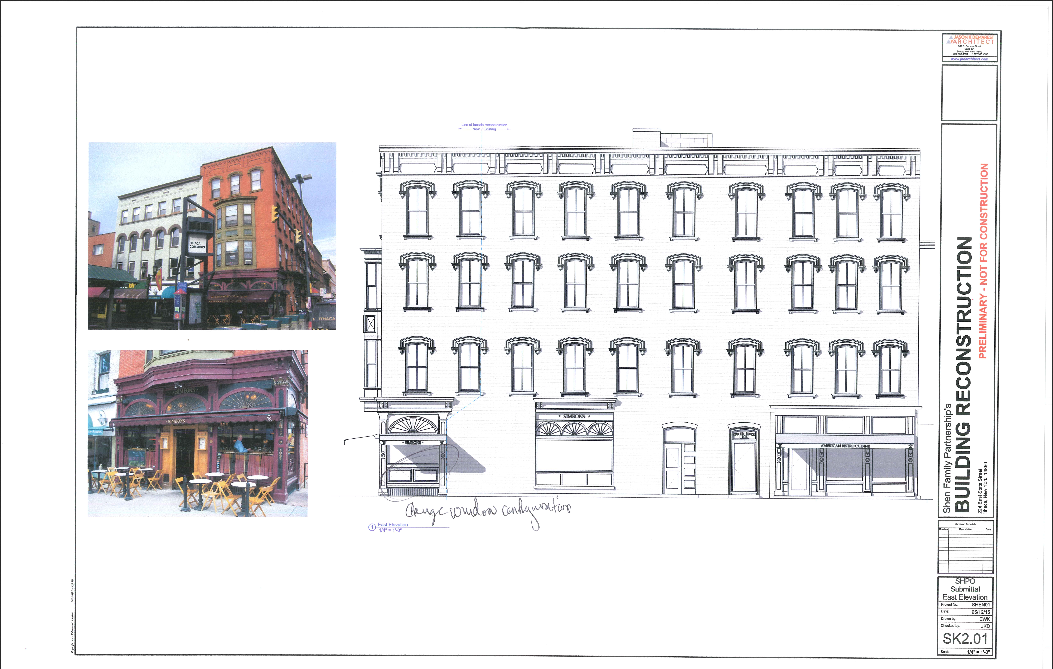
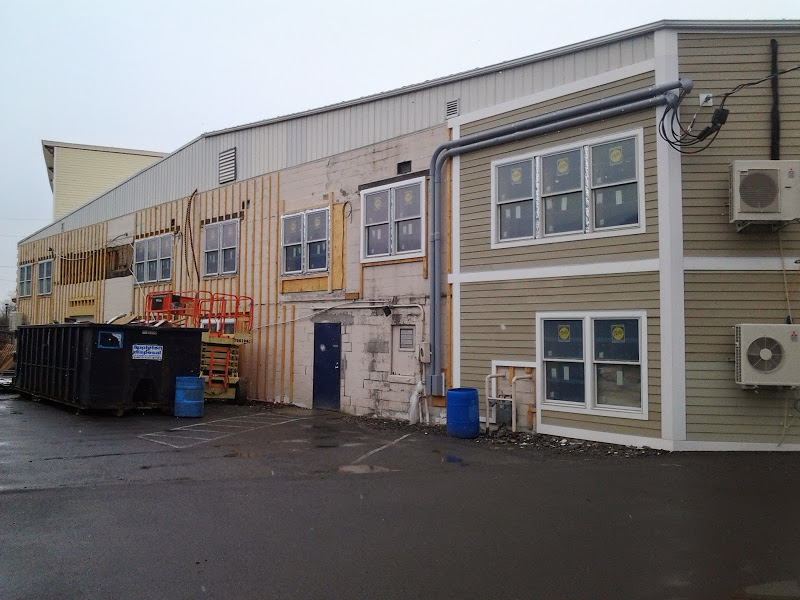
Work has progressed at the site of the apartment project at 206 Taughannock Boulevard on Ithaca’s Inlet Island, where seven apartments and office space are being built from the gut renovation of a furniture store and warehouse. The changes on the exterior have been slow, but given this past winter, the focus of the past few months has probably been on the interior space.

Since November, a little more siding (best guess, fiber cement/Hardie board) had been installed on the exterior, and the industrial steel siding at the front side of the roof has been replaced with an irregularly-shaped plywood-and-housewrap structure. Looking at the window spacing, siding and trim boards already applied to the front of the building, this rooftop re-do is likely intended to break up the bulk of the old warehouse by giving the impression of individual buildings within the greater structure. It could look nice or it could look clunky, we’ll have to wait and see.

206 Taughannock was until 2014 the site of the Unfinished Furniture Store (otherwise called the “Real Wood Furniture Store“) owned and operated by the Zaharis family. From the county records, the building itself is a 9,156 sq ft structure originally used for retail and warehouse space and dated to sometime in the 1970s. The store closed last April when its owners retired, and a building permit issues a few months later. Photos of the store before renovation can be seen here at Ithaca Builds. Perhaps the biggest loss in this renovation is the removal of a rather attractive mural from the front of the structure.

20150405_142011 20150405_142023 20150405_142140

Next door, work continues on a satellite office for the Ithaca Police Department in the ground floor space of the former Lehigh Valley House, now a six-unit condominium. The Lehigh Valley renovation was done by local developer Tim Ciaschi, with design work by local architect Claudia Brenner.

20150405_142152 20150405_142305

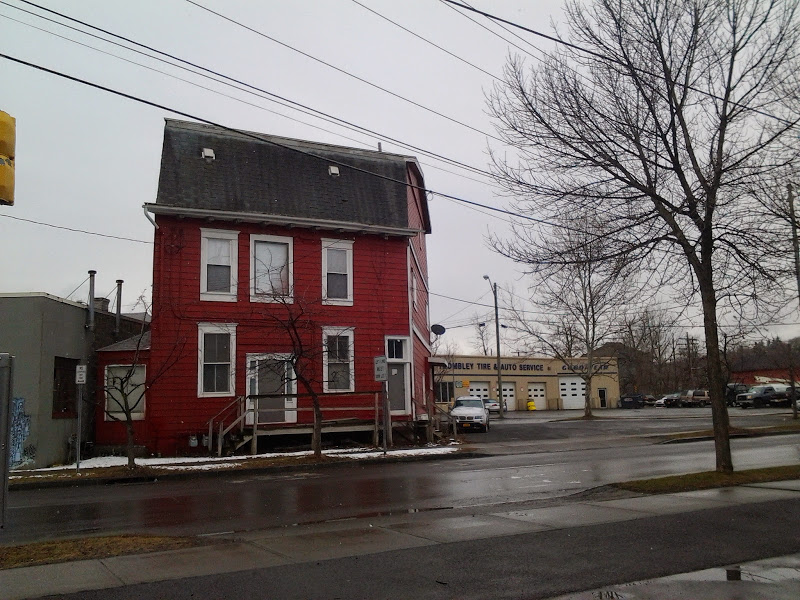
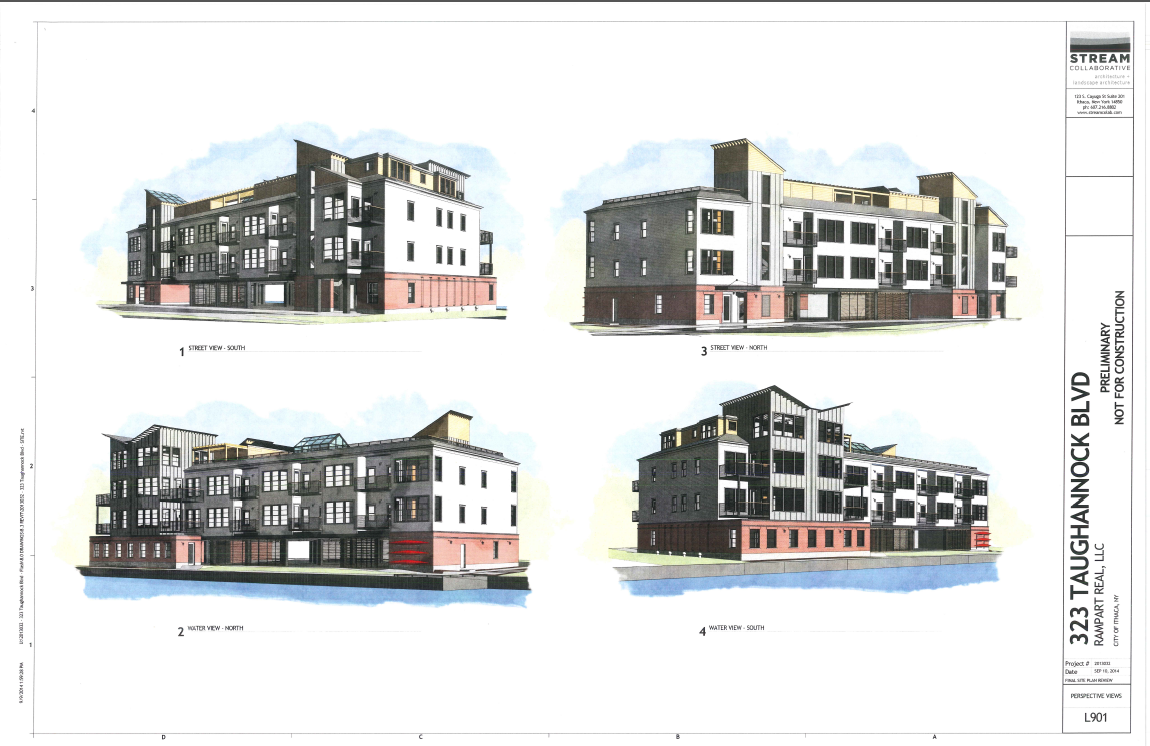
Two more Inlet Island projects are waiting in the wings, although only one is likely to start anytime soon. The 21-unit 323 Taughannock apartment project is expected to start construction this year, but no work appeared to be taking place when I checked the site at the start of April. Meanwhile, 12 affordable apartment units have been proposed for 910 West State Street in a project called “The Flatiron”. The developers, Alpern and Milton LLC, applied for affordable housing grant funding to help finance the project. However, the IURA has deemed the project a low priority because it wasn’t feasible as presented. The site as-is is shown below. The red building with the mansard roof would be renovated, and a structure of similar height and appearance would be built on the triangular lot to its left (west).

20150405_141933 20150405_142028