Construction News Tidbits, 12/18/10

18 12 2010

A few articles have popped up lately that merit a brief writeup.

The BJ’s Wholesale Club and 12 senior apartments planned for the grass lot next to the Shops at Ithaca Mall (behind the YMCA) hit a snag when the county industrial authority voted down a tax break for the residential portion of the project in a 4-3 vote. While this makes the project less likely, it is not entirely dead, and the town of Lansing still supports the project. However, it’s the  village of Lansing that demanded the residential component as a buffer between houses and shopping areas. Some involved with the project contend that the votes against were by Ithaca-centric legislators who’d rather see the potential sales tax dollars go to the city (i.e. build the store on a site in Ithaca City). BJ’s has no interest in any local site except the one currently proposed, so in conclusion everyone’s getting their panties up in a bunch, and the project is at the very least on hold in its current form.

Out in Dryden, a 144-unit apartment complex is being proposed. Called “Poet’s Landing” (perhaps as a nod to John Dryden, the British poet for whom the village/town is named), the project consists of a 72-unit senior living apartment building, 7 other buildings containing a total of 72 units, and a community center. 48 of the 72 non-senior units are proposed low-income housing, which has managed to rile up the locals with fears of higher crime rates and drugs (the project is across the street from Dryden High School). the project is by Conifer Realty, who also own the Linderman Creek complex over on West Hill.

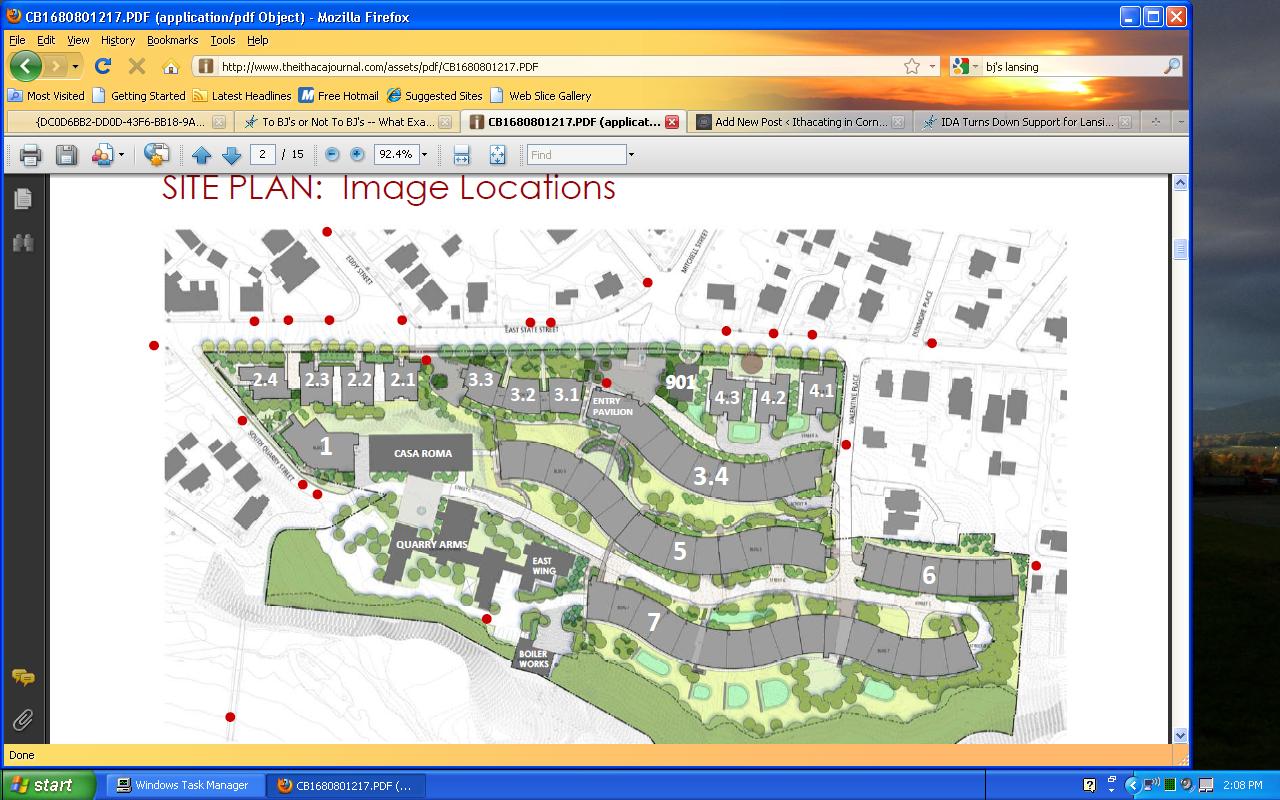
Lastly, a little closer to Cornell, the Collegetown Terrace Project is waiting on three things – site plan approvals, approval of a zoning variance, and a “certificate of appropriateness” from the Landmarks committee, who are not doubt still seething after the city okayed demolition of Delano House in exchange for the restoration of another house on the property and some public signage displays of the site’s history. If the project can clear those final hurdles, a late spring or summer start for site prep is likely.


Bob Saget Loves Seal and Serpent, Part II

9 12 2010

I live in my grad student bubble.  So I was pleasantly surprised when Matthew Nagowski over at Metaezra happened to write an entry about the A&E Channel’s airing of the episode of “Strange Days with Bob Saget” that has everyone’s favorite dad from Full House “pledging” and joining the fraternity, complete with formals, toga parties and pledge activities. Conveniently, the episode is free to watch on A&E’s website.

I remember writing up a brief entry last spring after this blog was swamped with questions in the search bar asking why Bob Saget was on campus, and then quickly forgot about the whole thing. It was a minor newsmaker, sure, but it was just one event in a stream of activities taking place around and about campus. The only time it ever came up again was when Seal or someone in their house would come up in conversation, and if this conversation was with someone else in the Greek system, the line “I can’t believe that Bob Saget went to Seal to film his show” often followed suit. Not many people in the system were pleased about Seal hosting such a high-profile event, since Cornell’s Greek Life would be publicized (and stereotyped) as a tudor-style house on Thurston Avenue. It seemed to be the general sentiment that there were low expectations for the episode, because it was thought its portrayal (either on the show’s part or the brothers’ part) would be unflattering and give a bad impression of the system.

I’ll admit that as a member of another house, I was a bit weary of Seal’s involvement. I actually had been to the house on a number of occasions because one of my best friends at Cornell was engaged to a senior in the house (they are now happily married). The first floor, with its wood finishes and giant Seal and Serpent lineage flow chart, did not fail to impress. I was less enamored by the party area in the attic (which is a bit abnormal, since most houses have party spaces in the basement) and some of the eccentricities of members (between friends, we affectionately referred to one brother as the “Beer Pong Nazi” while a second brother was infamous for a comment regarding the difference between “rapeability” and “rape-ability”, which is better left unwritten), but overall, they struck me as a fairly harmless bunch of guys, not without their quirks but with a very well-heeled and active alumni base.

So I watched the whole episode through. I thought it was entertaining. It was certainly enjoyable to see some of the guys I knew in Seal dressed up and being polite and respectable in front of the cameras (especially since I knew better). I thought that the impression they gave of Cornell’s system was adequate and not particularly offensive. I was also watching the episode while keeping in mind some of the details of what went on behind-the-scenes.

It was explained to me over the weekend as they were filming that there were some alterations from reality (even more so than pledging that only lasts a weekend). For the party scene, they couldn’t serve to anyone under 21 due to legal obligations. Well okay, that makes it less realistic, but that’s to be expected. However, they could only play generic rock music at the party so they could avoid issues and fees with copyrighted material. That seemed even more unrealistic to me than the lack of underage drinking. At least the show did pick up the tab for the brothers’ party costumes and food/drink, which were more impressive than your typical toga party fare. If I recall correctly, Bob Saget was also at an “IFC Meeting”, but it appears any footage that might’ve been taken from that event was cut from the final production.

Watching the show and treating it as just a show with creative license made the episode much more enjoyable. The episode cast Cornell in a positive light, and lewd jokes aside, it wasn’t offensive to anyone. I wouldn’t call it accurate, but it’s entertaining, and that’s what matters, I suppose.


Being an Alum

4 12 2010

So, letting go of undergrad is hard. But being an alumni doesn’t mean that everything simply ends.

While visiting a friend up in Vermont this past summer, she mentioned over lunch how she volunteered in the local alumni network there, of meeting with accepted students and going to alumni events and so on. Feeling a bit nostalgic (and realizing that I don’t want grad school to complete dominate my life, although it’s coming real close), I found myself signing up to be a part of the local chapter of CAAAN. CAAAN is the “Cornell Alumni Admissions Ambassador Network”, which is divided up into about 300 chapters and 8000 volunteers who take on the opportunity of evaluating applied prospective students.  I figured that I could spare enough time to meet with high schoolers and answer questions they might have about CU, as well as pose a few queries to them for their “evaluation”. To be honest, I remember my meeting being uncomfortable because I was meeting them at the restaurant I worked at in high school, and since they arrived twenty minutes early, I seated them without realizing it was the alum I was supposed to meet with. When they looked at my nametag and asked me if I would be ready to talk about Cornell with them in a few minutes, I promptly excused myself and proceeded to have a royal flip out in the dishroom.  Luckily for me, I told my boss ahead of time about the planned meeting, so she took over the register and let me off a few minutes early.

It’s probably a bit peculiar since if someone asked me what I thought of Cornell while I was there, I would have had some lovely comments worth sharing (though not in front of children). Yet here I am, volunteering to meet with fresh and enthusiastic high schoolers and to try and promote a good image of Cornell. Hopefully.

Being new to the whole thing, I attended a meeting at a local hotel that the local alumni association was doing as an orientation for CAAAN.  The first thing that struck me when I walked into the room was the realization that I was easily the youngest person there. There were about 15 people, almost all of whom were middle-aged (40 and up) professionals, and as I sorta stopped in the doorway, the local chapter head looked at me and said “[Y]ou must be the new guy. I recognize everyone else here.”

What followed was a passing out of “current facts of Cornell” and some admissions and evaluation guidelines. It became quickly apparent that being the young guy had an advantage. They spent several minutes asking me to describe recent changes on campus and how the new financial aid plan was working and random questions about if some aspect of Cornell has changed in the past 10/20/30 years. For once, this blog proved to be useful on a personal level. I also managed to make several of them feel extremely old when describing the new West Campus houses.

It was different. It felt a little strange, but it felt right at the same time. I may be getting older, but I’m still quite young as alumni go.


The (All Too Late) Ithaca Projects Update

24 11 2010

Since I have no life as a grad student, following progress in the Ithaca has been a little difficult. But, I figured it was time to do an updated brief list. Ithaca has made it through the recession largely unscathed (thankfully), thanks to the stable college-based economy, and various projects are in various planning and development stages throughout the area. For the purposes of this entry, I’m ignoring the projects going on at Cornell and IC.

First off, most of the larger projects are delayed. The Hotel Ithaca is waiting for a bank loan, but given the market that could take a good year or two before a loan is secured for the 10-story hotel.  In a similar boat, the 7-story Cayuga Green condos are delayed until sales pick up and financing is secured.  The six-story, 52-unit apartment building planned for the site of the Women’s Community Building is also delayed, having failed to get a grant from the state. It will be at least one year before financing is secured and construction can begin for that project.About the only going on in the heart of the city right now are the redevelopment of the Petrune Building and the starting phases of a renovation of the Ithaca Commons.

Land remediation and site prep is still underway for the Ithaca Gun condos, which are slowly (barely) progressing towards construction of what may now be either 33 units, or increased to 45 units of “market-rate” housing. On the 600 block of West Seneca Street, a 24-unit, 3-story apartment building has been approved and site prep is to begin in the near future.The Kitchen Theatre finished construction and moved into their new digs on West State Street.

Over in Collegetown, works continues on the 589-unit Collegetown Terrace proposal, which is still making its rounds after agreeing to preserve the Williams House on State Street in exchange for getting permission to demolish the old nurse’s dormitory (Delano House). Even if the project starts this summer, full build-out will take 22 months, so expect no earlier than a mid-2013 completion.  Over on Eddy Street, plans have been approved for a24-unit, 41-bedroom 5-story apartment building next to the Souvlaki House, and construction will begin next summer. A 5-story building on the 300 block of College Avenue remains in the proposal stages. Closer to East Hill, the 4-story Coal Yard Apartments expansion is in site prep, and the now-approved Vine Street Cottages project removed three homes from its plan, leaving 19 houses and 10 townhouse units for the parcel near Mitchell Street.

Down in big-box land, Walmart has finished their expansion into a Supercenter, and Tim Horton’s is seeking approval for a store on what is now a parking lot near Buttermilk Falls.The parcel where Olive Garden was proposed is once again up for grabs. Local rumor mill had it that the land was still contaminated (it was once the site of an auto repair shop, and gas and oil and other hazardous compounds might’ve seeped into the soil deeper than first thought).

Out in the West Hill area and the town, Ecovillage is in the home stretch for approval for their third 30-unit village (TREE), and 106 townhome units (Holochuck Homes site) are approved for Route 96 near the medical center. A couple of suburban subdivisions (the Goldenrod 30-unit division, and a 22-unit INHS project called Holly Creek) are planned/approved. 22 units of senior housing are to be built near Ithaca College, and it was confirmed that the 82-unit, rather terrifying and Soviet-looking Maple Hill Apartments on Maple Avenue will be demolished when the property is returned to Cornell in 2013. Cornell has long-term goals to redevelop the site into mixed use, according to its master plan.

Over in suburban Lansing, there’s some small housing developments and a new locally-owned supermarket planned, but the big thing out there is the proposal for an 82,000 sq ft BJ’s Wholesale Club next to the mall, with 12 units of senior housing and a bird sanctuary on adjacent property (basically because the project is seeking tax-exempt status and need to offer a community benefit to get the break). The 69-unit Woodland Park project doesn’t look like it will be approved anytime in the near future.

Hopefully I’ll have more and more substantial news to write about in the tidbits entries in the upcoming months. I need a distraction from my life. Especially when I grade exams and a student thinks it’s cute to bubble “C” 40 times (he received a 15%).


The Blessing and Curse of Anonymity: CollegeACB

20 11 2010

It seems increasingly common these days to read editorials and columns in the Daily Sun that reference the extremely controversial website CollegeACB (Anonymous Confession Board). That and the alcoholic energy drink Four Loko seem to be the two things that dominate the collegiate news articles this semester (personally, all the news I hear about the drink just makes me more tempted to try it, but I don’t find myself at convenience stores often enough to remember to do so). Reading through the threads on the CollegeACB Cornell page is like a lesson in everything that is “wrong” with people; the website is well-known for its tirades that seem to know no ethical bounds, which include posts that are racist, anti-Semitic, sexist, classist, fetishist and all sorts of other comments that play up the darker side of human character.

I think most people who are on the internet these days have seen something like this before. Before CollegeACB, it was Juicy Campus, before the internet people made use of public spaces; I think there was a stump that used to be near Olin Libe on the Arts Quad in the late 60s and early 70s that was used extensively for spray-painted or paper-posted anonymous messages. Anonymity gives people the guise of security; their comments can hardly be traced to them unless they write something that clearly indicates it was them, or someone sees them typing and posting onto a forum. The sex columnists (the people may change, but the pattern is familiar) go by initials or self-created nicknames so as to avoid the coming up on the radar of potential employers and put up an extra barrier to protect against unwanted attention. Sure, a lot of folks might have a pretty good idea who the writer is, but unless it can be concretely proven, they can feel somewhat secure.

CollegeACB is a site that I can despise, and in some perverse sense, understand at the same time. I think ad hominem attacks on certain individuals is wrong, but censoring those opinions isn’t exactly the right thing to do either, since people value the concept of “personal freedom” so much. It’s a moral gray area to me; I would never do it myself, but I wouldn’t necessarily take away people’s ability to do it for a site that advertises anonymity as its big asset (I am being a bit hypocritical here; I have prevented a couple offensive comments, both of which were personal attacks because I mocked the now-cancelled Ithaca Olive Garden, from being published here on the blog; I initially okayed them, but I wasn’t comfortable leaving them on the blog and deleted them within hours).

Yet, sometimes that anonymity is what it takes for someone to take their guard down and see what they really think. People at Cornell are just as capable of being racist and homophobic and sexist as anyone else, and while those posts are offensive, and some of them are just grotesque attempts at grabbing attention, I can’t help but think there’s at least an ounce of someone’s personal beliefs in there. Objectionable as those posts may be, they demonstrate that Cornell is not a perfect world, and a lot of the tension that gets swept under the rug publicly will rear its ignorant head if given the opportunity.

In a previous post, I compared finding useful information on that site to finding a diamond in a pile of crap. Occasionally, the guise of anonymity can be helpful, and an honest, valuable opinion that would otherwise been kept silent is voiced. But you never know how much truth there is in a post, so the “diamonds” might just turn out to be pebbles of glass. I think a statement and a little research can go a long way in proving a comment right, but that’s not always possible.

I guess the topic really sticks out to me because of Ithacating in Cornell Heights. This blog is written semi-anonymously, in that although I’ve never written my name once, there’s enough information out there that I write as if the posts had by name on the top of each entry…which defeats the purpose of anonymity. My major reasons for continuing it like this are partly because of routine and partly because I prefer what I write to be dissociated from me.

The posts that make up the site are unpleasant, certainly. But I think it’s more a reflection of the people writing anonymously than the existence of the site itself. Maybe people just hold themselves to a low standard. Maybe I’m holding people, myself included, to a low standard because although I don’t condone it, I accept it.  My view is pessimist because I don’t expect people to hold themselves to higher standards, which that website proves every inflammatory day.

I’m too much of a curmudgeon to put a smiley face on this and write how we should behave better. It would be nice, perhaps, but I think it would be unrealistic as well.


A Look Inside the Physical Sciences Building

11 11 2010

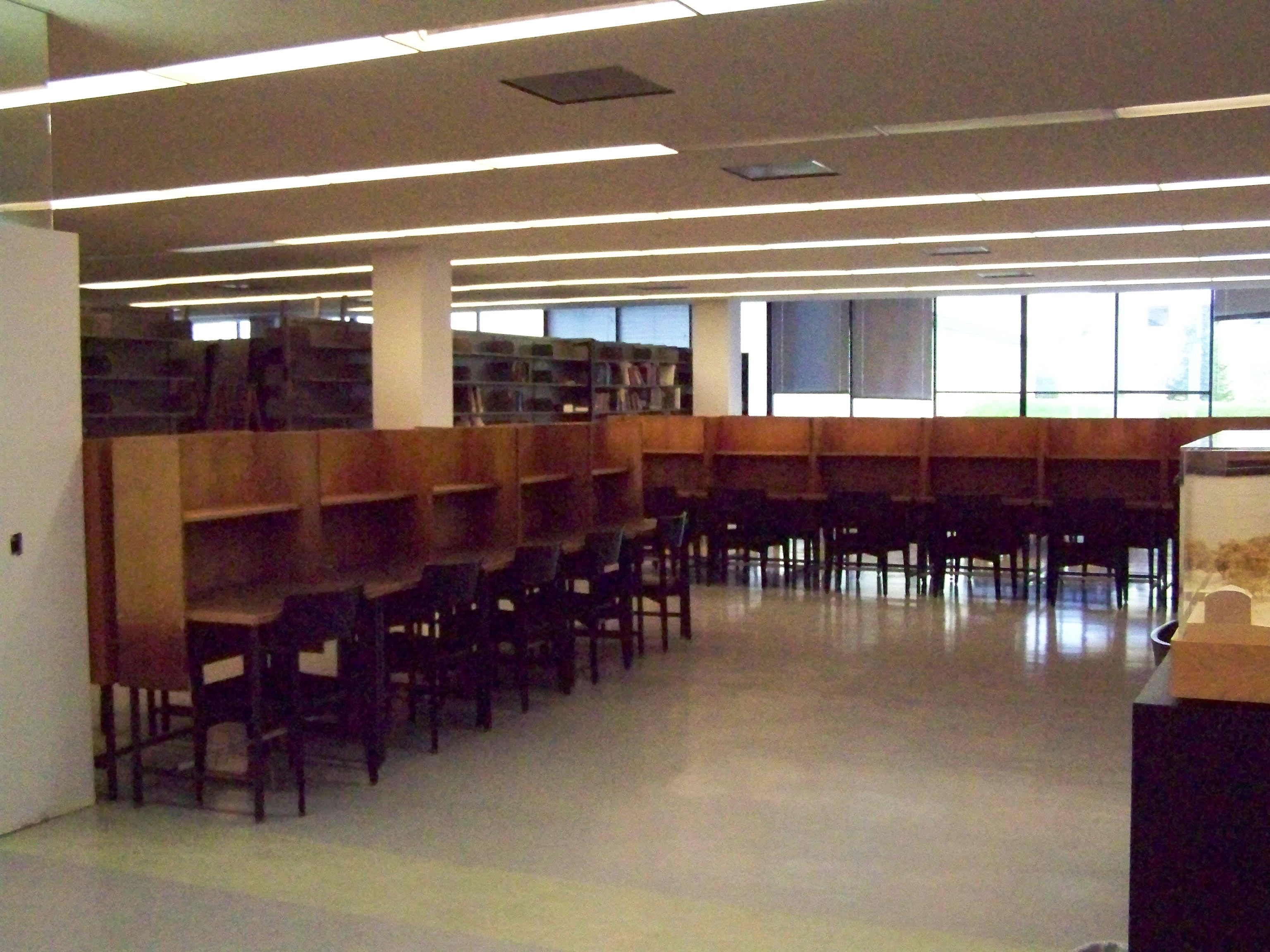
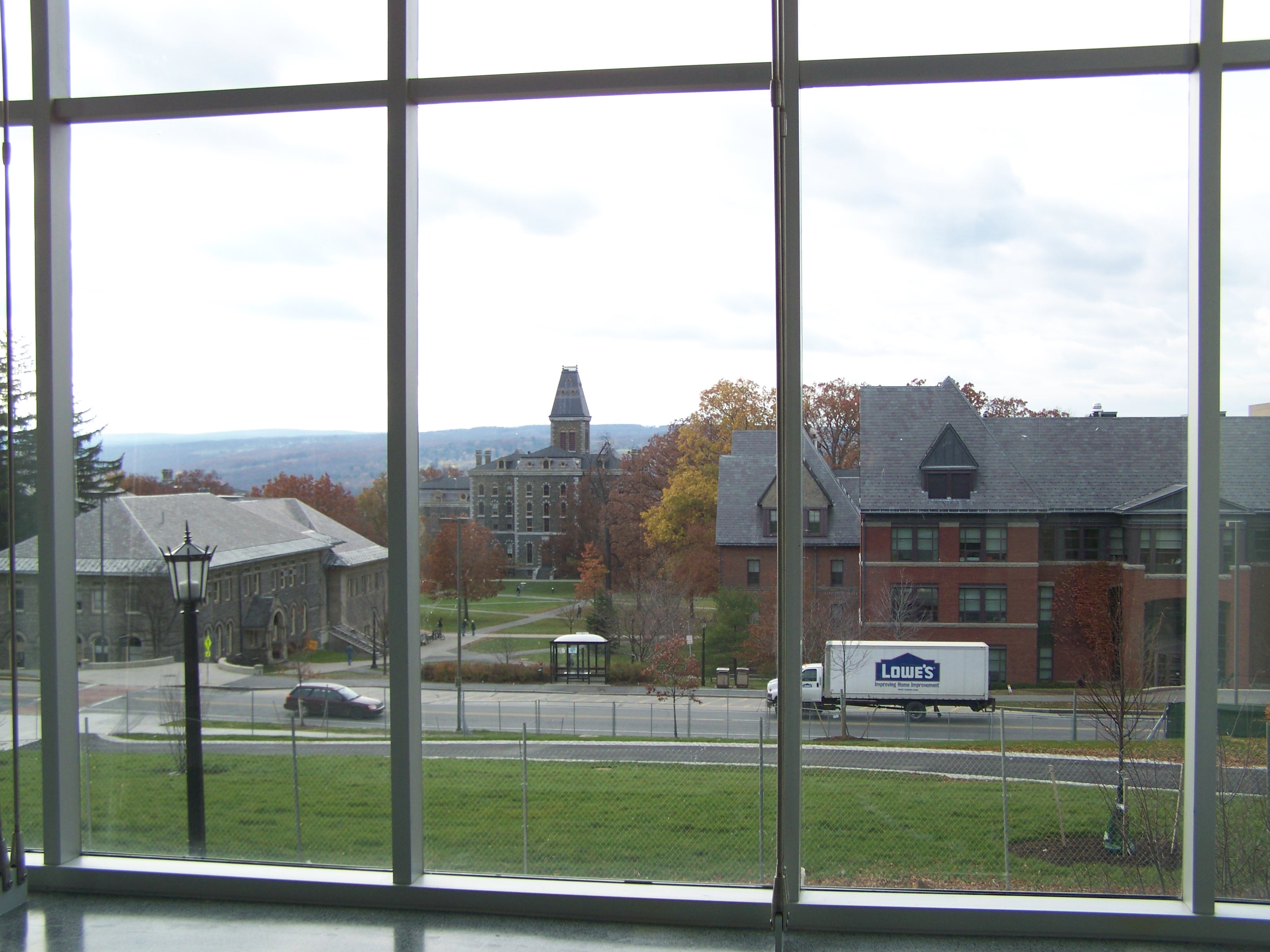
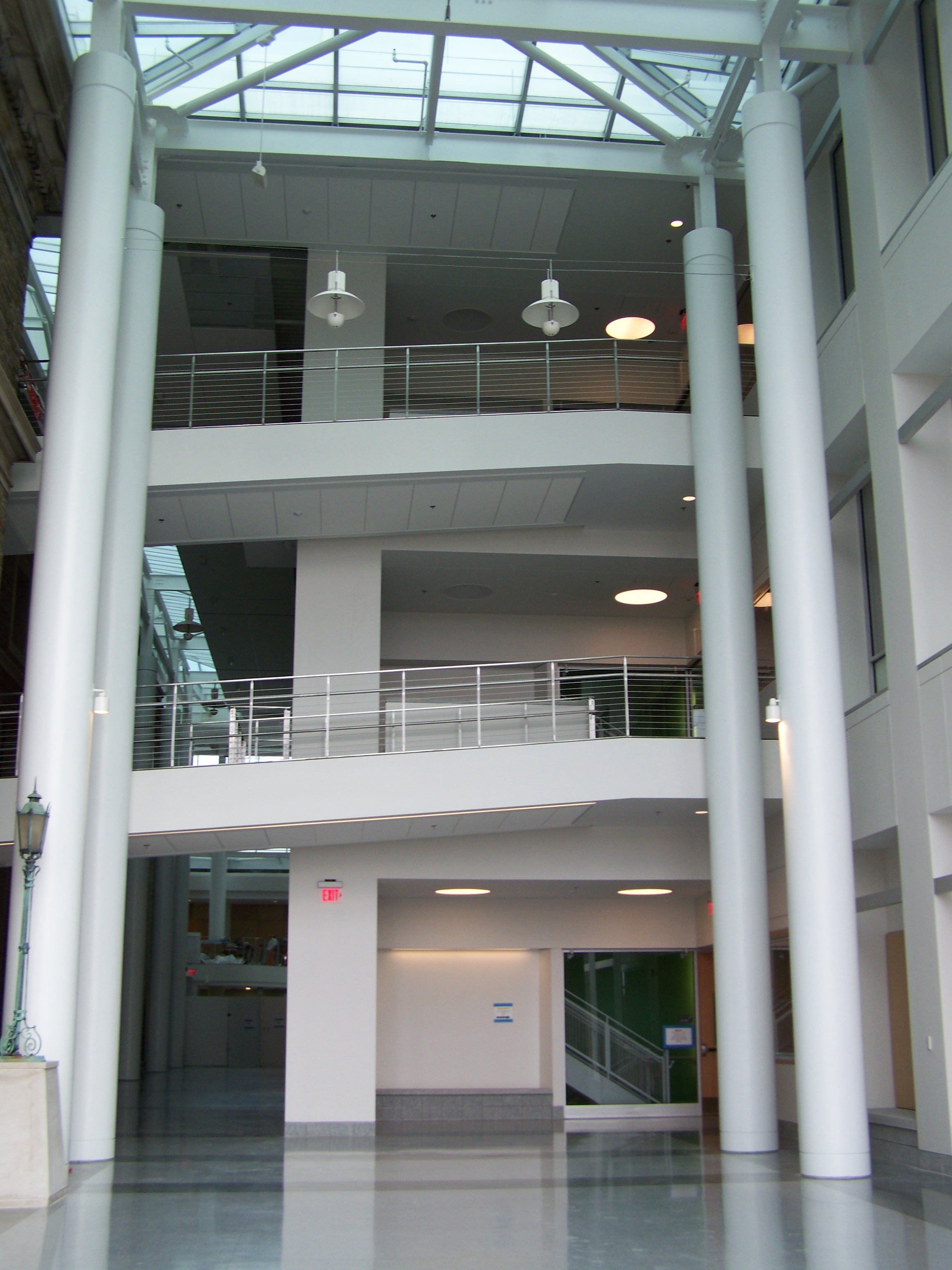
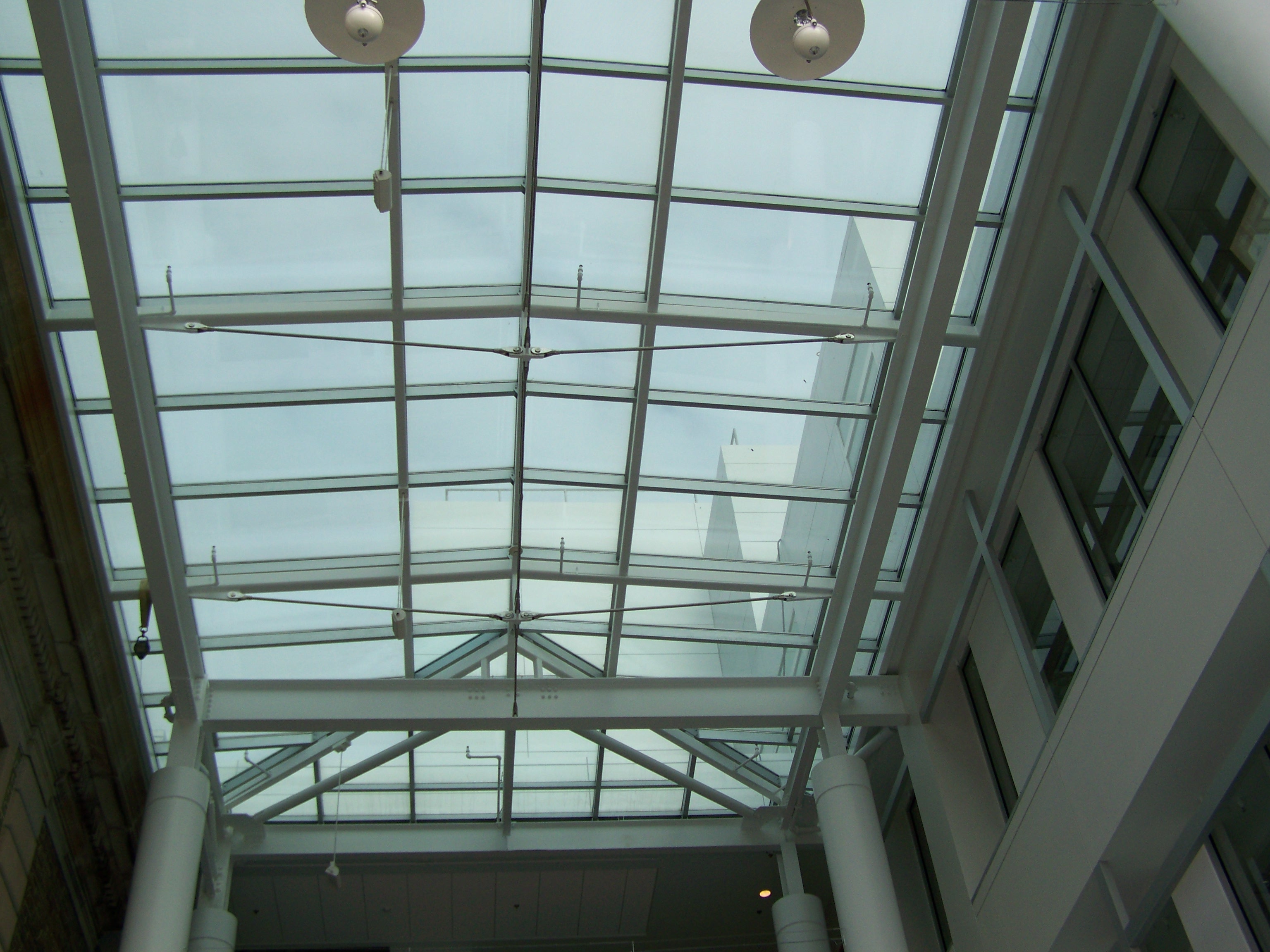
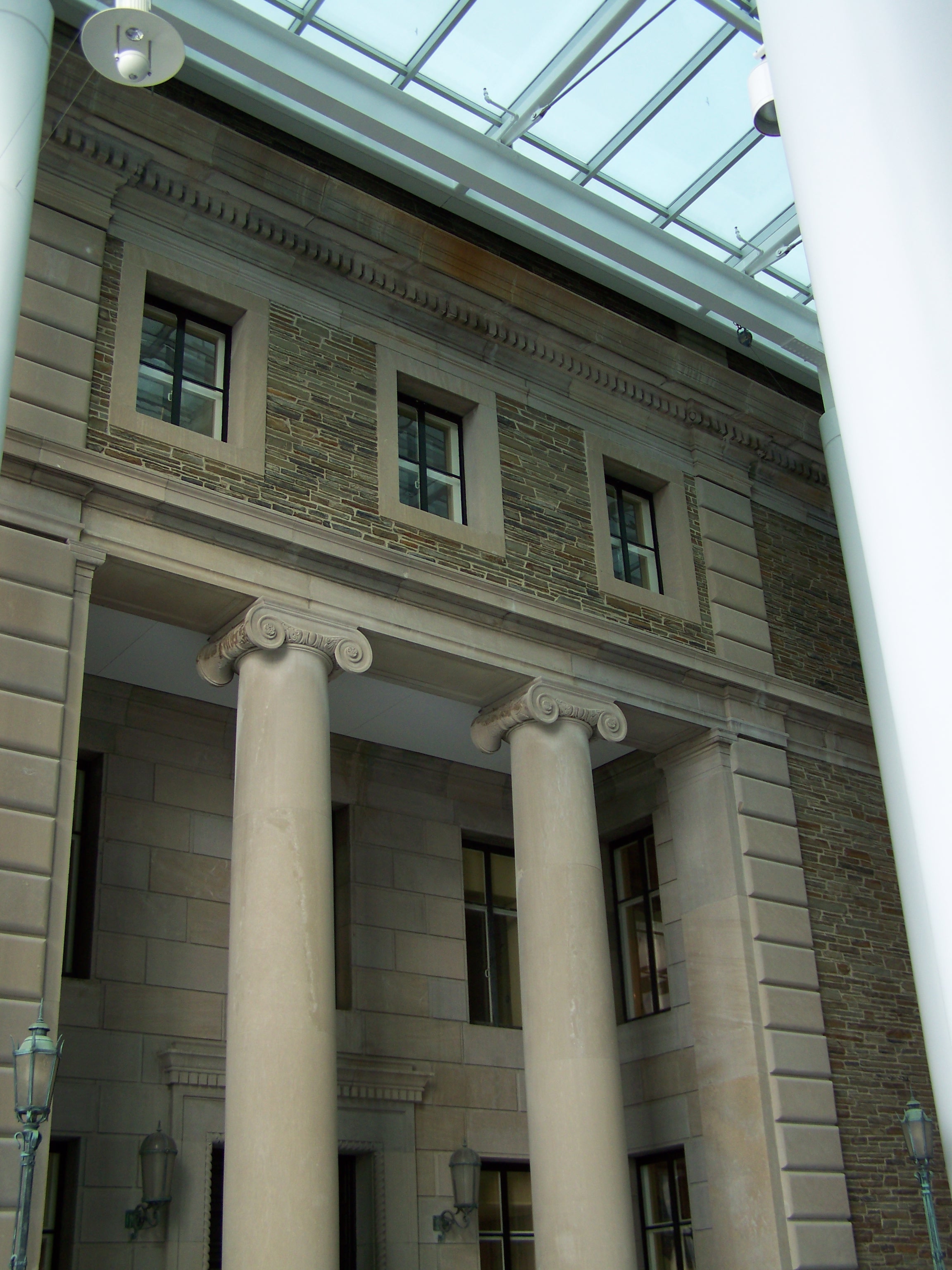
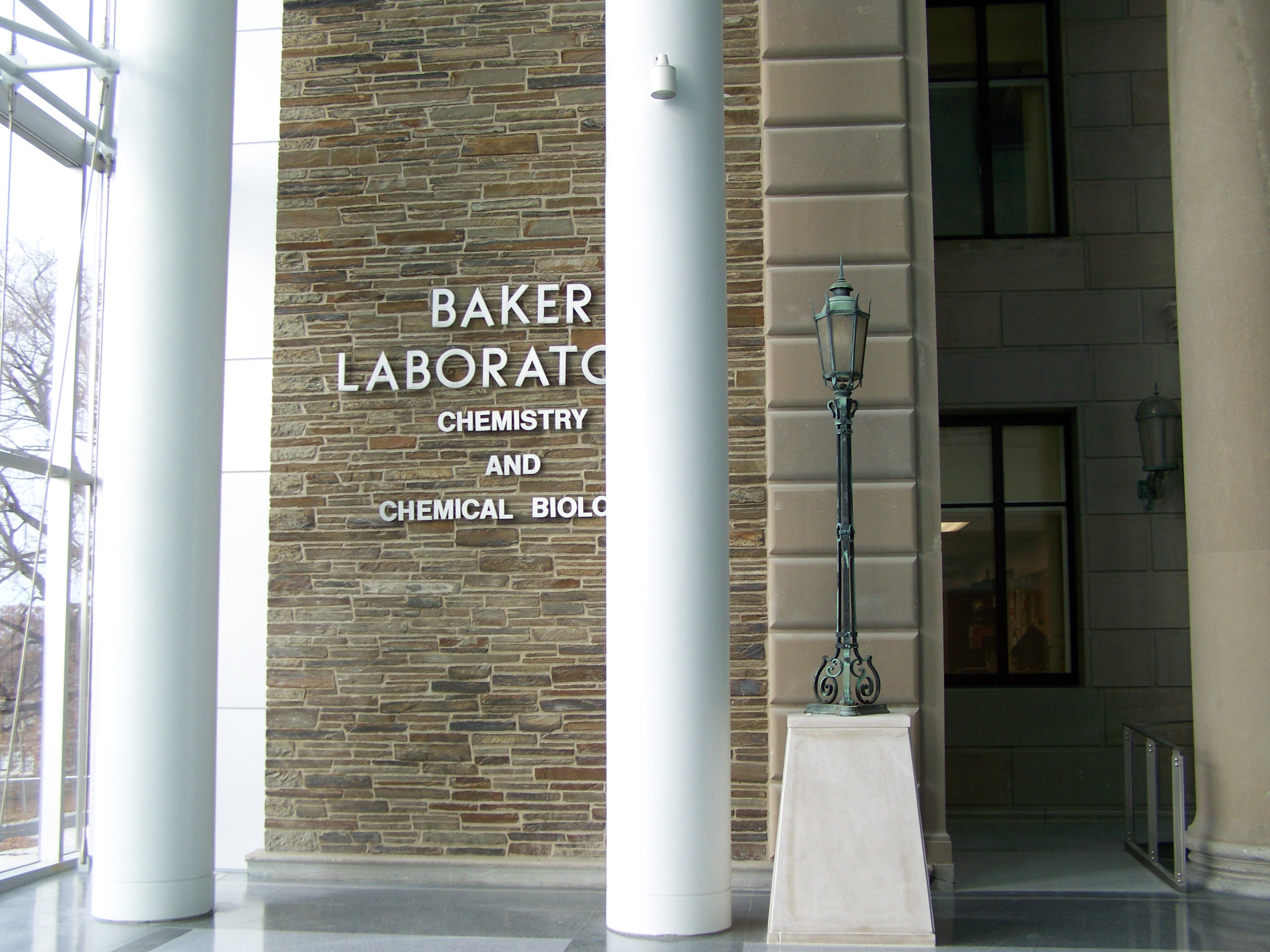
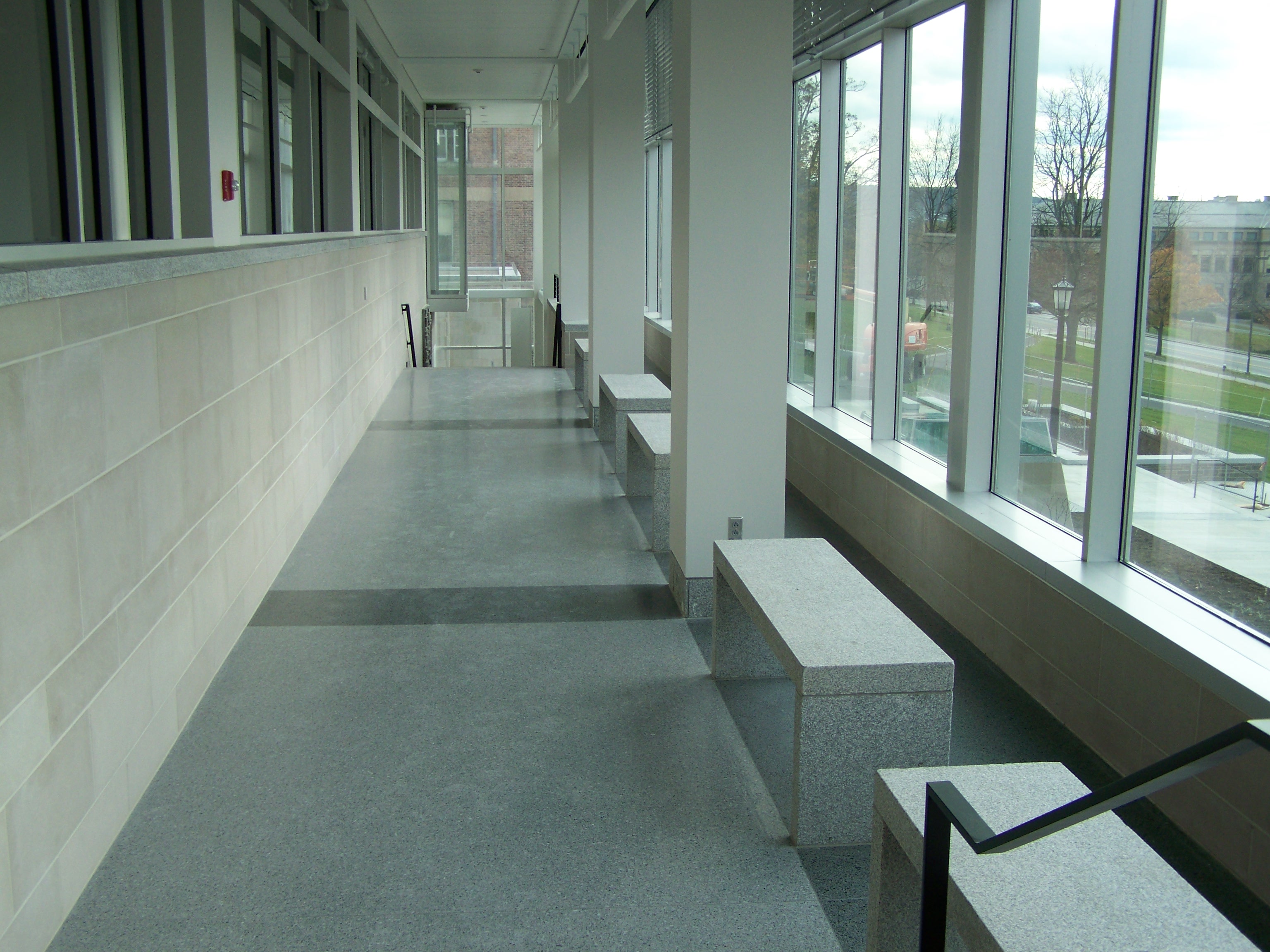
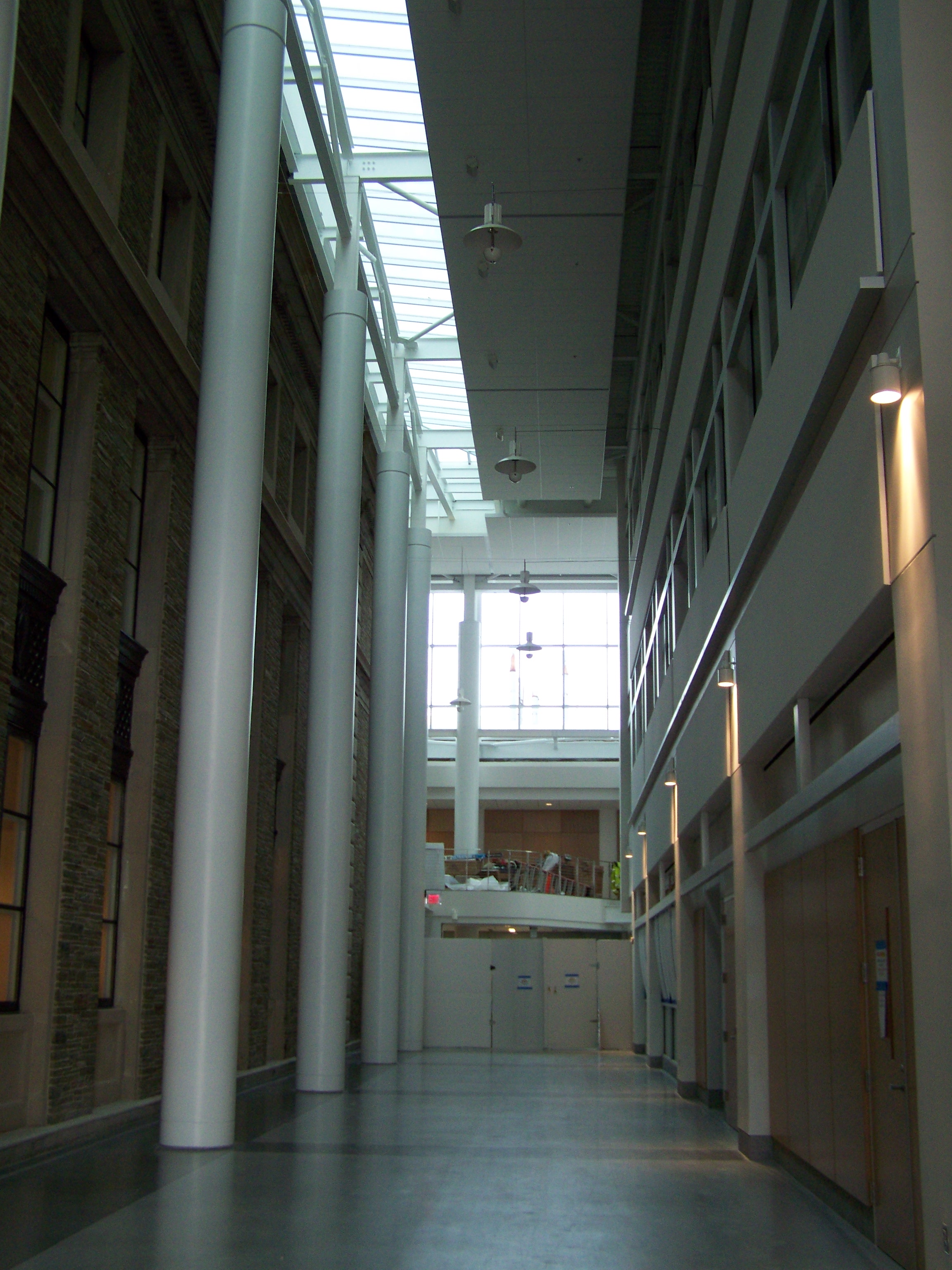
I’ll write more substantial posts in the near future. In the meanwhile, here’s some photos I took recently on a trip back to Cornell’s campus (the joy of living only a few hours away is that weekend trips are feasible – for the record, if you asked me last year where I was going, it was to a school out in the Mountain West…but that was before their funding was cut. The next best solution just happened to be in the Northeast).

So, anyways, the work is virtually complete, with part of the building opened for light use, but the whole building is still not yet fully accessible.  As if that’s ever stopped me before.

.

This mock-up, some empty carrels and a couple of bare desks are all that is left of the Physical Sciences Library in Clark Hall. I noticed one of the pillars an eulogy tot he library that Munier Salem had written in the Sun on March 26, 2009, yellowed but encased in a simple black picture frame. I thought it was a nice gesture to the library that once was. Although I opted to not take a photo of the column, here’s a link to its online version.

Insert your name here…for about $35 million. Could be you…

Leaving the oxidized copper lampposts was a nice touch.


On Grad School-Induced Hiatus

4 11 2010

I’ll have new posts ready sometime in the near future.


The Keyword Bar X

19 10 2010

“what was the first residential building at cornell” (10-13-10)

Technically speaking, the first residential building was Cascadilla, which was re-appropriated by  Ezra Cornell to serve as a dormitory for students and faculty when the school first opened its doors in October 1868. White and Morrill Halls served as both residential and classroom facilities, but I suppose by a strict interpretation of the question, those would be mixed use. The first residential building for women was Sage College in 1875, and the first building built explicitly to be an all-male dorm was Baker Tower on West Campus, in 1914 (A.D. White was a strong advocate of housing male students in fraternities or boarding houses, to encourage independence— hence the tardiness of new dorms for men).

“ithaca beer company” (10-11-10)

One of the minor caveats I have with the area in which I moved to post-graduation is that there’s no Ithaca Beer distributor. Trust me, I looked it up, and the nearest one is in Utica (or the Catskills, I haven’t checked that closely). It would be a nice little nostalgia trip to be out at the bar with my fellow grad students and order an Apricot Wheat, but it’s not possible here. This is why I need to quench my inner lush and stock up the next time I visit. Also, it seems I’m not be the only one who enjoys their beers – they’re expanding the brewery and adding a restaurant.

“president’s house ithaca college” (10-10-10)

Rather peculiar for an all-residential college, but Ithaca College’s president lives off campus on Fountain Place. Fountain Place borders Cascadilla Glen and is between Collegetown and downtown. It also only has three houses on the street, all of which are really expensive looking.

“small frat house at cornell” (10-7-10)

Depends on the meaning of small; I think in terms of number that goes to Sigma Chi Delta, a very small co-ed fraternity on Heights Court (OFSA reported they had 11 members in the Spring of 2009; their website records 15 as of Fall 2010). In terms of size, I honestly don’t know, but would venture an educated guess at Sigma Chi Delta.

I actually was at this house a few times. One of my housemates dated a girl who was president of this house, and even though they broke up, I was still friends with the ex, and since they were just down the street from my apartment, it was never much trouble to go over and say hello once in a great while. Nice folks.

“beer pong table designs” (10-6-10)

They’re never classy and only useful for a few years. By then, you’ve ever grown out of it or the table is wearing out. But I have seen some pretty nice tables over the years. I always had a soft spot for beer pong tables with inlaid beer caps. So in August of 2009, I refinished a standard table in my fraternity’s living room with beer caps.

It’s a pain in the ass. Getting enough caps is difficult because hardly anyone wants to be “that” guy running around collecting caps at a party. I guesstimate that I used about 1500 caps. For the finish, I used a combo of resin and epoxy that cost about $90. Basically, I had to mix the two together in a large bucket with a broomstick, and pour it down on the (edge-sealed) table in 1/8” layers, with about 8 hours for each layer to dry. It took about three days. Oh, and if you don’t glue the caps down, you risk them floating up and away while pouring — never fun. Popping the air bubbles that rise up isn’t a great time either. Eventually, the table was done, (I did it in the fraternity’s letters with an unpatterned border) and it came out really well. The last time I visited, it was still there and in relatively good shape after a year’s worth of food and drink spills. It made me happy. It’s a small source of pride, in its own, perverse way.


The Medical School

10 10 2010

The position of Cornell’s Medical School within the greater institution is a bit awkward. For the most part, unless one is associated with something in the medical field, or lives in the New York City area, we’re liable to forget it exists; it is, after all, located in Manhattan, on the Upper East Side. However, this isn’t to say the school isn’t a valuable asset of the university; it’s just really disconnected from many of Cornell’s affairs. With 400+ doctors-to-be and over 1,000 academic staff, the medical branch of our university manages to exert a significant influence.

Historically, the med school operated out of both Ithaca and New York City. The New York City portion was established in 1898 as Cornell University Medical College, and included women as well as men. The Ithaca branch operated out of Stimson Hall and paralled the first two years of the NYC branch, but was closed in 1938 due to declining enrollment. Ithaca was always seen as too small of an environment to allow for adequate medical training. Until its closing, the Department of Surgery was based out of Cornell proper and was originally led by Dr. Lewis Stimson, for whom Stimson Hall is named. Back in the days of its opening, one did not have to have previous college education to begin medical school; Johns Hopkins and Harvard first mandated prior education in 1907, and Cornell followed suit the following year. The results were disastrous at first, with the standard class size of 70 dropping to 3 for the entering class in 1908, and from 35 to 11 in Ithaca. Total enrollment went from 320 in 1907/08 to 118 in 1911/12, and finally back up to the low 300s by the early 1920s (Bishop 385).

Through some negotiating with George Baker, a governor and wealthy benefactor of New York Hospital, an affiliation agreement was arranged between the medical school and the hospital in 1913, and in June 1927 the two became formally intertwined as New York Hospital Cornell Medical Center (this included a nursing school run by the hospital that then came under Cornell’s academic umbrella starting in 1942). George Baker is also the same guy who’s name adorns Baker Tower and Baker Lab on the Ithaca campus. Although the hospital and college were part of the same complex, they were largely autonomous and ran under their own supervisory groups. Realizing the financial power of a large medical institution, “The Society of the Lying-In Hospital of the City of New York”, essentially an ob/gyn clinic, joined the complex in 1928, and the Manhattan Maternity and Dispensary joined the complex in 1929 and became the pediatric unit. A children’s hospital would join the mix in 1934, and the three institutions formally merged into the New York Hospital in 1947. The iconic art deco tower (Baker Tower) of the medical school opened in September 1932 (patients were first received at the hospital at 10 AM on the 1st, and medical students began classes there on September 26th).

Image property of WCMC archives.

The Graduate School of Medical Sciences was established in 1952, and the NY-Cornell nursing school closed its doors in 1979. In 1997, the large building that defines the eastern portion of the complex, the Greenberg Pavilion, was opened, and New York Hospital merged with Presbyterian Hospital the same year (which has an affiliation with Columbia University; the two still maintain separate facilities, so it’s basically one giant unholy mass of conglomeration). The medical school was renamed for major donor and Citigroup billionaire Sanford Weill and his wife in 1998, becoming the Joan and Sanford I. Weill Medical College of Cornell University, or Weill Cornell Medical School (WCMC) for short. The college has been home to the first eye bank in the United States (1944), the first kidney transplant (1963) and MRI Machine (1983) in the New York area. In the meanwhile, a new 15-story $650 million 330,000 sq ft building is underway. You can tell how much I care about New York City by the number of times I’ve referenced it on this blog. Which I think is once…if ever.

WCMC Qatar was established in 2002 by Cornell and the Qatar Foundation, and began instruction in 2004. For those who are unsure, Qatar is a small, wealthy Middle Eastern country slightly more conservative than Dubai in the UAE, and just as rich. The Qatari royal family has invested through the Qatar Foundation a vast sum of money into its “Education City” complex, with one of those facilities being Cornell’s Qatari medical school (WCMC-Q). Other schools invested in Education City include Carnegie Mellon, Georgetown and Northwestern. Cornell was its second affiliation, after Virginia Commonwealth University four years earlier. WCMC also has an affiliation with the Bugando Medical College in Tanzania that began in 2007.

WCMC-Q in Doha. Image from Wikipedia.


Homecoming Construction Photos

29 09 2010

If I free up enough time between proctoring exams, I might write something more substantial. Until then, he are the physical highlights of Homecoming weekend.

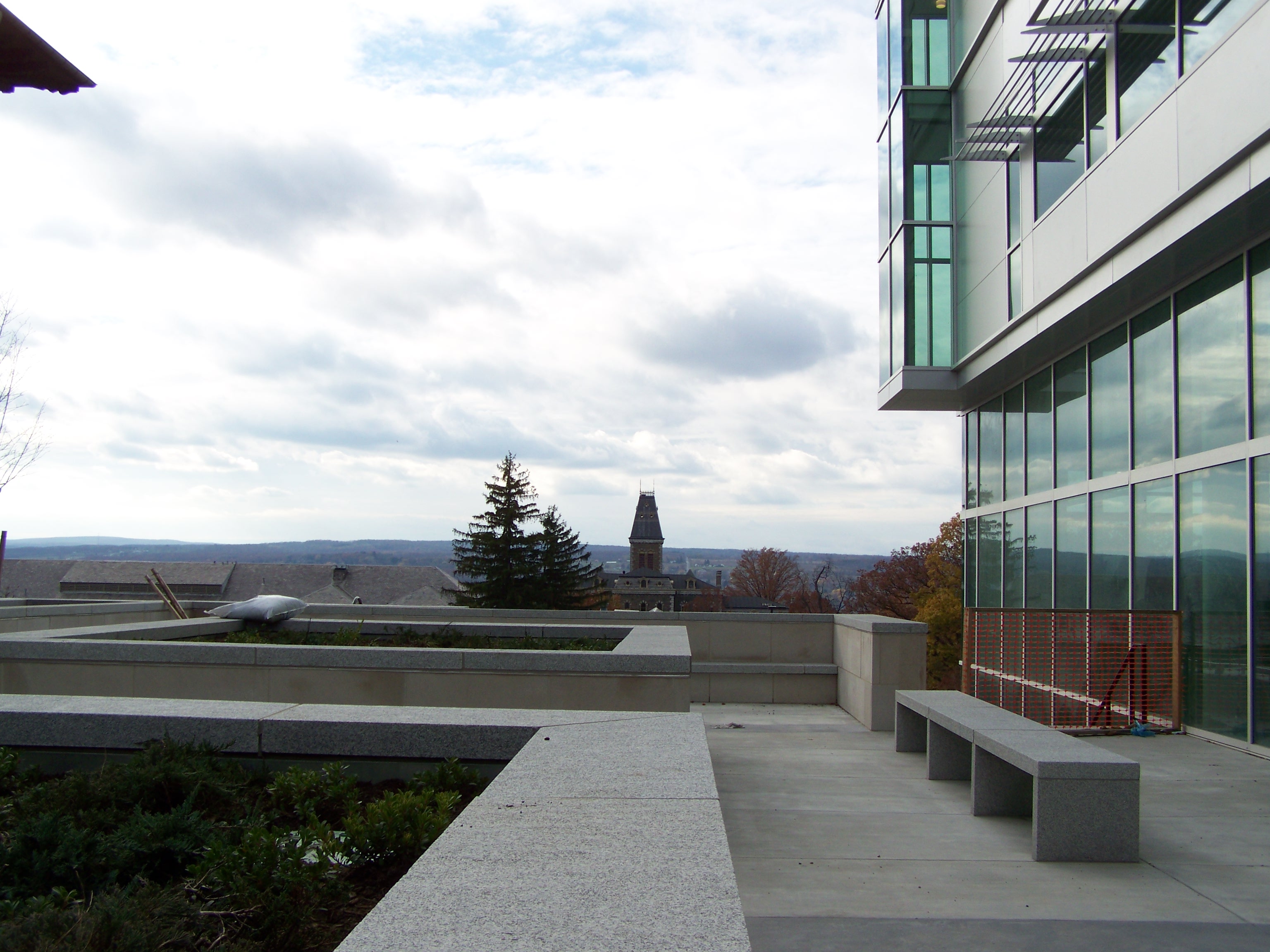
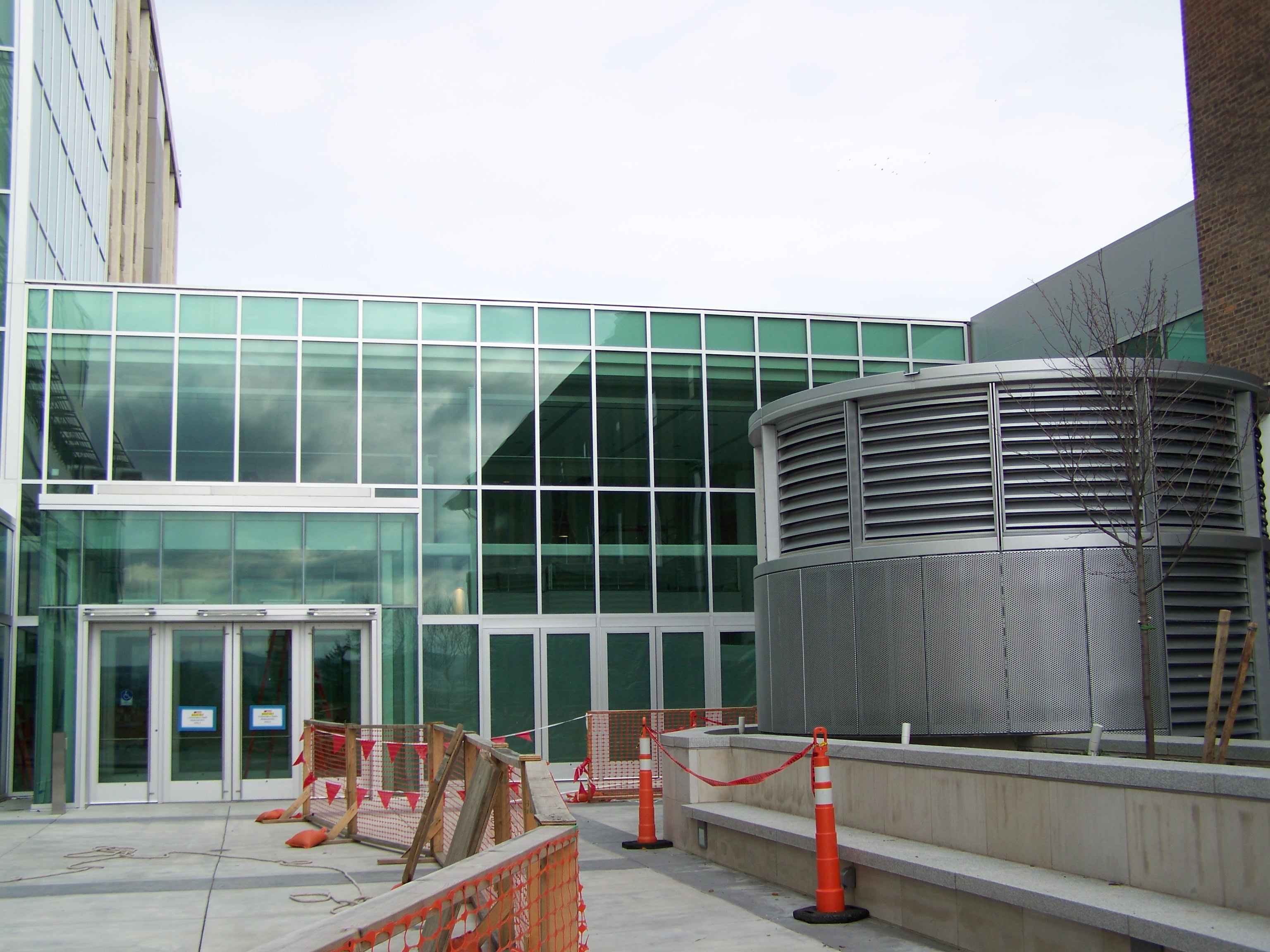
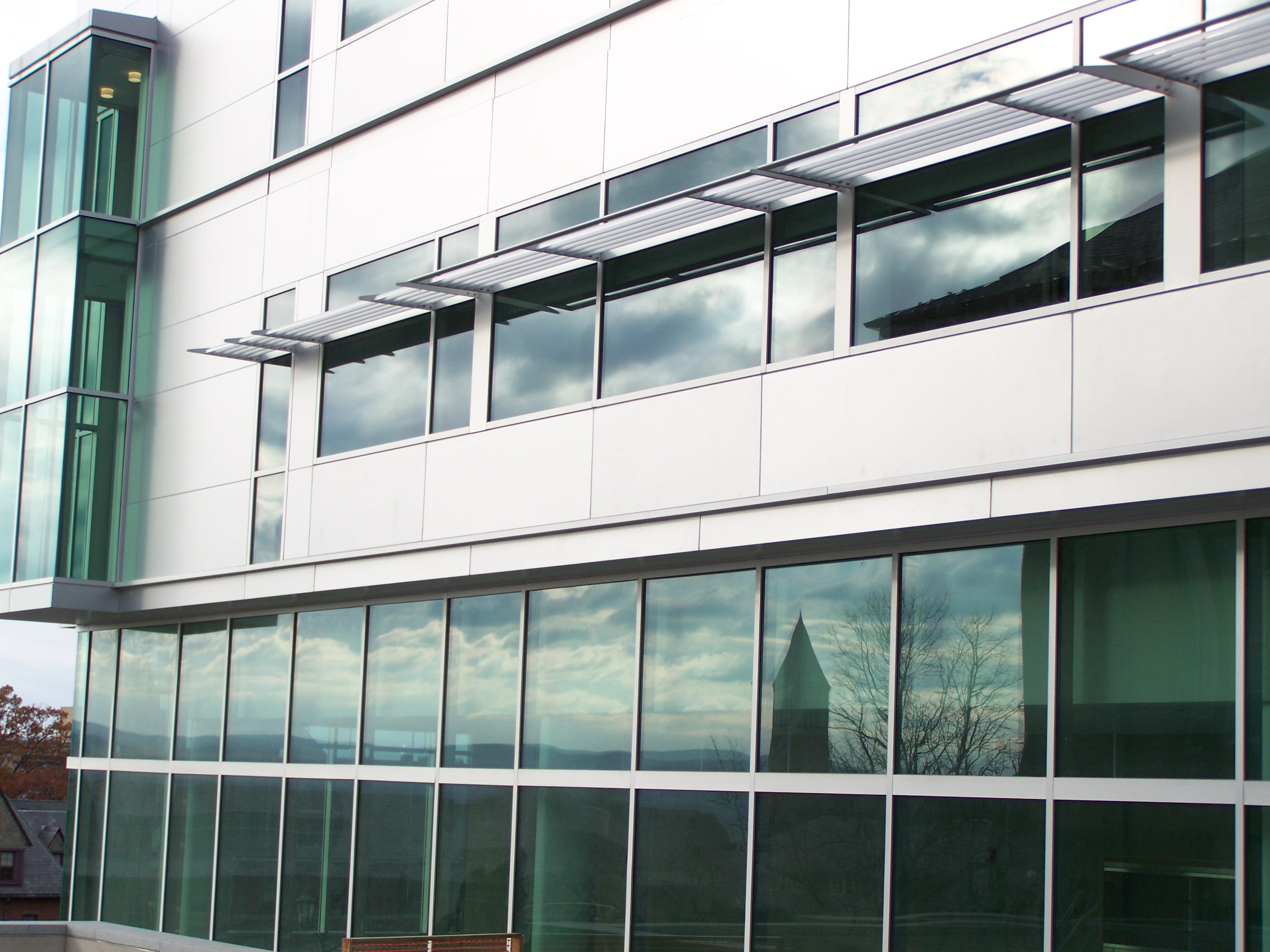
The 197,000 sq ft Physical Sciences Building is nearly complete, with a soft opening planned for next month. Although still fenced, the landscaping is nearly completed. The glass isn’t as clear as the old renderings suggested, but otherwise it’s pretty faithful to the sketches.

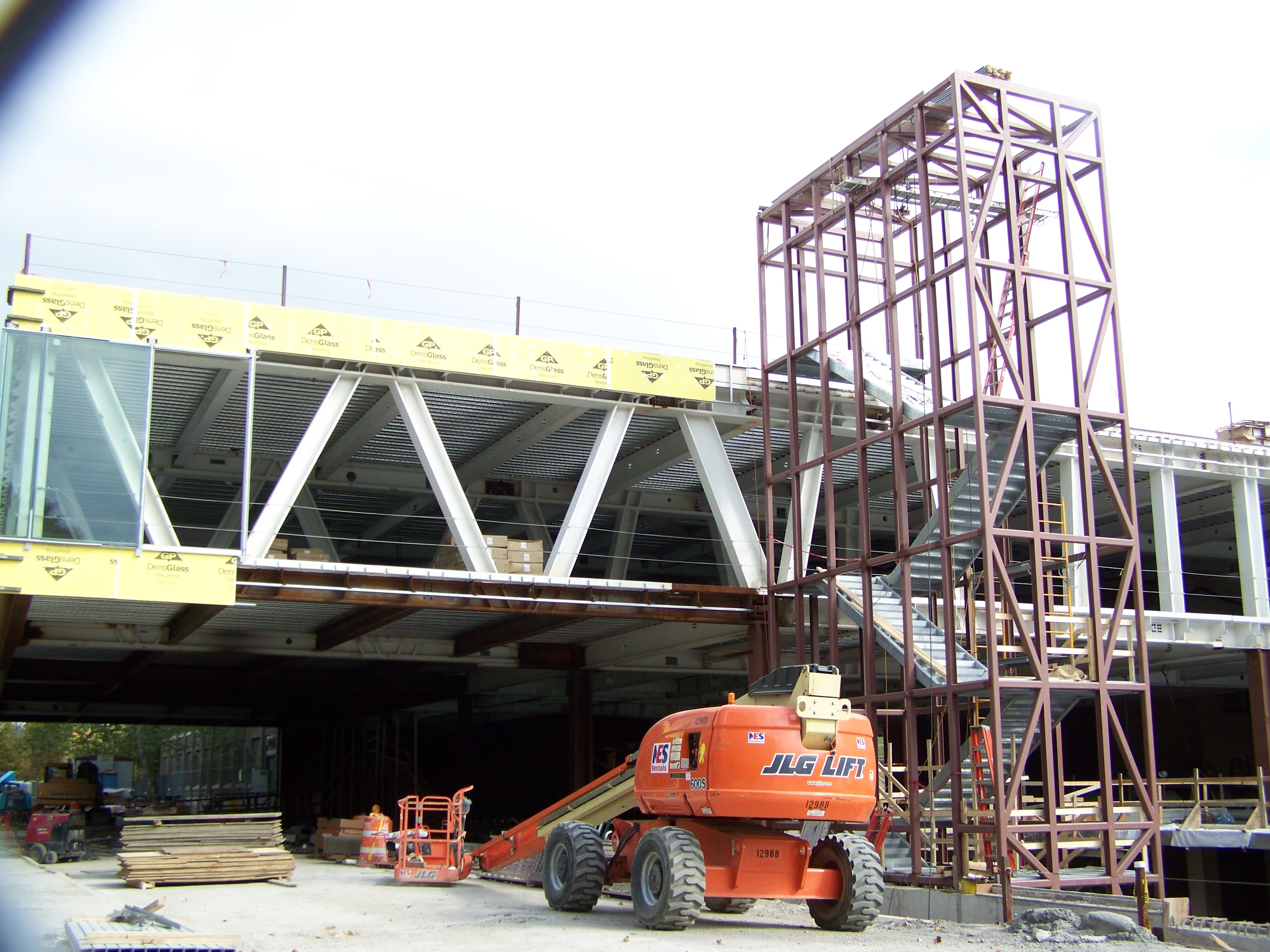
Regarding work on Milstein Hall, a taste of what to come was shown with the installation of a small amount of glass on the northwest corner. Slightly greenish-blue in hue, which to me was slightly unexpected but not something I feel strongly about (I imagined a bluish tint if any at all). The 43,000 sq ft building is set to be complete by this time next year.

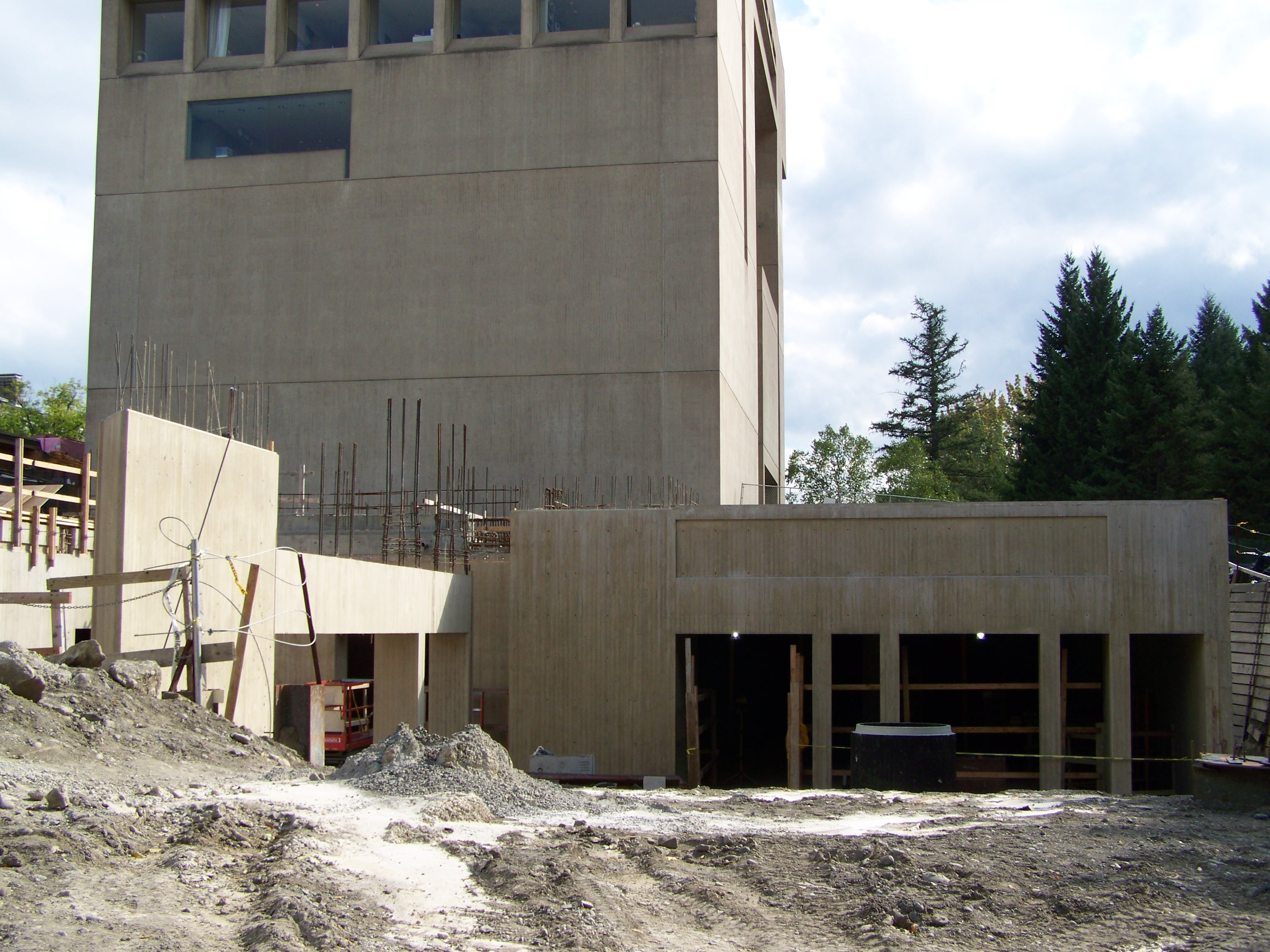
The Johnson’s addition is mostly underground, but some of the concrete work will build out to an above ground complimentary structure to the main building. It would appear that work has advanced quite a ways, with the rebar on the left indicating more pouring is yet to come for the east side of the 16,000 sq ft addition.

MVR North continues construction, though externally it hasn’t made too much progress in the past few months. The stone facade on the parking garage has been finished and work has been done on the exterior stairwells. The 87,000 sq ft building is set to be complete by the end of the winter.