327 Eddy Street (Dryden Eddy Apts) Construction Update, 10/2015

16 10 2015

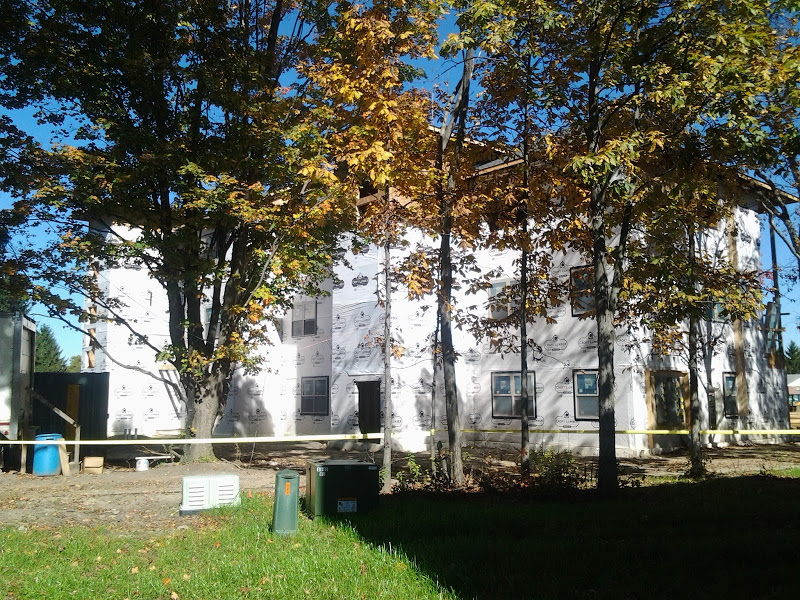
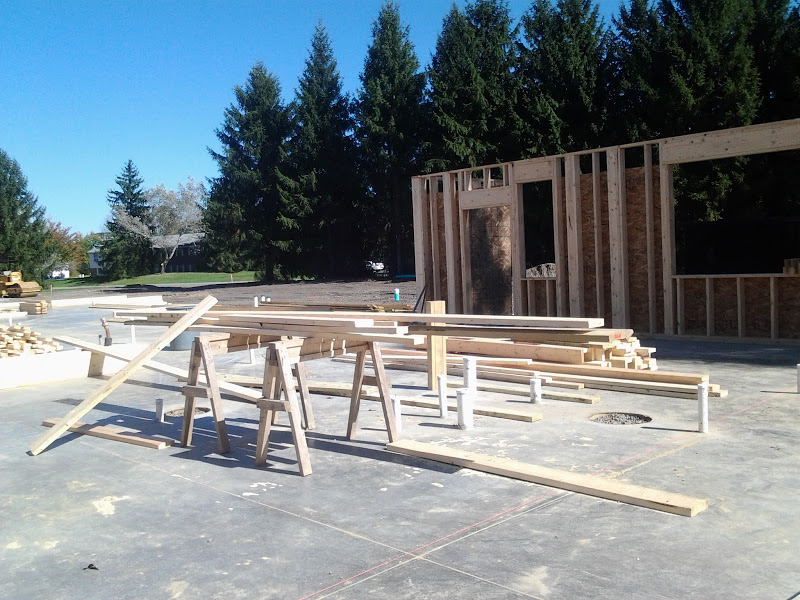
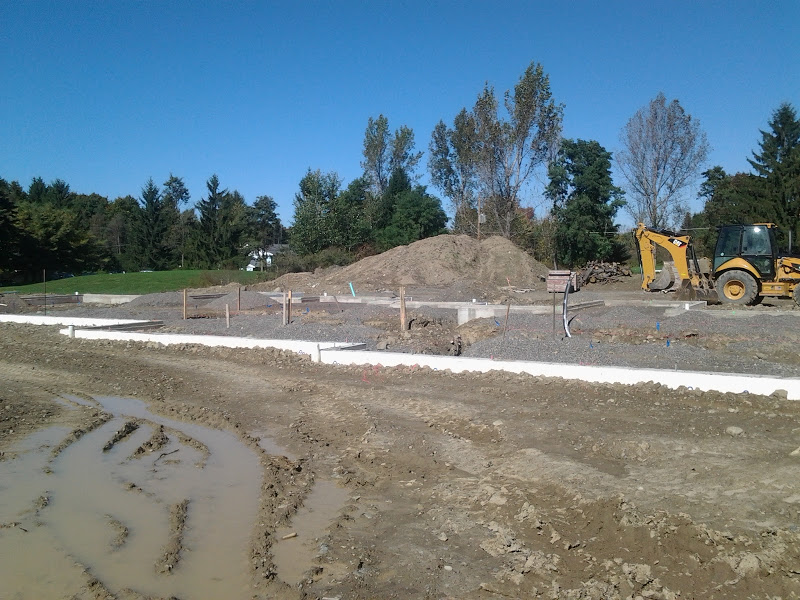
Of the three major Collegetown apartment projects currently underway, 327 Eddy is probably the least “impressive” to look at because it has yet to begin putting up structural steel. But this isn’t to say there isn’t work underway.

The site has been excavated and the base of the building has been established. A steel rebar grid mesh can be seen at the base of the upper tier, with utility lines feeding through. The rebar mesh is a reinforcement for the concrete when it gets poured, helping to prevent cracks that may from in the concrete from spreading throughout the foundation and causing major damage. The lower building tier have yet to receive the rebar mesh, but given the elevation render, it might be filled out first with the “flowable fill” referenced in the last update. Rimming the base are steel sheet piles, which lock together to form a wall designed to keep spoil and water from neighboring properties from spilling onto the construction site.

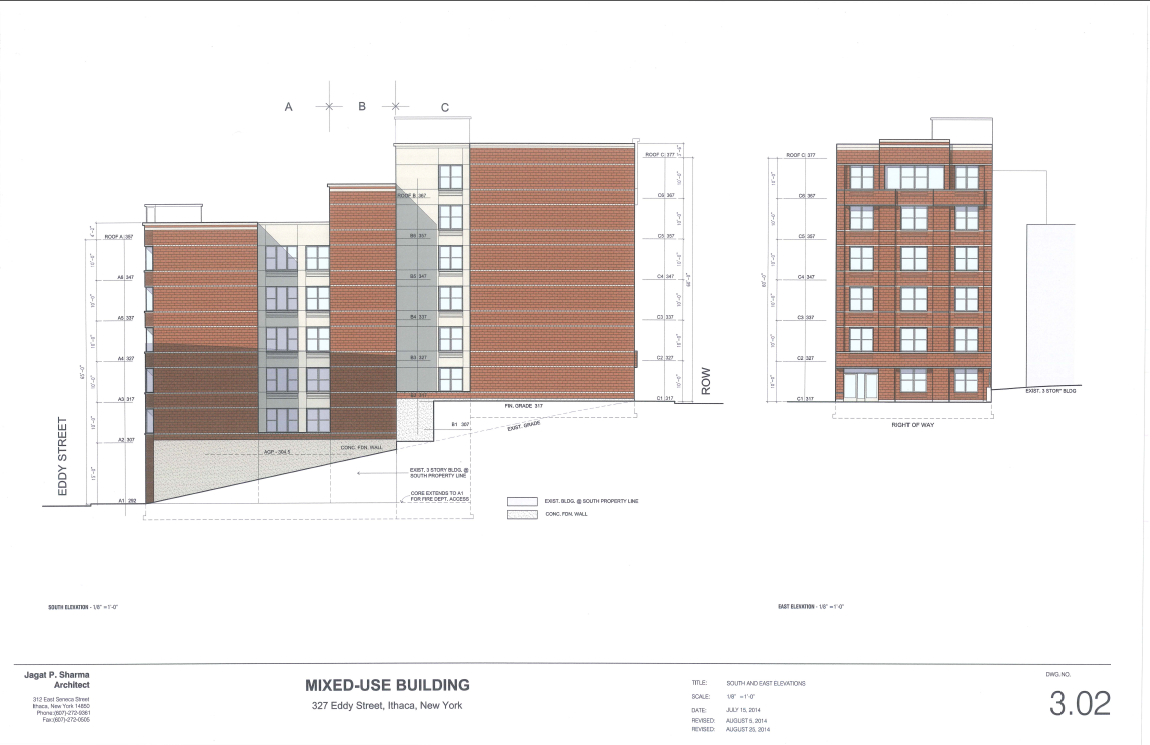
Plans call for a new 5-story building split into “steps” on the steeply-sloped site. The mixed-use building will bring 1,800 SF of retail space and 22 new apartment units with 53 bedrooms to the market in August 2016. Longtime Collegetown landlord Steve Fontana (of the Fontana’s Shoes family) is the developer, Jagat Sharma is the architect, and GM Crisalli & Associates of Syracuse will be overseeing construction. A construction loan of $4,824,000 is being provided by Tompkins Trust Company.

Note in the elevation drawing below, the building is six stories. It was reduced to five, and the decorative crown was reworked after approval was granted.

20151011_140231 20151011_140257 20151011_140309

327_eddy_rev4_1 327_eddy_rev2_3


Belle Sherman Cottage Construction Update, 10/2015

15 10 2015

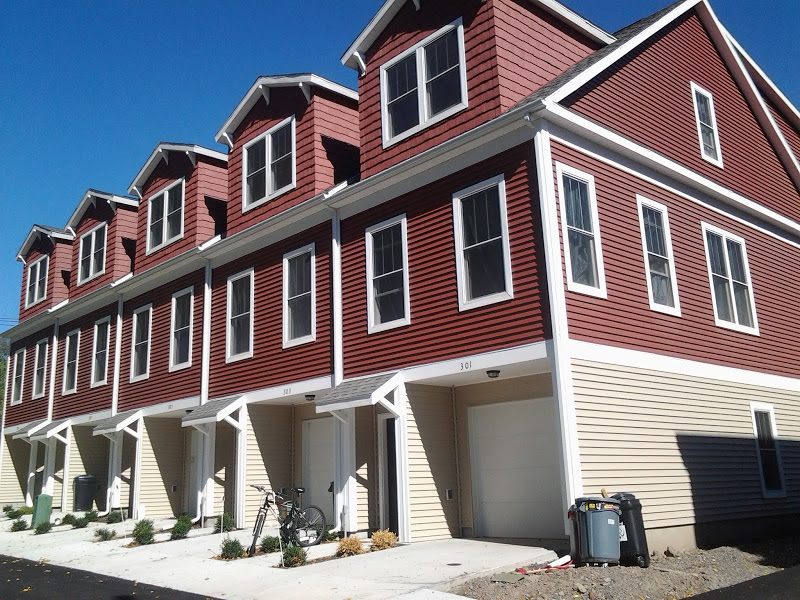
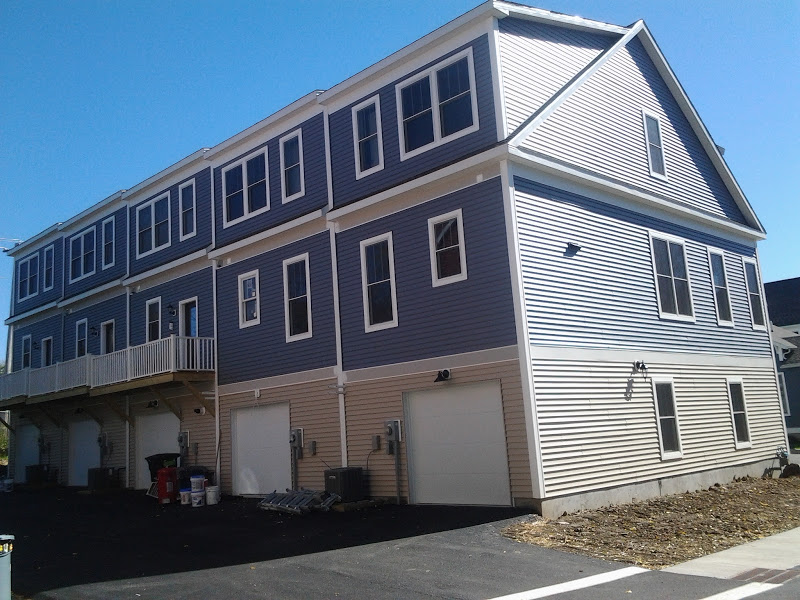
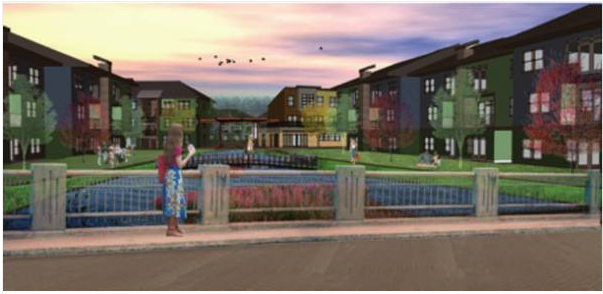
There’s not a whole lot left to say from a construction standpoint for the Belle Sherman Cottages project, located off of the 800 block of Mitchell Street. The townhouses are essentially complete, all that’s left is some landscaping and interior finishing-out. The Simplex modular pieces for the second set of five townhouses arrived on-site in mid-August, two for each townhouse unit. The pieces are then leveled and fitted together with steel plates, and then customized interior work begins for things like fixtures and flooring. On the outside, the foundation is backfilled, siding is attached, decks are built if the buyer chose to have one, and the landscaping is planted. The straw helps to keep the grass seed warm and moist so it can germinate, and it reduces the chance that wind will blow it away.

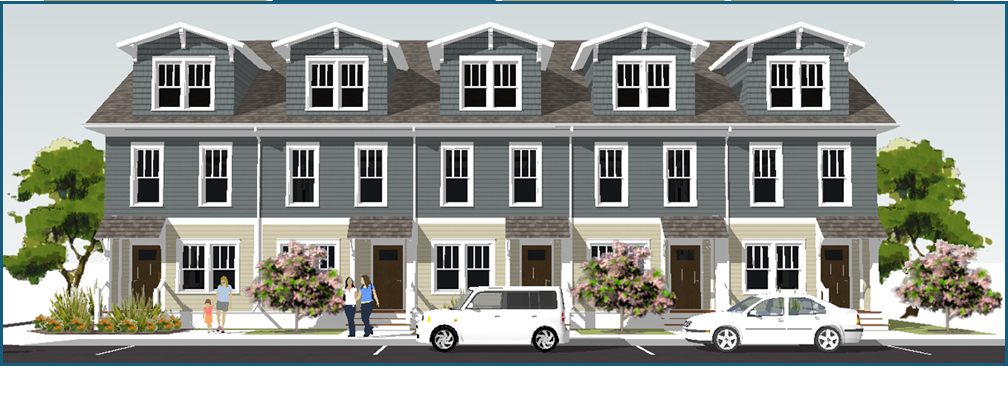
One difference from the computer rendering is that the render has all five townhouses at the same elevation. However, they’re actually staggered slightly, with the elevation dropping a few inches per unit as one moves from east to west. The same staggering effect was used on the first set of townhouses as well, with each unit dropping a few inches in elevation from north to south.

So, from start to finish, this was about…3.5 years? That’s not counting Lot 9, which doesn’t seem likely to happen anytime soon. Most of the new home construction was concentrated in just the past year and half – sales were slow at first, but they took off in early 2014.

The Belle Sherman Cottages project was developed by Agora Development of Skaneateles, and built by Carina Construction of Ithaca. Overall site design was penned by Ithaca-based STREAM Collaborative. The Simplex units were sourced from the company’s facility in Scranton, PA. A video of the construction process can be found on Carina’s Youtube account here.

20151011_134134 20151011_134147 20151011_134221 20151011_134235 20151011_134255 20151011_134324 20151011_134339 20151011_134402

belle_sherman_townhouses_1


Village Solars Construction Update, 10/2015

14 10 2015

With phase one of the Village Solars apartment complex completed and housing its first tenants, work is well underway on phase two. 12-unit Building “D”, which shares the same general design as phase one’s Building “B”, has already been framed, sheathed with a Tyvek-type of housewrap, mostly fitted-out (a couple windows and the balcony doors have not been installed), and even some siding has been installed on the ground level. This seems to be a change-up from the previous phase, which used ZIP System plywood for sheathing. Also, in a departure from Building “B”, Building “D” opts for larger windows in place of the very small juliet balconies on the upper floors.

Across the property to the east (and on the other side of the future pond) is the 18-unit Building “G/H”, a new design. Framing and wood studs are only beginning to arise on the ground floor. Plywood that will be used in future sheathing has been propeed up against the newly-erected wall studs. The concrete slab foundation has been poured and cured, and underground utilities have been installed.

Building “G/H” was created when developer Lifestyle Properties (the Lucente family) was working with NYSEG to lay out the utilities after approvals were granted and the first phase was underway. It was decided to make phase 2 all electric services, due to concerns that Lansing may not be able to provide gas service if the situation with the gas pipeline proposal on West Dryden Road doesn’t go in the town’s favor. One of the results of the utility infrastructure change was a difference in utilities layout, which impacted the site design for walkways, and the Lucentes are sought and received approvals last Spring to revise the PDA (planned development area, similar to the city’s PUD and the town’s PDZ) to change G and H from two separate buildings, to one large building that occupied a smaller footprint.

Lastly is Building “E”. “E” will be an 11-unit apartment building, though it’s not clear if it will be a new design, or simply an interior rearrangement of units. Right now, only the concrete forms for the foundation have been constructed, with what appears to be trenches for utility lines criss-crossing the site. Taking a rough guess, “D” will be completed and for rent before the end of this year, “G/H” by the end of Spring, and “E” will be finished in time for next year’s students, mid-to-late summer 2016.

Building “F” is part of a separate phase, “2A”. It will contain 10 units and a community center. According to Rocco Lucente in an interview last month, work on Building “F” will begin after the other phase two buildings are completed.

The first three buildings in the Village Solars complex, buildings “A”, “B” and “C” with 36 units in total, were completed this summer at a cost of $4.7 million, according to loan documents on file. Rents posted on Craigslist have one-bedroom units listed for $1050-$1145, two-bedroom units for $1235-$1369, and three-bedroom apartments rent for $1565-$1650. Prices vary a little depending on what floor the unit is on – the higher up a unit is, the more it costs.

Phase two will cost about $6 million, according to the construction loan filed with the county. Tompkins Trust Bank is providing financing. Future phases call for upwards of 300 units on site.

20151011_123635 20151011_123653 20151011_123739 20151011_123809 20151011_123838 20151011_123858 20151011_123922 20151011_123936 20151011_123954 20151011_124021 20151011_124113 20151011_124215 20151011_124255 20151011_124459

village_solars_2 village_solars


Kendal at Ithaca Construction Update, 10/2015

13 10 2015

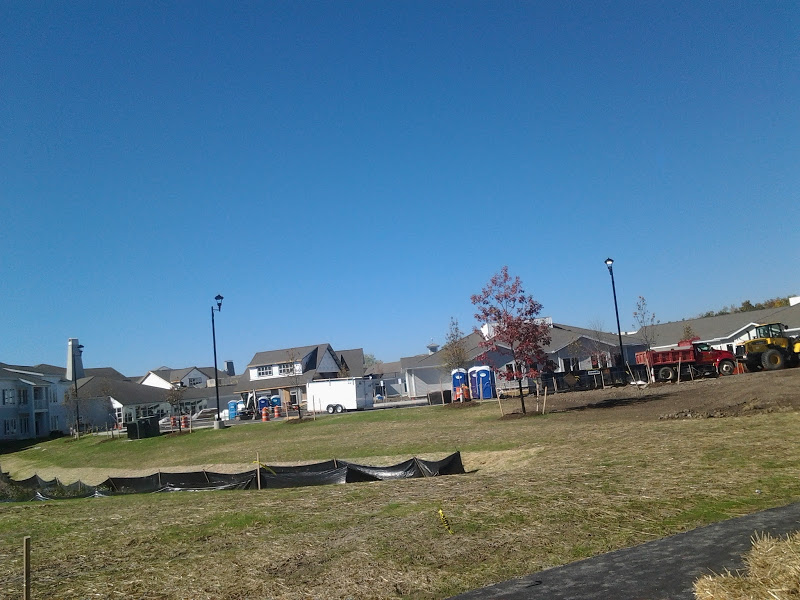
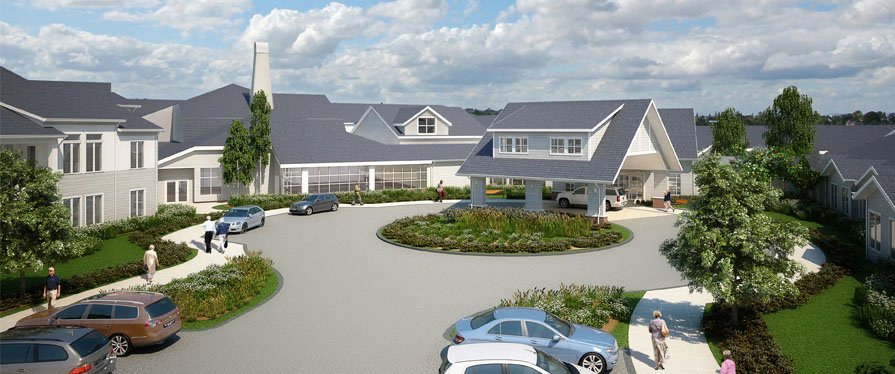
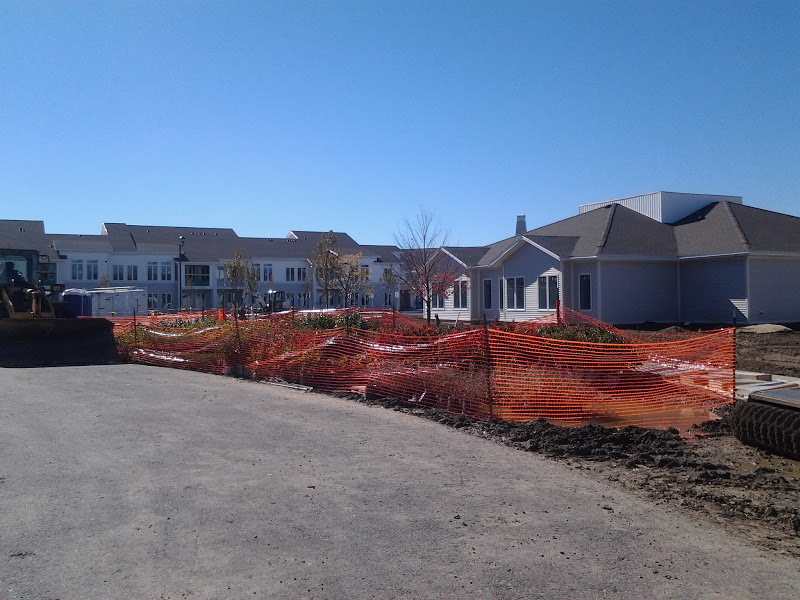
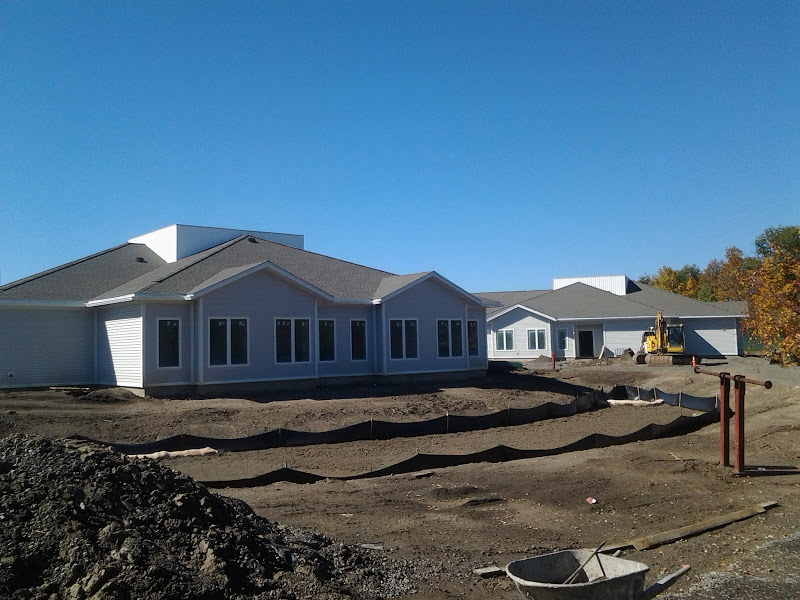
In Cayuga Heights, work is ongoing at the Kendal at Ithaca site as the project marches steadily towards its January 2016 opening date. The senior apartment wing is nearly complete, with just some minor exterior trim (balcony railings) and facade work left. New garages have been built for future tenants of the apartments. The skilled nursing facilities are largely finished from the outside, but are missing the decorative roofs and trusses, which will be installed later this fall. At least from the outside looking in, the new entrance circle/porte-cachere (photos four and five) looks like it has the most work left on its to-do list – windows have been fitted but the new entry and second-floor administrative offices have yet to have trim or facade materials installed. However, given that’s it’s one of the smaller additions, the project should pose no huge hurdle moving forward.
With the January opening date, landscaping work may not finish until the spring, when new trees and grass seeding can be done without fear of inclement weather.

Kendal at Ithaca is currently in the midst of a $29.3 million expansion. Three new wings will be built on the northeast side of the property as part of a new 48-bed skilled nursing center, an increase from the 35 beds currently available. On the southeast side of the complex, a new 2-story, 24-unit apartment wing is being built for independent seniors (16 one-bedroom, 8 two-bedroom). A new entrance, cafe, fitness center, and health center are also included in the additions, as well as major interior renovations. Landscaping additions and a 26-car parking lot are also planned. The construction project is aiming to achieve LEED Gold certification.

Construction began this past January. An estimated 20 to 25 new jobs will be created by the expansion, most of those in service positions that pay $24-$45k. The Kendal website seems to sidestep the discussion of costs, but a New York Times piece from when it opened in 1996 stated the entry fee was about $80,000 for a single person in the smallest unit, rising up to $267,000. Strictly calculating from inflation, the entrance fee may start around $120,000-$125,000 today.

Kendal was granted the privilege to issue tax-exempt municipal bonds by the county legislature to finance the construction of their new wings, but is not seeking any property tax abatement.

Local architecture firm Chiang O’Brien has partnered with the NYC office of Perkins Eastman to design the Kendal expansion. National contractor Lecesse Construction, with an office out of suburban Rochester, is in charge of general construction.

20151011_131238 20151011_131339 20151011_131344 20151011_131410 20151011_131433 20151011_131528 20151011_131532 20151011_131553

Kendal_1

expansion_banner


Upson Hall Construction Update, 10/2015

12 10 2015

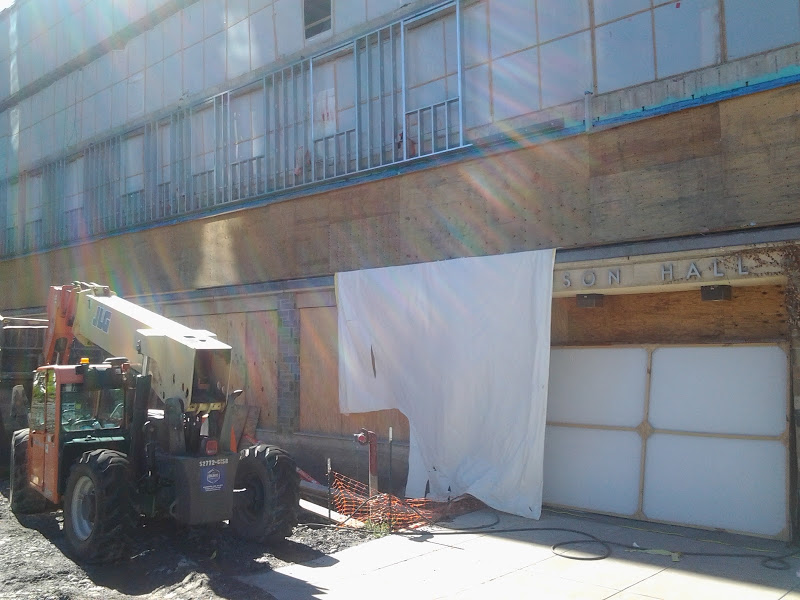
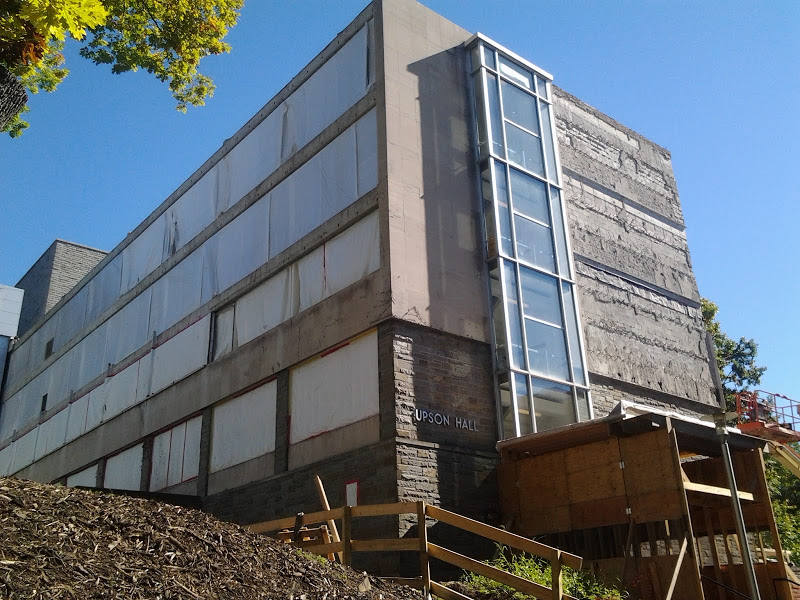
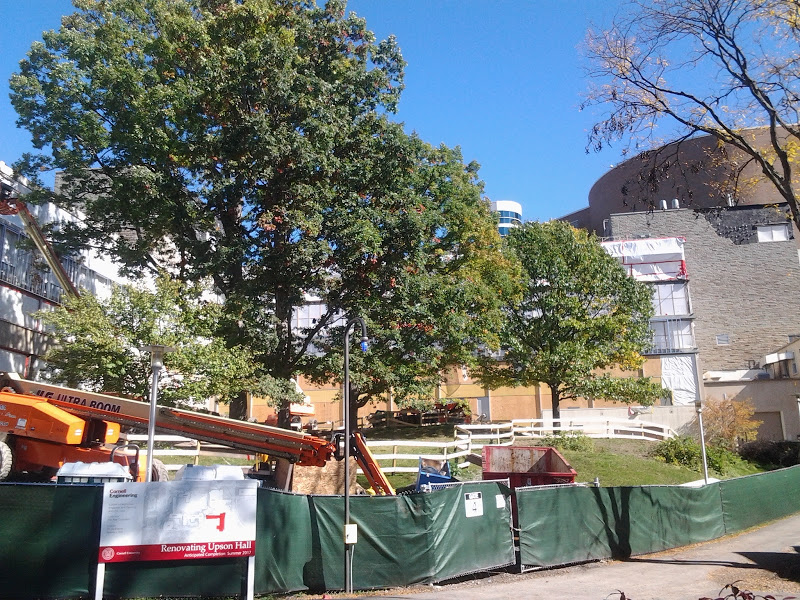
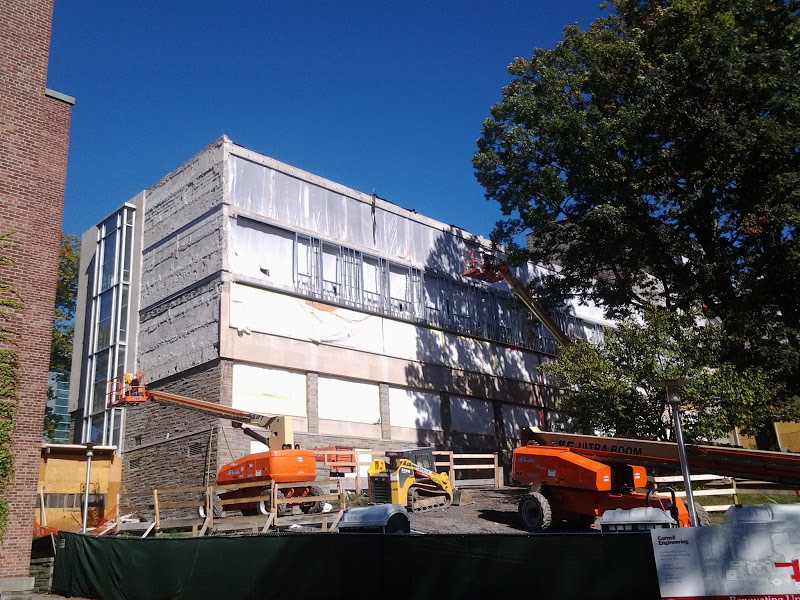
Over on the Engineering Quad of Cornell’s campus, work continues on the gut renovation of Upson Hall. Gone are the original Terra-cotta panels that banded the facade, and the bluestone that faced the building will be removed as the project progresses. Plastic sheeting covers the exterior, working as a vapor and weather barrier. Exterior metal studs, which form the walls, have started to show up on the third floor, with spaces indicating future window openings. These studs will be sheathed (probably with glass-mat gypsum sheet-rock) and later the facade will be put up after the windows have been installed and the building is fully closed in.

Inside the plastic sheets, new telecom rooms are being framed out on the first and second floors, and new drywall is being hung up. Wall framing for new classrooms and offices is underway on the third floor, as well as duct and pipe hanger installation (utilities rough-in). Floors four and five are still undergoing interior demolition – walls are being sandblasted to remove paint, worn-out mechanical, electrical and plumbing systems are being removed, and the old interior walls are being deconstructed so that the space can be re-purposed. New vertical shafts are being cur through the floors, and these will house state-of-the-art electrical and telecom infrastructure.

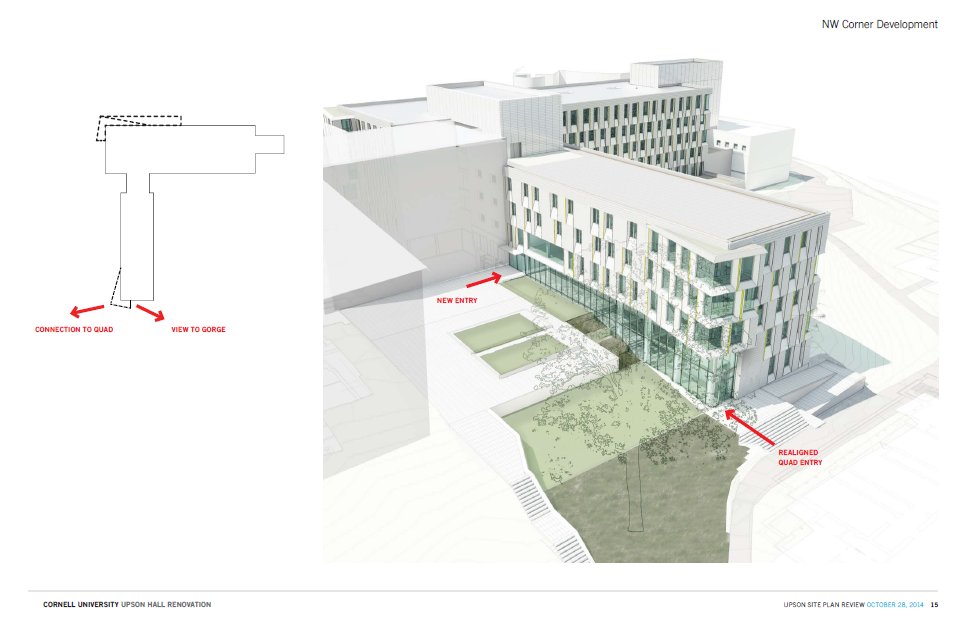
Sometime in the next couple of weeks (target date October 21st), the steel angle installation will begin for the northeast and northwest corners, which will be expanded outward as part of the renovation (the net gain in space will be about 4,000 SF). Steel clips will be attached to the existing structural steel, and then the new steel beams will follow. The entire project is expected to be completed by September 2017, with landscaping work in the second phase.

Upson Hall houses the Mechanical and Aerospace Engineering department, and previously housed labs and offices for computer science until the completion of Gates Hall last year. Built in 1956, the 160,000 SF building is being renovated and modernized at a cost of $63 million.The building will be seeking LEED Gold certification.

The New York office of Perkins + Will, who designed the original building during the height of modern architecture 60 years ago, are also working on the new design, in conjunction with New York-based LTL Architects and engineering firm Thornton-Tomasetti. The Pike Company out of Rochester has been hired on as the general contractor for the multi-million dollar project.

An interview with Robert Goodwin, the design director for Perkins + Will’s role in the project, can be found on the Voice here.

On a personal note, I walked through a spider web while getting photos, and once I got back to my car, found a fingernail-sized sandy-brown spider on my cheek. I quickly grabbed it and flung it onto my umbrella, and shook it out a moment later. Spiders don’t freak me out much, but if that had been a bee on my face, you’d be reading on the Voice that I either died of a heart attack, or drove into a wall.

20151011_132720 20151011_132726 20151011_132752 20151011_132846 20151011_132955 20151011_133005 20151011_133036 20151011_133040

100_2099upson_4


Boiceville Cottages Construction Update, 9/2015

8 09 2015

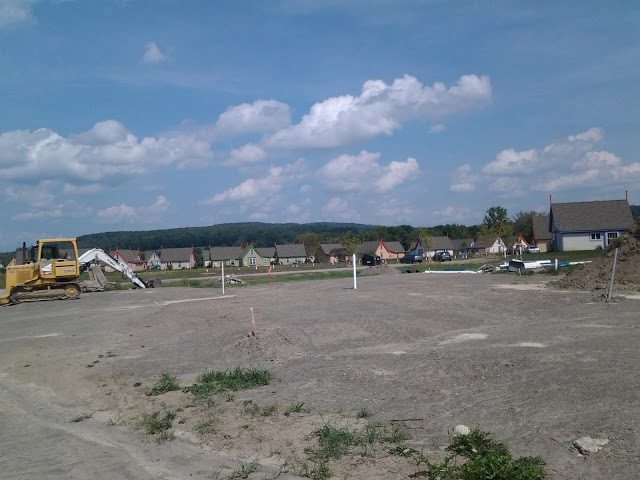
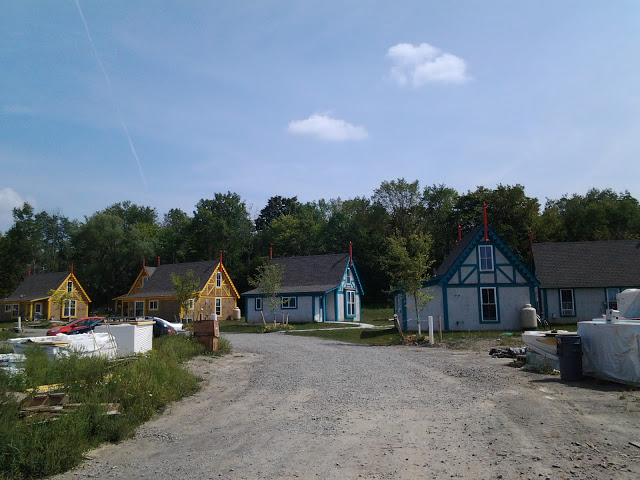
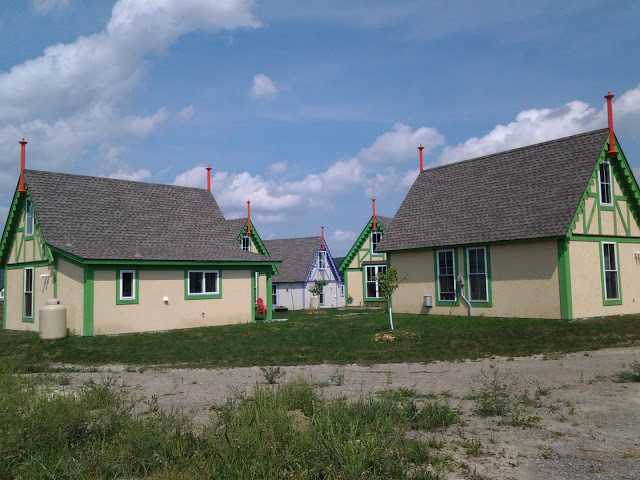
Out in Caroline, work at the Boiceville Cottages siteseems to have switched gears. Since the last update in May, the blue stucco houses with teal trim have been faced with stucco and had interior and exterior finishing completed (and occupied, judging from the 20-something I saw carrying boxes into one of the houses). Work at the site is less concentrated on cottage construction at the moment, and more focused on laying out where the rest of the homes will go as the loop road circles back around to Boiceville Road/ County Rte. 114.

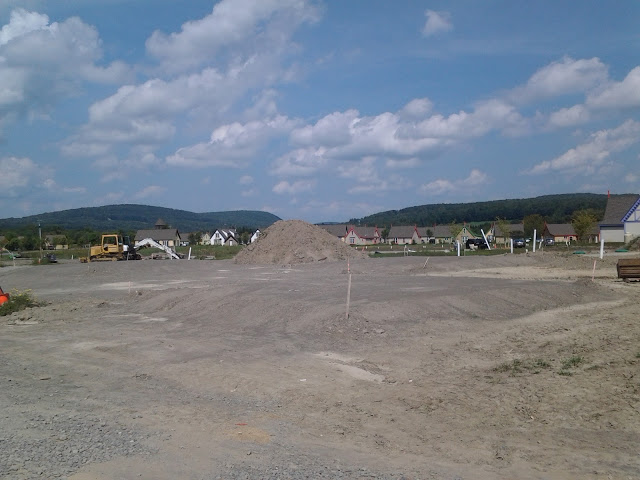
Three concrete slabs indicate where new cottages are likely to be built in the next few months (I feel like the blog or the Voice should do a reader poll on what colors to use next). Scattered along the rest of the undeveloped area are cleared sites with layers of dirt and gravel. These are the sub-slab bases on which future concrete slabs will be poured. Survey work was enlisted to stake out the corners of the future cottages, with poles inserted into the  to indicate the corners of the planned units. In total, there were at least a dozen bases, and over the following months they will become the next dozen or so cottages.

Schickel Construction / Schickel Rentals of Dryden is developing and building out the project. Developer Bruno Schickel’s unusual design was inspired by cottages in a storybook he read to his daughter. The construction cost of the 75-unit addition (total 135 units) is at least $7.654 million – a loan for $5.454 million was given by Tompkins Trust in April 2013, and an additional loan for $2.2 million ($2,098,479 of which goes towards hard construction costs) was granted by Tompkins Trust in April of this year. The loan granted in April funds up to 15 2-bedroom and 16 1-bedroom units, and the legal date on file for completion is May 1, 2017.

20150829_120441 20150829_120350 20150829_120251 20150829_120208 20150829_120201 20150829_120138 20150829_120104 20150829_120059

How House Construction Works


Carey Building Construction Update, 9/2015

7 09 2015

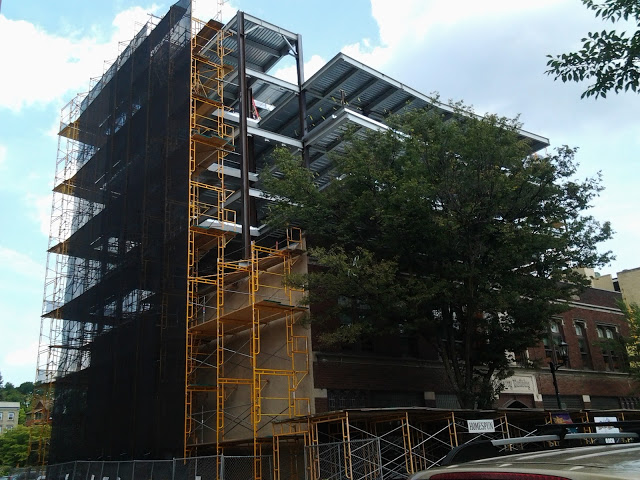
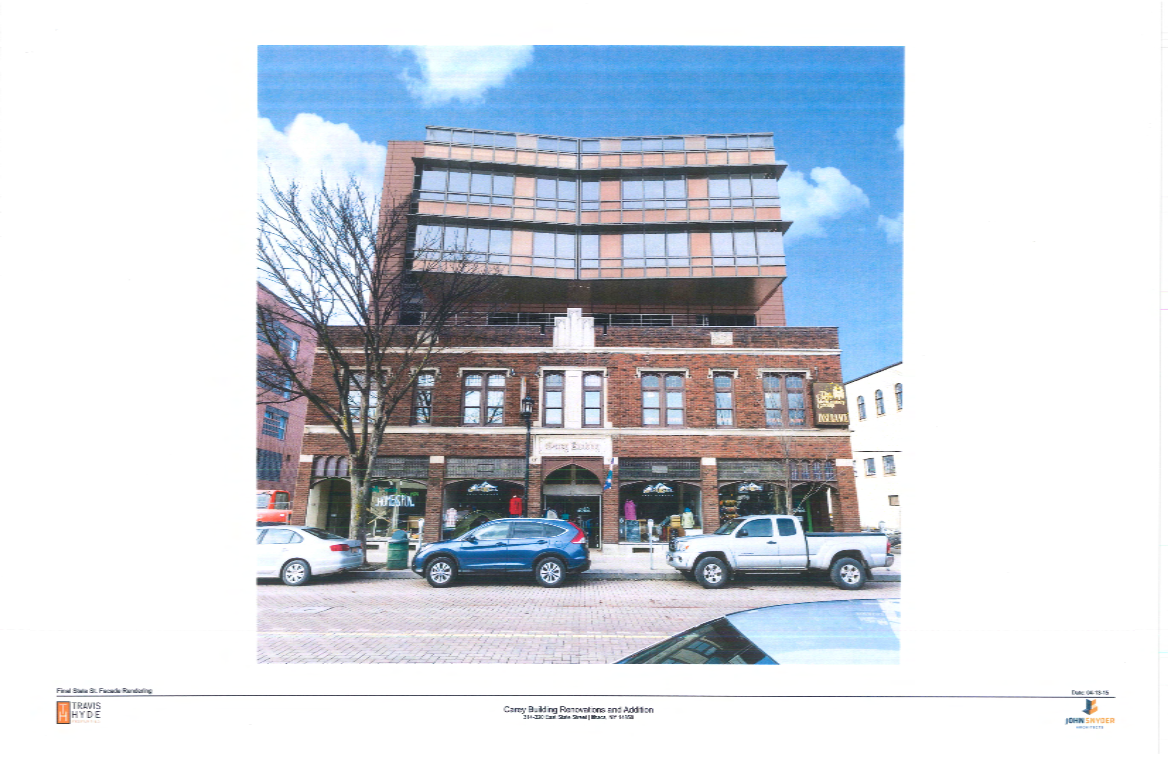
Just a quick update on the Carey Building addition at 314-320 East State Street in downtown Ithaca. As of the end of the month, structural steel has reached the top floor of the five-story addition, though it has yet to fully build out. The lower floors have been decked with corrugated sheet metal, and concrete floor pours might already be underway on the lower levels.

Paperwork filed with the county last Friday indicates that Tompkins Trust is providing the construction loan, with a value of $4,736,000, of which the very precise figure of $4,642,554.46 is going towards “hard” construction costs. Hard construction costs leave out legal fees, permit fees, and other costs not directly related to construction. The paperwork indicates a February 2017 completion date, but that’s more of a legal date than an actual date. The addition is likely to completed early next year.

The Carey Building addition will add a third floor and 4,200 SF to the Rev business incubator (nearly doubling it from 4,500 SF to 8,700 SF), and on floors 4-7, there will be 20 apartments, most of which are studios. Local firm Travis Hyde Companies is developing, John Snyder Architects penned the design, and LeChase Construction is the general contractor.

20150829_125735 20150829_125801 20150829_125827

carey_rev5_1 carey_rev5_2 carey_rev5_3


206 Taughannock Boulevard Construction Update, 9/2015

4 09 2015

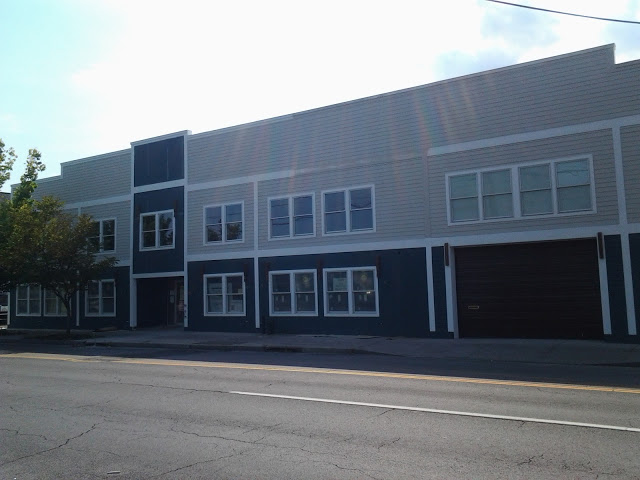
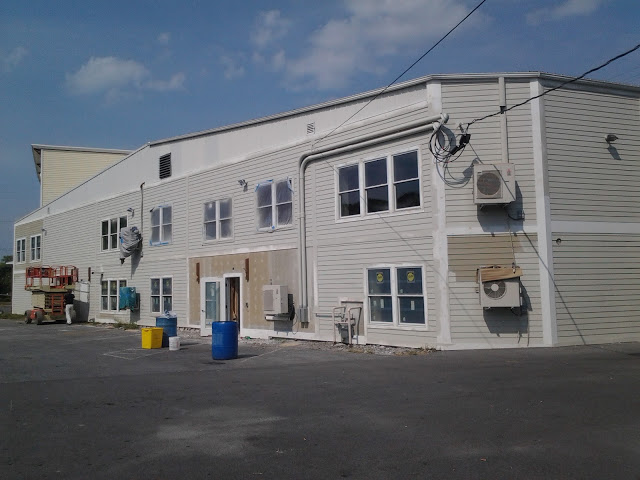
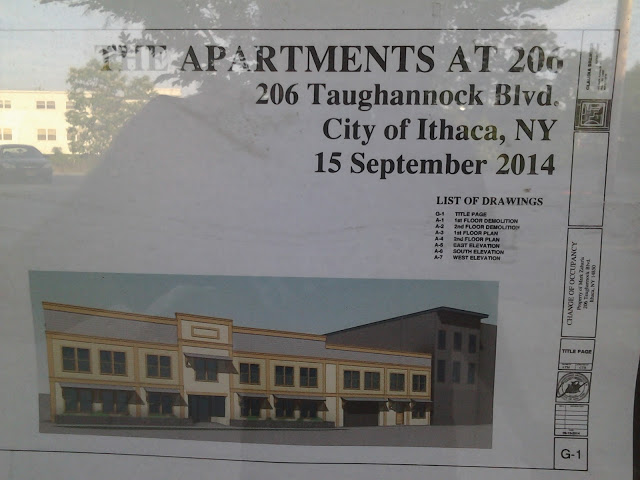
Over on Inlet Island, another project is in the home stretch towards completion. “The Apartments at 206”, Mark Zaharis’s mixed-use project at 206 Taughannock Boulevard, is mostly completed on the outside, with minor cement-board trim installation and painting ongoing. There might be some further exterior work planned with sunscreens and such, but it’s difficult to be sure since the built design doesn’t match the rendering.

A peek through the back door showed drywall being hung on the wood framing, and some utilities rough-in still going in. The project is a gut renovation of a former furniture store and warehouse, so the owners had quite a task with rebuilding the interior.

According to an older gentleman working on the site, the apartments “should be ready in two or three months, keep an eye out.” There will be four one-bedroom and three two-bedroom units, along with office space on the first floor.

Local architect Claudia Brenner penned the design of the renovated building. Last year, Brenner designed the renovation of the Lehigh Valley House next door into a mixed-use building with ground-floor commercial space, donated space for the recently-opened branch office of the IPD, and six condominiums. The Zaharises, who owned and managed the furniture store before it closed in Spring 2014, are the developers-in-charge.

20150829_152045 20150829_152023 20150829_152005 20150829_151952 20150829_151906 20150829_151901

20150613_191931


Ecovillage Construction Update, 9/2015

3 09 2015

The last stages of work are underway at Ecovillage on Ithaca’s West Hill off of Mecklenburg Road on Rachel Carson Way. Construction on the single-family homes in Ecovillage’s third neighborhood, “TREE” (Third Residential Ecovillage Experience, following its first two, FROG and SONG) has been complete for a little while now, but the 15-unit Common House has yet to be completed. The exterior has been finished, with attractive wood-frame balconies swaddling the building, but interior work (drywall boarding and painting, from the looks of it) is still taking place.

The 15 apartments range from 450 SF studios to 1,400 SF three bedroom units. Rental prices for the apartment units have not been posted. According to Ecovillage Executive Director Liz Walker, “The current goal is October 1st for completion. There will still be inspections after that, so it will be perhaps the end of October or November before people are able to move in.”

Construction is being handled by a local company, AquaZephyr, which received an award from the U.S. Dept. of Energy for a “zero energy ready” home constructed as part of TREE. The designs of the Common House and houses are the work of California architect Jerry Weisburd, with local firm STREAM Collaborative handling the permitting process and design tweaks after Weisburd’s retirement.

20150829_153323 20150829_153359 20150829_153429 20150829_153529 20150829_153629 20150829_153648


Cornell Veterinary School Expansion Construction Update, 9/2015

2 09 2015

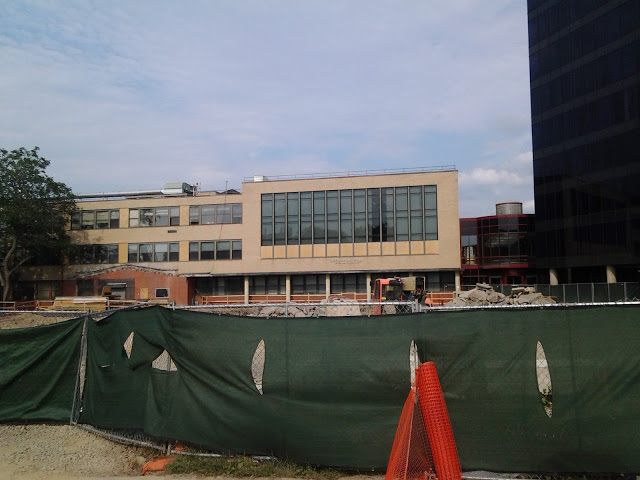
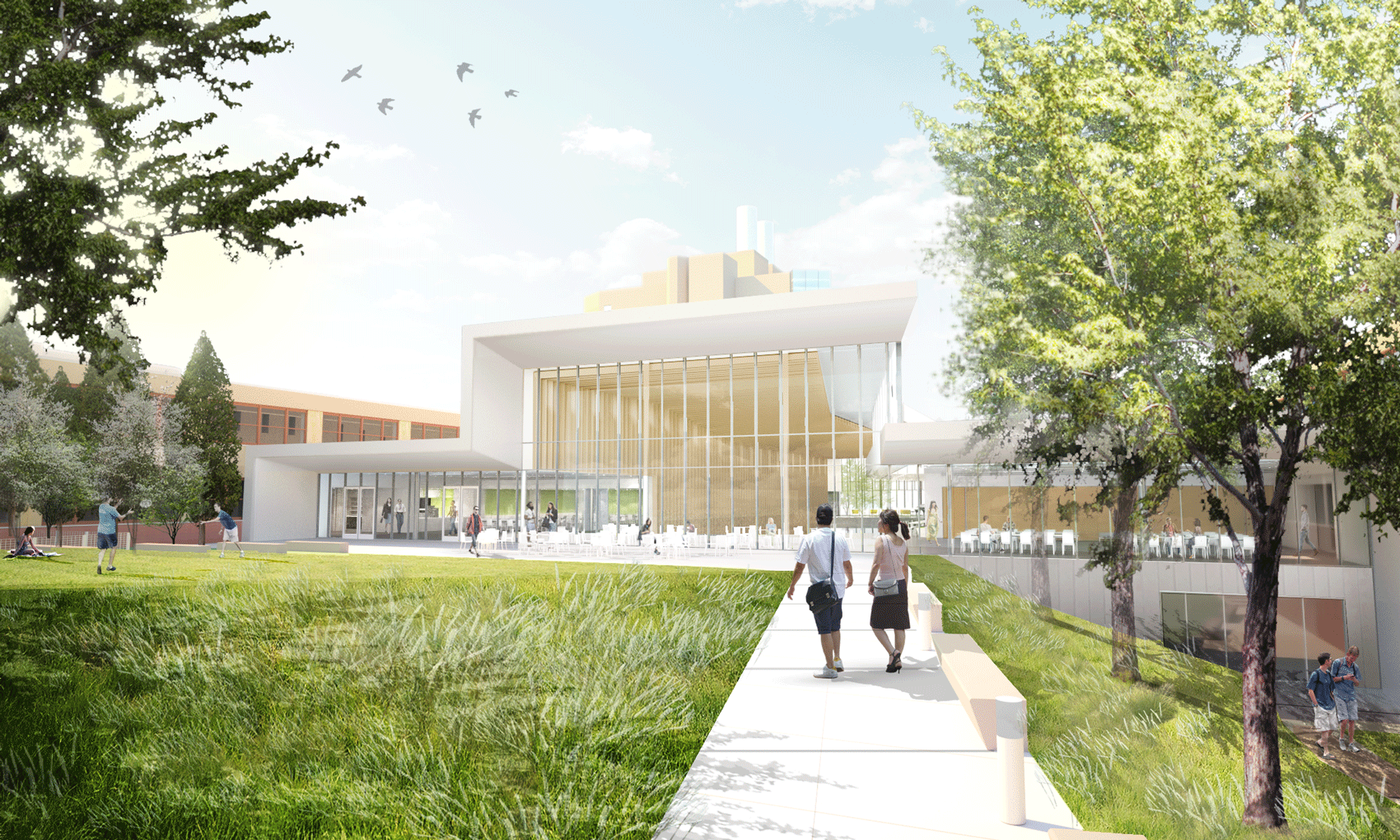
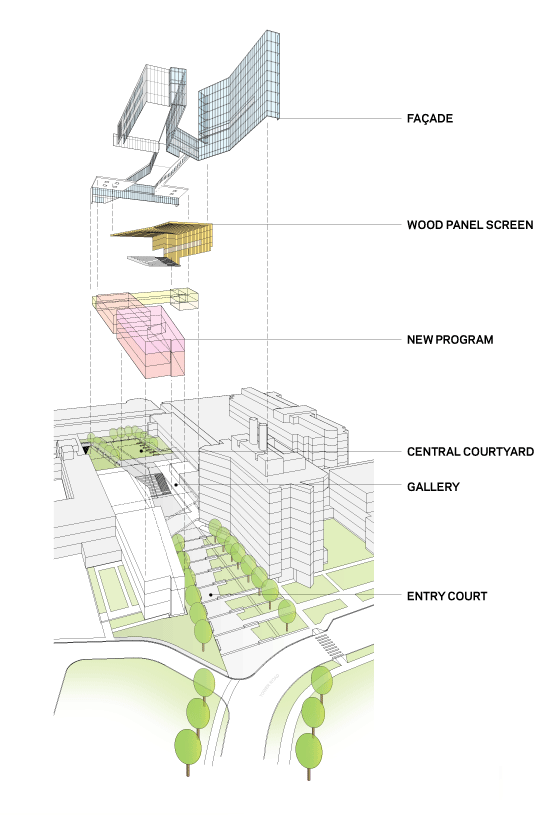
In an attempt to avoid the correct but lengthy word jumble this is, I’m just going to refer to this as the Vet School Expansion. Even then, in terms of physical square footage, expansion is something of a misnomer. The plan calls for the demolition of 68,000 SF of space, the addition of 65,000 SF of space, and the renovation of 33,000 SF. In sum, 3,000 SF less space than which the vet school started with.

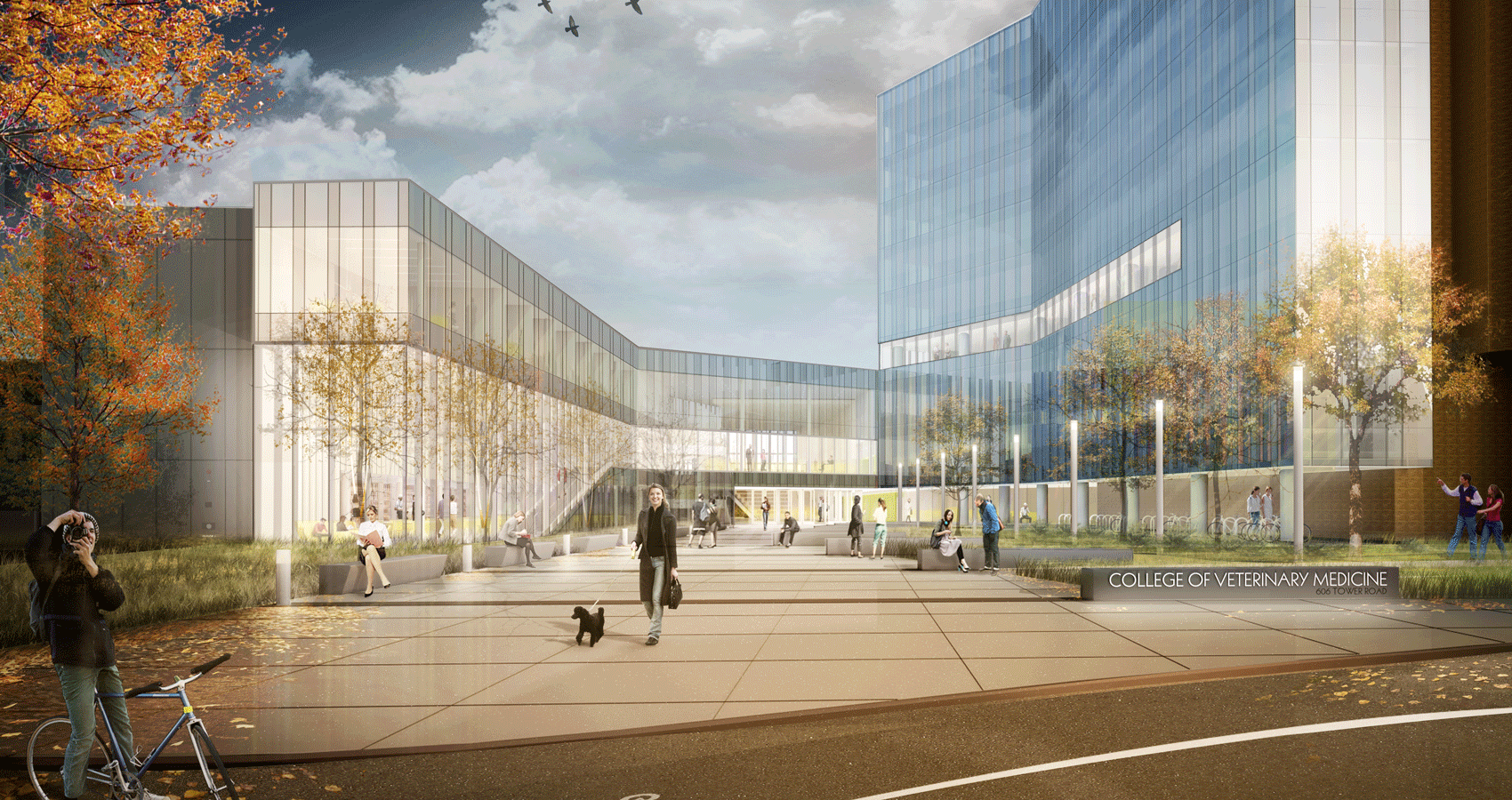
However, it’s less about space and more about efficiency. The plans include renovation and expansion of classrooms, teaching laboratories, cafeteria, locker rooms and shower facilities, and a combined Tower Road entrance. In the photos below, the entry plaza and the James Law Auditorium have been torn down. In its place will rise a new three-story addition that will house the vet school’s Flower-Sprecher Library. Parts of Schurman Hall will also be demolished and replaced with a new 2.5 story gallery/courtyard space. Extensive interior renovation will cluster classrooms, labs and service space, improving circulation through the numerous interconnected buildings that comprise the Vet School. The Vet Research Tower will be reclad in lighter, more transparent glass to match the new additions. The design of the expansion is a product of NYC firm Weiss/Manfredi, a Cornell favorite.

Renovations will increase the class size from 102 DVM students to 120 DVM students. Since a DVM degree takes four years, that means an additional 72 students.

Phase one for the vet school expansion is well underway, having a roughly January 2015- January 2016 time frame. The second phase will pick up immediately after the first and run from January 2016 to June 2017.

The budget for both phases is $74.1 million, with funds coming from the SUNY Construction Fund and private sources.

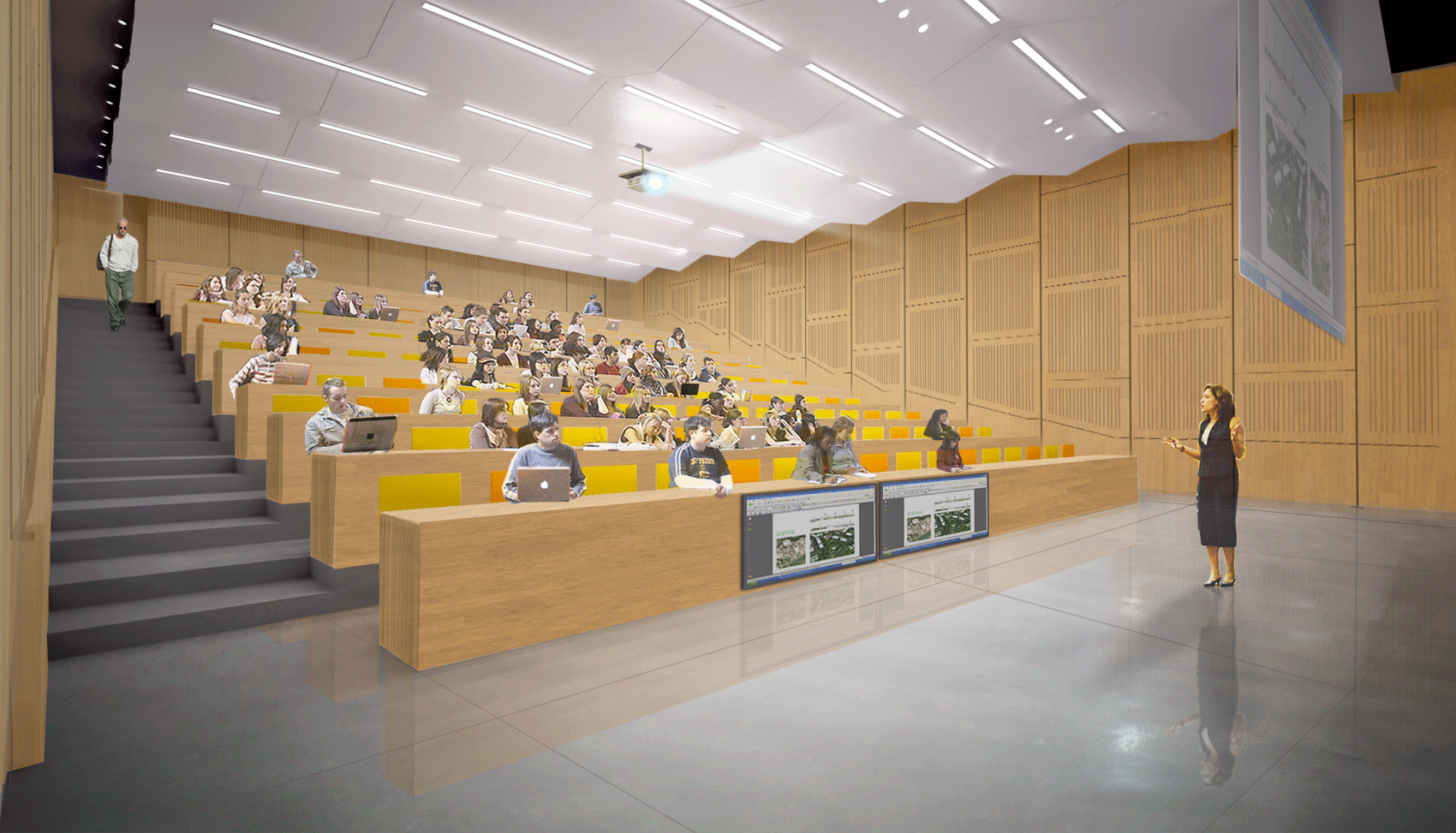
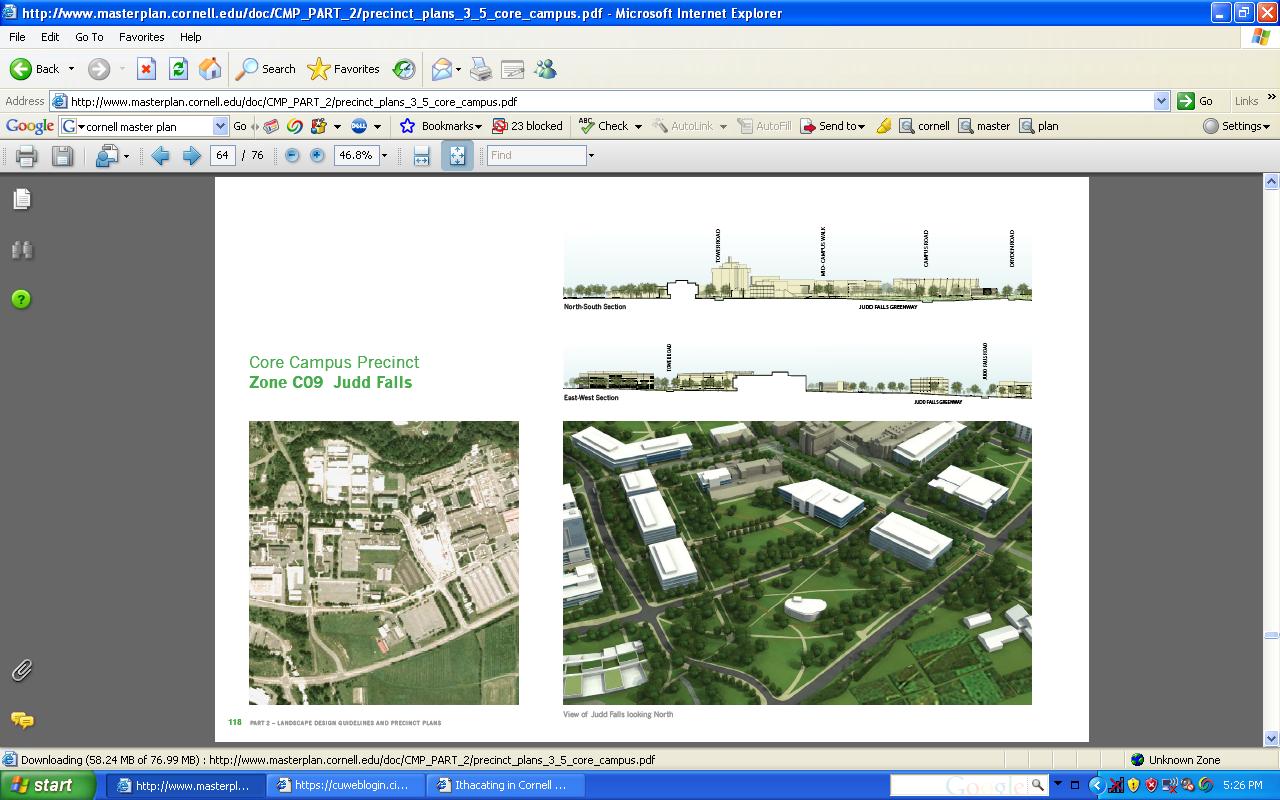
On a humorous note, while going through the project page on the architect’s website, I found an image of a lecture hall with some token presentation slides (last image). The placeholder image is a screenshot I had taken of the Cornell Master Plan back in 2008. Surprise surprise. For the record, I’m totally okay with it (even though I hate the screenshot, dating from the days before I thought to crop images).

20150829_162541 20150829_162526 20150829_162517

cad048742a281097e5667382eced4233

LibraryReadingRoom10-2

8f098b7e26544f579eb7411b9a1716aa

eea787361994de9625f74b19aa50d91e

655113b60367a0343c31545937948d57