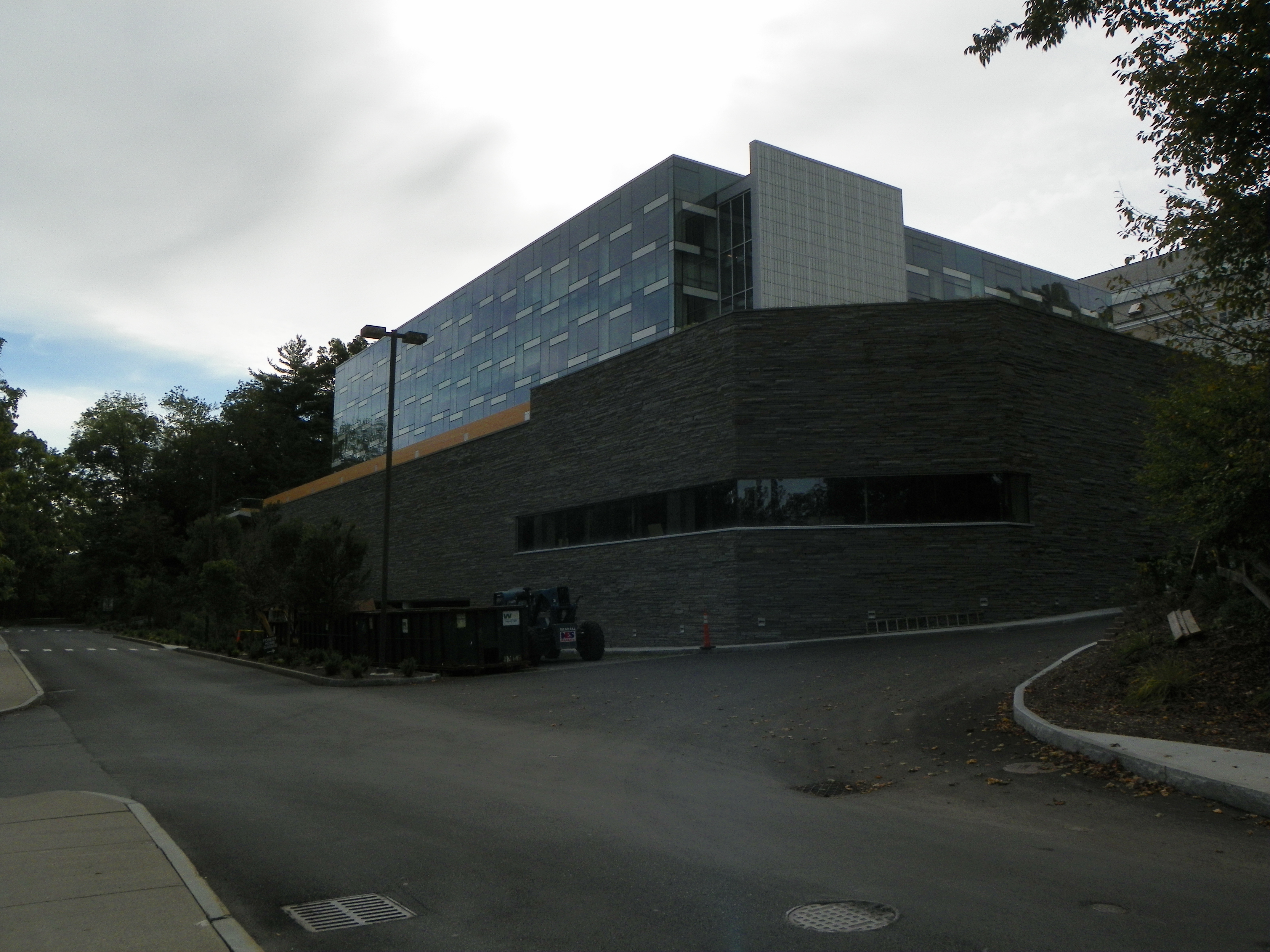
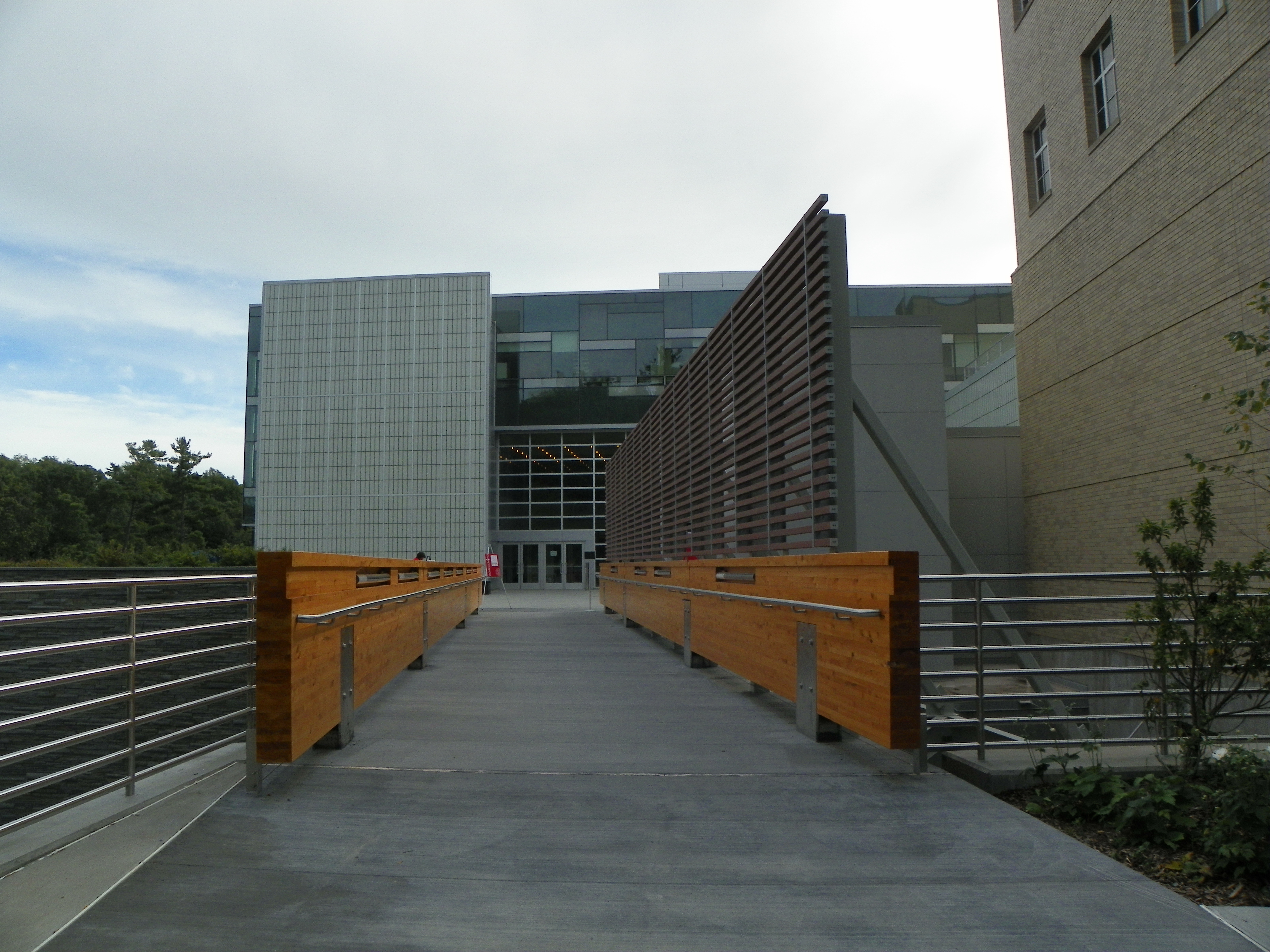
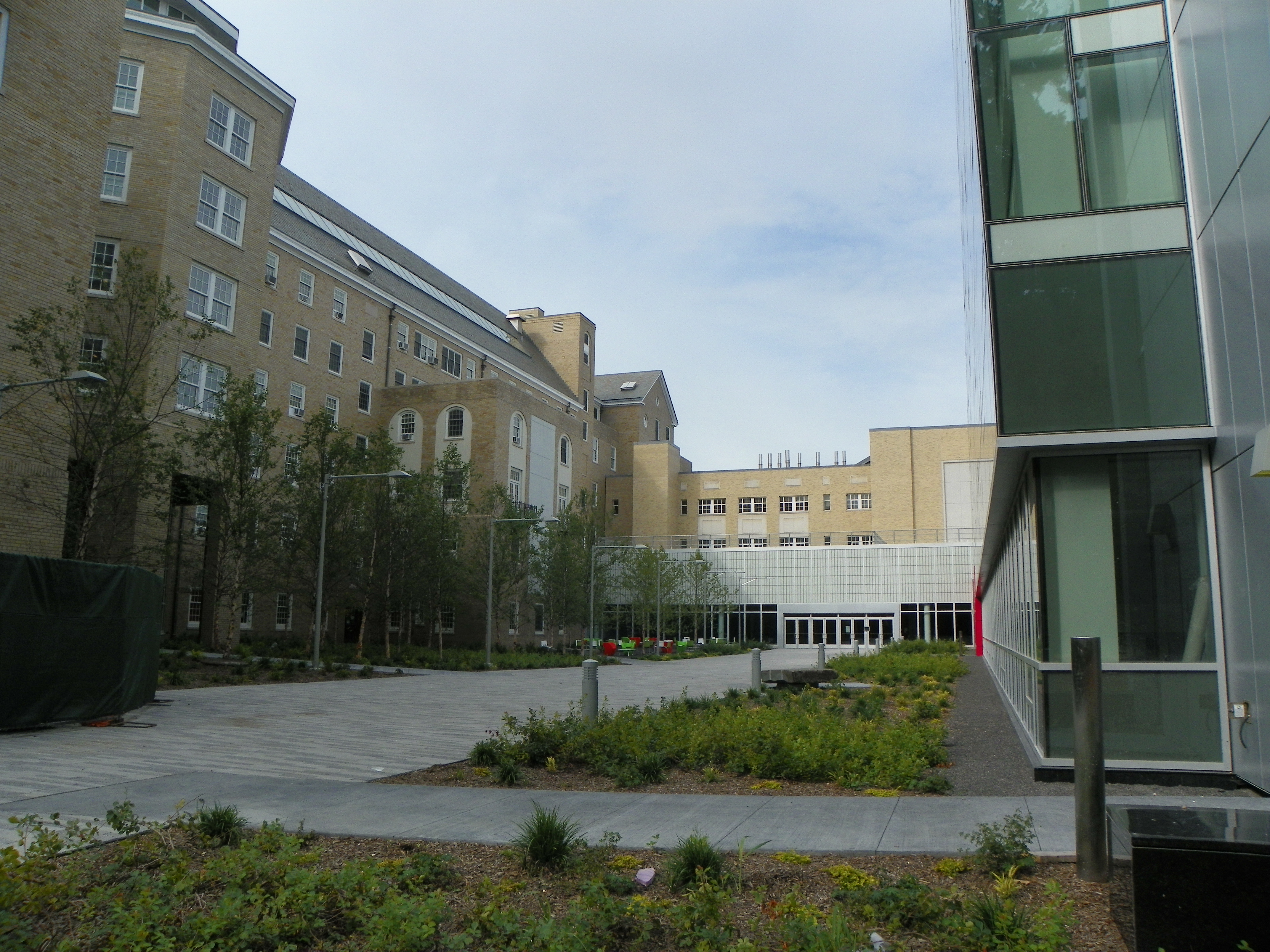
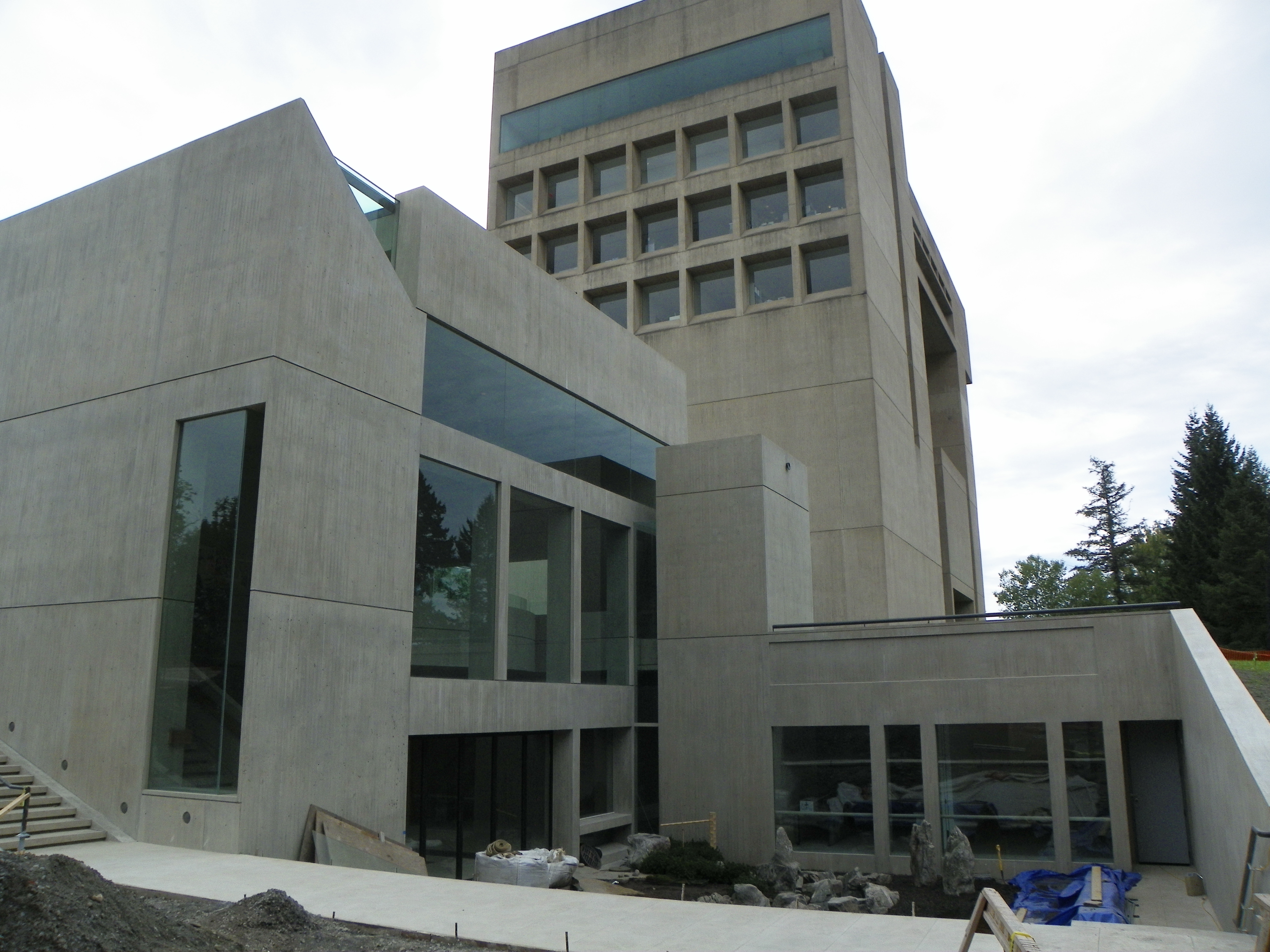
Spring 2012 Construction Update

2 05 2012

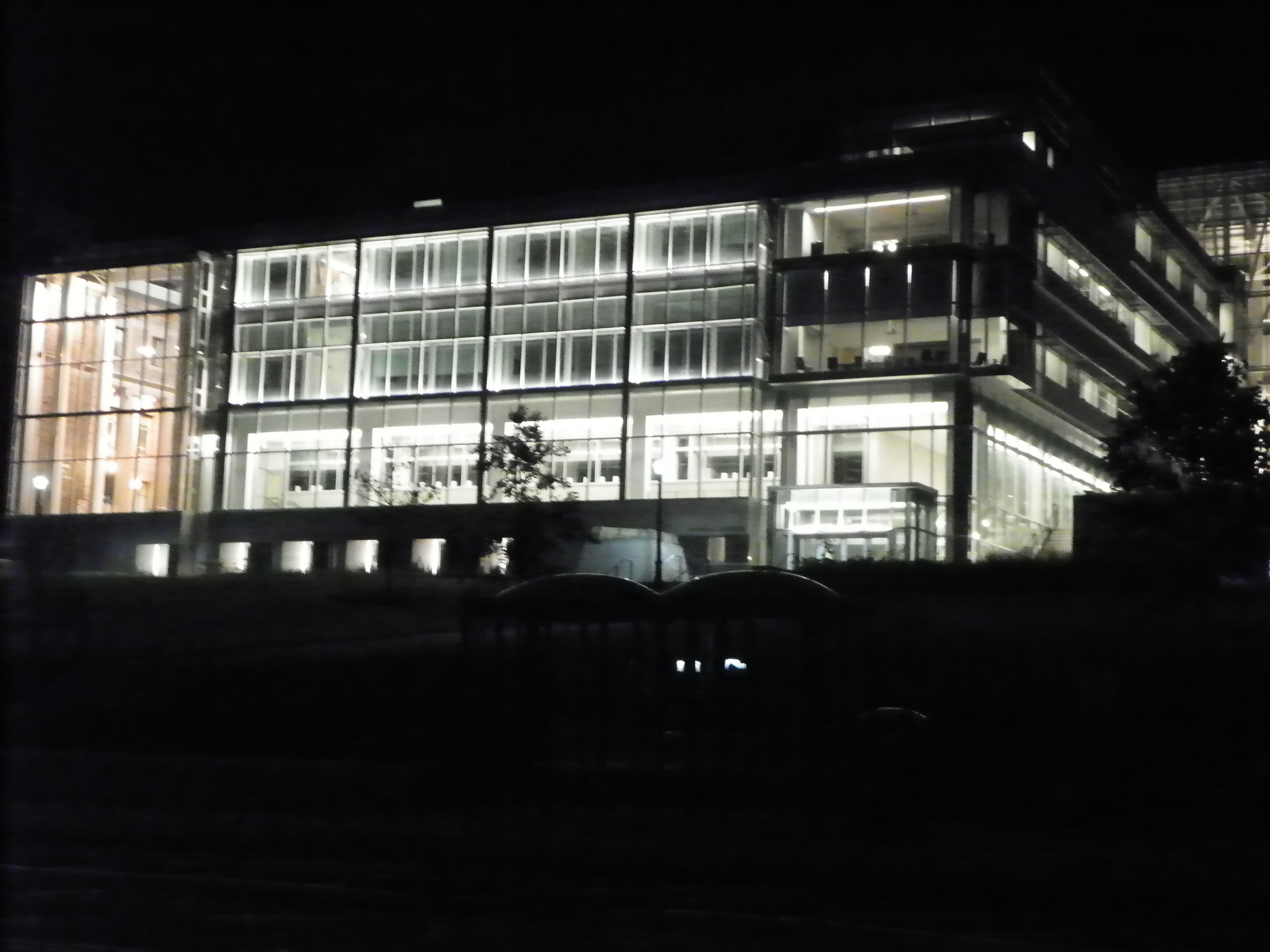
I’m disappointed, and I’m not disappointed. I can’t be at Slope Day itself because of a morning meeting (and to seal my fate that day, I’m having new tires put on my car). On the bright side, I did get a chance last weekend to go to a Cornell alumni reception for my major, and the traffic, one could assume, was a lot better than it would be with thousands of young alumni driving back to the area. I took the downtime between alumni events as an opportunity to do some construction photo updating.

As nice as it would’ve been to report on some downtown construction, all the sites approved or of buildings “underway” appeared to be dormant from the outside – if they’ve started anything, it might be interior demolition, but there wasn’t any demolition equipment at Seneca Way or Breckinridge Place (which, as I have now discovered, is scheduled for May 15th); the latter had a tarp poster, shown above, but that was about it. As kinda expected, significant work has yet to start at the Holiday Inn, Hotel Ithaca and Cayuga Green II.

That being said, it’s not like there was no progress at all in the area. The Argos Inn is nearing completion of its renovation.

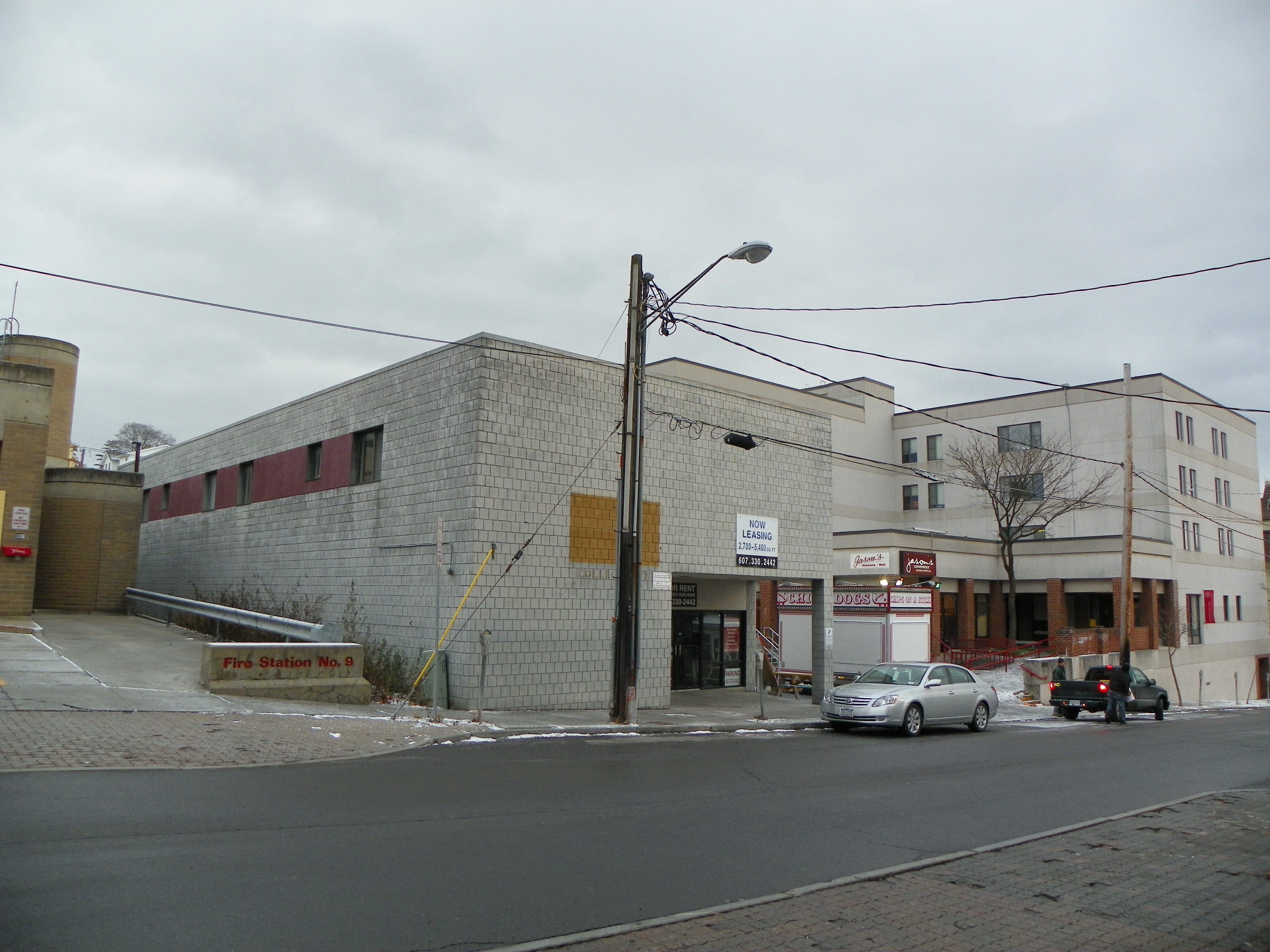
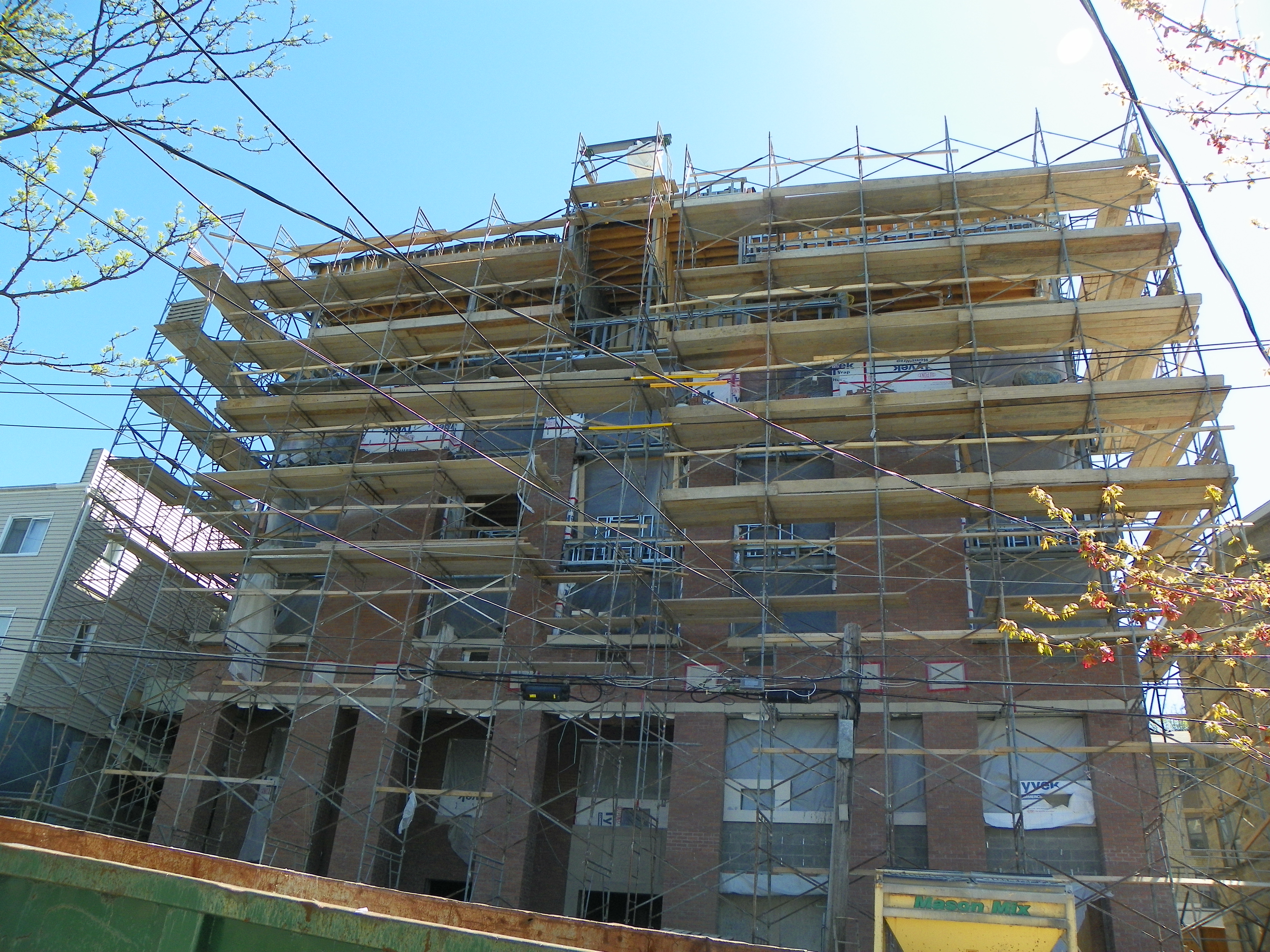
Comparably, construction in Collegetown has been rapid. Here, 309 Eddy is undergoing facade installation, and looks on track for an August completion date.

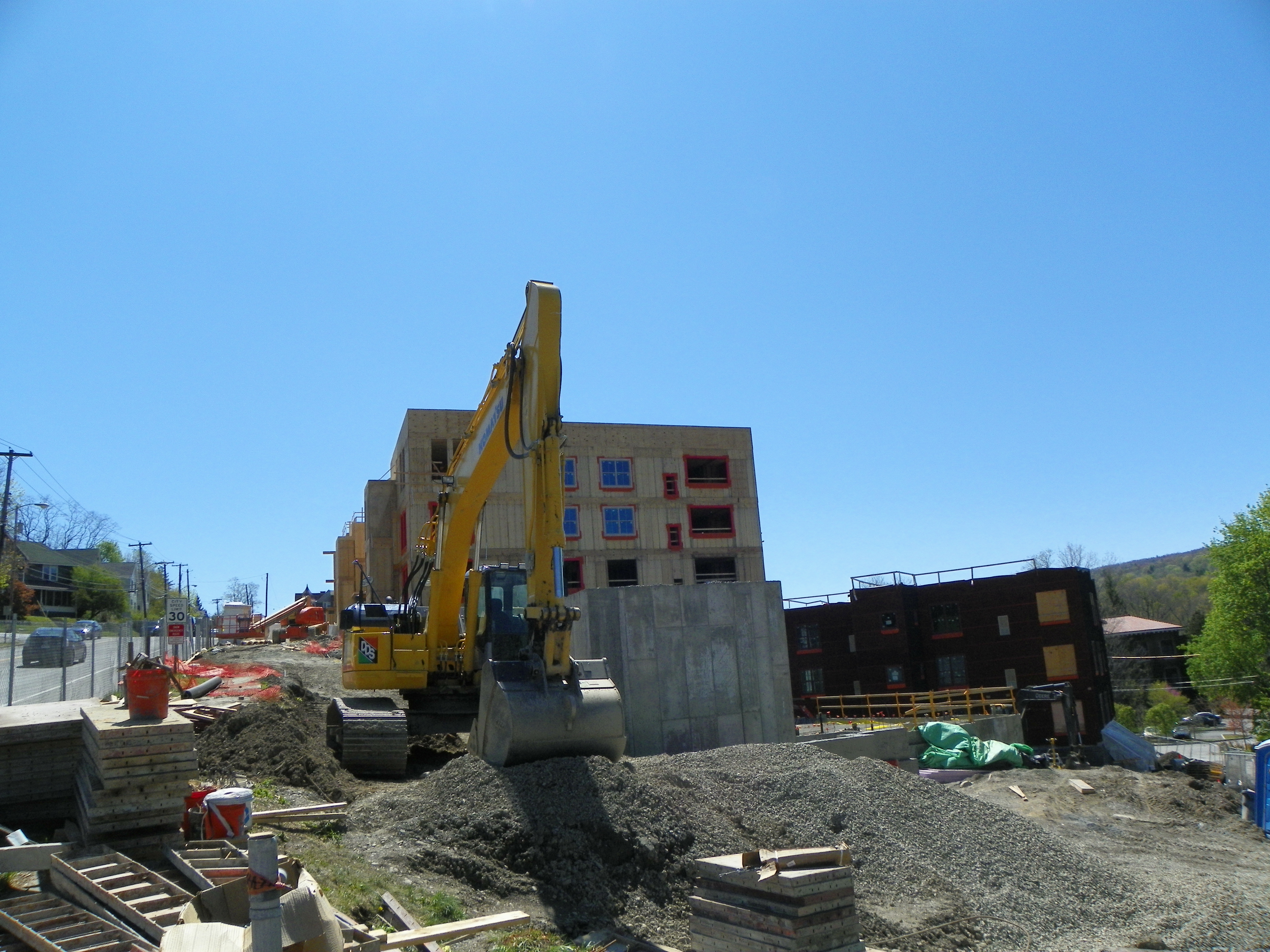
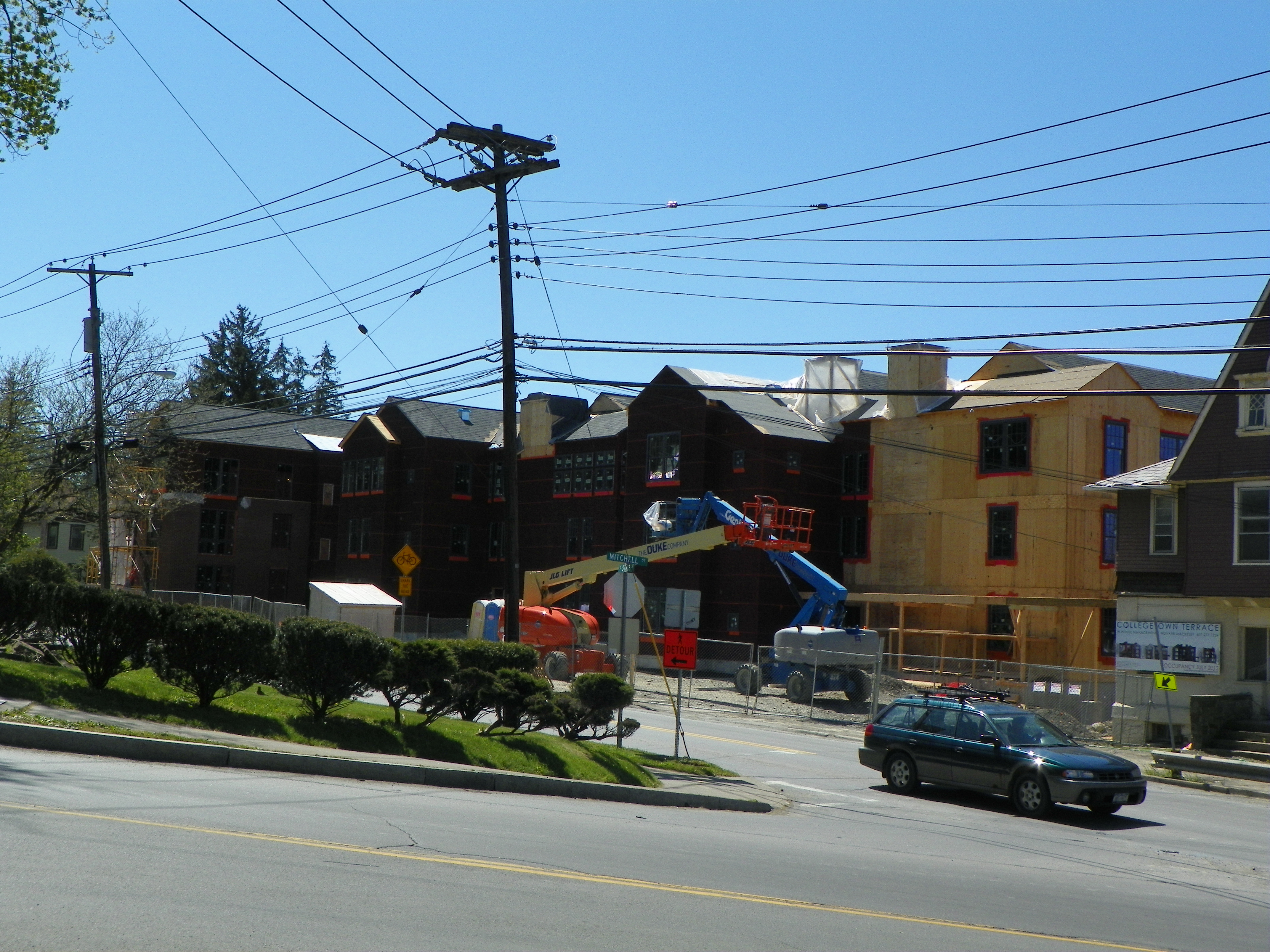
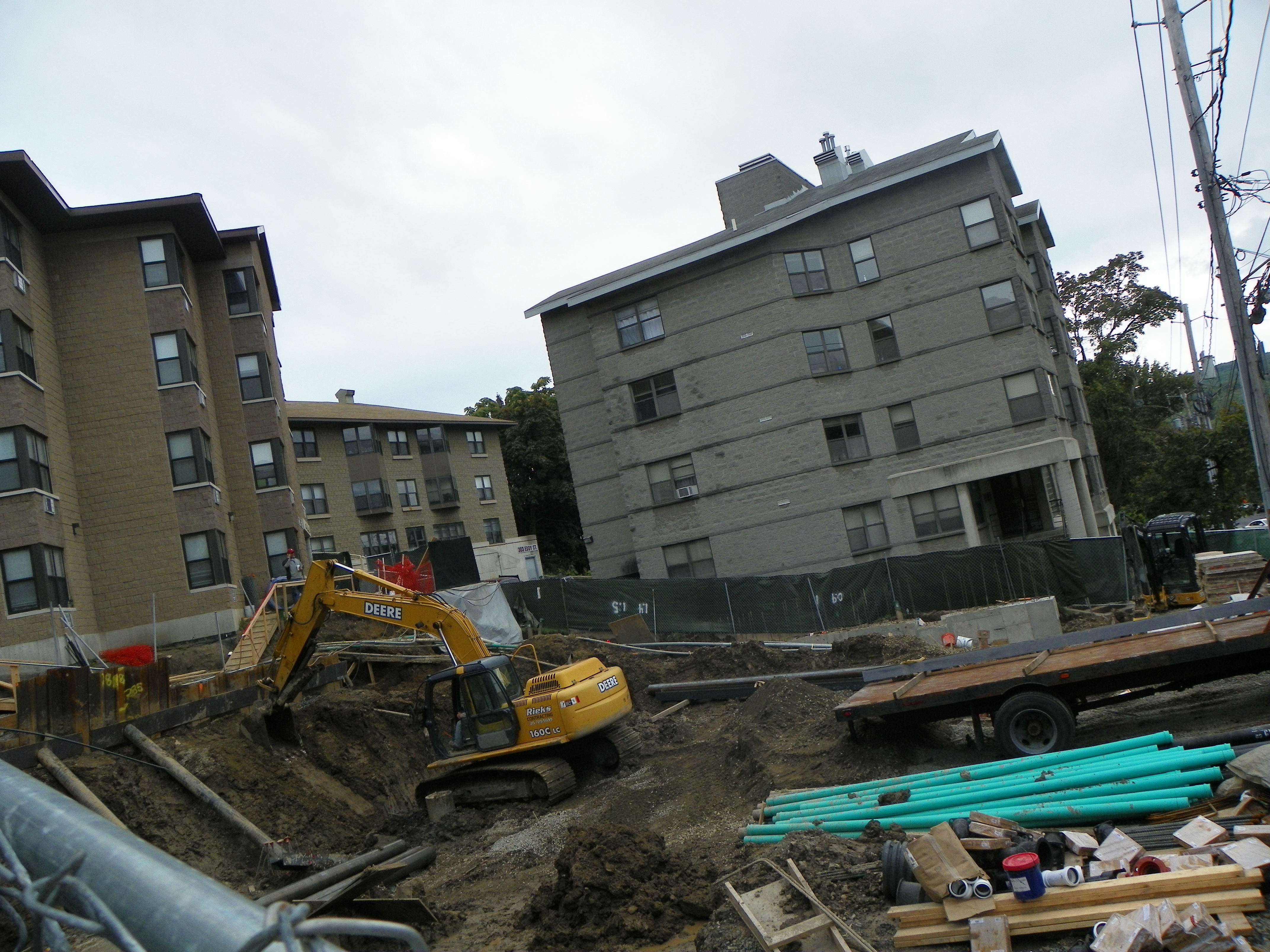
The progress at Collegetown Terrace has been nothing short of astounding. The following photos try to convey a sense of the size and scope of the construction, but I feel they fail to do so. By Ithaca standards, this project is enormous.

Definitely not a fan of the giant concrete pedestal.Here’s to hoping it gets landscaped into obscurity.

The Ithaca College Boathouse nears completion on Inlet Island.

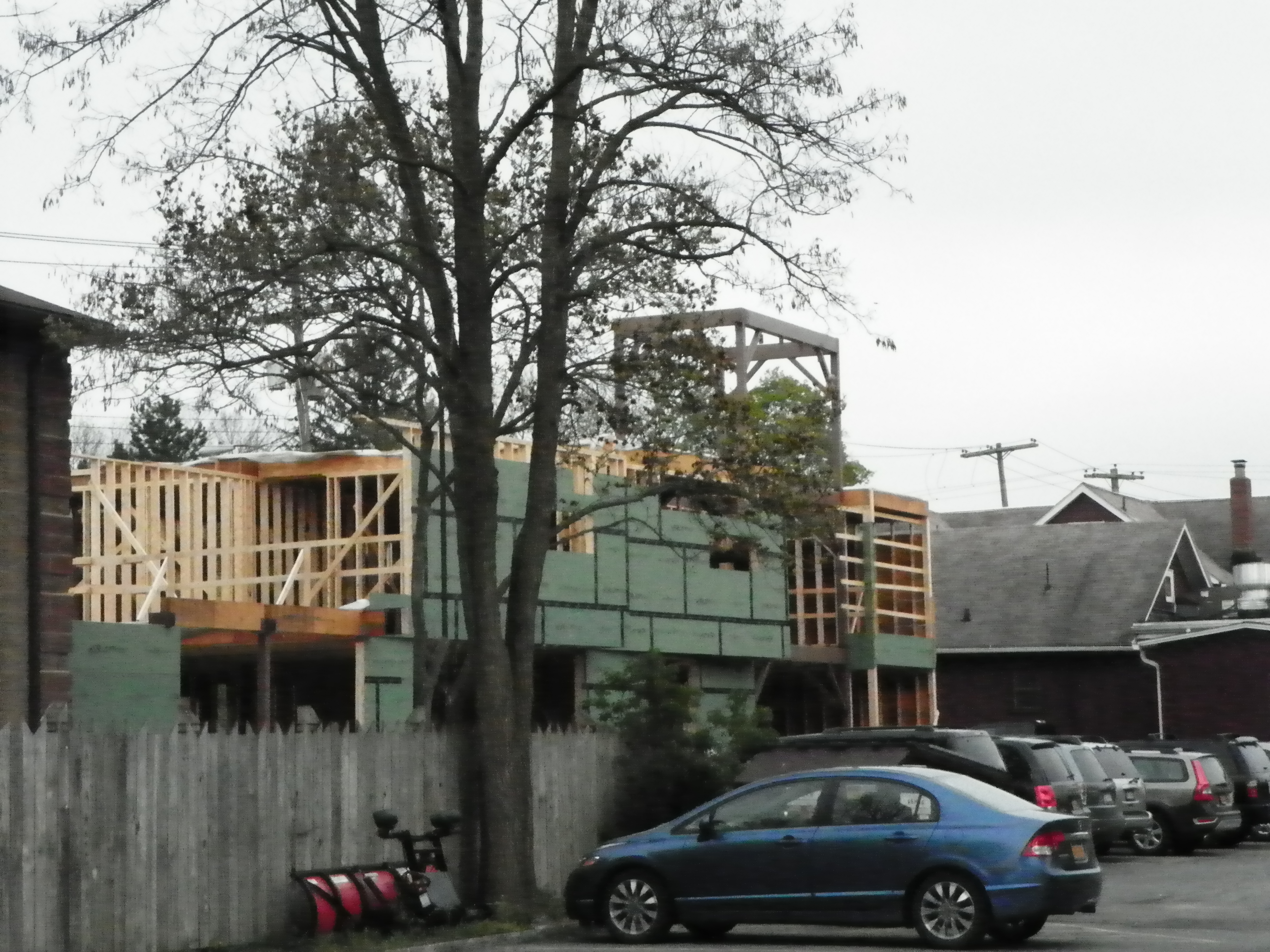
So, this one I only came around by chance, as I was going out with old friends for dinner. Apart from them thinking I’m nuts for taking photo of a building under construction, I’d say this was a pleasant surprise. The building is Magnolia House, a 14-person women’s homeless shelter.

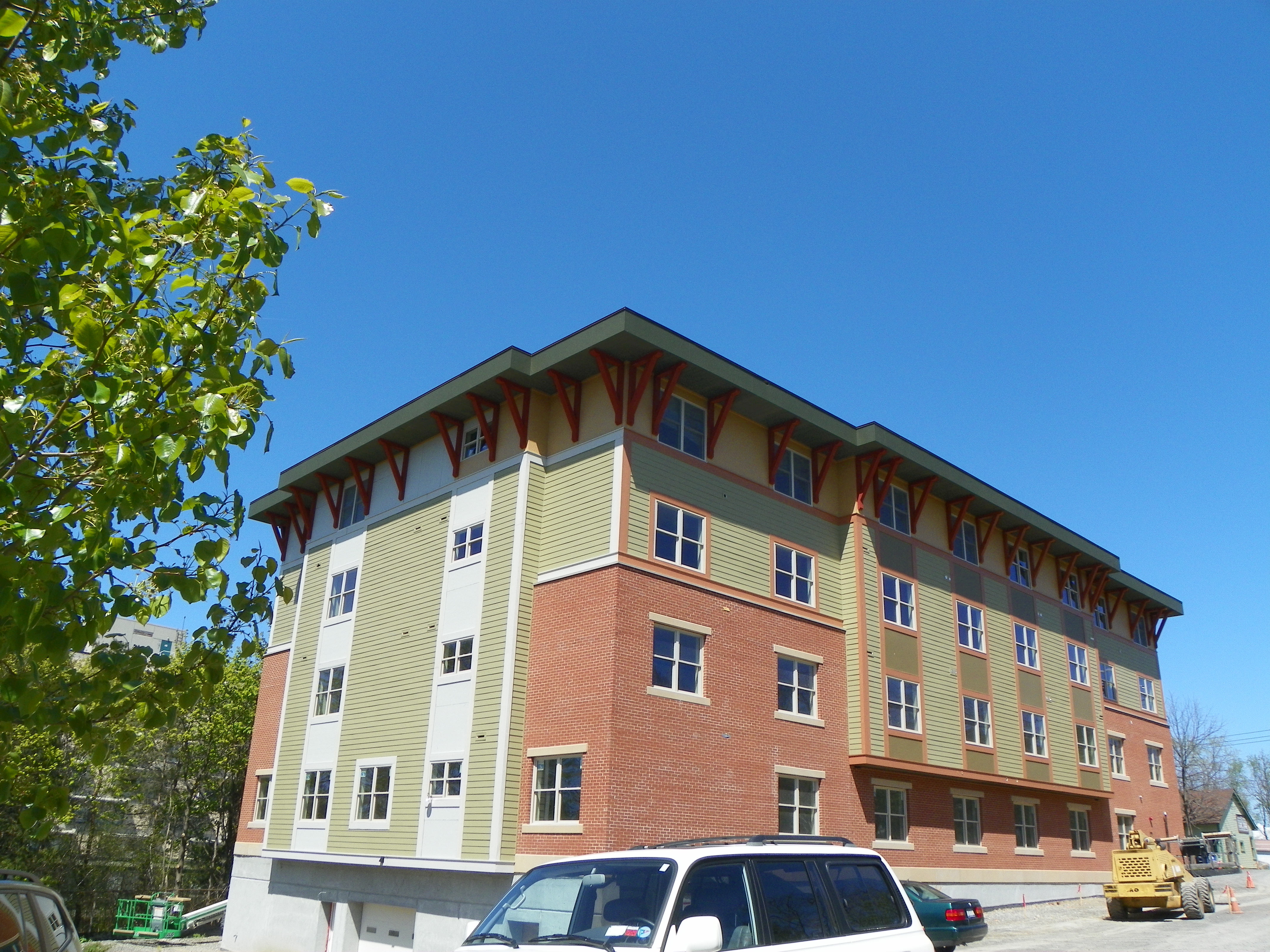
The Coal Yard Apartments Phase II is virtually complete. The 4-story building holds 25 apartments.

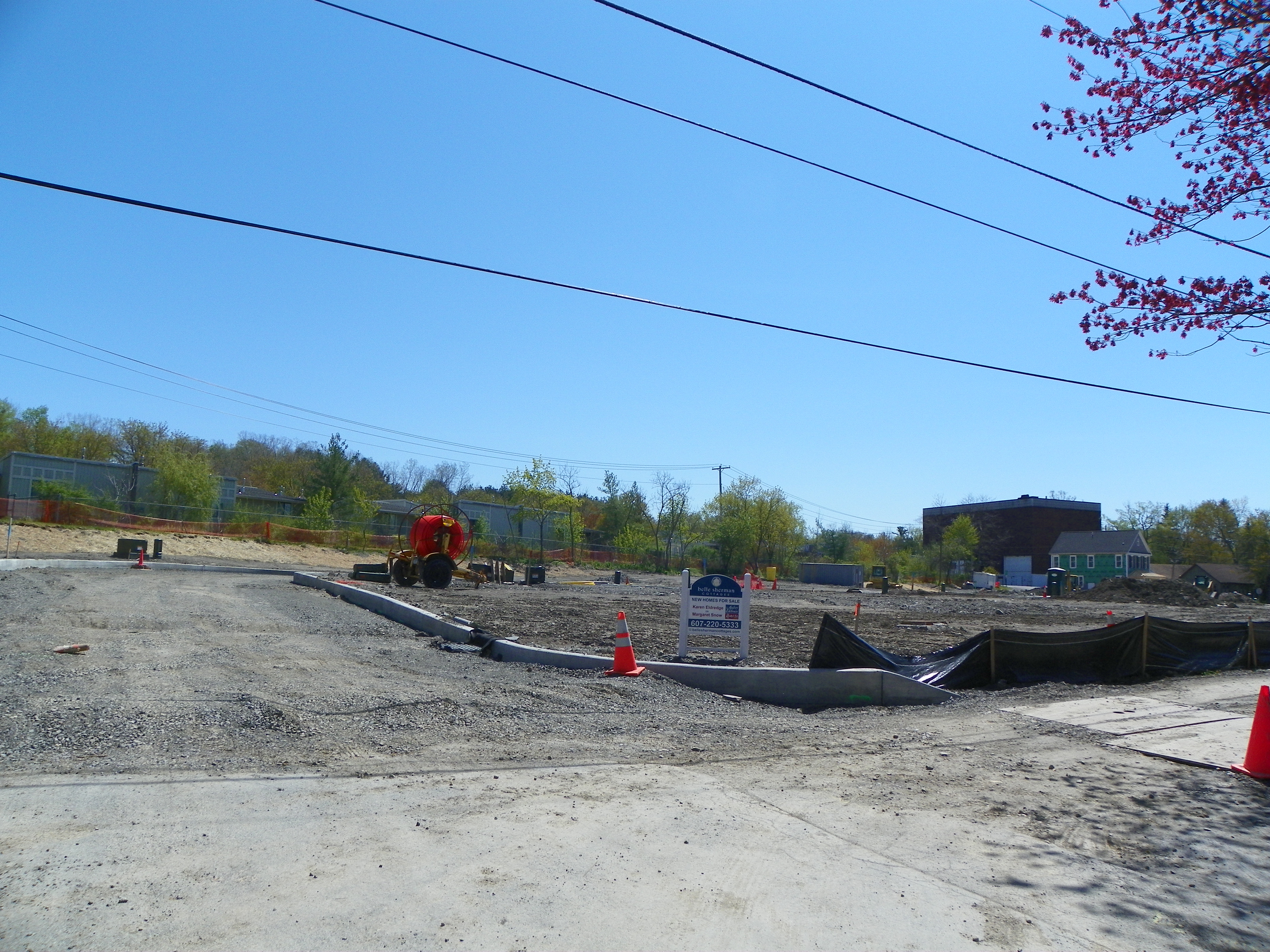
The Vine Street Cottages development continues, with the model unit currently the only building under construction. The project includes 19 houses and 10 townhomes.

Seeing as my computer is lagging substantially with the uploading of all these photos, I think I’ll cut myself some slack and upload the Cornell project photos in a later entry next week.


News Tidbits 3/16/2012: What Lies Ahead for Cook Street

16 03 2012

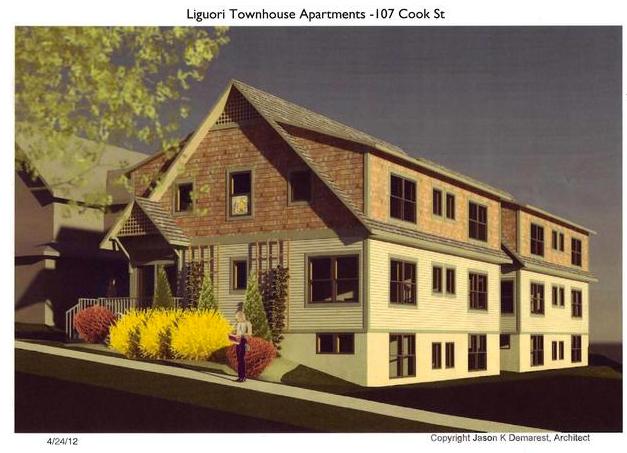
From Cornell Daily Sun. Image Updated 4/25/2012.

From the Ithaca City Planning Board:

Site Plan Review, Townhouse Apartments, 107 Cook St., Jason Demarest, Applicant for Owner, Dan Liguori. The applicant is proposing to construct two 2‐story townhouses with partially finished basement levels, four parking spaces, and asphalt‐paved access drive, walkways, and landscaping. The buildings are each 2,304 SF with 6,128 SF finished floor area, and contain two 3‐bedroom dwelling units, for a total of 4 new units with 12 new bedrooms. Proposed exterior finishes include brick, fiber cement board, cedar shakes, and stained wood lattice detailing. The project is in the R‐2b Zoning district. This is a Type I Action under the City of Ithaca Environmental Quality Review Ordinance and the State Environmental Quality Review Act (because the site is contiguous to a historic district) and is subject to environmental review.

If the address looks familiar, it should. The ca. 1912 house that stood on the property was engulfed in flames in May of last year, killing a Cornell student. One of the factors that was believed to have weighed in on the fire (which was accidental) was a confusing internal configuration due to subdivision of the original property from single-family into multiple tenants (there were eight units total, housing 13 students).

The first proposal for new development on the property was rejected for a couple of reasons – for not having a porch, and for having a mansard roof that wasn’t much of a mansard roof. The planning board has been fairly adamant that any new property on the street fits in with the current set of buildings. Well, that and fire safety. Old single-family houses that are subdivided are usually grandfathered from the sprinkler requirement as long as the alterations are strictly internal.  The new building would have to have a sprinkler system in order to be approved as a multi-tenant building.

So here we are on proposal two; townhouses, two units in each, 12 bedrooms, so two bedrooms less than the previous proposal and one less than the original building. Based off of description alone, with cedar shake and wood lattice detailing, it sounds like this structure is more in-line with the current style of buildings on Cook Street. I for one will be curious to see how it looks.

Arguably, from a purely financial standpoint, it would be a blunder to not redevelop the property – several new units close to Cornell would fetch a higher going price than neighboring houses, just for being newer and safer. Also, paying taxes on land as highly valued as Inner Collegetown’s probably dissuades the owner from sitting on the property. If one were planning on holding onto the parcel for the long-term, this could be a potentially lucrative setup for the small-scale owner/developer.

Taking a grander view, I wonder if projects like this could be a demonstration of what may lie ahead for some smaller Collegetown properties.  As large new developments open up (CTown Terrace, the Palms proposal, etc.), and assuming a static student population, the rates for older unrenovated buildings will go down and the owner’s revenue will take a hit. This will be further compounded on poorly-maintained properties; owners who suddenly have a building declared unfit by the city, and have to make costly repairs or rebuild (while being excoriated by local residents and officials).  Ii is possible that over the next decade or so, more projects that seek to build smaller but  student-specific properties will be proposed in the area. Quality of design and materials, of course, is up to the owner and requires the city’s approval. In summary, I see the redevelopment of 107 Cook as an illustration of what may lie ahead for Collegetown.


Where Have All the Drinkers Gone?

13 01 2012

I had first seen rumors of this on facebook, but it was only verified by the Sun sometime last night: The Royal Palm Tavern, or rather, “The Palms”, is closing, after 70ish years of service to the inebriated community (I’ve seen opening dates ranging from the late 1930s to 1944; the Sun went with 1941). The Palms closing next month will mark the third Collegetown bar closing in less than year, following in the footsteps of Dino’s and Johnny O’s.

I think most older readers of this blog have some memory attached to one or more these places. The Alumni Magazine did a nice piece about drinking-holes of yesteryear just back in November, complete with the line “the Royal Palm Tavern—still open, despite recent rumors to the contrary—has served a steady stream of students since the Thirties.” To some extent, I worry with the closure of multiple bars and the restrictions on fraternity parties are only furthering the move to drinking in the rundown houses of Collegetown, arguably a more dangerous environment than the aforementioned options. Let’s be honest, if a third of the drinking establishments in Collegetown have closed, and traffic was pretty high on many nights as it was, the traffic that would go elsewhere might just get frustrated with the lines and crowding and just drink at a private party. For the record, Johnny O’s closed after legal issues and their landlord opted for another tenant, and Dino’s was not allowed to renew their lease. The Palms is closing because of financial issues, and the owners are retiring.

As much as I could pursue an entry just on drinking culture/concerns, I’d rather stick to what I do best – Ithaca history and development. First, the Palms’ property, at 209 Dryden Road,  is not for sale, it has already been sold.

That is, unsurprisingly, a prime, prime piece of property to tap into the more expensive segment of the Collegetown market. Now, being such a prime property carries a hefty price tag, so the developers would have to be fairly deep-pocketed, and in fact they are; it’s the firm Novarr-Mackesey, the same developers of the massive Collegetown Terrace project. The rumor mill has been cranking out the possibility of a mid-rise or high-rise apartment building on the site of the Palms. Unfortunately, at this early stage, it’s hard to say what the proposal will look like.

However, there are two certainties – they’re going to have one hell of a time tearing the Palms down, and if it goes over 60 feet (or over 6 stories, whichever comes first), then it’ll be even more difficult because they’ll need a height variance (B-2b zoning says building should be 6 stories or less, and no more than 60′ feet from base to roof). The zoning could be pliable depending on any fringe benefits for the city or any public enhancements (for example, offering public meeting space). The building was built around the early 1920s, and has operated as a restaurant/bar for virtually all of its life, and is seen as a potential historic landmark. Notably, some of the members of the Planning board also put together the historic buildings document. If Novarr-Mackesey wants to build anything, I see this being a prolonged battle, especially if it needs to go up to the Zoning Board of Appeals, where more objections can be raised.

Honestly, I hope to see something, because if buildings appear totally vacant like this, giving a poor impression to visitors and potential students, that is unacceptable:

Update: The Palms and two neighboring buildings on Dryden were sold last year toan LLC associated with Novarr-Mackesey for $3.75 million, well over their assessed value. In the Cornell Sun, Novarr claims there are no set plans for the location yet, but there will probably be a housing component. Considering his work with Collegetown Terrace, which will not be finished until 2014, it could be a couple years before financing and plans are lined up for the site’s redevelopment – leaving that part of the street rather blighted in the short term.


A Snowy Ithaca Update

30 12 2011

It’s a running joke that Ithaca is “centrally isolated”. Luckily for me, however, I grew up not too far north of Syracuse, so visiting my family for the holidays can also have “pay a visit to Ithaca to update my photo collection” somewhere on the itinerary.

Unfortunately, although I had the date planned well in-advance (I even wrote a list of places to visit so I wouldn’t miss any of my intended targets), it also happened to be one of the coldest and snowiest days yet of the upstate winter. The lake effect had set itself up in a large and fairly strong band south of Syracuse, enveloping a wide swath of land from about Ithaca up through Lafayette. With the passage of a cold front the night before, a brisk northwest wind kicked up, turning a snow day into a windy and snowy day, with near-whiteouts on the interstate.  Combine that with puddles from the heavy rain of the previous evening freezing over, and the driving was a bit of a harrowing experience. At least the old days of practicing controlled skids in a parking lot came in handy. Anyways, the weather slacked off after lunch and I was able to get some photos.

The BJ’s in Lansing (just north of the mall) is near completion. I did not notice any senior homes being built when I visited.

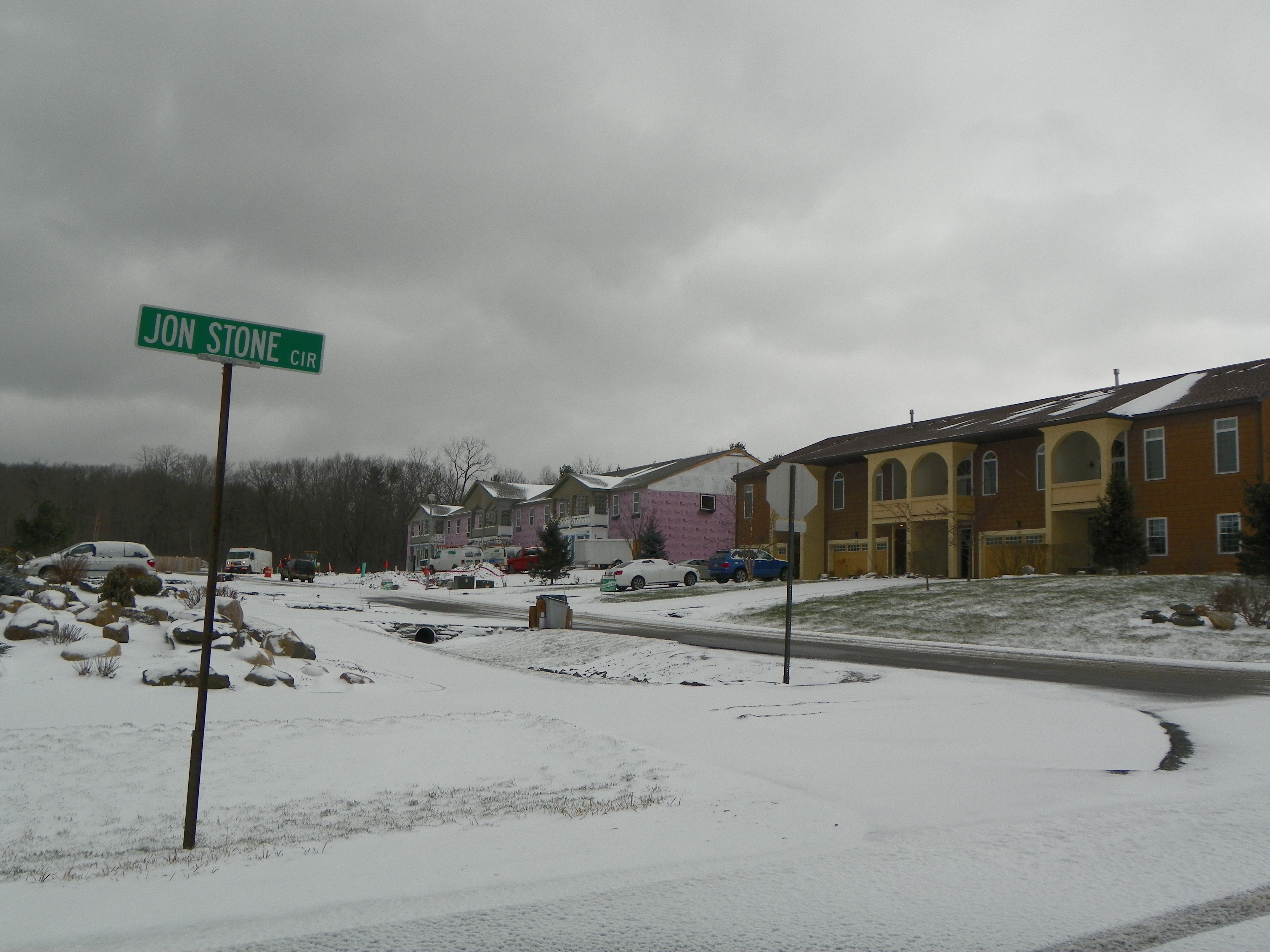
One of the housing projects nearby, Ivar Jonson’s Heights of Lansing. 6 more units of the 80 unit project are under construction in the background. I took photos of some of the Lansing suburban sprawl, but I figured no one would know the difference between a cul-de-sac of McMansions here vs. any other city. I’ll save the photo for another entry that could better use it.

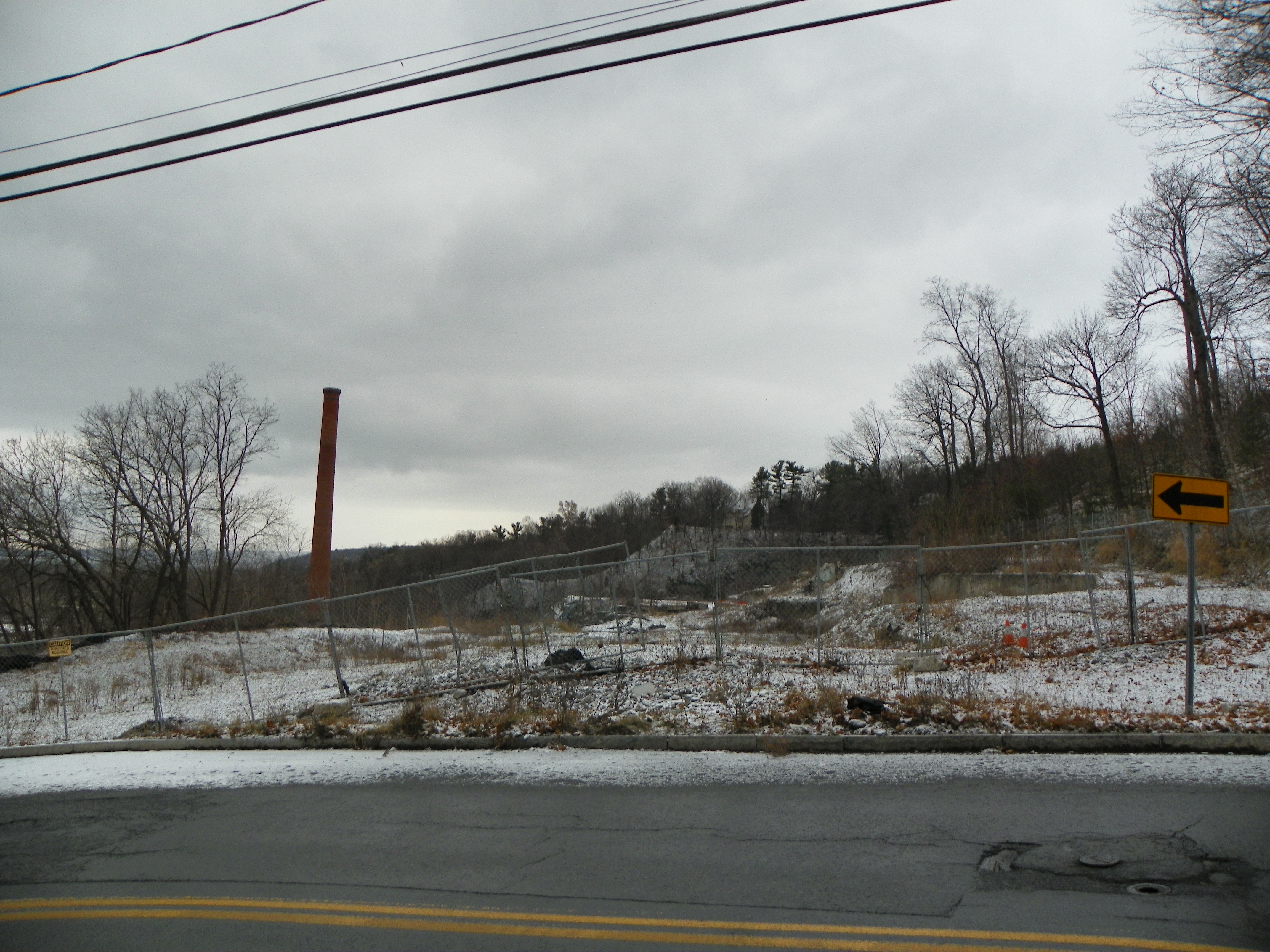
Not much happening with the Ithaca Gun site. The site is cleared, but no construction has taken place. According to an article in the Ithaca Journal, the project is supposed to finish clean-up this year, and the developer plans to finish clean before starting any redevelopment. So probably no construction until 2013.

The site of the Breckenridge Place project. The Women’s Community Building’s days are numbered. According to a very recent Ithaca Times piece, demolition will occur starting in March.

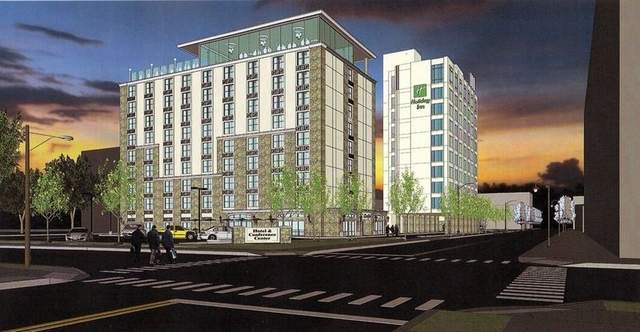
Rendering Courtesy fo Hart Hotels


The Holiday Inn has begun the initial phases of proposal with the planning board. The plan calls for the low-rise portion, shown here, to be demolished, with a new conference area and a few more rooms attached to the mid-rise tower of 10 floors. The new hotel would be built at this street corner. I don’t have many faults with the design, except that the east wall looks cheap. Like 1960’s pre-fabricated cheap.

The Cayuga Green Condos site awaits construction. The project is currently unfunded (and therefore stalled), but with a reorganization and a ground floor tenant secured, the developers hope to secure funds and start construction by next summer.

It seems I’ll have a plentiful supply of “before” images. This is the Hotel Ithaca site. I’m willing to venture this project is much like the Cayuga Condos – tenant secured (Gemstone Hotels), but no funding yet in place as a result of the tight loan market for new projects. Hopefully, we’ll hear positive news in 2012.

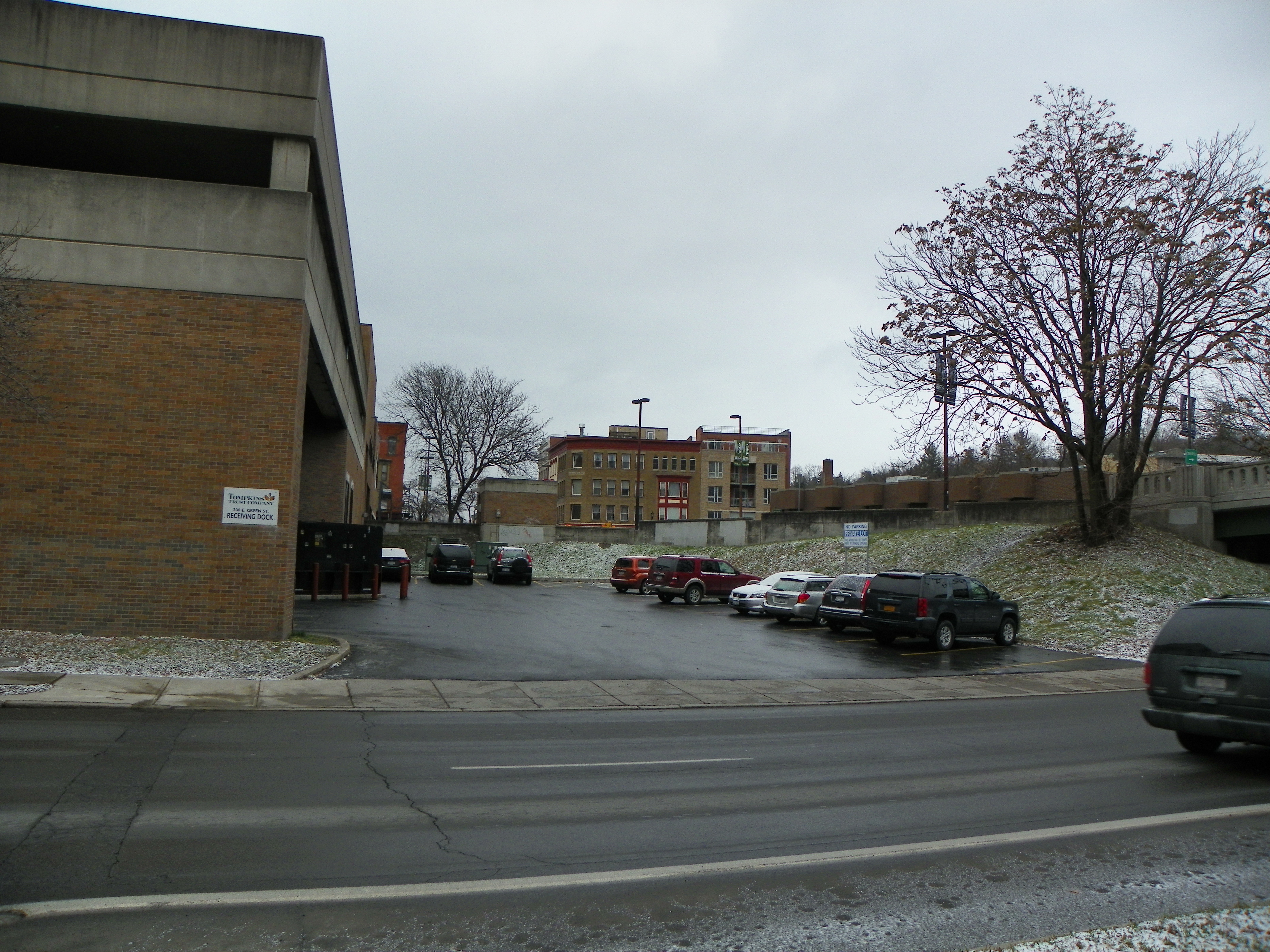
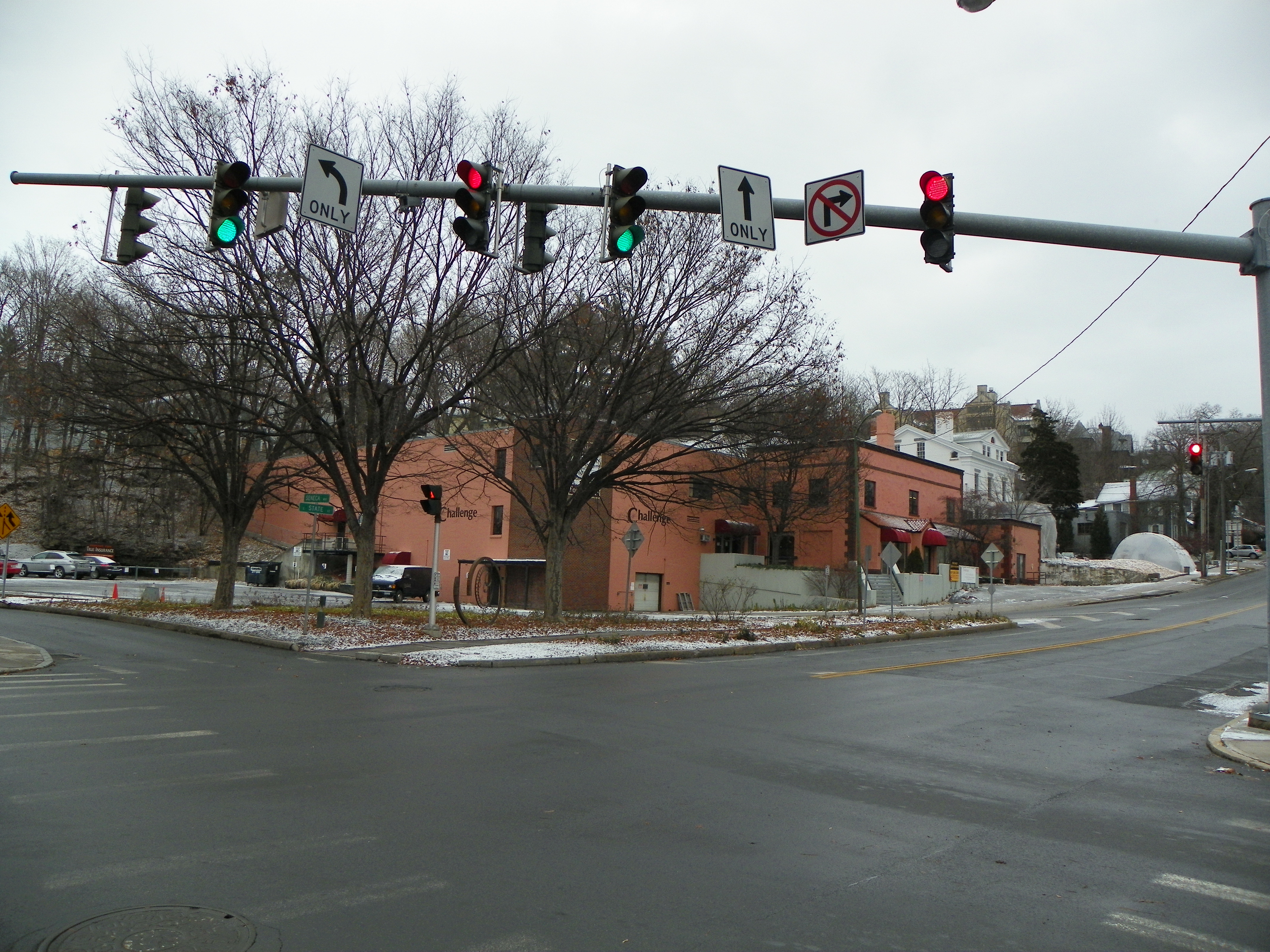
Hm. I’m sure things will be much more interesting one year from now. Here’s the Seneca Way Apartments site. The renovation of the Argos Inn (turning a dilapidated house into a LEED-certified boutique hotel) continues in the background. The Seneca Way project will begin demolition of the old Challenge Industries building this spring, and be built on a (slow if steady) 18-24 month time frame.

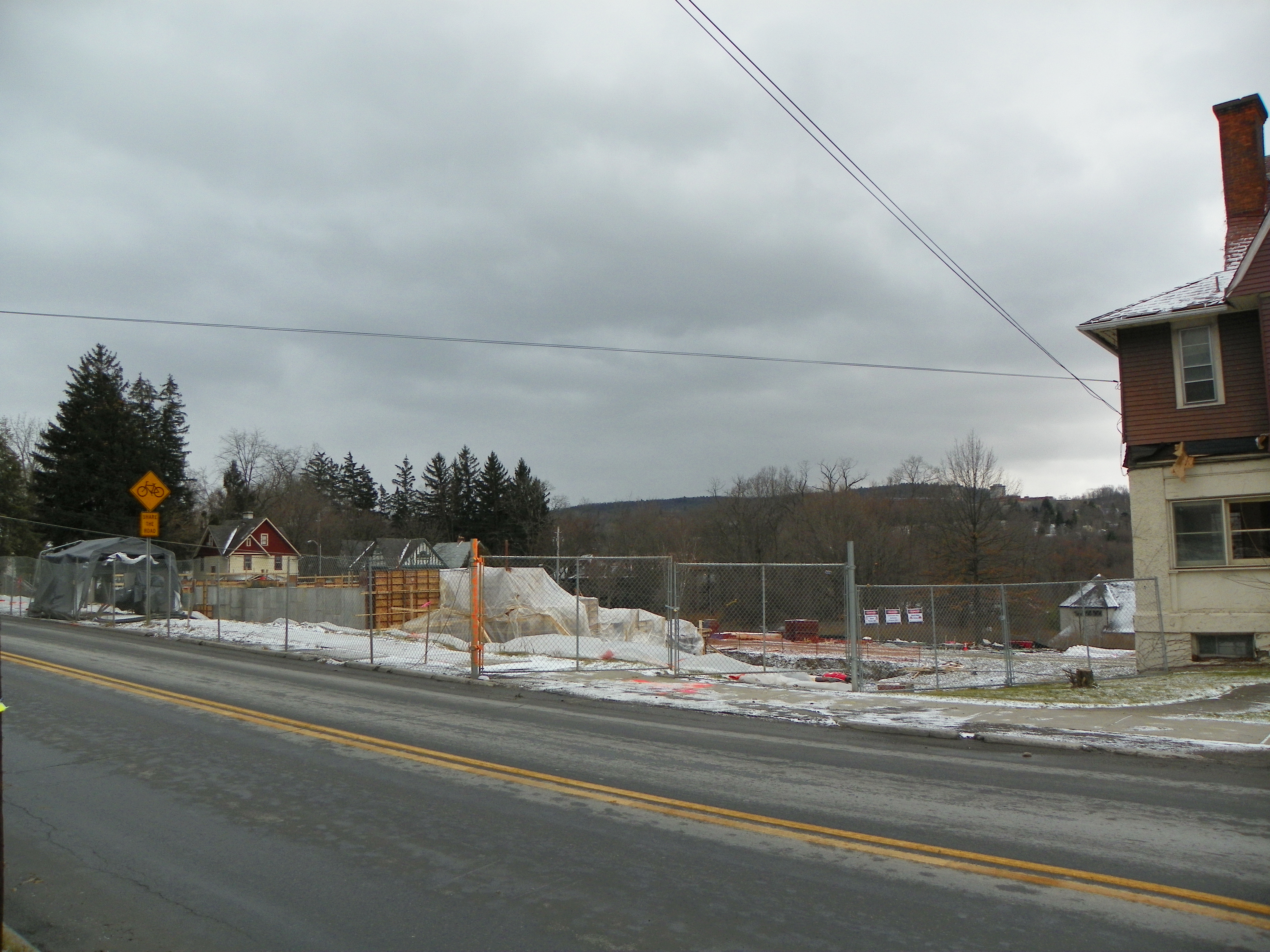
Moving towards Collegetown, it was hard to fully capture the sheer size and scale of the Collegetown Terrace. Simply put, it’s massive. The house in the background to the left is the Williams House; the project extends further up the street beyond that. In contrast to Seneca Way, the time frame here is brisk – phase one, consisting of 12 of the 16 new buildings, is expected to be completed by August 2012. The other two phases are expected to be completed in 2013 through early 2014.

I did some mental math – the rental market will see Novarr’s 600 beds come online in the next couple of years, which might be around 5% of the total market. That’s quite an impact, most likely to be felt by the student-oriented apartment complexes furthest from campus.

The apartment building under construction at 309 Eddy. Look for a completion date around late summer 2012.

The site of the “Collegetown Crossings” project, formally known as 307 College Avenue. The project is back on the agenda as a sketch proposal, but I’m yet uncertain as to whether it keeps the form of a 6-story 60-unit building with a distinct lack of parking, or if the proposal has been modified.

EDIT 1/23/12: The above rendering (from the Sun, courtesy of the City of Ithaca) is the latest design of the project. The project, if granted approval, will be home to a Greenstar Co-Op Grocery branch. The building would be complete by 2014.

Phase II of the Coal Yard Apartments project off Maple Avenue. The 4-story, 25-unit project looks to be heading towards a spring 2012 completion date.

The site for the Vine Street Cottages project has been cleared. Construction of the model house should be complete by the spring. The 29-unit project (19 homes and 10  townhouses) effectively redevelops the eastern edge of the city (Belle Sherman).


Homecoming Construction Update

19 09 2011

I came. I saw. I took photos. Note that all the photos can be enlarged by clicking on the image.

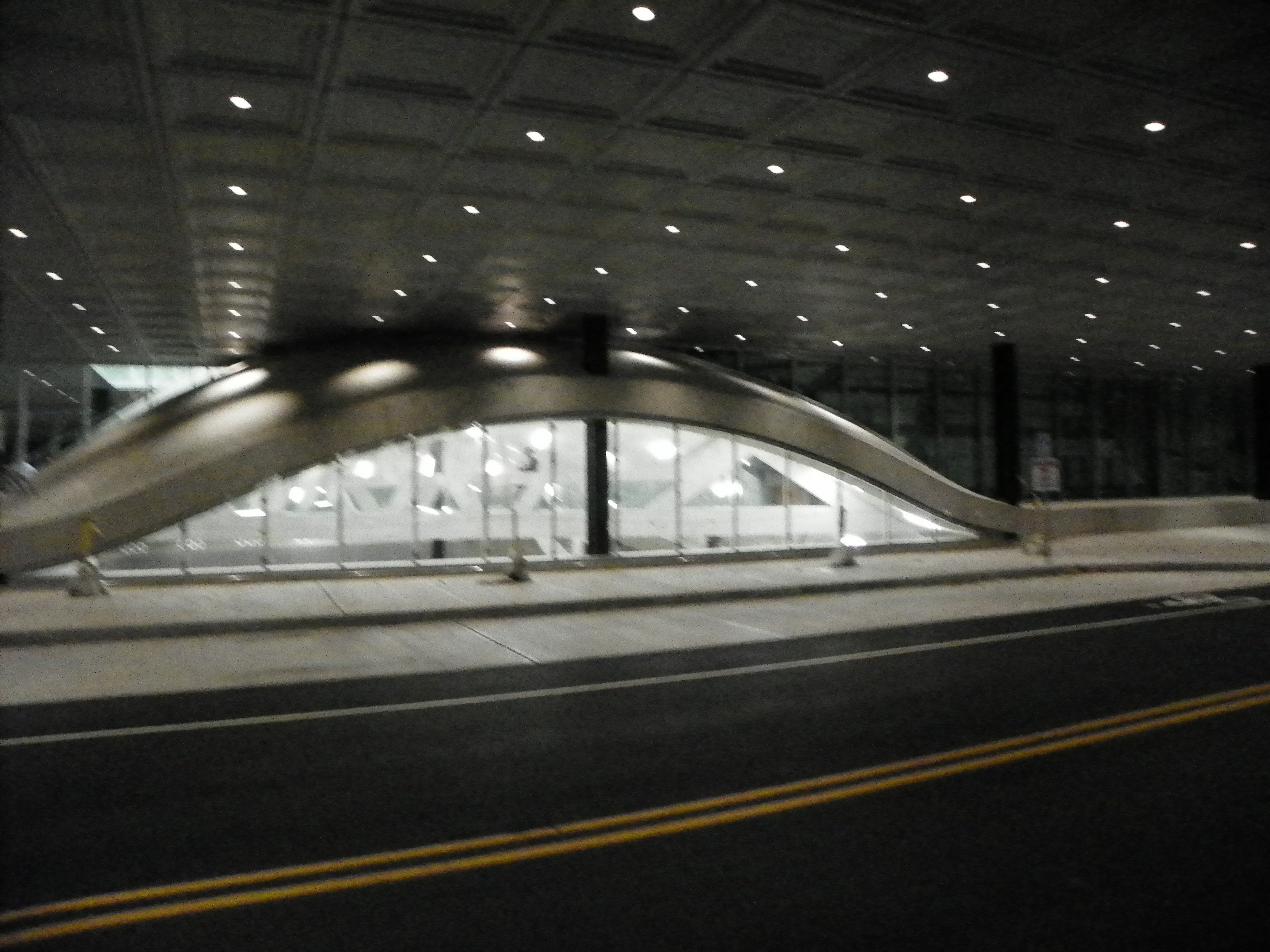
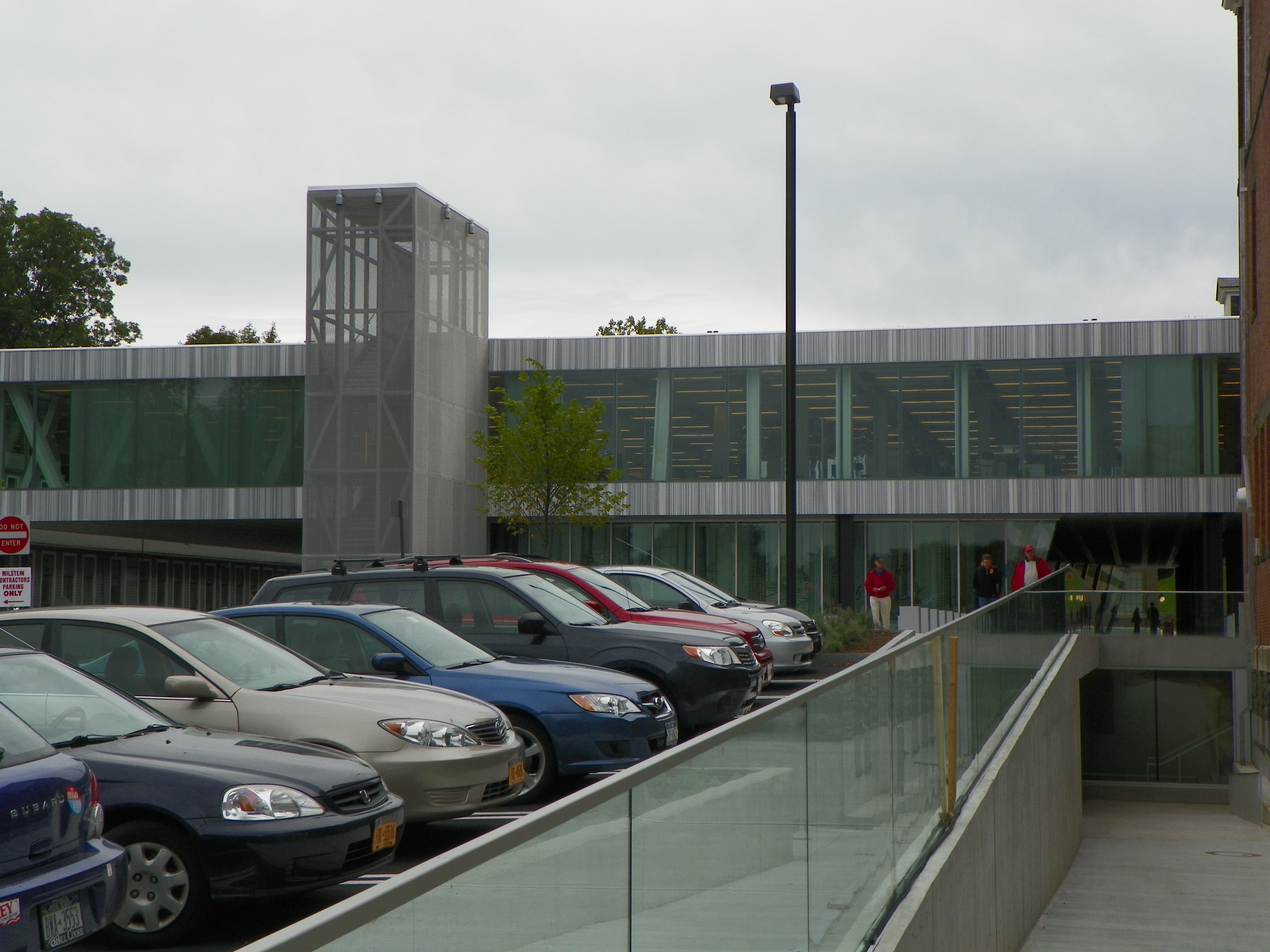
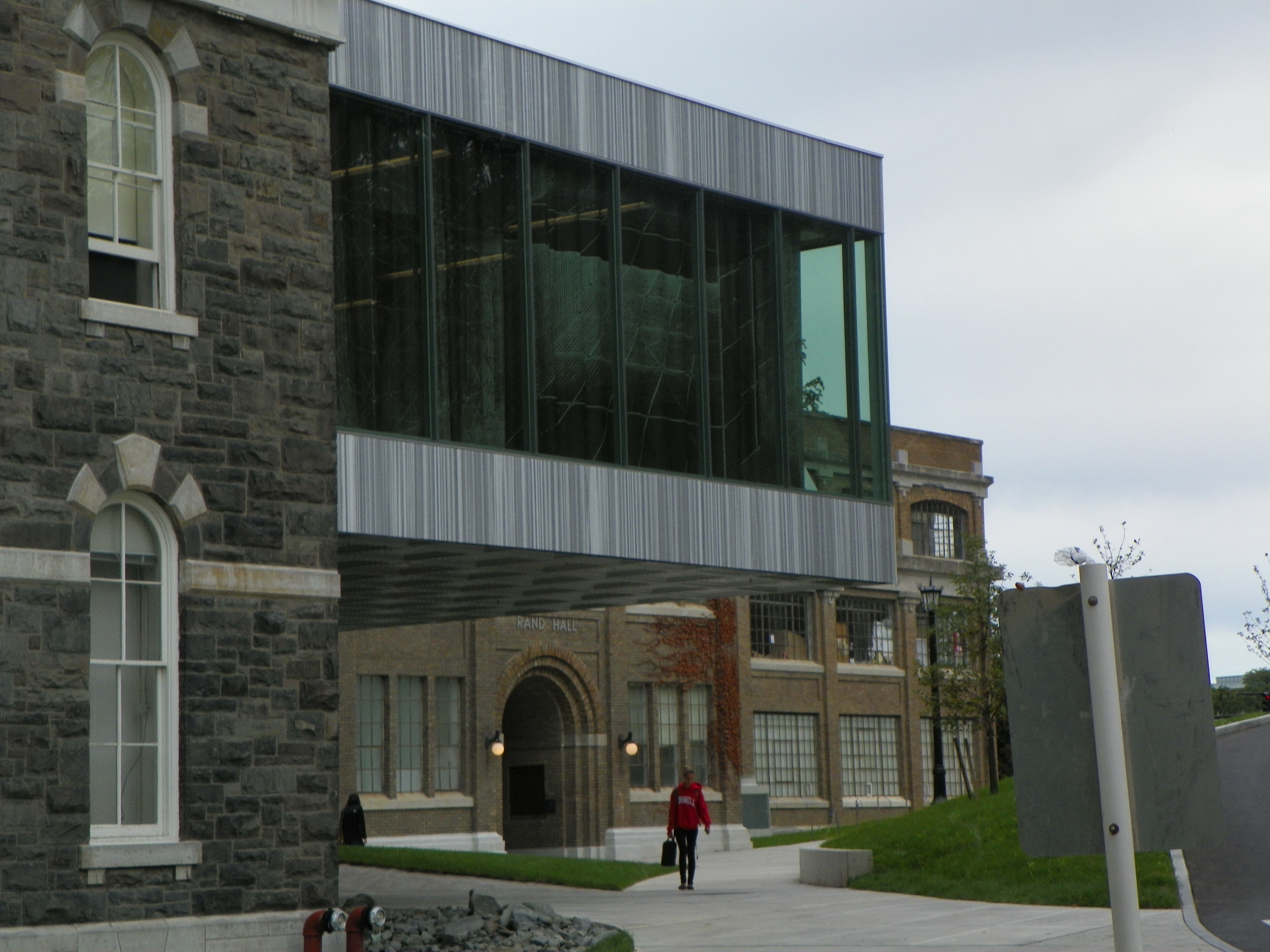
Milstein Hall – The building so nice I visited it twice (and by nice, I mean it’s “nice”, but not “great”, and hard to believe it cost $55 million). During the second visit on Saturday evening, a group of about ten skateboarders converged on the white humps and concrete curves. I’m going to guess it will only be a matter of time before that gets banned if it hasn’t been already.

The Human Ecology Building. The woman at the info desk offered up a “scavenger hunt” assignment, but I was short on time.

The Food Science Building (Stocking Hall Addition/Reconstruction). From my favorite Bradfield perch.


Prefabs on the Ag Quad. Sad face.

The Johnson Museum Addition

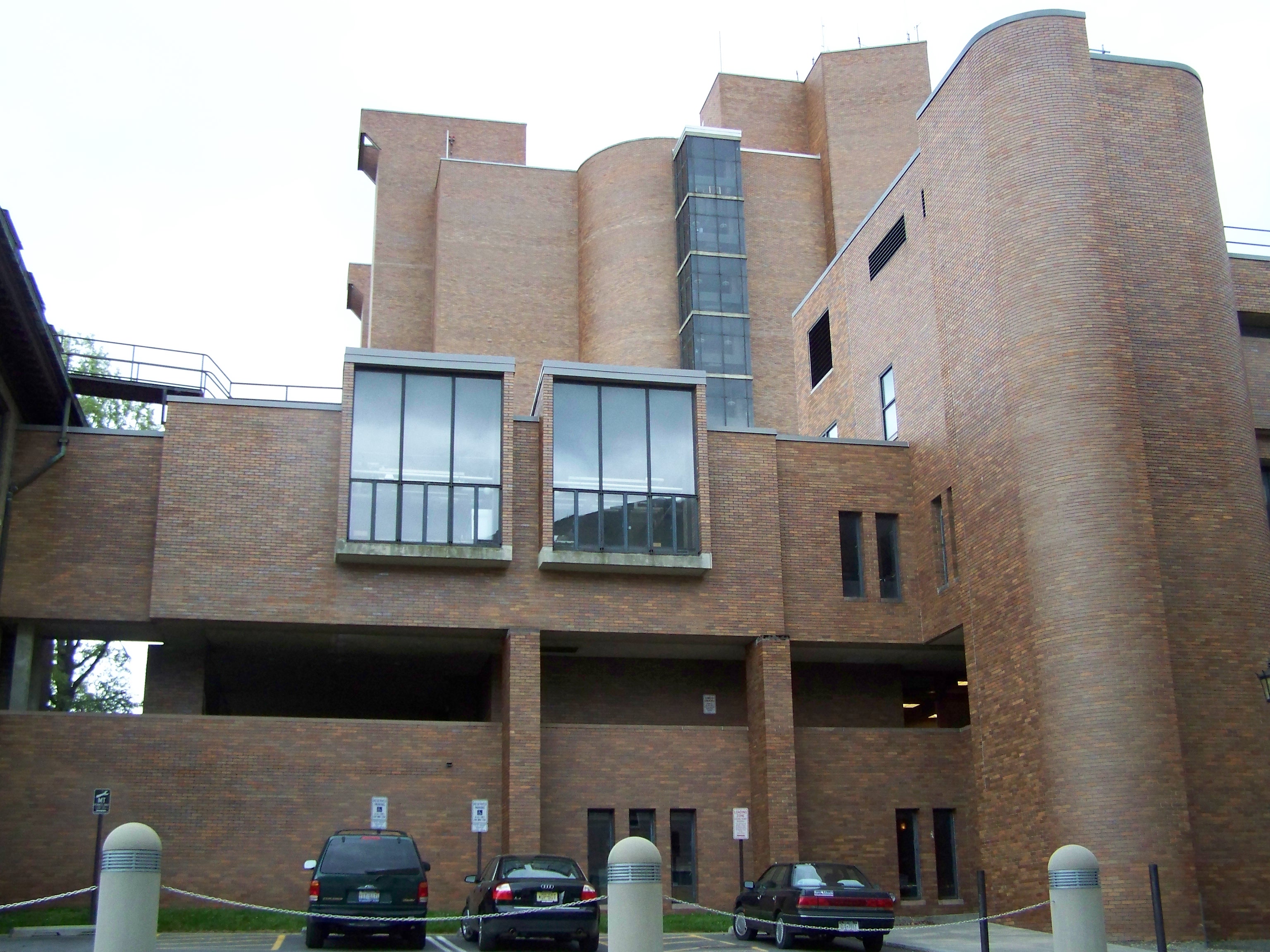
The Physical Sciences Building

309 Eddy Street. When they say “opening soon”, they mean next summer. I also have a photo of the Collegetown Terrace site from a distance, but I could see was a fenced-off area that was largely cleared out.


An Exercise in Mapping

24 04 2011

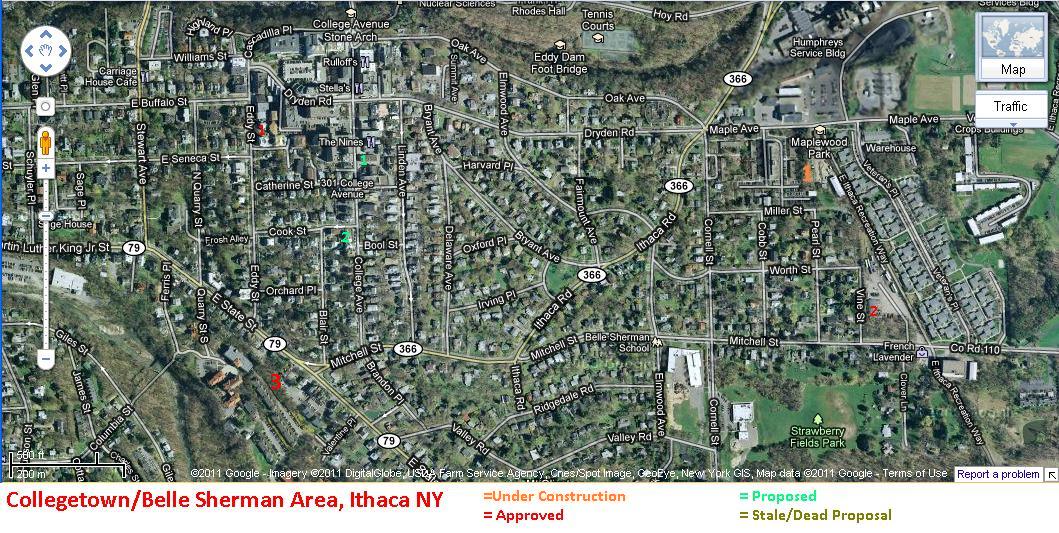
So, I figured that since I write about Cornell, IC and Ithaca-area construction projects as much as I do, it might be nice to include some form of a map. Depending on time and motivation, I might get around to putting ones together for South Hill and Downtown.

So, Cornell Campus, used here primarily as a test bed (click the image to expand its size).

Under Construction:

1 – Milstein Hall 2- Johnson Art Museum addition 3- Human Ecology Building 4- Stocking Hall Addition

Approved:

1- Wilson Lab / Synchotron Expansion (CU ERL Project)

Proposed:

1- Gates Hall

Stale Proposals (i.e. been around a while, little notable progress in the past several months-plus)

1- Goldwin Smith Hall Addition 2- Gannett Health Center Addition 3- Holley Center (Soil Lab) Expansion (most likely dead, given federal budget cuts).

Heading south into Collegetown –

Under Construction

1- Coal Yard Apartments Phase II – A 4-story, 25-unit building off of Maple Avenue.

Approved:

1 – 309 Eddy Street (5 stories, 41 units) 2- Vine Street Cottages (19 house, 10 townhomes) 3- Collegetown Terrace (several buildings, 2-6 stories, 589 units)

Proposed:

1- 307 College Avenue (5 stories, 60 units), Snaith House addition (12 bedrooms)

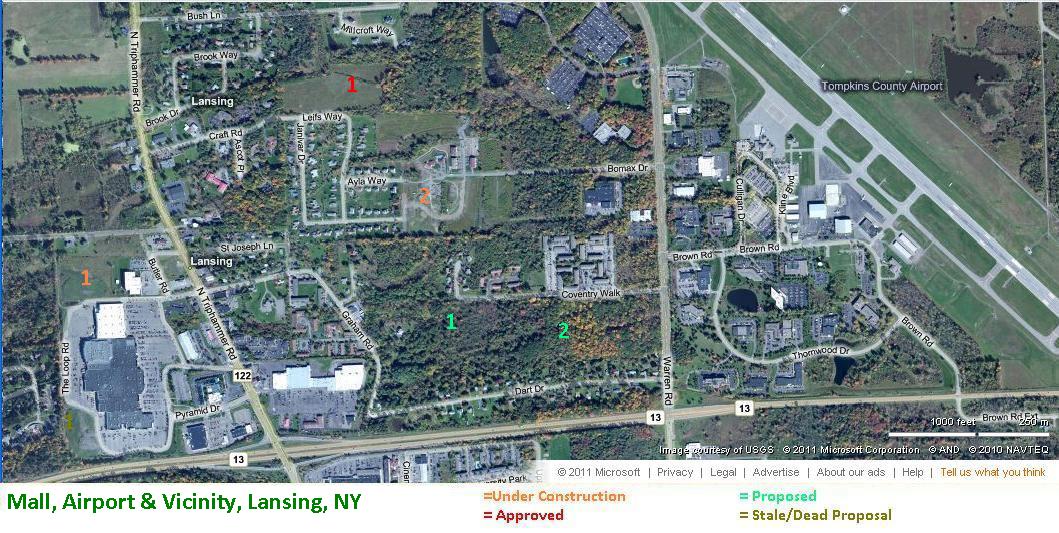
Mall, Airport and Vicinity –

Under Construction:

1- BJ’s wholesale Club (82,000 sq ft) and 12 senior living units 2- Heights of Lansing (~17/80 units complete).

Approved:

1- Millcroft Housing Development (~19 lots in phase II).

Proposed:

1- Lansing Reserve Project (65 units) 2-  NRP Group Project (80 units)

Stale Proposal

1- Behind the mall, a mix of additional shops and 40 apartments, in a lifestyle-center setup, were proposed about three years ago. The recession may have killed the project; at the very least, it’s been shelved.

***

This isn’t to say there aren’t plenty of other projects in the area, I just wanted to experiment with presenting local projects in a different, more visual format.


Oh Great, I’m Becoming A Preservationist…

18 03 2011

So, looking at the planning board agenda for the city this month, most of the projects under review have already been covered in previous entries. But there appears to be a new entry, and it’s based on College Avenue. 140 College Avenue, to be exact. The owners, Po Family Realty, seek to add a 3800 sq ft, three-story apartment addition onto the south side of the building. Which, in most cases, wouldn’t be a tremendous deal.

Except 140 College Avenue is considered untouchable by the local preservationists, and I can’t blame them for that opinion either. As a matter of fact, I might even agree for once in a blue moon.

You see, 140 College Avenue is the John Snaith House. Although the name may not sound familiar, its appearance certainly will. It’s the red brick house on the corner of College and Cook Street with the wrought iron fence and mansard roof. It made an appearance on the recommended Collegetown structures for historical designation document released a couple years ago.According to the PDF, the house was built by and for John Snaith, a contractor, in 1874. He relocated to Albany in 1887, and the house was badly damaged and rebuilt following a structural fire in 1894.

The issue I have with this project isn’t so much the project itself, which I do think is a bit unnecessary consider the benefits of such a small project are small. It’s more to do with the fact that the Snaith House is a well-recognized historic building. I’m concerned that if it somehow got approved (which, considering one of the writers of the historic buildings document is also chairman of the Planning Board, I find unlikely), it would galvanize the local NIMBYs who would point to that project as an example of the dangers of development, and use it to try and dissuade later projects.

I’m still surprised the owners of 140 College Avenue would even propose this project. I don’t normally turn up my nose at development, especially in Collegetown, but this proposal stinks.


News Tidbits 9/25/10: Development Planned for 307 College Avenue

25 09 2010

This is slightly annoying. I was away from my computer yesterday and today as a result of my graduate work and then coming straight out to Ithaca, so I never bothered to read my Ithaca/Cornell newsfeed. So it’s bothersome that I found out about this relatively later than usual. Anyways, here’s the article from the Daily Sun:

http://cornellsun.com/section/news/content/2010/09/24/developer-seeks-approval-new-c-town-building

September 24, 2010
By Jeff Stein

A proposal to transform the middle of College Avenue hinges on developer Josh Lower’s ’05 controversial request for a Board of Zoning Appeals variance, which would exempt a building’s development from city parking laws.

Lower said his proposed development project at 307 College Avenue –– next to Jason’s Grocery & Deli –– would demolish the existing building and create more than 60 new apartment units. Lower also hopes to remake the area into a highly trafficked “pedestrian arcade,” filled with street-level storefronts that would connect College and Linden Avenues.

City officials are divided on whether the Board should grant Lower the variance. Under the city’s current parking ordinance, every two housing units built must be matched by the creation of one parking spot.

Lower said that building the parking spaces, which must be within 500 feet of the site, was “not practically or financially possible.”

“We’ve tried to meet the law but cannot,” Lower said.  “There’s just not enough space.”

Ithaca Councilmember Ellen McCollister (D-3rd Ward) expressed concern that there would be a lot of “spillover” for surrounding neighborhoods if the variance was given.

McCollister also said the variance would establish a dangerous precedent: “If you grant a variance to one property owner, how do you not grant [it] to any other property owner?”

If one developer is granted an exception, “all hell breaks loose,” as other developers would expect the same treatment. “We need to treat every developer consistently and equally,” McCollister said.

Lower said his plan would compensate for the lack of new parking spaces by providing his residents with a car-share membership and free bus passes as part of the lease.

“We’ll create a building that fosters … sustainable modes of transportation and encourages people to bike more, walk more,” Lower said. In reference to a proposed pedestrian walkway, Lower said, “We’re making privately-owned space accessible and usable for all.”

McCollister was not convinced. She called Lower’s replacement for parking spaces a “very ill-defined, nebulous proposal,” saying it was “not a real plan for how he is going to do it, in perpetuity, for every resident.”

Partly because there is “more supply in retail than there is demand” for Collegetown, McCollister is “not convinced the pedestrian arcade is as valuable an amenity as it’s being portrayed.”

Board of Zoning Appeals member James Marshall shared McCollister’s skepticism about Lower’s replacement plan in exchange for a variance, calling the lack of parking spaces in his proposal a “significant deficiency.”

“He’s proposed some measures that might encourage people to use public transportation or bicycles, but no one knows how successful he’ll be,” Marshall said.

Stephen Beer, chair of the Board of Zoning Appeals, said he worried that there was no provision for enforcing Lower’s suggested replacement for the parking spaces.

Lower responded that “it would be a requirement written in the lease.”

Eddie Rooker ’10 (D-4th Ward) said he and Svante Myrick ’09 (D-4th Ward) both supported the project.

Rooker said the development is “going to be beneficial to students and the city,” naming studies that “point to the fact that we need more housing in the city” given “pretty high pricing all over the city.”

Rooker said the project would fix the need for a “well-lit pedestrian walkway connecting College and Linden Avenue,” where “people now have to go between people’s yards when they’re not well-lit.”

Rooker said the proposal could make the area in front of 307 College Avenue a new hub for TCAT, shifting the center of Collegetown further south.  He said that TCAT wrote a letter to the city in support of the project.

Lower, who lives in the neighborhood, said that “we really looked at a lot of scenarios to try to do something else with the property,” but that nothing else was viable. He said that he is currently losing money on the property.

McCollister responded that one of the considerations for the Board of Zoning Appeals was that the variance request not be in response to a “self-imposed hardship.”

“I think he does have a financial hardship, but that’s because he paid too much for it … rather than some externality that created that financial hardship,” McCollister said.

McCollister added that the Board of Zoning Appeals should wait until a decision is made about an “in-lieu of parking fee” suggested in the 2009 Collegetown Urban Plan & Conceptual Design Guidelines. The proposal, which is currently being developed, would specify a fee below the cost of providing on-site parking that developers could pay the city in lieu of building parking spaces. The Collegetown plan says the fee could then be used to help the city fund alternative transportation modes.

“I can only base my plans on what is law today,” Lower responded.

Rooker agreed, saying, “We can’t constantly rely on what might be happening,” and that he “would rather see something like this than a one time donation to general fund” anyway.

Lower added that waiting for the law to pass could have a big impact on his finances, since “the building has to be done based on the academic year.”  “If the building is not ready to have [residents in it] before classes start, it sits empty for the rest of the year.”

If approved, his plan is to start construction in June 2011 and have the building ready for residents in the Fall of 2012.

***

So, the summary is this:The guy wants to build a medium-sized apartment building but doesn’t want to include parking. The issue lies with the possibility that residents would just park their vehicles on the streets and clog local roads, and finding viable options to keep that from happening. A zoning variance is required due to the lack of parking, and without it the project will not proceed.

A few extra details; the development would be a 60-unit building with a retail base. Guessing from the rendering and from the height limit there, it would be about five stories. The current building on the site used to be occupied by a drugstore, but the store closed in late 2006. With the exception of the space occupied by Ithaca Carshare, the retail portion has been empty since.

The argument on the parking issue is reasonable and legitimate. A lot of students maintain cars, and the overly entitled ones may still try and maintain a vehicle nearby, thus creating parking issues for the building’s neighbors. While the project would definitely add density and needed residential space to inner Collegetown (and definitely makes use of New Urbanist planning), the lack of parking is a major hurdle. Personally, I like the idea of the project, but unless he can make absolutely clear what he’s going to do to keep students from bringing vehicles to an area with no space for them, and be held to that “in perpetuity”, I would be leery of its approval.

The architect is a small local Ithaca firm founded about seven years ago, John Snyder Architects.  Looking at the website, it seems most of their work has been for educational facilities or interior spaces, and the style tends to be modernist with limited detailing, instead playing off of the geometric forms of the structure itself. I’m very curious to see the whole design of what would seem to be the firm’s first large residential building. At the very least, it least it won’t be another Sharma Architects proposal; a little variety does wonders.


Collegetown Construction Project Watch: 309 Eddy Street

20 05 2010

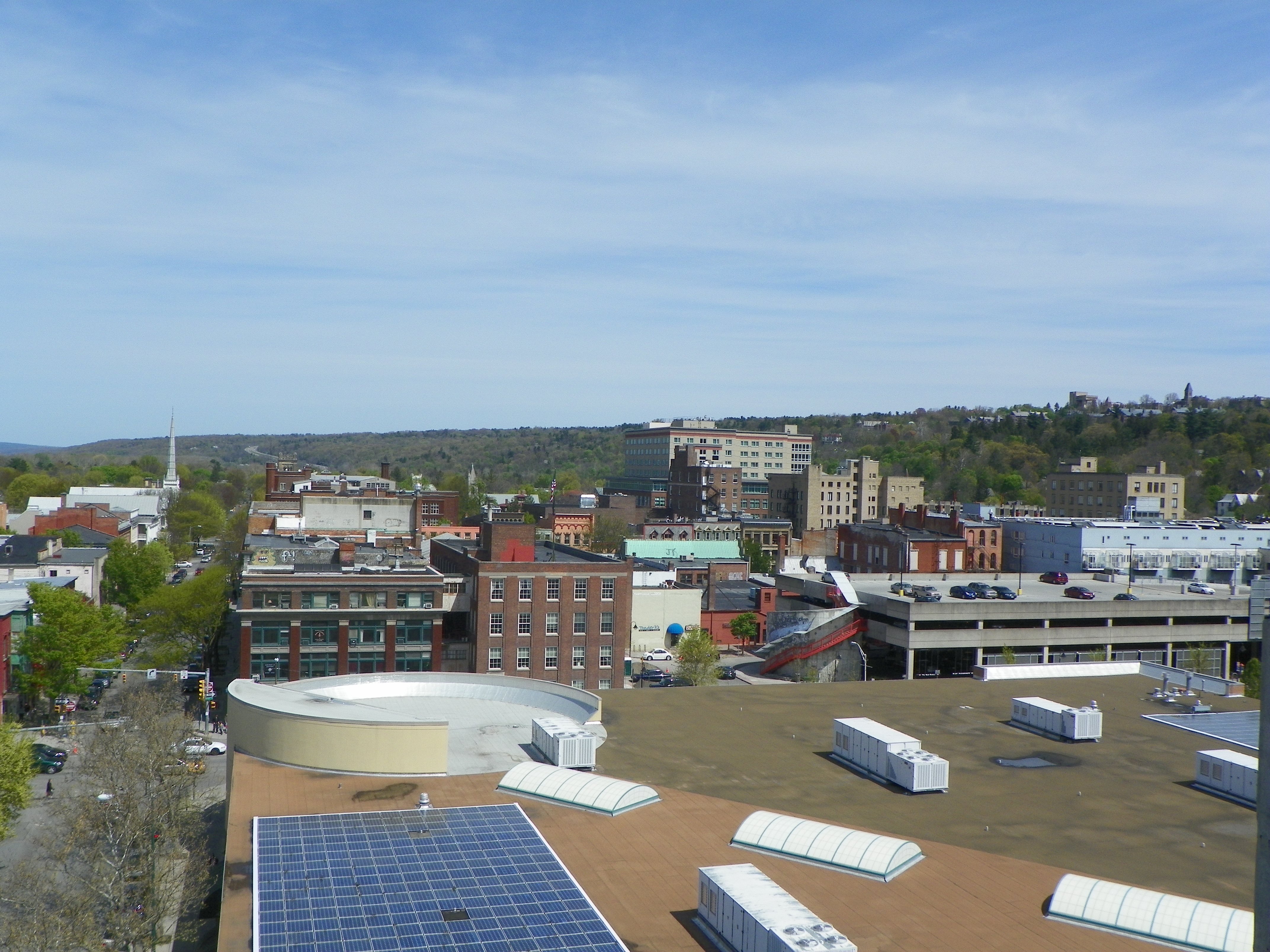
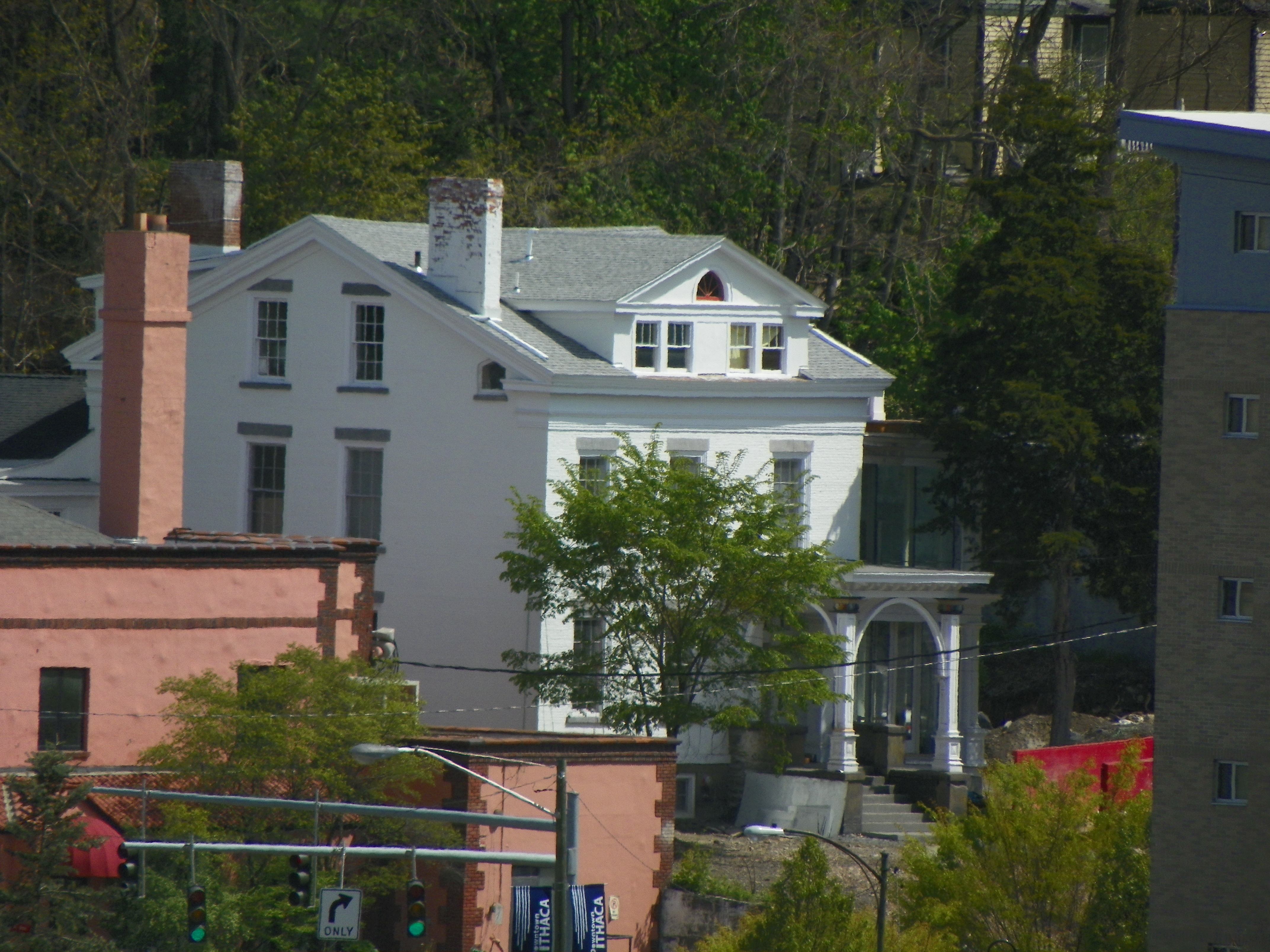
So, reviewing monthly planning board agendas turned up a proposal for 309 Eddy Street in Collegetown set to be discussed this month. Unfortunately, I can never make it to the meetings and Ithaca is terrible at posting the minutes online. However, applying a little knowledge and logic, we can get a good idea of what is proposed for the site.

First, let’s go over the site itself. This is a little ways down from Dunbar’s on the east side of the street, next to Souvlaki House. The current building is a large student apartment house dating from about 1900:

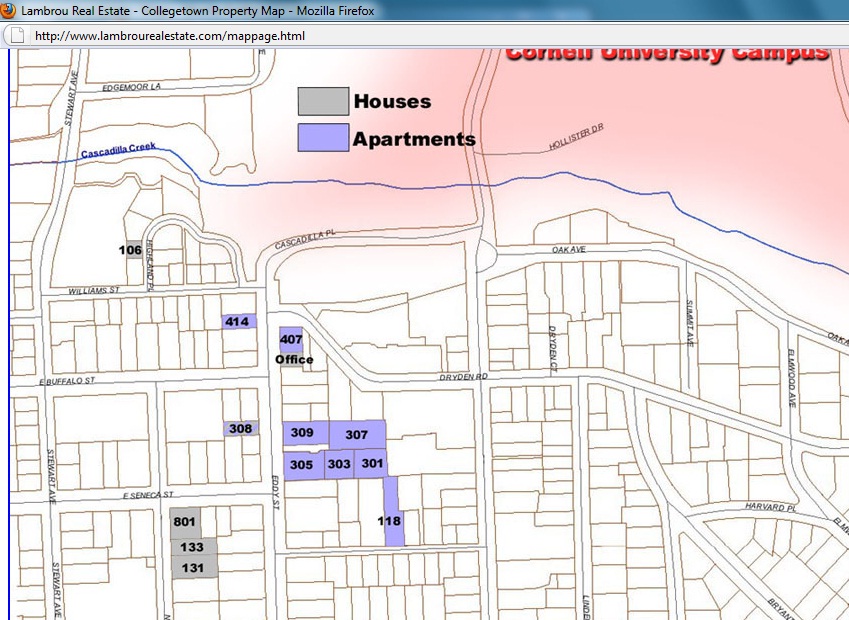
The house sits the in the middle of a series of large apartment buildings – the Fontana Apts (327-407 Eddy), and the four buildings that make up the Collegetown Park Apts. (301 Eddy-307 Eddy). All of these buildings were built in a time period from the late 1980s to early 2000s (the last was about 2002). All properties, including the house, are owned by Lambrou Real Estate, one of the major players in the Collegetown rental market with a couple dozen properties in the area (not all properties are shown in the map below).

Lambrou Real Estate seems to have a figurative love affair with the local architecture firm Jagat Sharma, which has a very distinct style but its readily apparent in all their buildings (postmodernist with extensive brick work and subtle contrasts within the facade, but otherwise not really daring). All of Collegetown Park, as well as the Fontana Apts, was designed by Sharma & Associates. It would be logical to assume that a future Lambrou project would have Sharma as the architecture firm in charge.

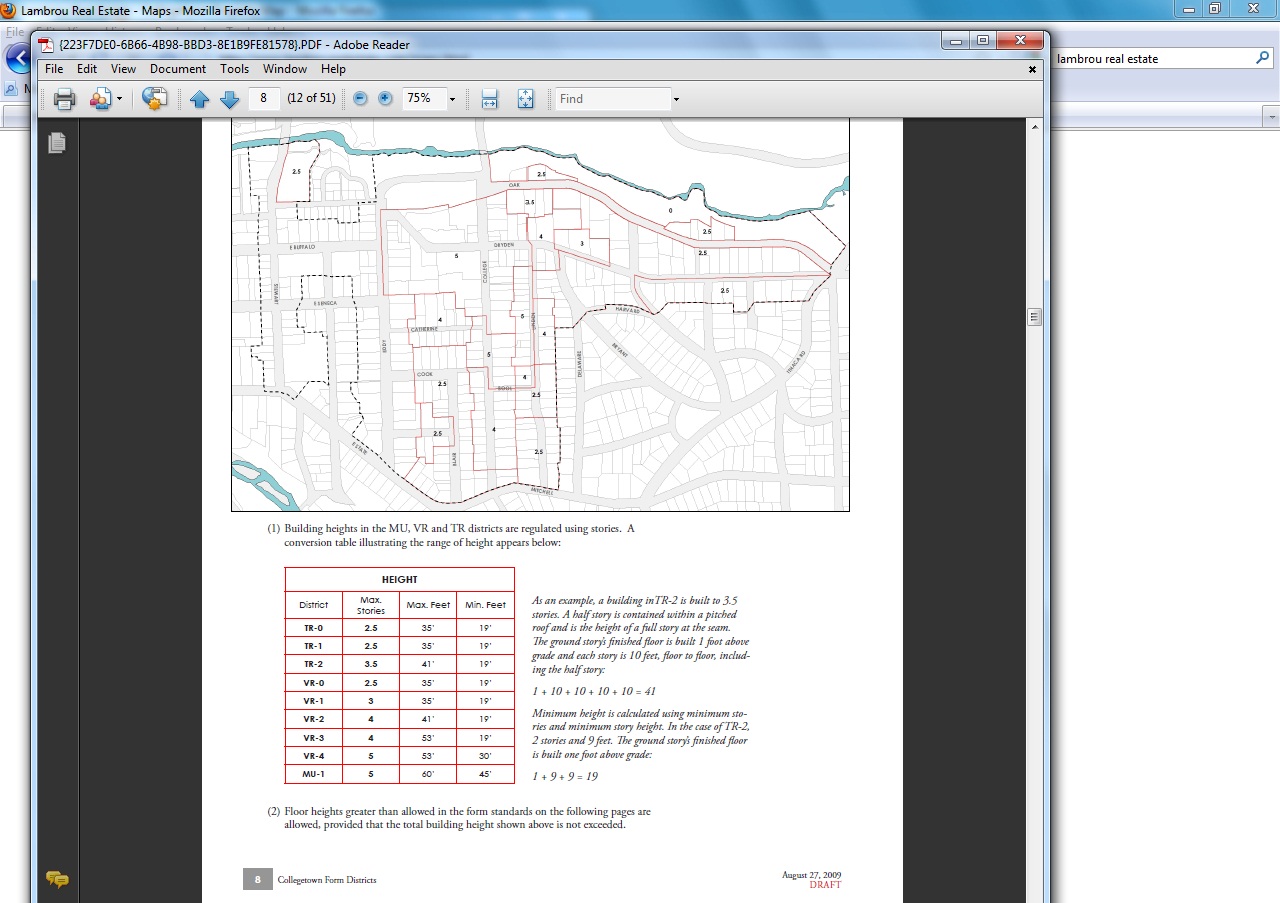
From a zoning and massing perspective, a review of the Collegetown zoning (which I’m not even completely sure it it was ever changed according to the guidelines of the $150k clusterf*ck that was the Collegetown Vision Draft Plan)

Assuming it is, the lot is zoned for a 4 or 5 story building with a maximum height of 60 feet, and at least 45 feet encouraged. Street-front commercial retail is virtually a must for approval.

So, here’s my verdict. Within the next few months, there will be a full proposal for a 4 to 5 story building pushing between 50 and 60 feet, with retail in its base and apartments on the upper floors. It will most likely be designed by Sharma Architects, and as I’m checking the Lambrou website and not seeing this place for rent next year (possibly because it has not been updated), this place could get final approvals and construction permit for fall of 2010 with construction lasting at least six months (if it does turn out to be rented, a construction start date of summer 2011 will be far more likely).

UPDATE 9/29/10: Now we have renderings:

Not a bad design. Fits in rather well with the immediate surroundings. A little more work on that street and it could become as popular as the 400 block of College Avenue.


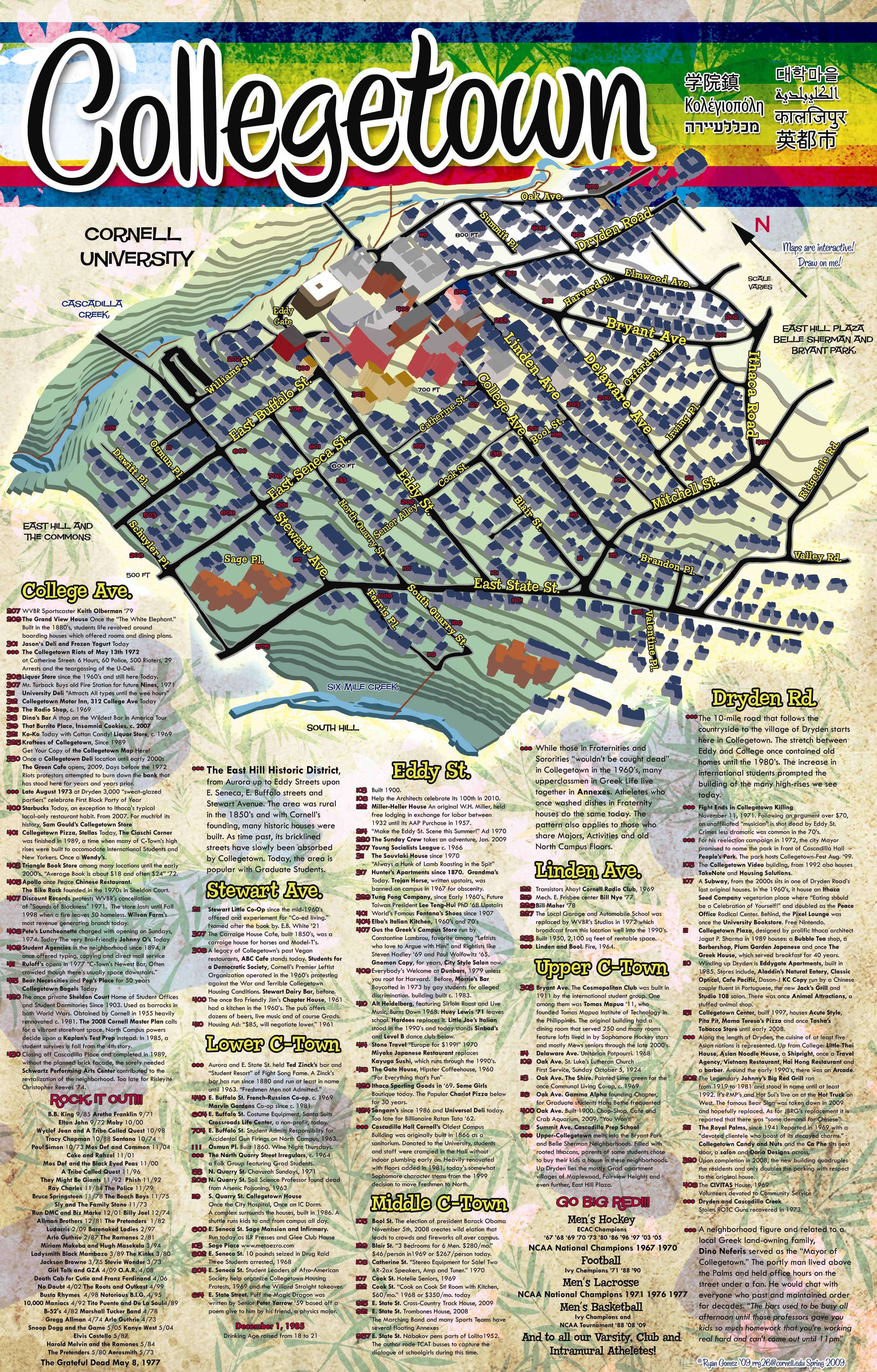
Best Map of Collegetown Ever.

10 09 2009

The map was a project of an alumnus, Ryan Gomez ’09. I dare say it’s one of the best maps I’ve ever seen of Collegetown, not only because it’s a visually appealing map, but also because it covers the history of many of the addresses in the neighborhood, not to mention worthy Cornelliana.

This map deserves a look:

http://www.metaezra.com/images/ctown_map.JPG

Mr. Gomez, you’ve earned my respect and admiration.