News Tidbits 5/6/2011: Some of Us Can’t Be At Slope Day

6 05 2011

Oh graduate finals. You take way the afternoon of one of the biggest social days of my year. Well, I’ve studied a fair amount, and since final #1 is at 3 PM, I figured I would take a brief break to tackle a few of the many news pieces to have been released lately, before they become really old news.

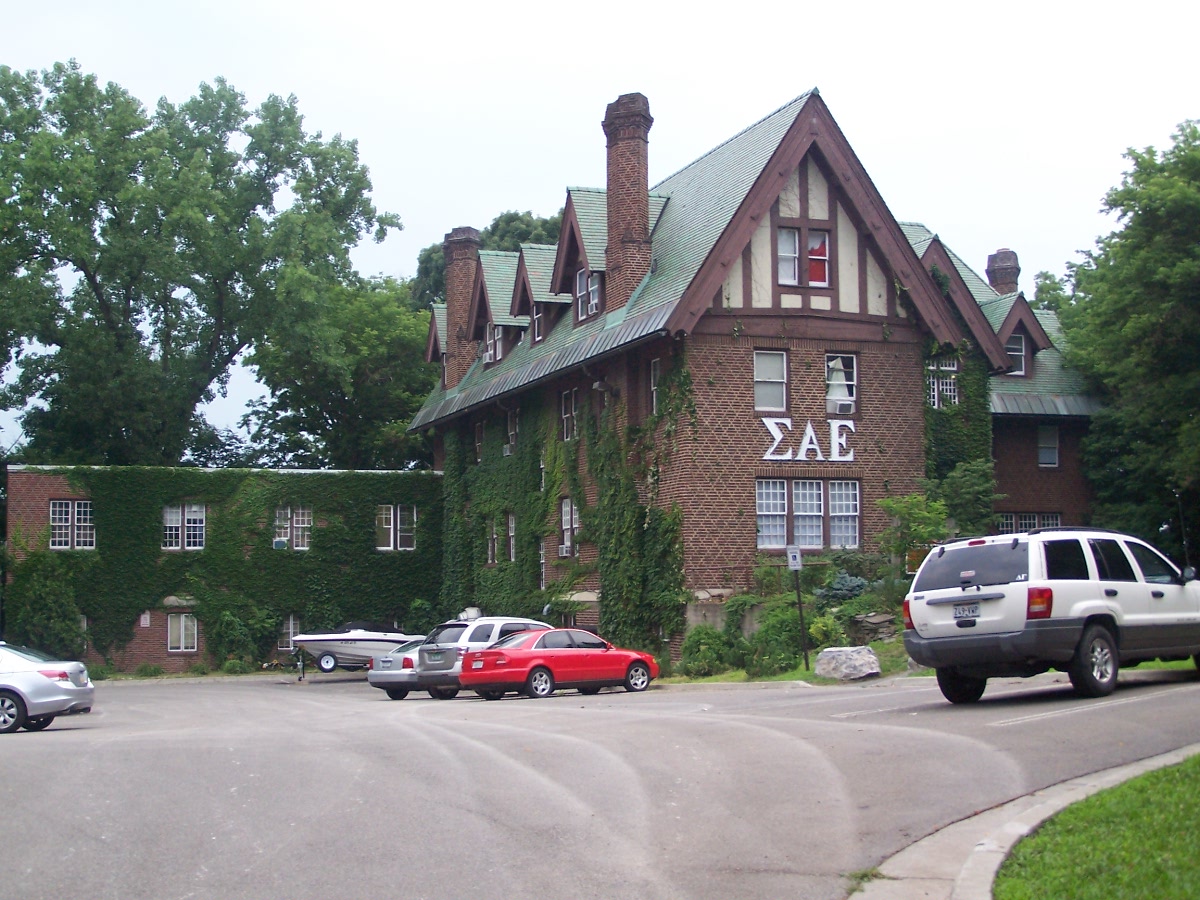
1. SAE’s pledge class joining TKE. Do I think this is wrong? On many levels, yes. Playing Devil’s Advocate here, I can see why they might’ve pursued this idea. It’s no great secret that TKE’s numbers have been declining recently, and the fresh blood of a sizable class adopted from a fraternity with a strong social reputation could definitely help in some respects. In a historical sense, there’s nothing particularly like it.  When Phi Sigma Kappa and Phi Sigma Epsilon merged in the mid-1980s, even though both had houses at Cornell, there’s no indication the bortherhoods merged; it seems Phi Sigma Epsilon simply closed. There are some cases of entire fraternities merging, such as Zodiac and ATO in the 1930s. In all my fact-checking, I found only one case; pledges of Theta Chi, which was booted off Cornell’s campus in 1999, asked if they could join Alpha Epsilon Pi, and the offer was accepted. AEPi partially operated out of the Theta Chi house until 2001 (first they operated both their house at 140 Thurston and the house at 40 Ridgewood, then just Ridgewood), when it became too expensive and they reverted back to just their Thurston property.

On a related note, four of the former SAE pledges (not affiliated with the TKE group) were indicted on charges related to the death of George Desdunes ’13.

If I were an alum of TKE (which I’m not, thankfully) I’d be livid. It sets a horrible example, that even though the members of your pledge class had an indirect role in someone’s death, that you’re high enough on the social ladder that another house will come to your “rescue”. For all practical purposes, the size of this group, and their former association, will likely cause Tau Kappa Epsilon to become a hybridized version of Sigma Alpha Epsilon. Arguably, that might help the house’s perceived social standing, and it provides some measure of stability, but at great expense to the house’s integrity, and it speaks volumes on how much the SAE group actually cared about their own fraternal association. It just seems ethically wrong to me.

2. Then again, being ethically wrong seems to be a running theme of the semester. I have to say, having an IFC officer mock MGLC’s step show will sexual gestures towards a large audience that included Ithaca high and middle school students, and then voting to not remove him until the associate dean “strongly advises” it and he tenders his own resignation…like really? Is the system trying to get dismantled, because honestly I can’t tell at this point.

3. last on the pieces of news to tackle, the fatal fire at 107 Cook Street. We all talk about how some of the houses in Collegetown are unsafe, but never would anyone want a tragic event such as this to happen. Argue about zoning and landlords and proper maintenance all you want, but that doesn’t change the fact that someone has lost their life just as the semester was wrapping up. As an aside, I actually knew two guys from my major who lived in this exact apartment last year, and by their accounts it wasn’t in terrible shape. But right now, what matters is that someone is gone all too soon. As a final aside, the last fatal apartment fire was on Heights Court near North Campus back in May 2006. That house was renovated, and at last check, was up for sale.

P.S. I have a backlog of entries to write; once my schedule clears up, activity on this blog should pick up.


We’re Not in Kansas…

28 04 2011

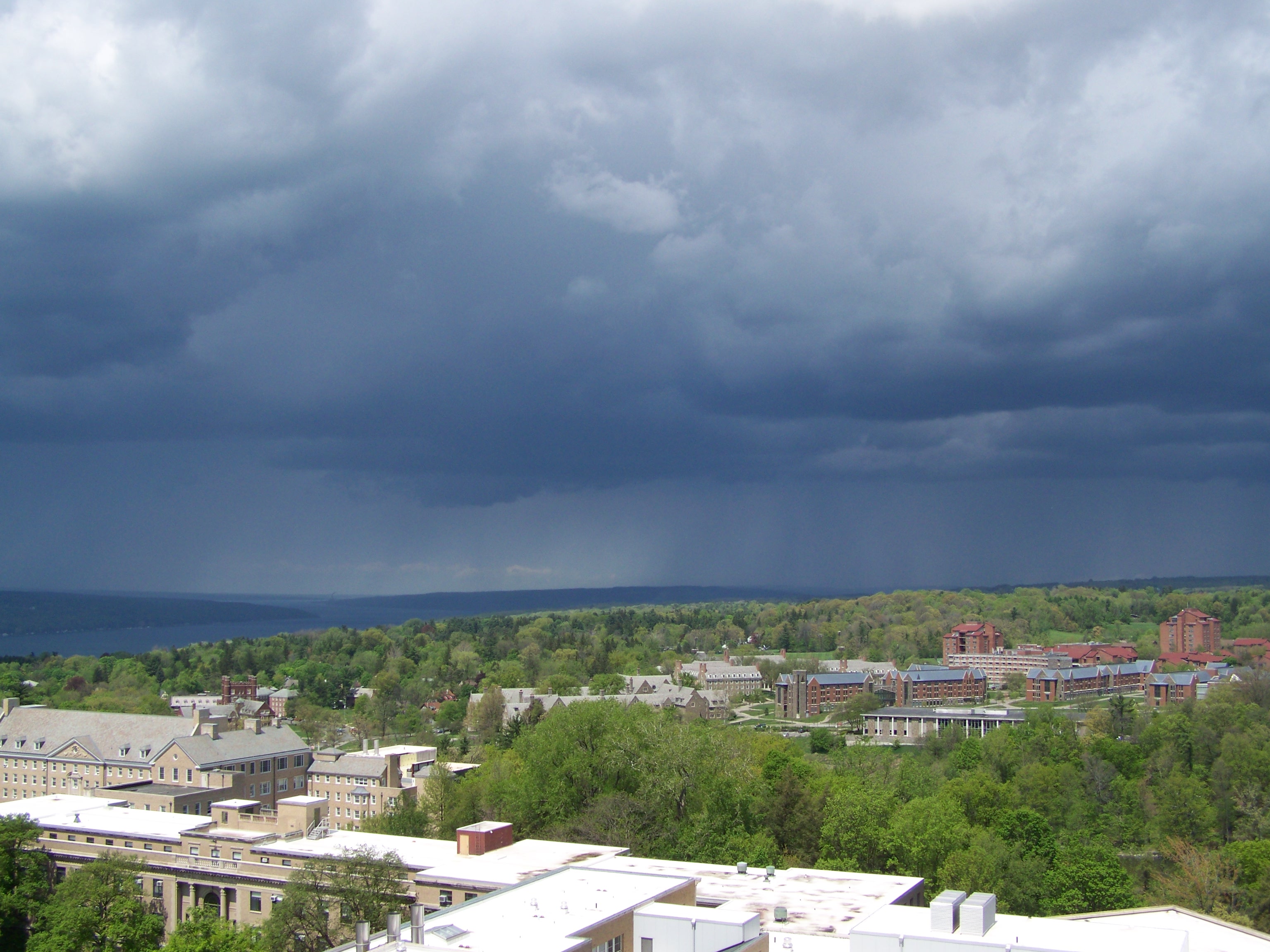
In my daily activity, I have to keep in mind two things – I study meteorology, and I can get all the sleep I want when I die. Yesterday was an interesting day, for reasons most folks have probably heard already. Apart from Mother Nature deciding that the Deep South had to be devastated, there was a tornado watch extended into upstate New York. A watch means that the possibility is there for a tornadic cell to develop. Well, when things finally began to be a little more settled last night,
I was working in my office, and my officemate turns to me and says,

“B—, Ithaca was just placed under a tornado warning. You might want to check it out.”

So I did. And over Schuyler County, here’s a cell with a plausible tornado signature (a hook) on radar. The cell was tracking northeast and Ithaca was directly in the warning path.

At that moment, I decided to  make a few phone calls. It ended up being a long night (as previously stated, I’ll get all the sleep I want someday), as three cells bore down on the area, one of which is showing in its prelim reports that a tornado likely touched down in Danby. From NWS BGM (Binghamton):

0540 1 NE DANBY TOMPKINS NY 4236 7647 POSSIBLE TORNADO … 4 TO 5 HOMES WITH MAJOR STRUCTURAL DAMAGE (BGM)

So, an unusual and rather scary night for the folks back in Tompkins County. Digging into some data, I decided to check the last time a tornado was confirmed within the county.

From the Tornado Project:

AUG 25, 1961    005   1800     0      0    F0    109
JUN 15, 1964    001   1530     0      0    F1    109
JUN 20, 1969    004   0745     0      0    F1    109
JUN 18, 1977    002   1500     0      0    F1    109
AUG 28, 1988    005   1342     0      0    F1    109
AUG 21, 1994    008   0715     0      0    F0    109

Although the project suggests otherwise, conflicting reports suggest a fatality with the August 28, 1988 tornado. That tornado, an F-1 (today we use EF-1, as the Fujita scale as been refined to become the “Enhanced Fujita” scale), may have killed one person. Further analysis suggests this tornado tracked from Schuyler County into Tompkins County, and the fatality was in Schuyler, which might explain the disparity.  I don’t know the ratio of warnings to confirmed touchdowns, but Brotzge et al. (2009) suggest only 1 in 4 warnings result in confirmed tornadoes. EDIT: Actually, that link won’t work for most people unless you have American Meteorological Society connections.

So, events like this are rare indeed. My only regret is that I should’ve saved the radar imau ge from last night. Actually, I have two regrets. My second is that I have a friend who photographed the King Ferry tornado a few years ago from Space Science, and he sent me a copy of the photo back in 2007, which I lost at some point. If I feel really proactive I might email him to ask for another copy.


An Exercise in Mapping

24 04 2011

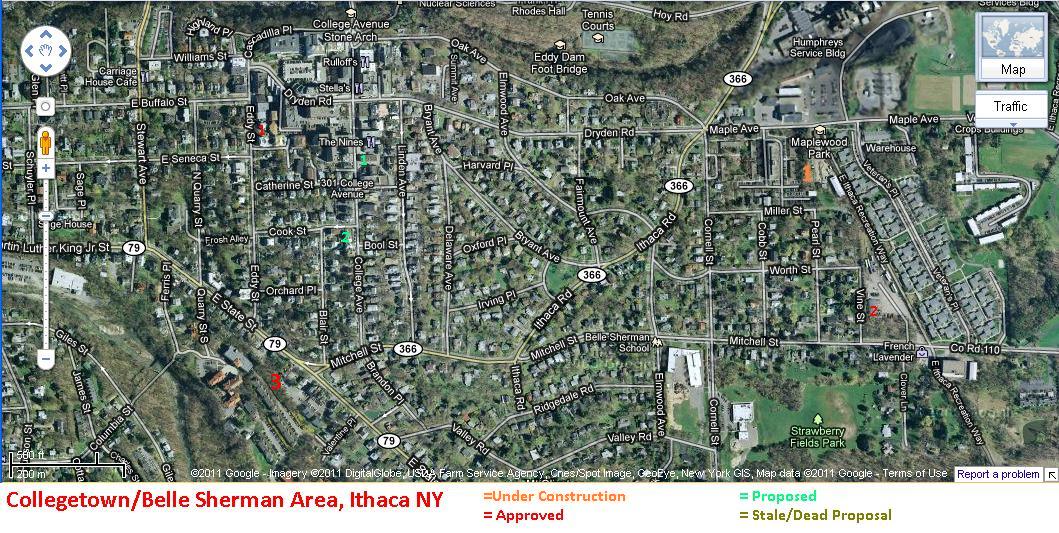
So, I figured that since I write about Cornell, IC and Ithaca-area construction projects as much as I do, it might be nice to include some form of a map. Depending on time and motivation, I might get around to putting ones together for South Hill and Downtown.

So, Cornell Campus, used here primarily as a test bed (click the image to expand its size).

Under Construction:

1 – Milstein Hall 2- Johnson Art Museum addition 3- Human Ecology Building 4- Stocking Hall Addition

Approved:

1- Wilson Lab / Synchotron Expansion (CU ERL Project)

Proposed:

1- Gates Hall

Stale Proposals (i.e. been around a while, little notable progress in the past several months-plus)

1- Goldwin Smith Hall Addition 2- Gannett Health Center Addition 3- Holley Center (Soil Lab) Expansion (most likely dead, given federal budget cuts).

Heading south into Collegetown –

Under Construction

1- Coal Yard Apartments Phase II – A 4-story, 25-unit building off of Maple Avenue.

Approved:

1 – 309 Eddy Street (5 stories, 41 units) 2- Vine Street Cottages (19 house, 10 townhomes) 3- Collegetown Terrace (several buildings, 2-6 stories, 589 units)

Proposed:

1- 307 College Avenue (5 stories, 60 units), Snaith House addition (12 bedrooms)

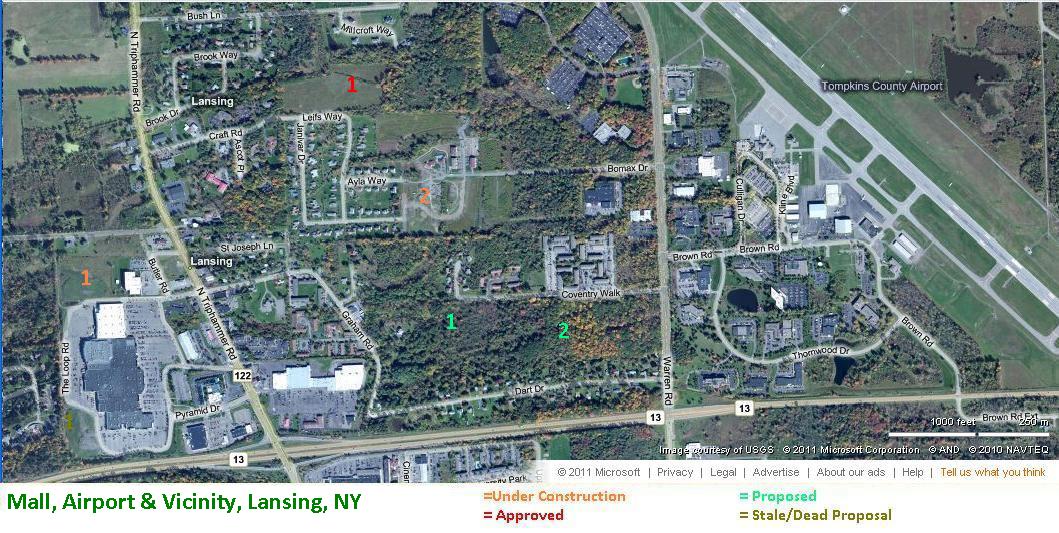
Mall, Airport and Vicinity –

Under Construction:

1- BJ’s wholesale Club (82,000 sq ft) and 12 senior living units 2- Heights of Lansing (~17/80 units complete).

Approved:

1- Millcroft Housing Development (~19 lots in phase II).

Proposed:

1- Lansing Reserve Project (65 units) 2-  NRP Group Project (80 units)

Stale Proposal

1- Behind the mall, a mix of additional shops and 40 apartments, in a lifestyle-center setup, were proposed about three years ago. The recession may have killed the project; at the very least, it’s been shelved.

***

This isn’t to say there aren’t plenty of other projects in the area, I just wanted to experiment with presenting local projects in a different, more visual format.


News Tidbits 4/18/11: Fraternity Seeks Recolonization in Turbulent Times

18 04 2011

Image property of Alpha Phi Delta

Seems a second fraternity is seeking to reestablish itself on Cornell’s campus this year.  According to the Daily Sun, an interest group has been preliminarily approved for recognition of the recolonization of the Alpha Phi Delta fraternity (in other words, the first step to recognition has been taken). Unlike Phi Kappa Sigma, this interest group has taken the route of forming a group first and then seeking the recognition of a national (which is the way it’s traditionally done with fraternities), rather than the national coming in and seeking to revive or start a chapter (more common for sororities, but an increasingly appealing option for large fraternal orgs).

Alpha Phi Delta has existed previously at Cornell’s campus. It was a historically Italian-American fraternity founded at Syracuse in 1911, and still draws most of its chapter membership from colleges in the Northeast. The Cornell chapter (Mu) was founded in 1922 and closed in 1968, three years after the fraternity opened itself up to membership for all men(and not just ones of Italian heritage). From old Cornellian yearbooks, it can be determined that they stayed with one house during their time at Cornell, but I’m having one hell of a time trying to determine its location – I can’t find it anywhere nearby on the 1928 and 1954 Cornell maps, which suggests to me it might have been far from campus.

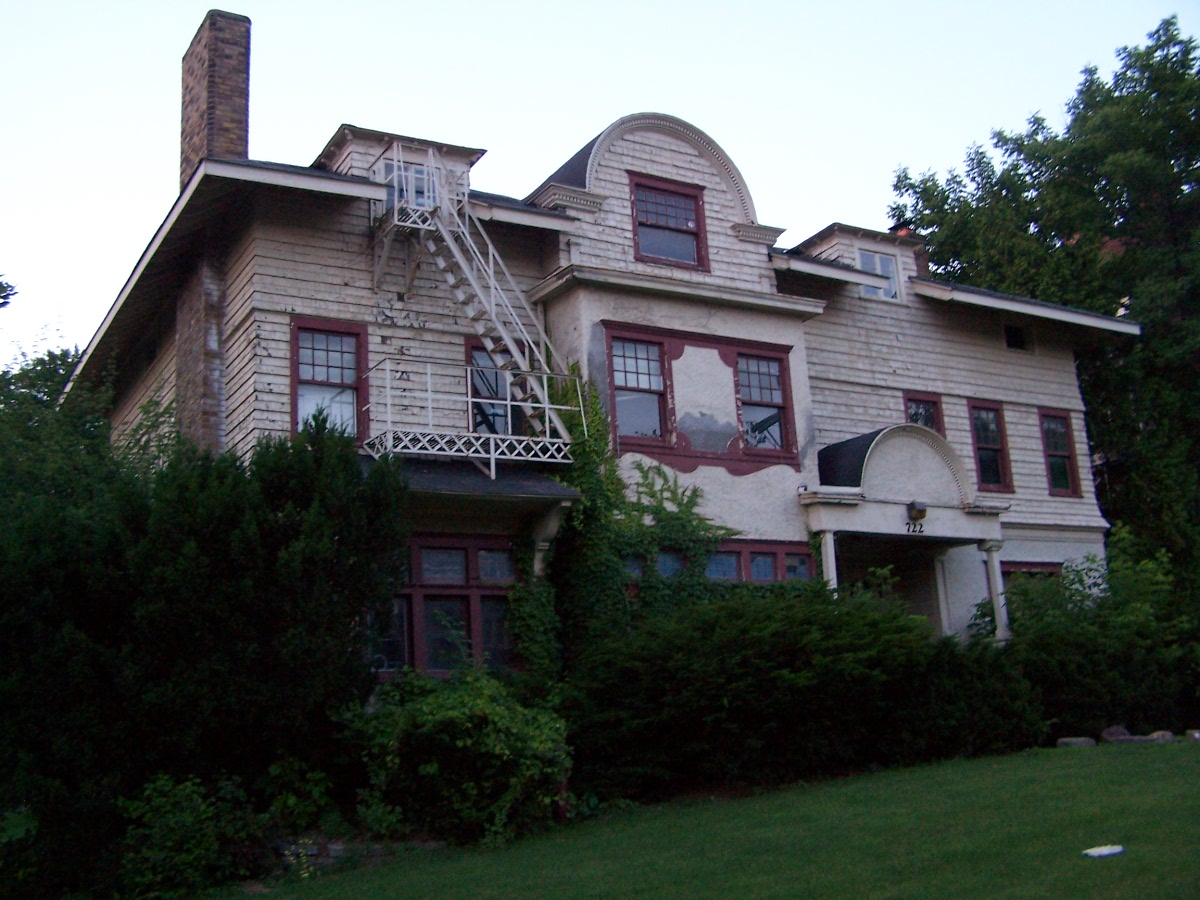
Anyways, given the closure of Theta Xi and the recent fallout due to the SAE tragedy, I’m unsure as to how successful they will be. But, I wish them the best of luck. Oh, and if they’re still looking for a house, it would make my heart jump if they could move into an unused property that could use some revitalizing, like 722 University Avenue.


Springtime Construction Update

12 04 2011

Long story short, for the first time since about New Year’s, I was able to visit Ithaca this past weekend. Went for a national initiation for the fraternal alma mater and stayed for the day.

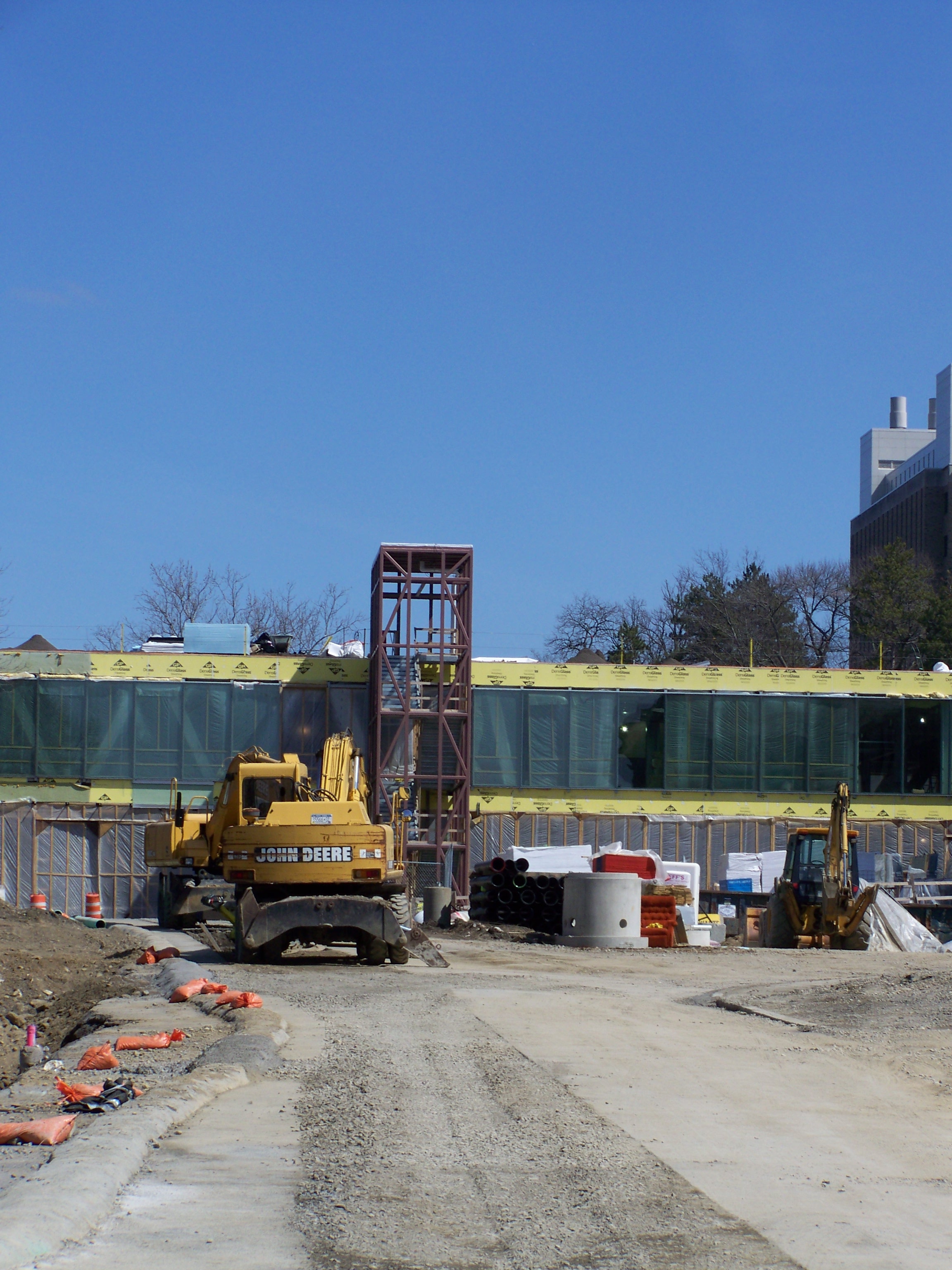
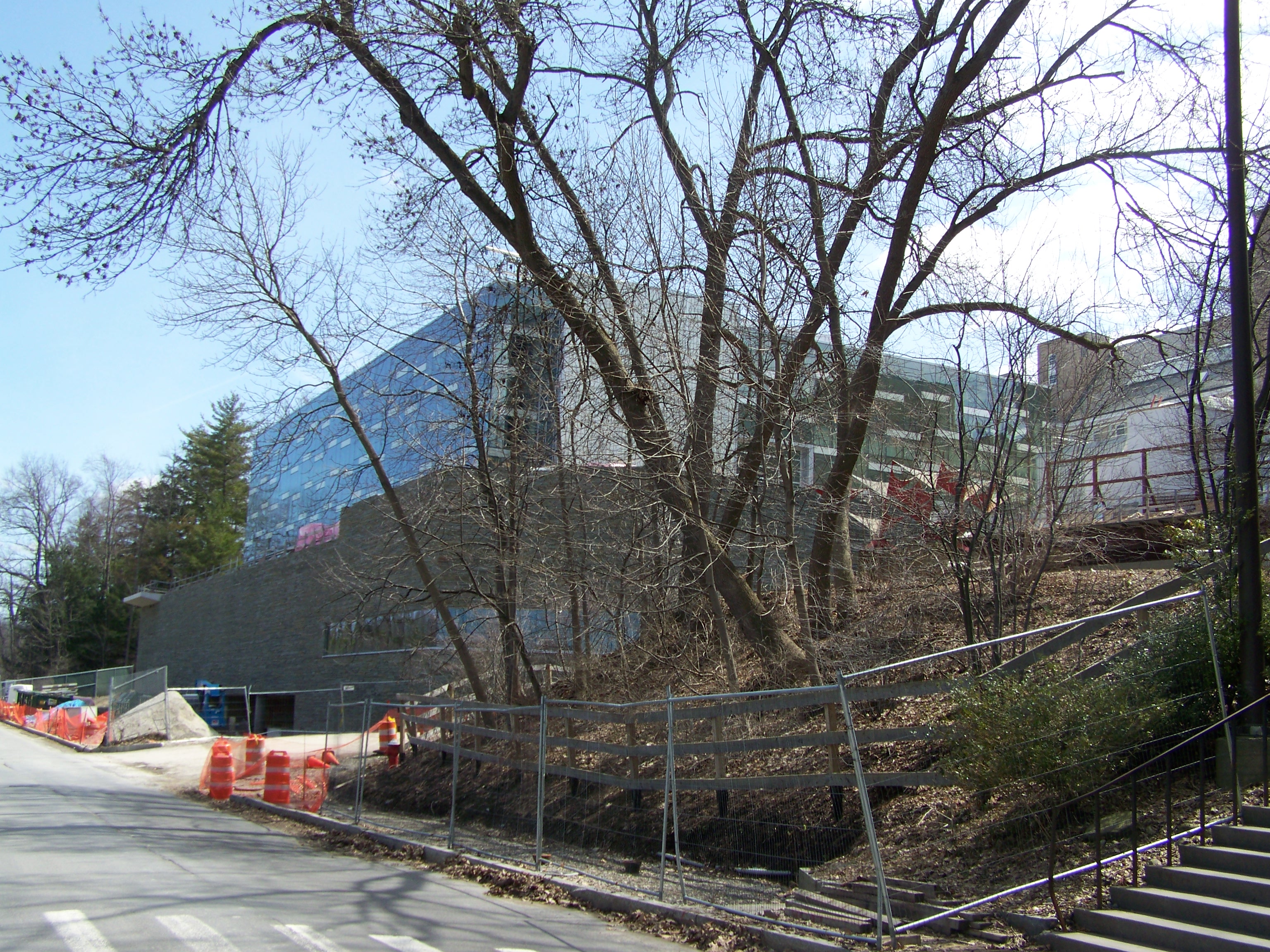
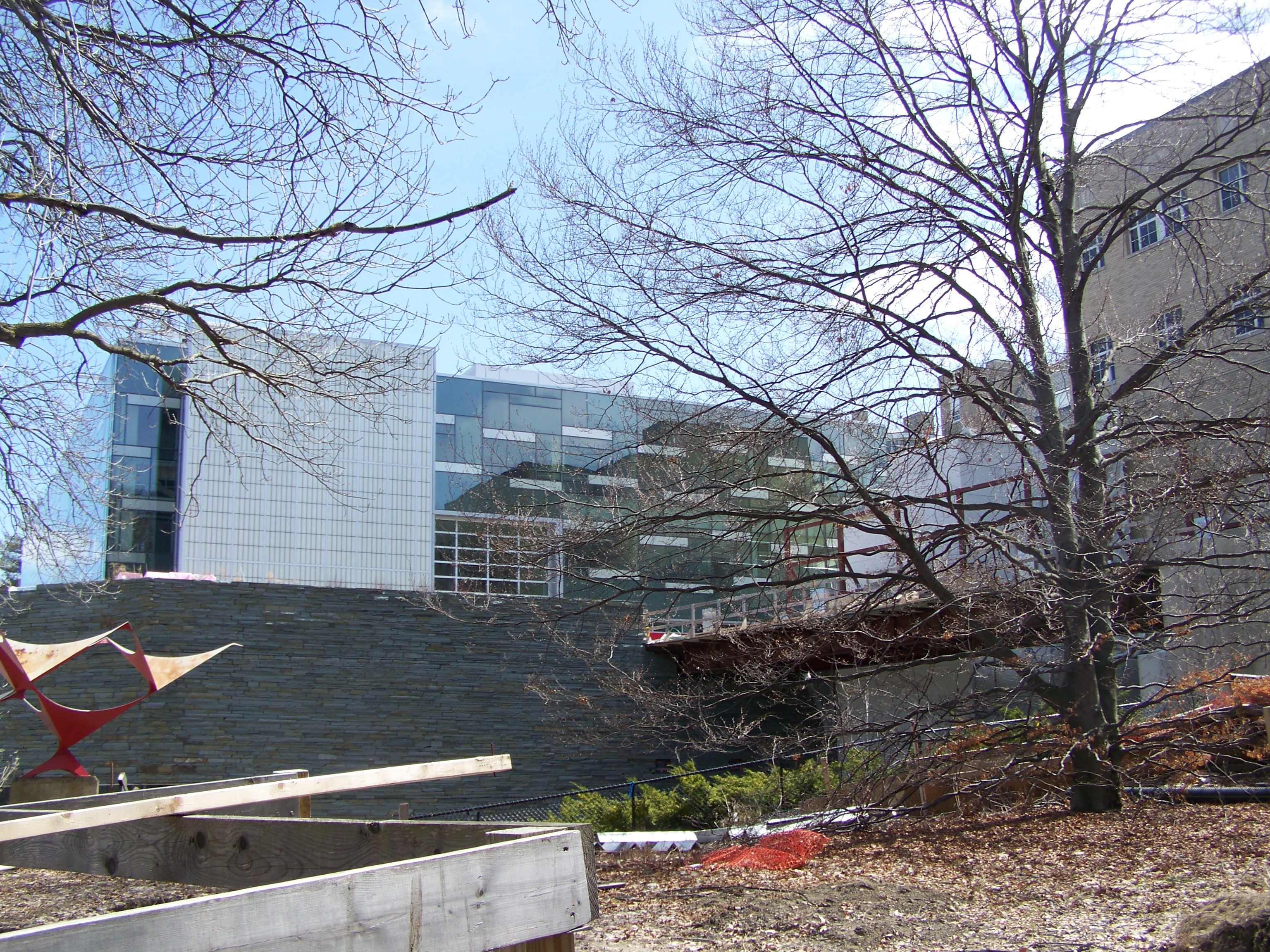
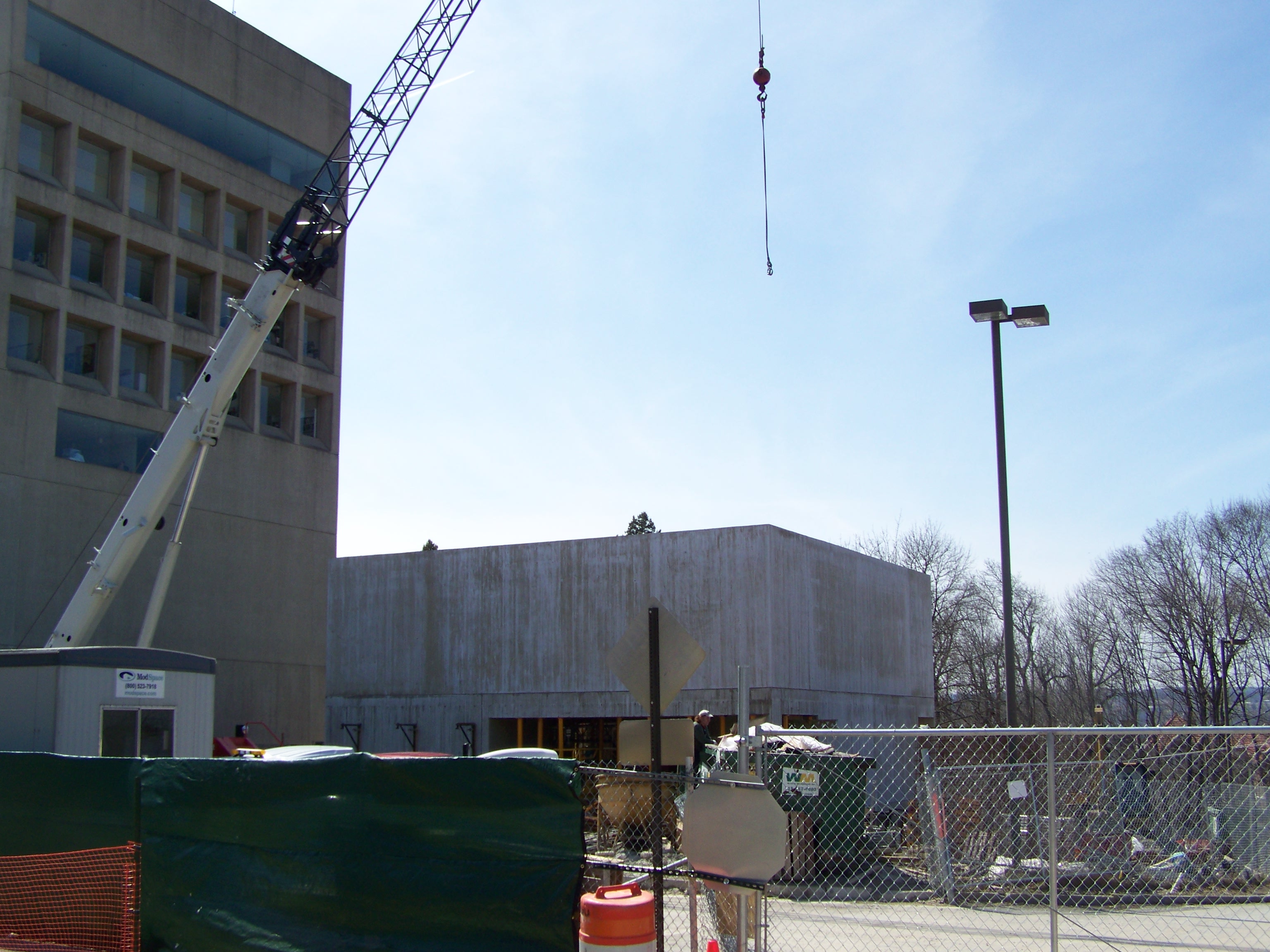
Milstein Hall continues towards its late 2011 completion date.

The new Human Ecology Building nears completion.

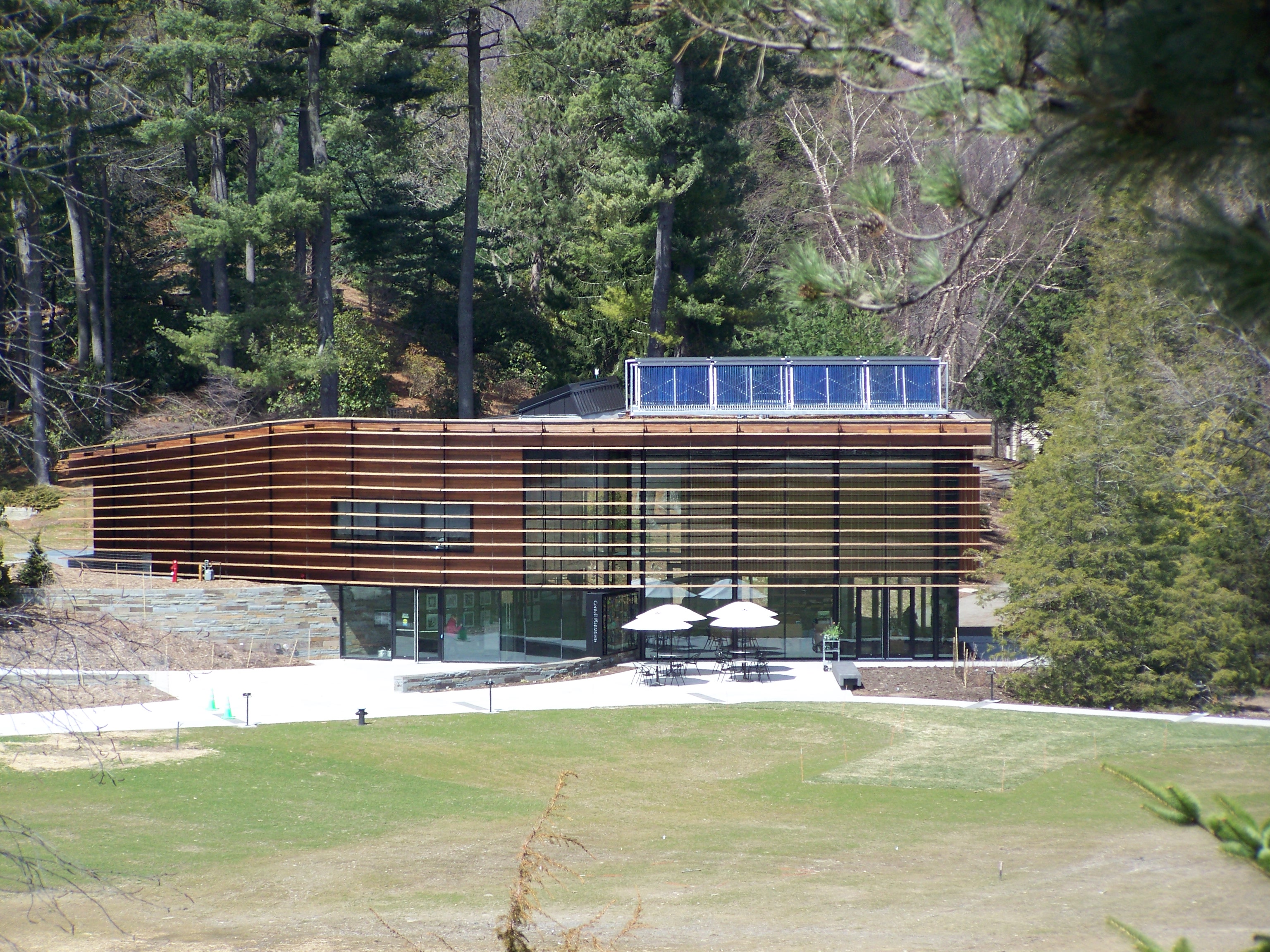
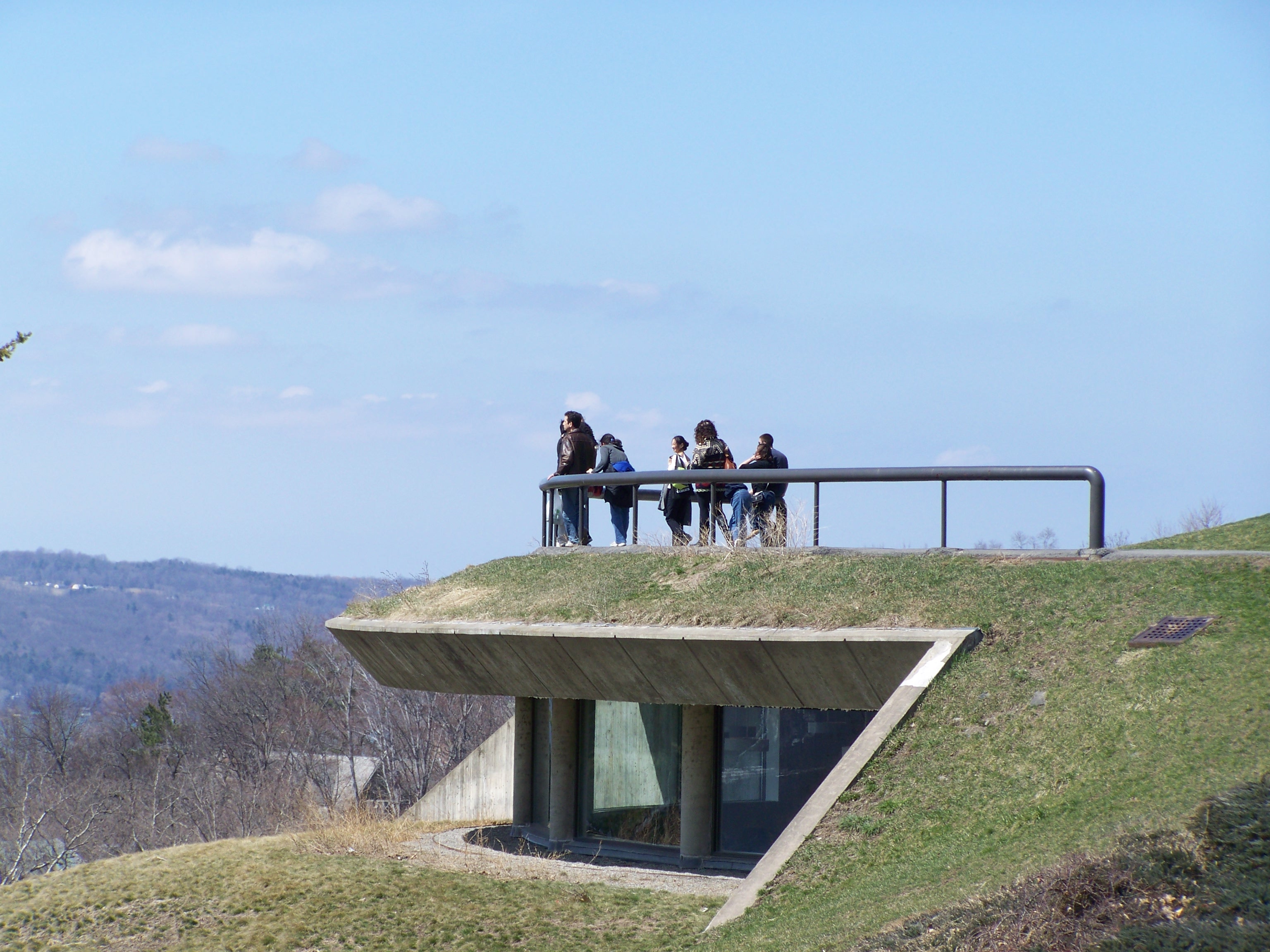
The Brian Nevin Welcome Center for the Cornell Plantations is open and ready to receive visitors.

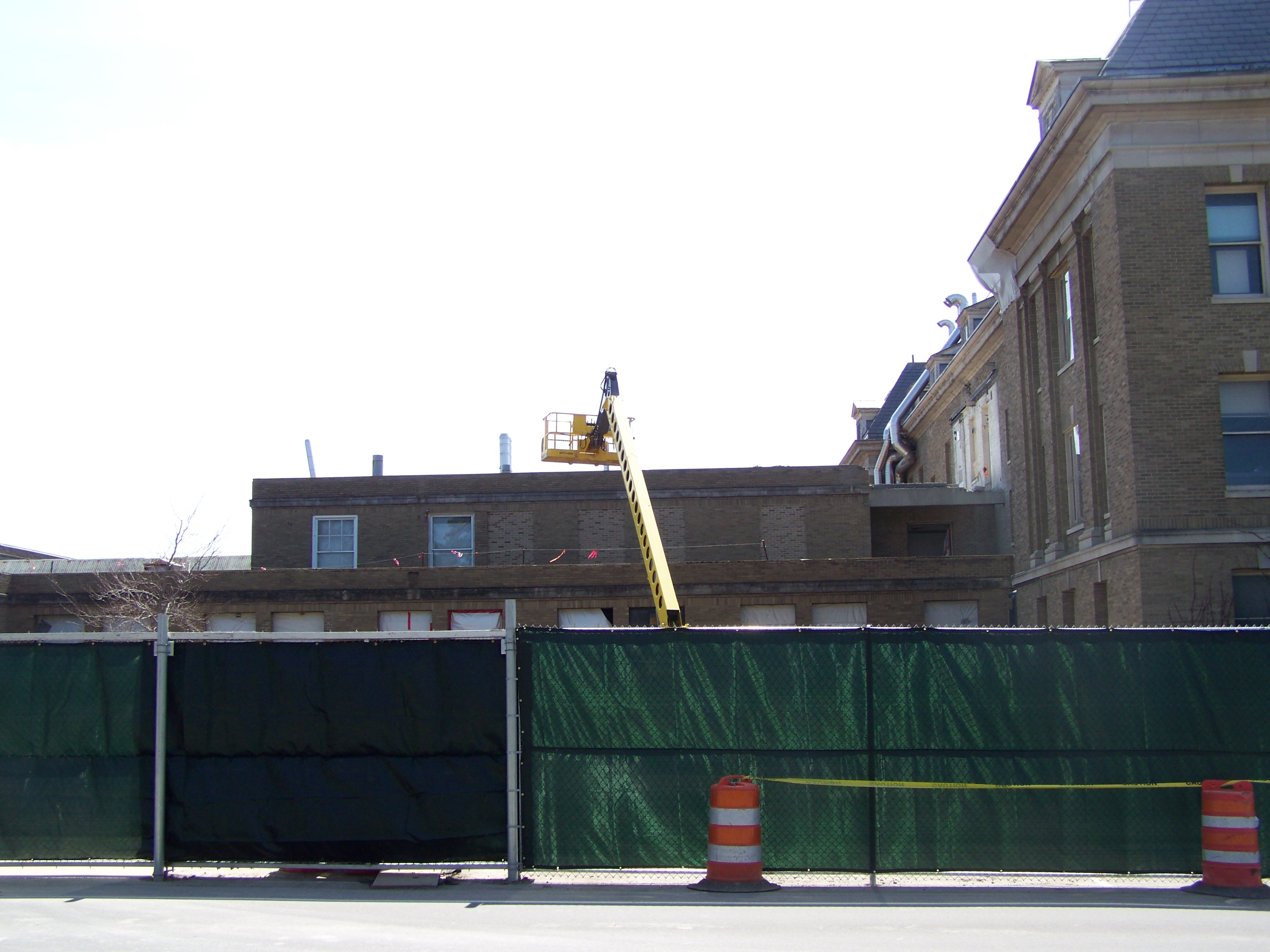
Demolition work continues on Stocking Hall’s “new wing”, to make way for the new Food Sciences building.

Concrete pouring is well underway for the Johnson Museum addition.

The site of Gates Hall, looking southeast.

Oh Cornell. Even if you drove me nuts while I was in Ithaca, I do miss you a little bit. Partly because I have to look at this everyday:

Good thing my office is windowless.


News Tidbits 4/8/11: Shopaholics Rejoice

8 04 2011

College Crossing Shopping Center - Image Property of Ithaca Estates Realty

I’ve been locked away in my office recently, so I haven’t had a whole lot of time to devote to anything but being an evil TA and doing research. But there have been a couple of Ithaca developments of note.

The Holochuck project (106 townhomes on West Hill) and the 82,000 sq ft. BJ’s Store next to the Ithaca Mall have both received approvals. Site work on the BJ’s could start as early next week. Neither project was without its drama, however – the BJ’s uses a tax abatement in order to finance the construction of 12 senior housing units, some wetland and a bird sanctuary on the west side of the lot, behind the future store. Since abatements are typically issued for industrial projects and not retail, there was some controversy about it setting a bad precedent. After playing with the construction materials to ask for a smaller abatement, the project finally received approval from the IDA, only to rejected by the school board initially, then accepted at a meeting a few days later. So, that was a mess. Regardless, the company plans on starting work on the approved project this Spring, with a fall opening.  As for the Holochuck project, the big issue there was traffic. By incorporating mandatory bus passes and some other traffic mitigation features, the project received preliminary approval, meaning it jumped the main hurdle. However, some residents have expressed anger and concern that the project and a 70-unit senior apartment building be allowed to move forward, even as the town is making steps towards a moratorium.

As for today’s Ithaca Journal – the College Crossings shopping center has been on the boards for at least five years. The only thing new about it is that it’s finally being marketed and that the developer hopes to start this spring, with a fall opening. For those on East Hill, the new shopping center will be of little use because it’s just south of Ithaca College, and well out of the way for most Cornellians.

So, it looks like there will be some work underway as Ithaca transitions into the warm half of the year. Nothing wrong with that.


The 2010 Census

25 03 2011

So, over the past few weeks, I’ve had an eye out for the new census figures for New York State. After hearing about Detroit’s massive 25% loss, I didn’t have high hopes for any part of upstate, what with the high taxes, poor weather and rampant government corruption.

I’m actually pleasantly surprised in some ways. Albany, Schenectady and Troy all grew, which is shocking because Schenectady and Troy haven’t seen population growth since WWII. Syracuse lost 1.5% to fall to about 145,000, but considering it was expected to have only 137,000 people, the smaller loss suggests that Syracuse may finally be “bottoming out”, barring unexpected circumstance. Syracuse’s county, Onondaga, was expected to lose 4,000 people this decade. It gained 10,000. Turning to the more pessimistic results, Rochester and Buffalo met expectations by dropping 4.2% and 10.7% respectively.

As for Tompkins County? Well, estimates initially suggested a population of about 101,779 (there were 96,501 residents in 2000). The official census tally says 101,564, slightly less than expected. Either way, the county added over 5,000 new residents over the past decade (which means more housing required, and new developments…and hopefully I’ll have plenty of things to write about in the future).

Ithaca city added 727 people and now stands at 30,014, an increase of 2.5%. Using the census’s words, the number of white people declined, while African-American/black was virtually flat. The gain was in Asian-Americans, and those who were of two or more races. Ithaca town stood at 19,930, a gain of 9.5%, or 1,732 people. According to census.gov the projection was for 20,200, so this explains most of the discrepancy between actual and projected county population figures. All towns in the county grew, ranging from 1.4% in Newfield to 12.8% in Caroline.

Based off of these figures, for the first time in over a century, Ithaca is bigger than Elmira (which dropped 5.6% to 29,200). The neighbors in Cortland grew 2.5% to 19,204. Actually, most of the growth in Cortland County occurred in communities on the Ithaca-Cortland Route 13 corridor. Looking south, Binghamton lost a grand total of 4 residents, to fall to 47,376 (Broome County’s growth was nearly flat).

Is it good news? Not necessarily. Natural rate of growth would suggest a population increase of 7% per decade. So people are still moving out, but it seems they are doing so in smaller numbers then they did in the 1970s-1990s. Which to a native upstater like myself, this gives some hope that there is a way to turn around the decline of parts of upstate, whether by decreasing taxes and government, new/expanded business ventures (hydrofracking, expanding tourism) or other options that may or may not be pursued. One can hope anyway.


News Tidbits 3/21/11: Gates Hall Design Released

21 03 2011

Just…ugh. This image comes from the Facilities Management website. The designs have been submitted to the university but are still being tweaked to fit the budget, or “value engineered” if you will.

I already described my intense dislike for Thom Mayne and his firm, Morphosis, in a previous post. As some folks may remember, Morphosis was selected about nine months ago to design the 100,000 sq ft Gates Hall (aka the new Computer and Information Science Building) on the site roughly where the Grumman Squash Courts are now. The angle of the rendering appears to be northeastward, with Barton Hall’s tower in the distance.

Some may like this kind of edgy, “organic” architecture. The only organic thing that pops into my mind is decay. Seriously, the bottom of the overhang on the west side reminds me of rotting deer carcasses my childhood neighbors would have laying around parts of their property (they were a bit odd, but they gave out stuffed animals on Halloween, which totally redeemed them in my ten-year old mind), with the ribs exposed and the flesh drying out and curling. If that imagery doesn’t prove my disdain, then nothing will.

This may float some people’s boat, but I’m willing to wager they’ll tend to be in the minority. For as edgy and advanced as it may seem, I can only imagine and feebly hope that the built product looks a little better than this, and that it ages well.


How the Mighty Have Fallen

19 03 2011

So it’s official. Sigma Alpha Epsilon, up until now the second largest chapter in the Greek system, is being booted from campus for a period of five years. All members must vacate the university-owned facility by the end of the month. I think the following passage is the most disturbing:

“At this time, the information provided to the university indicates that George Desdunes, 19, was provided alcohol while in the care of certain members and associate members of the Sigma Alpha Epsilon fraternity, and became incapacitated. Even though the members and associate members recognized the condition Desdunes was in, they failed to call for medical care. He subsequently died.”

Let’s be honest. Associate members = pledges in this case. Also, just about anyone who’s been in a fraternity can vouch they knew “that” guy who got really, really drunk one time at a frat party or a mixer, so they gave him some water, a bucket just in case, and laid him on a couch to sleep it off (or maybe that was just in my experience). But this time, either members failed to recognize the severity of the situation – tragic but not impossible – or they realized the extent of the situation and did nothing. Which I really, sincerely hope wasn’t the case, especially since a number of criminal charges are likely in the upcoming weeks.

It’s hard to imagine a system without SAE occupying its lofty Hillcrest estate. But, there is a habit in recent years of the largest, most visible houses being shut down for one reason or another. Pi Kappa Alpha was one of the largest chapters in the system back in the 1980s and 1990s, their recognition was suspended after an incident a couple years ago sent three rushees to the hospital. Before In the mid 2000s, the largest chapter was Sigma Pi, which was suspended and forced to reorganize in 2007 after they sent Thanksgiving attendees to the hopsital with alcohol poisoning. It seems that the largest houses are more apt at screwing up.

It’s difficult to picture Cornell’s Greek Life without one of its prominent members. But under the circumstances, I would’ve been even more surprised if they had been allowed to continue on campus.


Oh Great, I’m Becoming A Preservationist…

18 03 2011

So, looking at the planning board agenda for the city this month, most of the projects under review have already been covered in previous entries. But there appears to be a new entry, and it’s based on College Avenue. 140 College Avenue, to be exact. The owners, Po Family Realty, seek to add a 3800 sq ft, three-story apartment addition onto the south side of the building. Which, in most cases, wouldn’t be a tremendous deal.

Except 140 College Avenue is considered untouchable by the local preservationists, and I can’t blame them for that opinion either. As a matter of fact, I might even agree for once in a blue moon.

You see, 140 College Avenue is the John Snaith House. Although the name may not sound familiar, its appearance certainly will. It’s the red brick house on the corner of College and Cook Street with the wrought iron fence and mansard roof. It made an appearance on the recommended Collegetown structures for historical designation document released a couple years ago.According to the PDF, the house was built by and for John Snaith, a contractor, in 1874. He relocated to Albany in 1887, and the house was badly damaged and rebuilt following a structural fire in 1894.

The issue I have with this project isn’t so much the project itself, which I do think is a bit unnecessary consider the benefits of such a small project are small. It’s more to do with the fact that the Snaith House is a well-recognized historic building. I’m concerned that if it somehow got approved (which, considering one of the writers of the historic buildings document is also chairman of the Planning Board, I find unlikely), it would galvanize the local NIMBYs who would point to that project as an example of the dangers of development, and use it to try and dissuade later projects.

I’m still surprised the owners of 140 College Avenue would even propose this project. I don’t normally turn up my nose at development, especially in Collegetown, but this proposal stinks.