End-of-Summer Construction Update, Part II

24 08 2012

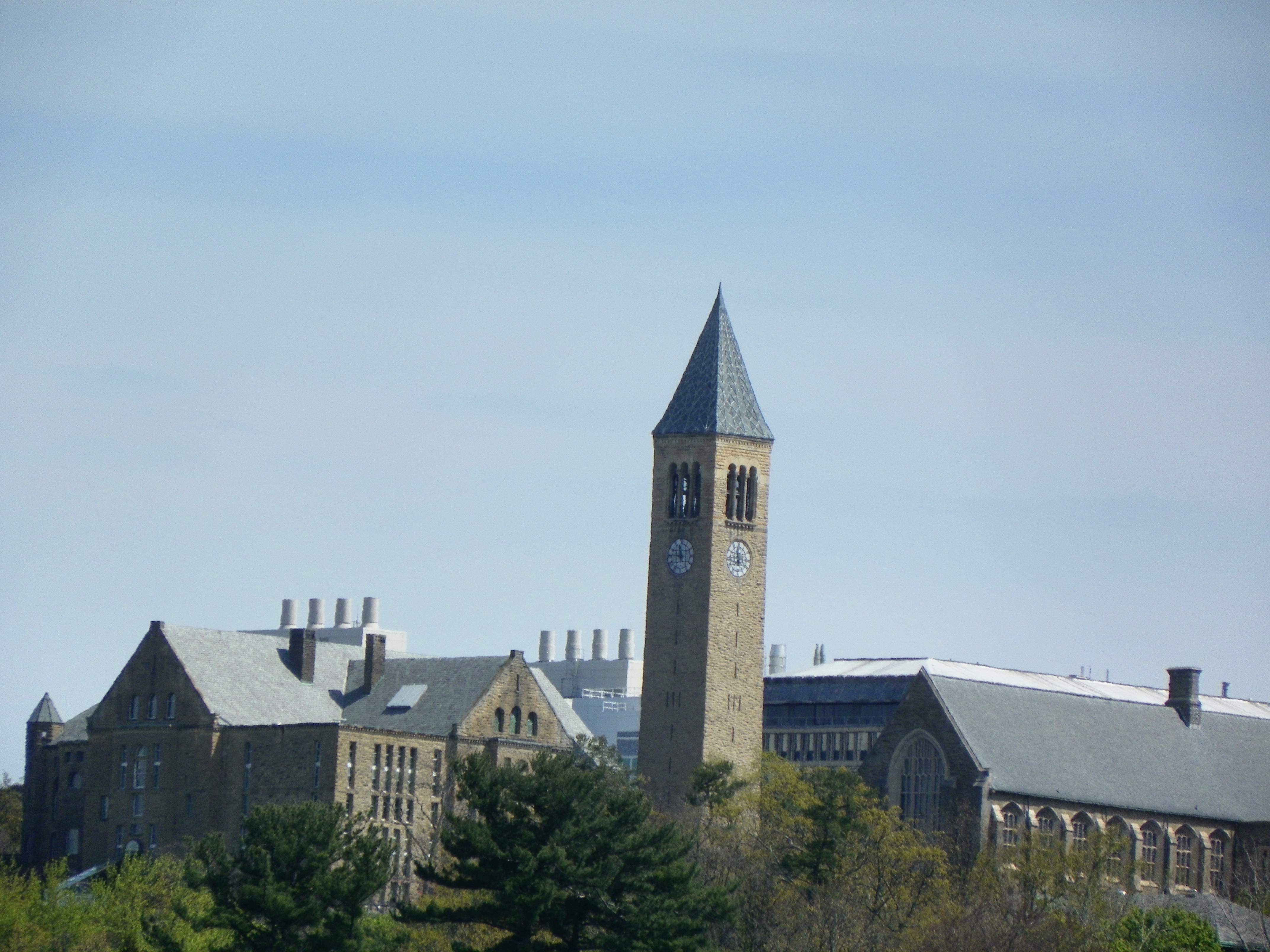
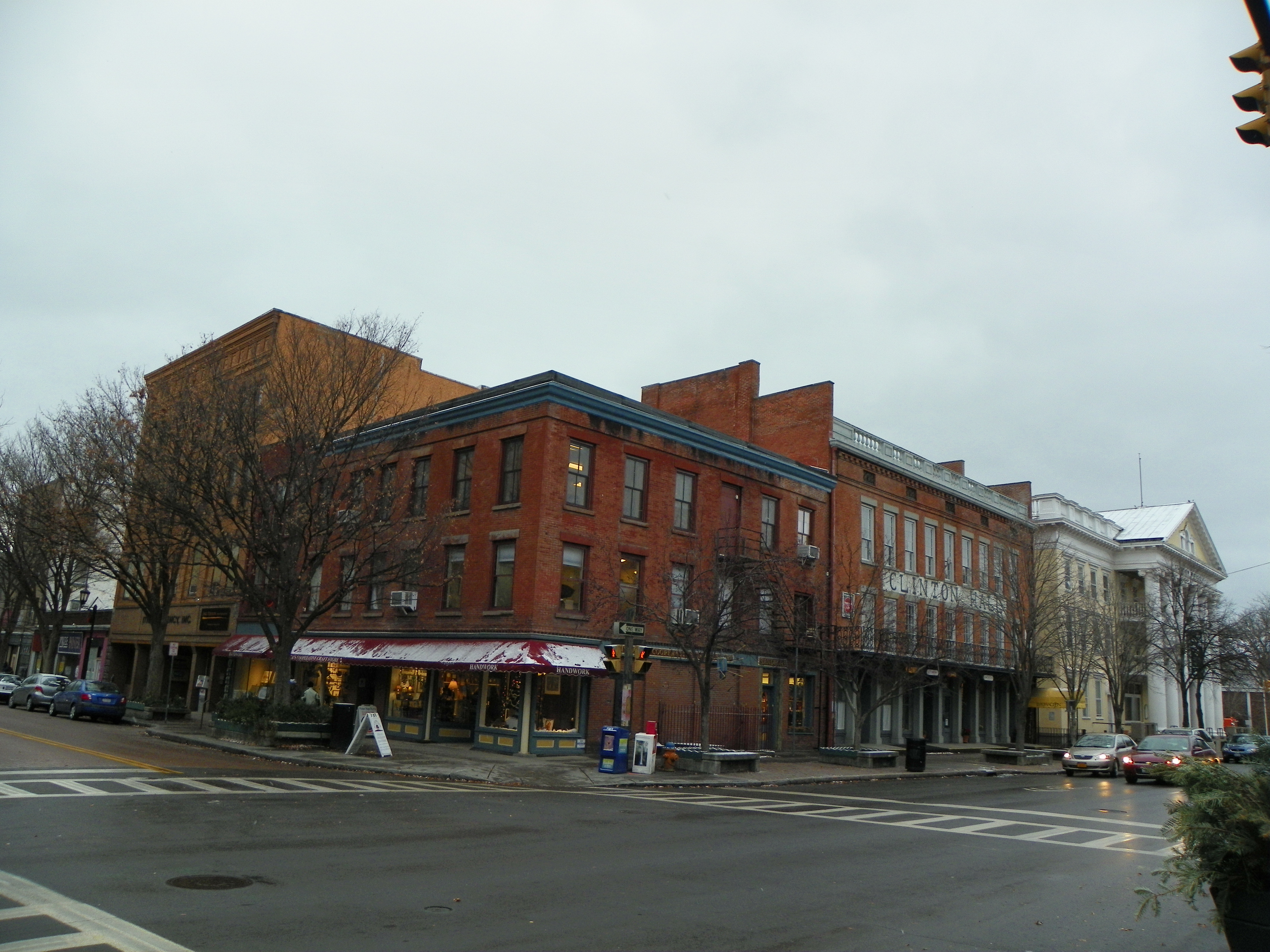
I felt a little more comfortable exploring the non-college part of Ithaca. For the most part. I bought an Ithaca Beer Company root beer at the downtown pharmacy, and because it came in a traditional beer bottle, I was concerned I’d be stopped by police for looking like I was violating open container laws. Rather than put up with that, I sat next to the ice cream counter and read the real estate section of the paper. The photos show would I did elsewhere.
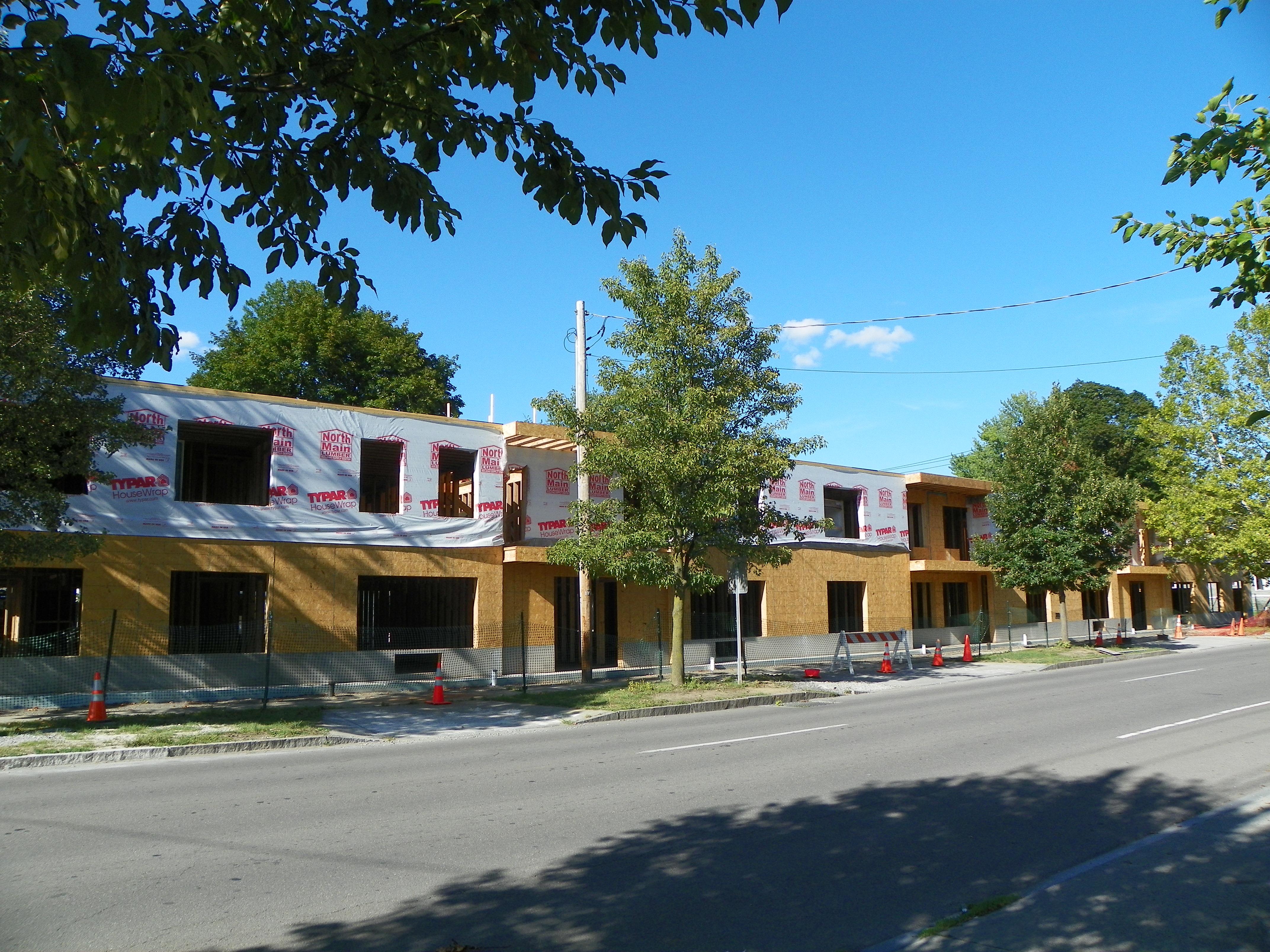
I felt bad because I’ve largely ignored this project. Not purposely; it’s out of my normal search range – on the 600 block of West Seneca, near 13. The site was previous home to a service station and four homes, all of which were in poor condition. The project beings 17 units into a part of the city that has traditionally been one of the most overlooked Ithacan neighborhoods.

The new Fairfield Inn down in big-box land has had its foundation laid, and will likely be finished sometime in the spring. The hotel was approved last fall, and to be honest, I had expected this one to be further along than it was. When complete, the hotel will over another 106 rooms to the 1,800 or so currently within the Ithaca metro. On another note, the city expects a chain restaurant to be built next to the Panera Bread strip of buildings, with construction beginning in the fall.
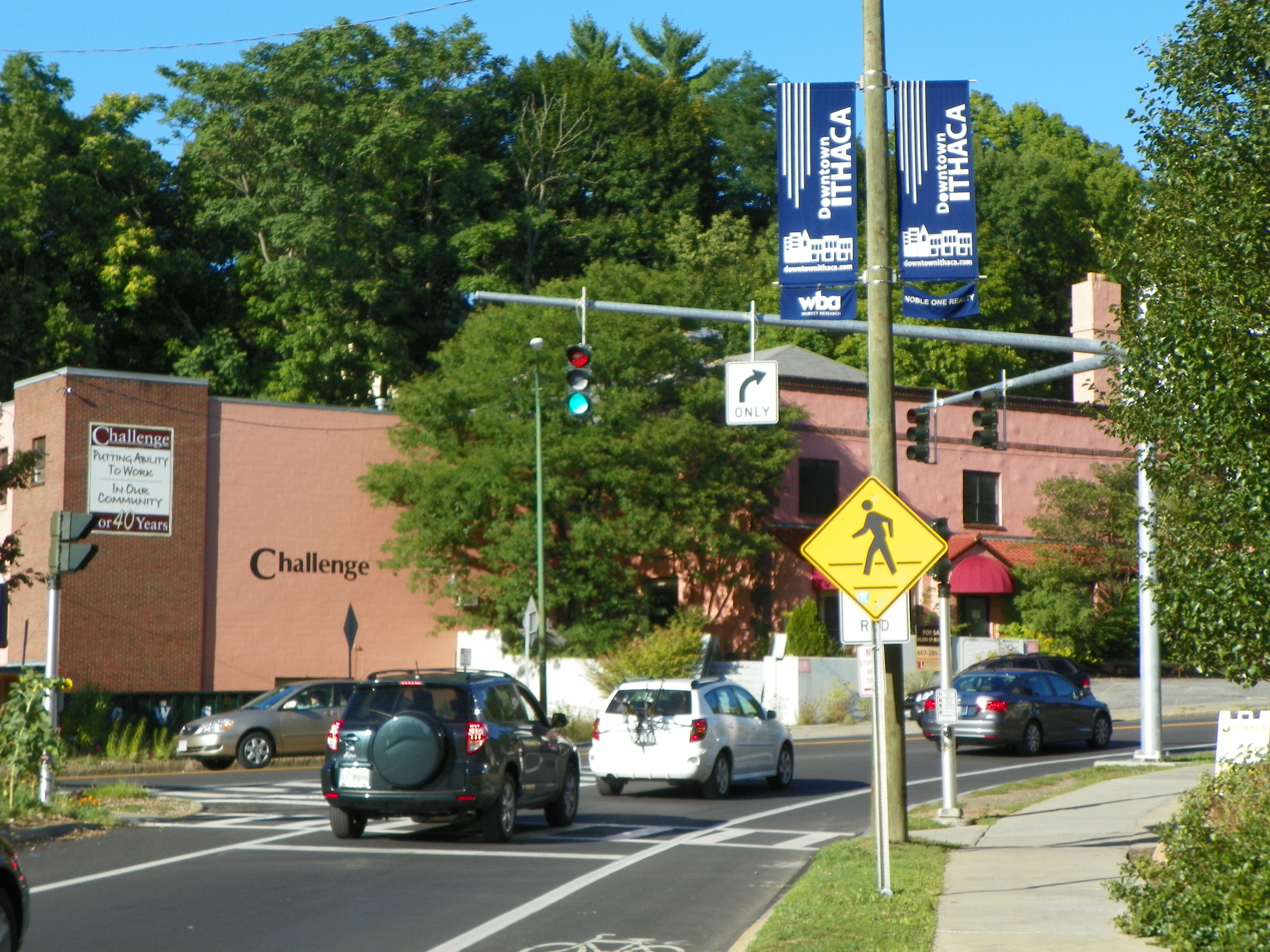
Likewise on the progress for the Seneca Way project. For all the trouble it went through, I would hope it at least sees the light of day. The project seeks to build 32 apartments and some commercial space in a five story building on the site of the former Challenge Industries building. As for the Hotel Ithaca, no news as of late, and likely still stuck in funding limbo, a sign of our poor economic times. UPDATE 8/29/12: Apparently the Hotel is being reconfigured, switching from luxury hotel operator Gemstone Resorts to the Marriott brand. The number of rooms will be raised to 159, and the design will be slightly modified at base level. The height should remain the same. Re-approvals are required, but are not expected to be difficult to obtain. Construction is slated to begin next March, with foundation work during the winter.

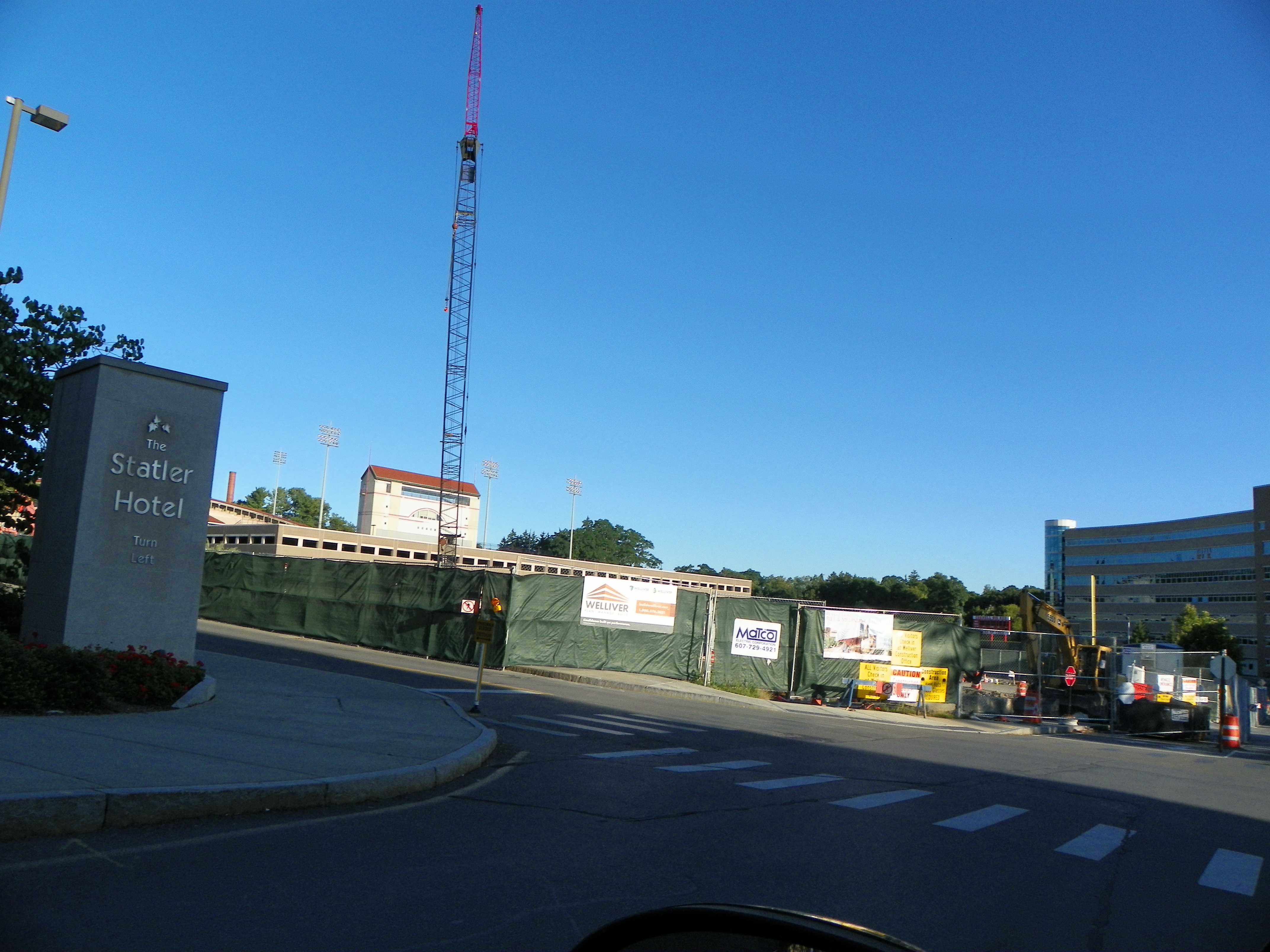
Almost the same story here, except these two actually have funding arranged. The Holiday Inn expansion site in the top photo, the Cayuga Green lofts below. The Holiday Inn project started prep in July for the tear-down of the lowrise portion, to make way for a new 9-story building and conference center (I believe it was made one floor shorter from the original 10 stories, and stretched slightly longer to compensate for the loss of that floor space). The Cayuga Green project may have prep underway, judging from the equipment, but needs to start by the end of the year regardless to keep the city lawyers at bay.

And finally, one project that has made substantial progress, the Breckenridge Place Apartments on the site of the Women’s Community Building. The project will bring 50 units into downtown when completed next year.

This was a b*tch to take photos of. Most of the perimeter of the lot was covered in a black opaque tarp, tied so sceurely I had to lay on the ground and reach under it to get a photo through the fence. The front side was a bit easier. Completion should be sometime in mid-2014, although it looks like most of the exterior glass curtain wall is installed – which would place the project ahead of schedule.
Do as I say, not as I do: never take photos and try to drive on a crowded campus at the same time. But, I was running late. Tarp and foundation work underway at Gates Hall. For the curious, I stopped by the site for the Big Red Marching Facility, and the site was still pristine – this makes sense, since site prep doesn’t start until next month.

Now that screen lags my typing by about thirty seconds, I’d better but the kibosh on uploading any more photos in this entry. However, I do have the good fortune of having one my best friends accept a research position at Cornell, so I now have a legitimate excuse to visit Ithaca periodically for the next couple of years.



The Keyword Bar XVII

26 07 2012

…because the planning board discussed projects I’ve covered ad nauseum and Cornell hasn’t caught my attention in the past week.

1. “how many students from cornell have jump to there deaths” (7-25-2012)

Death of grammar aside, this would not be an easy number to calculate, since a number of cases over the years have been questionable as to whether the fall was accidental or intentional, and whether an individual would be considered a student (ex. a case of a former student). That being said, it seemed from casual queries back during the 2010 suicides that for CU students who were believed to have committed suicides via gorge jumping, it is likely in the mid double-digits. This number does not reflect the number of suicides in the gorges (which is much higher, as they tend to be a magnet for those who want to go out in dramatic fashion), the number of gorge deaths (including accidental falls, the number is almost certainly in the few hundreds since Cornell opened) nor suicides that occur by other methods. From 2006 to 2010, there were three student gorge deaths by suicide, but a variety of other events (note – the hyperlink has one inaccuracy – William Jacobson was an IC student who drowned in a retention pond).

2. “eastman hall at ithaca named after” (7-25-2012)

Eastman Hall, an IC dorm, was built in 1962-1963. From what I can tell, many of these early buildings, built during IC’s rapid expansion on South Hill from 1959-1968, are named for older administrators or large donors (for instance,  Talcott Hall is likely tied to a student life administrator named “Mrs. Talcott” in news articles from the 1930s). Although there is no concrete evidence, Eastman Hall is likely named for George Eastman, founder of Eastman Kodak in Rochester, and a well-known philanthropist, especially of music schools. Although he passed away in the 1930s, it’s possible his company, or some foundation attached to his estate, made a donation; or it could be the manifestation of a donation from when Eastman was alive.

3. “chi gamma at cornell university sorority” (7-22-2012)

Their history seems rather unusual. Chi Gamma formed in 1956, after dissociating from its national (Sigma Kappa) because it did not wish to abide by the national’s racist membership policies. They lived at 150 Triphammer, and the sorority was active until at least 1963, when it merged with Chi Omega (both were small houses, so they decided to join forces as an attempt to hold their own in the increasingly meager sorority rushes of the ’60s). The house itself became home to the new and all-female Triphammer Co-op the following year, which became co-ed in the 1990s.

4. what is the address of the llenroc mansion (7-22-2012)

100 Cornell Avenue, Ithaca NY. There are only two houses on the street, the other I believe is a private residence.

5. ithaca “collegetown” fire 1998 (7-23-2012)

It might seem odd that in a stretch of century-old buildings, 407 College Avenue (the Apollo Chinese Restaurant building) was built in 2000 (as seen on its cornerstone). Well, the simple reason is that the old building, a wood-frame structure built in 1887, burnt down in October 1998, leaving 51 students homeless. The fire was believed to have started in the kitchen of a first-floor restaurant. Emergency housing and aid was provided by the Red Cross and Cornell. Since the site is prime Collegetown real estate, it was redeveloped into a six-story building and opened in August 2000.


Quotes of Cornell

12 07 2012

A few thoughts from prominent folks about the school Far Above Cayuga:

“The university of Mr. Cornell, a really noble monument of his munificence, yet seems to rest on a misconception of what culture truly is, and is to be calculated to produce miners, or engineers, or architects, not sweetness and light. -Matthew Arnold, Preface of Culture and Anarchy, 1869 (Bishop 177)

“Columbia cannot grow, or at any rate cannot grow rapidly…unless it shall, at least to some extent, modify its plan of instruction in a more or less distant imitation of Harvard or of Cornell University”. Columbia President Frederick Barnard, 1870.

“[Cornell Vice-President Albert] Russel is a man whose nonreligious convictions are very pronounced, giving the university an air of positive irreligion. The decadence of the students is positive testimony to the evil effects of free inquiry.” – Lyman Abbott, editor of the Christian Union, 1881 (Bishop 215)

“I see, or think I see evidence of a growing disposition to drift away from the original intentions of Mr. Cornell in the founding of a purely non-sectarian university…I look to you [A. D. White] to protect my investment in Cornell from the common enemy.” Cornell Trustee Hiram Sibley to A.D. White, 1888.

“The University was sadly in need of reorganization and refitting.” – Benjamin Ide Wheeler, in reference to Cornell in the mid-1880s, quoted in 1902. (Bishop 259)

“The graduate students are the crown of the University, and Cornell cannot afford to neglect them for the sake of any others…” – David Starr Jordan, 1888

“The cry of the horse leech is modest and attenuated beside the stupendous greed and the insatiable clamor of this favored institution.” – New York Press, Nov. 1892

“[Cornell was] better endowed than any institution in the land, yet never did anything.” U.S. Sec. of Agriculture James Wilson, 1904 (Bishop 366)

“There is no university in the country in which freedom of thought and of speech is more firmly entrenched in tradition and in policy.” – Prof Henry A. Sill to Carl Becker, 1917

“[Cornell students] are good because it is too much trouble to be bad.” Romeyn Berry, Alumni News, 1926

“No more do the better students chant their Alma Mater in a happy trance; they sing from the side of the mouth, with the air of cynical priests of old Egypt.” – Alumni News, 1931.

“Cornell is a center of revolutionary communistic activity.” – State Sen. John J. McNaboe, 1936

“CORNELL GOES BOLSHEVIST” – Headline, New York World-Telegram, 1944

“We must retain private initiative and management in certain important fields, and certainly some of it in higher education.” -Edmund Ezra Day, 1948.

“At a time when Cornell was becoming a multicultural place, the Board of Trustees has thrown a dart into our celebration.” – Prof. Kenneth McClane, on the decision or Trustees to not divest South African investments, 1989

“[My wish for Cornell] is that it will continue to thrive and reach new heights … welcoming men and women of every color and creed, whatever their social standing or pecuniary condition. – Ruth Bader Ginsburg, 2003

“I am grateful to Cornell. I have seen the good work you have done in every stage of life.” – Bill Clinton, 2004 Convocation speech.

“My memories are strong about this place; important. And the two times I have been here for sustained periods have always been extraordinary.” – Toni Morrison, 2009.

“I would venture to say that the students at [Bush staffer Monica] Goodling’s law school at Regent University are far more impressive than those at the Cornell agriculture school — the land-grant, non-Ivy League school Keith [Olbermann] attended.”-Political Pundit Ann Coulter, 2009

“I got an excellent education, and that’s all I got from it…If I had to do it over again, or I had known what Cornell had been like, I never would have gone there.” Political pundit Bill Maher ’78, in a 2012 podcast


Why Syracuse and Cornell Would Ever Be Mentioned in the Same Sentence

3 07 2012

I have a certain fondness for the Orange. I grew up in the Syracuse sphere of influence, where because of the lack of national sports franchises in the region (a few hardy souls follow the Buffalo Bills, who went 0-4 in a row in the Super Bowl in the 1990s; having not been to the playoffs in over a decade, beings a Bills fan requires grief therapy), the Syracuse Orangemen/Orangewomen, now using the extra PC term of Syracuse Orange, were the teams to follow, especially in football and basketball. When I was growing up in my hometown not too long ago, it was generally expected that if you were reasonably talented, you went to SU. And a couple dozen of my high school classmates did just that. I was the only one in my year that went to the Big Red, 50 miles southwest of University Hill.

In my mind, I often draw parallels to Cornell and Syracuse. They were both established in the Reconstruction Era – Cornell in 1865, and Syracuse in 1870. Both are large institutions – the combined student enrollment for Cornell is 20,939, and Syracuse is 20,407. In terms of the prestige factor, both are well-regarded, although Cornell, with its Ivy League gilding, is usually considered the more respected of the two. US News & World report ranks Cornell in a tie with Brown for 15th (roughly constant for the past few years), and Syracuse 62nd (a drop of about 12 spots since I started college in 2006). That all being said, if Syracuse had had what I wanted to study, and it was better ranked in that field than Cornell, I would’ve gone to Syracuse, lack of ivy notwithstanding.

The two are physically close, superficially similar, and their history is intertwined, which is what I want to touch on with this entry. Collegiate snobbery aside, Cornellians and Syracusans undoubtedly owe a fair amount of their history to each other.

First of all, Syracusans can thank Ezra Cornell (or curse him, perhaps) for being located where they are today. Andrew Dickson White and Ezra Cornell were state senators in the early 1860s, when the Morrill Land-Grant Colleges Act was passed; Cornell represented the Ithaca area, and White was elected out of the city of Syracuse. While they both united under the common goal of establish one strong university with those land sale proceeds, they differed on location. White wanted Syracuse to be home to the new school, and for the college to be seated on what is now University Hill. He believed that Syracuse, a burgeoning transportation hub, would make it easier to recruit faculty, and that the city would serve the university better. However, Ezra Cornell strongly disagreed; he detested Syracuse as a den of sin, citing an incident where he was twice-robbed of his wages as a young man while working in the city. Old Uncle Ezra offered up his farm in Ithaca if White agreed to keep the school out of Syracuse. White relented, and in following fashion, named the school after its biggest benefactor. On a final note, while Ezra gave $500,000 (1865 dollars) and his property to his fledgling institution, he gave $25,000 (1865 dollars) to those who supported a Syracuse school, so they would support the bill establishing the Ithaca school. In turn, this money was used to assist moving Genesee College from Lima, New York, to Syracuse, and helped SU to be established.

In many ways, the relationship between Cornell and Syracuse could be described as antagonistic. Cornell had the first school of forestry in the state, from 1898 to 1903. At that point, Bernhard Fernow had ticked off enough Adirondack land owners and wealthy vacationers that the governor vetoed funding for the school, which led to the Board of Trustees shutting it down. However, several years later, under the influence of Syracuse trustee Louis Marshall, a new forestry college was established in Syracuse, semi-associated with SU (SUNY ESF, in 1911). Rather than completely give in, Cornell continued a much smaller forestry college within the agriculture school, which annoyed the bean counters in Albany enough that they officially made SUNY ESF the primary forestry school in the 1930s, relegating Cornell to only “farm forestry“. In exchange, Syracuse had to drop all ambition of its own College of Agriculture. Today, the forestry department at Cornell is known as the Department of Natural Resources.

Competition for state money has always been a sticking point for Cornell and Syracuse. While Cornell lost the battle for the forestry school, Syracuse lost the battle for the ILR school (Industrial and Labor Relations) while it was being conceived in the late 1930s. Post WWII, academic competition between the two schools has given way as they diverged in their interests; the primary contests between the two institutions these days involve sports, where Syracuse usually has the upper hand.

So, as much as students at the two schools may taunt and jeer at each other, both institutions have played a crucial role in helping to develop the other. However, given my orange and red sympathies, I will forever be unwelcome at SU vs. Cornell games for the rest of my life.


The Freshman Beanie

11 06 2012

Distinguishing between the years of students of Cornell can be rather difficult after about the first month of the academic year.  Unless it’s orientation, Greek rush, or some other telling factor, you can take a glance at some random person crossing the quad and have no idea whether or not they’re a freshman, a junior, or perhaps even a young grad student (whereas for older grad students, they might be mistaken for professors). However, it’s not like anyone worries about that; except in the case of love and relationships (senior to senior: you’re dating a freshman? Robbing the cradle much?), someone’s year usually doesn’t merit much attention. Well, things were a bit different back in the day.

In the days of yore, it was traditional for freshman males at Cornell (known as “pikers”, like those referenced in “Give My Regards to Davy”) to wear a rather peculiar-looking felt cap called a “Beanie”, which was like a snow hat (wikipedia directs the query to “tuque”, a word I’ve never used in my life), red in color with a grey button on the top. Examples can be seen in the below photo, which dates from a 1919 Cornell football game.

Image Courtesy of Wikipedia.

The Beanie was part of the mandatory rules for freshmen, and they were required to wear it in public until the spring, when all the freshmen burned their caps in a ceremonial bonfire. This was a kinda cutesy little sentimental event meant to instill class camaraderie and make warm fuzzies, when the sophomores weren’t trying to kick the crap out of freshmen in the occasional class battles.

The cap rule, along with other rules such as not walking on the grass and not wearing any high school or prep school emblems, tended to be strictly enforced, and with harsh consequences. Violators were liable to have their heads shaved or go for a quick dunk into Beebe Lake.

Of special note regarding the beanies is the case of Frederick Morelli, a freshman originally of the class of 1924, who absolutely refused to wear his beanie. After numerous dunkings and warnings from his peers (including a double dunking into a public fountain and the lake, with a placard hung on his neck saying “Moral: wear a frosh cap”), Morelli ended up being pursued by a mob of angry upperclassmen, and had to be saved by the president of the university to avoid serious injury. The Sun actually condoned the mob’s behavior. But George Lincoln Burr, the most senior faculty member at the university at the time, threatened resignation over the manifestation of “lynch law” on the campus. Fred Morelli withdrew from the university, but returned a couple years later and graduated in the class of 1926. Perhaps his penchant of pushing his bounds played into his undoing; after graduation, he became a gangster and nightclub owner, and was gunned down outside of his club in Utica in 1947. Fun fact: the city of Utica was run by the Mafia and its associates for decades, up through the early 1990s.

The caps faded out, as did the class battles, as a result of the changing demographics post-WWII. Frankly, after killing men in trenches, and now married with children, most vets who came in under the G.I. Bill as freshmen could not give two salts for collegiate antics. When the sophomores made an attempt to enforce the rules in 1949 by shaving the heads of three frosh, the enraged students brought their grievances before the mostly G.I.-composed Student Council, who promptly banned enforcement of the practice. The beanie remained voluntary up to the early 1960s, when it faded out completely.

So nowadays, students can feel completely to engage with members of the other classes. Unless it involves doing a walk of shame to Collegetown from a freshman dorm. That would be awkward.


News Tidbits 5/31/2012: New Apartments Squeezed Onto Thurston Avenue

1 06 2012

So, I’ve been waiting for this piece of news for a while, but it took a little bit of sleuthing to come up with details about a proposed project for Thurston Avenue. First, the location:

The location is a parcel next to the Rabco (Highland House) Apartments on the corner of Highland Road and Thurston Avenue. To give you a better sense of locale, its the woody, slightly hilly piece of land across Thurston from Seal & Serpent, and across Highland from Alpha Zeta. A highly trafficked area, the property was once home to the Wyckoff Mansion, which became the home of Phi Kappa Psi from 1915-1964. The Wyckoff property was torn down to make way for the Rabco Apartments, which were finished in 1966. This portion of the parcel has never been developed. I actually used to walk by here almost every day, but never felt the urge to get photos of a stand of trees and rocks.

The proposal is as follows: three buildings, clustered, four stories in height (est. height ~40 feet, within zoning regulation). 36 units and 88 beds, making it one of the densest properties north of campus. 40 parking spaces are proposed, but the planning board has expressed the desire to share space with the excess western parking lot on the Rabco property, and that will probably be a stipulation for approval. Time-wise, since this is the sketch plan, and given the size and location, don’t expect construction for several months (although they want city approval by late July – which is highly unlikely), and expect a year more before it is complete. The project lies within a contextually-sensitive area, the Cornell Heights Historic District, and its design will probably be much more scrutinized as a result. It may also be rather historicist, because I can’t anyone is going to approve a “modernist” or “contemporary” design in the heart of a historic district, even in a city that likes svelte modern boxes.

On another piece of news, the Johnson Boatyard project has realigned its entrance to be on Willow Avenue rather than Pier Road (not a big changed, it just means its moved from the north end to the east end of the property), and the number of duplexes has been decreased from eleven to six. The project still has townhomes [warning: Ithaca Journal link], which now vary from 1-2 stories in height. A small retail portion might be included in the first phase. After all the news about the original proposal, this first phase is a bit…underwhelming.


The Keyword Bar XVI

24 05 2012

1. “chi omega” “cornell university” closed -“alpha chi omega” (5-23-2012)

Yes, and no. Chi Omega was active at Cornell from 1917 – 1963, and then again from 1987-2003, when low membership caused it national to shut its doors. The house at 10 Sisson Place is now occupied by Sigma Alpha Mu. In contrast, Alpha Chi Omega, which was established at Cornell in 1984, it still active on campus.

2. “cornell store summer employment” (5-16-2012)

If four years ‘experience is any indicator, they’ve already filled up. A bare-bones student staff of five or six stays on during the summer along with the full time staff, and most of those are current student employees (the year I worked through the summer, we all were). In sum, you can check, but don’t hold your breath.

3. “johnson boatyard ithaca” (5-16-2012)

If this is in any reference to the big mixed-use project underway for the boatyard site, then I have good news – they are making progress and gave an update to the city planning board just last night. As soon as those minutes areuploaded, I hope to include them in my next “news tidbits” entry. These entries will be pulled directly from the minutes,  since the Ithaca Journal, in a responsible but unfortunate move, now charges for article access beyond a nominal number of articles (renewed each month). Also on the docket – a redevelopment project for apartments on Thurston Avenue.

4. “location of former ithaca hotel, hotel leonardo aurora st, ithaca”

Going back in time, the Hotel Leonardo was located at 105 N. Aurora Street – at least, back in 1965. The address today pops up a location in front of Sushi O Sake (which is 107 N. Aurora). A search indicates that section of Aurora was known as the “Casey Block“, which was built around 1904 (the Wanzer (corner) Block was built the following year), but the stretch was renovated and substantially rebuilt in the 1990s. The Casey Block could be the building that Viva Cantina is now in, or it could have been in the 1990s renovation (the architects refer the original building as “burned out“) that now sits at 107 N. Aurora.

5. “vine street cottages ithaca ny how much are townhouses”

I’ll just link to this previous entry, in an effort to limit unnecessary visits to the Ithaca Journal pages.  Mid-200,000s expected. Definitely not a place to buy for your child- student. 10 to choose from, four styles.

6. “new townhome proposal for route 96 ithaca”

That would be the Holochuck Homes project. The plan is for 106 townhomes, one or two-stories, clustered together near the road. Final approvals were granted last month. This is about the only image I could find of them, from a now-inaccessable article in the Elmira Star-Gazette:

7. “new apartments 600 W. Seneca street ithaca” (5-11-2012)

Okay, I maybe dropped the ball on this one. Back in the summer 2010, a 24-unit, 3-story apartment building was proposed for the northwest corner of Seneca and Meadow Streets by Iacovelli Properties. It only recently started construction, and I know there’s a billboard standing on the property, and it shows the design of the new building(s).  I know this because I saw it the last time I was in Ithaca I passed the property, but I was driving and did not have my camera in hand (a blessing to all other drivers on the road), I was unable to get a photo. If someone does gets a photo of the project and wants to email that in, I would be delighted.


Cornell and Crime II: Here There Be Guns

15 05 2012

If you want to have a spirited debate on campus, open the floor for a discussion for the provision of guns on university grounds. Stating the obvious here, but student-owned guns are prohibited on campus, and have been for over a century (CUPD officers are issued Glock semi-automatics, an effect of the Willard Straight Hall takeover back in 1969). Few things seem to do a better job of getting someone’s blood to boil, and not without due reason. I thought of looking at this because of this recent little piece from the Sun about a student being robbed at gunpoint in North Campus, and the ensuing “we should be allowed to have guns/are you crazy no we shouldn’t have guns” comment queue.

I mulled this over in my head a little while, thinking that this usually gets tied into some “good old days” argument about back when everyone could have guns and everyone was safer (and there was much less crime, everyone was good-looking, all the kids were above-average, and whatever else those rose-tinted glasses show). I decided to look at the Sun archives for some historical perspective.

One of the first things returned in the search was an article from 1930 – before the vast majority of us were even alive – detailing a series of armed robberies and the murder of a gas station attendant leading to a possible rise in gun permit applications (the only requirement be that you are a law-abiding citizen of “good character”). So much for those good old days. For what it’s worth, the CUPD was formed the following year, with a whopping two patrolmen on horseback, and no guns during day shifts (today, Cornell has six times as many students, and about 45 officers).

As for the case of responsible students, it’s not always easy determining which are and which aren’t – as these cases demonstrate. You have (in order) the hard-partying student, the student claiming self-defense, and the self-inflicted fatal gunshot wound (thought to be accidental, but could have been otherwise). In imagining a world where guns were okay on campus, I can see a clear case for pulling the gun rights of the first, a lawsuit waiting to happen with the second (the gun owner claimed he shot at someone who was leaving racist notes under his door), and another lawsuit waiting to happen with the third, if the family gets on the “my child’s university didn’t do enough to prevent this” train. There would be time, money, and a bevy of other issues involved.

On the other hand, as this Sun editorial from 1981 illustrates, there are some valuable reasons one can have for owning a gun, such as women protecting themselves against rapists, and it’s important to note that most gun owners are responsible, law-abiding citizens. From here we can get into a range of arguments, all of which are easily blown out of proportion. The passion people put into the guns argument is second perhaps only to abortion, especially with regards to the intransigence of its debaters.

So I didn’t write this entry to start up a gun control debate; that’s what news websites are for. The purpose of this entry is to show that there was no “golden era” for either party – no period where guns, or the lack thereof, made us so much safer. There will always be crime, there will always be grey cases in the argument of who is and isn’t irresponsible, and for the foreseeable future, there will be a gun control argument.


Spring 2012 Construction Update – Cornell Edition

9 05 2012

The new Food Sciences Building has completed a substantial amount of exterior work, although the glass facade has yet to be installed. The $105 million renovation is to be completely done in early 2014, with the new Dairy Bar sometime earlier than that.

Site prep is underway at Gates Hall (the new Computer Science building). The $60 million, 103,000 sq ft building is targeting a December 2013 completion date.

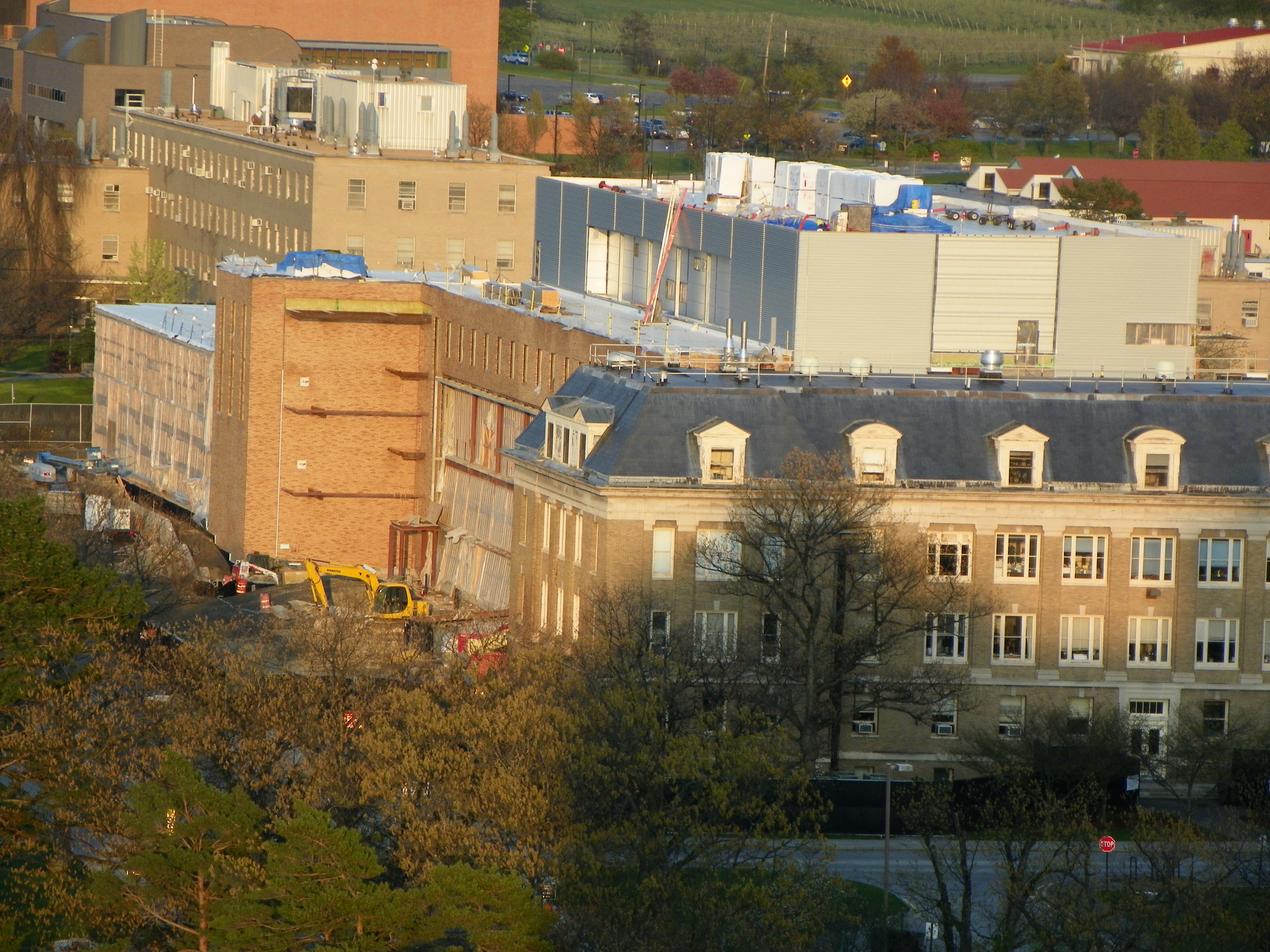
It’ll be a happy day when these plain beige boxes are removed. Unfortunately, the $51 million renovation of Warren Hall that necessitated their construction will not be complete until early 2015 (with the Dyson School portion complete by mid-2013 – and it annoys me to refer to the AEM Department as the Dyson School, as if the perceived pedigree was needed to remove themselves from the stigma of CALS).

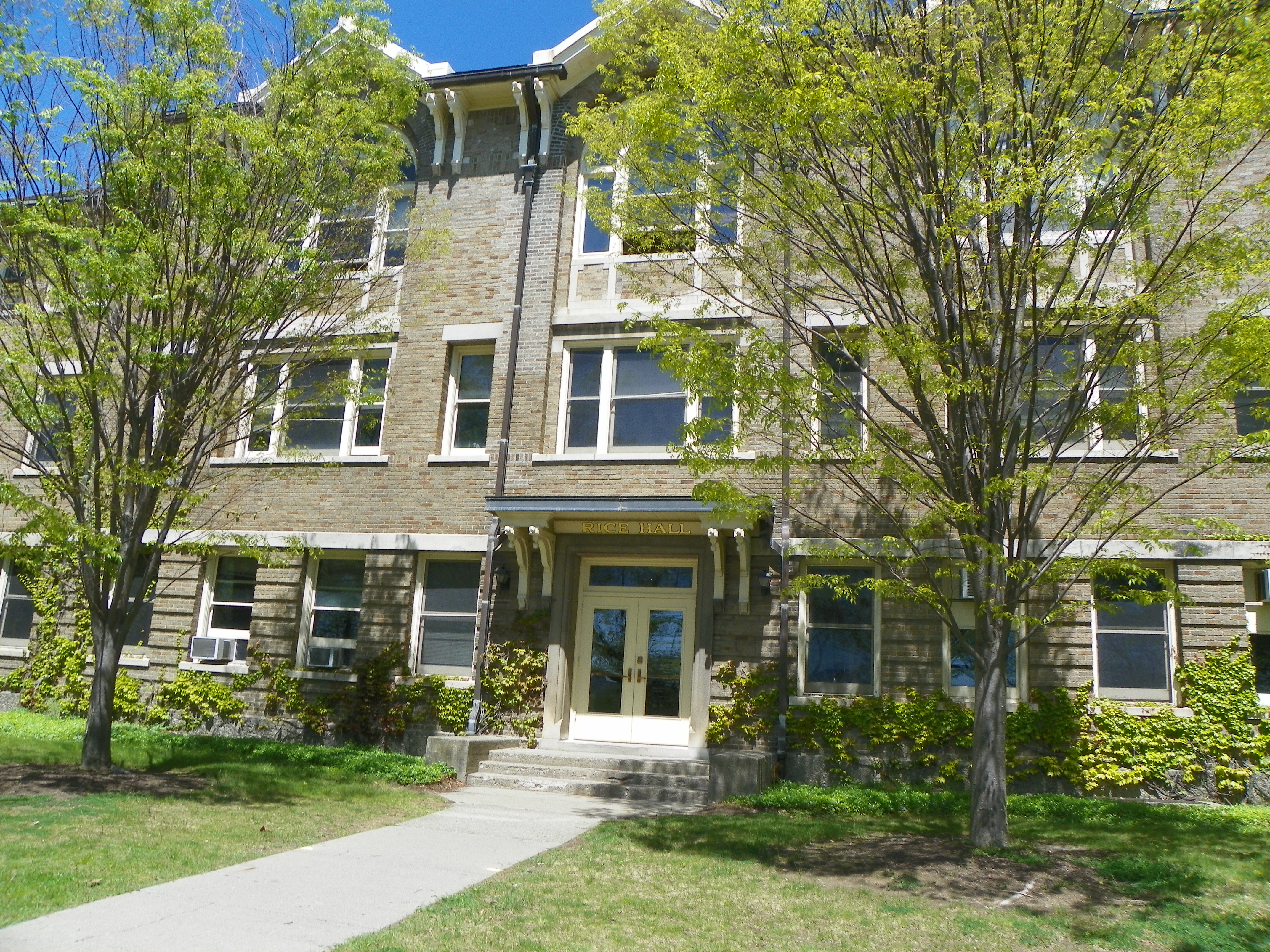
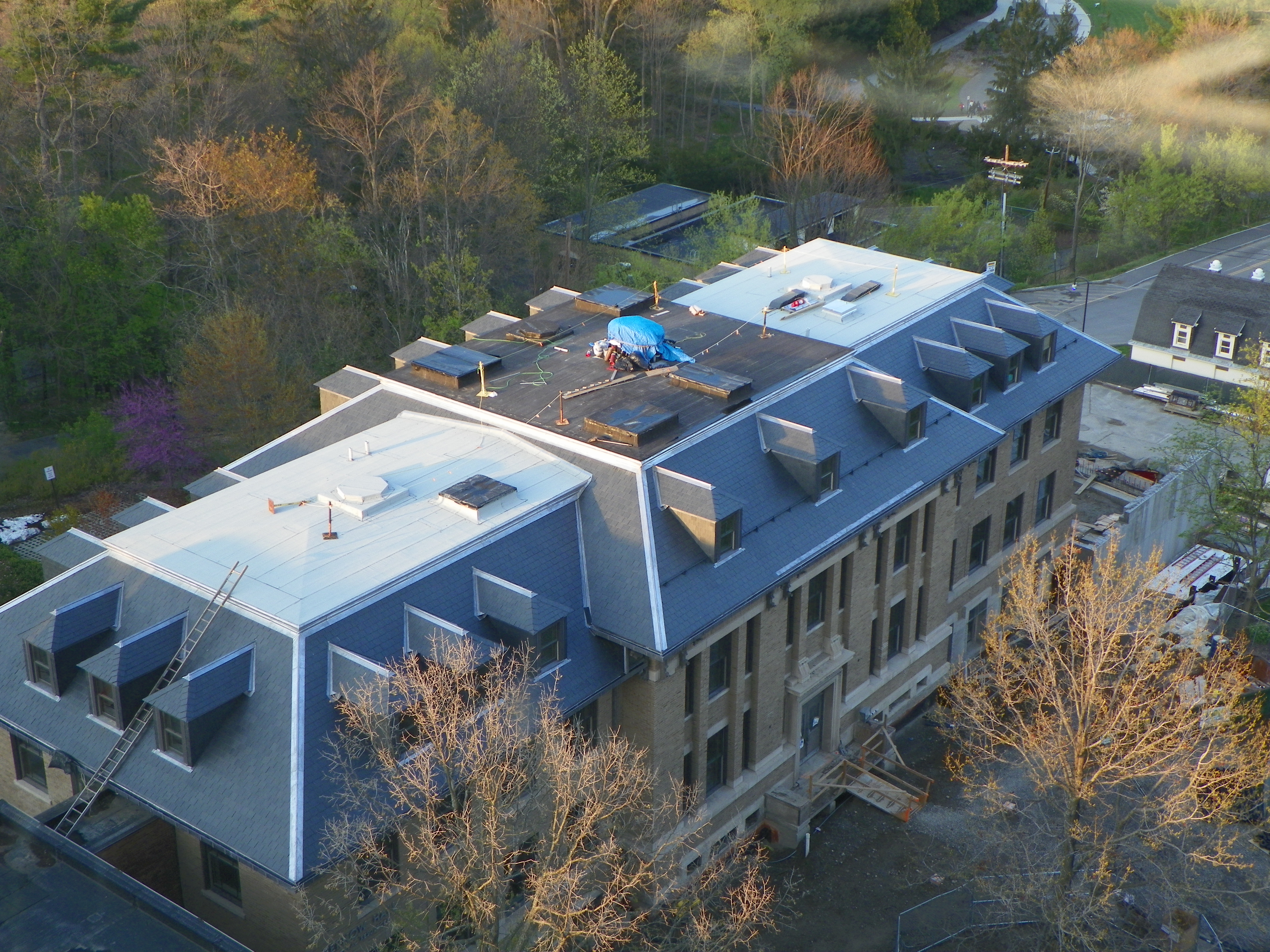
Not the most telling image, but Rice and Fernow Halls are currently in the middle of their renovations.

This Bradfield-based photo of Fernow shows the partially-subterranean classroom being built on the east side of the building.


When The Mayor of Ithaca Stood Up To Cornell

23 04 2012

So, this entry is a little delayed because I was at a conference doing what scientists do best, which is trying to explain their research and justify the grants that pay for it. Since my research (and by extension, my paycheck) takes priority, things got a little pushed back with the blog updates.

Anyway, I made a reference in the previous entry to how Cornell is both a blessing and curse for Ithaca; the blessing being the attention, the jobs and the steady economy, the curse is that Cornell pays a pittance towards the real value of their property in the city (as in, 4.5% of the assessed value). This is covered by the PILOT (Payment In Lieu Of Taxes) agreement. But how that agreement originally came to be is much more interesting as the situation it stems from.

Turn the clocks back about eighteen years to 1994. At the time, the mayor of Ithaca was avowed socialist Ben Nichols, who was a retired professor of electrical engineering from Cornell (he had also completed most of his education at Cornell).  Perhaps that makes this story all the more interesting; a David vs. Goliath, if Goliath had been supporting David’s career for forty years. Ben Nichols was first elected in 1989, and then again in 1991 and 1993 (two-year terms; these were increased to four-year terms shortly before he lost his fourth run for mayor in 1995).

In late fall of 1994, Ben Nichols, recognizing the dire situation of Ithaca’s budget, demanded for Cornell to pay a higher share for its use of city fire services and police patrols. Specifically, he wanted Cornell to pay an annual fee of $2.5 million, which he thought was adequate to cover dorms, fraternity houses, and the campus store, as they were not purely academic buildings. At the time, Cornell paid about $143,000 (this started around 1967, as a way to cover fire services and a PILOT for the ICSD), and perhaps in politer terms, Cornell told him to take a hike. What followed was a battle with jobs and laws as weapons.

After the rebuff, Mayor Nichols decided to fight back by denying Cornell construction permits, using a normally-unenforced zoning rule regarding the amount of parking spaces needed for a facility – Cornell had about 1/10th what was required for an enterprise of its size, a gross deficit of just under 9,000 spaces. So, no construction could be undertaken, nor renovations, unless those parking spaces were built. Mayor Nichols said that he had many meetings and pleasant conversations with the university, but no results.

To quote:

“Most universities say that they legally are not required to do this, and so the position that we took is, `OK, if you stick to every legal right that you have, we’ll do the same,” Nichols said. “And things like building permits and zoning law, we will adhere to every fine line of the law.’ ”

Cornell, of course, fought back using the hundreds of construction workers and tradesmen who suddenly found themselves without work; that May, they protested in front of city hall, demanding a lift of the ban. Furthermore, Cornell said they would consider paying only after the permits were granted. After the protest, Mayor Nichols relented, saying that the lifting of the ban had nothing to do with the protests, and everything to do with the belief that a discussion on an appropriate payment plan would take place at a “much more accelerated pace“.

In the interest of epilogues, eventually a revised and compromised PILOT agreement was hammered out later that year, which increased Cornell’s commitment (albeit still meager compared to assessed value). this was revised to be tied to inflation (Consumer Price Index) in 2003, and increased outright to a minimum contribution of least $1 million annually.

A Cornell supporter might look down on the mayor of the city for being petulant, but I am personally impressed that a Cornellian/faculty member stood up against the metaphorical 800-pound gorilla. Even if there is hardly a snowball’s chance in Hades I’d ever support a socialist candidate.