Suddenly There’s A Lot of News At Once

22 05 2014

Latest planning board agenda is online and there’s a lot — and I mean a lot — that will be discussed. I’m going to be updating this post as more information comes online, so this first draft is a sort of “here’s what we know” going into the meeting.

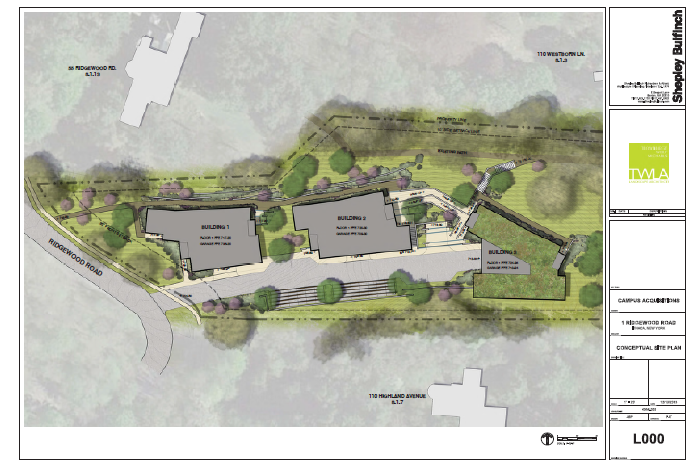
A. No surprise, the Ridgewood student housing project (the address has been updated from 1 Ridgewood to 7 Ridgewood) is up for discussion once again. The project needs a “certificate of appropriateness” from the Ithaca Landmarks Preservation Council (ILPC) since it’s in the Cornell Heights historic neighborhood, and things are not looking all that auspicious, given the recent report from the Ithaca Journal. The planning board would likely give approval with stipulations if the ILPC approves the plan, but that’s a very big “if” at this point.

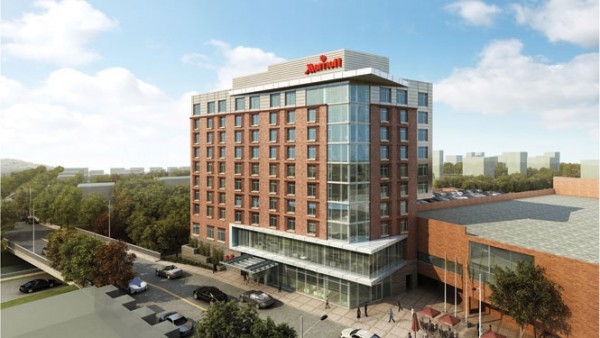
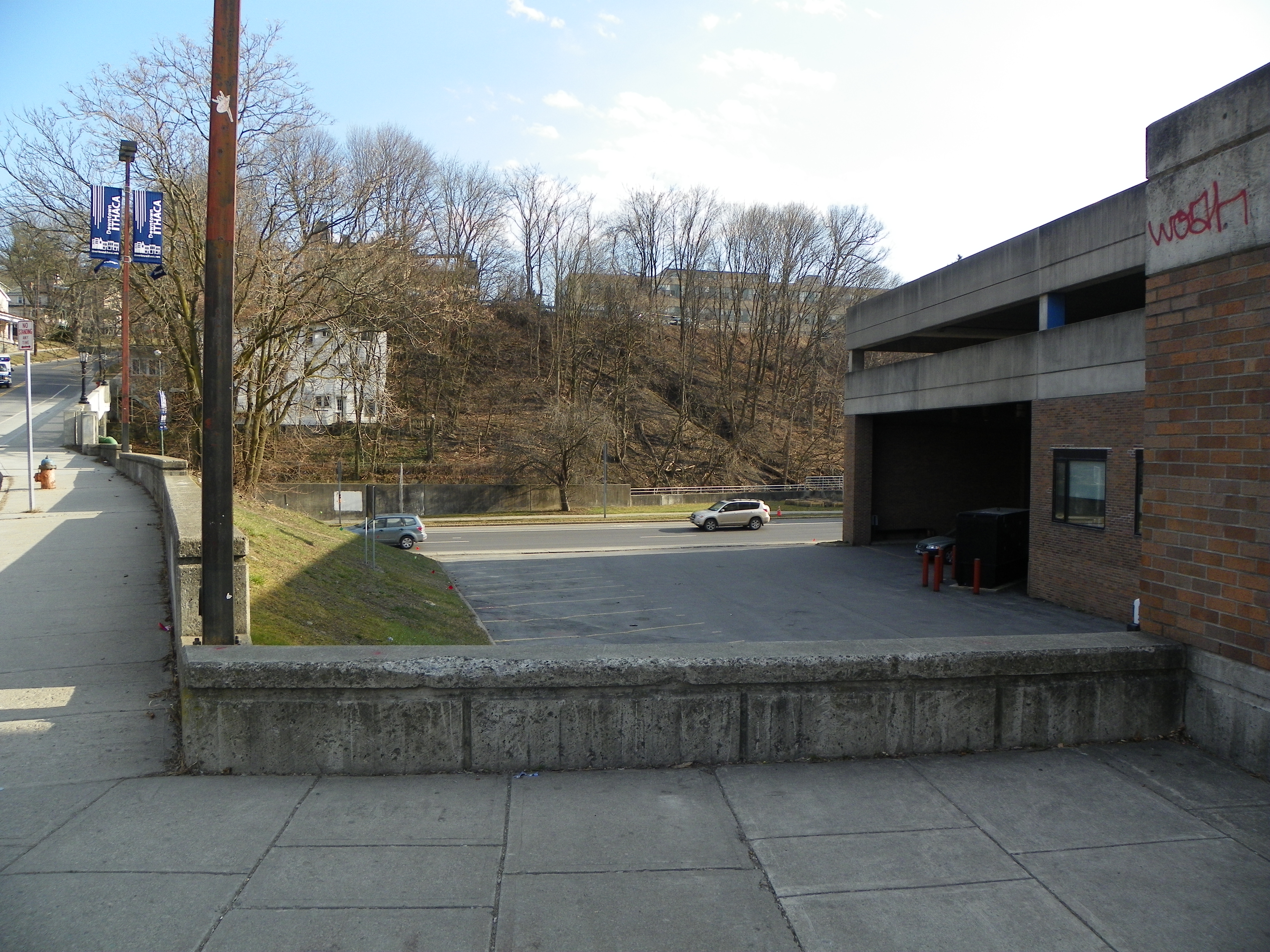
B. The downtown Ithaca Marriott. This site is the triangular parking lot next to the Commons at Aurora Street, and has been covered in detail both here and at IB. The history here goes back five years, back when it was going to be called the “Hotel Ithaca” (now the name for the former Holiday Inn). This one has been stalled since the fall due to financing issues, but that has been taken care of in the past couple of weeks and they want to start construction ASAP. They have several changes that need to be reviewed since they have completed “value engineering” (a phrase I fear, since it’s the pretty way to see they cut back on material costs and design features), so we’ll see what this will look like. The current proposal’s rendering, at 10 floors and about 160 rooms, is below.
Ith_Marriott


4-8-2013 335

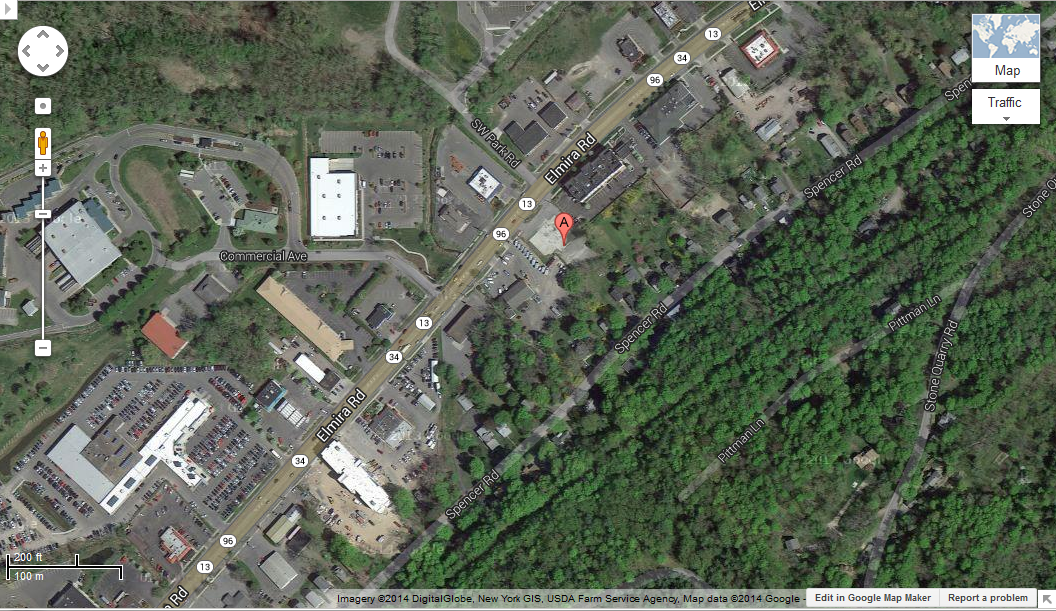
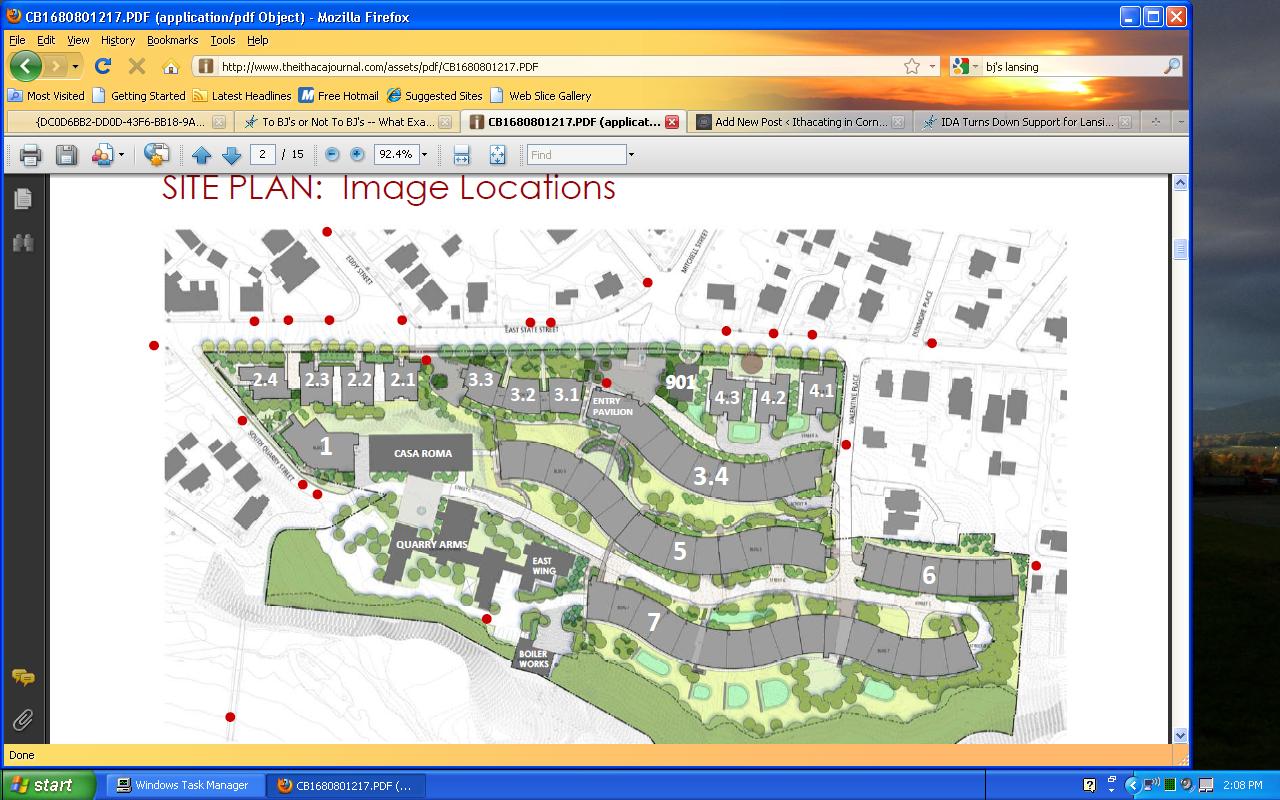
C. Likewise, the Stone Quarry project was also approved a while back in the fall of 2012, but only now managed to secure funding. Here’s the previous discussion here, and here’s details from IB. The project, slated for a parcel on Spencer Road where Ithaca Taxi Dispatch keeps a parking lot, will bring 35 units of INHS-run affordable housing. This one is also up for re-approval for value engineering reasons, and looks to start construction early this fall.

stonequarry2

stonequarry1

D. 140 College aka the John Snaith House addition, discussed earlier this week here.

E. “205 Dryden Road, Student Housing, Jagat Sharma – Sketch Plan” — Now here’s something new. 205 Dryden is the Kraftee’s Building. Jagat Sharma is a prolific local architecture firm, responsible for many of the larger apartment buildings in Collegetown. I can’t seem to find the owner from the tax records, which indicate the current owner has been the owner since 2004. Jagat Sharma tends to be a favorite architect for Ithaca Renting/Jason Fane, and Lambrou Real Estate, but neither of them seem to own the parcel from what I can tell (it’s possible one of them does, but the upstairs units are not rented).  Novarr-Mackesey owns three parcels next door, but I don’t see anything on their website either. Regardless, this falls in a Collegetown MU-2 zone, 4-6 stories, and 45-80′ in height. Whatever is proposed here is going to be pretty big, comparable to Josh Lower’s Collegetown Crossing project.

Edit: Jason at IB tells me it’s owned by Pat Kraft, the guy that runs Kraftee’s.

8-21-2012 113

F. Speaking of which, 307 College, aka Collegetown Crossing, has a new sketch up for review as well. With the new zoning guidelines, the current version isn’t doable because it impedes on the lot to its east. So this version will have a 9% smaller footprint at least, but parking will no longer be an issue. For the record, here’s the site, and the old design.

11-24-2012 161


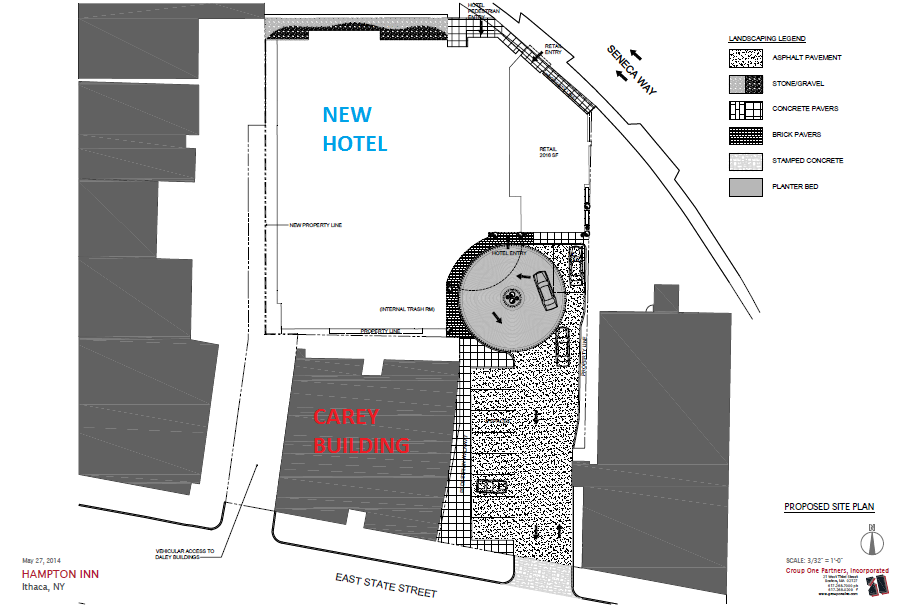
G. “Downtown Hampton Inn Hotel, Scott Whitham – Sketch Plan” – Another re-do of sorts. This one appeared in its original form in December 2012. The original proposal, proposed by Neil Patel (his family members are the ones developing the hotels off 13) was for a 6 story, 92-room, $16 million hotel that would have demolished the Carey Building, and the original design was by Jagat Sharma. Scott Whitham is another local architect, so given the revised space constraints and the new architect-of-record, the design of this will be something completely different.  Although hopefully it doesn’t involve tearing down buildings the developer doesn’t own.

H. 314-320 E. State Street, the Carey Building addition – discussed earlier this week here.

***

In sum, there’s a lot of stuff going on all at once. I’ll update as it all plays out, and documents and renders become available.

UPDATE 1: The new design of the Stone Quarry apartments:

inhs_stone_quarry_rev_1 inhs_stone_quarry_rev_2

Due to concerns with how the soil will settle on site, the walkways and elevations of the buildings have been altered. Each townhouse now steps 8 inches going north to south, which makes the middle ones look a little misshapen. The soil issue also forced a re-do of the ends of the apartment building, since it couldn’t be graded as originally planned. On the cost-cutting end, balconies have been replaced with windows, the south facade of the apartment building was tweaked, some of the trim has been removed or down-valued on the Spencer Road side of the townhomes, and a few more windows punched in on the sides of the townhome end units. there’s a few tweaks to the site plan as well, which can be found at the link above.

UPDATE 2: Here’s the proposed Hampton Inn, details here. The new hotel would be built on the parking lot behind the Carey Building.  The proposal calls for six floors, 120 rooms, and 2,000 sq ft of retail/restaurant space, with only about 9 parking spaces on site. The entranceway would be via a driveway between the Carey Building and the Eagles Buildling, which I imagine being a bit of a logisitical nightmare at the moment, given that the Carey Building has its own renovations underway and additions planned.
hampton_new_3
hampton_new_1

hampton_new_2


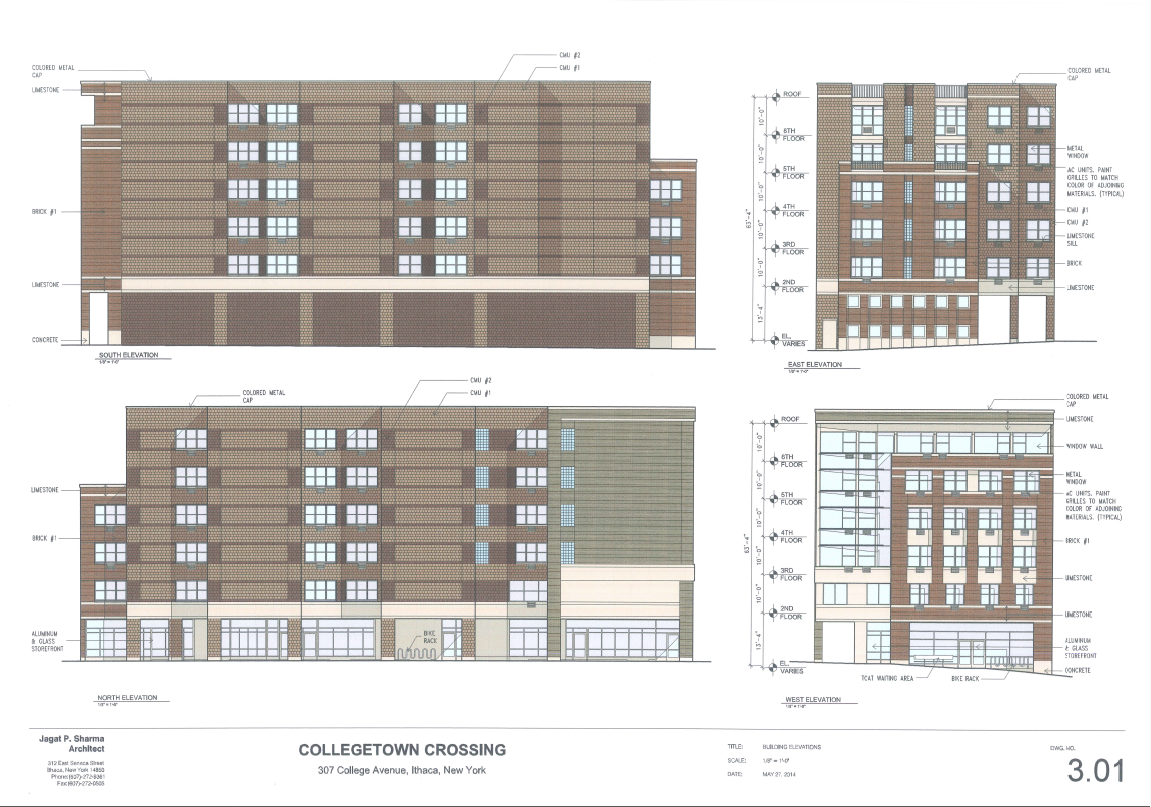
 UPDATE 3: Up next, revisions to 307 College Avenue, Josh Lower’s Collegetown Crossing project. Nothing fundamentally different here, but the design has definitely been tweaked. Full details here. The revision reduced the number of apartments to 43, with 98 bedrooms (previous was 103). There would be five retail spaces on the ground level of the six-story, 63’4″ structure. The size and scale of this revision fit comfortably within the rules of the new Collegetown MU-2 zoning of the parcel.
ctown_crossing_rev_1

UPDATE 4 (6/5/14): The updated design of the Marriott has been released, and will have its own special planning board meeting on June 10th. Apart from updated Marriott signage and some materials tweaks, this one has virtually the same design as the original, which has me breathing a sigh of relief. Perhaps this one will start construction in July after all.


Mixing Old With New

20 05 2014

4-13-2014 079

After something of a dry spell, a couple of projects are due to come forward in the next few weeks, both involving similar concepts – additions to existing structures.

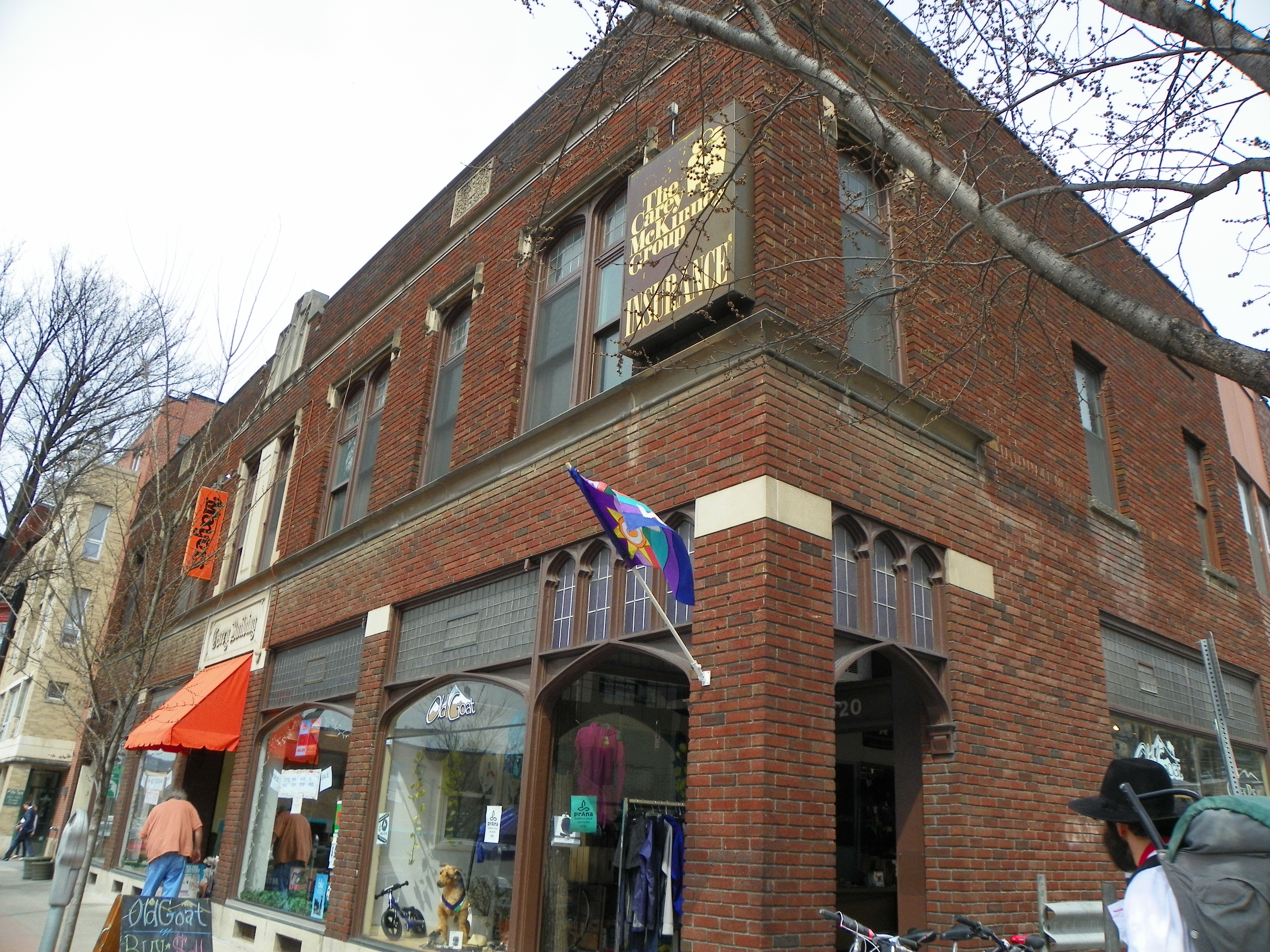
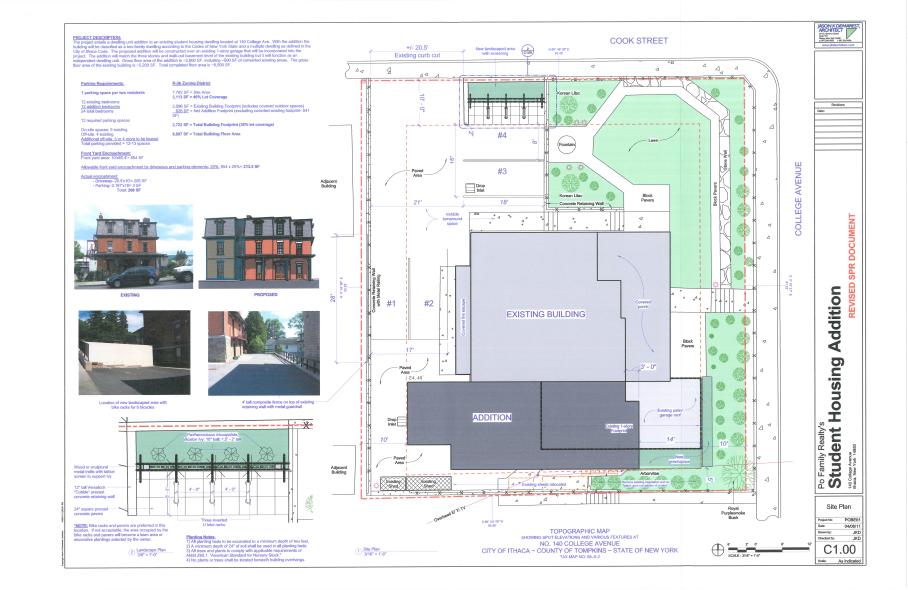
First, 140 College Avenue. Site plan here, details of the revision here and here. This actually isn’t the first time this one has come up to bat, having made its rounds in the news a little over three years ago (token disclaimer: I wasn’t a fan of it then, and my mind hasn’t changed). 140 College, better known in historic circles as the John Snaith House, has been targeted for a one-unit, 12 bedroom, 3,800 sq ft addition by its owners, the Po Family Realty. The addition, by local architect Jason Demarest, would be built on the south side of the building, separated by a glass partition. The Po family has already run the gauntlet with the planning board, since the Snaith House is a local landmark. Their plan was approved, but given the zoning, it required 6 spaces, for a total of 12 parking spaces for the whole building. Apparently, this made the project less workable, and it’s been on hold since. The developer is using the recent changes to Collegetown zoning as an impetus to change the terms of the project’s approval, reducing the number of parking spaces for the building to a total of 4. The project as proposed eliminates 2 of the 6 parking spaces on site, so only 4 would be left. Originally, 8 spaces had been secured off-site (4 on site + 8 off site = 12), but the lease on those will expire before this project is complete, as construction is tentatively slated to start late next month, and they are unable to renew those leases. Rather than renting new off-site spaces, the developer just wants to keep the total at 4. In exchange, they will provide bike racks, and all tenants membership in Ithaca Carshare. Before the zoning change, this would have been a tough sell, but it stands a good chance of approval going forward.

snaith_1

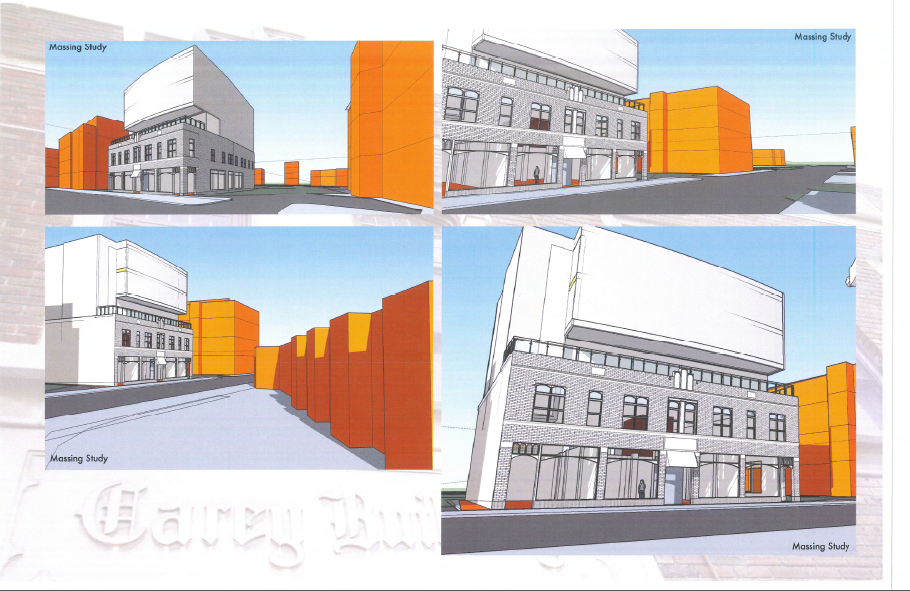
Project number two, on the other hand, is new to the boards. This one targets the Carey Building, which has been in the news quite a bit as of late as the new Ithaca/Cornell/IC/TC3 business incubator is being built on the second floor, set to open this summer (more details on the renovation process can be found over at Ithaca Builds). A third floor addition has been in the works, projected for a 2015 completion. Well, there has also been discussion of a little more expansion beyond that, and that became clear with this document sent to the city this week. Local developer Travis-Hyde Properties proposes an additional 3,600 sq ft of office space on the third floor, and two more floors above that with 14 micro-apartments. This is within current zoning and no variance will be needed. Micro-apartments are a rather new phenomenon, but have significant potential in urbanized areas, especially cities like Ithaca where their lower square footage (think 400-500 sq ft) permits a lower monthly rent, which can hopefully make a small dent in the affordable housing issue the region is struggling with.

There’s no official render, but we have a massing study that gives a pretty good idea of the proportions of the vertical addition:

carey_1

Given that Travis-Hyde looks to be partnering with local firm John Snyder Architects on this one, expect something modern, with generous amounts of glass. I generally am not a fan of building additions, but I’ll reserve judgement until actual renders come out for this one. At the very least, this will be better than that hotel proposal from the Patel family a couple years ago that proposed tearing the Carey Building down. the only take-away from that stale proposal is that if you want to make enemies in the business community, go ahead and propose projects for land you don’t own, and the owners have no intention of selling.

12-29-2011 076


News Tidbits 5/6/14: INHS Wants “Woonerfs”

6 05 2014

greenways2

I have to be honest, up to last night, I had no freaking clue what a woonerf was. It sounds like a children’s made-up word (ex. thingamigjig or doohickey; my brother used “pedewa”). But apparently, it’s a legit urban planning concept. Woonerf is Dutch for “living yard”, and is a type of “living street” where equal priority is given to cars, bicyclists, and pedestrians (the speed limit is no more than about 10-12 mph). They’ve seen substantial implementation in Western Europe since their introduction in the 1970s. The more I read about them, the more I get the impression that it’s a curious blend of a thoroughfare and a courtyard, or Ithaca Commons with vehicle traffic.

Image Courtesy of localmile.org

Image Courtesy of localmile.org

I’m not inclined to look up new words without a purpose, and the reason this time around comes courtesy of the planning board of the town of Ithaca, with the following project up for review at the meeting on May 20th:

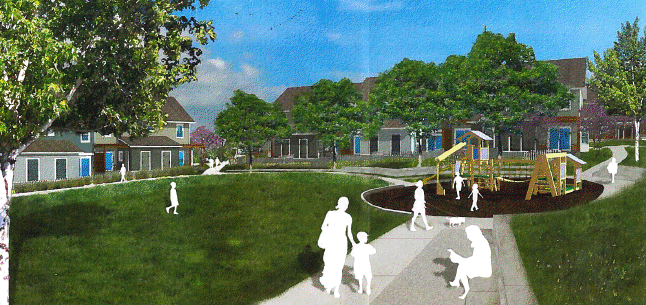
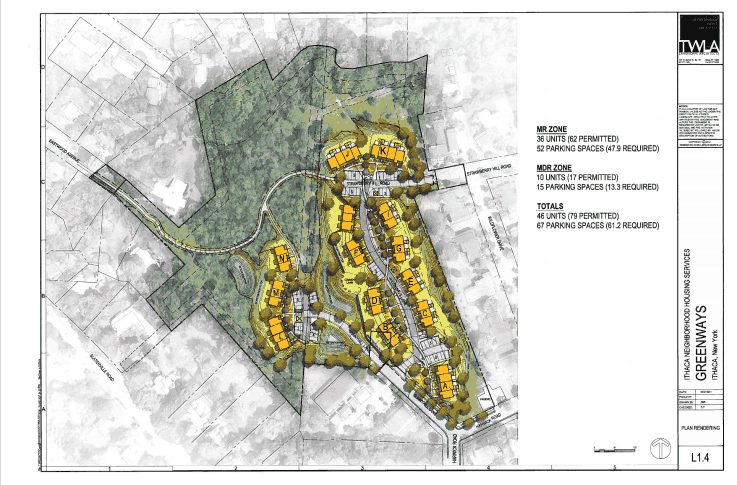
Consideration of a sketch plan for the proposed Greenways project located off Sunnyhill Lane and Strawberry Hill Road, Town of Ithaca, Tax Parcel No.’s 60-1-34.2 and 60.1-1-46.22, Medium Density Residential (MDR) and Multiple Residence Zones (MR). The proposal involves the development of 46 townhouse units west of Eastwood Commons, fronting woonerf-style roads that will connect Sunnyhill Lane and Strawberry Hill Road.The project will also include new parking areas, open space, recreation areas, trails, walkways, landscaping, outdoor lighting, and stormwater facilities. Cornell University, Owner; Ithaca Neighborhood Housing Services, Applicant; Peter Trowbridge, Trowbridge Wolf Michaels Landscape Architects, Agent.

Regular readers will recognize the name Greenways because I’ve latched onto this project and followed it with interest since first proposed about 18 months ago (one could argue I’ve beaten a dead horse here). The project was originally proposed with 67 units, but then dropped to 46 by the time updated specs were submitted in February. The site is still the same, seeking to use woonerfs to connect Sunnyhill Drive and Strawberry Hill Circle. Note that google is not correct here, the street labels are all botched up. An accurate map with the parcels outlined (copied from the county tax map) is included in the lede for this post. Given a preferred completion in October 2015, and that this project consists of 46 units of townhouse-style housing, it makes sense that it would be seeking planning board approvals now.

Image property of Greenways at Eastwood Commons

Image property of Greenways at Eastwood Commons

So make way for the woonerfs, I suppose.

EDIT 5/15: Now we have renders and site plans. It looks like the project will be built in three phases, and access to “Greenways Lane” will be primarily through Strawberry Hill Toad and Sunnyhill Lane. The “woonerfs” seem rather gimmicky in this context.

gways_rev_1

gways_rev_2

gways_rev_3


The Six Contenders for the Old Library

22 04 2014

libe_0414

Most people are aware that the old Tompkins County library is about to be left completely vacant. As covered by Ithaca Builds last fall, the county issued a Request For Expressions of Interest (RFEI), inviting developers to cast their lures and offer proposals, and the plan perceived as best would garner its developer the ability to buy the old library and build on the parcel. The county expressed preference for proposals that were eco-friendly and would create senior housing, so the proposals play to that preference. In a long if thorough process, the County Planning Advisory Board will make a preliminary review, recommend its choices to the legislature, and the legislature will select the finalists, who will be asked to submit more thorough proposals of their initial entries, detailing info such as project financing. The county makes it final selection in November, with sale of the parcel to the winning developer in March 2015.

This is exciting, it’s like watching competitors at an Olympic event.  All proposals can be found at the county website here, individual links are included with each shot below. Feel free to voice your opinion on your favorite proposal in the comments.

1. DPI Consultants

DPI Is a private developer operating out of Rochester. Their group has some previous local involvement, converting the old county jail to offices in the early 1990s, and they were involved with the Johnson Museum addition a few years back.  Their plan calls for 76 condos and 8 apartments in 2 5-story buildings (max buildable height for the parcel is 50 feet, for the record). The condos would be mid-to-upper tier for pricing, and the project would have underground “automated parking”.  This proposal is the only one that does not have a focus on seniors.

dpi_libe_0414

2. Franklin Properties

Franklin Properties of Syracuse has teamed with a group of local firms (STREAM Collaborative and Taitem Engineering, among others) to propose a 68,000 sq ft “wellness center” for the library site, which they call the “Cayuga Community Education Center”. The first two floors would have a cafe and medical offices for doctors and non-profits, with three floors (32 units) of senior housing on top. The building would incorporate solar panels and is aiming for a 2017 opening if selected. The proposal seems to be the only one that reuses the original library, and already has some letters of support from local businesses.
franklin_libe_0414

3. Integrated Acquisition and Development

IAD proposes a LEED-certified, 115,500 sq ft, four-story structure they call “Library Square”, with 90 apartments, conference rooms, a library and fitness center space. The project suggests a late 2016 completion. Parking is behind the L-shaped primary structure. IAD has been involved in the Ithaca area previously, being the owner of several properties in Lansing (Warrenwood, the medical offices of Trimhammer), and the lead developer of several of the office buildings in Cornell’s office park near the airport.

iad_libe_0414

4. INHS (Ithaca Neighborhood Housing Services)

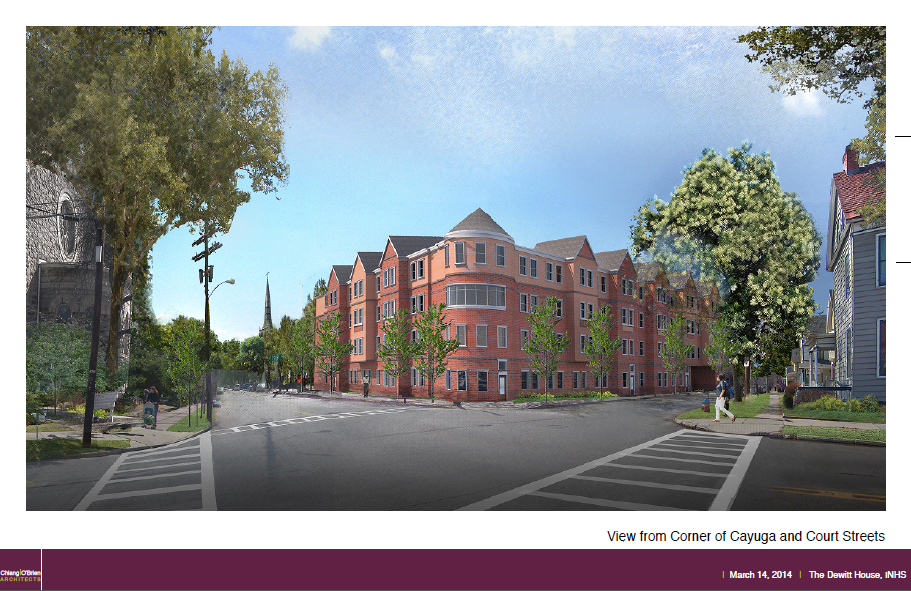
Locally prolific non-profit INHS comes up to bat again, this time proposing a project for the library site. Their proposal, called “DeWitt House”, calls for a 4-story, 60,000-80,000 sq ft building with 60 to 70 units of affordable housing, not specifically geared to seniors. The selling feature is an internal courtyard, along with community space and 6,000-8,000 feet of commercial space for rent. This one also has underground parking. The time frame for this one seems to be the latest, with completion in the 1st quarter of 2018.

inhs_libe_0414

5. Rochester Cornerstone Group / Cayuga Housing Development

Cornerstone is a Rochester based non-profit housing developer. CHD is directed by the same people as the Ithaca Housing Authority, who operate Titus Towers. The proposal consists of 70-80 units of affordable senior housing, in a 4-story 54′ structure (i.e. it would need a zoning variance). The building would have covered ground-level parking and some surface parking. Full occupancy would be in late 2016. Token snark here, but next time, ask the architects not to use the glare tool in your renderings. Building roofs are not shiny.

roccorner_libe_0414

6. Travis Hyde

Ithaca based private developer Travis Hyde submitted the last proposal on this list. Travis Hyde is involved with the renovations of the Carey Building, the construction of Gateway Commons, and further back, Eddygate in Collegetown. Travis Hyde teamed up (once again) with Ithaca-based HOLT Arechitects for their proposal, which is probably the one that discusses architectural context the most out of the six. The 4-story 90,000 sq ft building would have 48 apartments with office and community space at street level. While it discusses providing senior housing, it doesn’t appear to be explicitly senior housing. Parking would be minimal, on the western edge of the site, with mass transit/municipal parking garage incentives being explored. Spring 2017 is the suggested completion date.
travhyde_libe_0414

May the best project win.


Belle Sherman Cottages Update, 4/2014

16 04 2014

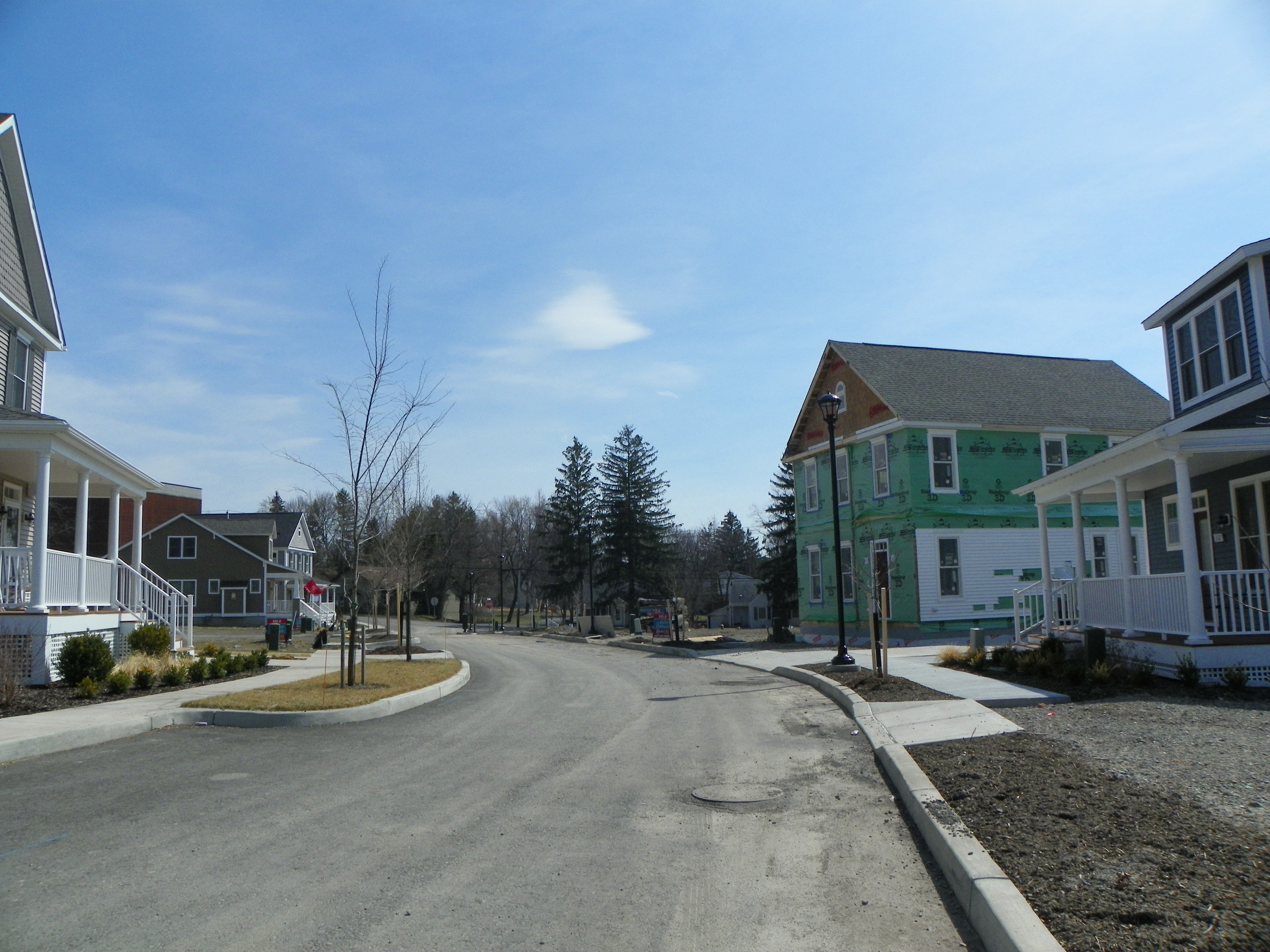
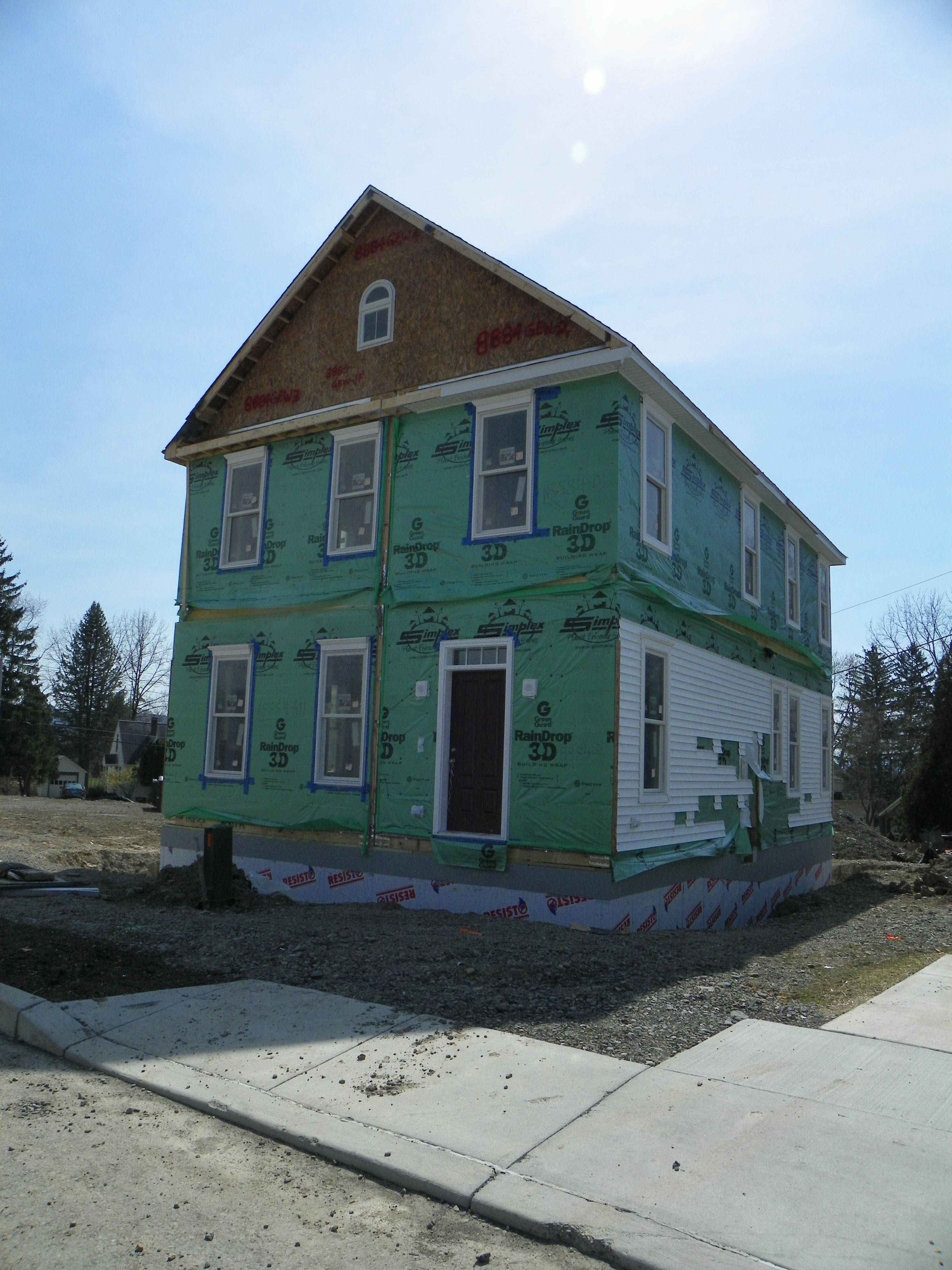
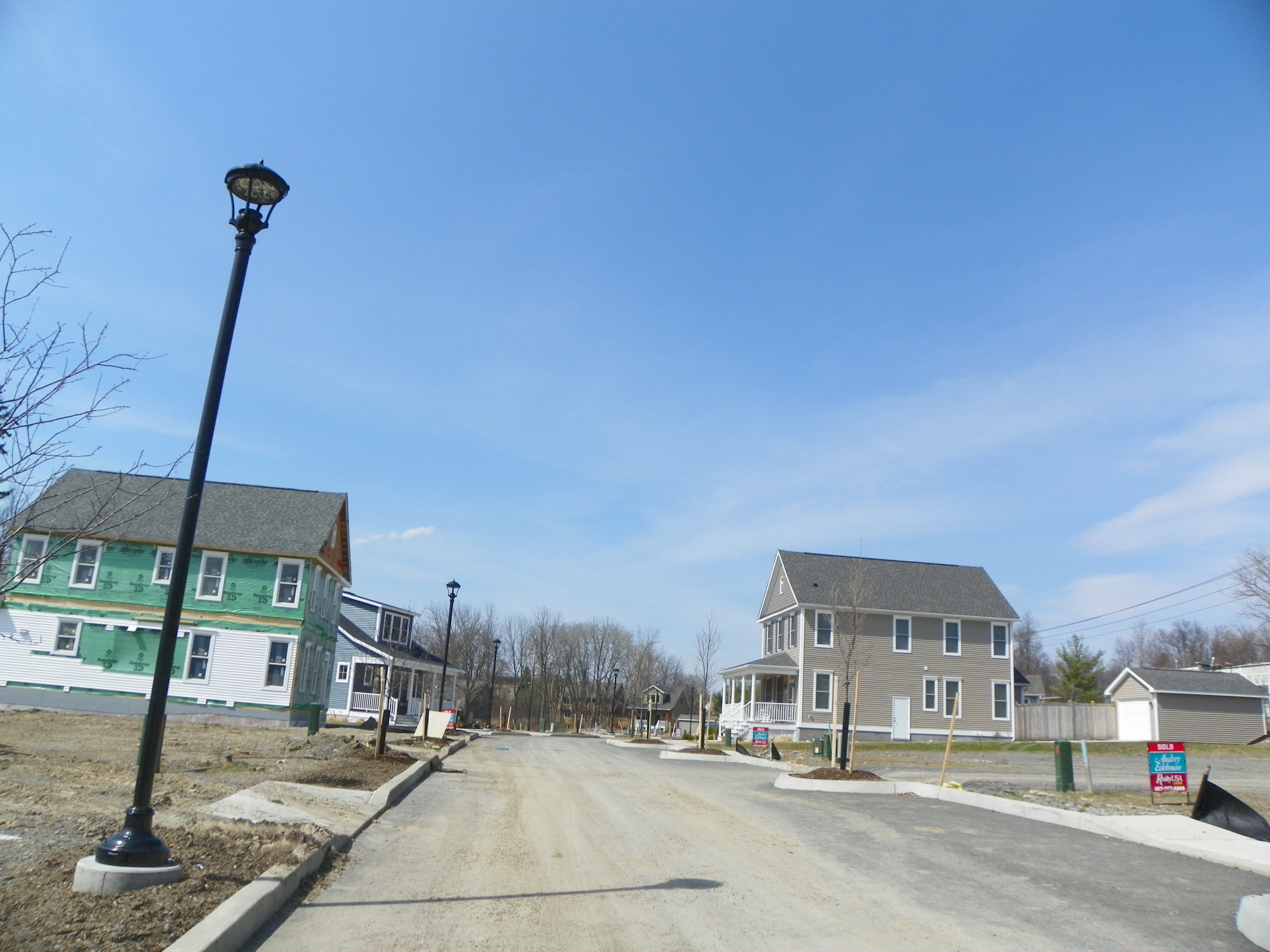
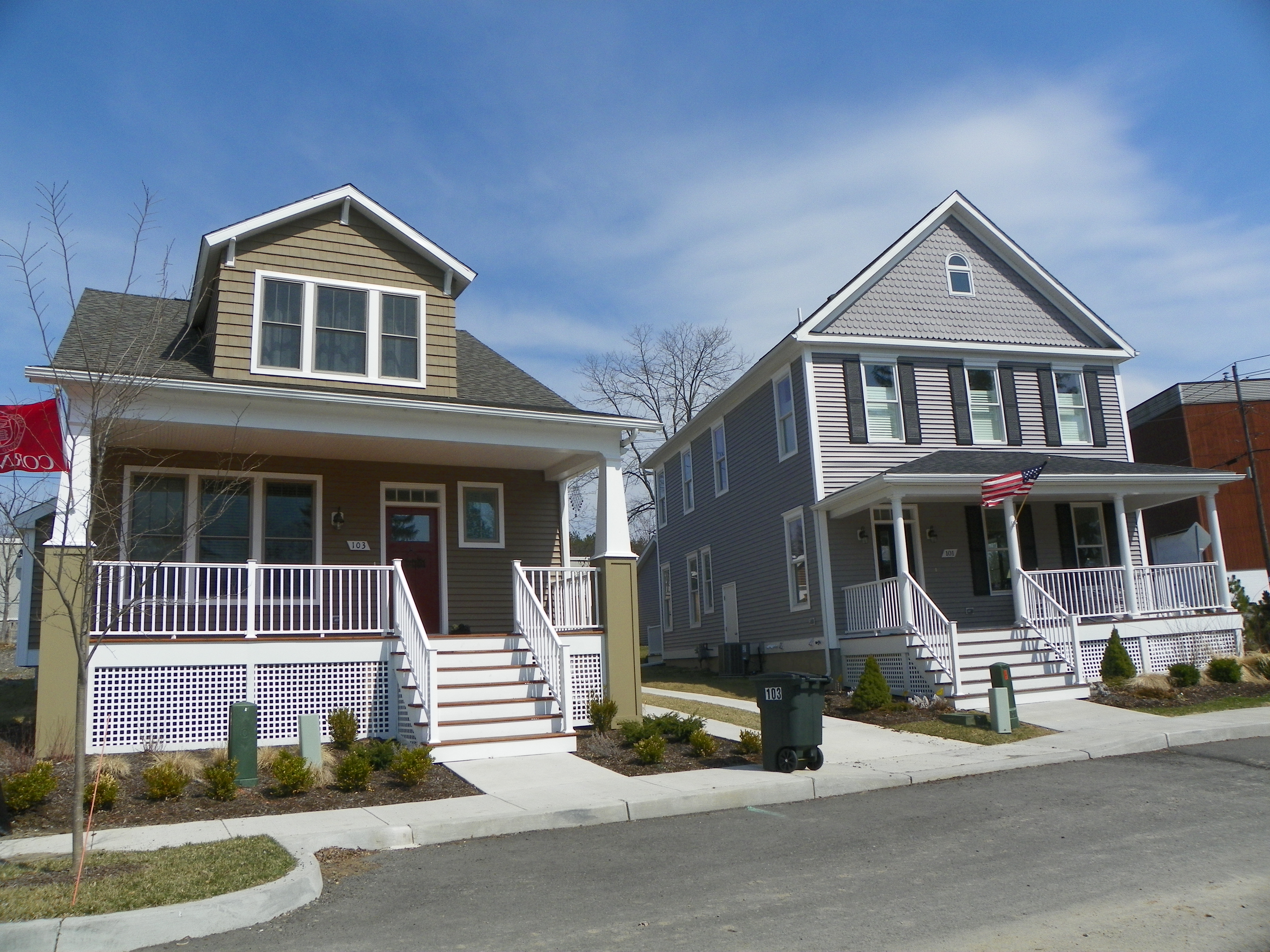
My last stop, on my out of town. In short order, I mentally debated stopping for photos, missed the turn due to the debating, circled back around, ended up ditching my car in a reserved parking spot at the Coal Yard Apartments complex. Then I ran down the hill, to the development, back up to the hill, and back into my car in the span of five minutes. I’m sure some of the neighbors that were outside Sunday afternoon were a little confused by my behavior.

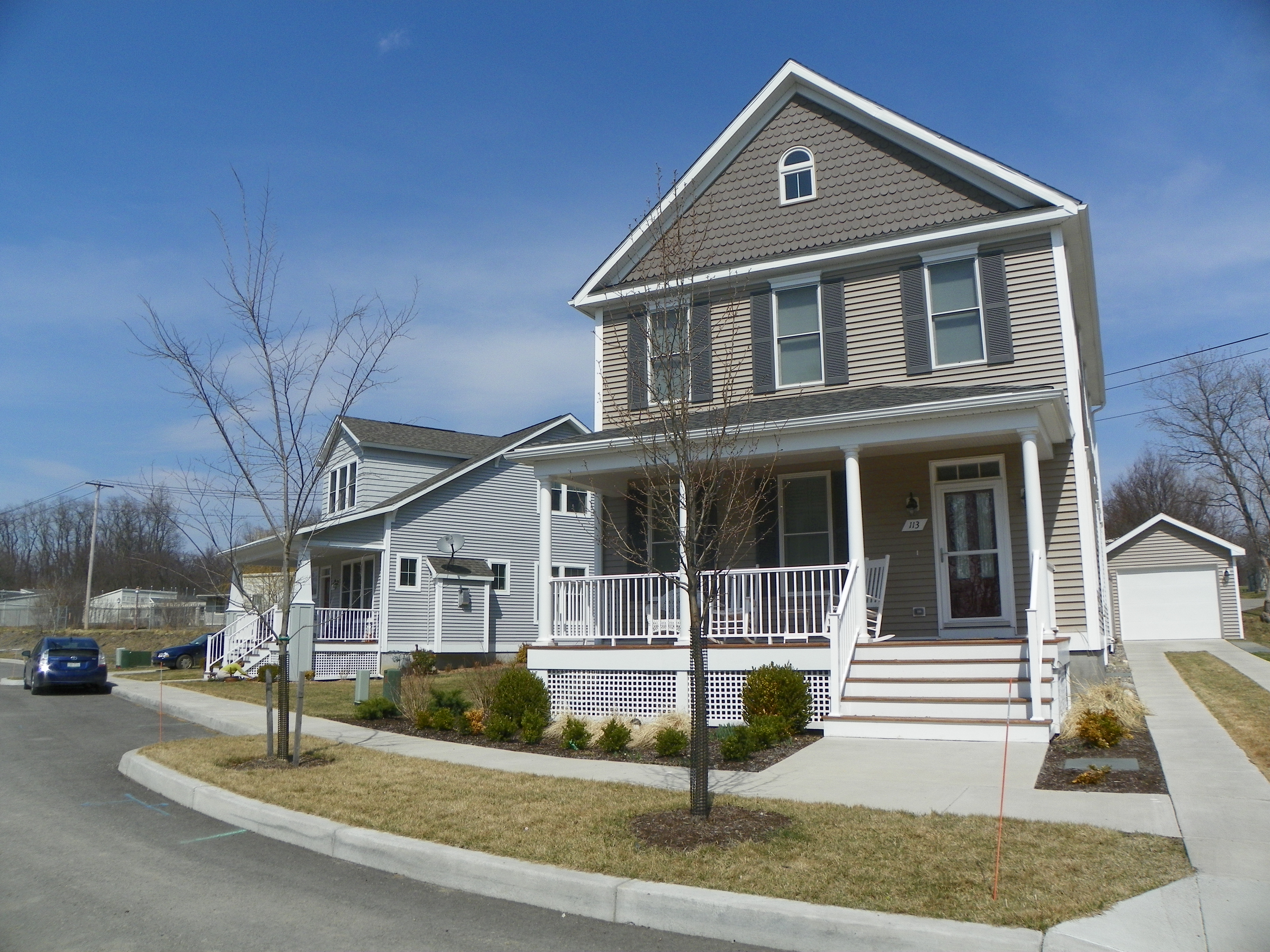
Since my last time through, work was completed on the bungalow on lot 19 (someone gave it red porch trim; I’m guessing the owner), and the “Victorian farmhouse” on lot 13 is well underway, the modular pieces are assembled and it looks like siding swatches are being tested and installed. I expect this house will be done in just a few weeks. According to their facebook page, Q1 2013 was a stellar three months; five lots were sold: lots 4, 6 and 18 (elevations here), the spec house on lot 1, and one of the planned townhouses. That means 10 of the 19 houses planned have been sold. Considering they sold only six houses in the past two years, this is quite an uptick. Looks like Carina Construction will be busy this spring and summer.

4-13-2014 083

4-13-2014 0844-13-2014 0854-13-2014 0864-13-2014 0874-13-2014 0884-13-2014 0894-13-2014 090


Two Sides to an Argument

18 03 2014

ridgewoodapts_v2_2

I generally try to stay on the sidelines when it comes to promoting or opposing for Ithaca projects. I’m not about to get involved in favor of the West Falls Street proposal, the Stone Quarry proposal, or Cayuga Meadows, or any other local project that neighboring residents want shot down. NIMBYism (NIMBY is short for “not in my backyard” , a reference to when people accept a community has a need for a project but they oppose it in their neighborhood) is ever-present, just about every project in the city and town has had some degree of opposition (the only exception I can think of offhand is the convention center/hotel planned for downtown). My own opposition arises when I feel a proposal threatens something of historic value. Regardless, the planning board is good at staying neutral. I may not always agree with the planning board, but I generally respect their judgement.

I’m going to make an exception to my non-partisan stance for 1 Ridgewood, thanks to Walter Hang.

As much as it bothers me to do it, to explain my issues, it is best if I provide a link to the petition and its partially-labelled map of square footages.  A large chunk of those appear to be people who have little or no connection to Ithaca. Token disclaimer: I’m not for or against his fracking work, my concern is focused squarely on this project. In an attempt to keep this project from being railroaded, I decided to examine the petition’s arguments.

chhd1

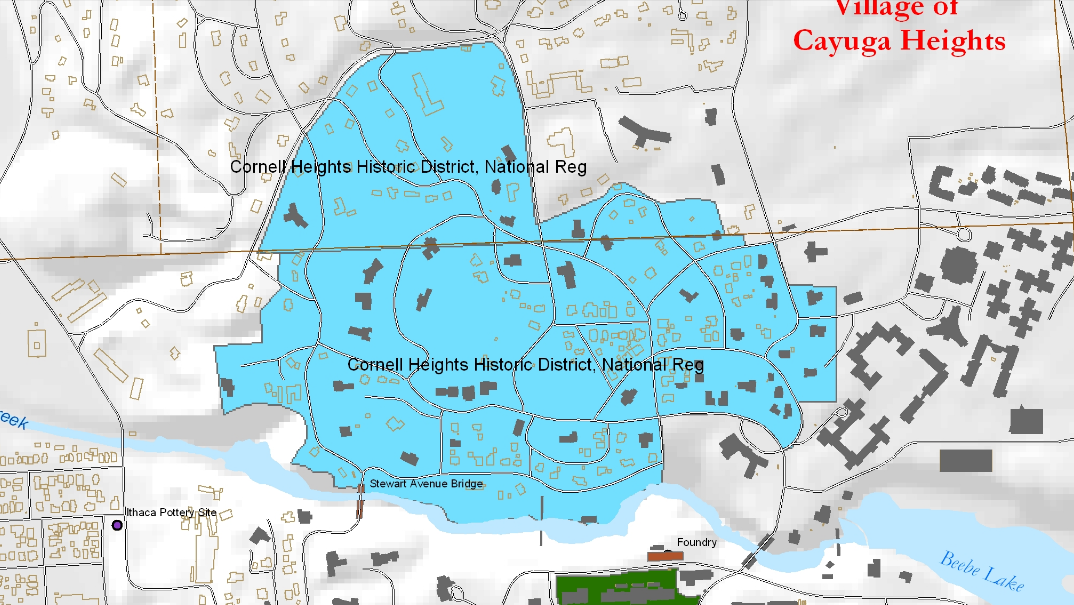
Here’s the area Mr. Hang wants his moratorium, Cornell Heights, split between the city and Cayuga Heights. For the record, the dark grey represents Cornell-affiliated properties, mostly GLOs and a few Co-Ops in the CHHD. Looking at the city section specifically:
chhd2

The red X is the Ridgewood apartment parcel, for three buildings between 5578, 5710 and 6662 square feet, with mostly below-grade parking. One of my issues is that some of Mr. Hang’s assertions are misleading. For example:

Due to recent development, the Historic District is clearly transitioning from its original turn-of-the-20th century “residential park” to a densely developed area that bears little resemblance to the community that warranted special historic district protection approximately 25 years ago.”

It’s hardly changed. There have been two three projects built since 1989. A single-family home at 116 Dearborn Place that was built in 2005, the Tudor house of the Bridges Cornell nursing home was built in 2005, and the new apartments currently going up on Thurston. If you want to push the envelope, Alpha Zeta (214 Thurston) replaced half of its original structure in 1992-1993 when it was renovated. A couple buildings (Kappa Delta, and 111 Heights Court) have received renovations, which were approved by the Ithaca Landmarks Preservation Council (ILPC).


Approval is being sought for an apartment complex proposed for 1 Ridgewood Road. Three buildings would be built on the largest undeveloped property in Cornell Heights, a spectacular forested setting enjoyed by hundreds of local residents who walk along and through it each day.

The proposed buildings would dwarf nearby structures. Figure One illustrates that the buildings would be 300% larger than the adjoining structure on Highland Avenue and at least 200% larger than all the immediately surrounding structures.

Out of a total of more than 200 structures in the Cornell Heights Historic District, only six are bigger than all three proposed buildings. Those six were built before the Historic District designation.

What’s not being told about that “spectacular forested property” is the abandoned swimming pool or dilapidated poolhouse. Also, as seen in at Mr. Hang’s map, the project is shifted to the west (left side) of the parcel, where many its nearby neighbors tend to be larger, ranging from 3000-8600 square feet (Westbourne to the north is a contiguous complex with 10,800 sq ft of space). To call this “dwarfing” is to take it out of its full context.

It concerns me that a petition with emotionally-charged language, gathering signatures from people that are not stakeholders in the Ithaca community, is being pushed by someone who has a history of aggressive tactics. It bothers me that an underutilized parcel with great public transit access in a highly populated area is going to have its zoning changed after the developer has been sensitive to planning board concerns and returned with a proposal within current regulations, which sets a terrible precedent for the community and opens up the possibility of legal action against the city. Lastly, in a period where Cornell continues its enrollment growth, I’m worried that if projects like this will be prohibited, it will only encourage more rental conversations of existing housing, more subpar housing situations, higher rents and increased sprawl.


Route 13 Is Becoming Suburban Hotel Row

26 02 2014

patel_hotel2

The best part about this project is, I was totally confused when I first saw it, and thought that someone had changed up the Holiday Inn Express proposed for 371 Elmira Road. But I think I can be forgiven for the error – both projects are 4-story, 54′ tall hotels prepared by Optima Design and Engineering out of Buffalo. However, the two projects diverge from there. Project description here, elevations and lot layout here, project application here. The hotel as proposed for 339 Elmira Road is a small one, 37 rooms, current being described as “independent” (no chain affiliation), which given its size is no big surprise. The 6,468 sq ft building is situated for an empty 0.59 acre lot, what was once home to the Salvation Army store before they moved down the road a few years ago and the building was demolished. Jason over at Ithaca Builds reported that the land sold for $143k last summer.

patel_hotel1

The project’s application predicts a time frame of construction from June to December of 2014, and a project construction cost of $1.7 million. What Ithaca gets for that $1.7 million is a typical suburban-style box hotel, a smaller version of what you typically find at highway exits. In a way, that’s what this stretch of Elmira Road/Route 13 is becoming – previously, it was just the Comfort Inn, then the Hampton Inn in 2003, the Fairfield Inn last year, and now this and the Holiday Inn Express are in the proposal stages. That would mean 219 more hotel rooms in this area then there was in 2012.

On a completely unrelated note, the infill project by Heritage Builders at 128 West Falls Street continues their fine tradition of developing underused city/town parcels, even if the designs are a bit ungainly.


Making Room(s) at Collegetown Terrace

21 02 2014

7-26-2013 018

Here’s an interesting concept coming out of Collegetown Terrace: A proposal to exchange some of the interior parking for more housing. This info comes courtesy of the city of Ithaca, which will have to grant a zoning variance in order to let such a change proceed.

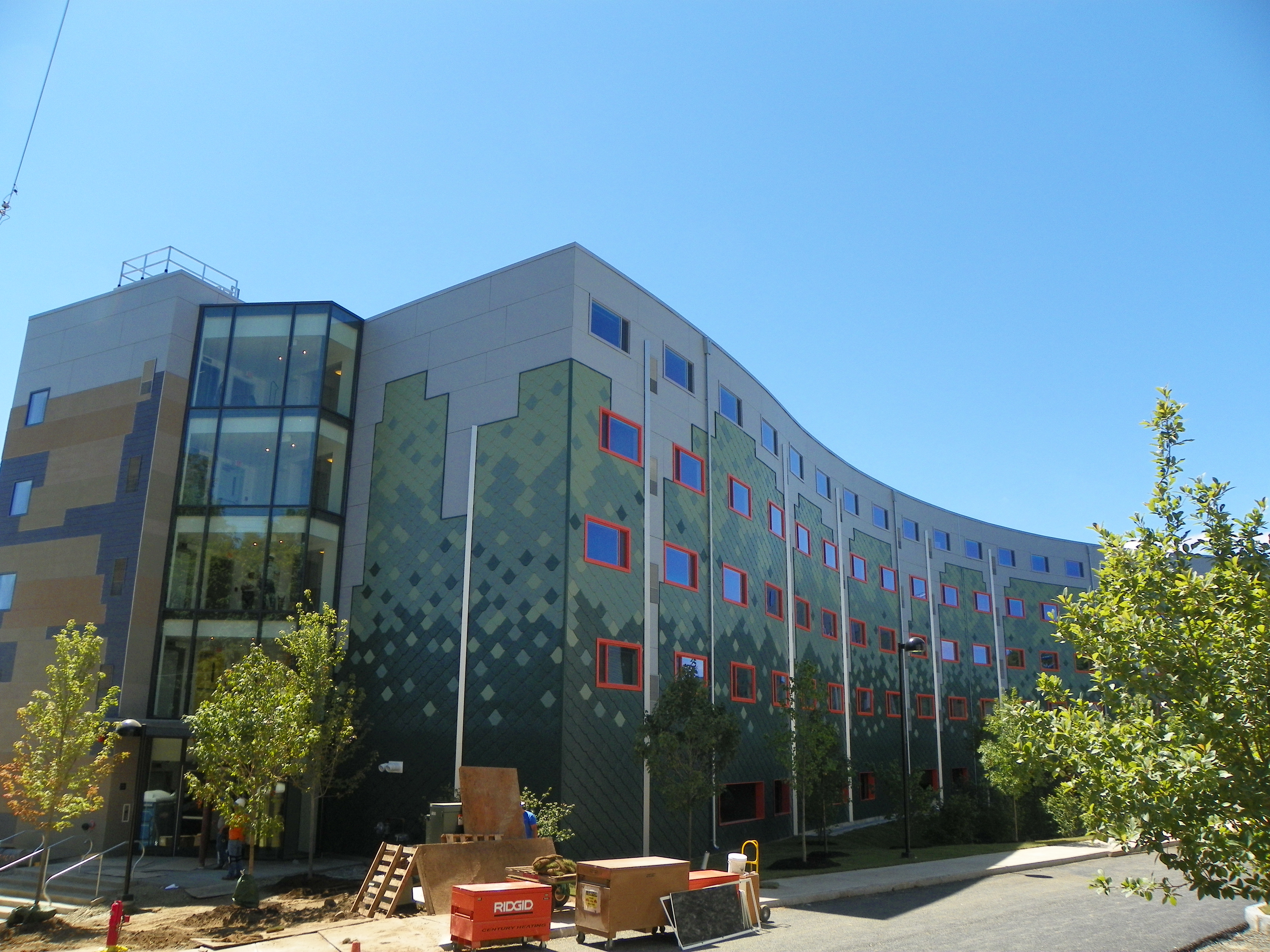
The last phase of Collegetown Terrace (phase III)  is slated to begin later this year, with construction complete by summer 2015. Phase III is supposed to focus on the construction on the last building, #7 (formally known as 120 Valentine Place), a long, curving building very similar to  the currently underway #5. The whole complex as-is provides 1177 bedrooms and 699 parking spaces (5 more than legally required). However, the developer (Novarr-Mackesey) has noted that only about 50% of tenants utilize parking, which means about 100 will go unused (guest parking tends to only make up a very small % of lot use). They have put forth a rather unusual proposal where the second floor of parking for building 7 would instead be 80 units of dorm-style housing: all tenants get their own bed and bath, but share kitchens and community spaces. After reconfiguring some two-bedrooms to three-bedrooms, the net gain of units is 69 (from 178 to 247 in Bldg. 7).  The current buildings, #5 (112 Valentine, 167 units) and #6 (113 Valentine, 71 units) would be unchanged. Zoning calls for 703 parking spaces in the new setup, the develop wants to put in only 652, which they claim it would still result in 50 underused spaces. So here we are. I know even the regulated 9 additional spaces for 80 more units seems a little unbalanced, but the unit reconfiguration and the small square footage of those “dorms” allow it to be so. Changes to the exterior are expected to be minimal.

At a glance, this is a nifty idea – the dorm units are expected to rent for about 50-67% the cost of a typical studio or one-bedroom in the complex (which looks to be around $1000, so $500-$670 for these). Since Collegetown Terrace mostly appeals to wealthier echelons, this sort-of mixed-income aspect is appealing, and it gives a different group of landlords increased competition for tenants; also, it makes for a denser parcel, and does a favor to those seeking to buoy business in Collegetown, and avoid more home-to-rental conversions. However, I doubt the neighbors will be amused (some are not fans of having so many college students gathered in one complex), and the parking discussion (which so far is based only off “experience”) will be reviewed with a figurative magnifying glass. I feel like this project could be a major test-bed of the city’s evolving views on parking requirements.


It Pays To Read: The INHS Pipeline

15 02 2014

11-24-2012 174

I think the biggest thing I learned from Ithaca Builds is the importance of searching for and reading city documents. Since they’re rapidly digitized and made available for public knowledge, it’s not a necessity to stop in city hall anymore. Even better, it has an option to check out the most recent docs, so it’s like one-stop shopping for news. All the extra knowledge is a curse and a blessing. For instance, the latest Common Council agenda, which proposes additional restrictions on an intended rezoning of Cornell Heights, all of which is geared towards keeping the 1 Ridgewood apartment project from happening (I wonder what legal grounds the developer would have in such an event). This isn’t the first time something like this has happened – the vacant lot at 121 Oak Avenue in Collegetown was slated for a 3-story, 6 unit (20 bedroom) building in the late 2000s, but Josh Lower put the kibosh on that project once the city started the endless discussion with the Collegetown rezoning, and the planning board wouldn’t support his project because of the debate. On another note, Josh Lower might have the worst luck of any developer in Tompkins County.

On the other hand, readers get an idea of projects in the pipeline. It’s what allowed me to beat the Daily Sun to the punch on the Gannett Health Center plans. Then there’s all sorts of little projects, like a lot subdivision on Auburn Street that shows the design of the new house, or the proposal for three more houses on West Falls Street. On a larger scale, it also shares big outlines, like what INHS plans to do over the next couple of years, which I’ll discuss here.

The INHS pipeline comes courtesy of this Ithaca Urban Renewal Agency agenda. Most of the stuff is, for the purpose of this blog, “babble”; filings needed to designate INHS with some special privileges. But among this babble is a recently completed and underway projects list, on page 47. In the past year, the 72-unit Poets Landing project in Dryden (a Conifer LLC project they assisted with), Breckenridge Place, and a house purchase/remodel on Hawthorne Place were completed. Go back a little further and you see Holly Creek Phase I and a few small developments, like the duplex on East Falls Street in the lead image. In the future list, for 2014 there are only 14 units – two houses (one a duplex), and Phase II of Holly Creek. A few months ago, I googled the architect of Holly Creek to see her other work, and instead found out her back-story is traumatizing. Congrats to her for surviving it and being able to move on with her life. Anyway, in 2015, INHS has 148 units planned for completion – four townhomes and a house, the Stone Quarry apartments and its 35 units, 62 units in Cayuga Meadows (I guess it dropped from the 68 Jason first reported on IB), and the irksome Greenways project, which has dropped from 67 to 46 units. I have no idea what to make of it anymore. The big projects should all be completed by October 2015, but make of that what you will; Breckenridge came in behind schedule, and non-profit/government building projects are well known for building delays.


A Revised, Resized Plan For Ridgewood

13 02 2014

Things are getting a little complex with the development planned at 1 Ridgewood, a Cornell Heights parcel squished between Ridgewood and Highland Avenues. First, the revised plans for the smaller project. While the original plan had 64 units in one large building, this proposal has shrunk it down to 45 in three buildings. Notably, even with the size change, the overall design is not all too different, materials and massing look to be the same as before. One floor has been removed, giving three floors over an underground parking garage (a small surface lot would also be built on the property).

ridgewoodapts_v2_1

The focus is now more on the western side of the property facing Ridgewood, with less attention given to the Highland Avenue side of the property in this updated plan. Since the tendency with student-focused projects is to count the bedrooms, the 45 units contain 114 bedrooms for occupancy.

ridgewoodapts_v2_2

One of the complicating factors in this project is the zoning change proposed for the property. Currently, it’s R-U, which is less restrictive than the R-3aa they are proposing to rezone the parcel to. At its best, it’s an attempt to mitigate increasing developer interest in the historic district; at its worst, its a heavy-handed attempt to stunt development. For the record, this and the Thurston Avenue Apartments project seem to be (have been?) the only two underutilized parcels in the affected area. The revised 1 Ridgewood project PDF goes out of its way to note that this project just barely meets the R-3aa requirements, so even with the zoning change, no variance would be required. This is important, because some neighbors are fiercely opposed to any development of the parcel whatsoever. They would be able to shut the project down much easier if it were seeking a variance, but since it doesn’t, it gets a lot harder. We’ll see what happens as this makes it through the bureaucratic rounds.

EDIT: Ha ha, silly me to think they might let this one go. The Common Council is voting on additional restrictions to the R-3aa zone that would effectively kill this project. The proposed language adds a special amendment for historic districts such as Cornell Heights that says that any new building can’t have a footprint more than 120% of the average footprint of the historic structures on a block. Cornell Heights historic structures are mostly mansions in the 1,500-2,000 sq ft footprint range, which these exceed. This amendment seems to be explicitly targeted to keep this project from happening.