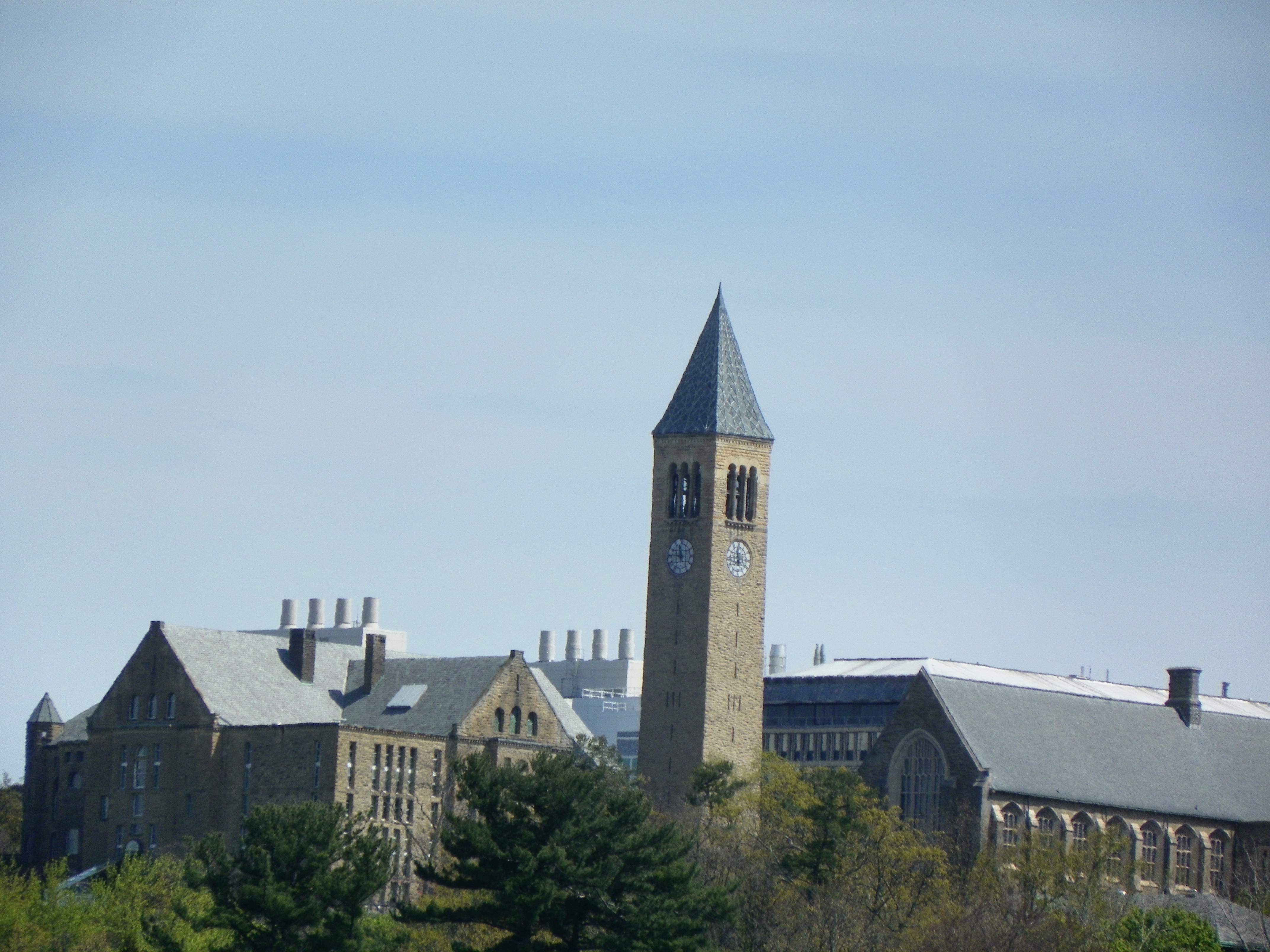
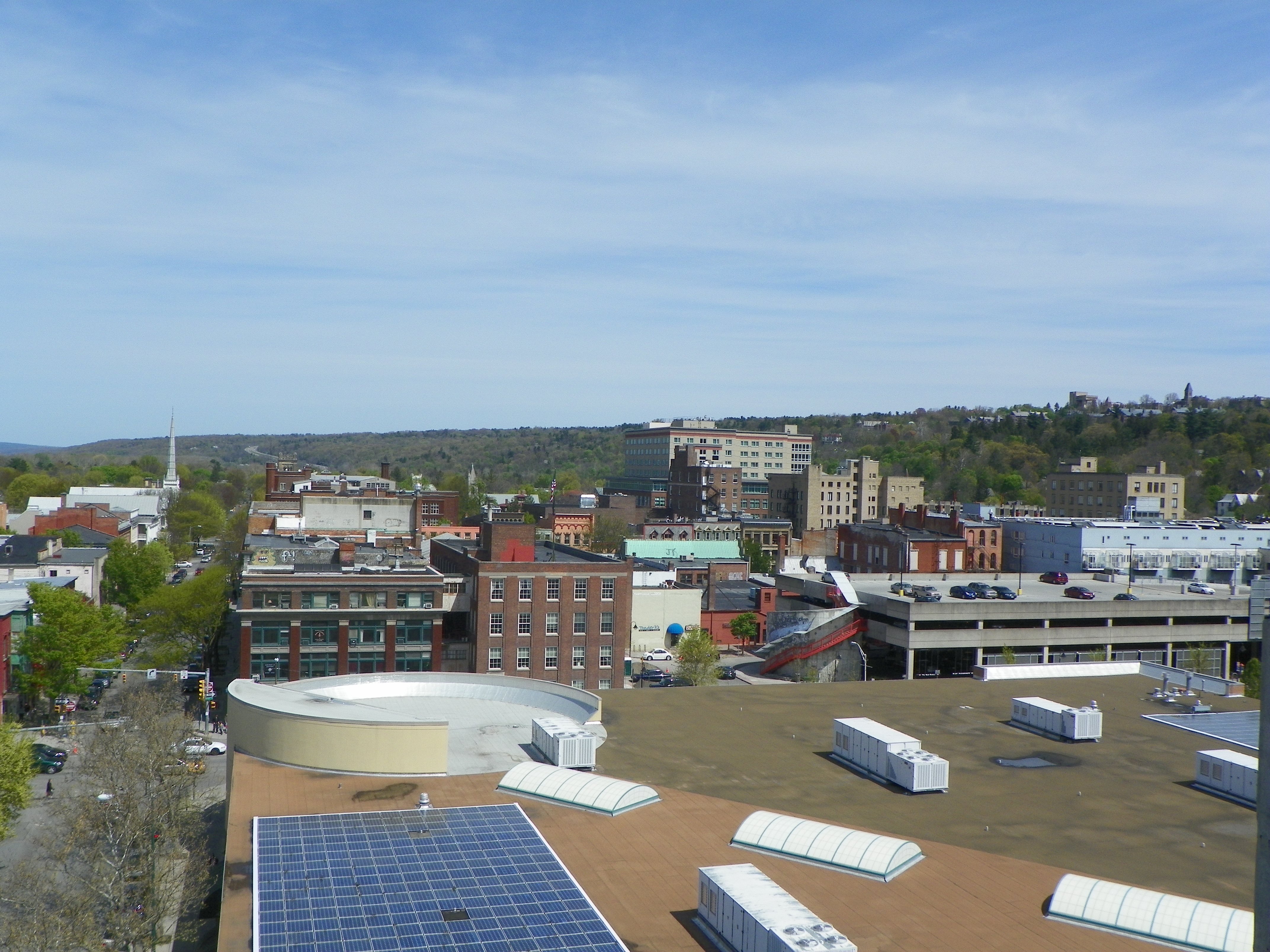
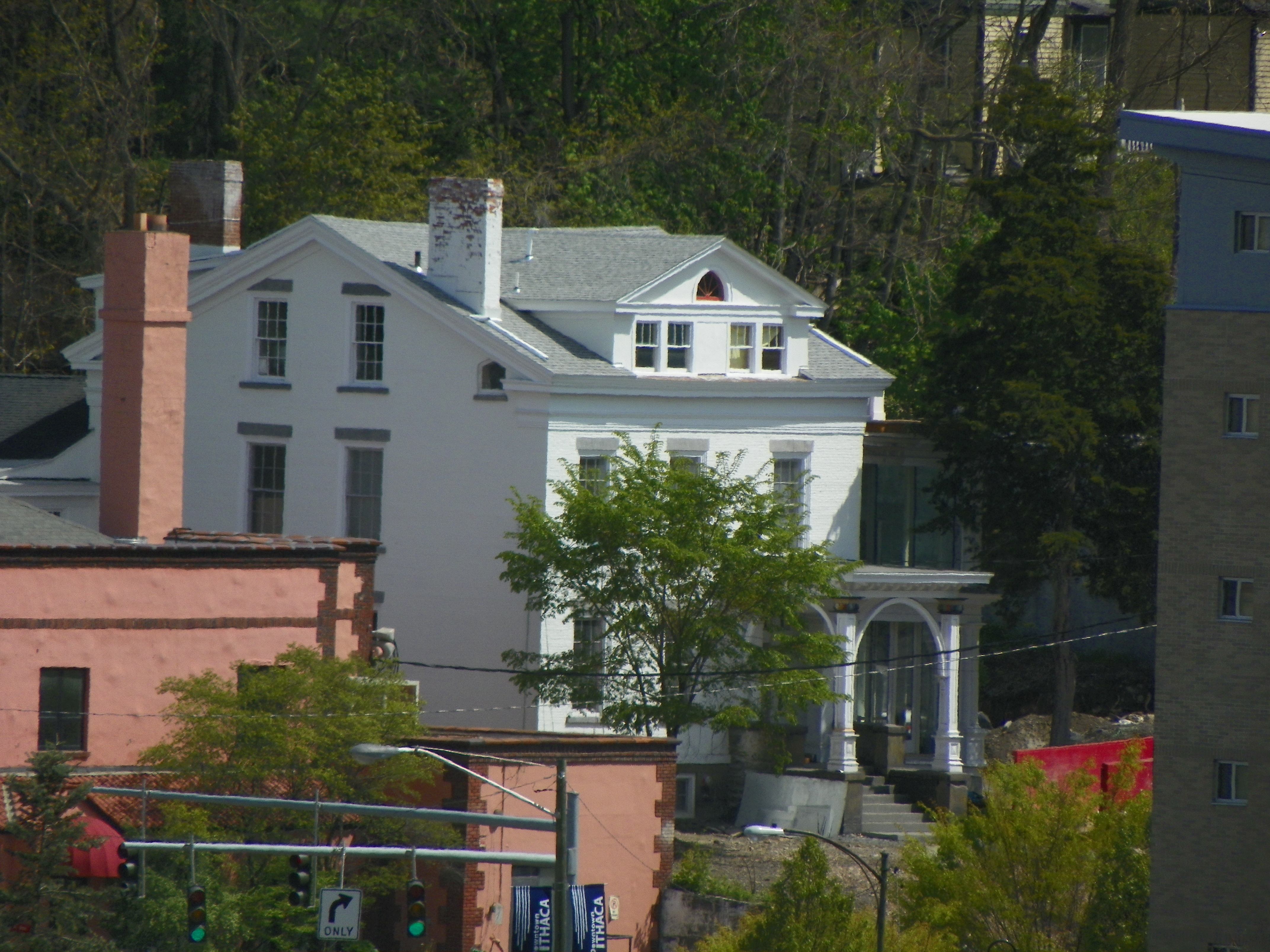
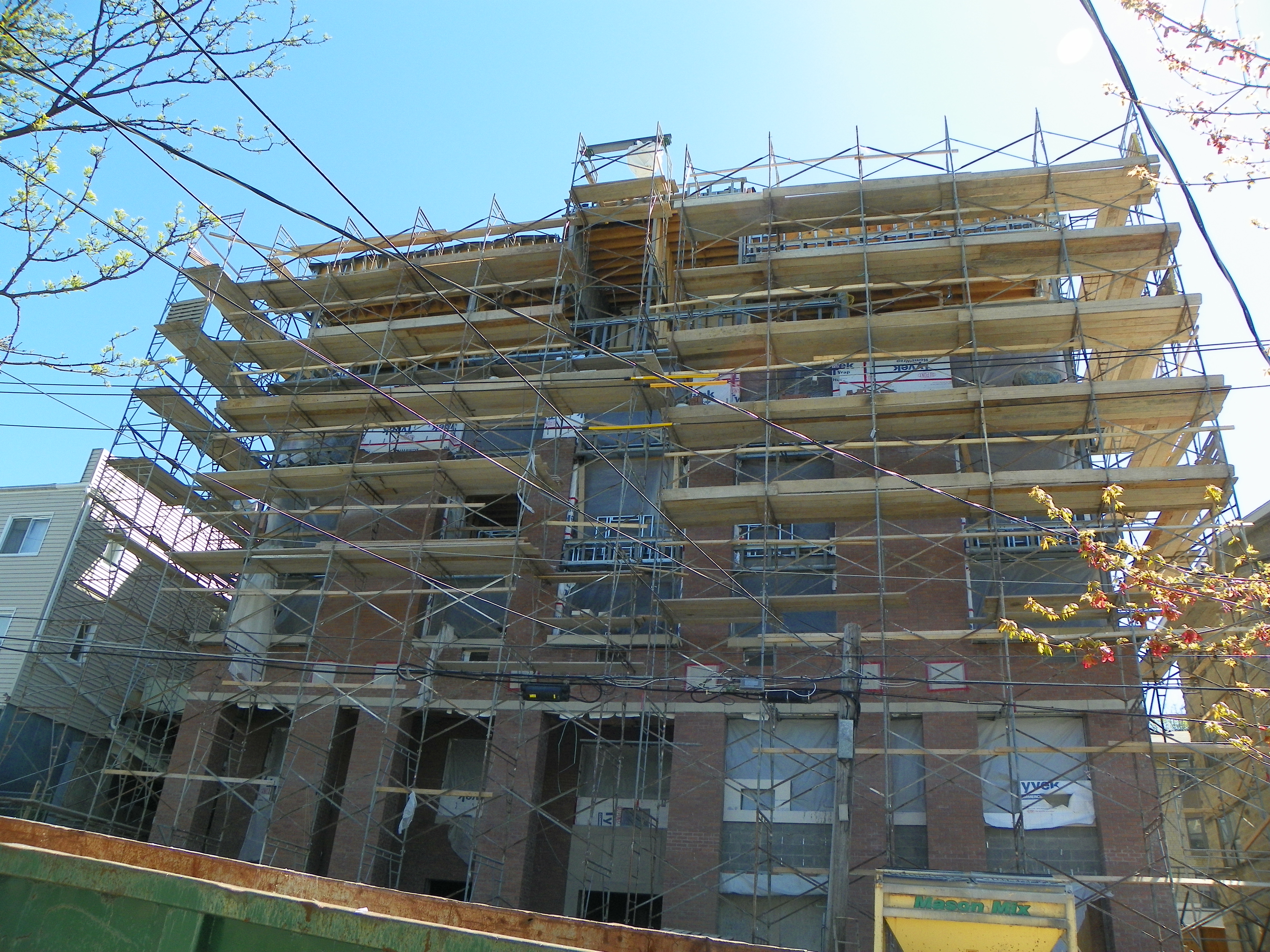
Cornell and Crime II: Here There Be Guns

15 05 2012

If you want to have a spirited debate on campus, open the floor for a discussion for the provision of guns on university grounds. Stating the obvious here, but student-owned guns are prohibited on campus, and have been for over a century (CUPD officers are issued Glock semi-automatics, an effect of the Willard Straight Hall takeover back in 1969). Few things seem to do a better job of getting someone’s blood to boil, and not without due reason. I thought of looking at this because of this recent little piece from the Sun about a student being robbed at gunpoint in North Campus, and the ensuing “we should be allowed to have guns/are you crazy no we shouldn’t have guns” comment queue.

I mulled this over in my head a little while, thinking that this usually gets tied into some “good old days” argument about back when everyone could have guns and everyone was safer (and there was much less crime, everyone was good-looking, all the kids were above-average, and whatever else those rose-tinted glasses show). I decided to look at the Sun archives for some historical perspective.

One of the first things returned in the search was an article from 1930 – before the vast majority of us were even alive – detailing a series of armed robberies and the murder of a gas station attendant leading to a possible rise in gun permit applications (the only requirement be that you are a law-abiding citizen of “good character”). So much for those good old days. For what it’s worth, the CUPD was formed the following year, with a whopping two patrolmen on horseback, and no guns during day shifts (today, Cornell has six times as many students, and about 45 officers).

As for the case of responsible students, it’s not always easy determining which are and which aren’t – as these cases demonstrate. You have (in order) the hard-partying student, the student claiming self-defense, and the self-inflicted fatal gunshot wound (thought to be accidental, but could have been otherwise). In imagining a world where guns were okay on campus, I can see a clear case for pulling the gun rights of the first, a lawsuit waiting to happen with the second (the gun owner claimed he shot at someone who was leaving racist notes under his door), and another lawsuit waiting to happen with the third, if the family gets on the “my child’s university didn’t do enough to prevent this” train. There would be time, money, and a bevy of other issues involved.

On the other hand, as this Sun editorial from 1981 illustrates, there are some valuable reasons one can have for owning a gun, such as women protecting themselves against rapists, and it’s important to note that most gun owners are responsible, law-abiding citizens. From here we can get into a range of arguments, all of which are easily blown out of proportion. The passion people put into the guns argument is second perhaps only to abortion, especially with regards to the intransigence of its debaters.

So I didn’t write this entry to start up a gun control debate; that’s what news websites are for. The purpose of this entry is to show that there was no “golden era” for either party – no period where guns, or the lack thereof, made us so much safer. There will always be crime, there will always be grey cases in the argument of who is and isn’t irresponsible, and for the foreseeable future, there will be a gun control argument.


Spring 2012 Construction Update – Cornell Edition

9 05 2012

The new Food Sciences Building has completed a substantial amount of exterior work, although the glass facade has yet to be installed. The $105 million renovation is to be completely done in early 2014, with the new Dairy Bar sometime earlier than that.

Site prep is underway at Gates Hall (the new Computer Science building). The $60 million, 103,000 sq ft building is targeting a December 2013 completion date.

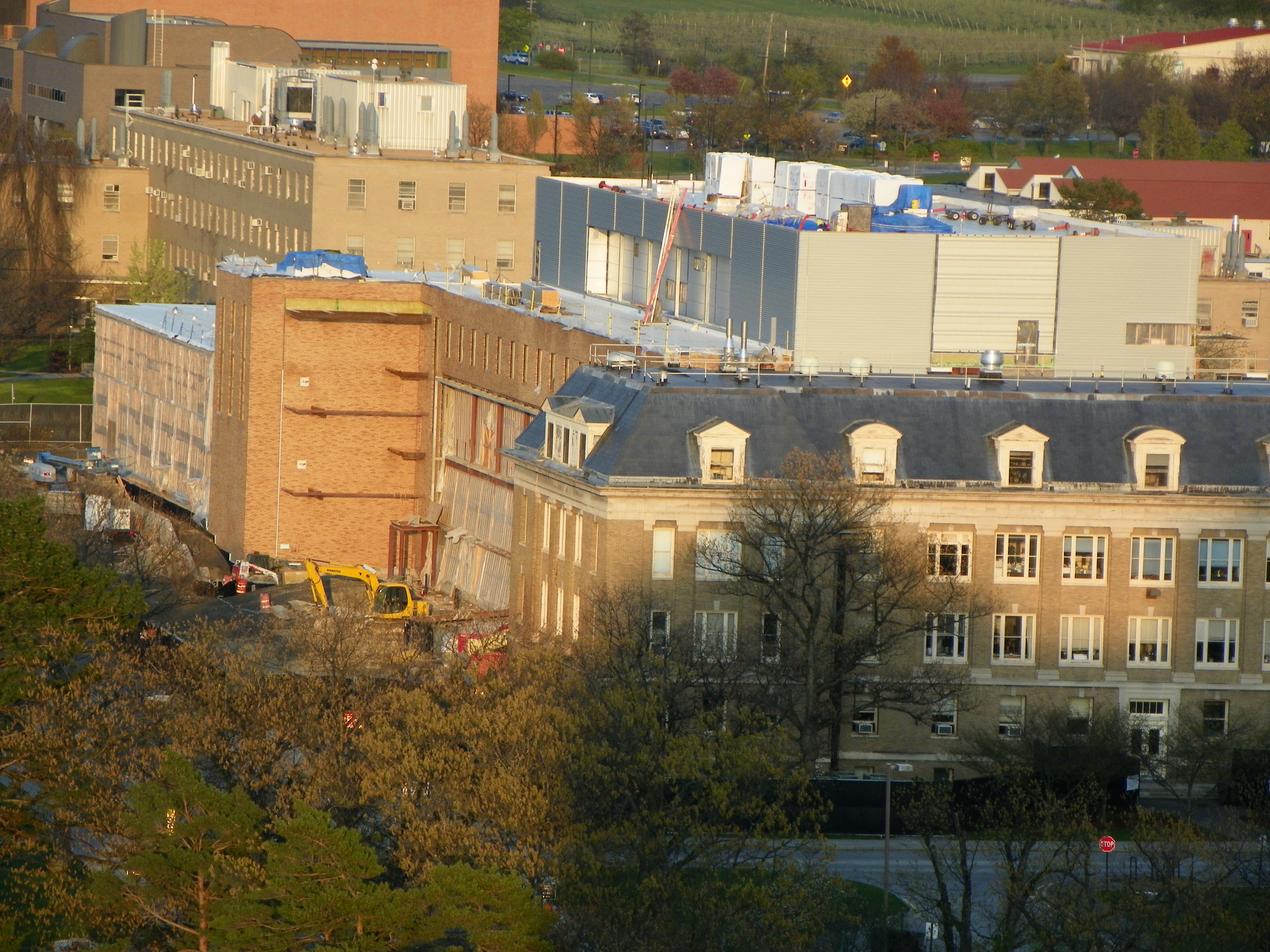
It’ll be a happy day when these plain beige boxes are removed. Unfortunately, the $51 million renovation of Warren Hall that necessitated their construction will not be complete until early 2015 (with the Dyson School portion complete by mid-2013 – and it annoys me to refer to the AEM Department as the Dyson School, as if the perceived pedigree was needed to remove themselves from the stigma of CALS).

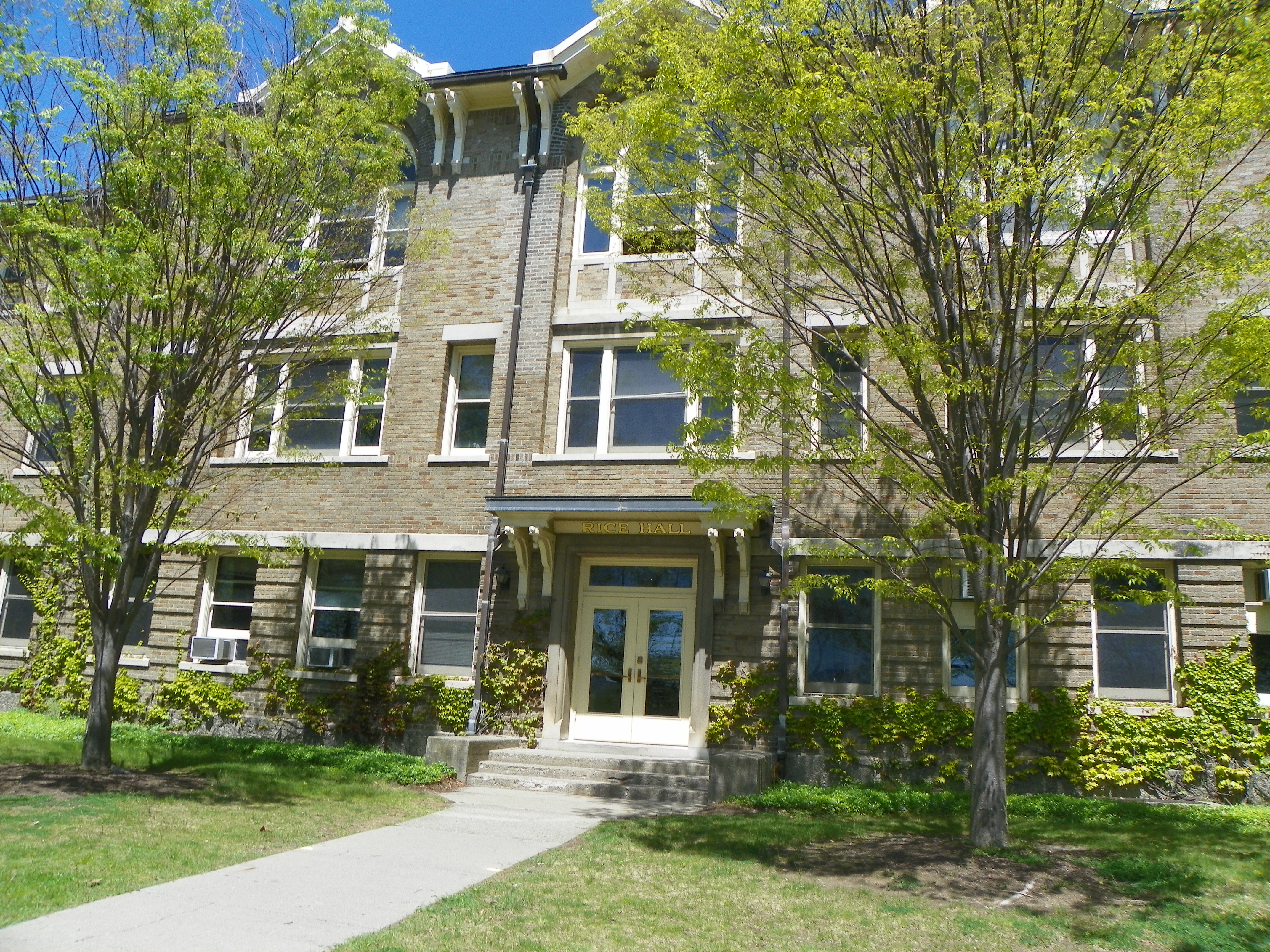
Not the most telling image, but Rice and Fernow Halls are currently in the middle of their renovations.

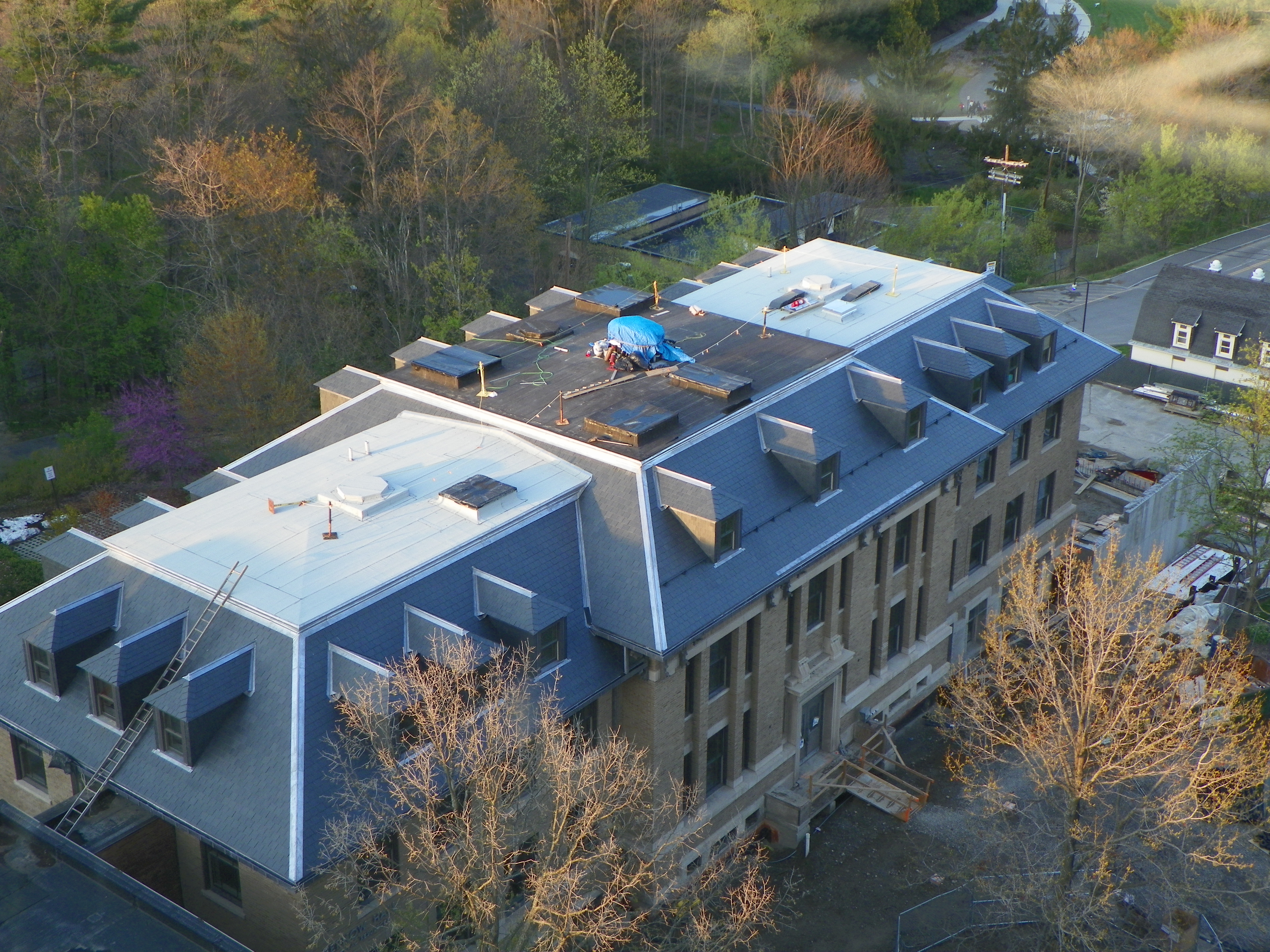
This Bradfield-based photo of Fernow shows the partially-subterranean classroom being built on the east side of the building.


Spring 2012 Construction Update

2 05 2012

I’m disappointed, and I’m not disappointed. I can’t be at Slope Day itself because of a morning meeting (and to seal my fate that day, I’m having new tires put on my car). On the bright side, I did get a chance last weekend to go to a Cornell alumni reception for my major, and the traffic, one could assume, was a lot better than it would be with thousands of young alumni driving back to the area. I took the downtime between alumni events as an opportunity to do some construction photo updating.

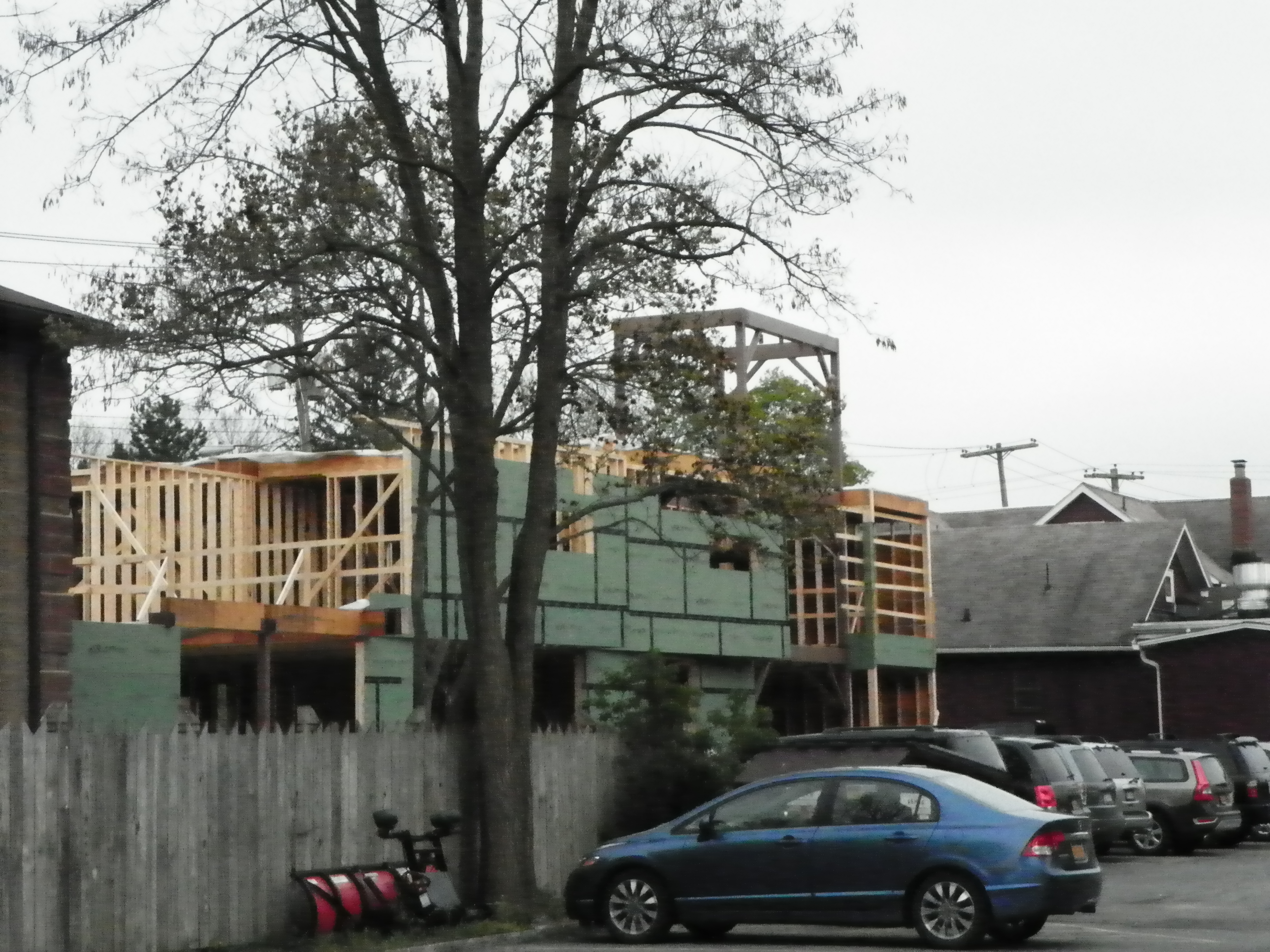
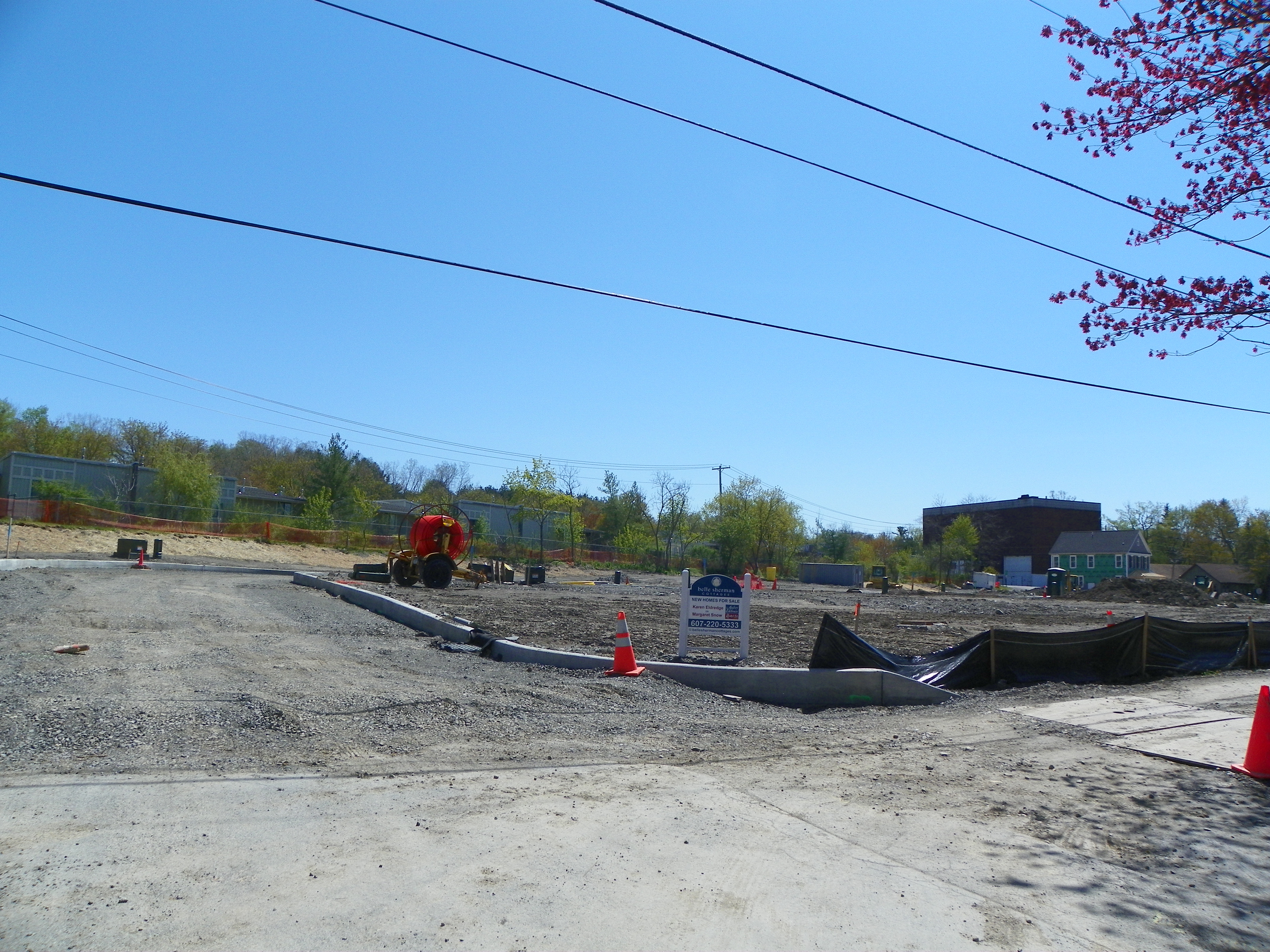
As nice as it would’ve been to report on some downtown construction, all the sites approved or of buildings “underway” appeared to be dormant from the outside – if they’ve started anything, it might be interior demolition, but there wasn’t any demolition equipment at Seneca Way or Breckinridge Place (which, as I have now discovered, is scheduled for May 15th); the latter had a tarp poster, shown above, but that was about it. As kinda expected, significant work has yet to start at the Holiday Inn, Hotel Ithaca and Cayuga Green II.

That being said, it’s not like there was no progress at all in the area. The Argos Inn is nearing completion of its renovation.

Comparably, construction in Collegetown has been rapid. Here, 309 Eddy is undergoing facade installation, and looks on track for an August completion date.

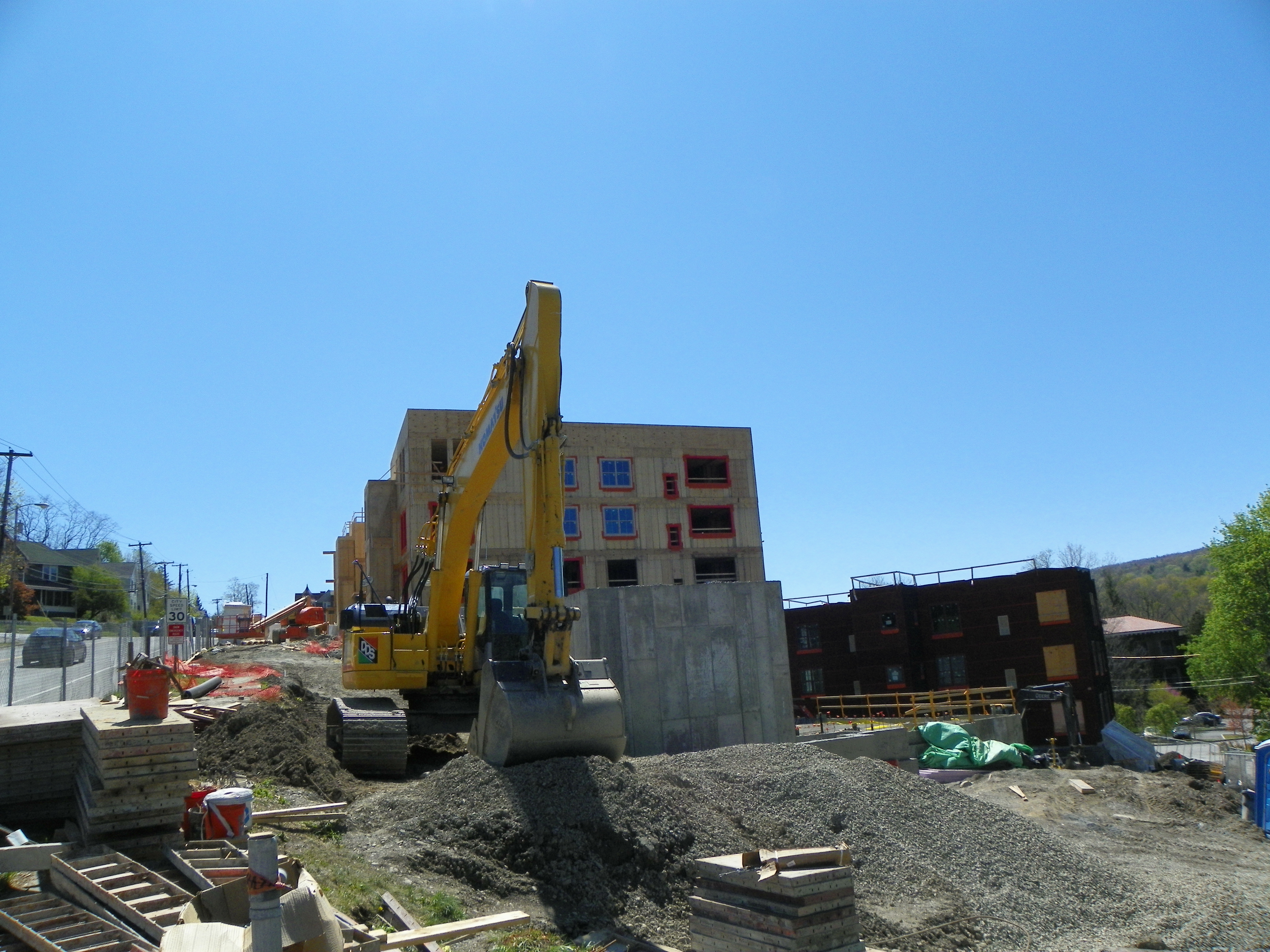
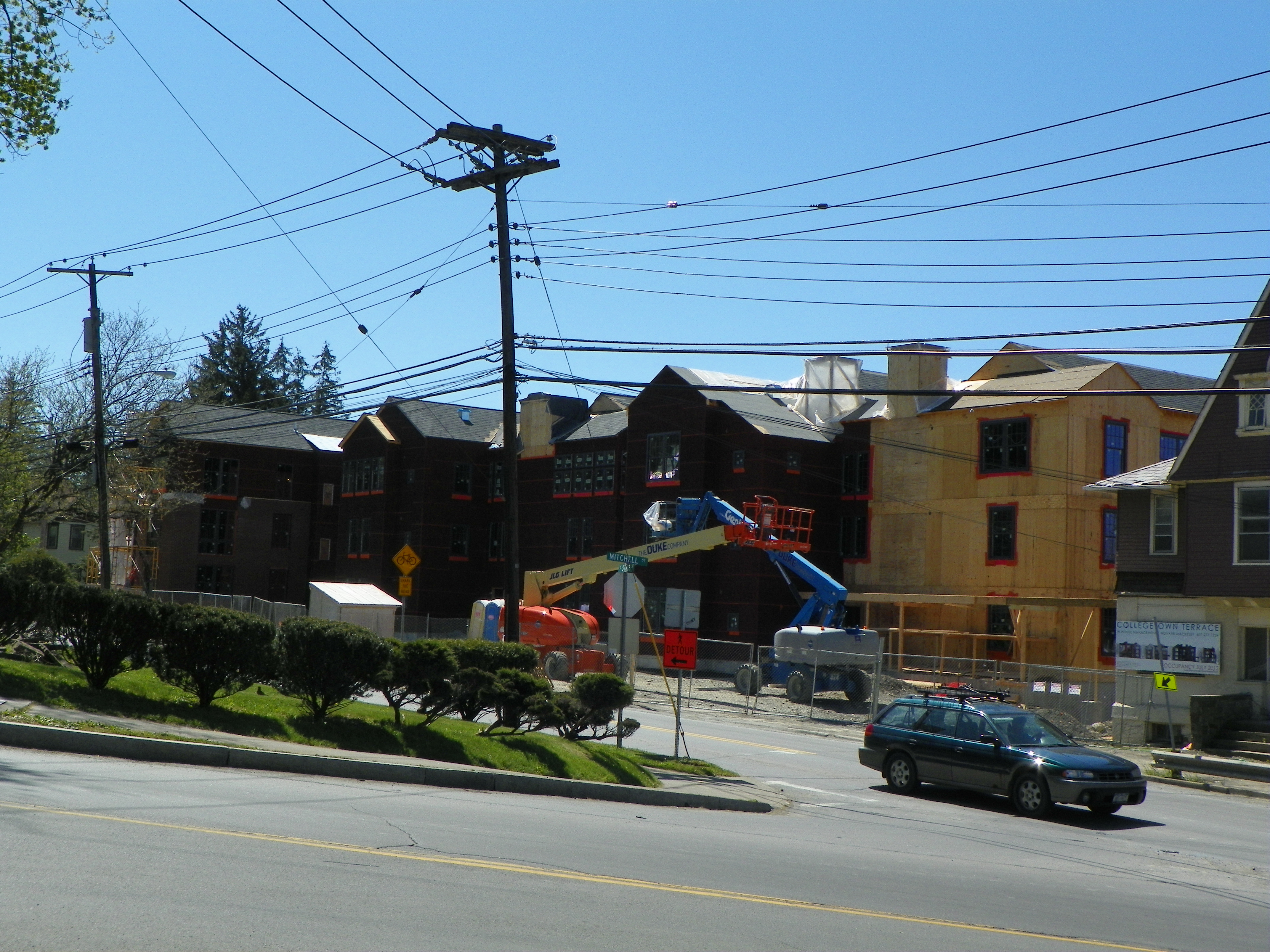
The progress at Collegetown Terrace has been nothing short of astounding. The following photos try to convey a sense of the size and scope of the construction, but I feel they fail to do so. By Ithaca standards, this project is enormous.

Definitely not a fan of the giant concrete pedestal.Here’s to hoping it gets landscaped into obscurity.

The Ithaca College Boathouse nears completion on Inlet Island.

So, this one I only came around by chance, as I was going out with old friends for dinner. Apart from them thinking I’m nuts for taking photo of a building under construction, I’d say this was a pleasant surprise. The building is Magnolia House, a 14-person women’s homeless shelter.

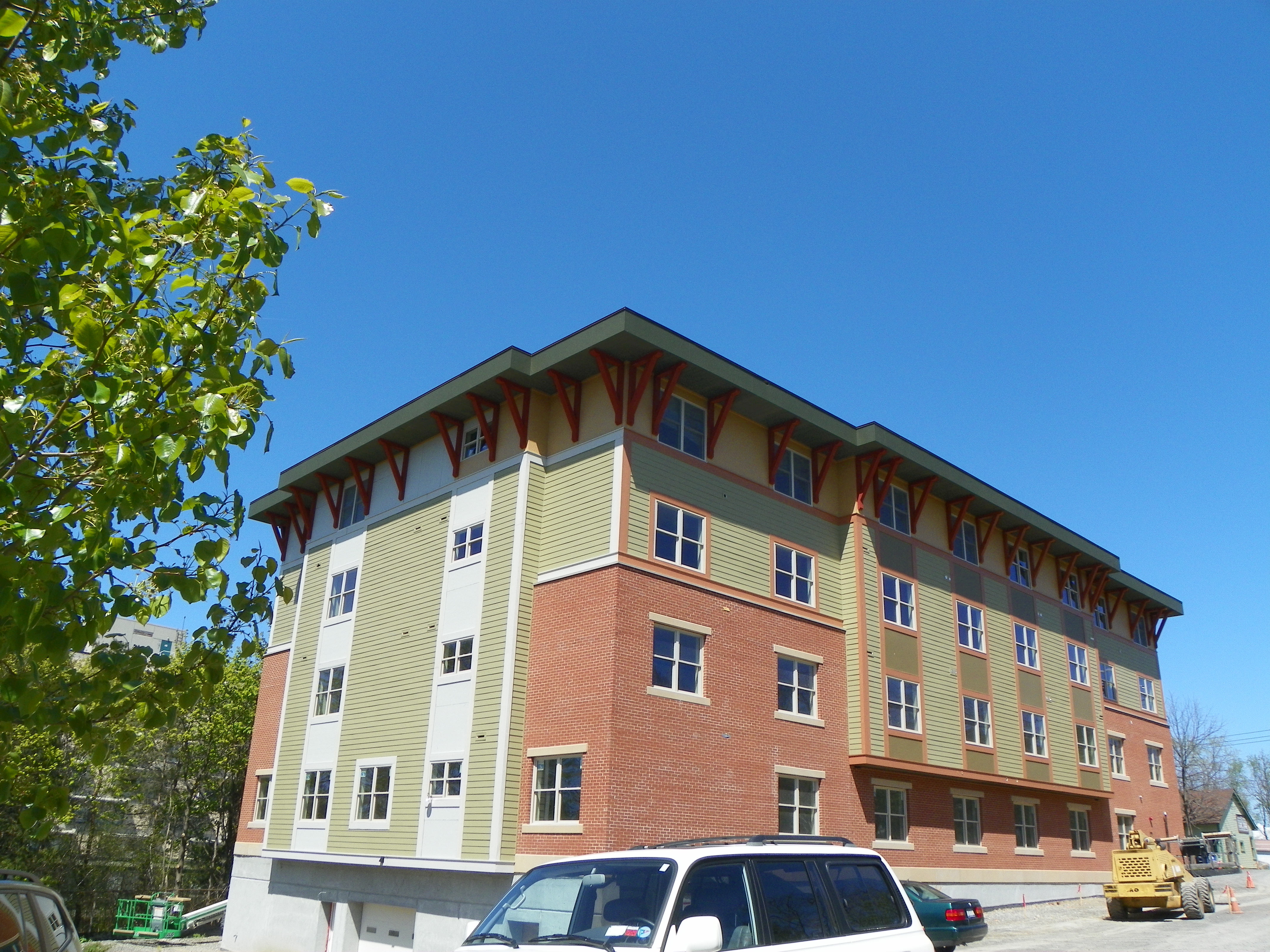
The Coal Yard Apartments Phase II is virtually complete. The 4-story building holds 25 apartments.

The Vine Street Cottages development continues, with the model unit currently the only building under construction. The project includes 19 houses and 10 townhomes.

Seeing as my computer is lagging substantially with the uploading of all these photos, I think I’ll cut myself some slack and upload the Cornell project photos in a later entry next week.


When The Mayor of Ithaca Stood Up To Cornell

23 04 2012

So, this entry is a little delayed because I was at a conference doing what scientists do best, which is trying to explain their research and justify the grants that pay for it. Since my research (and by extension, my paycheck) takes priority, things got a little pushed back with the blog updates.

Anyway, I made a reference in the previous entry to how Cornell is both a blessing and curse for Ithaca; the blessing being the attention, the jobs and the steady economy, the curse is that Cornell pays a pittance towards the real value of their property in the city (as in, 4.5% of the assessed value). This is covered by the PILOT (Payment In Lieu Of Taxes) agreement. But how that agreement originally came to be is much more interesting as the situation it stems from.

Turn the clocks back about eighteen years to 1994. At the time, the mayor of Ithaca was avowed socialist Ben Nichols, who was a retired professor of electrical engineering from Cornell (he had also completed most of his education at Cornell).  Perhaps that makes this story all the more interesting; a David vs. Goliath, if Goliath had been supporting David’s career for forty years. Ben Nichols was first elected in 1989, and then again in 1991 and 1993 (two-year terms; these were increased to four-year terms shortly before he lost his fourth run for mayor in 1995).

In late fall of 1994, Ben Nichols, recognizing the dire situation of Ithaca’s budget, demanded for Cornell to pay a higher share for its use of city fire services and police patrols. Specifically, he wanted Cornell to pay an annual fee of $2.5 million, which he thought was adequate to cover dorms, fraternity houses, and the campus store, as they were not purely academic buildings. At the time, Cornell paid about $143,000 (this started around 1967, as a way to cover fire services and a PILOT for the ICSD), and perhaps in politer terms, Cornell told him to take a hike. What followed was a battle with jobs and laws as weapons.

After the rebuff, Mayor Nichols decided to fight back by denying Cornell construction permits, using a normally-unenforced zoning rule regarding the amount of parking spaces needed for a facility – Cornell had about 1/10th what was required for an enterprise of its size, a gross deficit of just under 9,000 spaces. So, no construction could be undertaken, nor renovations, unless those parking spaces were built. Mayor Nichols said that he had many meetings and pleasant conversations with the university, but no results.

To quote:

“Most universities say that they legally are not required to do this, and so the position that we took is, `OK, if you stick to every legal right that you have, we’ll do the same,” Nichols said. “And things like building permits and zoning law, we will adhere to every fine line of the law.’ ”

Cornell, of course, fought back using the hundreds of construction workers and tradesmen who suddenly found themselves without work; that May, they protested in front of city hall, demanding a lift of the ban. Furthermore, Cornell said they would consider paying only after the permits were granted. After the protest, Mayor Nichols relented, saying that the lifting of the ban had nothing to do with the protests, and everything to do with the belief that a discussion on an appropriate payment plan would take place at a “much more accelerated pace“.

In the interest of epilogues, eventually a revised and compromised PILOT agreement was hammered out later that year, which increased Cornell’s commitment (albeit still meager compared to assessed value). this was revised to be tied to inflation (Consumer Price Index) in 2003, and increased outright to a minimum contribution of least $1 million annually.

A Cornell supporter might look down on the mayor of the city for being petulant, but I am personally impressed that a Cornellian/faculty member stood up against the metaphorical 800-pound gorilla. Even if there is hardly a snowball’s chance in Hades I’d ever support a socialist candidate.


News Tidbits 4/12/12: Ithaca Plots to Get Rid of its Lots

13 04 2012

Image

So, Ithaca has a lot of things going for it…and some things that aren’t. One of the unfortunate aspects of being a small city with a large university and a medium-sized college is that a lot of the local land is owned by said institutions, making it tax exempt. In fact, the proportion of tax exempt parcels in the city is right around 60.82 percent, 83.1 percent of which is owned by Cornell. So, this often results in a tight budget situation (Cornell, to its credit, has a Payment In Lieu Of Taxes (PILOT) agreement that pays the city $1.1 million annually, or about 4.5% of the tax value of its holdings; Ithaca College, at last check, pays jack squat). As one might imagine, this is a huge source of controversy, more than enough to merit discussion in a future entry. Anyway, this year, like many, Ithaca is looking at a deficit, to the tune of $3 million. To alleviate some of this burden, the city hopes to sell some of its unused property (at least $120,000 worth) to put it back on the tax roll and hope that someone redevelops it, for further benefit to the community and the city’s bottom line. This entry takes a look at the properties.

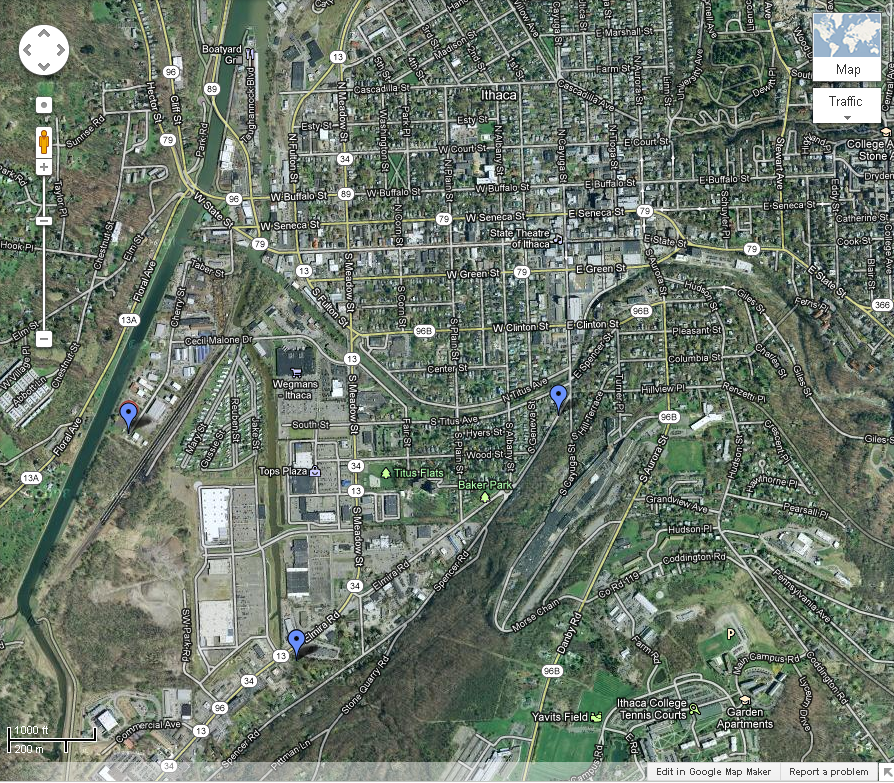
First off, the process on how to get rid of the properties has been, for lack of a better word, a clusterf**k. Two parcels have been cleared for sale, since there are no major environmental issues – 213-15 Spencer Street, and 321 Elmira Road.

Image

213-15 Spencer Street is a 0.47 acre property with a value of $124,000. The property is planned to be transferred to the Ithaca Urban Renewal Agency (IURA), which then sells the property for some value to an interested buyer, which in this case looks to be INHS, the local real estate development NPO. In sum, probably going to be developed for an INHS house.

321 Elmira Road is a 0.40 acre property with an assessed value of $189,000, probably because it’s in the middle of the rapidly developing big-box chain district in the southwestern part of the city. The sale of this property will be done via auction with sale to the highest bidder. At 0.40 acres (17,400 sq ft, not including zoning restrictions), don’t expect development here to me more than a small chain store of some variety…if anything at all, given drainage issues on the site.

Cherry Street parcel 100.-2-1.2 (i.e. 300 block). Is an 8.25 acre property in an industrial park with an assessed value of $825,000. This property is tied up in red tape due to some wetland on the south side of the property, but once those 2.25 acres have been subdivided off, the other 6 acres will be given to IURA, to be sold to an entity that will provide “commercial development”, if it gets redeveloped at all (some are calling for no sale due to the sensitive nature of the neighboring wetlands).

Given the tax rate, if all three were sold and assessed at current value (saying Cherry Street’s 6 acres are $600,000 for the sake of argument), you’d get about $32,000 in property tax, not to mention the one-time revenue of the sale itself. All in all, these sales aren’t really anything special, but it will be interesting to see what gets proposed for the Elmira Road and Cherry Street properties if the sales are ever completed.


This Old House

4 04 2012

In the years that I’ve written this blog, I have written many articles highlighting the history of the physical assets in the region, but as I’ve exhausted many of my sources, and my access to new sources has become more difficult post-graduation, I’ve tended to focus on new development in Ithaca and the colleges. I’m not saying that it’s necessarily a bad thing, but there are occasions where the acknowledgment of historical assets must be given its due.

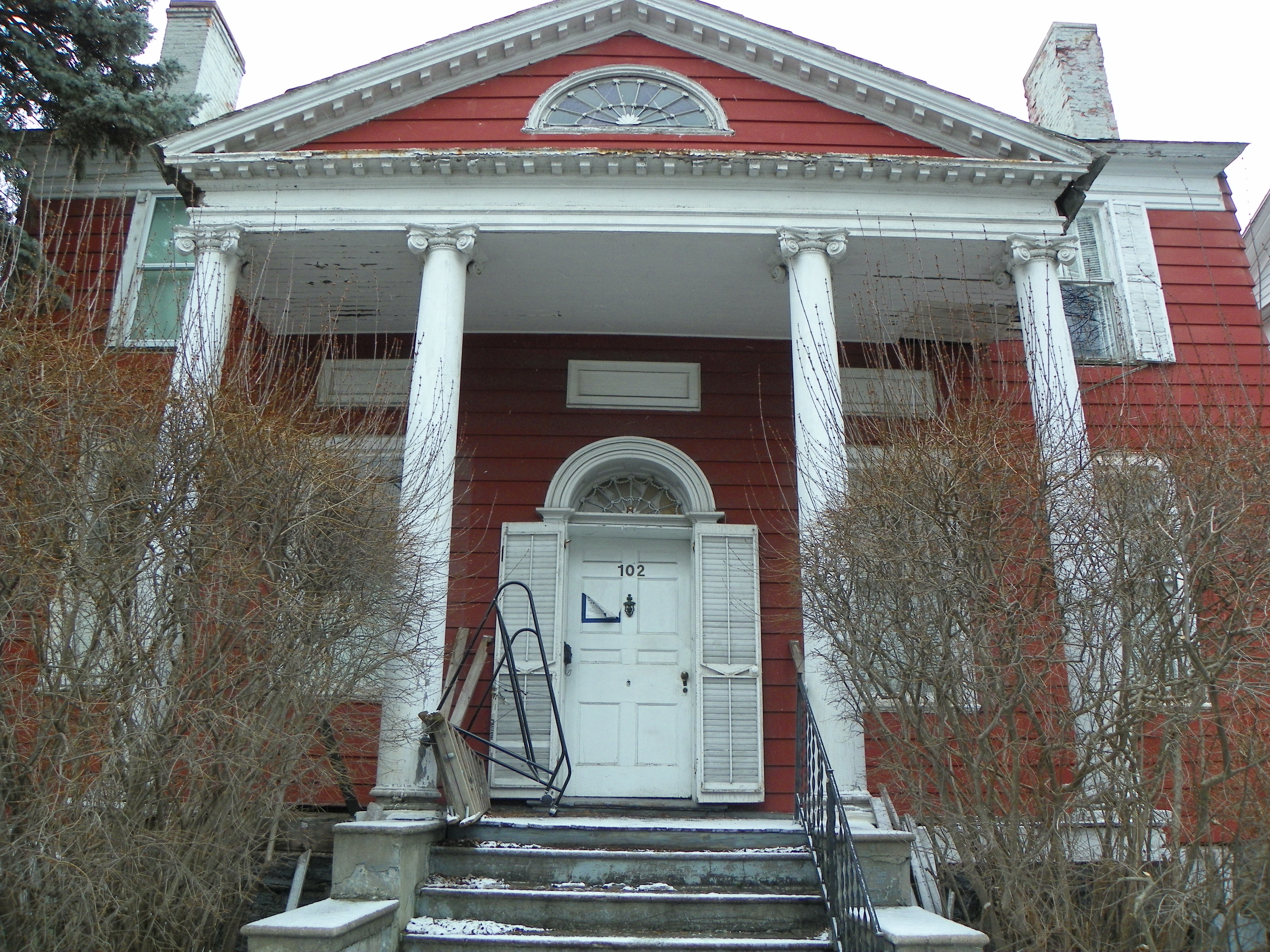
When I visited for my last photo tour back before New Year’s, I came across an aging Greek Revival house on the north end of downtown that was in a deplorable state. The red siding was tired, the Doric columns of the porch chipped with the paint worn off, the foundation crumbling and the windows damaged, with sills breaking off, and missing panes in some places. I resolved that before something happened to it (most likely the wrecking ball), I was determined to take a few photos and share the house before it becomes confined to the old yellowing photos of times long ago.

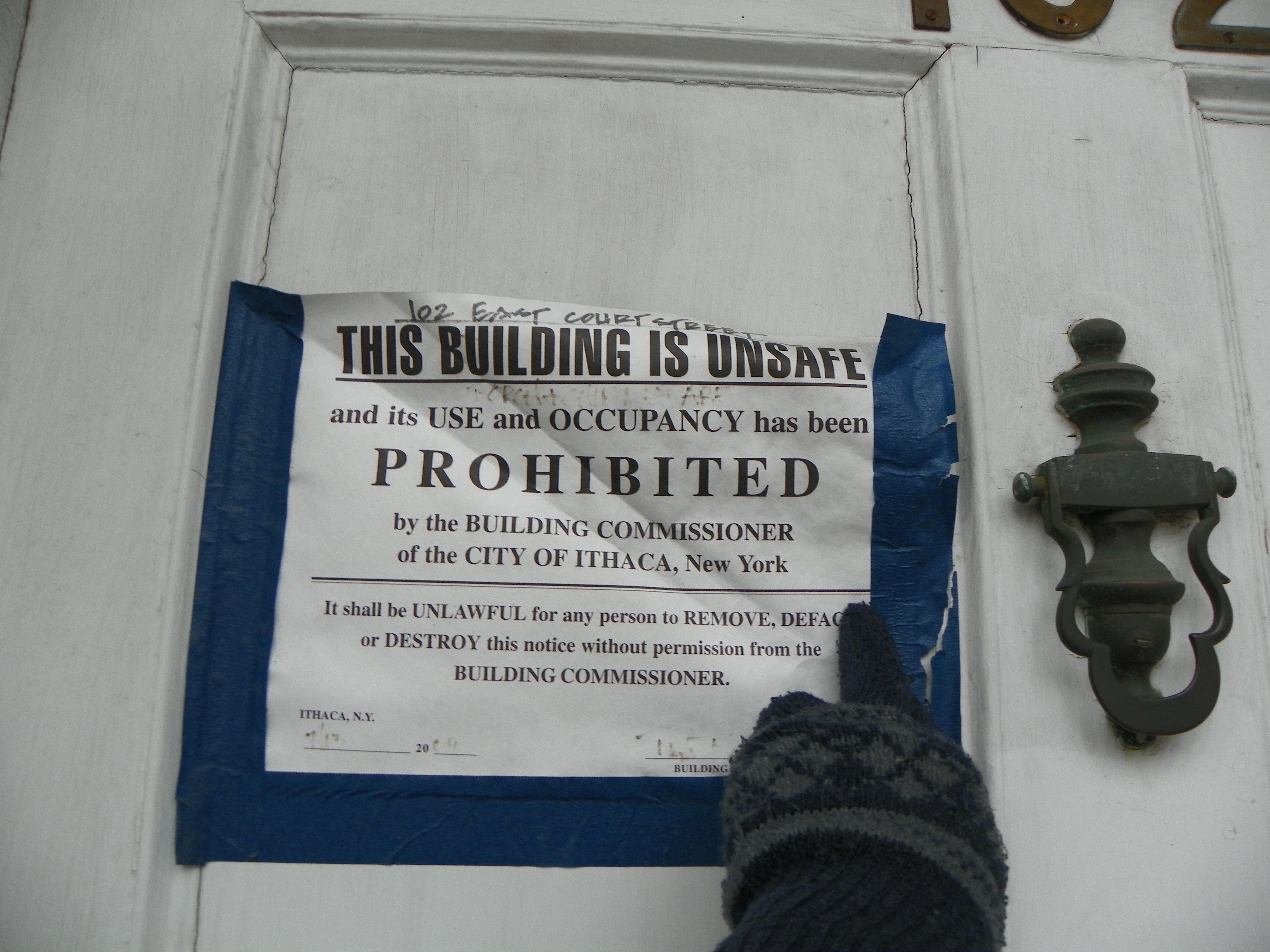
Officially, the house is 102 East Court Street. Historically, the house is the “Judd House“. The house was built in 1828 – the same year Ezra Cornell had arrived in the budding town of Ithaca, which has hardly twenty years old. An estimate establishes the house as having about 3,100 sq ft, 4 bedrooms and 1.5 bathrooms. Furthermore, the assessed value of the house is $190,000, although given its condition the land it sits on is probably worth more then the physical plant itself.

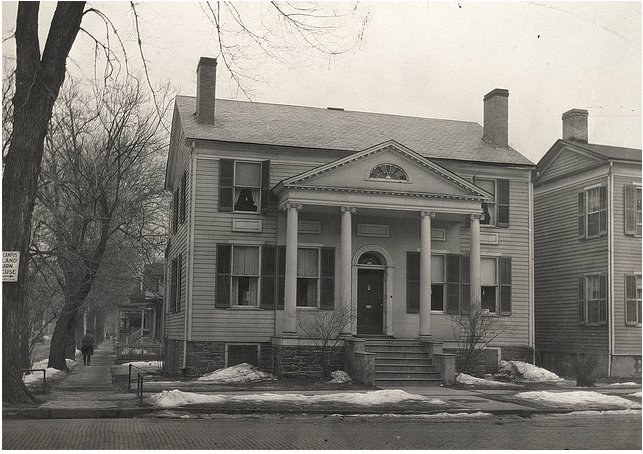
Property of Cornell University Library (A. D. White Collection)

A casual online search reveals a photo from Cornell’s A.D. White Collection, which shows the house in a much better state of affairs in what the vehicle to the left suggests is the 1920s. Furthering searching indicates the house was most likely designed by Ira Tillotson, the same architect for the Clinton House, which is a contemporary to this home. The once-stately residence was built for Capt. Charles Humphrey, a veteran of the War of 1812, on what was then the corner of Cayuga and Mill Street. The house and a long-removed barn were constructed for a cost of $2,105.56, which places the cost of construction likely somewhere in the upper six digits to $1 million-plus today. The name Judd House comes from long-time owners of the house in the 1900s, who apparently took great pains to keep the house in good shape. Sadly, that is not the case today.

In a perfect world, someone would come along and renovate and restore the venerable house to its former glory (perhaps INHS? A Cornell or IC faculty member with ambition)? It would be a shame to lose such an asset to Ithaca’s history. However, the decay is advanced and renovation would be expensive, or may not even be viable given the precarious state of the foundation, which is continually harmed by the freezes and thaws of the Ithacan year. As time creeps forward and winters take their toll, the long life of this home may be coming to end.


The Meaning of Means Restriction

28 03 2012

Image

Sometime in the fairly near future, Cornell will begin to install the safety precautions on the campus bridges. For the most part, I have avoided discussion about the proposed “means restrictions”. While technically an addition to the physical plant, they didn’t stand out enough for me to really discuss them in great detail. Which isn’t to say the reasoning behind their construction isn’t very important. Or that the process involved in their design went smoothly, since the architecture firm designing the add-ons became embroiled in internal conflicts.

But anyways, as they have run the planning board gauntlet at this point and their construction is imminent, I figured it wouldn’t hurt to share some of the proposed designs:

Image

Some of the bridges, like the Stewart Avenue and Thurston Avenue bridges over Fall Creek, have means restrictions that basically consist of some metal bars extending out from the supporting arches with some nets rigged on top. Others, such as the Suspension Bridge shown above, are a bit more creative. I used to walk over this bridge virtually every day, so seeing it cocooned doesn’t appeal to my aesthetic senses.

Image

For the most part, bridges that are considered iconic or to have iconic views are left with few visual obstructions above level. For instance, the Stewart Avenue bridge over Cascadilla Gorge. For those who enjoyed looking through the slats into the churning waters 100 feet below, it looks like those views will be only partially obstructed. I for one discovered the best way to find out if someone has a previously unmentioned bridge phobia is to attempt to have them walk over this bridge, and then when they freeze up halfway, walk them through as they clench their eyes shut and shuffle forward while you hold their hand. That was only time my mother ever visited Cornell outside of my graduation.

Looking through the full set of documents, it would appear the cost of the “means restrictions” comes out to just under $4.9 million, and all construction projects are expected to last two months. Will it bring an end to the gorge jumpings? If the distraught individual has to work harder to do it, perhaps. Falling 15 feet into a stainless steel mesh net probably isn’t going to do any favors to ones health, but at least it won’t kill them. Will it bring down the suicide rate? Debatable. Studies have shown it can decrease or go unchanged. But given the all the bad press that Cornell has received, and the ongoing $180 million lawsuit from a parent of one of the deceased, I suppose Cornell can’t afford to sit on its hands.


News Tidbits 3/16/2012: What Lies Ahead for Cook Street

16 03 2012

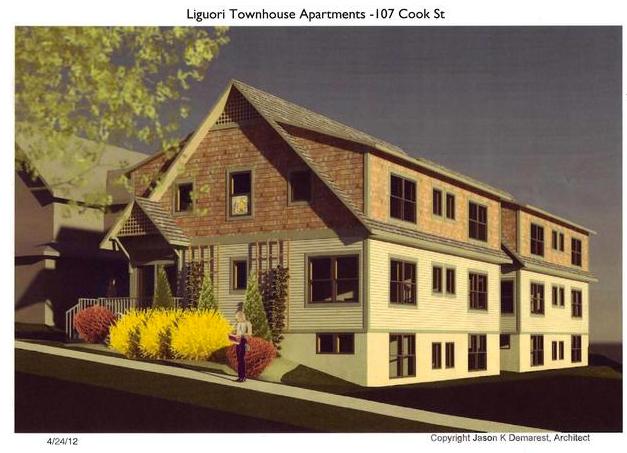
From Cornell Daily Sun. Image Updated 4/25/2012.

From the Ithaca City Planning Board:

Site Plan Review, Townhouse Apartments, 107 Cook St., Jason Demarest, Applicant for Owner, Dan Liguori. The applicant is proposing to construct two 2‐story townhouses with partially finished basement levels, four parking spaces, and asphalt‐paved access drive, walkways, and landscaping. The buildings are each 2,304 SF with 6,128 SF finished floor area, and contain two 3‐bedroom dwelling units, for a total of 4 new units with 12 new bedrooms. Proposed exterior finishes include brick, fiber cement board, cedar shakes, and stained wood lattice detailing. The project is in the R‐2b Zoning district. This is a Type I Action under the City of Ithaca Environmental Quality Review Ordinance and the State Environmental Quality Review Act (because the site is contiguous to a historic district) and is subject to environmental review.

If the address looks familiar, it should. The ca. 1912 house that stood on the property was engulfed in flames in May of last year, killing a Cornell student. One of the factors that was believed to have weighed in on the fire (which was accidental) was a confusing internal configuration due to subdivision of the original property from single-family into multiple tenants (there were eight units total, housing 13 students).

The first proposal for new development on the property was rejected for a couple of reasons – for not having a porch, and for having a mansard roof that wasn’t much of a mansard roof. The planning board has been fairly adamant that any new property on the street fits in with the current set of buildings. Well, that and fire safety. Old single-family houses that are subdivided are usually grandfathered from the sprinkler requirement as long as the alterations are strictly internal.  The new building would have to have a sprinkler system in order to be approved as a multi-tenant building.

So here we are on proposal two; townhouses, two units in each, 12 bedrooms, so two bedrooms less than the previous proposal and one less than the original building. Based off of description alone, with cedar shake and wood lattice detailing, it sounds like this structure is more in-line with the current style of buildings on Cook Street. I for one will be curious to see how it looks.

Arguably, from a purely financial standpoint, it would be a blunder to not redevelop the property – several new units close to Cornell would fetch a higher going price than neighboring houses, just for being newer and safer. Also, paying taxes on land as highly valued as Inner Collegetown’s probably dissuades the owner from sitting on the property. If one were planning on holding onto the parcel for the long-term, this could be a potentially lucrative setup for the small-scale owner/developer.

Taking a grander view, I wonder if projects like this could be a demonstration of what may lie ahead for some smaller Collegetown properties.  As large new developments open up (CTown Terrace, the Palms proposal, etc.), and assuming a static student population, the rates for older unrenovated buildings will go down and the owner’s revenue will take a hit. This will be further compounded on poorly-maintained properties; owners who suddenly have a building declared unfit by the city, and have to make costly repairs or rebuild (while being excoriated by local residents and officials).  Ii is possible that over the next decade or so, more projects that seek to build smaller but  student-specific properties will be proposed in the area. Quality of design and materials, of course, is up to the owner and requires the city’s approval. In summary, I see the redevelopment of 107 Cook as an illustration of what may lie ahead for Collegetown.


News Tidbits 3/6/12: From Orthodox Greek to Christian

7 03 2012

…and by Orthodox Greek, I mean your normal Cornell Greek house. But I enjoy a little bit of word play.

I had come across a piece in my Cornell feed about a Christian house at Cornell on The Knoll called “Chesterton House”. I thought it was unusual that I had never heard of it, but I wrote it off as being some low key residential organization, like many at Cornell are (for example, Telluride, the Co-Ops and a few of the professional fraternities). I noticed its location was 115 The Knoll, which failed to ring a bell – I thought it was a rowers’ house or home to some of the Big Red Band. I’ve been vaguely aware that there were five houses on the Knoll, so there was bound to be some non-Greek component.

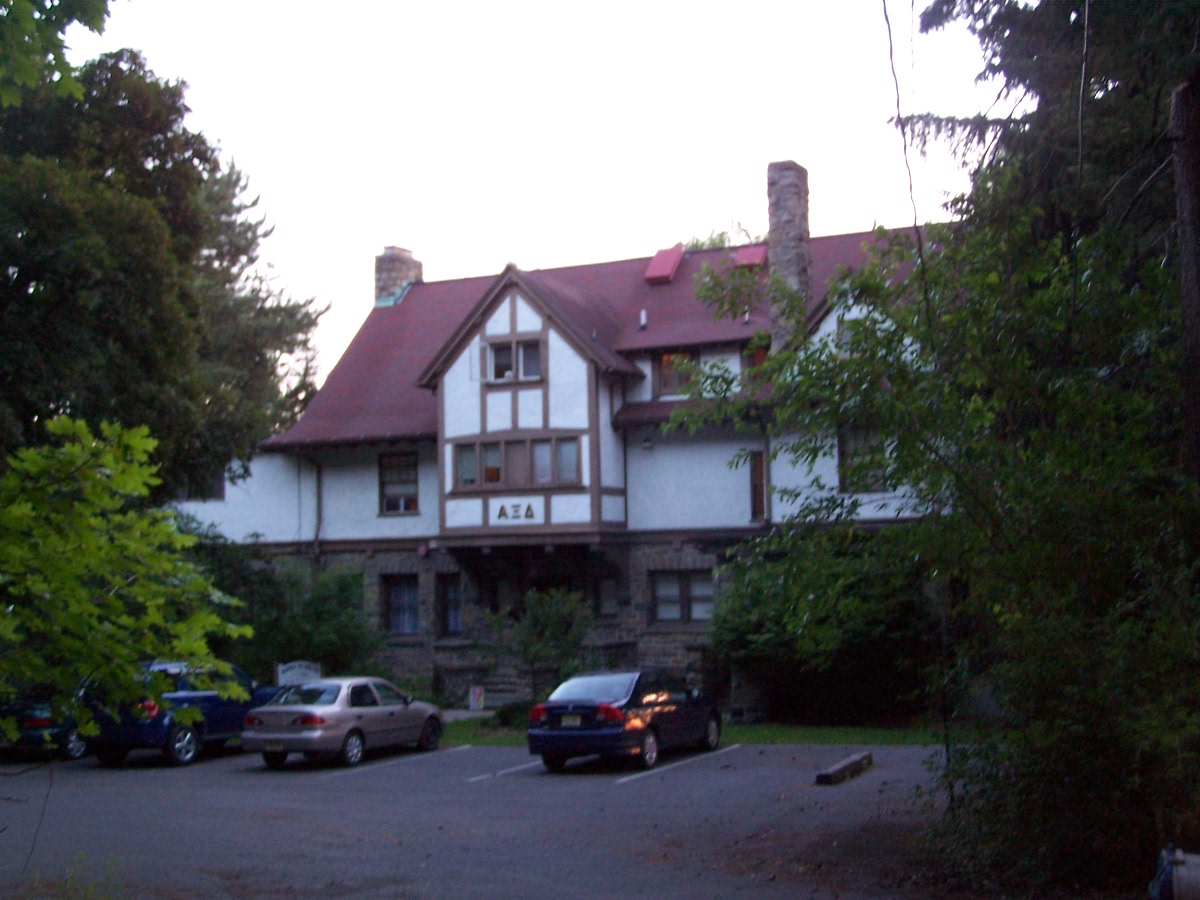
Then I glanced at their website – it’s Alpha Xi Delta’s old house. The one I profiled a couple years ago.

According to their website, the house is named for Gilbert Keith Chesterton, an early 20th century writer and “defender of the Christian faith”. The house holds 15 and is all-male, with the female equivalent being Sophia House at 315 Thurston, the house with a stucco finish and the extremely high-pitched tile roof. Apparently that house is being rented, so it is not under the organization’s possession. Now, the house on the Knoll is owned by Delta Phi Epsilon sorority, the last I checked (for the record, they’ve owned it since 1962). So I’m going to venture that this is a fairly recent endeavor, and a big step for an organization that was established only 12 years ago. Although a relatively young organization, it’s certainly garnering its share of alumni support.

I for one welcome them to establish themselves as one of the many opportunities afforded to students at Cornell. In my mind, I see it as something similar to the Jewish Living Center on West Campus. My one encouragement is that they adopt a policy similar to the Jewish Living Center and encourage freshmen to live with the other freshmen. I’ll willingly admit that as the brother of a fire-and-brimstone evangelist, I’ve been wary of religious groups in general (one tends to be that way when your sibling tells you you’re going to hell at every Thanksgiving dinner, for being a secular  Christian). But it’s also addressing a niche group at Cornell and offering more for some individual’s Cornell experience.


The Rejuvenation of Gannett Health Center

28 02 2012

A while back, I mentioned that the plan for Gannett Health Center was to tear down the current structure and replace it on the same parcel of land with a new 90,000-130,000 sq ft building. While the project is still in the pipeline, a massing proposal suggests one rough idea of the future Gannett:

From HOLT Architects’ portofolio section comes this little nugget of information:

“…the 2007 HOLT Master Plan developed a comprehensive building space program for a 119,000 gsf replacement facility. Concept designs tested the full program fit on the existing central campus site and including substantial new parking requirements. Massing models, single and multi-phase construction sequencing, project costs, and schedules were outlined to assist the university with strategic planning.”

In other words, its a proposal for a new building, but it’s just one possible solution that may or may not be pursued by the university for the new Gannett. The proposal offers up a 119,000 sq ft 5-story (+1 more floor for mechanicals) structure whose massing suggests a curved face to maintain context with Campus Road to its southwest.

A couple of things stand out in the massing concepts. One, the ground textures were not updated to reflect the massing proposal. Two, the revised Hollister Hall can be seen at right (southeast). I’d be inclined to say that that would be based off of the master plan, but the master plan also calls for a demolition of the Cornell Store and Day Hall, which are not included in the imagery. It could be a saved time and effort on behalf of the company, or it could mean that the plans for Hollister are a little more solid than the other master plan suggestions. Either idea is plausible.

Since Gannett is currently only 39,000 sq ft, a building three times larger would leave an indelible impression on the intersection of Campus and College, arguably one of the most prominent on campus. Whether Cornell goes with this massing model, the tiered building in the master plan, or another design (not a hypermodern box, I can hope) remains to be seen in the university’s long-term plans.