Cornell’s Geneva Campus

6 08 2011

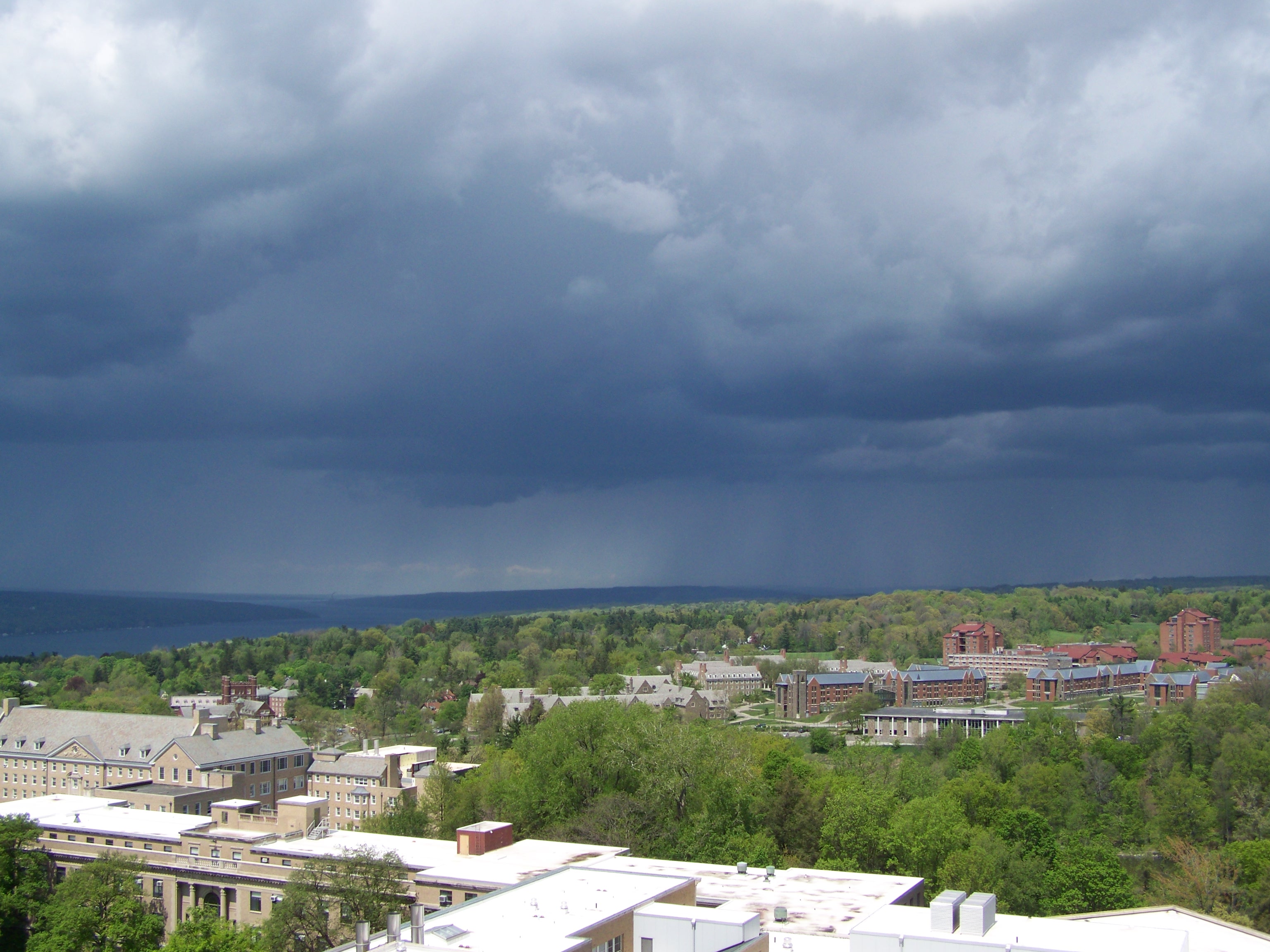
So, when we think of Cornell’s campus, most people think of Ithaca. Occasionally, someone also might mention the medical school down in New York City. But in the ag school, asking the right person, might result in an unexpected response – Geneva, New York. Geneva is a small city of about 13,000 located about 50 NNW of Ithaca, on the northern end of Seneca Lake, and although most folks could not care less about the community, it does have some importance for the university thanks to the presence of the Geneva Lab.

The formal name of the Geneva campus is the “New York State Agricultural Experiment Station“, often referred to as the Geneva Lab for short. It also started off as a rival to Cornell, at least when it came to research grants. The Geneva Lab was started in June 1880 thanks to state funding, although Cornell had sought the funding from the state (Bishop 223). The lab started off with a staff of seven scientists. After the Hatch Act provided further funding for agricultural experiment stations in 1887, the competition created between the two created tense relations throughout the turn of the century. To is credit, Cornell had their own experiment station since 1879, but it sorely lacked funding (keep in mind this was during a time when the ag school had an almighty 50 students, give or take a few each year). Thanks to increased state and federal funding with the second Morrill Act, state appropriations, and the Smith-Hughes Bill, money became easier to obtain, and relations had improved enough by WWI that Cornell professors routinely exchanged with researchers at Geneva for various ag-related projects (Bishop 440).
By 1923, the state authorized the Geneva research station to be placed under Cornell’s control. At this point, the two were basically working together on most everything and trying to avoid redundancies in administration, so by 1920 they were already informally affiliated. The Geneva station had a staff of 55 and hundreds of acres would benefit the ag school’s research, while taking advantage of Cornell connection, including the Cooperative Extension program.

More funding started coming Cornell and Geneva’s way with the Purnell Act in 1925, which led to Cornell-owned ag research facilities in the Hudson Valley and on Long Island, near Riverhead (Bishop 477).  The Geneva facility’s research shifted from helping farmers produce good crops, to making better products, such as making pears disease-resistant, new apple varieties, and working with Birdseye Foods on better quick-freezing techniques for vegetables. By 1940, the researchers at Geneva were made faculty in the ag college.lastly, animal-related research was shifted over to the Ithaca campus at the end of WWII, leaving the Geneva lab to strictly plant-based work.

Today, the Geneva campus comprises 20 buildings (623,000 sq ft), 870 acres, and about 300 faculty, staff and grad students. Most of the work done these days is the development of improved food safety and storage techniques and genetic enhancement of crops to create more productive or tolerant varieties. The four programs shared between the two campuses (which were merged as a post-recession cost-cutting measure last year) are Entomology, Food Science, Horticulture and Plant Pathology.

In summary, Cornell has a large presence in upstate New York, and it’s not just in Ithaca. So, maybe the proposal for the new school on Roosevelt Island in NYC isn’t all that unusual for Ezra’s research university.


News Tidbits 6/28/11: The Lawsuit Everybody Expected

28 06 2011

So, the Cornell Sun (on its bare bones summer staff) has noted that the mother of George Desdunes ’13, the SAE brother who died in a hazing event this past February, is suing the national fraternity for $25 million. I’m no expert on legal matters, but I do know this has significant precedent with cases from other universities, and SAE has been slapped with three wrongful death lawsuits  in just the past five years. Most of the wrongful death cases were settled out of court for undisclosed amounts, although at least one, a case against a University of Texas chapter of SAE, was awarded $16.2 million (I’m not positive, but I believe it’s the fraternity’s insurance company that pays out, but the fraternity then finds it that much more difficult and expensive to have adequate coverage for their liabilities, which is necessary for recognition on many campuses. So although the fraternity doesn’t pay out directly, their finances still detrimentally impacted).

Now, here’s my question: is she bring a lawful death lawsuit against Cornell?

In a previous entry, I described how a similar incident had occurred at M.I.T. back in the late 1990s with the death of a pledge at their FIJI chapter. In that case, the Kreuger family held M.I.T. responsible for a lack of supervision of the fraternity that allowed the death to occur. Although a formal lawsuit against the school was never filed, MIT did pay out $6 million to the family, of which $1.25 million went to a memorial scholarship. In hazing-wrongful death lawsuits, it seems, at a casual glance, that while it’s common for the fraternities local chapters and national organizations to be sued, it unusual for the school to be sued, perhaps because its much more difficult to build a case. But, I would not hold out against the possibility that if the lawyers are zealous enough, they can use the lack of supervision against Cornell and receive a similar settlement.  For one thing, SAE lived in a university-owned property and the incident allegedly took place in the Townhouses on North Campus.

So, the obvious take-away from this news is that SAE is screwed and totally responsible for their members’ actions. But in the bigger picture, one does wonder if the plaintiffs are going to try and go after Cornell as well.


Being An Alumni Ambassador

8 06 2011

Since joining the ranks of sketchy alumni, I decided a while back that it wouldn’t hurt to do some volunteering through the Alumni Ambassadors program. One of the first things I discovered was that  meeting with prospective students poses an interesting juxtaposition. On my end (as well as any other alum), it’s a “been there, done that” frame of mind. For the prospective student, everything is new, and sometimes they have questions that we alumni assume everyone else knows the answer already, but it actually might not be so obvious.

I met with several students during the late winter in four different school districts near where I live. I was assigned students who were interested in majors similar to mine, and set up the meetings for either their local high school or a coffee shop nearby (and I don’t even like coffee, I just wanted a quiet and suitable location). Some took a more laid back approach, while others were dressed up as if they were a possible hire and I was the interviewer for a Fortune 500 company. For those over-prepared kids, it seemed that there was no way they were going to believe that I wasn’t there to reject them from Cornell. Even if I said I wasn’t there to judge their application. Repeatedly.

On one of my meetings, the student was running about twenty minutes late. Giving the benefit of the doubt, I decided to look around outside before I left. He had driven into another car while trying to pull into a diagonal parking space.

On another occasion, I was meeting with a student and I asked what interested her about CALS. Without missing a beat, she replied, “it’s easier to get into”. I think my jaw might’ve dropped a little bit before I stumbled out an “I’m sorry, what?” I think at that point, she must’ve realized she hit a sour note, and she gave a very measured reply of “it’s easier to get into the various research opportunities they have to offer.” Still soaking in the previous comment, I took a deep breath, and said that “there are indeed plenty of research opportunities. But for the record, the difference between acceptance rates is slight, and the average SAT scores only differ by a few points”. Which I learned from Metaezra. In retrospect, she probably didn’t know that that wasn’t the best response, and maybe I hold some resentment about those kinds of comments, so there was a real disconnect in that exchange.

One of the other awkward discussions that happened in over half of the meetings was about the party scene and Greek Life. I would ask if they had any questions about student life, and some chose to ask what the parties are like. One even asked about the availability of drugs. When I did the contact meetings, I always tried to answer in ways that I wouldn’t mind being quoted on. The last thing I wanted to do was make an ass of myself. So I gave the overly P.C. response of “Cornell’s size gives a wide variety of options for establishing a social environment. Greek Life is there for those who are interested.” The drug question was a bit uncomfortable; I gave an awkward, formal reply along the lines of “Cornell is large university, and you can make your own assumptions. But I’m disinclined to discuss it.” It was uncomfortable because it definitely straddles the perceived line of what is appropriate for discussion, but I still wanted to give a halfway-decent answer their question.

When I received the email notifying me of the final status of the students I met with, I was…uh, underwhelmed. All but one were rejected. That one was a guaranteed transfer. My office-mates started jokingly calling me the “Kiss of Death”. It was actually a little disheartening because some of those high schoolers were really quite accomplished and left me with a very good impression. But, after checking with a few other friends of mine who did the Alumni Ambassadors volunteering, I guess I was running par for the course. I never realized the kinds of students Cornell rejected, which was something that I think I had taken for granted and just written off while I was in Ithaca.

It had its ups and downs. I liked talking about Cornell (as if this blog wasn’t a clue). I got some satisfaction out of it, and I was able to do a little volunteering outside my grad school bubble. I think I’ll keep doing it, with some hope that maybe one of the future students I meet with will be accepted outright next spring.


News Tidbits 5/6/2011: Some of Us Can’t Be At Slope Day

6 05 2011

Oh graduate finals. You take way the afternoon of one of the biggest social days of my year. Well, I’ve studied a fair amount, and since final #1 is at 3 PM, I figured I would take a brief break to tackle a few of the many news pieces to have been released lately, before they become really old news.

1. SAE’s pledge class joining TKE. Do I think this is wrong? On many levels, yes. Playing Devil’s Advocate here, I can see why they might’ve pursued this idea. It’s no great secret that TKE’s numbers have been declining recently, and the fresh blood of a sizable class adopted from a fraternity with a strong social reputation could definitely help in some respects. In a historical sense, there’s nothing particularly like it.  When Phi Sigma Kappa and Phi Sigma Epsilon merged in the mid-1980s, even though both had houses at Cornell, there’s no indication the bortherhoods merged; it seems Phi Sigma Epsilon simply closed. There are some cases of entire fraternities merging, such as Zodiac and ATO in the 1930s. In all my fact-checking, I found only one case; pledges of Theta Chi, which was booted off Cornell’s campus in 1999, asked if they could join Alpha Epsilon Pi, and the offer was accepted. AEPi partially operated out of the Theta Chi house until 2001 (first they operated both their house at 140 Thurston and the house at 40 Ridgewood, then just Ridgewood), when it became too expensive and they reverted back to just their Thurston property.

On a related note, four of the former SAE pledges (not affiliated with the TKE group) were indicted on charges related to the death of George Desdunes ’13.

If I were an alum of TKE (which I’m not, thankfully) I’d be livid. It sets a horrible example, that even though the members of your pledge class had an indirect role in someone’s death, that you’re high enough on the social ladder that another house will come to your “rescue”. For all practical purposes, the size of this group, and their former association, will likely cause Tau Kappa Epsilon to become a hybridized version of Sigma Alpha Epsilon. Arguably, that might help the house’s perceived social standing, and it provides some measure of stability, but at great expense to the house’s integrity, and it speaks volumes on how much the SAE group actually cared about their own fraternal association. It just seems ethically wrong to me.

2. Then again, being ethically wrong seems to be a running theme of the semester. I have to say, having an IFC officer mock MGLC’s step show will sexual gestures towards a large audience that included Ithaca high and middle school students, and then voting to not remove him until the associate dean “strongly advises” it and he tenders his own resignation…like really? Is the system trying to get dismantled, because honestly I can’t tell at this point.

3. last on the pieces of news to tackle, the fatal fire at 107 Cook Street. We all talk about how some of the houses in Collegetown are unsafe, but never would anyone want a tragic event such as this to happen. Argue about zoning and landlords and proper maintenance all you want, but that doesn’t change the fact that someone has lost their life just as the semester was wrapping up. As an aside, I actually knew two guys from my major who lived in this exact apartment last year, and by their accounts it wasn’t in terrible shape. But right now, what matters is that someone is gone all too soon. As a final aside, the last fatal apartment fire was on Heights Court near North Campus back in May 2006. That house was renovated, and at last check, was up for sale.

P.S. I have a backlog of entries to write; once my schedule clears up, activity on this blog should pick up.


We’re Not in Kansas…

28 04 2011

In my daily activity, I have to keep in mind two things – I study meteorology, and I can get all the sleep I want when I die. Yesterday was an interesting day, for reasons most folks have probably heard already. Apart from Mother Nature deciding that the Deep South had to be devastated, there was a tornado watch extended into upstate New York. A watch means that the possibility is there for a tornadic cell to develop. Well, when things finally began to be a little more settled last night,
I was working in my office, and my officemate turns to me and says,

“B—, Ithaca was just placed under a tornado warning. You might want to check it out.”

So I did. And over Schuyler County, here’s a cell with a plausible tornado signature (a hook) on radar. The cell was tracking northeast and Ithaca was directly in the warning path.

At that moment, I decided to  make a few phone calls. It ended up being a long night (as previously stated, I’ll get all the sleep I want someday), as three cells bore down on the area, one of which is showing in its prelim reports that a tornado likely touched down in Danby. From NWS BGM (Binghamton):

0540 1 NE DANBY TOMPKINS NY 4236 7647 POSSIBLE TORNADO … 4 TO 5 HOMES WITH MAJOR STRUCTURAL DAMAGE (BGM)

So, an unusual and rather scary night for the folks back in Tompkins County. Digging into some data, I decided to check the last time a tornado was confirmed within the county.

From the Tornado Project:

AUG 25, 1961    005   1800     0      0    F0    109
JUN 15, 1964    001   1530     0      0    F1    109
JUN 20, 1969    004   0745     0      0    F1    109
JUN 18, 1977    002   1500     0      0    F1    109
AUG 28, 1988    005   1342     0      0    F1    109
AUG 21, 1994    008   0715     0      0    F0    109

Although the project suggests otherwise, conflicting reports suggest a fatality with the August 28, 1988 tornado. That tornado, an F-1 (today we use EF-1, as the Fujita scale as been refined to become the “Enhanced Fujita” scale), may have killed one person. Further analysis suggests this tornado tracked from Schuyler County into Tompkins County, and the fatality was in Schuyler, which might explain the disparity.  I don’t know the ratio of warnings to confirmed touchdowns, but Brotzge et al. (2009) suggest only 1 in 4 warnings result in confirmed tornadoes. EDIT: Actually, that link won’t work for most people unless you have American Meteorological Society connections.

So, events like this are rare indeed. My only regret is that I should’ve saved the radar imau ge from last night. Actually, I have two regrets. My second is that I have a friend who photographed the King Ferry tornado a few years ago from Space Science, and he sent me a copy of the photo back in 2007, which I lost at some point. If I feel really proactive I might email him to ask for another copy.


An Exercise in Mapping

24 04 2011

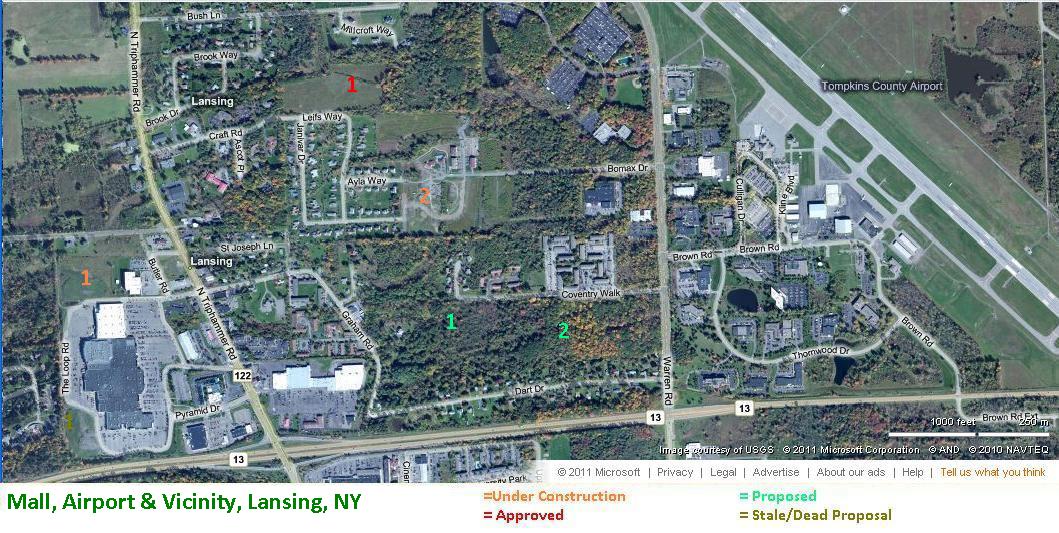
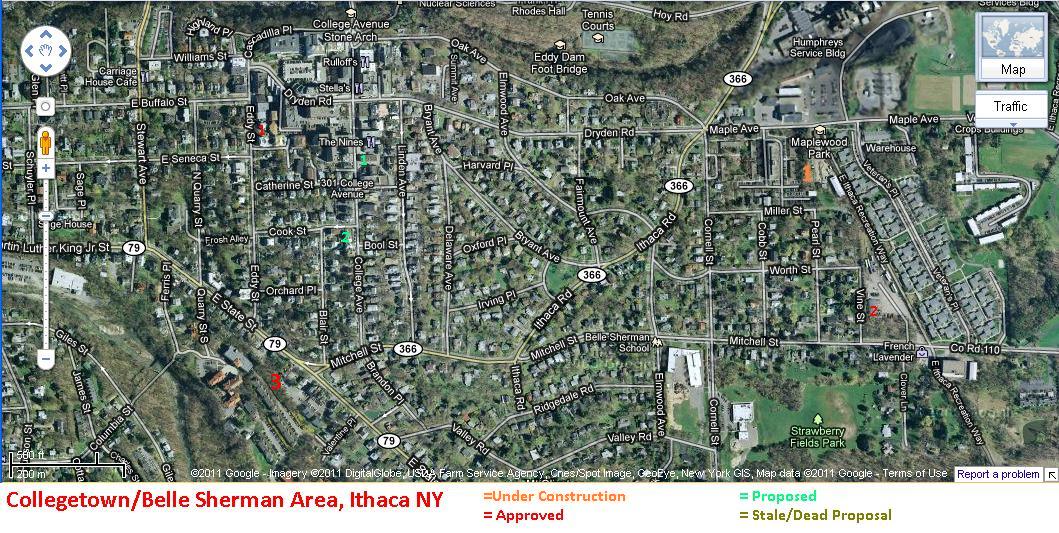
So, I figured that since I write about Cornell, IC and Ithaca-area construction projects as much as I do, it might be nice to include some form of a map. Depending on time and motivation, I might get around to putting ones together for South Hill and Downtown.

So, Cornell Campus, used here primarily as a test bed (click the image to expand its size).

Under Construction:

1 – Milstein Hall 2- Johnson Art Museum addition 3- Human Ecology Building 4- Stocking Hall Addition

Approved:

1- Wilson Lab / Synchotron Expansion (CU ERL Project)

Proposed:

1- Gates Hall

Stale Proposals (i.e. been around a while, little notable progress in the past several months-plus)

1- Goldwin Smith Hall Addition 2- Gannett Health Center Addition 3- Holley Center (Soil Lab) Expansion (most likely dead, given federal budget cuts).

Heading south into Collegetown –

Under Construction

1- Coal Yard Apartments Phase II – A 4-story, 25-unit building off of Maple Avenue.

Approved:

1 – 309 Eddy Street (5 stories, 41 units) 2- Vine Street Cottages (19 house, 10 townhomes) 3- Collegetown Terrace (several buildings, 2-6 stories, 589 units)

Proposed:

1- 307 College Avenue (5 stories, 60 units), Snaith House addition (12 bedrooms)

Mall, Airport and Vicinity –

Under Construction:

1- BJ’s wholesale Club (82,000 sq ft) and 12 senior living units 2- Heights of Lansing (~17/80 units complete).

Approved:

1- Millcroft Housing Development (~19 lots in phase II).

Proposed:

1- Lansing Reserve Project (65 units) 2-  NRP Group Project (80 units)

Stale Proposal

1- Behind the mall, a mix of additional shops and 40 apartments, in a lifestyle-center setup, were proposed about three years ago. The recession may have killed the project; at the very least, it’s been shelved.

***

This isn’t to say there aren’t plenty of other projects in the area, I just wanted to experiment with presenting local projects in a different, more visual format.


News Tidbits 4/18/11: Fraternity Seeks Recolonization in Turbulent Times

18 04 2011

Image property of Alpha Phi Delta

Seems a second fraternity is seeking to reestablish itself on Cornell’s campus this year.  According to the Daily Sun, an interest group has been preliminarily approved for recognition of the recolonization of the Alpha Phi Delta fraternity (in other words, the first step to recognition has been taken). Unlike Phi Kappa Sigma, this interest group has taken the route of forming a group first and then seeking the recognition of a national (which is the way it’s traditionally done with fraternities), rather than the national coming in and seeking to revive or start a chapter (more common for sororities, but an increasingly appealing option for large fraternal orgs).

Alpha Phi Delta has existed previously at Cornell’s campus. It was a historically Italian-American fraternity founded at Syracuse in 1911, and still draws most of its chapter membership from colleges in the Northeast. The Cornell chapter (Mu) was founded in 1922 and closed in 1968, three years after the fraternity opened itself up to membership for all men(and not just ones of Italian heritage). From old Cornellian yearbooks, it can be determined that they stayed with one house during their time at Cornell, but I’m having one hell of a time trying to determine its location – I can’t find it anywhere nearby on the 1928 and 1954 Cornell maps, which suggests to me it might have been far from campus.

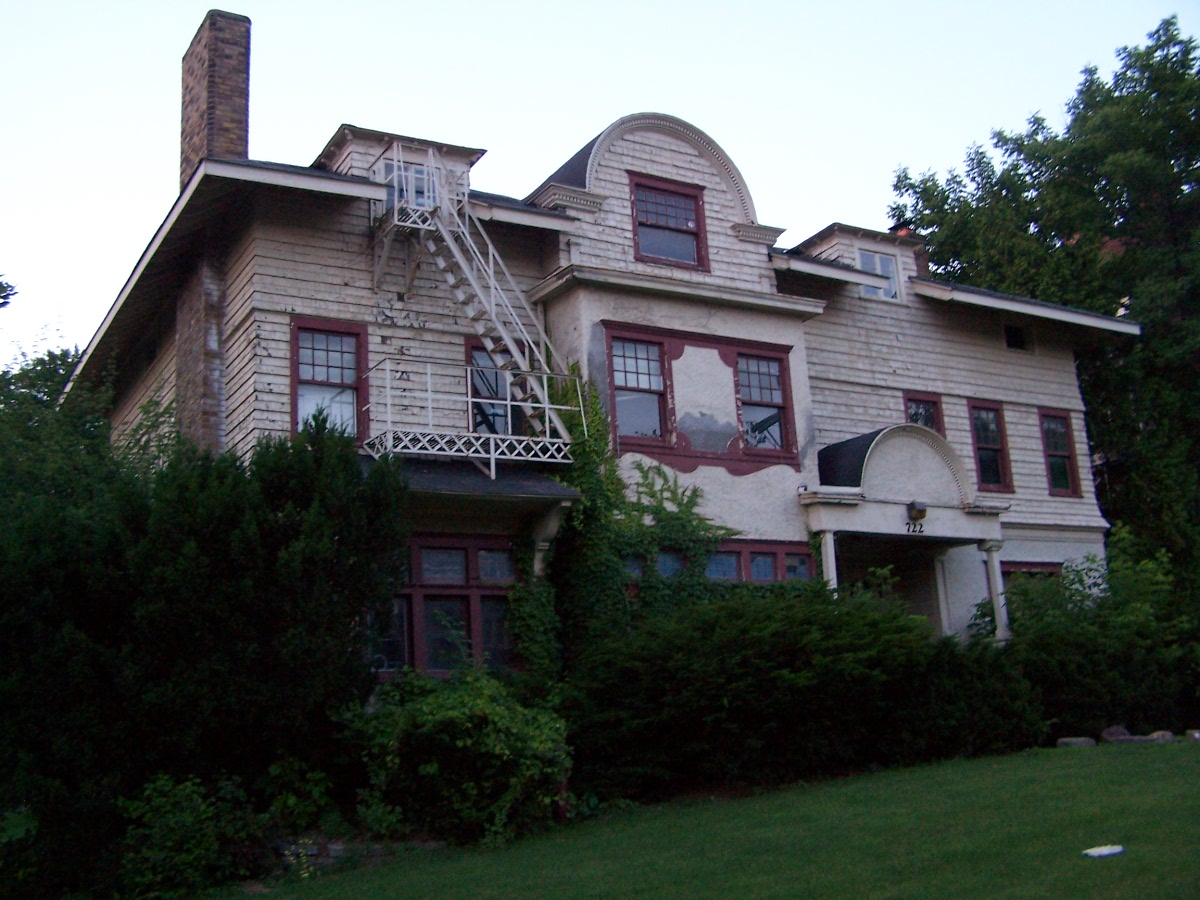
Anyways, given the closure of Theta Xi and the recent fallout due to the SAE tragedy, I’m unsure as to how successful they will be. But, I wish them the best of luck. Oh, and if they’re still looking for a house, it would make my heart jump if they could move into an unused property that could use some revitalizing, like 722 University Avenue.


Springtime Construction Update

12 04 2011

Long story short, for the first time since about New Year’s, I was able to visit Ithaca this past weekend. Went for a national initiation for the fraternal alma mater and stayed for the day.

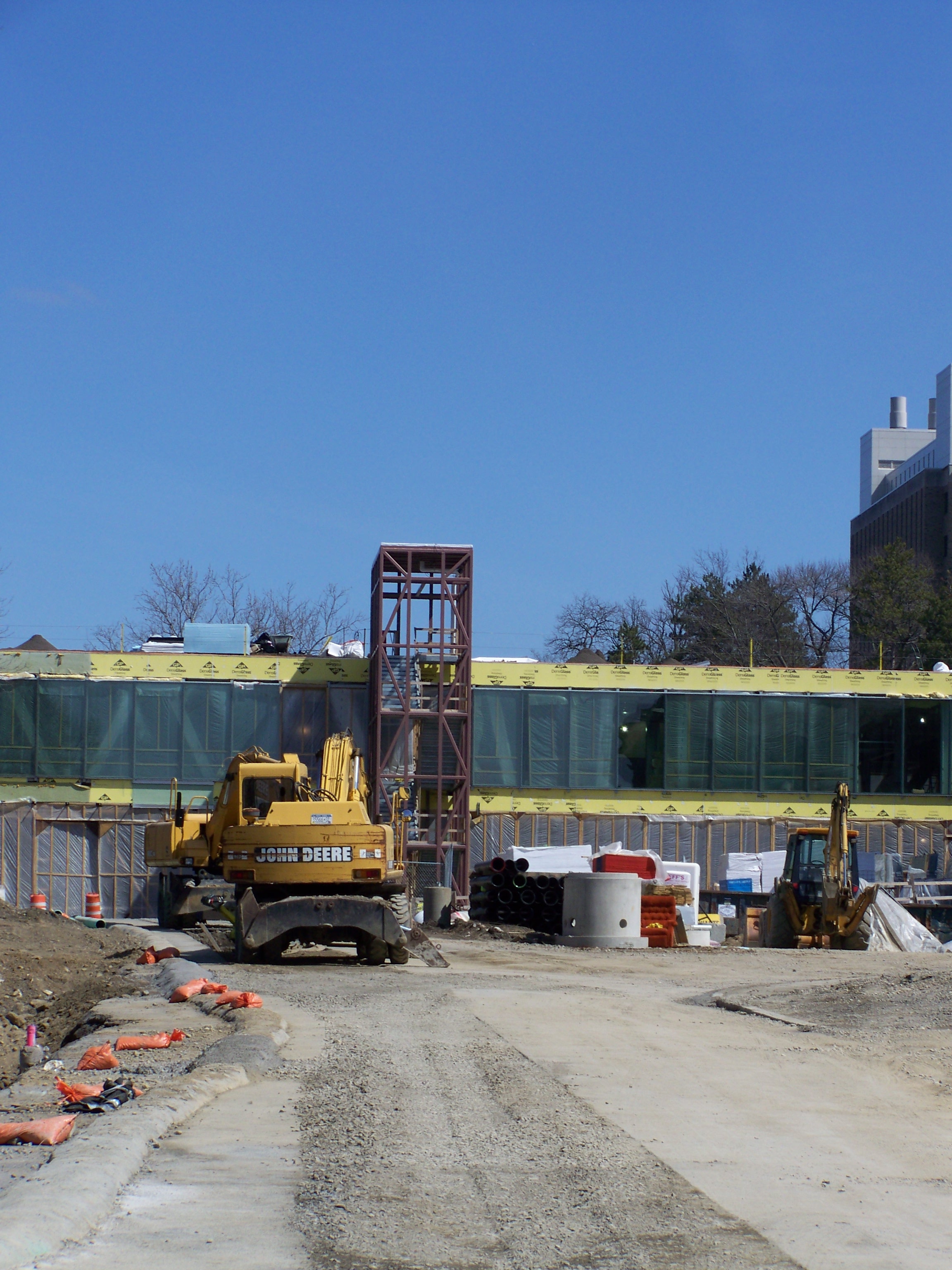
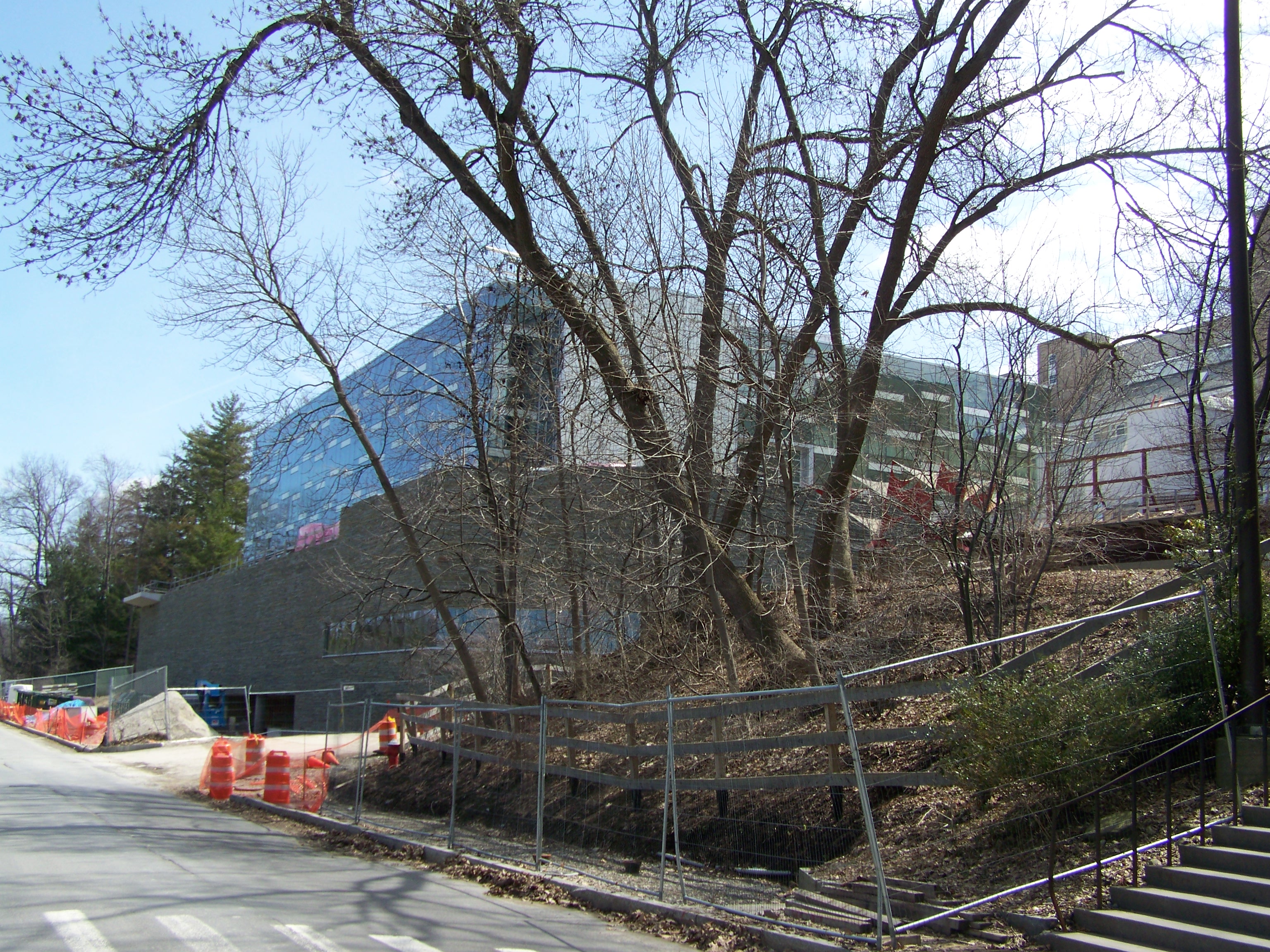
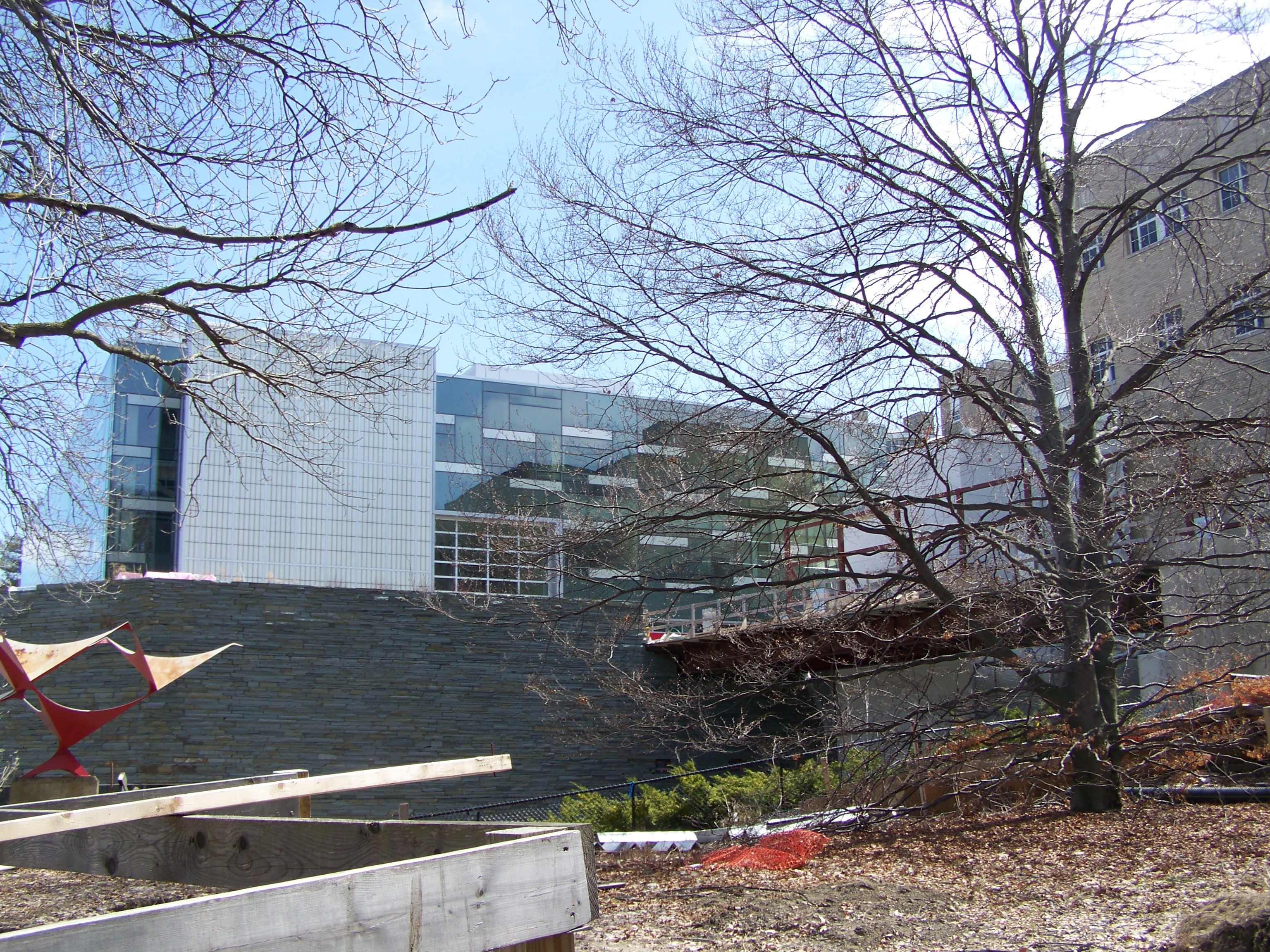
Milstein Hall continues towards its late 2011 completion date.

The new Human Ecology Building nears completion.

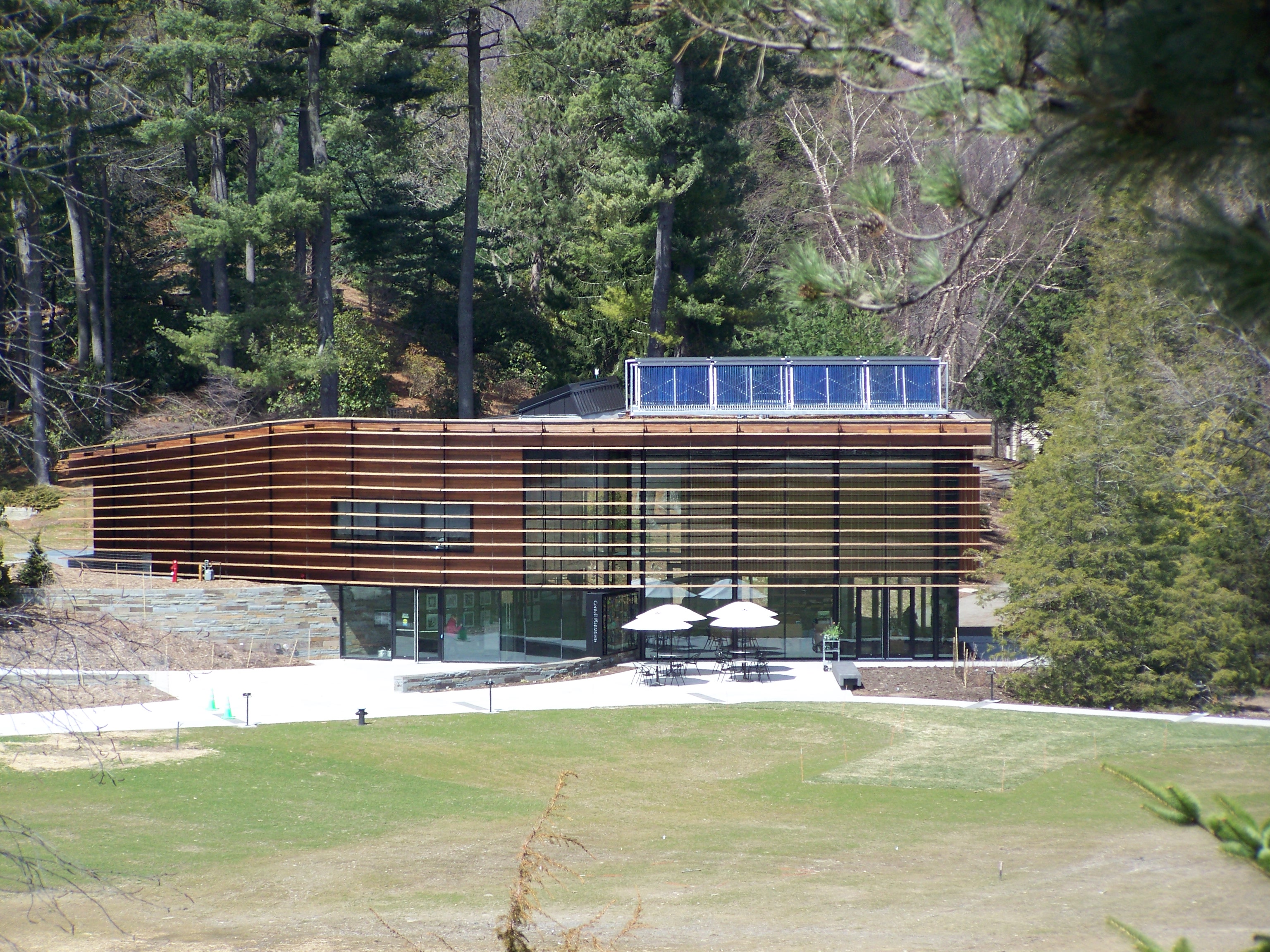
The Brian Nevin Welcome Center for the Cornell Plantations is open and ready to receive visitors.

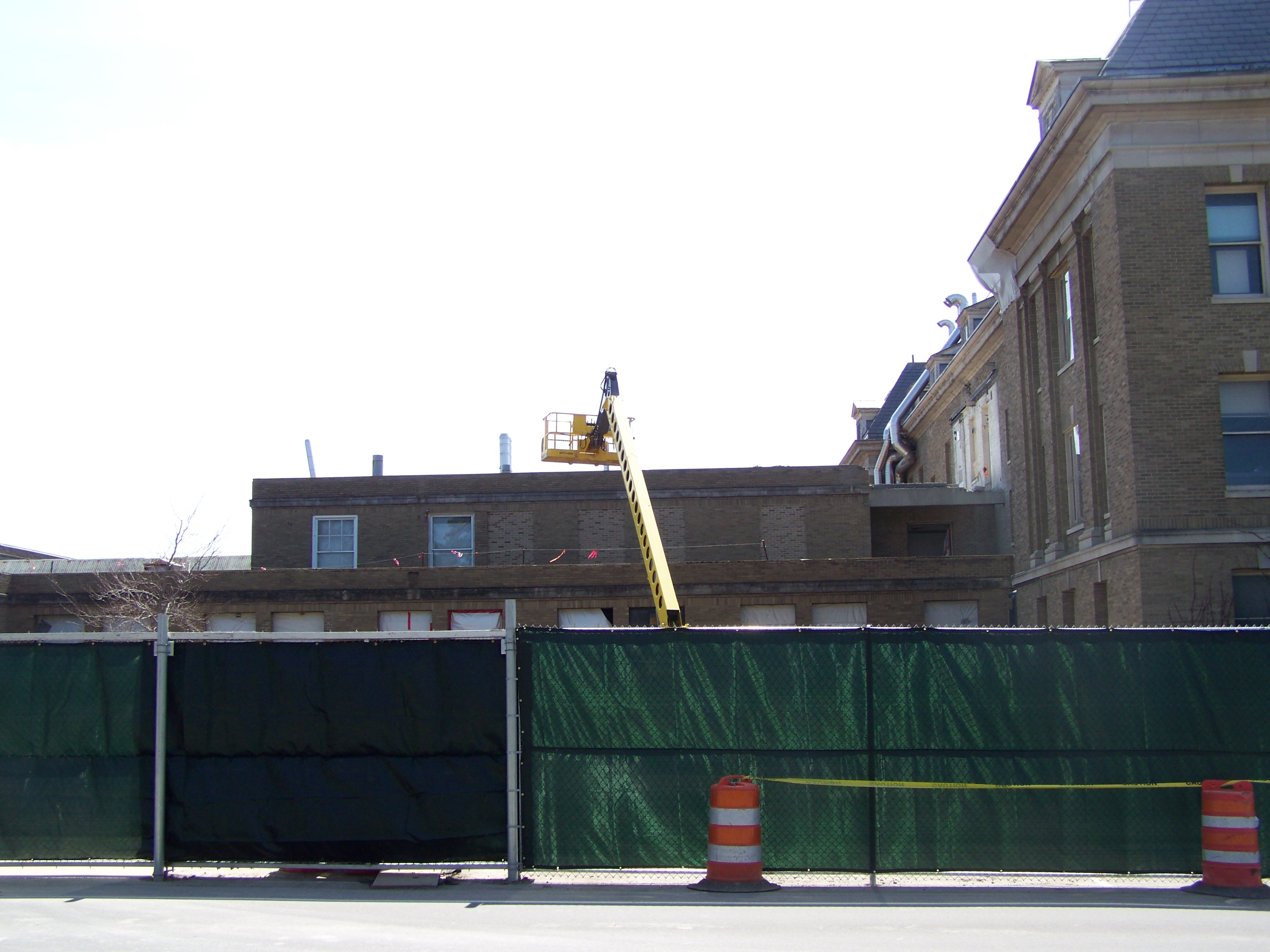
Demolition work continues on Stocking Hall’s “new wing”, to make way for the new Food Sciences building.

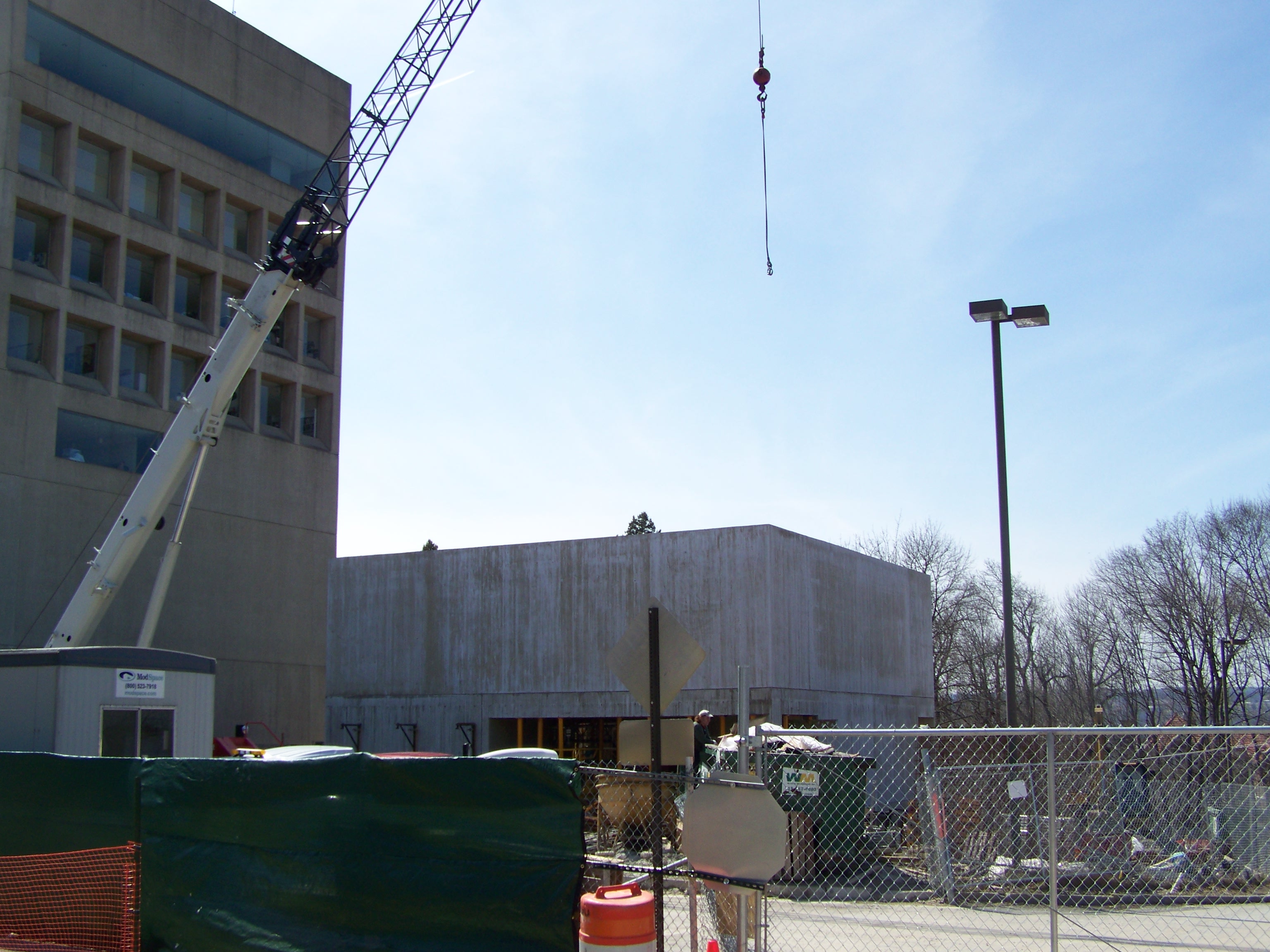
Concrete pouring is well underway for the Johnson Museum addition.

The site of Gates Hall, looking southeast.

Oh Cornell. Even if you drove me nuts while I was in Ithaca, I do miss you a little bit. Partly because I have to look at this everyday:

Good thing my office is windowless.


News Tidbits 3/21/11: Gates Hall Design Released

21 03 2011

Just…ugh. This image comes from the Facilities Management website. The designs have been submitted to the university but are still being tweaked to fit the budget, or “value engineered” if you will.

I already described my intense dislike for Thom Mayne and his firm, Morphosis, in a previous post. As some folks may remember, Morphosis was selected about nine months ago to design the 100,000 sq ft Gates Hall (aka the new Computer and Information Science Building) on the site roughly where the Grumman Squash Courts are now. The angle of the rendering appears to be northeastward, with Barton Hall’s tower in the distance.

Some may like this kind of edgy, “organic” architecture. The only organic thing that pops into my mind is decay. Seriously, the bottom of the overhang on the west side reminds me of rotting deer carcasses my childhood neighbors would have laying around parts of their property (they were a bit odd, but they gave out stuffed animals on Halloween, which totally redeemed them in my ten-year old mind), with the ribs exposed and the flesh drying out and curling. If that imagery doesn’t prove my disdain, then nothing will.

This may float some people’s boat, but I’m willing to wager they’ll tend to be in the minority. For as edgy and advanced as it may seem, I can only imagine and feebly hope that the built product looks a little better than this, and that it ages well.


News Tidbits 2/7/11: Sorority Selected for Recolonization on CU Campus

7 02 2011

According to the Cornell Daily Sun, Phi Sigma Sigma sorority has been selected to recolonize at Cornell University, from a field of five candidates. From the article:

“Phi Sigma Sigma will begin recruiting a core group of members in the fall, drawing in part from the new sorority interest group on campus. The sorority will participate in formal recruitment in Jan. 2012….

Phi Sigma Sigma had a chapter at Cornell that left the University in 1969, a departure Sanders speculated may have been due to a generally negative view of Greek life at the time. She said supportive Cornell alumnae from the chapter’s earlier years would be an asset to its reestablishment. “

That much is correct. Phi Sigma Sigma established a chapter (Beta Xi) at Cornell University around 1954. The chapter was located in the house at 313 Wait Avenue.The chapter was closed around 1969, and for that I offer two, non-mutually exclusive explanation. The first is as Ms. Sanders suggested – the late 1960s were a time of strong social activism and Greek life was seen as archaic and out of touch with the times, so membership declined rapidly. Phi Sigma Sigma was one of four or five chapters to shut down in a three year span from 1969-1971. Secondly, Phi Sigma Sigma, although officially non-sectarian, was regarded as a house for women of Jewish faith. As other sorority houses adopted non-sectarian policies in the 1960s, the competition became much fiercer, and with the general declines in sorority interest, this likely compounded and caused the chapter to close its doors.

The Sun article states that 14 South Ave. is expected to be used as the new house for the sorority at Cornell. This house has been used for so many Greek houses it’s like a token minority character in a movie – no one can remember their name, but everyone remembers their race or skin color. In this case, no one can remember the house’s letters, they just know it’s a Greek house. For the record, the house was built in 1957, and home to Kappa Alpha Society up to their closing in 1990, and then it was home to AOPi and Delta Chi. This is discussed more in another entry on this blog.

Among the nifty things that turned up in a google search is a word document from the ladies of Phi Sigma Sigma national that seems to be an overview of their presentation to the Cornell Panhel on why they would make for a good addition to the campus Greek scene. It doesn’t really offer much in the way of interesting information, but I was rather surprised it was so easy to find on the Internet.

So yeah, congratulations ladies. Good luck to your rechartering in the upcoming year.