News Tidbits 6/28/11: The Lawsuit Everybody Expected

28 06 2011

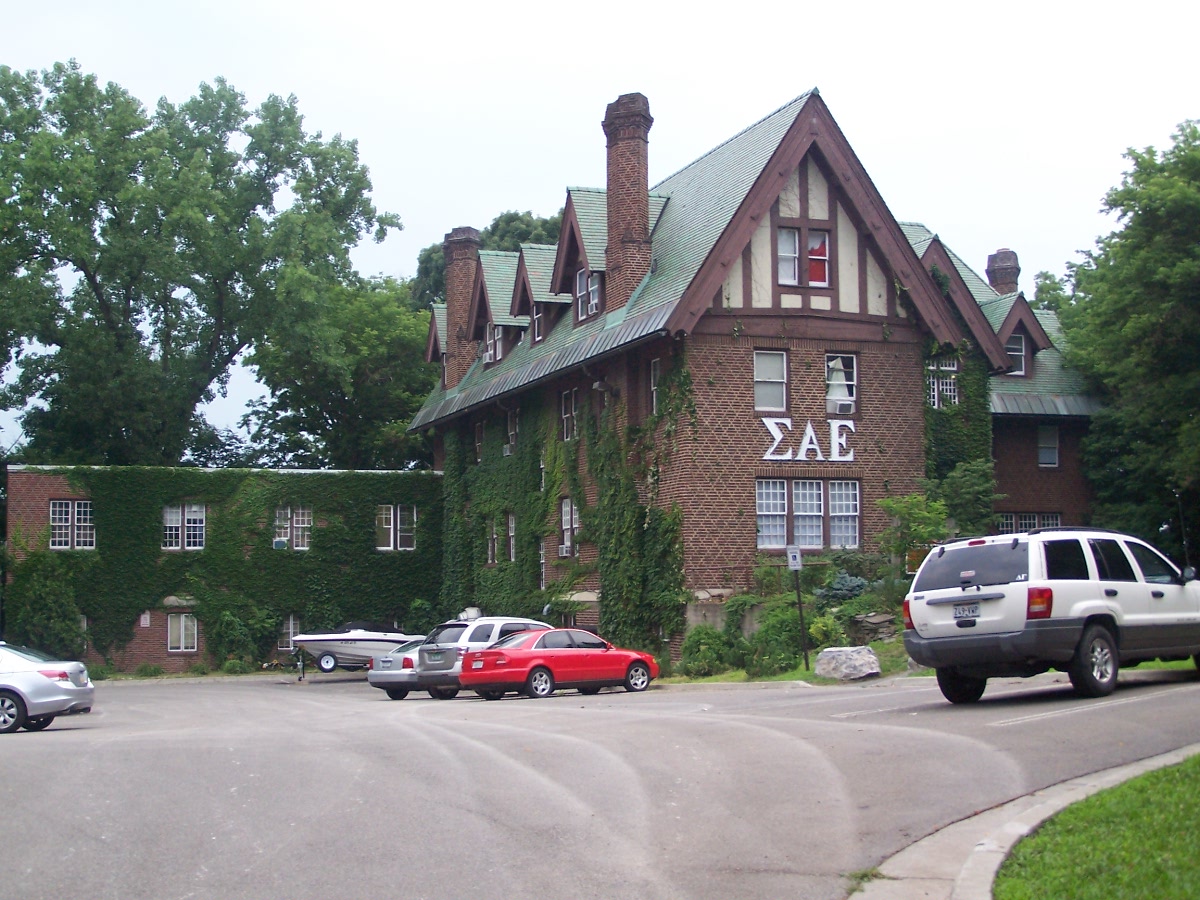
So, the Cornell Sun (on its bare bones summer staff) has noted that the mother of George Desdunes ’13, the SAE brother who died in a hazing event this past February, is suing the national fraternity for $25 million. I’m no expert on legal matters, but I do know this has significant precedent with cases from other universities, and SAE has been slapped with three wrongful death lawsuits  in just the past five years. Most of the wrongful death cases were settled out of court for undisclosed amounts, although at least one, a case against a University of Texas chapter of SAE, was awarded $16.2 million (I’m not positive, but I believe it’s the fraternity’s insurance company that pays out, but the fraternity then finds it that much more difficult and expensive to have adequate coverage for their liabilities, which is necessary for recognition on many campuses. So although the fraternity doesn’t pay out directly, their finances still detrimentally impacted).

Now, here’s my question: is she bring a lawful death lawsuit against Cornell?

In a previous entry, I described how a similar incident had occurred at M.I.T. back in the late 1990s with the death of a pledge at their FIJI chapter. In that case, the Kreuger family held M.I.T. responsible for a lack of supervision of the fraternity that allowed the death to occur. Although a formal lawsuit against the school was never filed, MIT did pay out $6 million to the family, of which $1.25 million went to a memorial scholarship. In hazing-wrongful death lawsuits, it seems, at a casual glance, that while it’s common for the fraternities local chapters and national organizations to be sued, it unusual for the school to be sued, perhaps because its much more difficult to build a case. But, I would not hold out against the possibility that if the lawyers are zealous enough, they can use the lack of supervision against Cornell and receive a similar settlement.  For one thing, SAE lived in a university-owned property and the incident allegedly took place in the Townhouses on North Campus.

So, the obvious take-away from this news is that SAE is screwed and totally responsible for their members’ actions. But in the bigger picture, one does wonder if the plaintiffs are going to try and go after Cornell as well.

Being An Alumni Ambassador

8 06 2011

Since joining the ranks of sketchy alumni, I decided a while back that it wouldn’t hurt to do some volunteering through the Alumni Ambassadors program. One of the first things I discovered was that  meeting with prospective students poses an interesting juxtaposition. On my end (as well as any other alum), it’s a “been there, done that” frame of mind. For the prospective student, everything is new, and sometimes they have questions that we alumni assume everyone else knows the answer already, but it actually might not be so obvious.

I met with several students during the late winter in four different school districts near where I live. I was assigned students who were interested in majors similar to mine, and set up the meetings for either their local high school or a coffee shop nearby (and I don’t even like coffee, I just wanted a quiet and suitable location). Some took a more laid back approach, while others were dressed up as if they were a possible hire and I was the interviewer for a Fortune 500 company. For those over-prepared kids, it seemed that there was no way they were going to believe that I wasn’t there to reject them from Cornell. Even if I said I wasn’t there to judge their application. Repeatedly.

On one of my meetings, the student was running about twenty minutes late. Giving the benefit of the doubt, I decided to look around outside before I left. He had driven into another car while trying to pull into a diagonal parking space.

On another occasion, I was meeting with a student and I asked what interested her about CALS. Without missing a beat, she replied, “it’s easier to get into”. I think my jaw might’ve dropped a little bit before I stumbled out an “I’m sorry, what?” I think at that point, she must’ve realized she hit a sour note, and she gave a very measured reply of “it’s easier to get into the various research opportunities they have to offer.” Still soaking in the previous comment, I took a deep breath, and said that “there are indeed plenty of research opportunities. But for the record, the difference between acceptance rates is slight, and the average SAT scores only differ by a few points”. Which I learned from Metaezra. In retrospect, she probably didn’t know that that wasn’t the best response, and maybe I hold some resentment about those kinds of comments, so there was a real disconnect in that exchange.

One of the other awkward discussions that happened in over half of the meetings was about the party scene and Greek Life. I would ask if they had any questions about student life, and some chose to ask what the parties are like. One even asked about the availability of drugs. When I did the contact meetings, I always tried to answer in ways that I wouldn’t mind being quoted on. The last thing I wanted to do was make an ass of myself. So I gave the overly P.C. response of “Cornell’s size gives a wide variety of options for establishing a social environment. Greek Life is there for those who are interested.” The drug question was a bit uncomfortable; I gave an awkward, formal reply along the lines of “Cornell is large university, and you can make your own assumptions. But I’m disinclined to discuss it.” It was uncomfortable because it definitely straddles the perceived line of what is appropriate for discussion, but I still wanted to give a halfway-decent answer their question.

When I received the email notifying me of the final status of the students I met with, I was…uh, underwhelmed. All but one were rejected. That one was a guaranteed transfer. My office-mates started jokingly calling me the “Kiss of Death”. It was actually a little disheartening because some of those high schoolers were really quite accomplished and left me with a very good impression. But, after checking with a few other friends of mine who did the Alumni Ambassadors volunteering, I guess I was running par for the course. I never realized the kinds of students Cornell rejected, which was something that I think I had taken for granted and just written off while I was in Ithaca.

It had its ups and downs. I liked talking about Cornell (as if this blog wasn’t a clue). I got some satisfaction out of it, and I was able to do a little volunteering outside my grad school bubble. I think I’ll keep doing it, with some hope that maybe one of the future students I meet with will be accepted outright next spring.


Taking Care of Cornell’s Students’ Bodies

10 05 2011

After I wrote about the medical college, I felt inspired to write up a brief piece regarding the history of student health at Cornell. Understandably, the value of this entry to the practical person looking up health information is nil, but then, I would hope that if someone has health issues, they would be looking through health websites like Gannett’s instead of blogs.

Anyways, most Cornell students know that if they feel sick, or think they might be pregnant, or some combo thereof, that a trip to Gannett Health Center is in order. Back in Cornell nascent days, if you were sick, well…you were pretty much screwed. A student at Cornell a few years after its founding, if they were to become ill, could hope to be taken care of by their friends, roommates or professors, if they were lucky and had strong connections. Otherwise, you were S.O.L. If it was any consolation, so were all residents of the city of Ithaca, which wouldn’t get it’s first hospital for a few more years (the first hospital opened on Aurora Street sometime during the 1870s, and the second hospital was built off of Quarry Street in Lower Collegetown in 1910; that complex still stands today as the Quarry Arms apartments, which Collegetown Terrace will be built around). In 1870, the faculty senate voted to set aside rooms on campus for sick students (Bishop 176), and the first medical examiner, a sort of campus physician, was appointed in June 1877 (he held two job titles, the other being an assistant professor of mathematics). Jennie McGraw of Cornell Chimes fame put a bequest in her will of $15,000 for the construction of a student hospital on the grounds of Cornell, and this was increased to $40,000 before her death in 1891. However, thanks to the Great Will Case, Cornell never saw any of her money used towards a health facility.

The first building dedicated solely to student health was the Cornell Infirmary, which still stands as the Schuyler House dorm to the far southwest of main campus. The Sage Complex  initially consisted of only the east building, which was essentially a converted mansion built in 1880 as Henry Sage’s retirement home after he moved from Brooklyn to Ithaca (Bishop 211).  Upon his death in 1897, he asked that the building and land be donated to Cornell, which his sons Dean and William did with an additional $100,000 donation for maintenance (Bishop 333). They might not have done that if Sage had outlived his nemesis and fellow generous benefactor Willard Fiske. Both sons were furious that Fiske was interred in Sage Chapel in 1904 and abruptly stopped all involvement and donations to the university. William Sage actually had donated a building to Yale some years later. But, I digress. The original Cornell Infirmary had room for twenty patients, and the large addition on the west side was completed in 1912. What you received was bed, board, and modest nursing care and lab services. While a student of yesteryear might receive advice on hygiene or bad habits, actual diagnosis by physicians was a role the university refused to take on until around 1940. It was felt that the university should not be responsible for the clinical care of its students, only lend a hand in their treatment. Medical advising by Cornell staff was generally discouraged.

By the 1950s, it was felt that the Infirmary was inadequate, poorly located and outdated, so a new building was constructed on land that used to hold two faculty residences. This building was named for media mogul Frank Gannett 1898, who generously funded its construction. The Gannett Health Clinic opened its doors in 1955 and received an expansion to its west side in 1979, bringing it to 39,000 sq ft. The masterplan suggests a 90,000-130,000 sq ft structure to replace the current building on the current site sometime during the next several years.

I’m marginally jealous that Cornell’s health center is on campus. The one at my grad school is located a half mile away across a four-lane highway. What a nice way some colleges provide for their students.


We’re Not in Kansas…

28 04 2011

In my daily activity, I have to keep in mind two things – I study meteorology, and I can get all the sleep I want when I die. Yesterday was an interesting day, for reasons most folks have probably heard already. Apart from Mother Nature deciding that the Deep South had to be devastated, there was a tornado watch extended into upstate New York. A watch means that the possibility is there for a tornadic cell to develop. Well, when things finally began to be a little more settled last night,
I was working in my office, and my officemate turns to me and says,

“B—, Ithaca was just placed under a tornado warning. You might want to check it out.”

So I did. And over Schuyler County, here’s a cell with a plausible tornado signature (a hook) on radar. The cell was tracking northeast and Ithaca was directly in the warning path.

At that moment, I decided to  make a few phone calls. It ended up being a long night (as previously stated, I’ll get all the sleep I want someday), as three cells bore down on the area, one of which is showing in its prelim reports that a tornado likely touched down in Danby. From NWS BGM (Binghamton):

0540 1 NE DANBY TOMPKINS NY 4236 7647 POSSIBLE TORNADO … 4 TO 5 HOMES WITH MAJOR STRUCTURAL DAMAGE (BGM)

So, an unusual and rather scary night for the folks back in Tompkins County. Digging into some data, I decided to check the last time a tornado was confirmed within the county.

From the Tornado Project:

AUG 25, 1961    005   1800     0      0    F0    109
JUN 15, 1964    001   1530     0      0    F1    109
JUN 20, 1969    004   0745     0      0    F1    109
JUN 18, 1977    002   1500     0      0    F1    109
AUG 28, 1988    005   1342     0      0    F1    109
AUG 21, 1994    008   0715     0      0    F0    109

Although the project suggests otherwise, conflicting reports suggest a fatality with the August 28, 1988 tornado. That tornado, an F-1 (today we use EF-1, as the Fujita scale as been refined to become the “Enhanced Fujita” scale), may have killed one person. Further analysis suggests this tornado tracked from Schuyler County into Tompkins County, and the fatality was in Schuyler, which might explain the disparity.  I don’t know the ratio of warnings to confirmed touchdowns, but Brotzge et al. (2009) suggest only 1 in 4 warnings result in confirmed tornadoes. EDIT: Actually, that link won’t work for most people unless you have American Meteorological Society connections.

So, events like this are rare indeed. My only regret is that I should’ve saved the radar imau ge from last night. Actually, I have two regrets. My second is that I have a friend who photographed the King Ferry tornado a few years ago from Space Science, and he sent me a copy of the photo back in 2007, which I lost at some point. If I feel really proactive I might email him to ask for another copy.


An Exercise in Mapping

24 04 2011

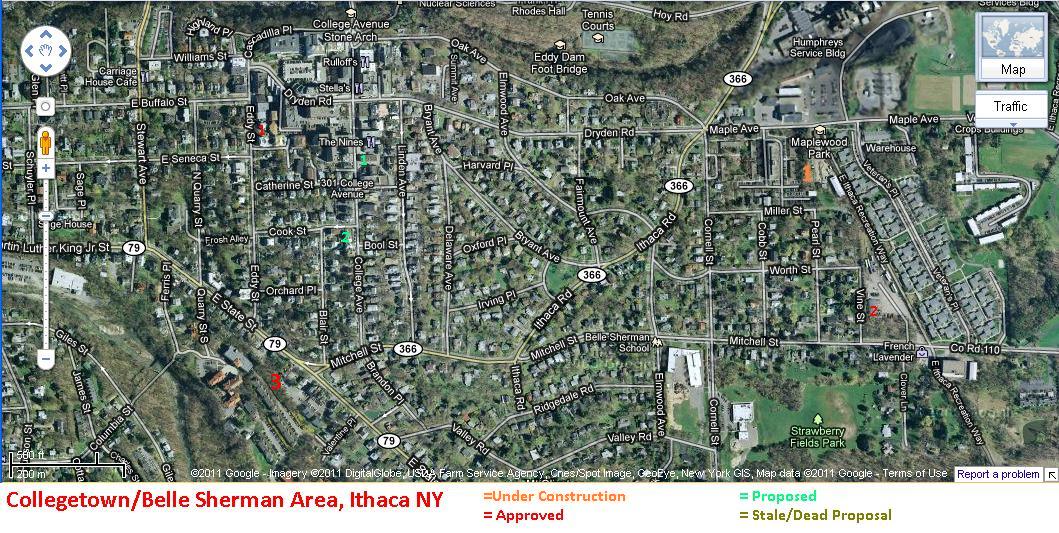
So, I figured that since I write about Cornell, IC and Ithaca-area construction projects as much as I do, it might be nice to include some form of a map. Depending on time and motivation, I might get around to putting ones together for South Hill and Downtown.

So, Cornell Campus, used here primarily as a test bed (click the image to expand its size).

Under Construction:

1 – Milstein Hall 2- Johnson Art Museum addition 3- Human Ecology Building 4- Stocking Hall Addition

Approved:

1- Wilson Lab / Synchotron Expansion (CU ERL Project)

Proposed:

1- Gates Hall

Stale Proposals (i.e. been around a while, little notable progress in the past several months-plus)

1- Goldwin Smith Hall Addition 2- Gannett Health Center Addition 3- Holley Center (Soil Lab) Expansion (most likely dead, given federal budget cuts).

Heading south into Collegetown –

Under Construction

1- Coal Yard Apartments Phase II – A 4-story, 25-unit building off of Maple Avenue.

Approved:

1 – 309 Eddy Street (5 stories, 41 units) 2- Vine Street Cottages (19 house, 10 townhomes) 3- Collegetown Terrace (several buildings, 2-6 stories, 589 units)

Proposed:

1- 307 College Avenue (5 stories, 60 units), Snaith House addition (12 bedrooms)

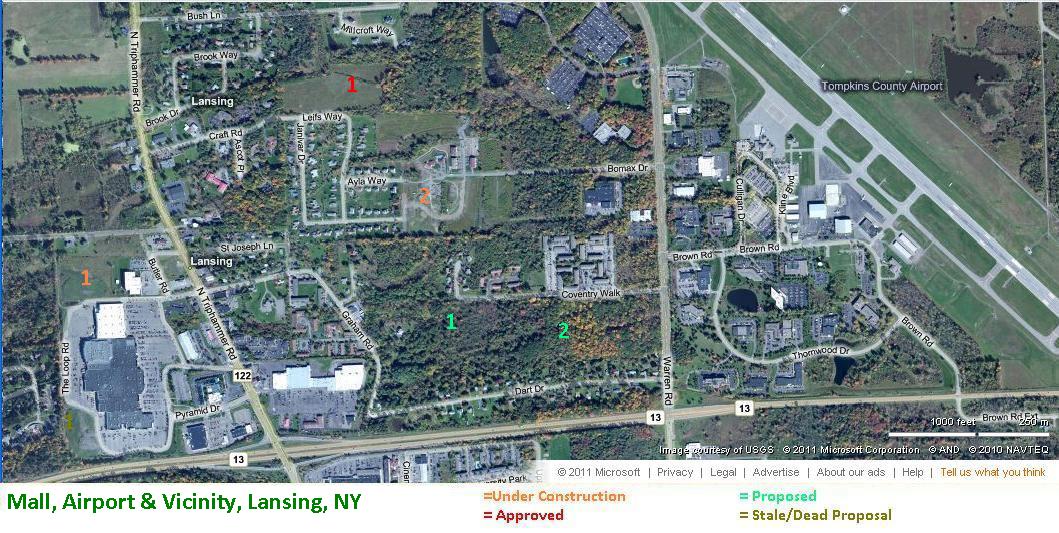
Mall, Airport and Vicinity –

Under Construction:

1- BJ’s wholesale Club (82,000 sq ft) and 12 senior living units 2- Heights of Lansing (~17/80 units complete).

Approved:

1- Millcroft Housing Development (~19 lots in phase II).

Proposed:

1- Lansing Reserve Project (65 units) 2-  NRP Group Project (80 units)

Stale Proposal

1- Behind the mall, a mix of additional shops and 40 apartments, in a lifestyle-center setup, were proposed about three years ago. The recession may have killed the project; at the very least, it’s been shelved.

***

This isn’t to say there aren’t plenty of other projects in the area, I just wanted to experiment with presenting local projects in a different, more visual format.


News Tidbits 4/18/11: Fraternity Seeks Recolonization in Turbulent Times

18 04 2011

Image property of Alpha Phi Delta

Seems a second fraternity is seeking to reestablish itself on Cornell’s campus this year.  According to the Daily Sun, an interest group has been preliminarily approved for recognition of the recolonization of the Alpha Phi Delta fraternity (in other words, the first step to recognition has been taken). Unlike Phi Kappa Sigma, this interest group has taken the route of forming a group first and then seeking the recognition of a national (which is the way it’s traditionally done with fraternities), rather than the national coming in and seeking to revive or start a chapter (more common for sororities, but an increasingly appealing option for large fraternal orgs).

Alpha Phi Delta has existed previously at Cornell’s campus. It was a historically Italian-American fraternity founded at Syracuse in 1911, and still draws most of its chapter membership from colleges in the Northeast. The Cornell chapter (Mu) was founded in 1922 and closed in 1968, three years after the fraternity opened itself up to membership for all men(and not just ones of Italian heritage). From old Cornellian yearbooks, it can be determined that they stayed with one house during their time at Cornell, but I’m having one hell of a time trying to determine its location – I can’t find it anywhere nearby on the 1928 and 1954 Cornell maps, which suggests to me it might have been far from campus.

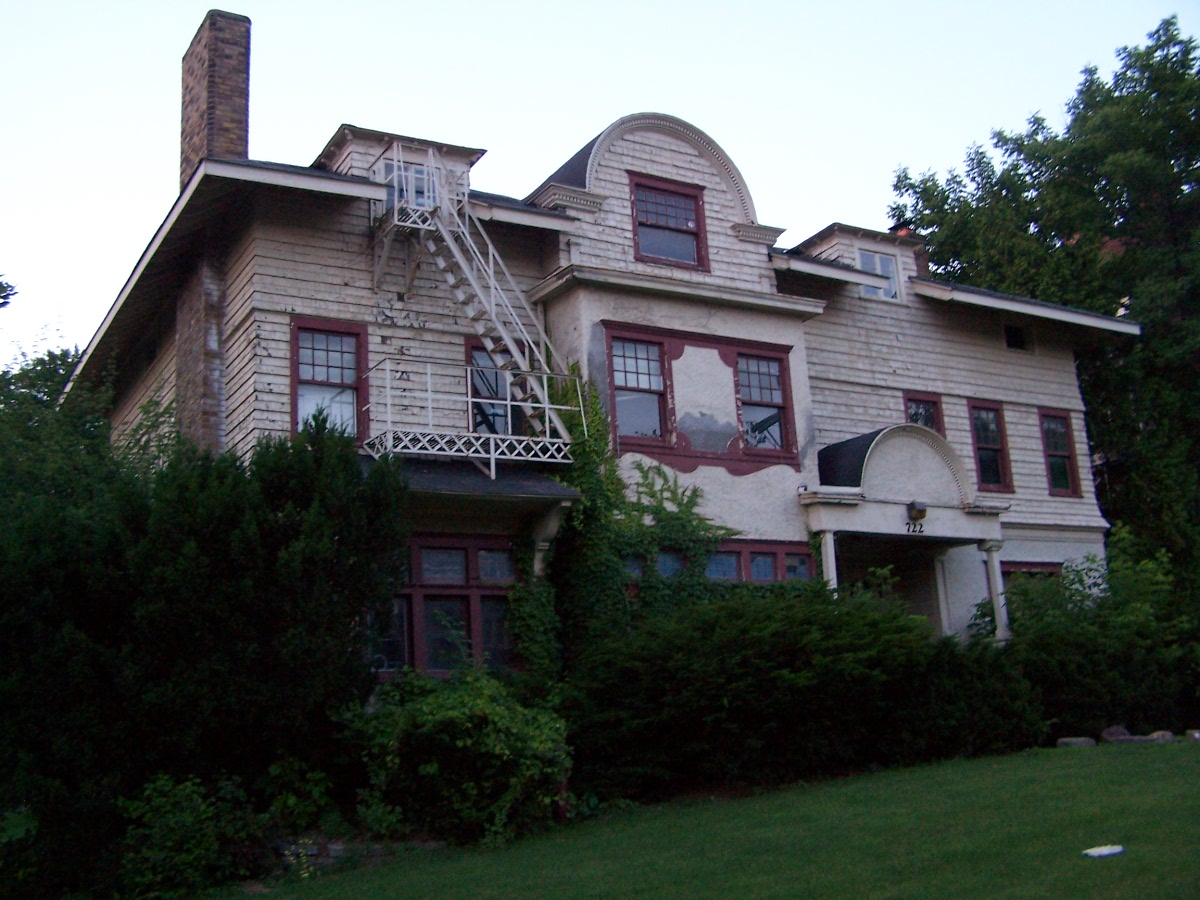
Anyways, given the closure of Theta Xi and the recent fallout due to the SAE tragedy, I’m unsure as to how successful they will be. But, I wish them the best of luck. Oh, and if they’re still looking for a house, it would make my heart jump if they could move into an unused property that could use some revitalizing, like 722 University Avenue.


Springtime Construction Update

12 04 2011

Long story short, for the first time since about New Year’s, I was able to visit Ithaca this past weekend. Went for a national initiation for the fraternal alma mater and stayed for the day.

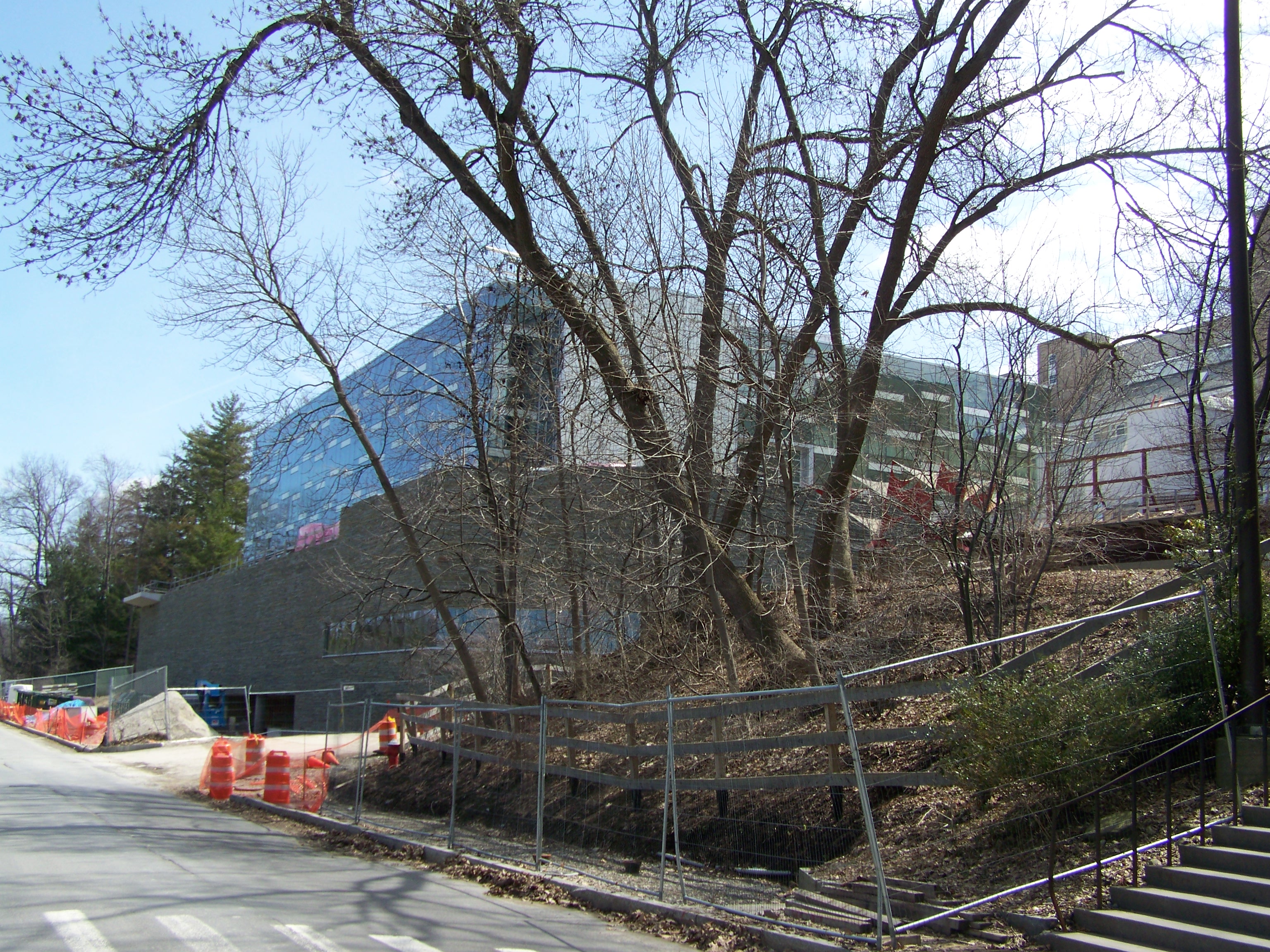
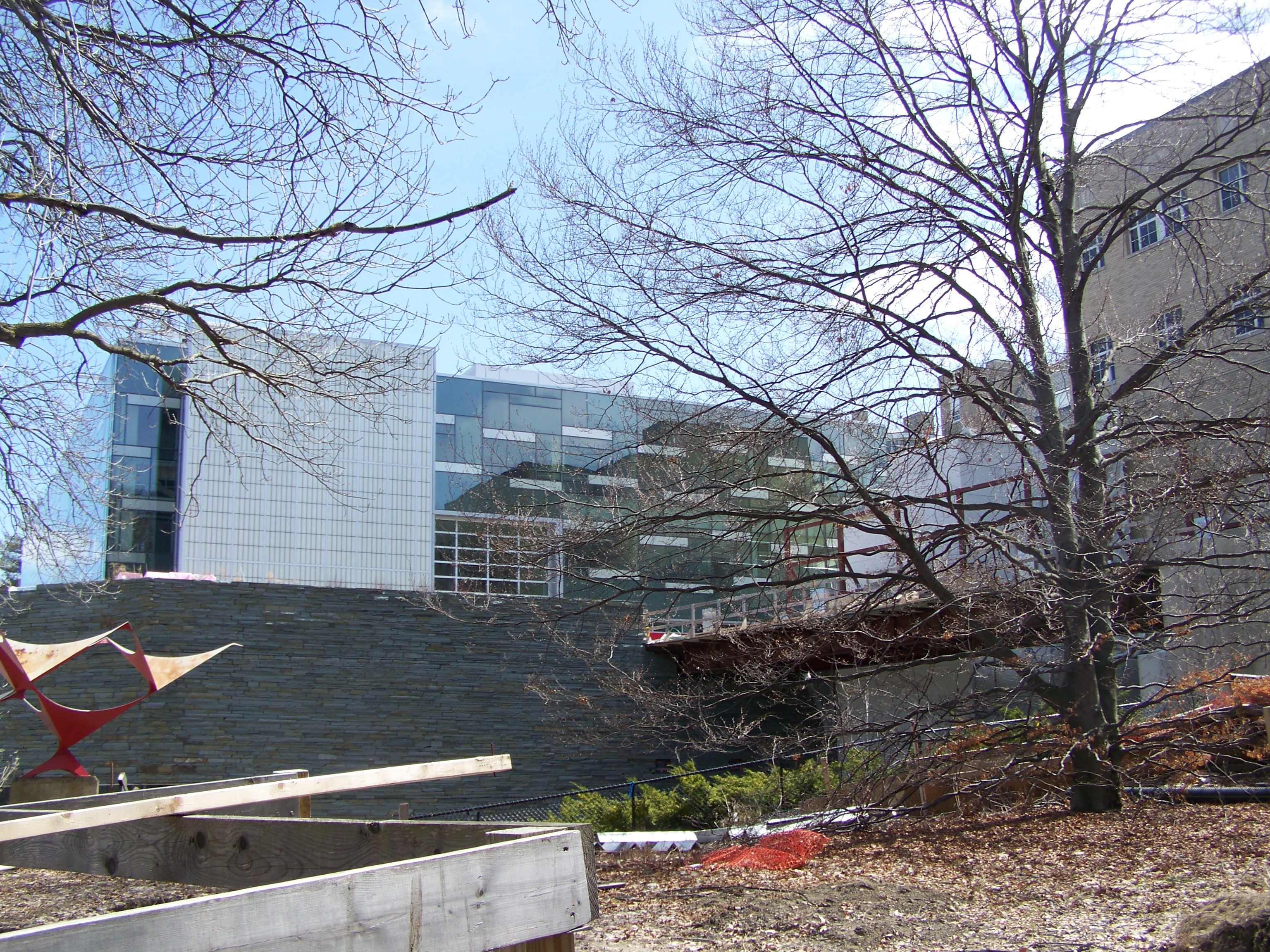
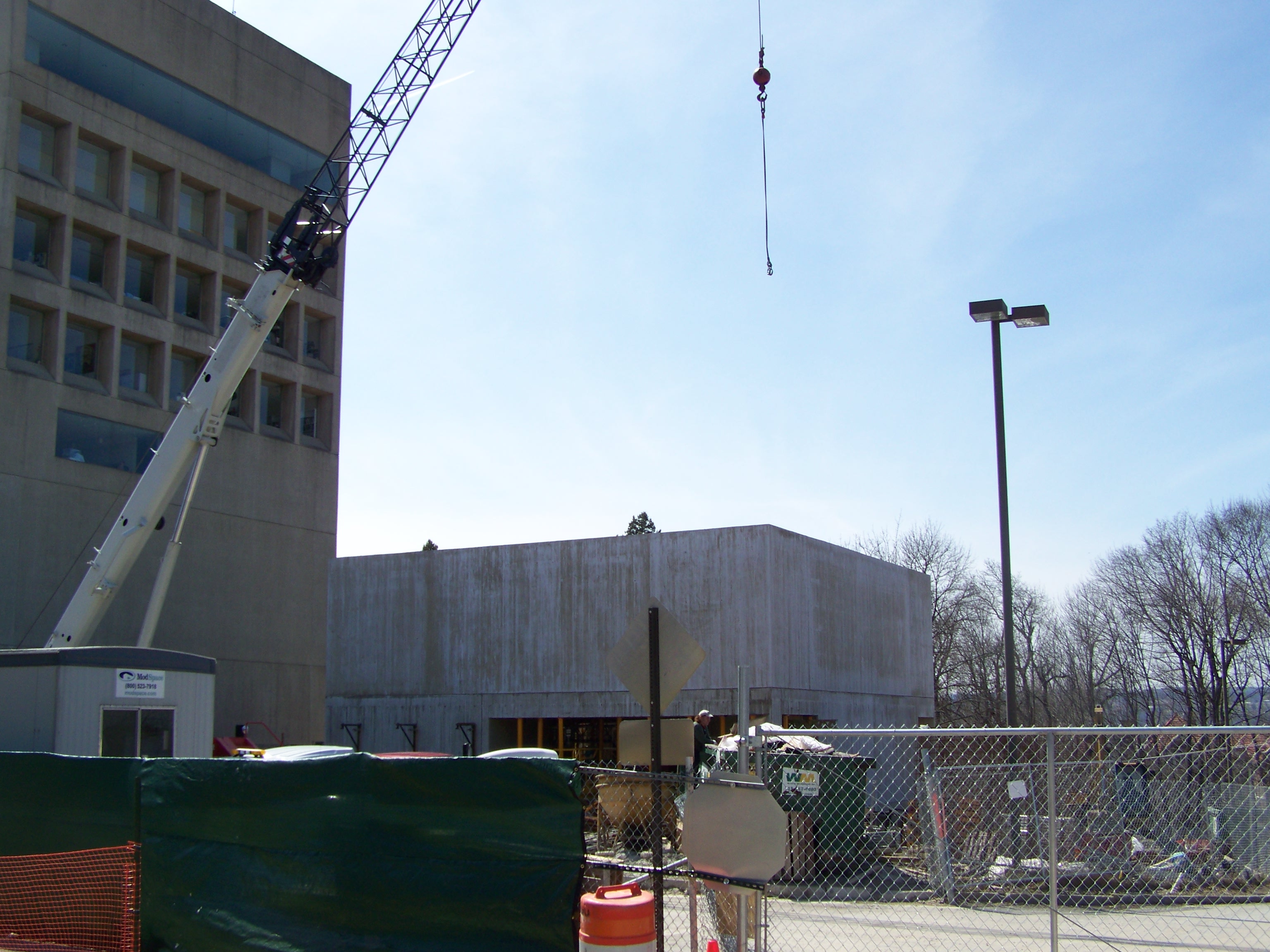
Milstein Hall continues towards its late 2011 completion date.

The new Human Ecology Building nears completion.

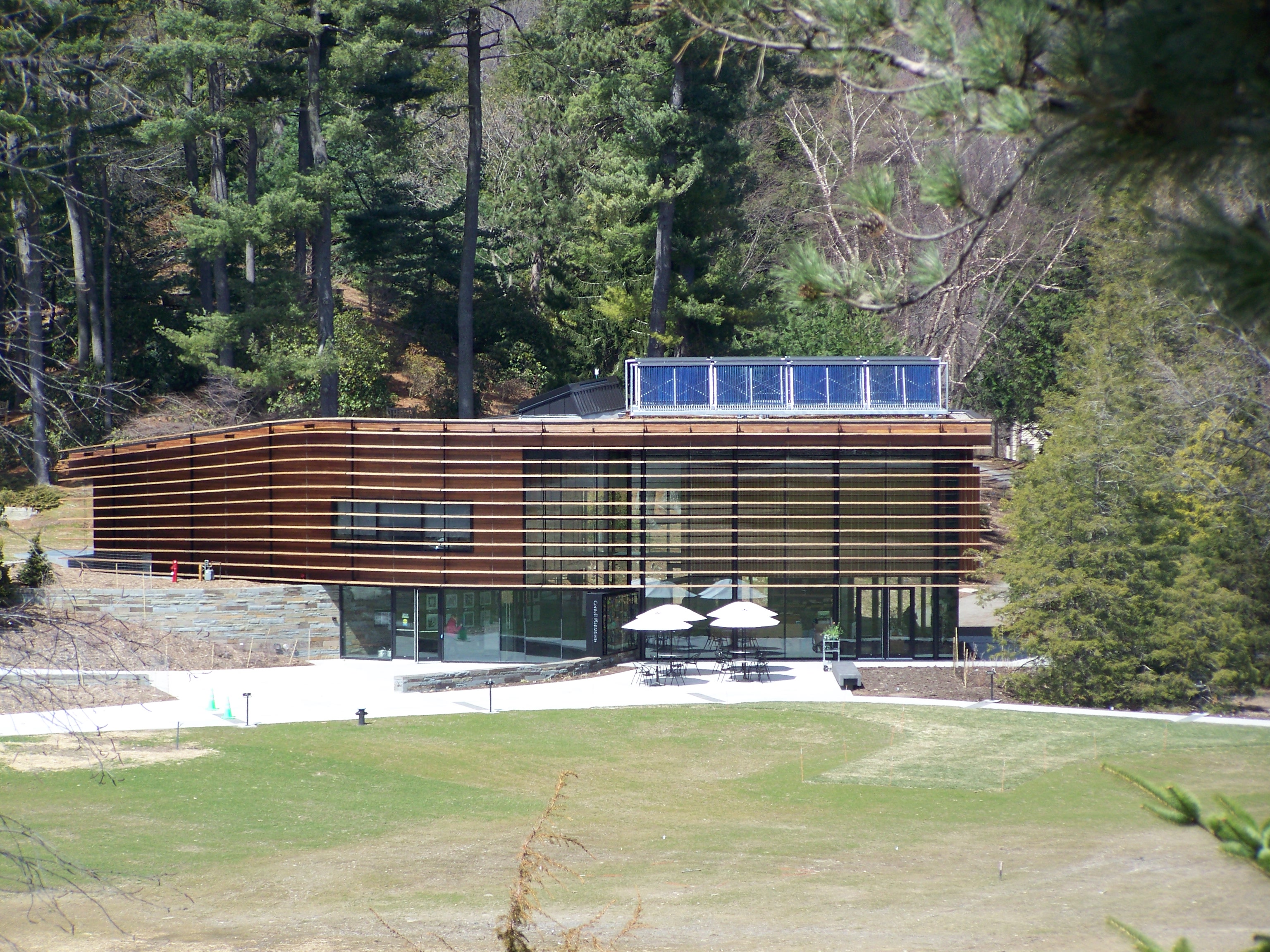
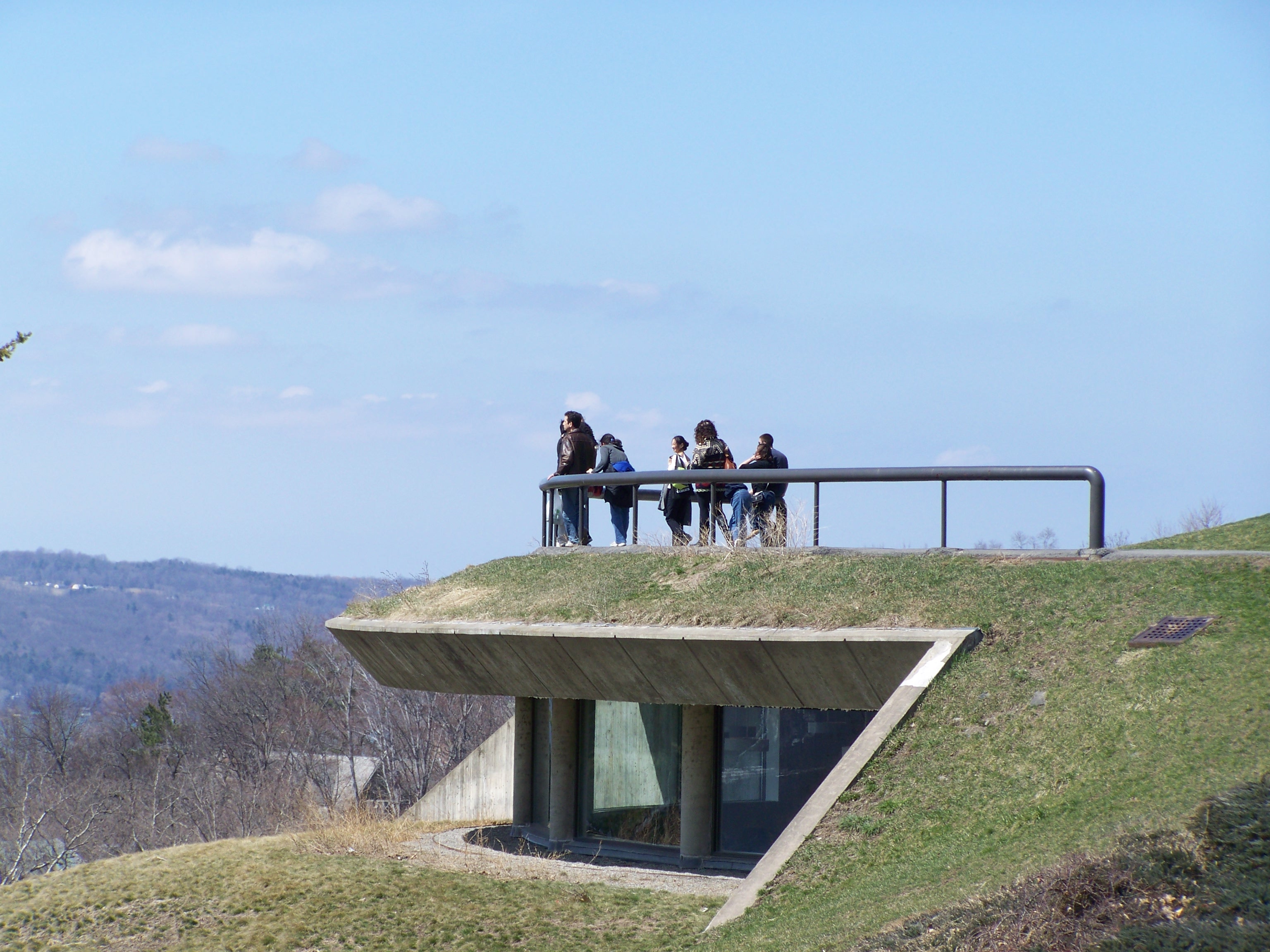
The Brian Nevin Welcome Center for the Cornell Plantations is open and ready to receive visitors.

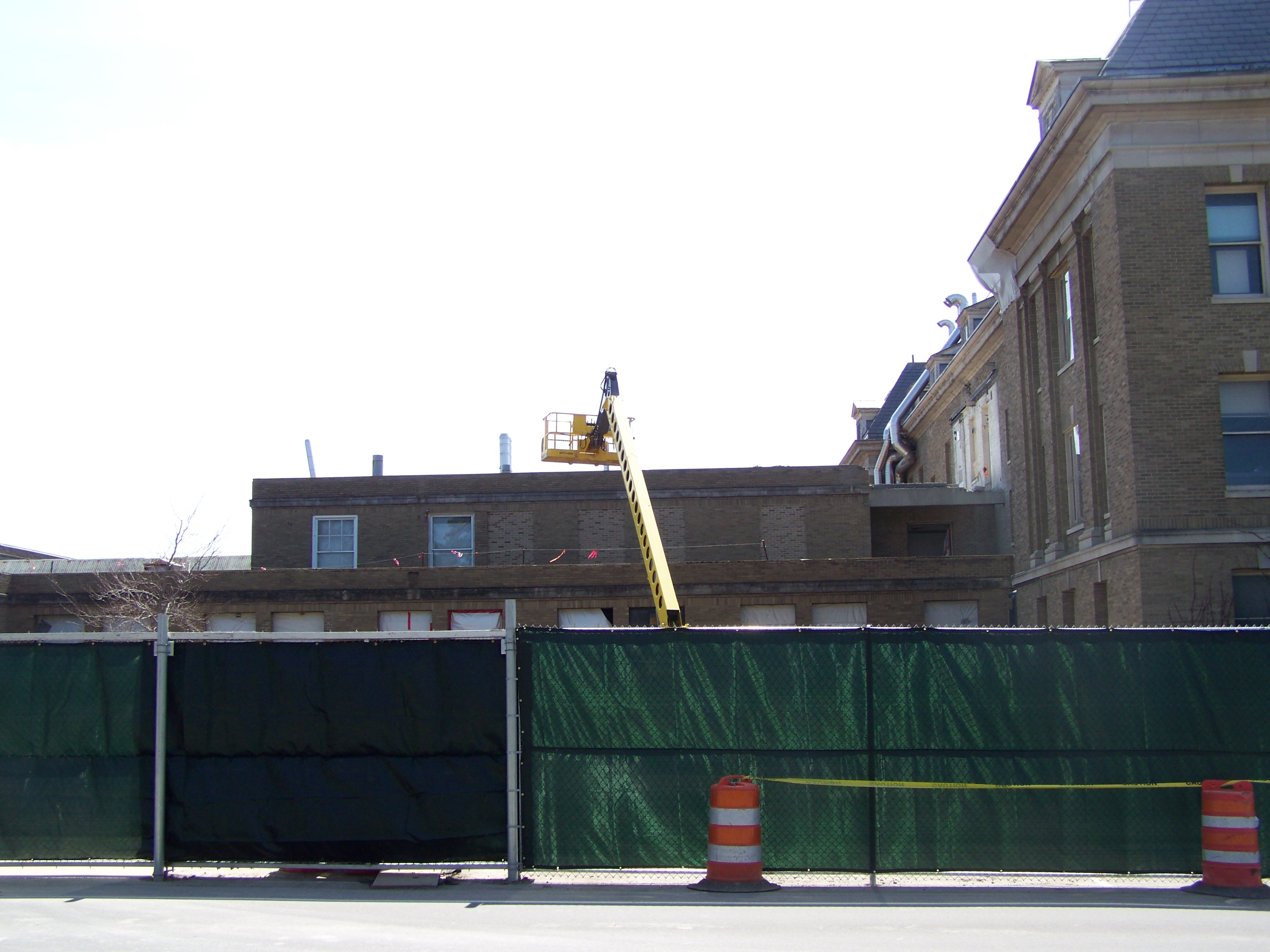
Demolition work continues on Stocking Hall’s “new wing”, to make way for the new Food Sciences building.

Concrete pouring is well underway for the Johnson Museum addition.

The site of Gates Hall, looking southeast.

Oh Cornell. Even if you drove me nuts while I was in Ithaca, I do miss you a little bit. Partly because I have to look at this everyday:

Good thing my office is windowless.


News Tidbits 3/21/11: Gates Hall Design Released

21 03 2011

Just…ugh. This image comes from the Facilities Management website. The designs have been submitted to the university but are still being tweaked to fit the budget, or “value engineered” if you will.

I already described my intense dislike for Thom Mayne and his firm, Morphosis, in a previous post. As some folks may remember, Morphosis was selected about nine months ago to design the 100,000 sq ft Gates Hall (aka the new Computer and Information Science Building) on the site roughly where the Grumman Squash Courts are now. The angle of the rendering appears to be northeastward, with Barton Hall’s tower in the distance.

Some may like this kind of edgy, “organic” architecture. The only organic thing that pops into my mind is decay. Seriously, the bottom of the overhang on the west side reminds me of rotting deer carcasses my childhood neighbors would have laying around parts of their property (they were a bit odd, but they gave out stuffed animals on Halloween, which totally redeemed them in my ten-year old mind), with the ribs exposed and the flesh drying out and curling. If that imagery doesn’t prove my disdain, then nothing will.

This may float some people’s boat, but I’m willing to wager they’ll tend to be in the minority. For as edgy and advanced as it may seem, I can only imagine and feebly hope that the built product looks a little better than this, and that it ages well.


How the Mighty Have Fallen

19 03 2011

So it’s official. Sigma Alpha Epsilon, up until now the second largest chapter in the Greek system, is being booted from campus for a period of five years. All members must vacate the university-owned facility by the end of the month. I think the following passage is the most disturbing:

“At this time, the information provided to the university indicates that George Desdunes, 19, was provided alcohol while in the care of certain members and associate members of the Sigma Alpha Epsilon fraternity, and became incapacitated. Even though the members and associate members recognized the condition Desdunes was in, they failed to call for medical care. He subsequently died.”

Let’s be honest. Associate members = pledges in this case. Also, just about anyone who’s been in a fraternity can vouch they knew “that” guy who got really, really drunk one time at a frat party or a mixer, so they gave him some water, a bucket just in case, and laid him on a couch to sleep it off (or maybe that was just in my experience). But this time, either members failed to recognize the severity of the situation – tragic but not impossible – or they realized the extent of the situation and did nothing. Which I really, sincerely hope wasn’t the case, especially since a number of criminal charges are likely in the upcoming weeks.

It’s hard to imagine a system without SAE occupying its lofty Hillcrest estate. But, there is a habit in recent years of the largest, most visible houses being shut down for one reason or another. Pi Kappa Alpha was one of the largest chapters in the system back in the 1980s and 1990s, their recognition was suspended after an incident a couple years ago sent three rushees to the hospital. Before In the mid 2000s, the largest chapter was Sigma Pi, which was suspended and forced to reorganize in 2007 after they sent Thanksgiving attendees to the hopsital with alcohol poisoning. It seems that the largest houses are more apt at screwing up.

It’s difficult to picture Cornell’s Greek Life without one of its prominent members. But under the circumstances, I would’ve been even more surprised if they had been allowed to continue on campus.


The Death Knell of Greek Life?

2 03 2011

In some sense, I’ve learned to dread days where I see the number of hits to this blog skyrocket, namely because days with extraordinarily high hits can be correlated unfortunately well with the untimely death of a student at the university. So it was with some hesitancy that I glanced at the Sun’s website this weekend.

The news is unnerving and tragic. A student is dead. Secondly, the Tompkins County sheriff has gone on the record to say that the death was likely alcohol-related. The student, George Desdunes, was a member of Sigma Alpha Epsilon fraternity, and was found unresponsive at the fraternity house on Friday morning. At this point, it was yet to be established to what extent the fraternity is responsible in his untimely death, but SAE has been suspended temporarily.

When I first heard the news, I kept hoping that the fraternity wouldn’t be responsible. SAE is considered to be one of the most visible Greek houses on Cornell’s campus. It has one of the largest memberships of any fraternity at Cornell and holds a fairly strong presence in Greek affairs, and to some extent campus affairs (a number of their members and recent alumni, such as Svante Myrick ’09 and Eddie Rooker ’10, hold prominent positions in and around the university and surrounding city). So if SAE was responsible for the death of one of its members, the effects would be profound and far-reaching through all parts of the system.

Given the problems of the system and the recent reforms forced onto it by the university, I am honestly wondering whether or not it is a sign of the end of the system. the first thing that comes to mind was Ithaca College’s ban of Greek life after the death of Joseph Parella in 1980, during a fraternity pledge event in which he was hazed. But, it’s not easy to compare the two systems. For one, Ithaca College’s fraternities were generally housed in dorms (in comparison, Cornell owns  about one-third the Greek houses), and for two, their system represented a much smaller proportion of their student body than Cornell’s does.

I suppose the usual arguments will come out – the biggest donors to the school are Greek, they can’t touch private houses, and so forth. The problem is, if SAE is found responsible, their role in the death of a student would be a very powerful and legitimate reason to favor de-recognition of Greek life. Addressing argument number two, while many chapters own their own property and would not be immediately affected, they lose the protection that the university gives — i.e. every party thrown is a target for local and campus police to bust underage drinkers. So the system wouldn’t be “shut down” per se, but it could easily be crippled.

Perhaps a better comparison would be a case from MIT that occurred about 15 years ago. On September 26, 1997, a pledge of FIJI at MIT died after a pledge event due to alcohol poisoning.  MIT is, like Cornell, a prestigious institution with substantial Greek Life – at MIT, it comprises about 42% the student body. There had been signs Greek Life had been getting out of control prior to the death of Scott Krueger. As a result of the event, RAs were put in fraternity houses, mandatory CPR training was established, all freshmen were required to live in dorms, MIT paid a $6 million settlement to the family due to negligence in preventing the event from occurring, the fraternity was shut down (and has never come back), and several of the former FIJI members were convicted of criminal offenses. It forever changed the way MIT dealt with its fraternities. But they still have a large, influential system.

But comparisons only offer ideas, not results. So what will happen with Cornell’s system? A good question.  But not one that can be answered just yet, while Cornell students mourn the loss of one of their own.