How the Mighty Have Fallen

19 03 2011

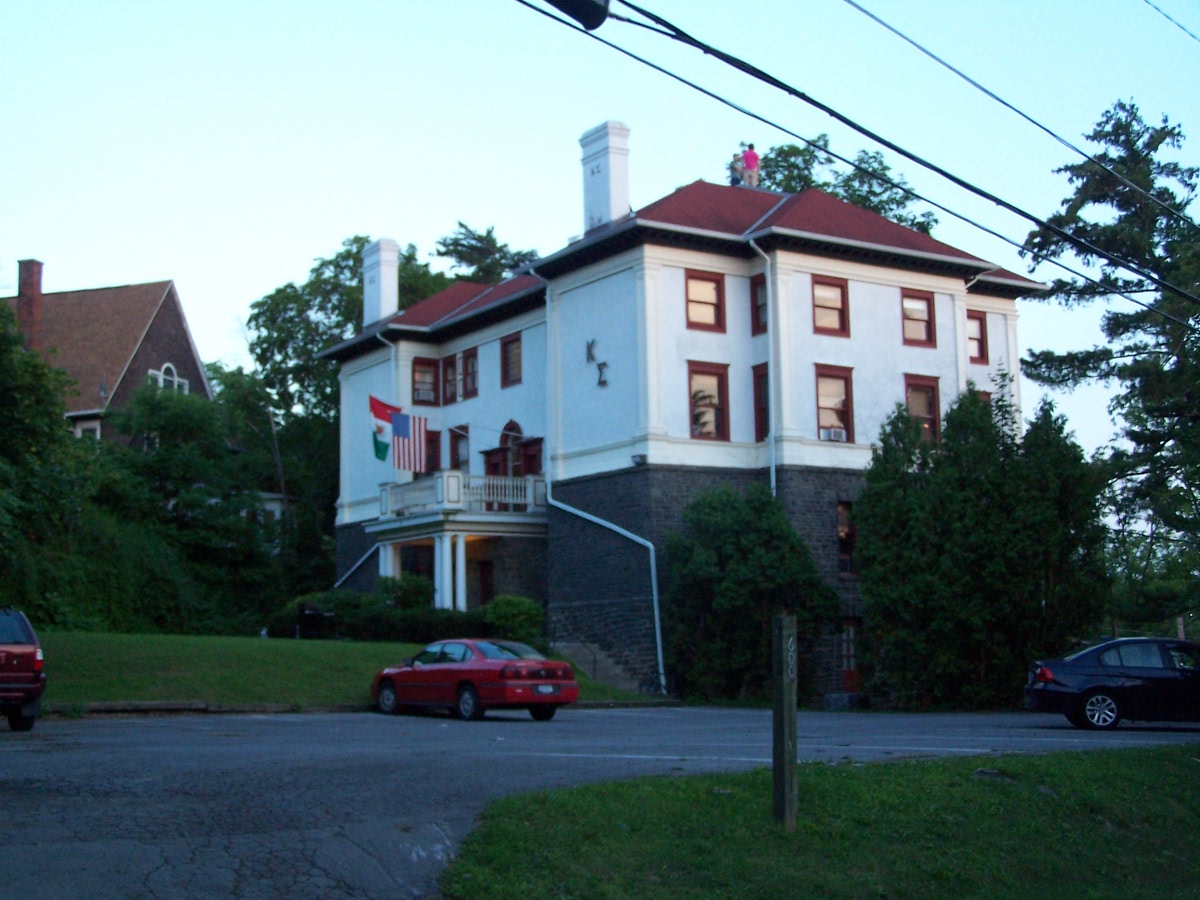
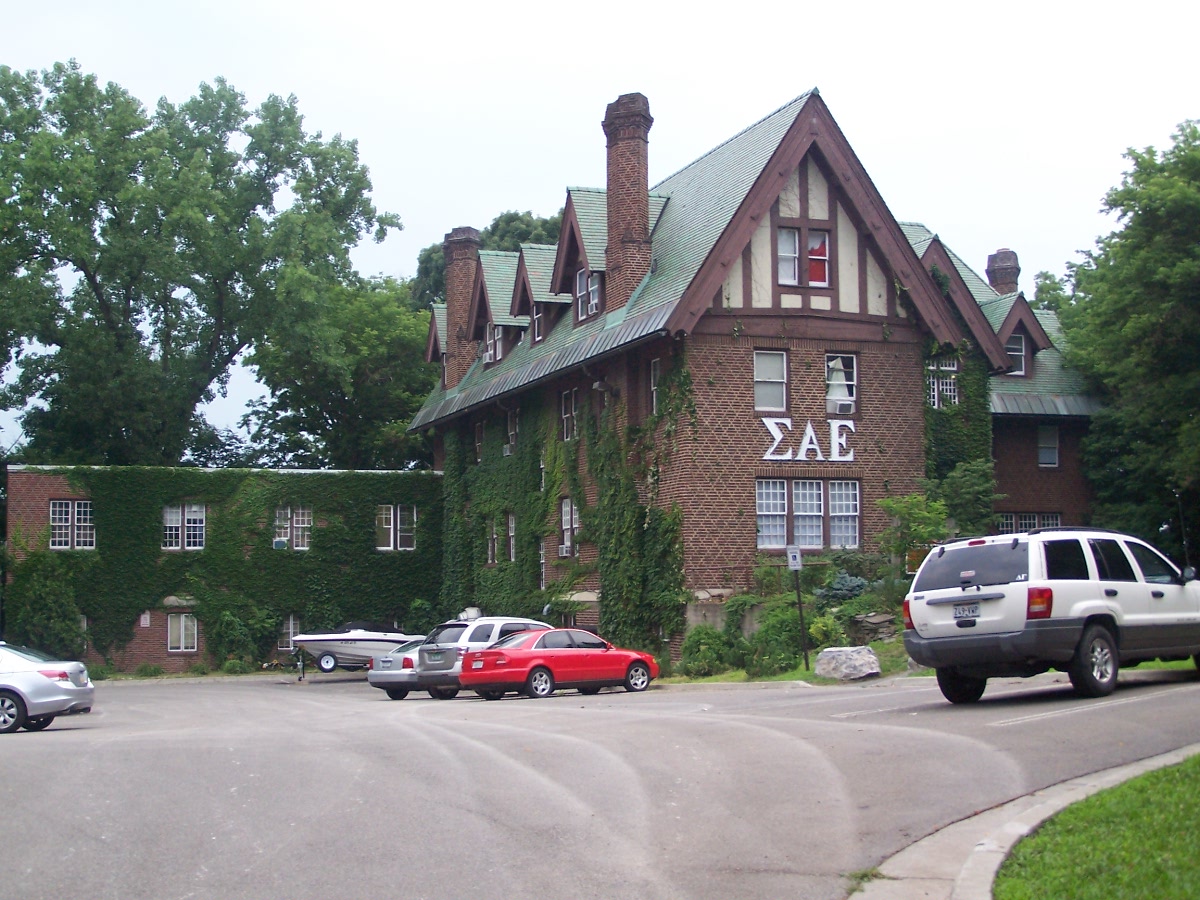
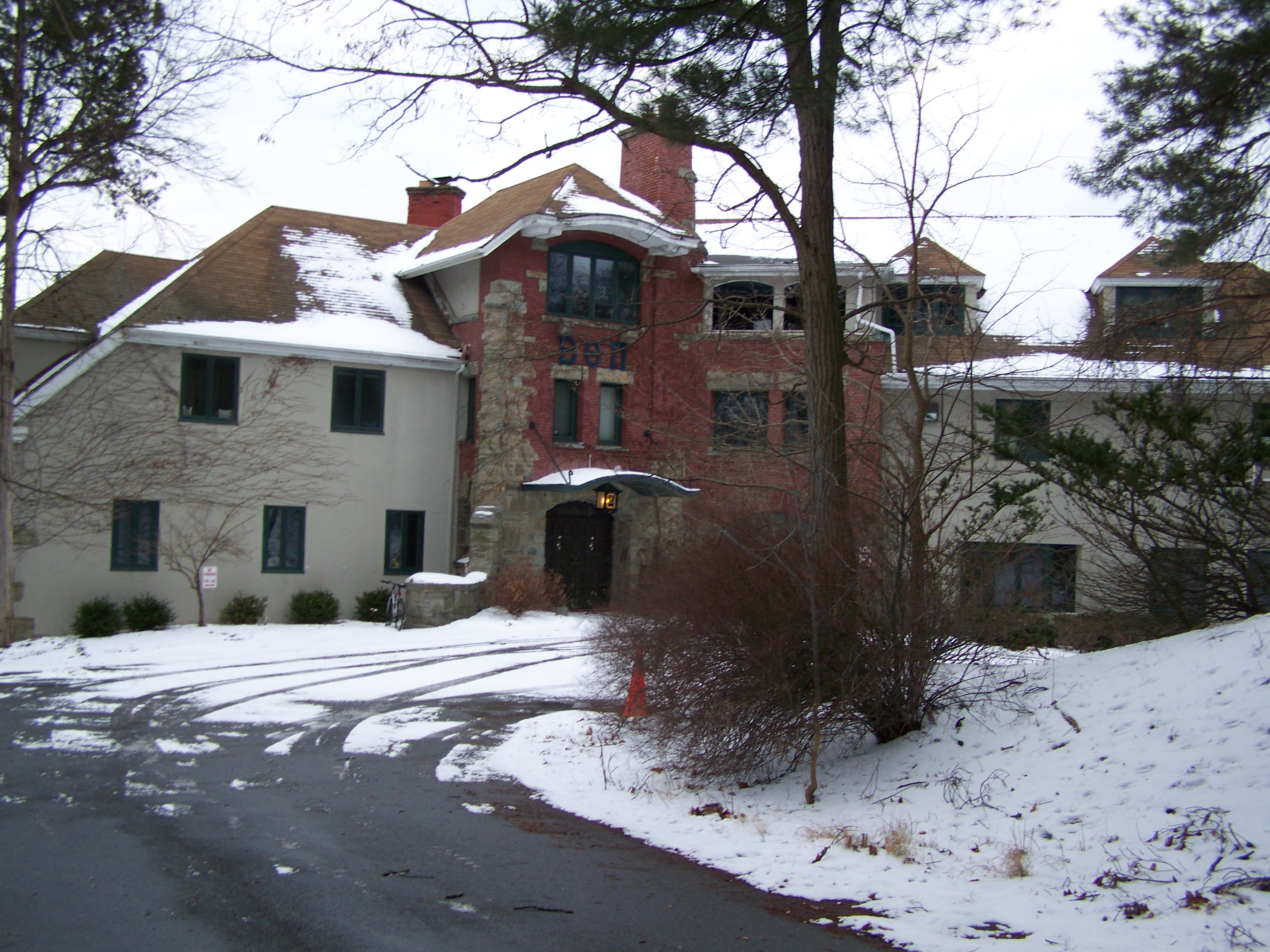
So it’s official. Sigma Alpha Epsilon, up until now the second largest chapter in the Greek system, is being booted from campus for a period of five years. All members must vacate the university-owned facility by the end of the month. I think the following passage is the most disturbing:

“At this time, the information provided to the university indicates that George Desdunes, 19, was provided alcohol while in the care of certain members and associate members of the Sigma Alpha Epsilon fraternity, and became incapacitated. Even though the members and associate members recognized the condition Desdunes was in, they failed to call for medical care. He subsequently died.”

Let’s be honest. Associate members = pledges in this case. Also, just about anyone who’s been in a fraternity can vouch they knew “that” guy who got really, really drunk one time at a frat party or a mixer, so they gave him some water, a bucket just in case, and laid him on a couch to sleep it off (or maybe that was just in my experience). But this time, either members failed to recognize the severity of the situation – tragic but not impossible – or they realized the extent of the situation and did nothing. Which I really, sincerely hope wasn’t the case, especially since a number of criminal charges are likely in the upcoming weeks.

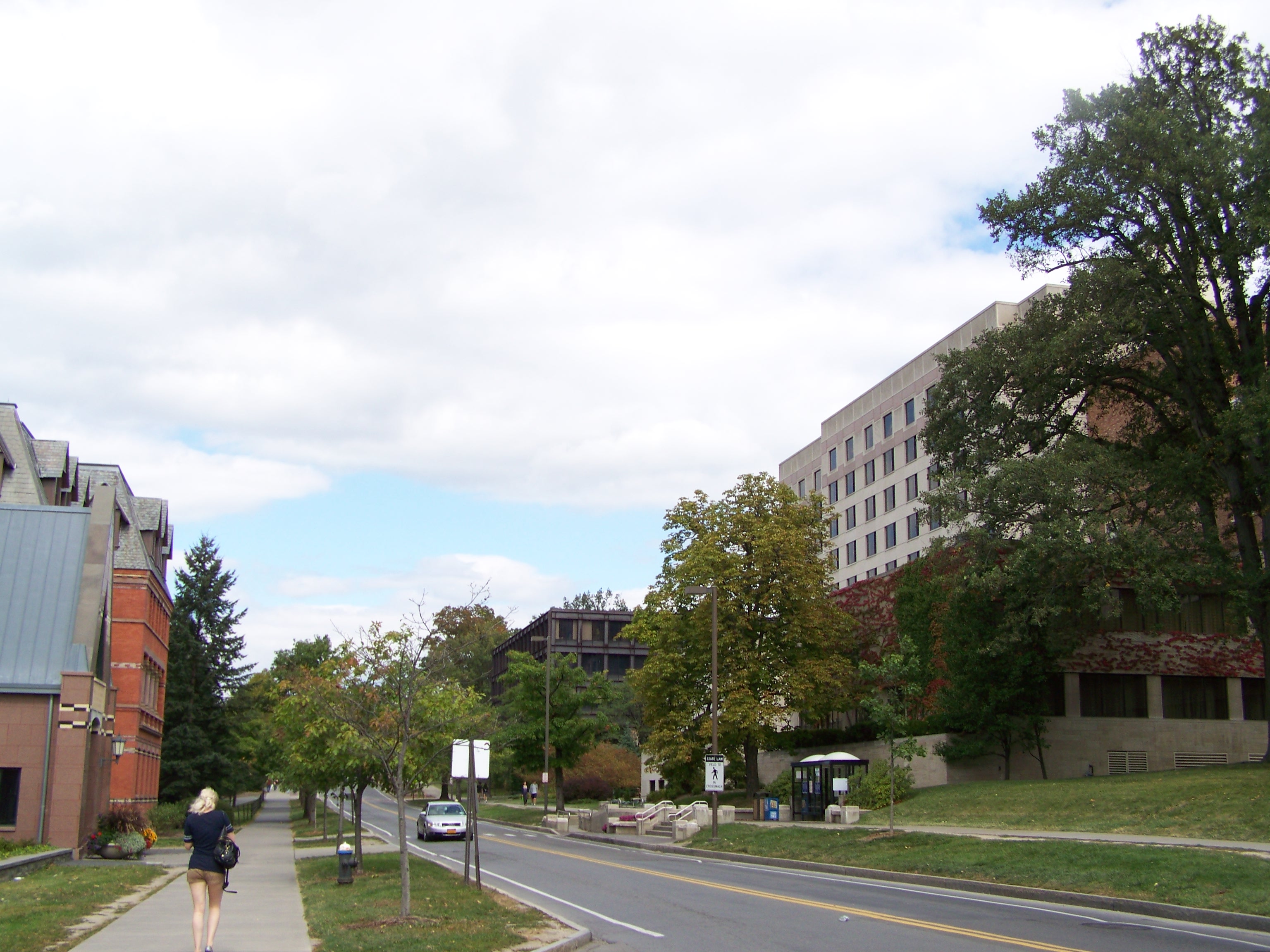
It’s hard to imagine a system without SAE occupying its lofty Hillcrest estate. But, there is a habit in recent years of the largest, most visible houses being shut down for one reason or another. Pi Kappa Alpha was one of the largest chapters in the system back in the 1980s and 1990s, their recognition was suspended after an incident a couple years ago sent three rushees to the hospital. Before In the mid 2000s, the largest chapter was Sigma Pi, which was suspended and forced to reorganize in 2007 after they sent Thanksgiving attendees to the hopsital with alcohol poisoning. It seems that the largest houses are more apt at screwing up.

It’s difficult to picture Cornell’s Greek Life without one of its prominent members. But under the circumstances, I would’ve been even more surprised if they had been allowed to continue on campus.



News Tidbits 2/7/11: Sorority Selected for Recolonization on CU Campus

7 02 2011

According to the Cornell Daily Sun, Phi Sigma Sigma sorority has been selected to recolonize at Cornell University, from a field of five candidates. From the article:

“Phi Sigma Sigma will begin recruiting a core group of members in the fall, drawing in part from the new sorority interest group on campus. The sorority will participate in formal recruitment in Jan. 2012….

Phi Sigma Sigma had a chapter at Cornell that left the University in 1969, a departure Sanders speculated may have been due to a generally negative view of Greek life at the time. She said supportive Cornell alumnae from the chapter’s earlier years would be an asset to its reestablishment. “

That much is correct. Phi Sigma Sigma established a chapter (Beta Xi) at Cornell University around 1954. The chapter was located in the house at 313 Wait Avenue.The chapter was closed around 1969, and for that I offer two, non-mutually exclusive explanation. The first is as Ms. Sanders suggested – the late 1960s were a time of strong social activism and Greek life was seen as archaic and out of touch with the times, so membership declined rapidly. Phi Sigma Sigma was one of four or five chapters to shut down in a three year span from 1969-1971. Secondly, Phi Sigma Sigma, although officially non-sectarian, was regarded as a house for women of Jewish faith. As other sorority houses adopted non-sectarian policies in the 1960s, the competition became much fiercer, and with the general declines in sorority interest, this likely compounded and caused the chapter to close its doors.

The Sun article states that 14 South Ave. is expected to be used as the new house for the sorority at Cornell. This house has been used for so many Greek houses it’s like a token minority character in a movie – no one can remember their name, but everyone remembers their race or skin color. In this case, no one can remember the house’s letters, they just know it’s a Greek house. For the record, the house was built in 1957, and home to Kappa Alpha Society up to their closing in 1990, and then it was home to AOPi and Delta Chi. This is discussed more in another entry on this blog.

Among the nifty things that turned up in a google search is a word document from the ladies of Phi Sigma Sigma national that seems to be an overview of their presentation to the Cornell Panhel on why they would make for a good addition to the campus Greek scene. It doesn’t really offer much in the way of interesting information, but I was rather surprised it was so easy to find on the Internet.

So yeah, congratulations ladies. Good luck to your rechartering in the upcoming year.


Photographic Revisions

2 01 2011

So, one of the things I’m proud of on this blog is that about ninety percent of the photos used are my own work, either “stock” images that I had taken before I graduated, or one of the few images I’ve taken while visiting as an alum. Still, one of the things that always bothered me was that a good portion of my north campus fraternity photos were blurred. This happened for a perfectly good reason – the images were taken on my old digital camera in the summer of 2008. These images were taken close to sunset on a cloudy day, so there was a lack of light, and I had to adjust the settings to compensate. Unfortunately, this meant a longer exposure time, and if my hands shifted at all, the photo would have a “fuzzy” appearance. This is what happened to most of those photos.

So, while visiting friends as part of a 700-mile car trip around the New Year’s holiday, I did an overnight stay with a few of them that have remained in Ithaca (for grad school and work). Having a little free time as I first arrived into town on the afternoon of the 29th, I decided to rectify this issue once and for all. The images are included below.

Phi Delta Theta

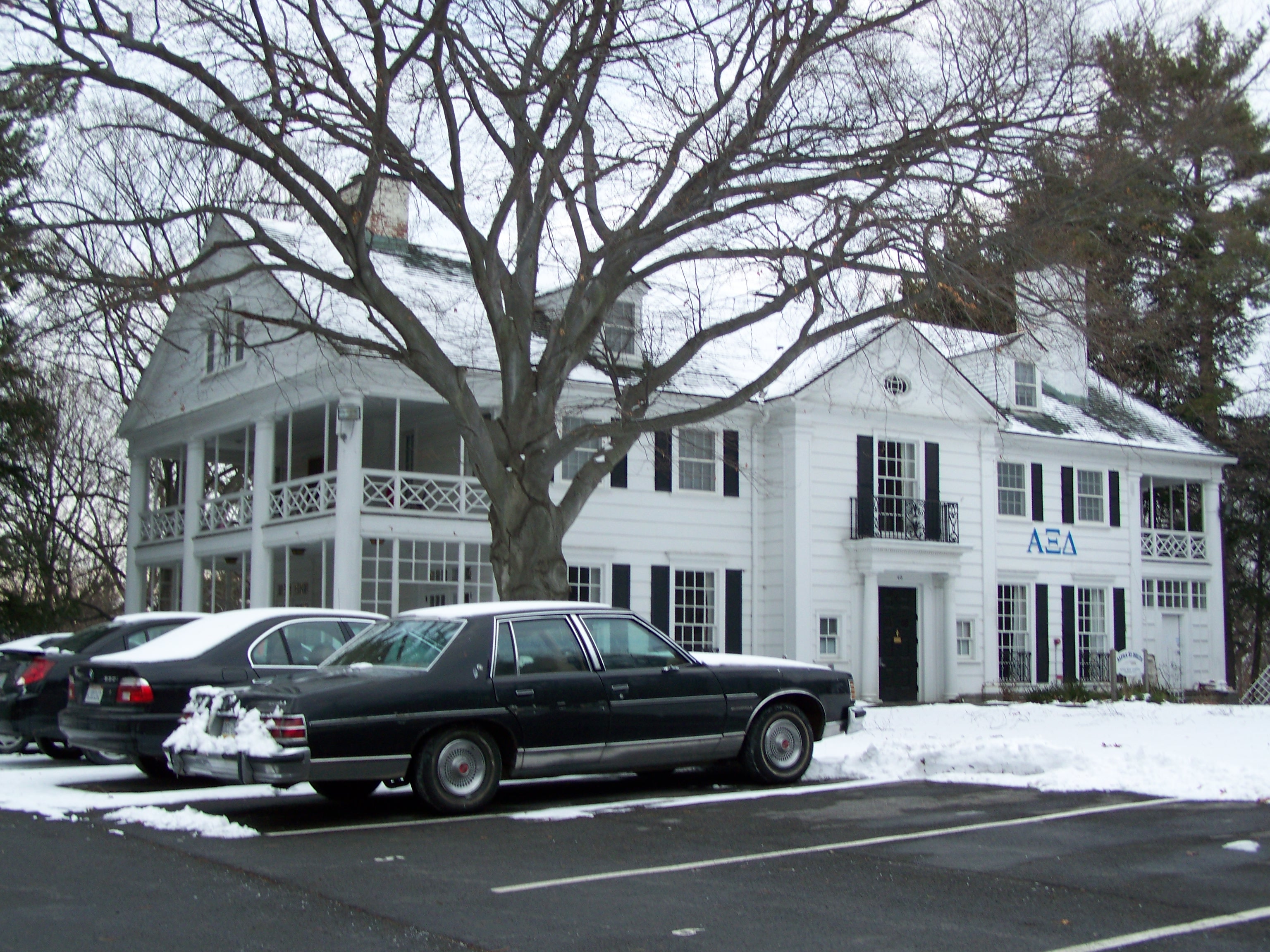
Alpha Xi Delta…and what appears to be an early-1980s Pontiac Bonneville. I thought the only models of that car left would be in museums or junk yards.

Pi Kappa Phi

Beta Theta Pi

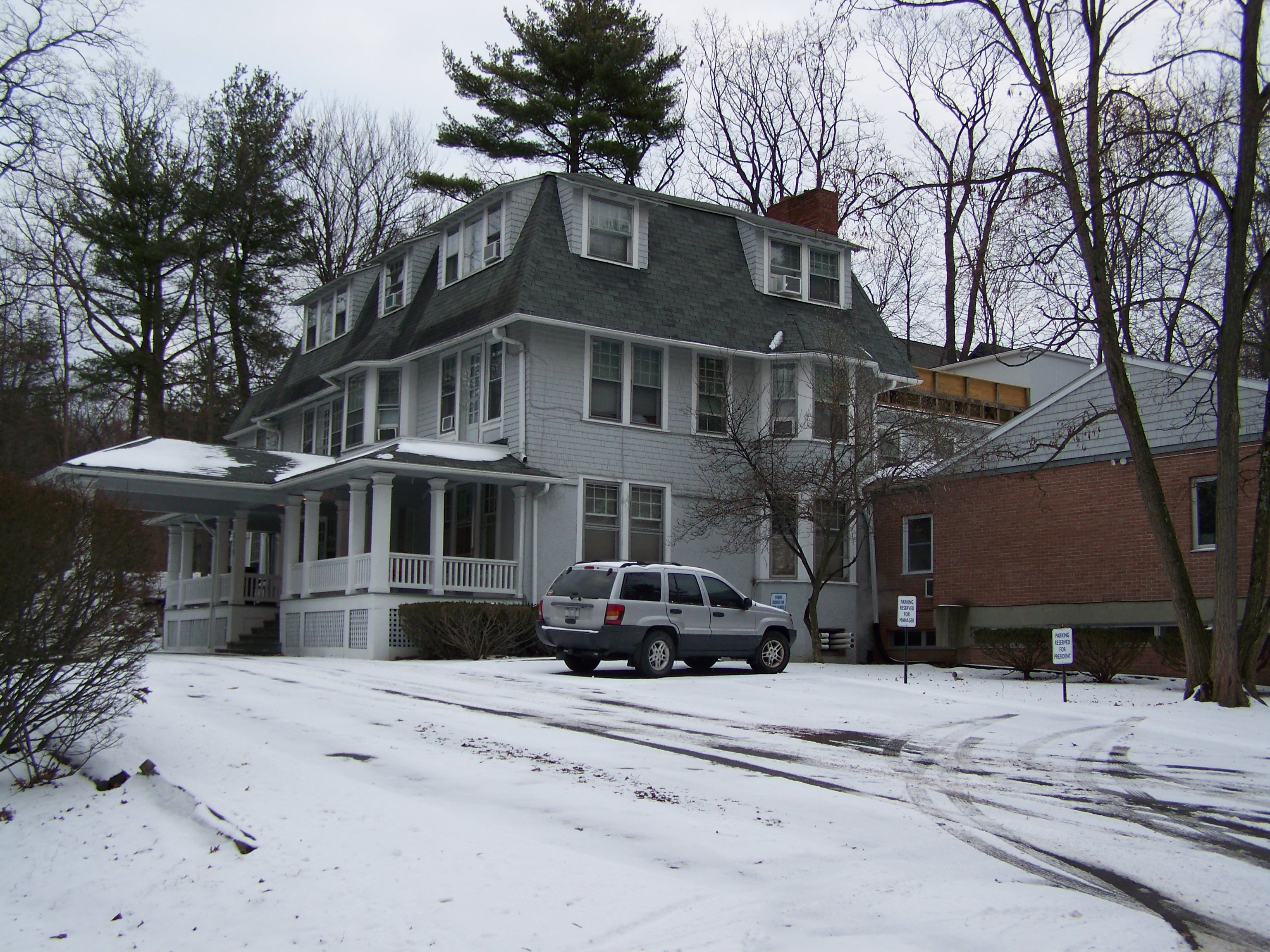
Sigma Delta Tau. I think that is the exact same Jeep from my photo two and half years ago. Housemother’s? Also, I couldn’t tell whether or not that was new construction in progress off of the rear of the old structure.

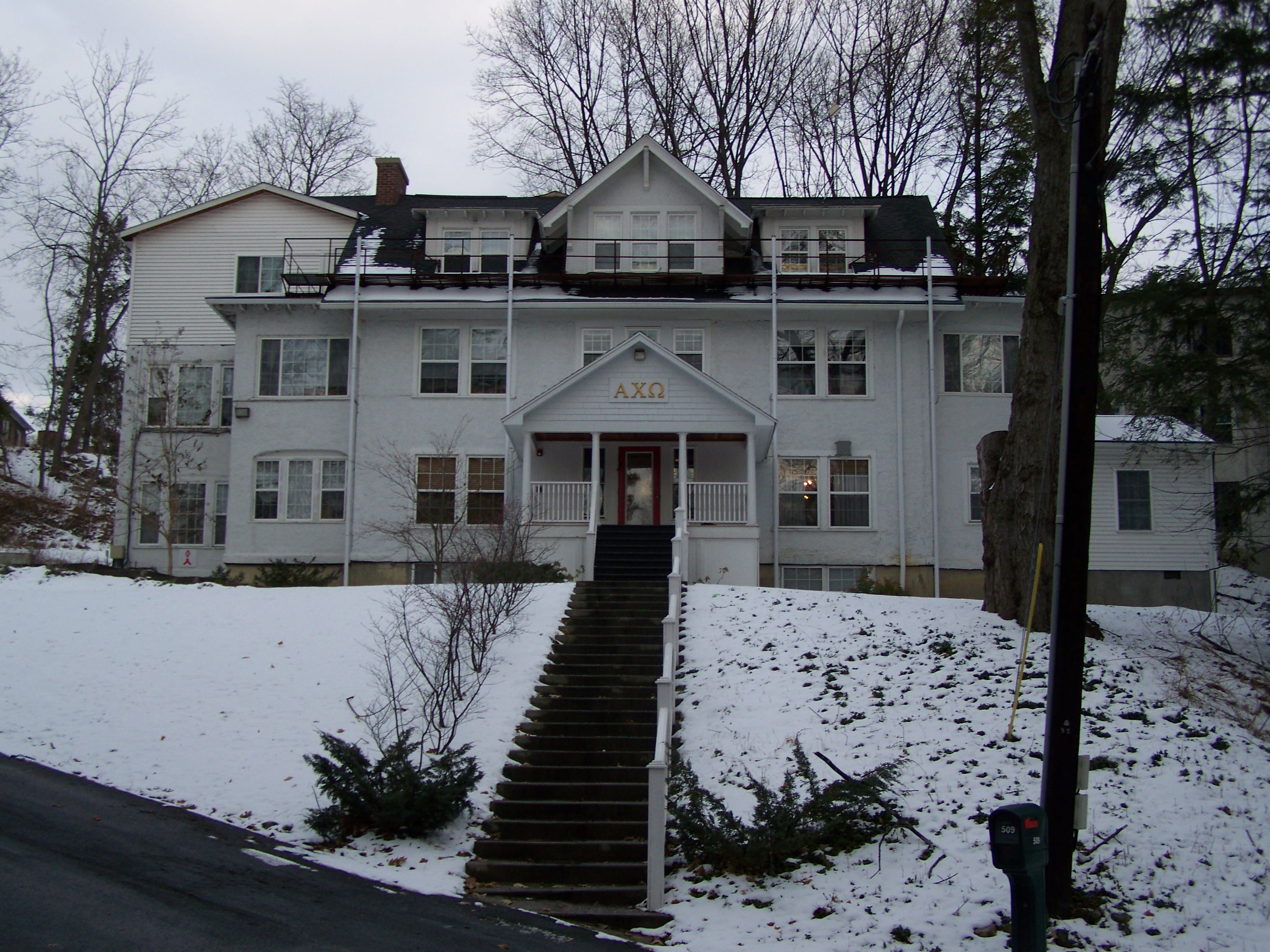
Alpha Chi Omega

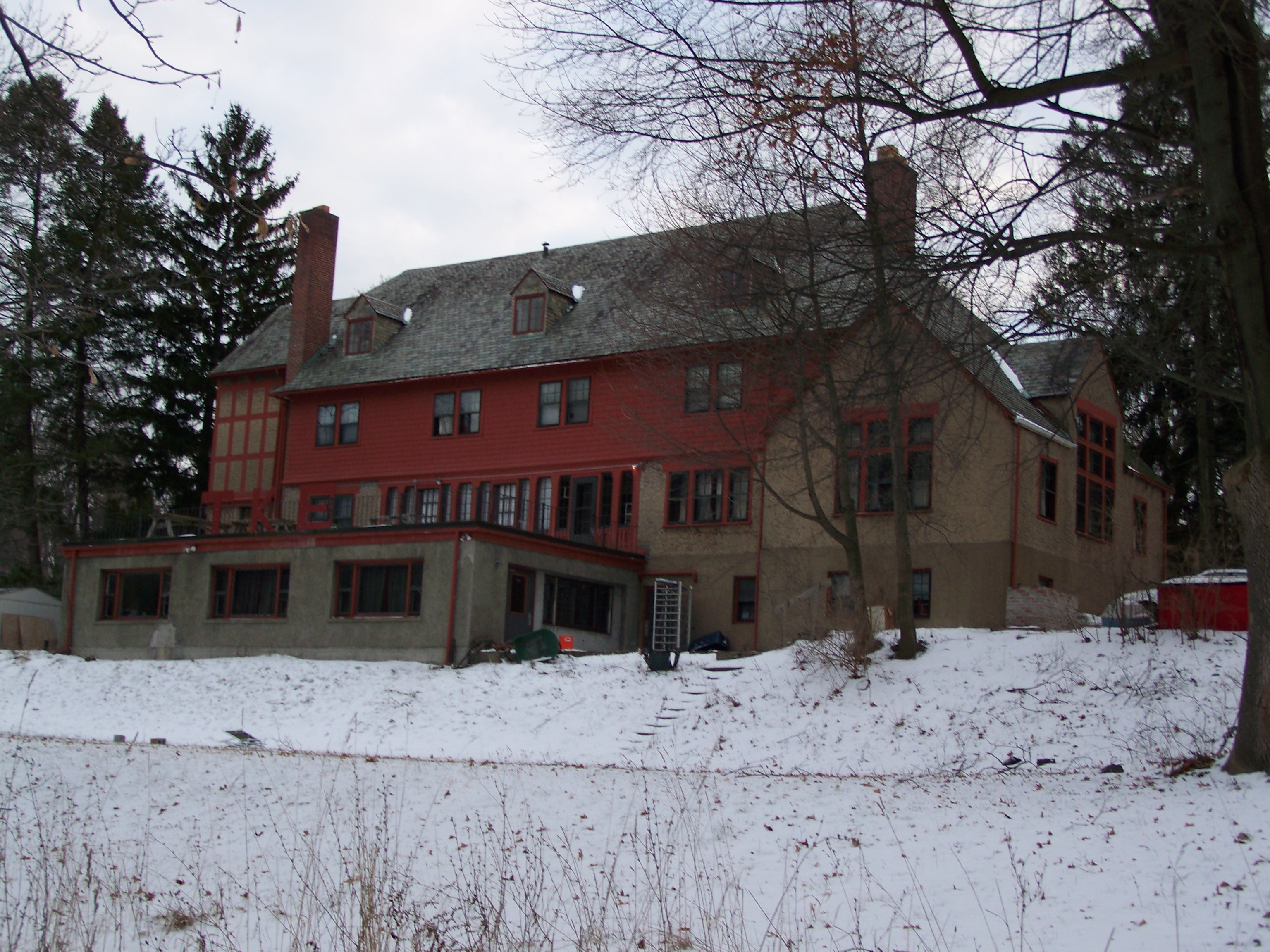
Tau Kappa Epsilon

Tau Epsilon Phi

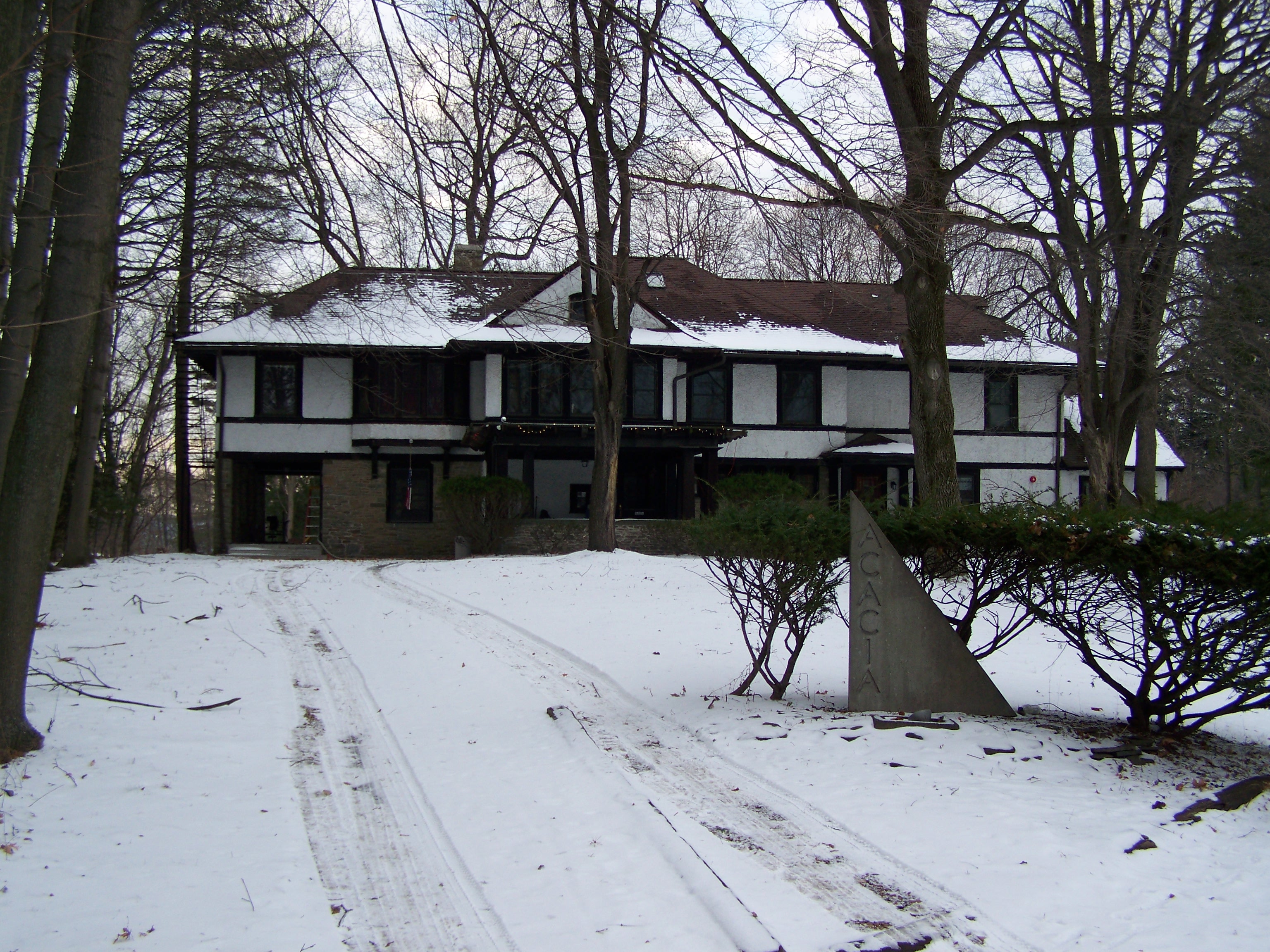
Acacia

Alpha Gamma Rho

Kappa Kappa Gamma

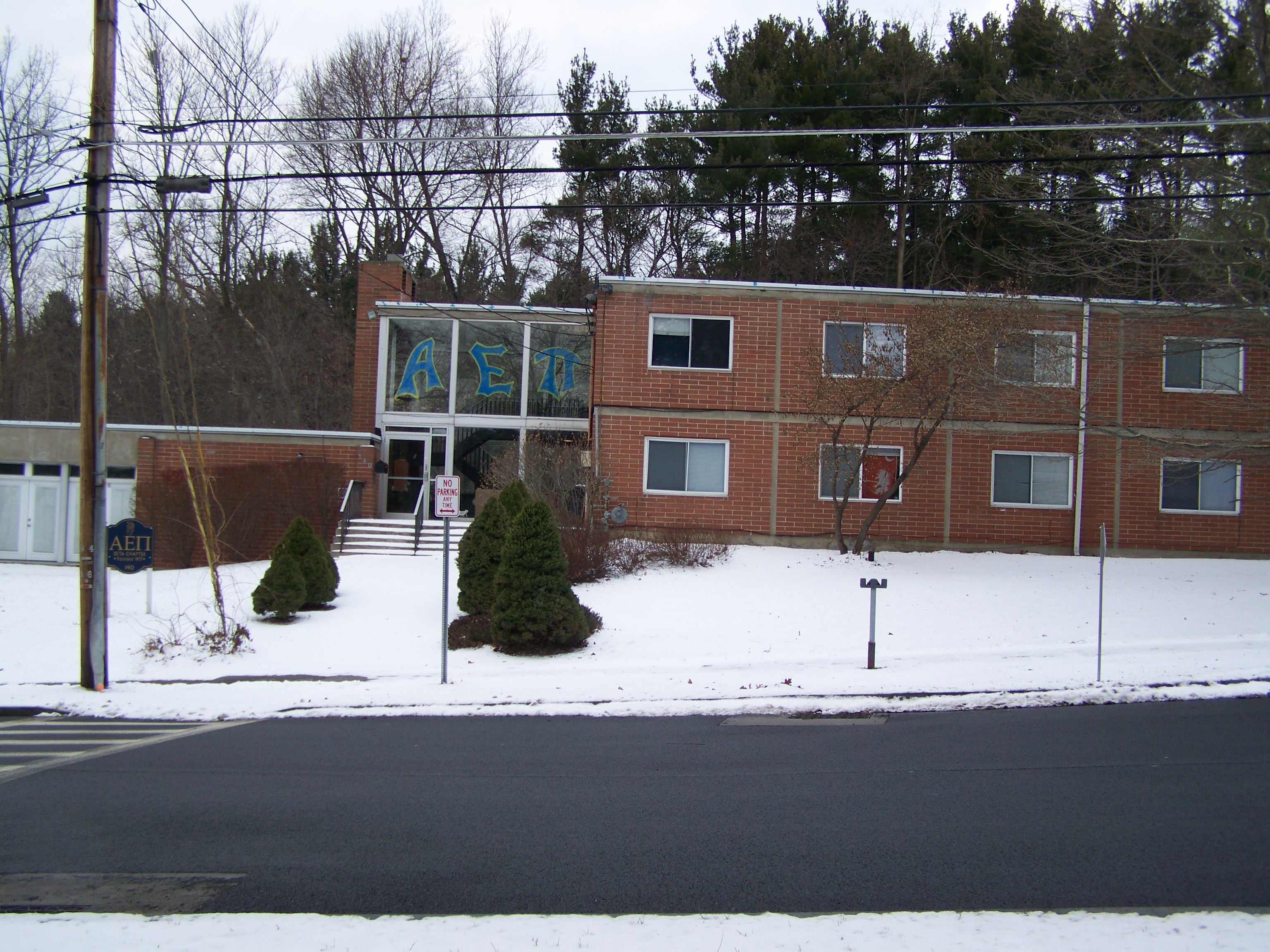
Alpha Epsilon Pi

Delta Chi

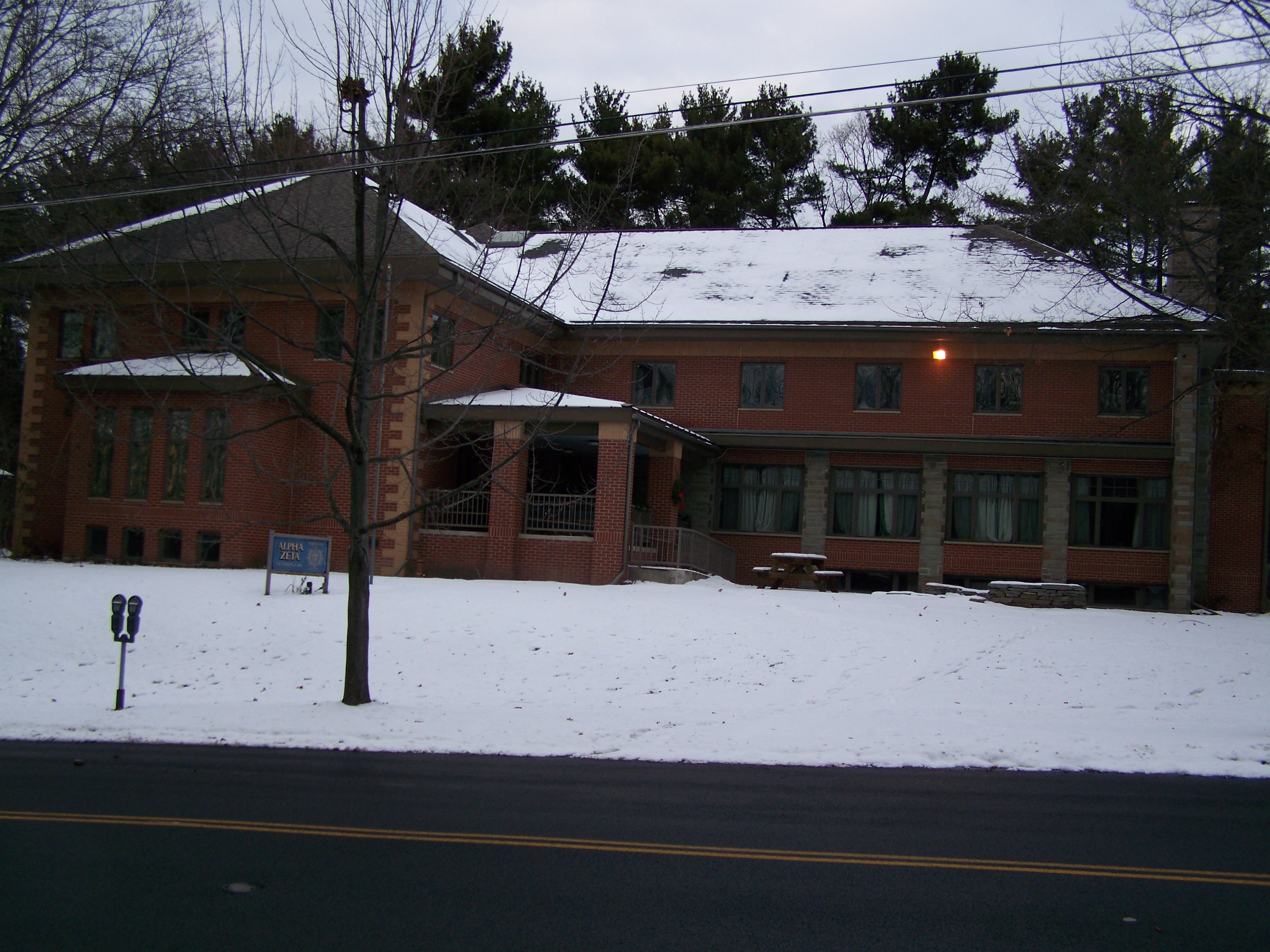
Alpha Zeta

Phi Kappa Tau


Fraternal Publicity

23 12 2010

This entry is a bit unorthodox, but since the Greek houses are gearing up for rush in a few weeks, it’s apropos. I was curious to see what houses came up were most frequently requested in the search bar, and what Greek house photos were most popular. Give two and a half years and about 125,000 houses, there’s a good-sized chunk of data to work with. Any combo of the house’s name, with or without Cornell, is considered. Plural searches or searches geared towards chapters at other schools are excluded.  Since wordpress gives the option, I’m dividing the results into two groups: all time (since June 2008) and the past 90 days.

Here’s the top five search entries for specific Greek houses in the past three months:

1. Psi Upsilon – 201 searches, henceforth called “hits”

2. Sigma Chi – 191 hits

3. Delta Chi – 183 hits

4. Delta Kappa Epsilon – 120 hits

5. Chi Phi – 99 hits

…and for all time:

1. Sigma Chi – 816 hits

2. Chi Psi – 605 hits

3. Delta Chi – 562 hits

4. Psi Upsilon -631 hits

5. Chi Phi – 362 hits

Interestingly enough, Psi U splits its hit almost evenly between “psi upsilon cornell” and “psi u cornell”. Sigma Chi, Delta Chi and Chi Phi are dominated in searches by their full name (“sigma chi cornell”), and Delta Kappa Epsilon was mostly searched for as “dke cornell” or “deke cornell”. Only about half of houses on campus had more than ten hits in the past three months. At least five had no hits at all. My old house has a grand total of seven hits in the past 90 days. Looking at search entries, it seems that the recent favorites are in general perennial favorites. DKE had a total around 350 hits and was sixth on the all time list.

Sororities are apparently unpopular searches. The highest all time was Delta Gamma, with 113 hits. If it were a frat, it would be about 19th on the search bar popularity list. Hell, Telluride had more hits (123).

Looking at the images, the results play out a bit differently for the past 90 days. They’re a bit harder to classify, since I can only go by the number of times people downloaded the full-size photo of a house. But, if we make the assumption that the number are roughly similar, then we can make some form of a conclusion. Anyways, here’s the 90 day results, followed by the “all time” results:

90 DAYS

1. Chi Phi’s house (23 full image downloads)

2. DKE’s house (15)

3. FIJI’s house (13)

4. Pi Kappa Phi’s house (10)

5. Alpha Delt’s goat house (10). Their house photo had (9) hits.

ALL TIME

1. Chi Phi (118)

2. DKE (82)

3. Sigma Chi’s house (77)

4. Zeta Beta Tau’s house (63)

5. Delta Chi’s house (61)

So, it’s obvious that there’s a flow and ebb of publicity going on here. Like for search bar entries, some houses are much more popular than others, although it looks like every house photo had at least 3 downloads. Keeping in step, my own house had an almighty 11 downloads over the past two and some odd years.

Partly out of curiosity, I decided to commit the sin of going to collegeACB to do a quick search to see what were the most popular houses.

Psi Upsilon, searching for “psi u” alone, came up in 256 threads (aside: what the hell? Don’t you psi u obsessed folk have lives?). Searching Psi Upsilon spelled out fully and making a half-hearted attempt to pull threads where psi u is already mentioned pulled in only a couple more hits.  Sigma Chi was mentioned (either as “sigma chi” or “sig chi”) in over 170 threads. Delta Chi appeared in 127 threads.

In comparison, Alpha Delta Phi, which would’ve rounded out the top ten in the search bar, comes up in over 250 threads, and SAE, which was also in the upper part of the top ten, had 278 threats threads. Less searched houses drew relatively few threads from the gossip site (generally 50 or less; of the five houses who had no searches in the past 90 days, none returned more than a couple dozen gossip threads). So, there might be a very general correlations, but it definitely doesn’t match up perfectly.

Well, whether it’s raving or ranting, publicity is still publicity, I s’pose. I hope those who search are mindful that the info here is sparse, and that the opinions of collegeACB are about as respectable as a hooker in church.


Bob Saget Loves Seal and Serpent, Part II

9 12 2010

I live in my grad student bubble.  So I was pleasantly surprised when Matthew Nagowski over at Metaezra happened to write an entry about the A&E Channel’s airing of the episode of “Strange Days with Bob Saget” that has everyone’s favorite dad from Full House “pledging” and joining the fraternity, complete with formals, toga parties and pledge activities. Conveniently, the episode is free to watch on A&E’s website.

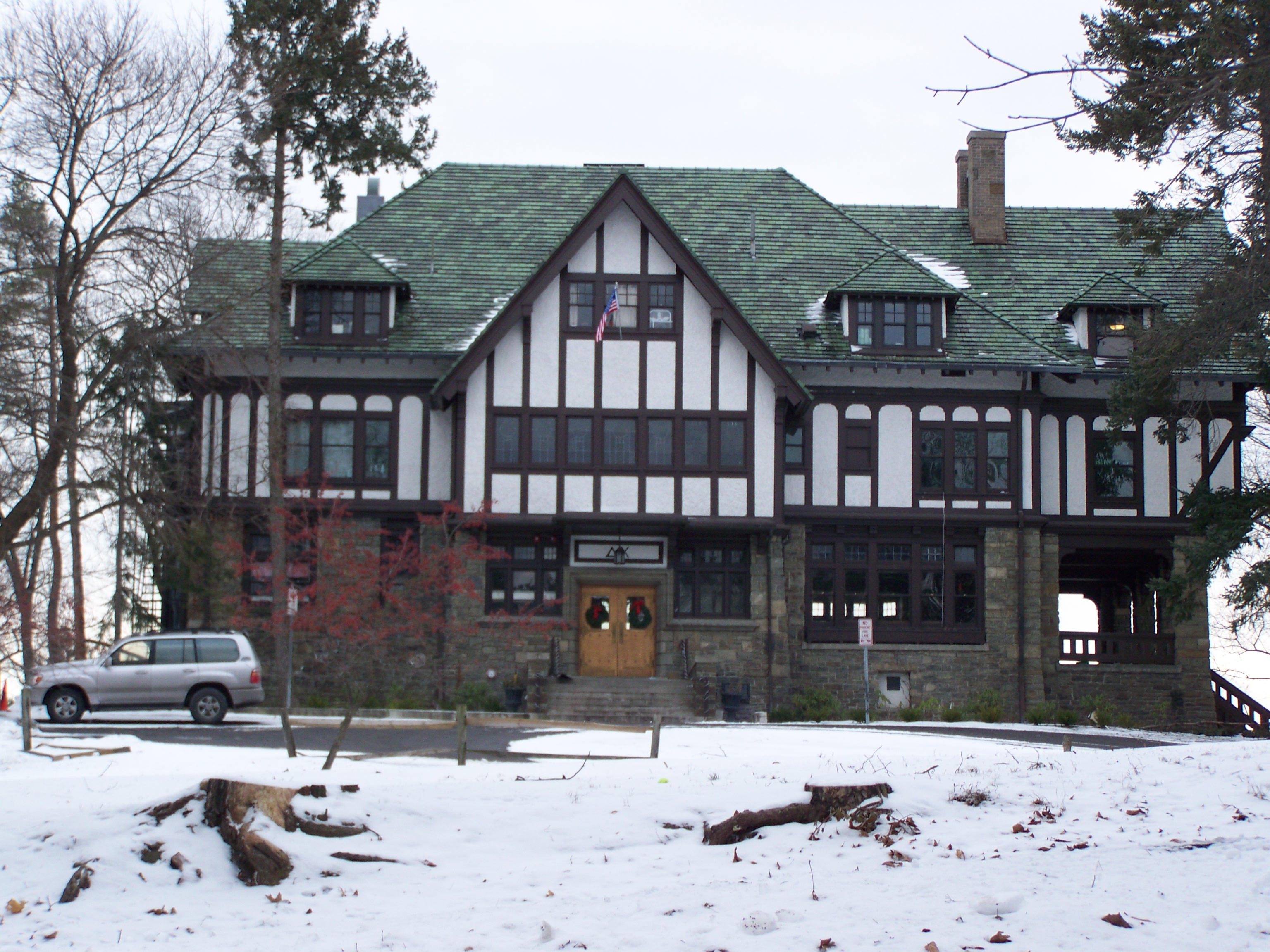
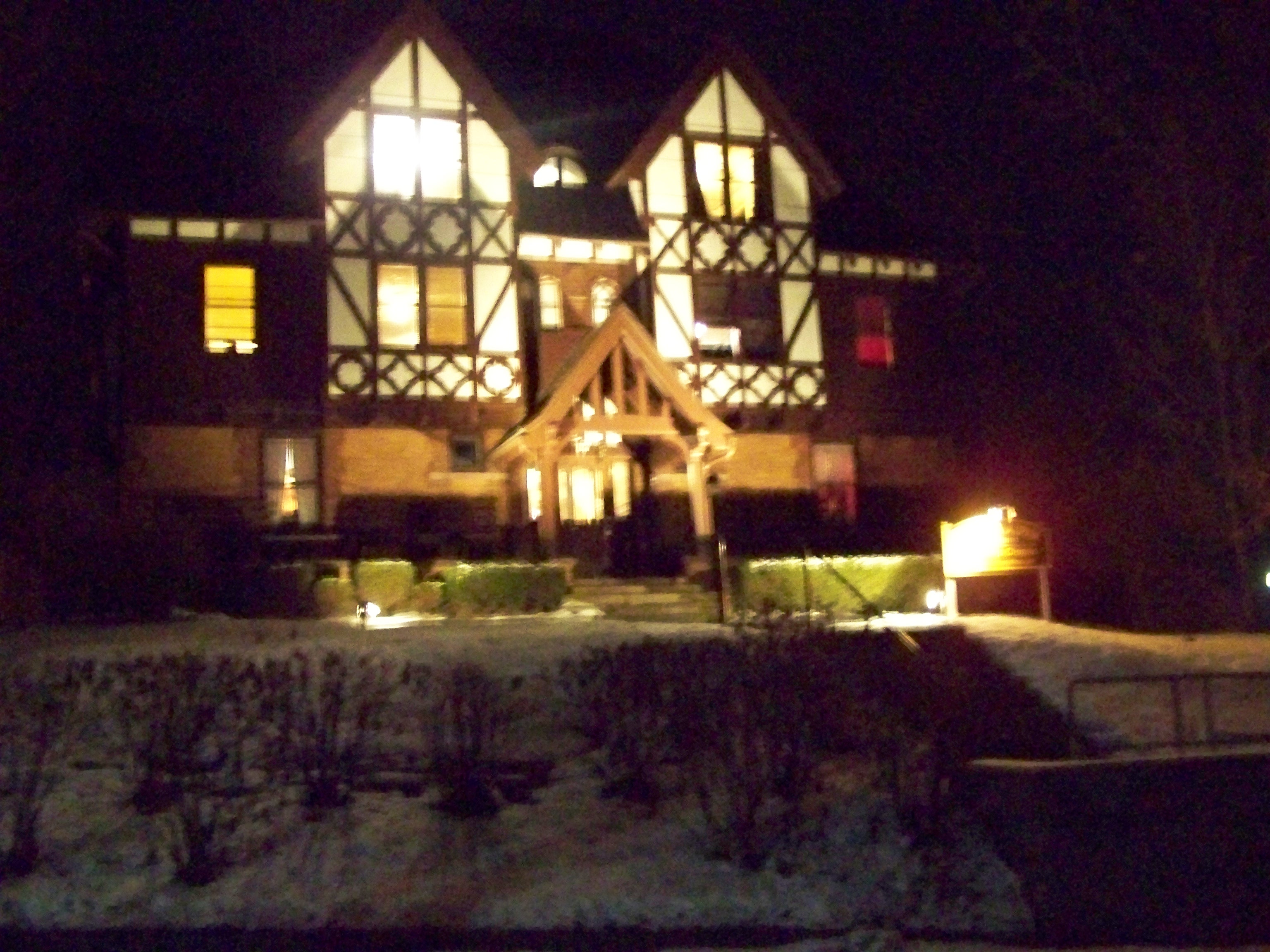
I remember writing up a brief entry last spring after this blog was swamped with questions in the search bar asking why Bob Saget was on campus, and then quickly forgot about the whole thing. It was a minor newsmaker, sure, but it was just one event in a stream of activities taking place around and about campus. The only time it ever came up again was when Seal or someone in their house would come up in conversation, and if this conversation was with someone else in the Greek system, the line “I can’t believe that Bob Saget went to Seal to film his show” often followed suit. Not many people in the system were pleased about Seal hosting such a high-profile event, since Cornell’s Greek Life would be publicized (and stereotyped) as a tudor-style house on Thurston Avenue. It seemed to be the general sentiment that there were low expectations for the episode, because it was thought its portrayal (either on the show’s part or the brothers’ part) would be unflattering and give a bad impression of the system.

I’ll admit that as a member of another house, I was a bit weary of Seal’s involvement. I actually had been to the house on a number of occasions because one of my best friends at Cornell was engaged to a senior in the house (they are now happily married). The first floor, with its wood finishes and giant Seal and Serpent lineage flow chart, did not fail to impress. I was less enamored by the party area in the attic (which is a bit abnormal, since most houses have party spaces in the basement) and some of the eccentricities of members (between friends, we affectionately referred to one brother as the “Beer Pong Nazi” while a second brother was infamous for a comment regarding the difference between “rapeability” and “rape-ability”, which is better left unwritten), but overall, they struck me as a fairly harmless bunch of guys, not without their quirks but with a very well-heeled and active alumni base.

So I watched the whole episode through. I thought it was entertaining. It was certainly enjoyable to see some of the guys I knew in Seal dressed up and being polite and respectable in front of the cameras (especially since I knew better). I thought that the impression they gave of Cornell’s system was adequate and not particularly offensive. I was also watching the episode while keeping in mind some of the details of what went on behind-the-scenes.

It was explained to me over the weekend as they were filming that there were some alterations from reality (even more so than pledging that only lasts a weekend). For the party scene, they couldn’t serve to anyone under 21 due to legal obligations. Well okay, that makes it less realistic, but that’s to be expected. However, they could only play generic rock music at the party so they could avoid issues and fees with copyrighted material. That seemed even more unrealistic to me than the lack of underage drinking. At least the show did pick up the tab for the brothers’ party costumes and food/drink, which were more impressive than your typical toga party fare. If I recall correctly, Bob Saget was also at an “IFC Meeting”, but it appears any footage that might’ve been taken from that event was cut from the final production.

Watching the show and treating it as just a show with creative license made the episode much more enjoyable. The episode cast Cornell in a positive light, and lewd jokes aside, it wasn’t offensive to anyone. I wouldn’t call it accurate, but it’s entertaining, and that’s what matters, I suppose.


News Tidbits 9/24/10: New Fraternity to Open on Campus

23 09 2010

Arguably, it may not be a good time for expansion, but that’s it’s own issue. The Cornell Daily Sun has published an article discussing how the IFC is inviting the fraternity Phi Kappa Sigma (known on many campuses as “Skulls” due to their insignia) to speak to the IFC general body before a proposed recolonization this upcoming spring.

Most apparent is that this illustrates how much easier it is for a new fraternity to open on campus vs a new sorority. Sororities have to have the Panhel’s benediction and have to compete against other sororities for the opening (like what’s currently going on for the new 12th sorority; five sororities are narrowed down to three, who must then give presentations before Panhel decides which sorority to offer the position to). For a fraternity, a national organization (i.e. you don’t necessarily need an interest group) has to express interest, and a good plan of execution on how to establish itself on campus.

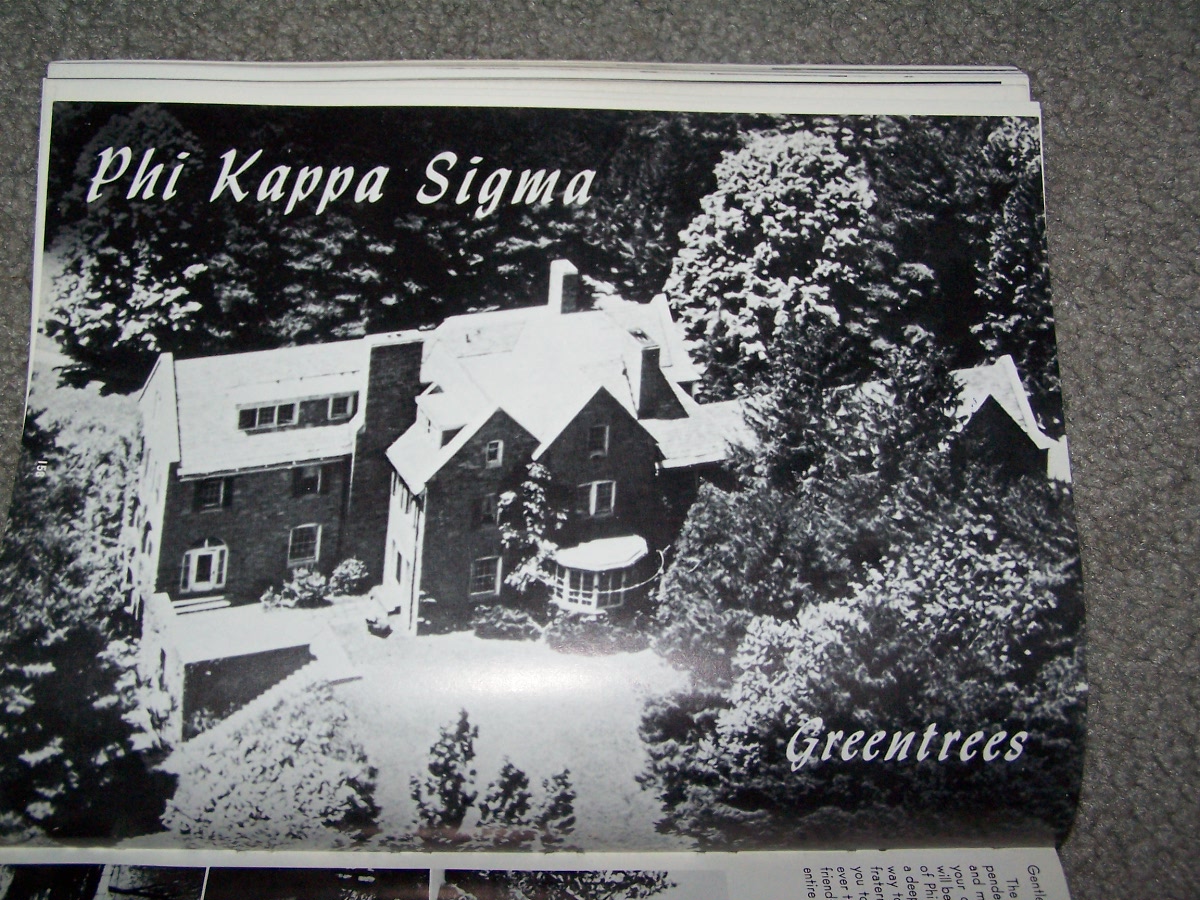
A little bit of background on Phi Kappa Sigma. They were a fraternity that previously existed at Cornell. The Cornell Chapter was founded in 1891, but closed in 1990. The current Pi Kappa Phi house at 55 Ridgewood Road (“Greentrees”) used to be occupied by Phi Kappa Sigma (Cornell owns the house; on the facilities website, the house is still identified as Phi Kappa Sigma). The house, built around 1900, was the property of George Morris of the Morris Chain Company (later Emerson Power Transmission) until 1935, when it was sold to Phi Kappa Sigma. Sometime between 1935 and 1990, the Skulls sold the house to the university (likely for tax and maintenance purposes correction: It would seem that Phi Kappa Sigma put the house up for sale in 1990 and it was purchased by Pi Kappa Phi). After the Skulls vacated the premises in 1990, Pi Kappa Phi, which was recolonizing at the time, moved in the following year. I’m not sure how a recolonization may affect Pi Kappa Phi’s living situation. The fraternity is similar to Phi Delta Theta in that their newly established or reestablished chapters are dry houses.

Hopefully, they’ll have a better go at things than other recently recolonized chapters. Theta Xi failed to make significant headway and from what I’ve heard, has gone dormant once again. Kappa Alpha still exists, but as a mere shadow of its former self. But, only time will tell if Phi Kappa Sigma can once again make its presence known on Cornell campus.


News Tidbits 9/8/10: The Kappa Sig Dorm

9 09 2010

Being interested in both the Greek System and in the university’s physical facilities, an article that details how Kappa Sigma’s house has been transformed into a small dorm is bound to catch my attention. Evwn better, it’s a very well-detailed article, and I found myself pleasantly surprised with the quality of work.

I guess being an alum just reminds me of how unaware of news I am now, as this was the first time I heard anything about this renovation and reopening. The reuse of the building as a dorm is actually the less surprising part. 112 Edgemoor and 14 South are former Greek houses that operate now as small dorms (Triangle, which closed in 1985, occupied 112 Edgemoor up to 1985 and Kappa Alpha lived in 14 South from 1957-1990). Cornell purchased the Kappa Sigma facility as part of the Cornell University Residential Plan of 1966. Reasonably, when Cornell owns a facility (as it does with at least 15 Greek houses, of which all but one (722 University Ave.) are fully occupied), it’s financially much more preferable to maintain the space as a working residential facility. This goes for private houses as well — the article mentions Pike is being rented out as a boarding house. This policy also has bearing on active chapters; boarding which is a popular option with residential fraternities with low membership numbers as a way to maintain the financial viability of a house. Interestingly enough, the university used Craigslist to advertise the spaces, and managed to fill all but one.

The article reports that the estimate for maintaining an empty fraternity house runs about $80,000 to $90,000 in a given year. The extremely general description for the expenditures is maitenence. More specifically, heating (pipes may burst in the winter if the facility isn’t adequately heated), insurance, security for a vacant facility, interior and exterior upkeep, and other utilities (which cost money to even have access to let alone use) come to mind.

I’m rather surprised at Cornell’s investment in renovating the facility. I dunno how much work had to be done, but if the Kappa Sigma alumni have already started the rechartering process, then it’s likely the university won’t be filling the facility for more than two years.  But, I don’t know much about the maitenence of university-owned Greek houses (my fraternal alma mater was privately owned by an alumni board). It just struck me as curious.


The Uncertainty of the Greek System

25 08 2010

Add-ons to email services are wonderful things. Right now, I mostly sit in my grad office all day doing work (the rare exceptions will be my grad classes and my TA work, neither of which actually start until Monday). My email is one of my few escapes. Anyways, on my four-accounts-feeding-to-one setup, I have a Cornell newsfeed. Today, one of the top stories was the proposed changes to the Greek System, which seek to drastically alter the social environment. Quoting the article, which came from the Daily Sun:

“…Starting in the fall of 2011, freshmen will not be allowed to attend any fraternity parties in the second half of the fall semester. Three days of rush week during January 2012 will be dry. Mixers will be prohibited for the first six weeks of the new member process, and each sorority can have two mixers a week for the remaining two weeks.

Finally, in fall 2012, freshmen will be prohibited from all fraternity parties that involve alcohol. In January 2013, the entire rush week will be alcohol free. Social events between fraternities and sororities that involved alcohol will be prohibited during all eight weeks before new members are initiated.”

The intent is noble enough; to curtail underage drinking and prevent alcohol-related crime and illness. To someone in the Greek system though, it sounds a bit scary. Let’s acknowledge the not-so-secret fact that a substantial amount of publicity, and recruiting, comes from freshman visiting houses during parties, where alcohol is readily available. What other time are they going to learn about the houses before rush (and Greek Week doesn’t count because it is a collective show of Greek pride by all chapters at once)? Some are already bemoaning this latest act as the death of the Cornell Greek system (and some hope for as much).

First of all, it’s not. Cornell’s Greek system is much, much more  regulated than the chapters that exist at my grad school, which are basically like street gangs with Greek letters. The system may only limp forward, but it will persist.

Secondly, this isn’t the first time these plans have been espoused. In Scott Conroe’s book I Take Just Pride, one section details how in 1999, then-president Hunter Rawlings gave a speech to the Greek System where he espoused his belief that fully half of the houses on campus would likely close as a result of the execution of the Initiative and the establishment of a house system for upperclassmen. I have yet to see evidence that that has turned out to be the case. A similar intent was espoused by a residential initiative that Cornell launched in the late 1950s and 1960s (the goal there was to make small dorms that were like fraternities, but without all of the problems they cause).

Another date that Greeks were terrified of: December 31, 1985. It was the date the drinking age in New York State went from 18 to 21. In copies of the Daily Sun from 1985, fears were expressed that this would ruin the Greek System, for many of the same reason people fear the latest proposals. But, drinking went underground and everyone turned a blind eye. Kegs were banned from open parties after an alcohol-related death in 1989, but the Greek System still persisted.

Arguably, Cornell’s focus should be on a much larger scale. Fraternity parties are notorious for under-21 drinking, but it’s an issue kept behind closed doors. However, even more undiscussed are the house parties and club organizations, which are just as receptive to underage drinking. Sports teams, the Big Red Band, the Daily Sun, Glee Club…freshmen are going to drink one way or another. When the fraternities are prohibited, they’ll just migrate to the houses and private parties of Collegetown, which are mostly unregulated. I would suggest Cornell crack down on all organizations and do Collegetown foot patrols, but the thought of that is nothing short of Orwellian.

Do I see a whole lot coming from this? Not really. There will be much maneuvering, and some face laws, but I don’t see a whole lot of change occurring. Everyone is going to look for ways to let things slide under the radar once again. If it somehow turns out that the Greek System is incapacitated by the new rules, I suspect it will only take a little waiting and watching until other student organizations or even independent groups of people will step in to fill the void of underage drinking.


Kappa Sigma Closes its Doors

6 05 2010

…and the Greek sh*tshow continues.

Kappa Sigma fraternity will be shut down at the end of the academic year by their national governing body, according to Associate Dean of Students for Fraternity and Sorority Affairs Travis Apgar. He added that the chapter would cease to be recognized by the University. The fraternity will be closed after violating sanctions that were imposed on them by their national organization just over a year and a half ago.

Apgar said that approximately a year and a half ago, Kappa Sigma was found in violation of their national organization’s “risk management policy” and were told that they could no longer host events with alcohol, among other sanctions. When they violated this order sometime afterward, their national organization placed them under a “trusteeship,” which required them to have any events approved by a regional manager from the national organization, according to Apgar.

Apgar said that the fraternity, however, violated this sanction too. He said that a couple of weeks ago, Kappa Sigma hosted a party with alcohol without alerting their regional manager or registering it with the Interfraternity Council — in violation of both their national’s sanctions and IFC regulations. When the Office of Fraternity and Sorority Affairs found out, they alerted the chapter’s national, who decided to shut them down.

While leaders in the chapter do not dispute these facts, they did express disappointment at how their national governing body found out about the incident.

At their most recent party, a fire alarm went off and the fire department came to investigate. Rather than allow the OFSA to learn about the incident themselves, the fraternity came forward and told the OFSA. Kappa Sigma President Eduardo Garcia ’11 said that he was assured by Assistant Dean of Students Kara Miller that the OFSA would not alert the national governing body about the party unless a judicial hearing was held.

Though no hearing was ever scheduled, Garcia received an e-mail shortly after from the chapter’s national governing body that they would be closed down.

“We were blindsided,” Garcia said. “The OFSA didn’t even have the decency to send us an e-mail telling us that they were planning on alerting national.”

Apgar, however, denied that the agreement ever took place, adding, “It was not something I was ever aware of.” Miller could not be reached for comment.

In any case, the fraternity will likely remain closed for at least the next few years, though Apgar said that he believed the fraternity would be back, just “not in the immediate future.”

“This chapter has been around for many years and there are a lot of people who have put a lot of time and money into it, I think it will eventually be back,” he stated.

***

This one came almost out of the blue. I began to suspect something was up when I began to see facebook statuses yesterday from Kappa Sigs I know expressing sympathy for the chapter (my first thought was that there was a casuality of some sort). But this…Kappa Sigma was to my knowledge a fairly well-respected, low-key chapter. I don’t think anyone would’ve seen this coming.

Speaking as someone from a chapter whose national and local always seemed to have had strained relations, I am strongly sympathetic towards the Kappa Sigs sudden shutdown, but it doesn’t seem it came without its warnings. The decision to throw a party when you could be shut down for doing so is incredibly irresponsible. But I’m also appalled by the OFSA though. While Travis Apgar is head of the office, Kara Miller is usually the primary contact for houses. For her to give her word and for Apgar to notify the national either means there was horrific miscommunication or someone just got the shaft. Whatever the case, this has been handled poorly and is a big breach of trust between chapters and the OFSA. I wonder if they did it anyway as a show of force to prove that they could put the hammer down on unruly chapters. Regardless, poor display of authority, and poor decision-making on Kappa Sigma’s part.


Unsurprising News: Pike To Be Shut Down

2 05 2010

As many expected, Pi Kappa Alpha will be shut down by the university. After an undetermined length of time, they will be able to reapply for recognition by the university. Considering they have a very expansive and influential alumni organization, expect that to take only a year minimum, until the last current members are graduated at the latest (which would be summer 2012). Still, sucks to be associated with Pike right now.

Then again, it isn’t a good idea to be associated with Alpha Delt right now either. Especially in an age where “tips” can get you a page on the Huffington Post for hazing pledges. I doubt Alpha Delt will receive much of a punishment though. When your alumni include John Dyson ’65 (for whom a number of scholarship and part of Mann Library are named), Kent Hubbell ’67 (Dean of Students), and Knight A. Kiplinger ’69, you’re pretty well assured that punishment will be a figurative slap on the wrist.