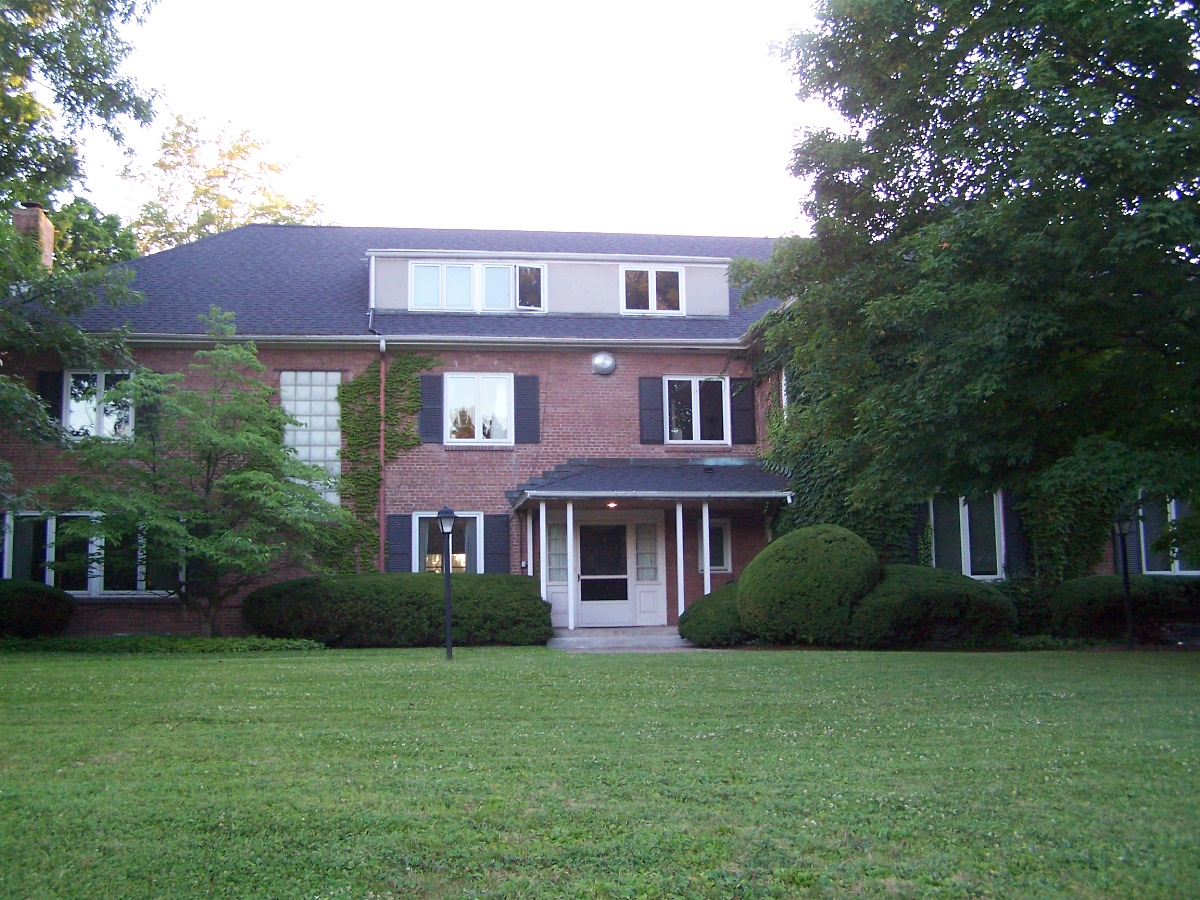
The Uncertainty of the Greek System

25 08 2010

Add-ons to email services are wonderful things. Right now, I mostly sit in my grad office all day doing work (the rare exceptions will be my grad classes and my TA work, neither of which actually start until Monday). My email is one of my few escapes. Anyways, on my four-accounts-feeding-to-one setup, I have a Cornell newsfeed. Today, one of the top stories was the proposed changes to the Greek System, which seek to drastically alter the social environment. Quoting the article, which came from the Daily Sun:

“…Starting in the fall of 2011, freshmen will not be allowed to attend any fraternity parties in the second half of the fall semester. Three days of rush week during January 2012 will be dry. Mixers will be prohibited for the first six weeks of the new member process, and each sorority can have two mixers a week for the remaining two weeks.

Finally, in fall 2012, freshmen will be prohibited from all fraternity parties that involve alcohol. In January 2013, the entire rush week will be alcohol free. Social events between fraternities and sororities that involved alcohol will be prohibited during all eight weeks before new members are initiated.”

The intent is noble enough; to curtail underage drinking and prevent alcohol-related crime and illness. To someone in the Greek system though, it sounds a bit scary. Let’s acknowledge the not-so-secret fact that a substantial amount of publicity, and recruiting, comes from freshman visiting houses during parties, where alcohol is readily available. What other time are they going to learn about the houses before rush (and Greek Week doesn’t count because it is a collective show of Greek pride by all chapters at once)? Some are already bemoaning this latest act as the death of the Cornell Greek system (and some hope for as much).

First of all, it’s not. Cornell’s Greek system is much, much more  regulated than the chapters that exist at my grad school, which are basically like street gangs with Greek letters. The system may only limp forward, but it will persist.

Secondly, this isn’t the first time these plans have been espoused. In Scott Conroe’s book I Take Just Pride, one section details how in 1999, then-president Hunter Rawlings gave a speech to the Greek System where he espoused his belief that fully half of the houses on campus would likely close as a result of the execution of the Initiative and the establishment of a house system for upperclassmen. I have yet to see evidence that that has turned out to be the case. A similar intent was espoused by a residential initiative that Cornell launched in the late 1950s and 1960s (the goal there was to make small dorms that were like fraternities, but without all of the problems they cause).

Another date that Greeks were terrified of: December 31, 1985. It was the date the drinking age in New York State went from 18 to 21. In copies of the Daily Sun from 1985, fears were expressed that this would ruin the Greek System, for many of the same reason people fear the latest proposals. But, drinking went underground and everyone turned a blind eye. Kegs were banned from open parties after an alcohol-related death in 1989, but the Greek System still persisted.

Arguably, Cornell’s focus should be on a much larger scale. Fraternity parties are notorious for under-21 drinking, but it’s an issue kept behind closed doors. However, even more undiscussed are the house parties and club organizations, which are just as receptive to underage drinking. Sports teams, the Big Red Band, the Daily Sun, Glee Club…freshmen are going to drink one way or another. When the fraternities are prohibited, they’ll just migrate to the houses and private parties of Collegetown, which are mostly unregulated. I would suggest Cornell crack down on all organizations and do Collegetown foot patrols, but the thought of that is nothing short of Orwellian.

Do I see a whole lot coming from this? Not really. There will be much maneuvering, and some face laws, but I don’t see a whole lot of change occurring. Everyone is going to look for ways to let things slide under the radar once again. If it somehow turns out that the Greek System is incapacitated by the new rules, I suspect it will only take a little waiting and watching until other student organizations or even independent groups of people will step in to fill the void of underage drinking.
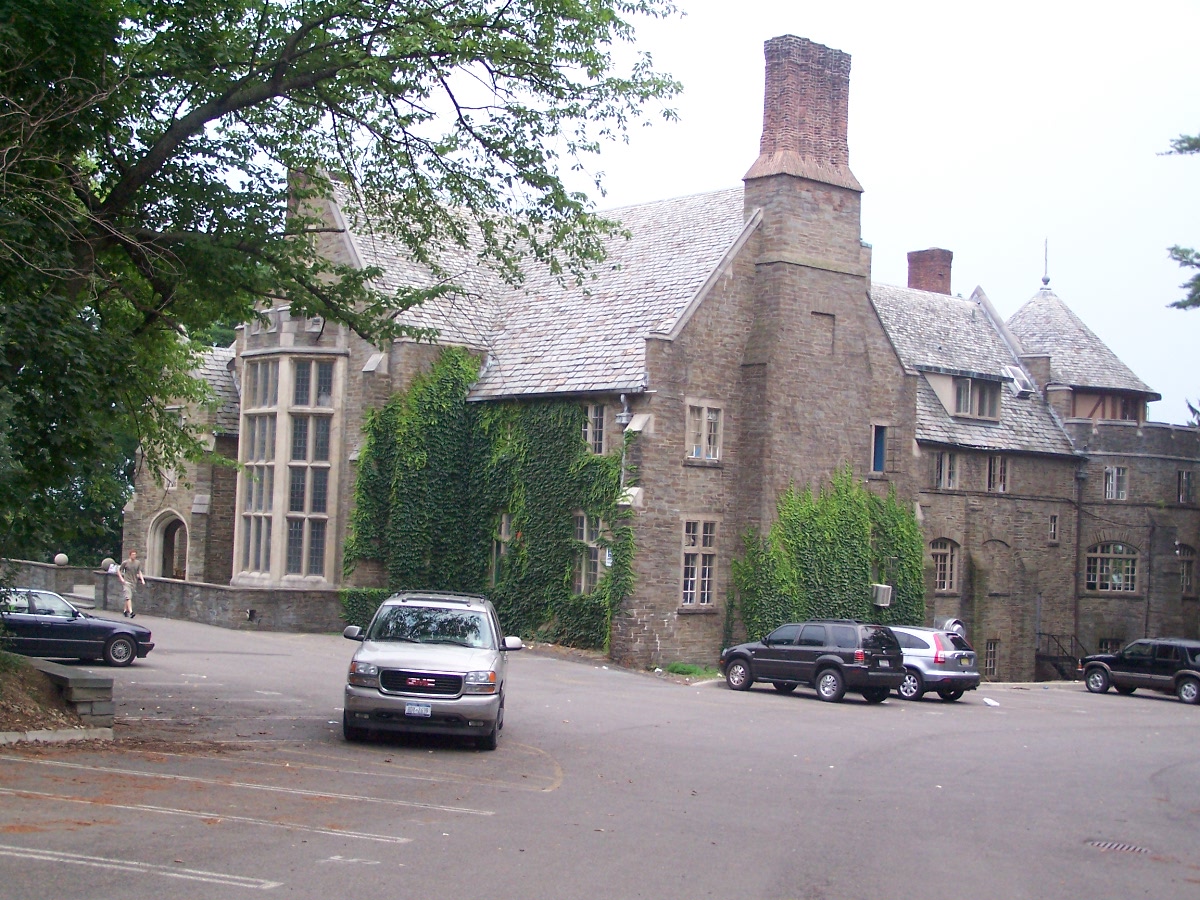


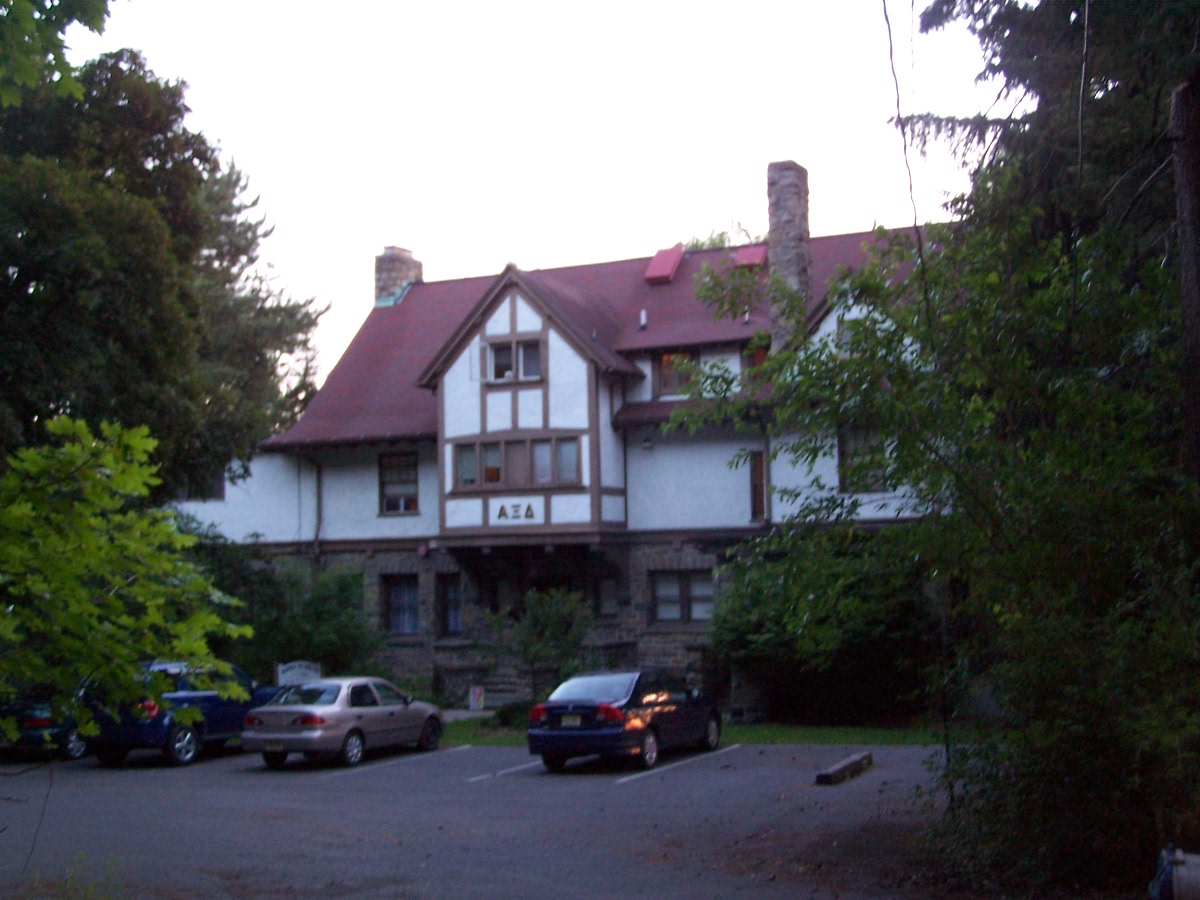
Kappa Sigma Closes its Doors

6 05 2010

…and the Greek sh*tshow continues.

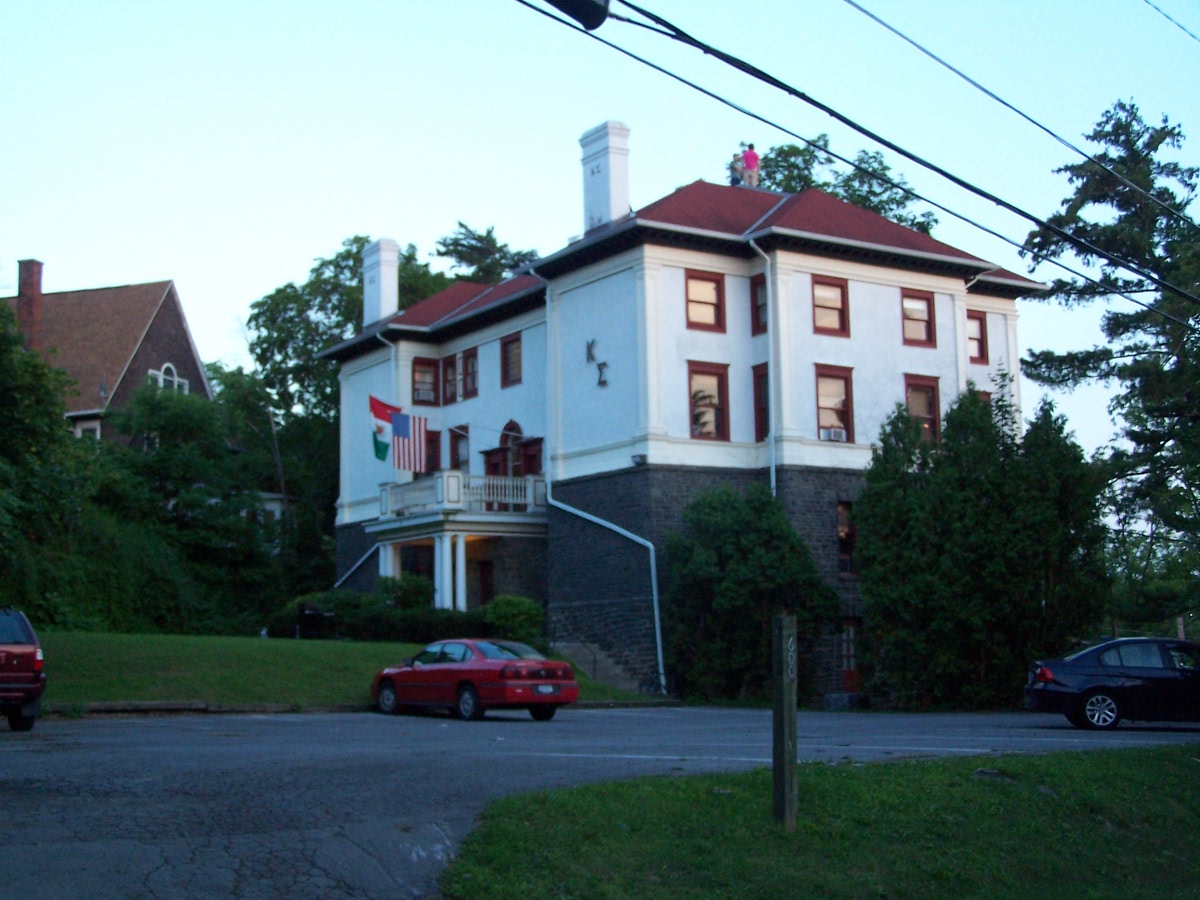
Kappa Sigma fraternity will be shut down at the end of the academic year by their national governing body, according to Associate Dean of Students for Fraternity and Sorority Affairs Travis Apgar. He added that the chapter would cease to be recognized by the University. The fraternity will be closed after violating sanctions that were imposed on them by their national organization just over a year and a half ago.

Apgar said that approximately a year and a half ago, Kappa Sigma was found in violation of their national organization’s “risk management policy” and were told that they could no longer host events with alcohol, among other sanctions. When they violated this order sometime afterward, their national organization placed them under a “trusteeship,” which required them to have any events approved by a regional manager from the national organization, according to Apgar.

Apgar said that the fraternity, however, violated this sanction too. He said that a couple of weeks ago, Kappa Sigma hosted a party with alcohol without alerting their regional manager or registering it with the Interfraternity Council — in violation of both their national’s sanctions and IFC regulations. When the Office of Fraternity and Sorority Affairs found out, they alerted the chapter’s national, who decided to shut them down.

While leaders in the chapter do not dispute these facts, they did express disappointment at how their national governing body found out about the incident.

At their most recent party, a fire alarm went off and the fire department came to investigate. Rather than allow the OFSA to learn about the incident themselves, the fraternity came forward and told the OFSA. Kappa Sigma President Eduardo Garcia ’11 said that he was assured by Assistant Dean of Students Kara Miller that the OFSA would not alert the national governing body about the party unless a judicial hearing was held.

Though no hearing was ever scheduled, Garcia received an e-mail shortly after from the chapter’s national governing body that they would be closed down.

“We were blindsided,” Garcia said. “The OFSA didn’t even have the decency to send us an e-mail telling us that they were planning on alerting national.”

Apgar, however, denied that the agreement ever took place, adding, “It was not something I was ever aware of.” Miller could not be reached for comment.

In any case, the fraternity will likely remain closed for at least the next few years, though Apgar said that he believed the fraternity would be back, just “not in the immediate future.”

“This chapter has been around for many years and there are a lot of people who have put a lot of time and money into it, I think it will eventually be back,” he stated.

***

This one came almost out of the blue. I began to suspect something was up when I began to see facebook statuses yesterday from Kappa Sigs I know expressing sympathy for the chapter (my first thought was that there was a casuality of some sort). But this…Kappa Sigma was to my knowledge a fairly well-respected, low-key chapter. I don’t think anyone would’ve seen this coming.

Speaking as someone from a chapter whose national and local always seemed to have had strained relations, I am strongly sympathetic towards the Kappa Sigs sudden shutdown, but it doesn’t seem it came without its warnings. The decision to throw a party when you could be shut down for doing so is incredibly irresponsible. But I’m also appalled by the OFSA though. While Travis Apgar is head of the office, Kara Miller is usually the primary contact for houses. For her to give her word and for Apgar to notify the national either means there was horrific miscommunication or someone just got the shaft. Whatever the case, this has been handled poorly and is a big breach of trust between chapters and the OFSA. I wonder if they did it anyway as a show of force to prove that they could put the hammer down on unruly chapters. Regardless, poor display of authority, and poor decision-making on Kappa Sigma’s part.


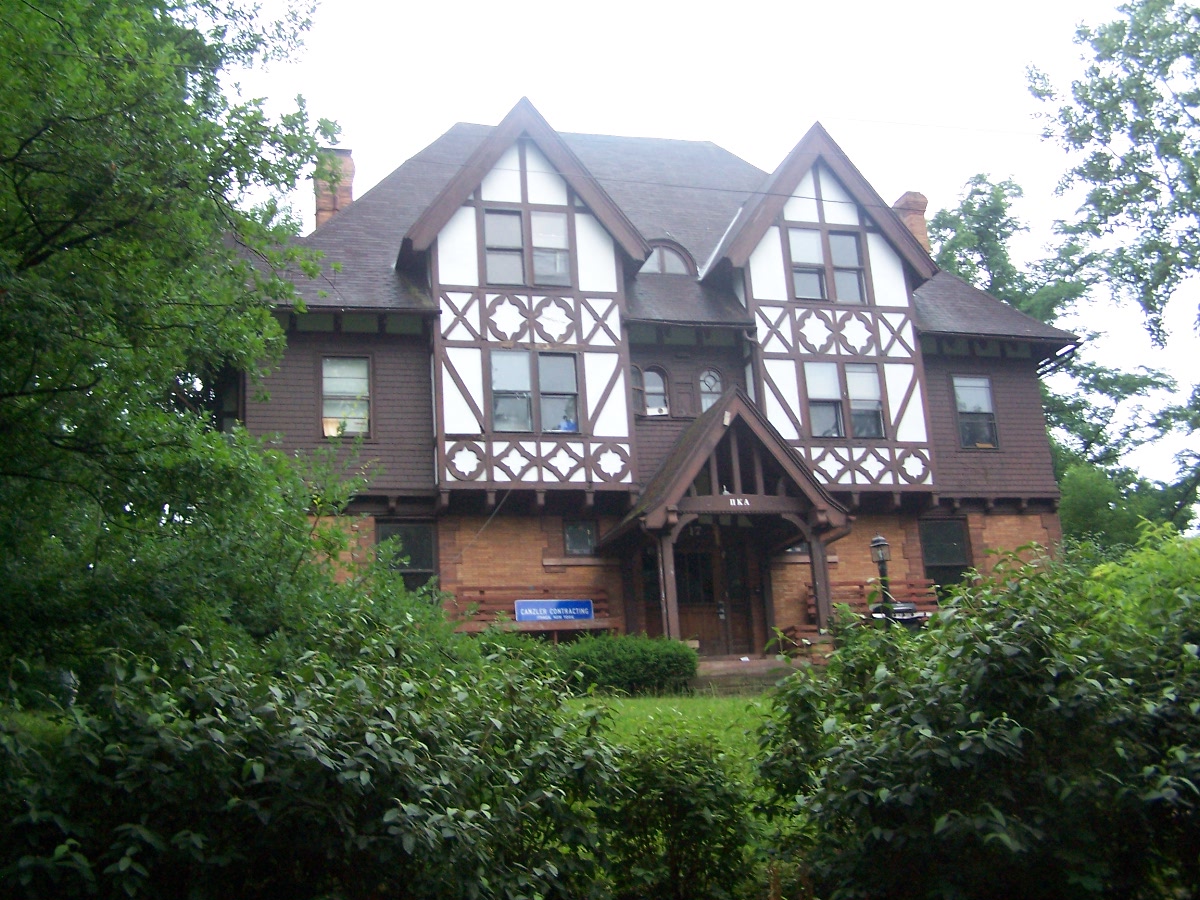
Unsurprising News: Pike To Be Shut Down

2 05 2010

As many expected, Pi Kappa Alpha will be shut down by the university. After an undetermined length of time, they will be able to reapply for recognition by the university. Considering they have a very expansive and influential alumni organization, expect that to take only a year minimum, until the last current members are graduated at the latest (which would be summer 2012). Still, sucks to be associated with Pike right now.

Then again, it isn’t a good idea to be associated with Alpha Delt right now either. Especially in an age where “tips” can get you a page on the Huffington Post for hazing pledges. I doubt Alpha Delt will receive much of a punishment though. When your alumni include John Dyson ’65 (for whom a number of scholarship and part of Mann Library are named), Kent Hubbell ’67 (Dean of Students), and Knight A. Kiplinger ’69, you’re pretty well assured that punishment will be a figurative slap on the wrist.


Dear Alpha Delt, Way to Be “Ivygated”

13 03 2010

In what has already been a horrendous semester for Greek System public relations, Alpha Delta Phi had once again managed to prove that it is still possible to set new lows. Someone leaked a pledge lineup and some nice little hazing activities to the Ivygate tabloid blog. If this is anything like Pi Phi’s fiasco, then this should attract enough attention that you guys will be meeting with the OFSA any day now. Have fun with those sanctions you’re about to get.

Quoting Ivygate:

———- Forwarded message ———-
From: “redacted” <redacted>
Date: Mar 4, 2010 11:42 AM
Subject: LINEUP TONIGHT
To: <alphadeltaphipledges2010@googlegroups.com>

Its that time again boys, with new rules.

Be at the bottom of Alpha Delta Phi Drive at 9:10 PM tonight, and each of us must have:
-1 pack of cigs
-1 lighter
-gum
-2 quarters
-a helmet and a cup (as in the kind lacrosse and hockey players wear)
-shaving cream
-porn (can be magazine or video… extra points if you find Pirates 2 (can be downloaded and burned))
-Dog food
-either a 6-pack of beer or a bottle of liquor/wine (should be something YOU want to drink)
-Protocol attire, but WEAR SNEAKERS

The pledge class as a whole must have these items:
-1 LARGE bottle of tabasco sauce
-2 cases of beer (NOT keystone)
-2 live small goldfish

Figure this shit out ASAP.  Everyone should probably give Shep money to buy the booze.
Guys should also take the bus to Dick’s to get anything sporting-related

-(Author name redacted)

And the debrief:

Okay, so….
I can tell you what alpha delta phi did with everything.
They made their pledges chug mixtures of dogfood, tabasco sauce, and sour cream.
They then proceeded to fill the great halls of their manor with flour, beer, and water, and made their pledges run relay races drunk while they pelted them with dodgeballs.
Then, they made them run naked laps outside the house.
(And, of course, there was the line up).

***

So Alpha Delt, let me pose two questions: who did you piss off, and how much ass-kissing do you think it will take to fix this debacle. Even our Dean of Students, Alpha Delt Alum Kent Hubbell ’69, has got to be shaking his head in embarrassment right now (less because of the hazing, more for the fact you were outed by a tabloid blog about the Ivy League).


New Sorority May Be Coming to Cornell

6 02 2010

Students Push for New Sorority

February 4, 2010 – 1:51am
By Dan Robbins

A new sorority may be coming to the University if a group of roughly 30 women are successful in their efforts to recharter Delta Phi Epsilon, which closed its Cornell chapter in 2003. Composed mostly of transfer students and women who rushed sororities but were not matched with a house, the group has already begun planning social events, meeting with Greek Life and organizing philanthropic drives.

Molly McMahon ’12, who was a member of Delta Phi Epsilon at Monmouth University, before she transferred to Cornell this semester, is heading the movement and is the only woman in the group previously affiliated with Delta Phi Epsilon.

“At Monmouth, it was a really wonderful experience for me, and I just want to bring that here and extend that to other girls,” McMahon said.

She chose not to rush this semester because she felt joining a house right after transferring would be overwhelming, especially since many women participating in formal recruitment already knew each other. Since rush week, McMahon has talked with other students interested in founding a new sorority. The group has held social events, including mixers with fraternities, and participated in fundraising efforts like the benefit concert, Hands for Haiti.

However, founding a new sorority chapter –– formally known as “chapter extension” –– is a lengthy procedure over which McMahon and the group have little control.

“The Panhellenic Council must begin this process with an extension exploration committee to assess the needs of the female students at Cornell and the current health of the Panhellenic community,” Laura Sanders, assistant dean of fraternity and sorority affairs, explained in an email.

If the committee finds a need for another sorority, Cornell’s 11 current chapters would vote on its potential viability, after first consulting their respective national headquarters. The National Panhellenic Council requires at least a three-week period between the announcement of the vote and the actual balloting.

If the chapters vote in favor of extension, Cornell’s Panhel contacts sororities not represented on campus to assess their interest in installing a chapter, Sanders said. Of the 26 organizations that are part of the NPC, those interested in extension then come to Cornell for an interview.

McMahon said she recently talked to officials from Delta Phi Epsilon who were “very supportive” and offered guidance about the extension process. With only 45,000 members internationally, Delta Phi Epsilon is looking to grow, McMahon said. The sorority already owns a house on The Knoll, where it was initially chartered at Cornell in 1962.


Although an exploratory committee, formed by Panhel last spring to determine if there was room for a new sorority, supported the extension, the national organizations with local chapters at Cornell blocked attempts at chartering a new house.

“The overwhelming response was that they felt Cornell was not yet ready for another sorority,” Sanders said.

Many of the national organizations said that Cornell’s current chapters have not fully used informal recruitment, a period outside formal rush when houses with vacancies can extend bids to women who have attended Cornell for at least one semester. Sororities are usually eligible for this type of recruitment when members graduate early, or when they pledge as sophomores or juniors and consequently graduate before the rest of their pledge class. The houses can offer bids whenever they like during the process. In the last two semesters, four houses at Cornell qualified for informal recruitment each period, but not all participated or filled their vacancies, said outgoing Panhel President Alison Ewing ’10.

Panhel plans to form another extension committee this semester, Ewing said.

“Whether national organizations support extension this time depends on whether the concerns they had last time are resolved,” Ewing said. “It’s hard to say this early whether the use of informal recruitment has allayed their concerns.”

Last year, officers from the national organizations with sororities on campus also feared that a new chapter would use informal recruitment more heavily than existing chapters. This could create a stigma and hurt existing houses that do not participate in informal recruitment. But Ewing said this does not mean that an attempt to recharter Delta Phi Epsilon will automatically fail.

“There were women at the end of this past formal recruitment who didn’t get matched to a chapter and we still have very large pledge classes,” Ewing said. “So there might be potential, but we have to decide whether adding a new chapter would be viable and not hurt existing chapters.”

Although Panhel voted to recharter Alpha Xi Delta in 2004, McMahon feels there is definitely room for a new house.

“There are only 11 sororities and over 40 frats, so I don’t know why they wouldn’t see the need,” McMahon said. “We really have plans and goals and hopefully it’ll work out.”

***

So, this was no surprise. If they were here for 41 years, and they still own a house here, I’m sure their national would be most receptive to a recolonization at Cornell. Thing is, it’s not so easy because this isn’t following standard procedure. So these ladies are in for a lot of red tape and work on their parts.


The Rush Week PR Disaster

24 01 2010

Pike being booted is bad enough. But it looks like sororities haven’t been able to avoid trouble either.

If anyone has read Ivygate or the Huffington Post lately, apparently Pi Beta Phi’s dress manual for sisters during rush week was leaked, substantiating just about every single embarrassing sorority stereotype known to man. Not that everyone didn’t know there was a dress code, but the shallowness of it all really echoes with the sister who wrote the six-page guide. It’s not something that Pi Phi will get in trouble for since they didn’t do anything wrong, but it’s an embarrassment and a public relations debacle.

Watch out for those dress checks, ladies.

Speaking of which, this puts Greek Life at Cornell in an unpleasant situation. We have Pike and Pi Phi caught committing activities that portray the darker side of Greek Life by exposing some of the excessive drinking and superficiality, the kind that anti-Greek zealots thrive off of.  I know I made the joke a couple of entries ago about how I hope my fraternity sends no one to the hospital during rush week, but this is ridiculous. The goal of recruitment is to invite those interested into Greek chapters, not embarrass ourselves in a stereotypical shit-show that will have repercussions through the system. The reputation of the greek system at Cornell has taken a major hit this week, and Panhel and the IFC need to something, now. Advertising the high points of Greek Life in Sun Articles and OFSA publications is only a small part of the answer. Open and extended discussion of these events will be required at the meetings of the respective councils, and ways to improve upon it. Even if they don’t (which I’m being honest here, and know that things won’t really change), it will offer some good PR.

I know that some of the comments I’ve seen on facebook and other sites question the harshness of immediately stopping Pi Kappa Alpha’s recruitment and kicking them off campus. Let’s be frank – they deserved it. Yes, they sought the freshmen medical attention. Congratulations, by not letting them die they just avoided persecution under NYS law. However, the brothers still let it happen in the first place. Did not monitor the situation, did not prevent the freshmen from drinking to the point of poisoning, did nothing until their lives were actually in danger. The freshmen were stupid, but regardless of that the brothers should have been smart and prevented the situation from occurring. But they didn’t. They deserve every punishment that Cornell, the IFC, their national org, their alumni and anyone else delivers upon them.


Stupid Frat Tricks II: How to Screw Up Recruitment

23 01 2010

So I checked my email today and received the following excerpt in an email from the IFC:

“I am writing to provide you all with an update of events that occurred last night that resulted in a fraternity having their university recognition temporarily suspended.  The suspension is in response to a recruitment event at the fraternity house that resulted in the hospitalization of three students due to alcohol poisoning.  These students were transported to the hospital by brothers of the fraternity late last night.  The Ithaca Police Department responded to the event as well and are currently investigating along with Cornell University Police.  This incident is being taken very seriously and will likely have repercussions that effect the entire system.  At this time the fraternity has been instructed to desist from all activities including recruitment.”

While the chapter at least got them medical attention, the act was stupid, dangerous and intolerable. To the point that the fraternity (rumor mill suggests Pi Kappa Alpha) has lost recognition and will not be allowed to have a pledge class. Well, considering the similar incident that happened with Sigma Pi a couple of years ago, I guess this is proof that history has a habit of repeating itself.


Better Late Than Never: 2009 OFSA Report Released

7 01 2010

It only took them until New Year’s to get it up on their website. What’s that, like six months since the numbers and data were finalized?

The PDF:

http://dos.cornell.edu/cms/greek/upload/OFSA_AnnualReport_0809.pdf

The cover is vaguely charming. I can see my fraternity’s pin on the cover. I also remember that our alumni board president didn’t know that the pins were for reunion, so we ended up putting them in storage for a while before giving them out to interested members.

Basic stats: Not a whole lot of change. Same number of chapters (AOPi closed and Alpha Phi Alpha reestablished itself). Roughly the same percentage of greek undergrads (more on that in a moment). Less community service hours, but about $6K more raised in philanthropies, but honestly no one really cares about that except when it comes time to say good (or bad, comparatively) things about the greek community.

Digging a little deeper into the IFC numbers, it looks like the percentage of Cornell male undergrads in fraternities has increased to 33.15% from 31.68%. Gross numbers, that’s about 143 more members (the total male undergrad population, Greek and non-Greek, increased by 126). Yet, the number of undergrad freshman males stayed nearly constant (up by 9), so the vast majority of the gains seem to be from upperclassmen who chose to pledge later in their college careers, and transfer students. Which is great, in my opinion; one of my best friends in my house chose to pledge as a sophomore, but I wouldn’t think of him any differently than someone that I pledged with as a freshman.

Sorority membership increased to 23.60% from 23.17%. Sororities had 78 more members in 2008-09 over the past year, but the total undergraduate female population increased by 190 students (including 120 more freshman women vs. the previous year). Average members per chapter from 73 to 81, but that’s because Panhel lost AOPi, so there were more ladies to go around.

As a guy, I think I lack the ability to understanding the dealings of Panhel. The idea of being in a chapter of 130 members isn’t too appealing, and I’ve definitely seen cases of girls in the same house not even remembering each other’s names. Whatever floats their boat, I guess.

Just stating this for the record, I write about OFSA figures and Greek life out of my own interest. No figures or statements in this blog are made with the purpose of influencing anyone towards a certain house.  This blog is only good for photos of the houses and for little history tidbits about the chapters. The only way you can figure the character of a fraternity is by visiting them and using solid judgment.


This Isn’t Your Father’s Fraternity

29 12 2009

So, with Rush Week coming up, I figured it was about time that I did another Cornell Greek System related article.

So, a fair number of guys who come back for rush week do so on their parent’s urging. Which seems a bit funny, considering the stereotypes and all, but it’s likely that the parents who are pro-Greek were in a fraternity or sorority themselves. Sometimes, someone’s father might try to prod them towards the house that they were a member of back in the day.

Well, fraternities are rather preculiar in that the character of a house can change completely in about three years, as members graduate and new brothers are initiated.  So, your father’s fratenity, while it may have been a “small nerdy house in 1970-something” or “a big jock house back in the ’80s”, may be something completely different today.

For this entry, I decided to compare the membership numbers of houses. For one thing, numbers are solid; character is subjective. Secondly, I’m only doing fraternities; sororities tend to be somewhat less elastic with numbers, especially since they operate with a quota system that sets the number of pledges a sorority may have.

The first number is the active membership number from the Spring 2009 semester for Cornell fraternities. The second number is for Spring 2005, selected merely to illustrate the dynamics of change (or lack thereof).  The last number is from Spring 1983, selected because it is a legitimate date that token rushee X’s dad might’ve graduated from college, but also because  it was easy for me to get a hold of the figures (on paper, so no links unfortunately).

A few details: Membership percentages in Greek houses in 2009 was 33.15% of the total undergrad male population, with 47 members on average (50 chapters fell under the “fraternity” designation, but that includes MGLCs – accounting for their typically small number, the reduction is to 42 chapters, then the IFC average is about 54 members). No offense meant to the MGLC folks, but I have no 1983 data for those chapters, so they are excluded.

For 2005, there were 40 IFC chapters, and an average of about 47 members per house (fraternity membership was 28.75%).

For 1983, there were 50 IFC chapters, and an average in the low 50s.The chapters that existed in 1983 that don’t today are

Phi Alpha Omega, a small collegetown-based fraternity started around 1982 and gone by 1986.

Triangle, down to eleven members. Their national would shut them down by 1985.

Theta Delta Chi, which closed in 1999 (to their credit, they have one failed recolonization attempt, from 2003). They failed to submit information in time to be included in the 1983 publication I’m using.

Phi Kappa Sigma, which closed in 1990. They had 35 members in 1983.

Phi Sigma Epsilon, which merged on the national level with Phi Sigma Kappa in 1985, closing the Cornell chapter. It had 73 members in 1983.

Chapter /Spring 2009/Spring 2005/Spring 1983

Acacia 39/29/33

Acacia was on the brink of closing in the late 1990s, when membership dwindled. It seems to have recovered well enough.

Alpha Delta Phi 57/69/56

Alpha Epsilon Pi 35/NA/NA

So, here’s the problem. The first time AEPi closed was in 1984. The second time was in 2005. Way to screw up by stats guys. I looked up their 2004 data; its membership number recorded 29 brothers.

Alpha Gamma Rho 52/63/86

Alpha Sigma Phi 51/56/71

Alpha Tau Omega 75/61/63

Alpha Zeta 55/24/53

Alpha Zeta almost closed in the mid 2000s, so that makes it upward climb more impressive. The 1983 value may be off, since this co-ed fraternity only recognized women on an honorary level at the time, so they were left off the roster. The other two values are combined co-ed.

Beta Theta Pi 30/51/49

Beta is in the midst of reorganizing, hence the low 2009 figure.

Chi Phi 73/72/ 56

Chi Psi 53/47/84

Just…ouch.

Delta Chi 82/27/65

Delta Chi closed and reopened in 2004,  hence the low 2005 figure.

Delta Kappa Epsilon 46/45/68

Delta Phi (Llenroc) 64/41/57

Delta Tau Delta 40/27/56

Delta Upsilon 66/50/60

Kappa Alpha 17/NA/39

Kappa Alpha closed in 1990 and reopened in 2007.

Kappa Delta Rho 39/34/47

Kappa Sigma 71/42/87

Lambda Chi Alpha 67/58/69

Phi Delta Theta 47/54/70

Phi Delt reorganized in 2000, when it threw out the then-current membership and started fresh as a dry fraternity.

Phi Gamma Delta (FIJI) 84/53/93

Phi Kappa Psi 72/61/87

Phi Kappa Tau 56/51/34

Closed in 1994, reopened in 2000.

Phi Sigma Kappa 51/56/65

Pi Kappa Alpha 61/56/102.

Wow. I never knew Pika was once the largest house on campus.

Pi Kappa Phi 65/48/25

Closed in 1986, reopened 1990.

Psi Upsilon 37/57/NA

Psi Upsilon was closed from 1981 to 1985. They also reorganized in 2008.

Seal & Serpent 17/20/35

What happened here was a slaughter of their reputation. That was covered in a previous entry.

Sigma Alpha Epsilon 91/89/35

On the other end of the scale, the rise of SAE is impressive. Who would’ve guessed they were such a small house back in the day?

Sigma Alpha Mu 70/52/21

Sigma Alpha Mu was rechartered in 1983/84.

Sigma Chi 67/61/79

Sigma Chi Delta 12/8/14

An item worth noting- the vast majority (80%+) of Sigma Chi Delta’s membership in the 1980s was of east Asian ethnic groups.

Sigma Nu 55/61/72

Sigma Phi 58/47/45

Sigma Phi Epsilon 51/52/50

Not as stable as it looks. Reorganized in spring 2006, closed for the fall, reopened in 2007.

Sigma Pi 39/83/94

Reorganized in 2008.

Tau Epsilon Phi 59/11/30

TEP must be doing something right.

Tau Kappa Epsilon 31/34/44

Theta Delta Chi 63/40/69

Theta Xi 23/NA/NA

Theta Xi was closed in 1970 and didn’t recolonize until 2008.

Zeta Beta Tau 43/51/NA

They didn’t submit in time for their 1983 data to be published.

Zeta Psi 53/29/43

So in conclusion, although your dad may regal you with stories of his fraternity days, don’t expect to have the same experience if you pledge his old house.


The Keyword Bar VI

7 09 2009
 100_1281

Yeah, I’ve been lax about updating lately. I have some things in queue, but I also have research going on, so things are a little hectic. Naturally I’m turning to my favorite cop-out of fielding responses to some of the search entries that have led people to the entries in this blog.

1. “alpha gamma cornell” (9/5/09)

This could be in reference to a fraternity or defunct sorority that the individual failed to incluse the whole name of, or it could be a reference to the research report “Hazed and Confused” by Adam Zwecker [1]. In Zwecker’s report of hazing within the Greek system of Cornell, he uses the psuedonym “Alpha Gamma (Phi)” in reference to a house that he was pledging that committed a series of hazing violations in flagrant disregard of system and campus policies. Rumor mill tends to associate the psuedonym with two or three different houses, and the actual house was reported to have been reorganized after the report to remove such dangerous activities.  I’ve heard the report used more than once as a reason why Cornell students avoid becoming part of the Greek system, which is unfortunate but I can definitely see the reasoning behind their decision.

2. “tke blackballed from lehigh” (9/4/09)

This one is interesting not because of who it deals with, but the term “blackballing”.  According to the fountain of information that is Wikipedia [2], blackballing is a rejection technique used in elections to decline membership in fraternities and gentlemen’s clubs. Typically, in Greek orgainzations, some method similar to blackballing or dinging is used to decline membership to potentially undesirable candidates. The name hails from the black balls used to signify opposition in elections in the fraternal orders of days long past.

Since the IFC at Cornell has made use in the recent past of an electronic system to keep in track of rushees visiting houses during Rush Week, and that the site includes the capability to record comments on these individuals submitted by houses, a person could be blackballed not just from a house, but from most/all Cornell fraternities if the comments are strongly negative. I imagine that would take an outstanding showing of stupidity.

3. “ithaca cornell share frat scene” (9/3/09)

I’m going to take this as a a question regarding whether Ithaca College and Cornell have uniform membership in greek houses. The answer is no for IFC and PanHel. Ithaca College banned Greek Life in 1980, and while there may be some underground groups, they operate separately from Cornell chapters. However, MGLC has found a way around this by creating “citywide chapters” which draw members from multiple colleges in the same geographic area. I’m aware of at least one MGLC sorority that has roughly half of its members from Cornell and half from Ithaca College. The legitimacy of these organizations with regards to Cornell’s greek affairs alone is debatable, but since most MGLC organizations are quite small, it probably doesn’t come up very often.

4. “three side dormitory cornell”  (8/30/09)

Donlon, but technically not correct, since it actually has six exterior sides. It’s just that the three curved sides are much more prominent.

100_1603 
Photo Courtesy of Cornell Facilities

Mary Donlon Hall was completed in 1961 as an all women’s dormitory, the last of the all women’s to be built on north campus before it went co-ed [3]. Mary Donlon Alger (class of 1915) was a prominent federal judge who served on the Board of Trustees for 29 years [4].

5.  “maximum building height town of ithaca”

Really depends on the zoning, but most residential zoning only allows a maximum height of 36 feet before a zoning variance is required. The two current projects beofre the board fall below that though; a 106-unit townhouse development by Holochuck Homes off of Route 96, and a 13-unit housing development called Cleveland Estates that will be south of Ithaca College off of Danby Road. The townhouse units might see some trouble because of traffic concerns and opposition to what the West Hill community feels would be an increase in crime if the housing is “affordable” (believe it or not, this is a leigitimate concern. The 128-unit Overlook at West Hill development has been plagued with what neighborhood residents feel are unreasonably high crime rates [5]). The town is looking into a moratorium on West Hill, which would effectively kill the proposal.

According to the West Hill Civic Association, this is the list of proposed and potentially developable properties that are under study:


1. Carrowmoor, 400 units, commercial space

2. Conifer (Linderman Builders), 100 more units (this is in addition to the 180 or so units already in place)

3. Holochuck Development, 106 units near hospital

4. Cornell Parcels, 33 acres off Trumansburg road

–Assisted care interested, 50 units of senior housing, (probably similar to Alterra)

–nothing formal before town

5. Land that can be developed, nothing set yet, Medical Center parcel

Tompkins County

6. Property off Bundy Rd. (67 acres)

7. Perry Farm (60 acres)

8.Kaderli Trade Inc. (100 acres)

9. Eco Village 3rd Neighborhood


***

[1]http://www.ilr.cornell.edu/smithers/docs/hazed_and_confused.pdf

[2]http://en.wikipedia.org/wiki/Blackballing

[3]http://www.fs.cornell.edu/fs/facinfo/fs_facilinfo.cfm?facil_cd=3026

[4]http://en.wikipedia.org/wiki/Mary_Donlon_Alger

[5]http://www.theithacajournal.com/apps/pbcs.dll/article?AID=/20090808/NEWS01/908080343