Historical Fraternity Rush Booklet, Part 2 of 3

18 07 2008

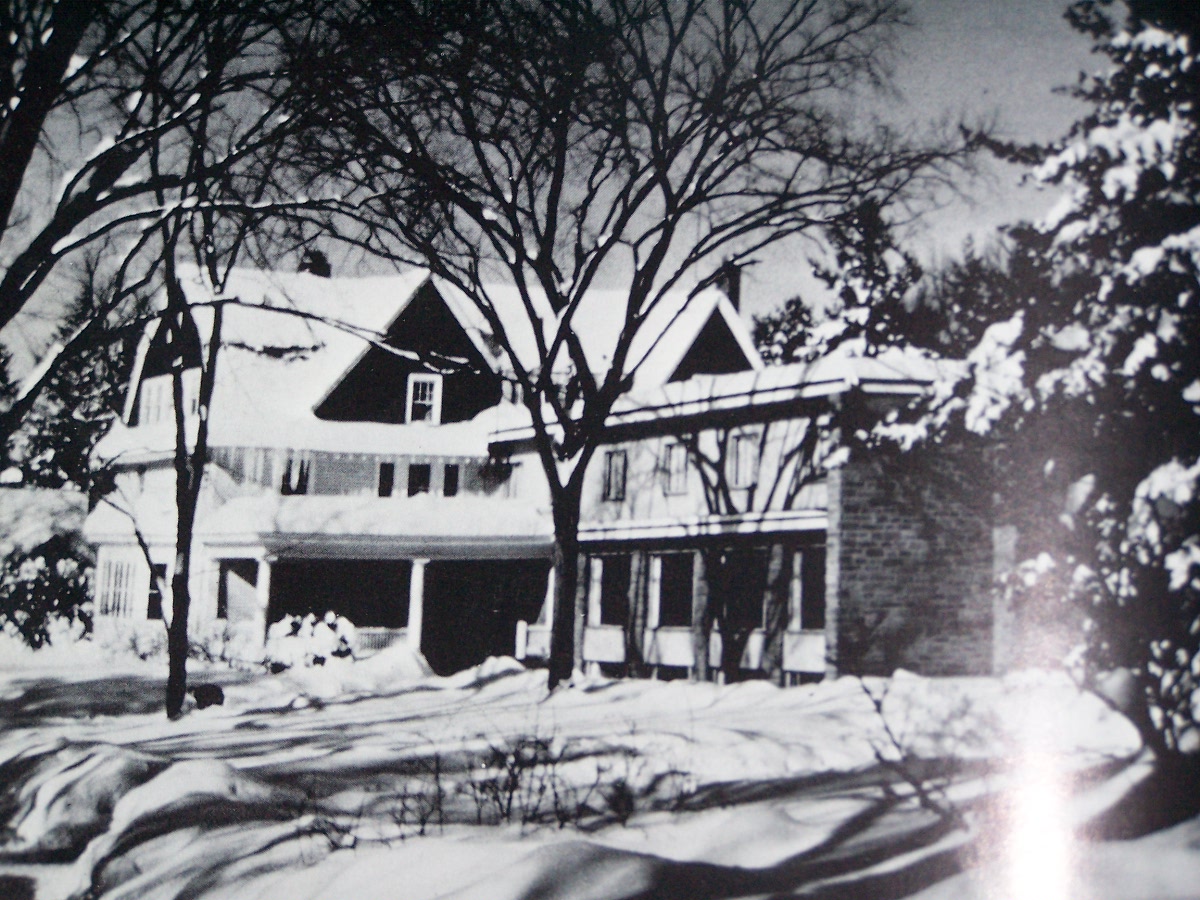
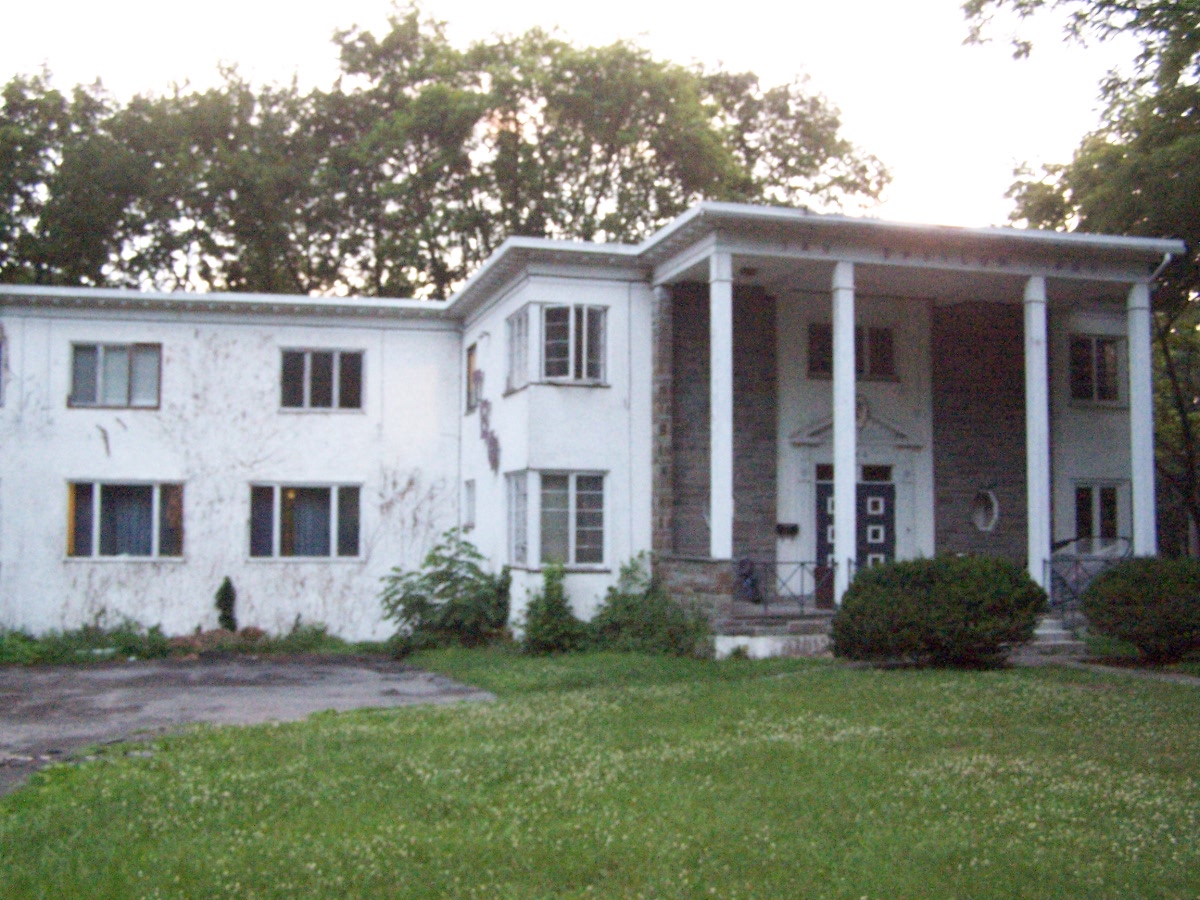
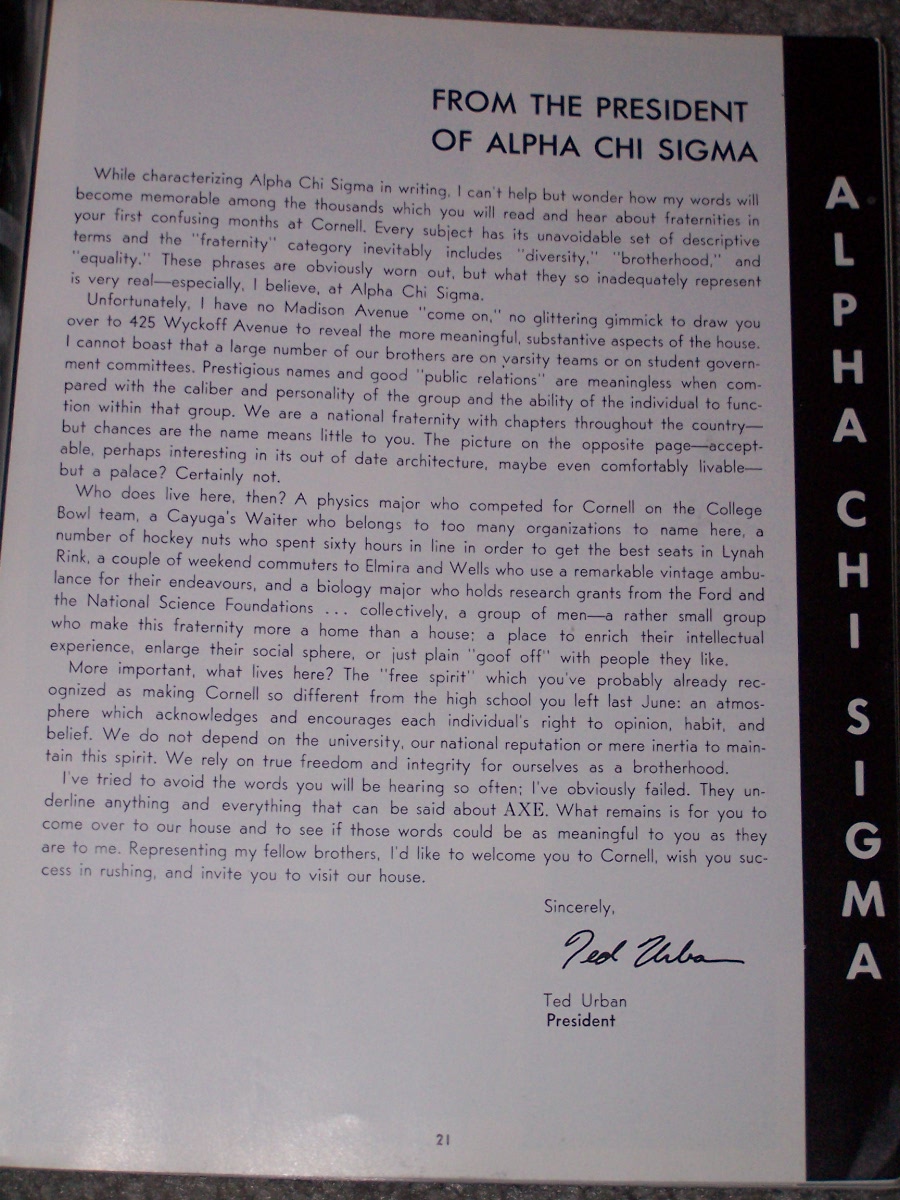
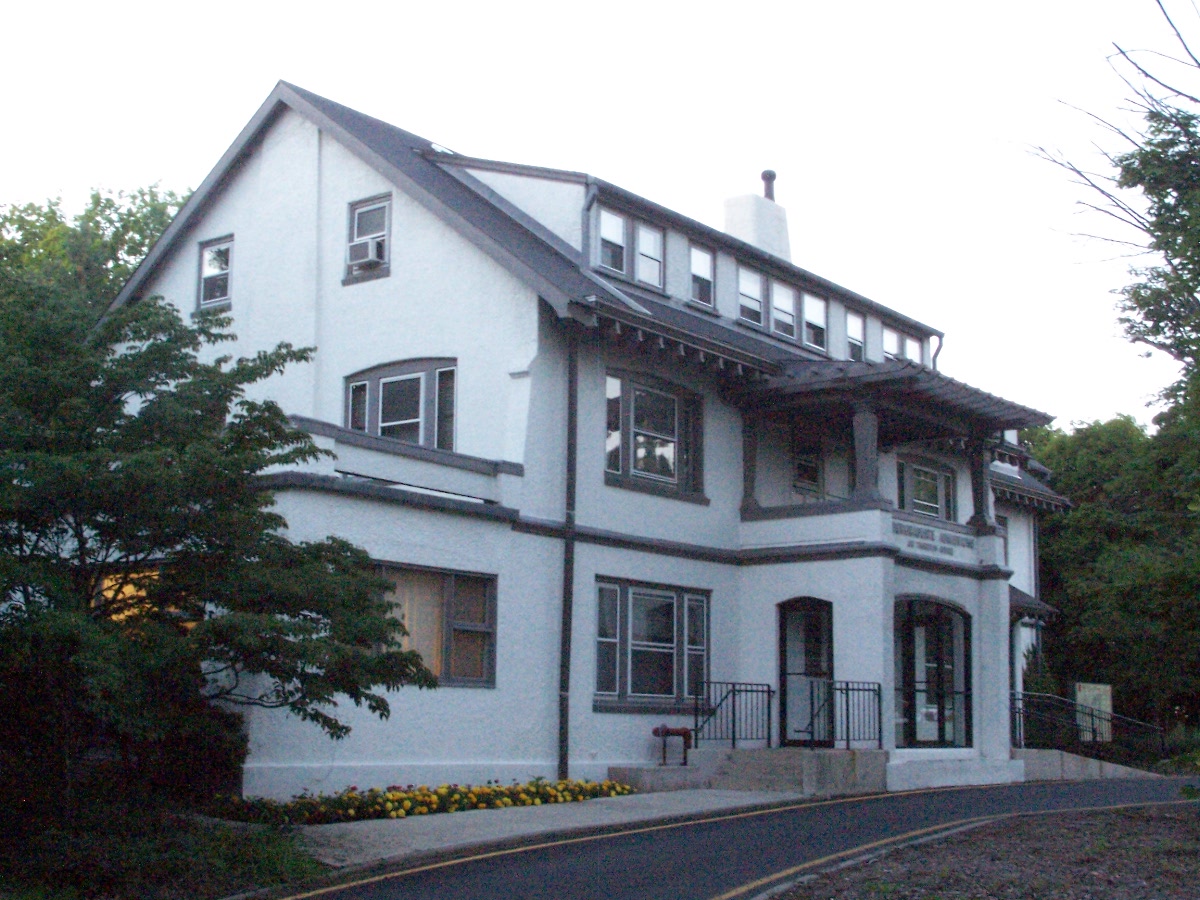
Going back to our fantastic fraternity guide from 1970, here’s the entry for Alpha Chi Sigma, the chemistry fraternity, located at 425 Wyckoff Avenue on North Campus (since 1955). According to the Tau chapter website, the house previously belonged to a sorority, and was built in the “silent-film era” [1]. The third floor rooms were added after the initial construction. The house became co-ed the year after this was published, in 1971.

The “demise” of Alpha Chi Sigma as an IFC Chapter is a bit unique. By the 1980s, the brotherhood consisted mostly of graduate students, and they lost interest in being a part in the IFC. From their website,

Tau lore suggests that the brothers nominated a dog to be their IFC representative at one point during this era.”

By the end of the 1980s, membership was virtually nothing, and the chapter withdrew from the IFC. By 1994, it was revived, but as a professional organization alone. Today, members still live in the house, but members of other frats can join, and it is not a member of the IFC.

***

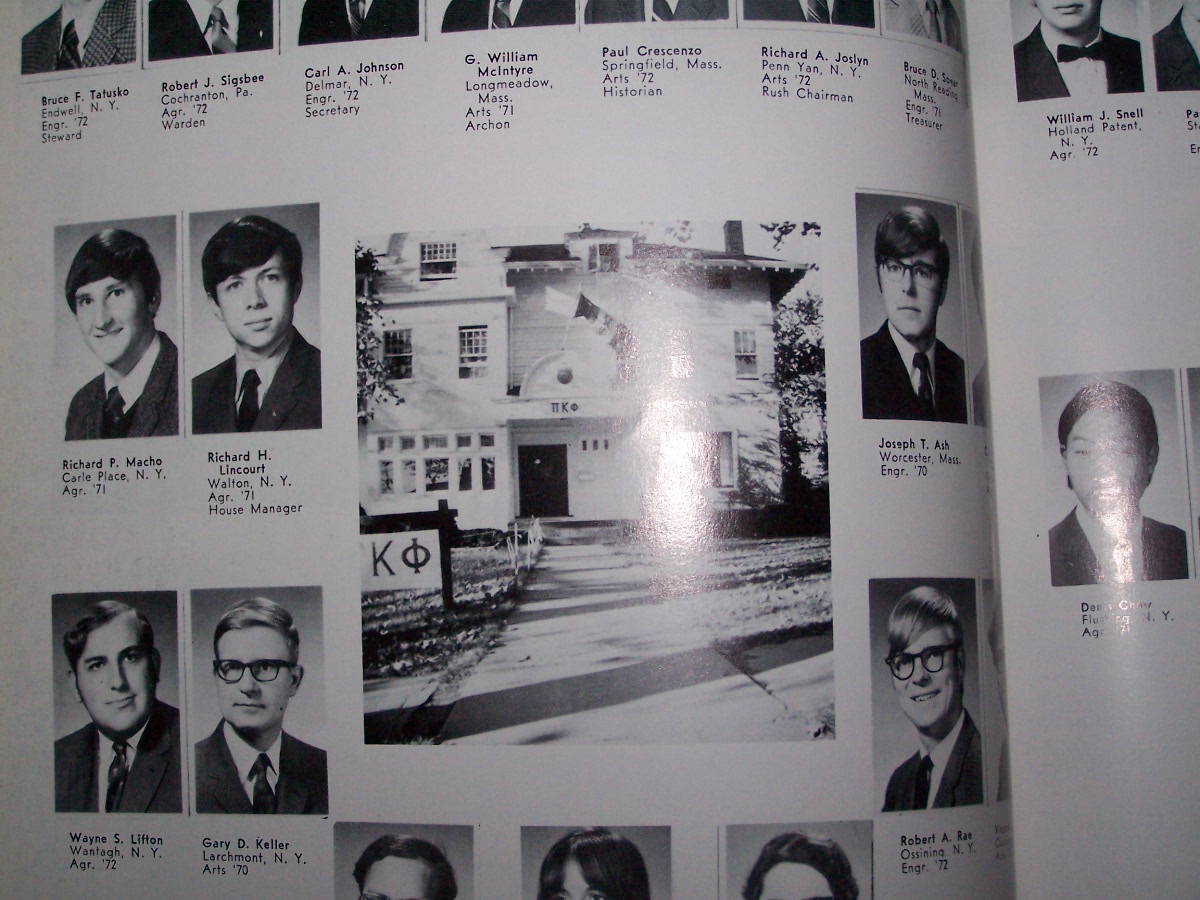
The above photo is that of the Phi Sigma Epsilon house in 1970. The fraternity and all of its chapters merged with Phi Kappa Sigma in 1985, one of the largest mergers of fraternal organizations ever recorded. In the case of Cornell, where both existed, the result was that ΦΣΕ closed its house.

The house belongs to Alpha Chi Omega Sorority today.

***
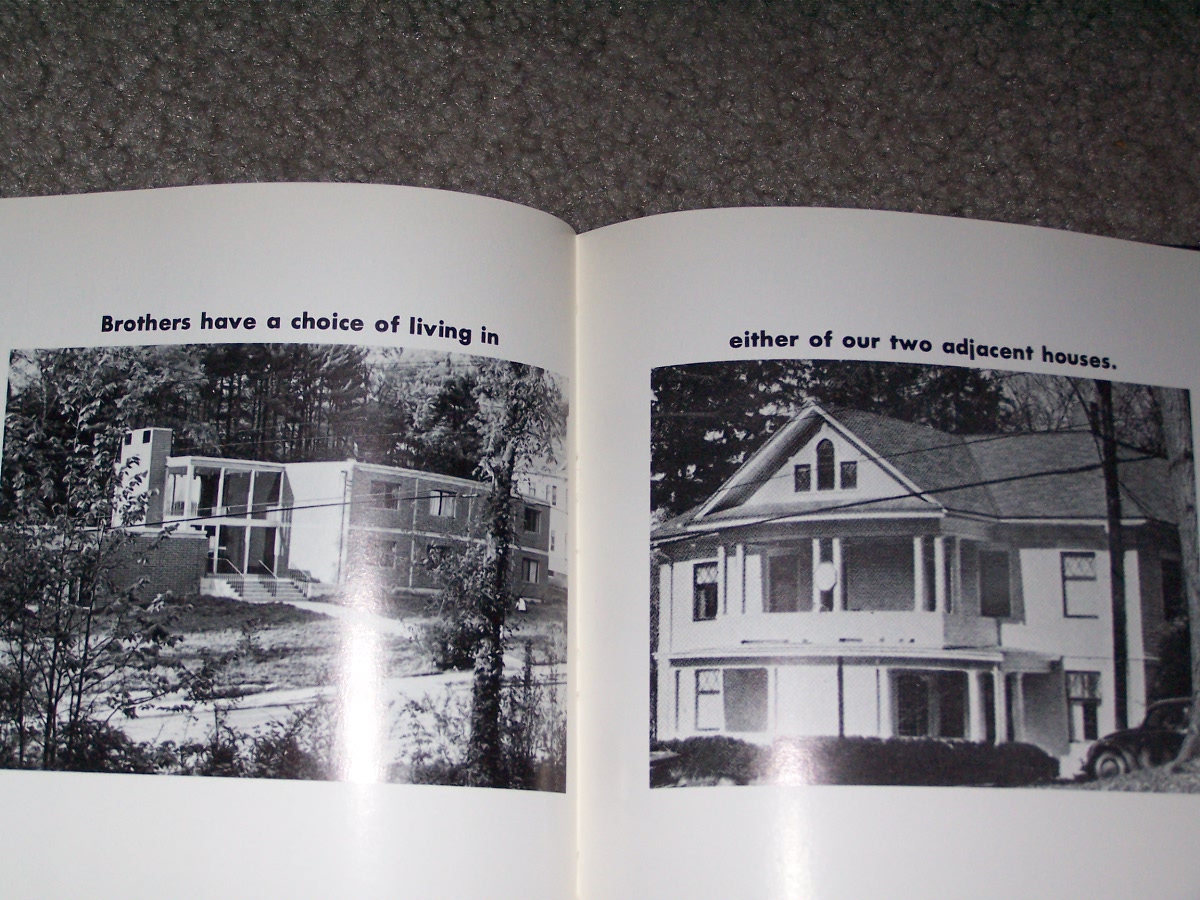
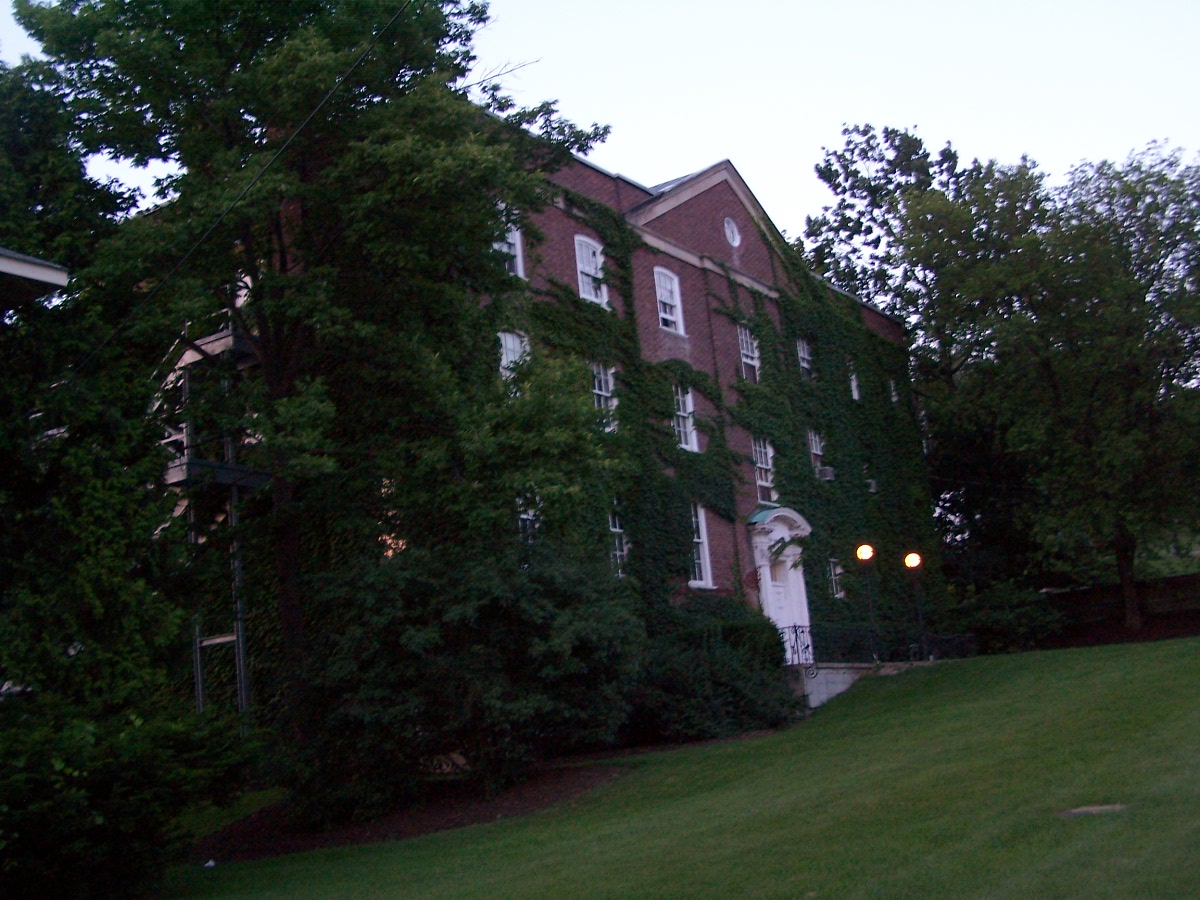
Between 1967 and 1984, when AEPi was inactive, Sigma Alpha Mu utilized their property. Here we can see that both of these houses on the 200 block of Thurston Avenue are technically “Sammy” houses; as history would have it, AEPi would regenerate in 1984, and SAM would move to the Phillips House by 2004.

The current house is known in some documents as Phillips House, but I am unable to locate the source of the name. Possibly, it has something to do with the former landowners of where the house, at 10 Sisson Place, sits now. It was built in 1956 for Chi Omega sorority [2], and functioned as their house (save for a period when Chi Omega didn’t exist) until they folded in 2003. Sigma Alpha Mu bought the property shortly afterwards. The hipped roof is a later addition to the house (the original roof was flat).

***

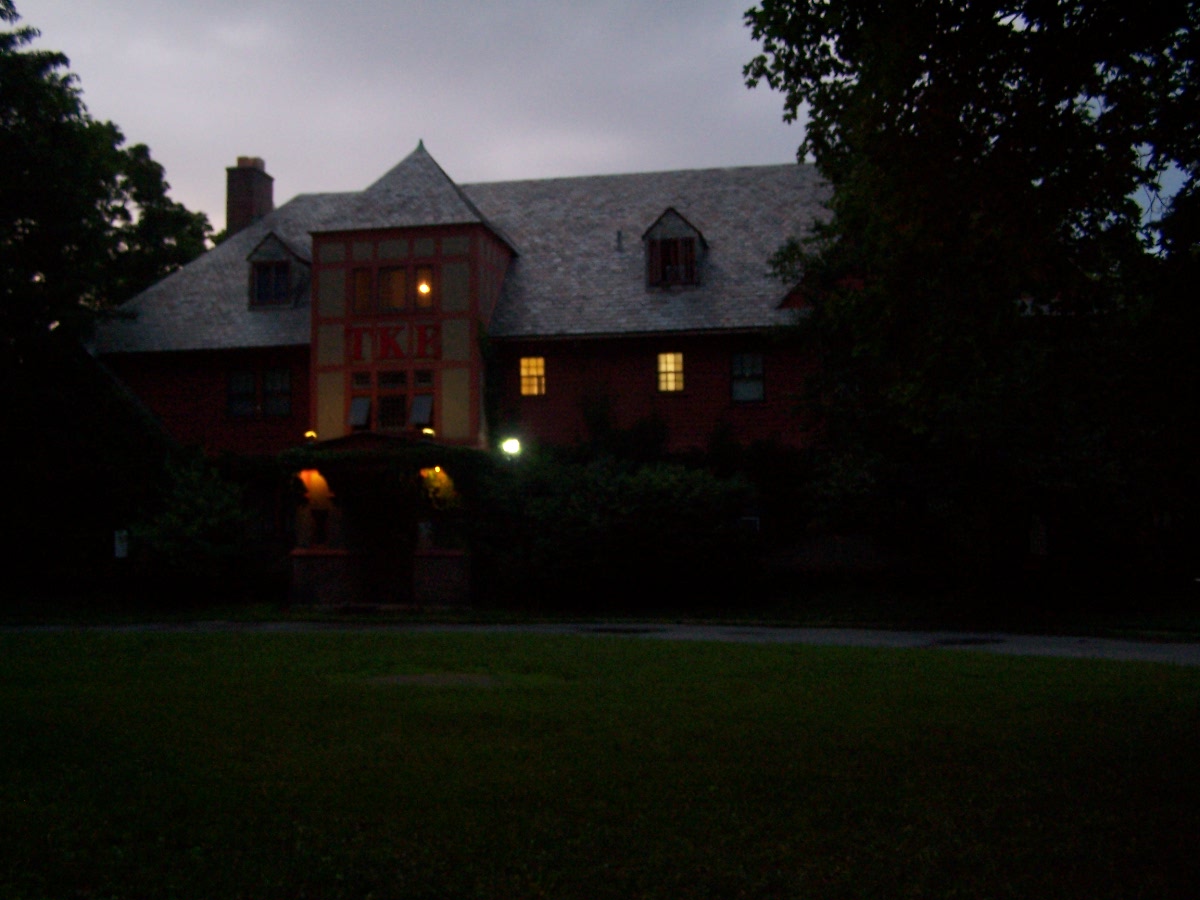
The house of Phi Lambda Phi Fraternity, in 1970. As mentioned previously, this historically Jewish fraternity merged with Beta Sigma Rho within a couple years of this publication (by 1972-1973). Well, the house was eventually used by Cornell for its undergraduate admissions office (imho, the happiness inside died with each rejected application—the place is rumored to be haunted [3]).
[1]http://rso.cornell.edu/alphachisigma/history.htm

[2]http://www.fs.cornell.edu/fs/facinfo/fs_facilInfo.cfm?facil_cd=4766

[3]http://en.wikipedia.org/wiki/Cornelliana


Historical Fraternity Rush Booklet (Part 1 of 3)

15 07 2008

So, as a special treat, I managed to get a hold of the 1970-1971 fraternity rush booklet. I figured it would be interesting to see some of the changes between the present Greek system and the system nearly forty years ago. I’m dividing it up into portion because there are some features I want to cover before I show them from a historical perspectives (i.e. certain photos have to be taken before I post the old photos). Sorry for the glare on the pages!

So, without further ado…

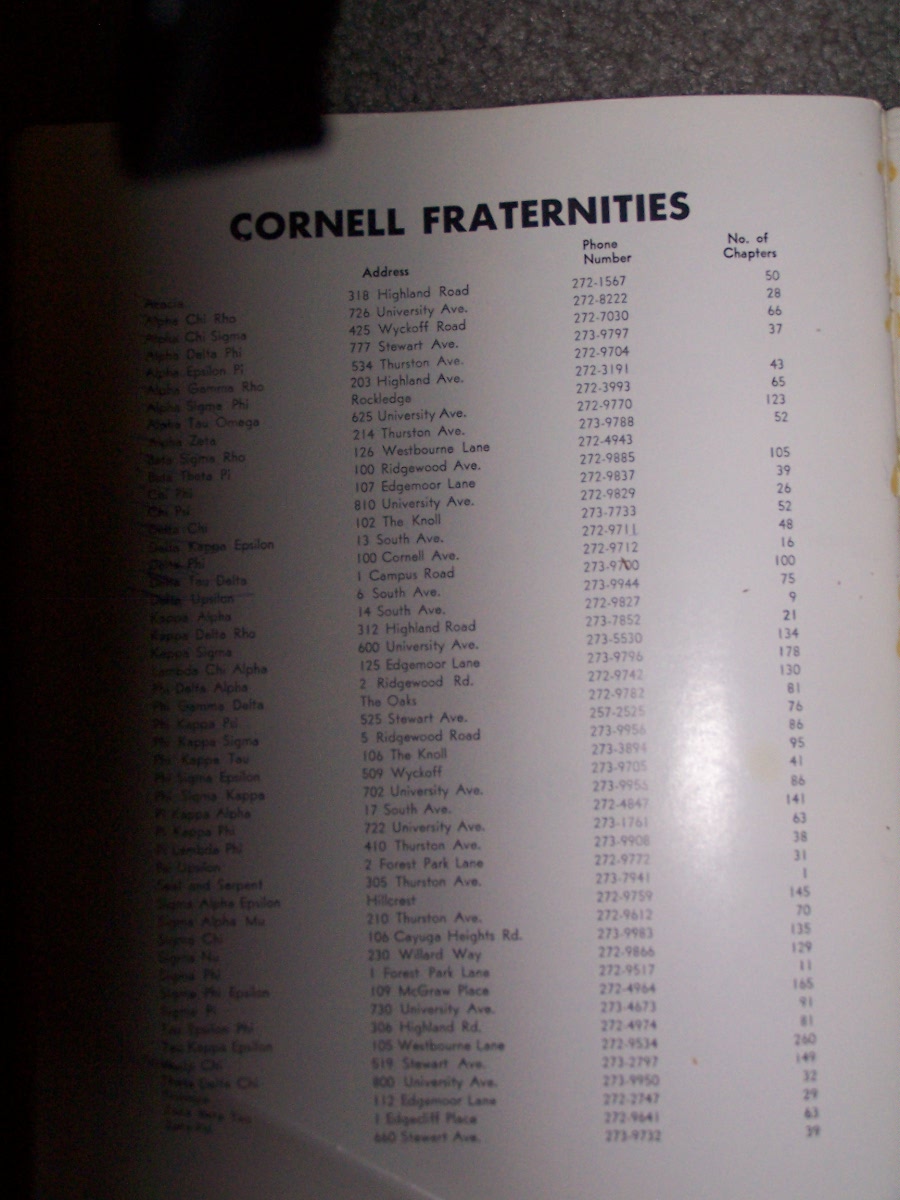
This was the list of fraternities on Cornell campus at the time of publication. There are 48 total, and the MGLC didn’t exist at this time either. This was published after Theta Xi announced it would close in 1971, but before Beta Sigma Rho and Pi Lambda Phi joined together in 1972-73. Kappa Alpha closed in 1990 (see the other entry concerning its recolonizing), and Triangle’s national council suspended Cornell chapter in 1985, never to return [1]. Phi Kappa Sigma closed in 1991, Theta Chi left in 1999, although they attempted to recolonize in 2003 [2] (my guess is that it didn’t work out), and Phi Sigma Epsilon merged with Phi Sigma Kappa in 1985 [3]. I’ve already gone over Alpha Chi Rho in a previous entry, so I think that covers the losses.

The Alpha Chi Rho entry for fall 1970. Please note that clicking the image enlarges it. It mentions how they’re experimenting with going without a house. I’d like to remind folks here that Alpha Chi Rho would close within a few years of this publication.

The old Alpha Zeta house. This was also back when the fraternity was still men only (It went co-ed in 1981).

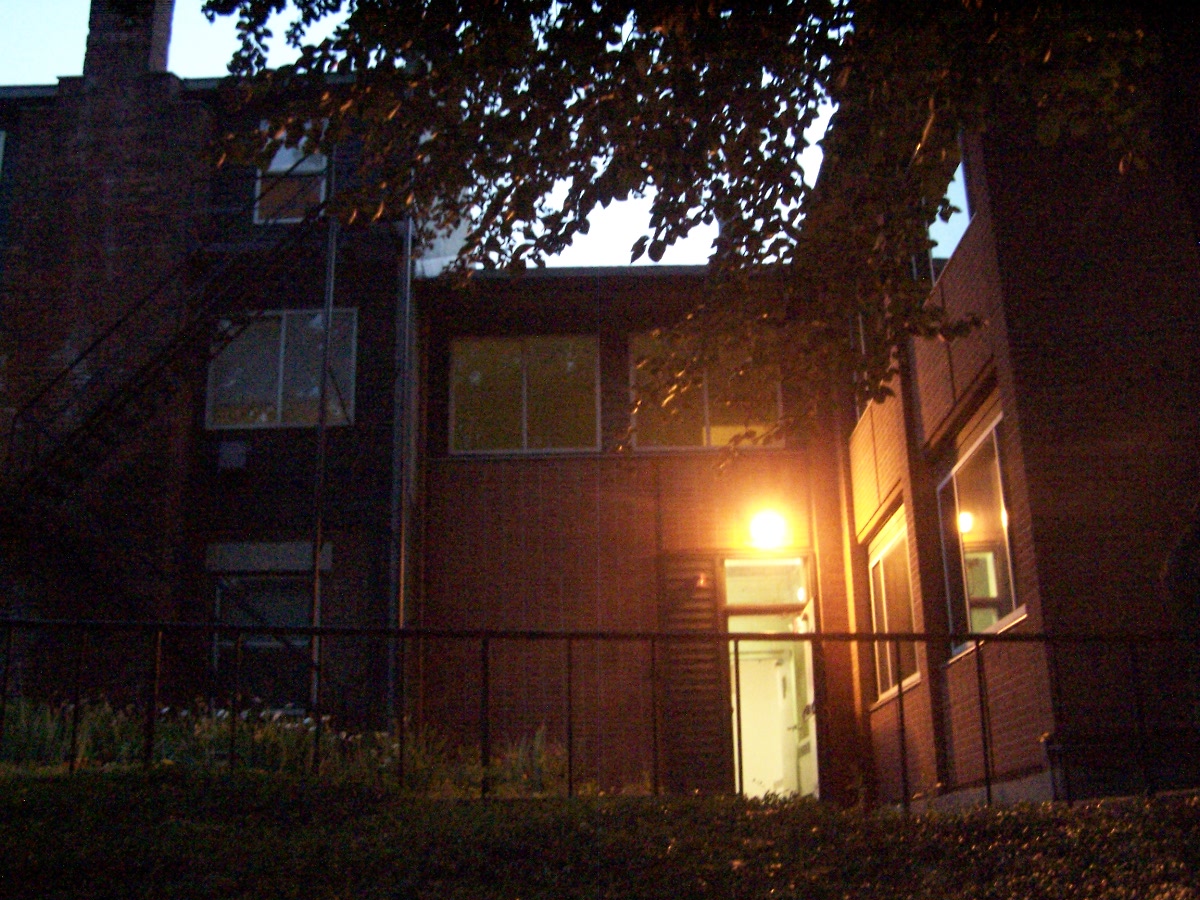
The Beta Sigma Rho house in 1970. This was the side of the apartments that I didn’t take with my camera; I’m pretty sure that staircase is no longer there and its heavily wooded, which made that angle difficult to take pictures from.

That worn down house, 722 University Avenue? In 1970, it was Pi Kappa Phi’s House (like I mentioned previously, Alpha Chi Rho was next door at 736 for a time, and we can see they had no house at this point in time).

This is the house next door, 736 University Avenue. It was built in the 1920s.


[1]http://www.triangle.org/about/history/chronology/

[2] http://www.highbeam.com/doc/1P1-71478145.html

[3]http://en.wikipedia.org/wiki/Phi_Sigma_Epsilon


Cayuga Heights Photo Tour, 7/12

12 07 2008

The house of the fraternity Tau Kappa Epsilon. The house has been occupied by the fraternity  since 1927. TKE was originally Kappa Psi, which became the Sigma Chapter of TKE in 1923. During this same time period, the local fraternity Scorpion was founded. The first TKE disbanded due to the hard times caused by the Great Depression, but Scorpion became the new affiliate of TKE (hence Scorpion chapter, which in my opinion is a really cool chapter name) in 1940. The fraternity Sigma Phi Sigma also merged with TKE in 1941 [1].

Farther up Highland we have the fraternity Tau Epsilon Phi. Um, their house could look better. I felt a little bad taking a photo of it and knowing I’d be putting it up, because it really was in shabby condition. The house was actually once the wing of the old house; they leased the property in 1949, and the wind was built in 1961. However, a fire “of unknown origin” destroyed the original house, so a new house was built connected to the relatively new wing in the mid 1960s. The building was last renovated in 1977 [2].

Speaking of which, this is the Kappa Delta Rho fraternity house. The house was built as an experiment by the architecture school in 1909 to teast the viability for poured cement for all the outside walls. KDR first occupied this property in 1952, and the new wing (the part on the left) was added in 1964 [3]. At least KDR is raising funds to repair the roof, it looks like it might need it.

So this was a treat to find. Today, this is the Westbourne Apartments building. Back in the day, it used to belong to a fraternity called Beta Sigma Rho. Beta Sigma Rho, or Beta Samach as it was originally called, was founded in 1910 by four Cornell students who were excluded from the current system because of their Jewish religion. By 1950, there were thirteen chapters. However, all good things come ot an end. Beta Sigma Rho’s Alpha Chapter, suffering from dwindling interest, merged with Pi Lamda Phi in 1972. The Pi Lams moved in to Beta’s house, and the organization adopted the name Pi Lambda Phi. The original Pi Lambda Phi house was closed (today, it’s the undergraduate admissions office). Then the Beta’s house was closed in 1978, and that ended their run at Cornell. One chapter survives; the Beta chapter at Penn state felt it would be better to go independent in 1975, so they did. Today, they have survived there as Beta Sigma Beta fraternity [4].

The house of Alpha Gamma Rho (AGR) fraternity. Originally known as Caduceus chapter,  (now Zeta- for those of you wondering, a caduceus is the double helix with the snakes [5]), Alpha Gamma Rho has occupied this property since 1916, with the current house being constructed in 1961 [6]. Alpha Gamma Rho is the other agricultural fraternity (AGR = agriculture…like we couldn’t figure that out.)


[1]http://www.scorpiontke.org/content/section/6/30/

[2]http://www.dos.cornell.edu/dos/greek/chapter_details.cfm?id=3271

[3]http://www.dos.cornell.edu/dos/greek/chapter_details.cfm?id=3251

[4]http://en.wikipedia.org/wiki/Beta_Sigma_Beta

[5]http://en.wikipedia.org/wiki/Caduceus

[6]http://www.dos.cornell.edu/dos/greek/chapter_details.cfm?id=4669


West Campus Photos

9 07 2008

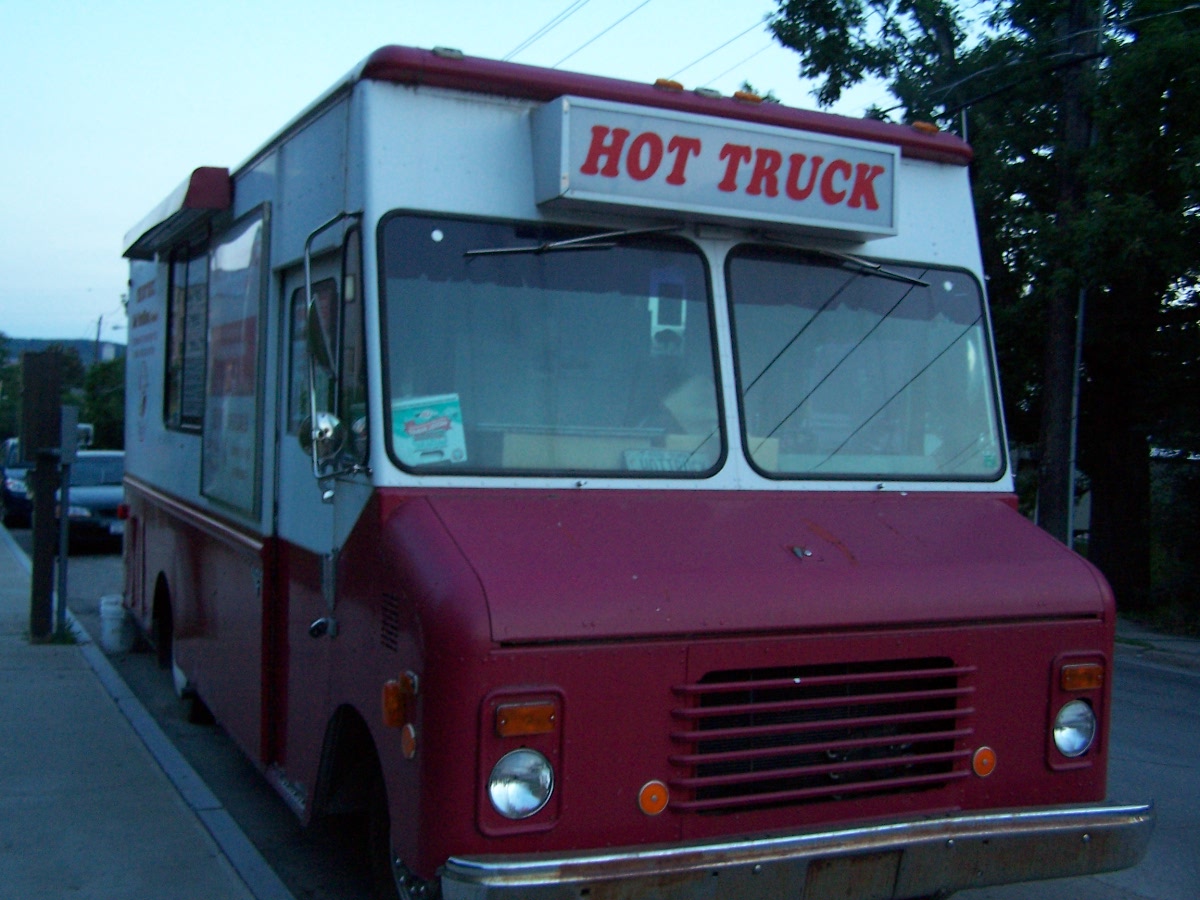
The Hot Truck is a West Campus icon. Located on Stewart Avenue just south of its intersection with University Ave, The Hot Truck[1]. The Hot Truck was founded in 1960 by Bob Petrillose, who called it “The Hot Truck” to differentiate it from “The Cold Truck”, a name that Louie’s Lunch used for its West Campus location from 1962-1981. Today, the truck is operated by Shortstop Deli, and sells subs along with PMPs, a pizza sub sold on french bread.

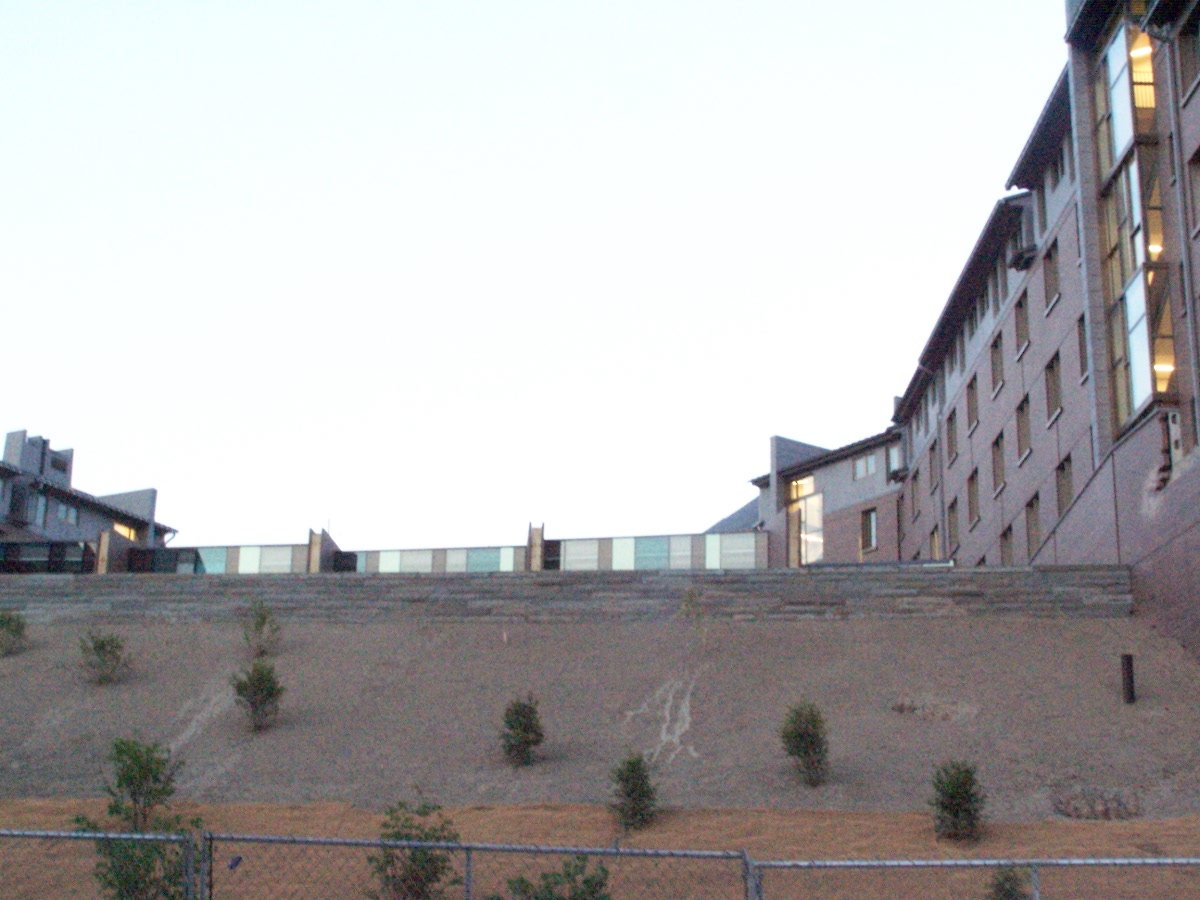
The West Campus houses, under construction. The house in the middle is House 5 until named otherwise. The house on the left is William Keeton House (House 4), slated to open in August 2008. The other three houses have already been opened; Alice Cook House in 2004, Carl Becker House in 2005, and Hans Bethe House in 2007. The houses are part of Cornell West Campus housing initiative. They are open to upperclassmen and transfers. In my experience, the house were astounding quiet whevered I visited, and although the dining was a pleaant experience, the houses were just a little too quiet for my preference. But then, I lived in the crypt that is Cascadilla, so who am I to comment?

Here, we can see the dining facility for Keeton. Notice that it has a variety of multi-colored glass.

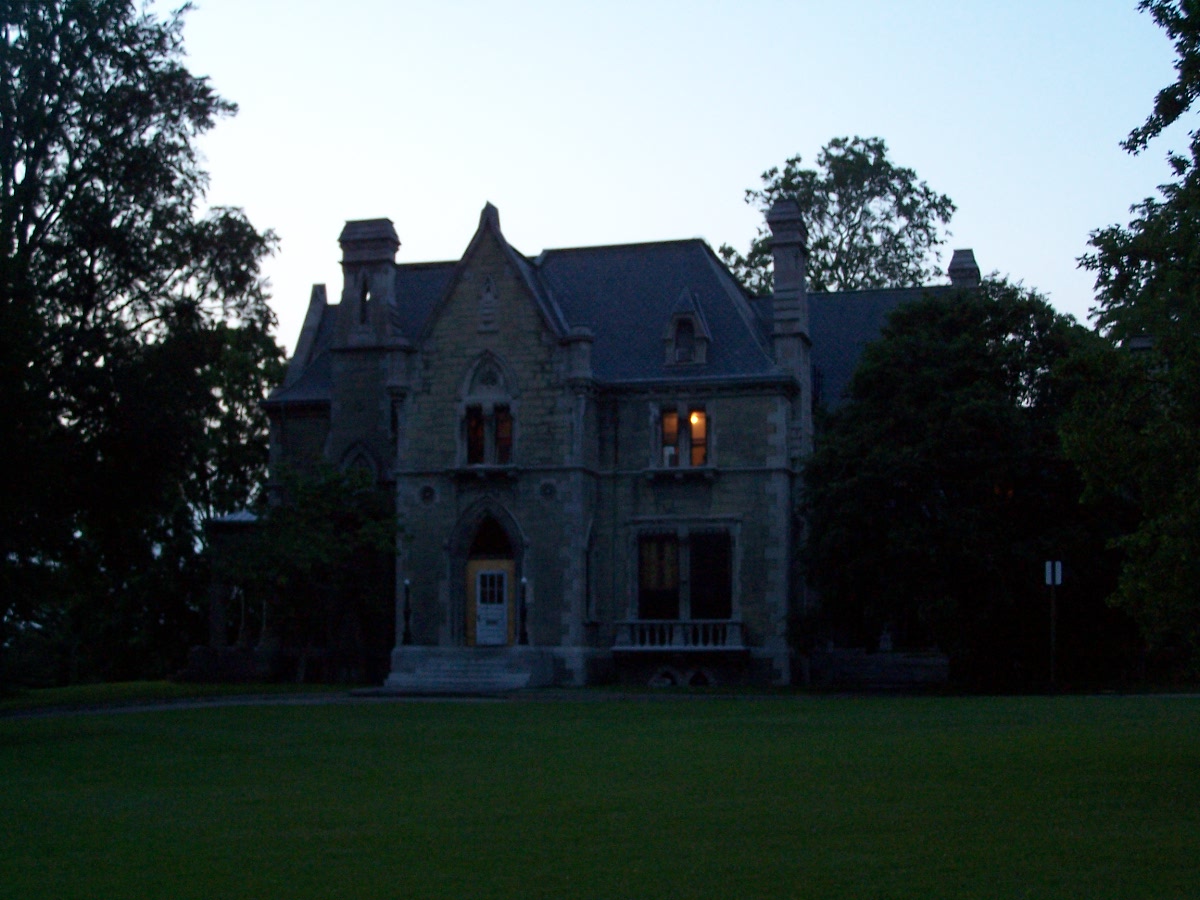
The House of the Cornell chapter of Delta Phi has a truly special history. First of all, the house is colloquially known as “Llenroc”. The house began construction in 1867, as the private residence of Ezra Cornell. However, Cornell passed away in December 1874, and never lived in the house. It was finally completed in 1875, and used as a private residence. The house became the residence of Delta Phi in 1911 [2].

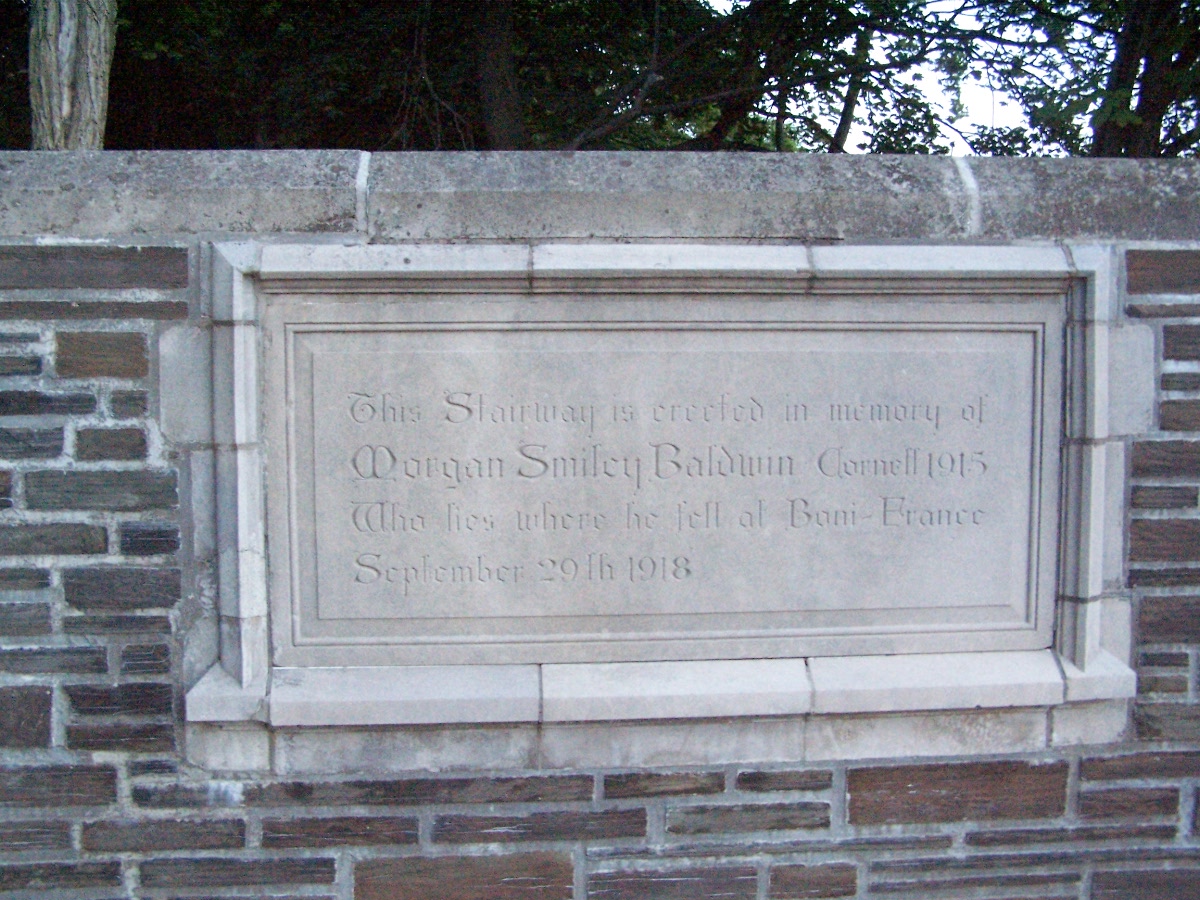
This staircase, also property of Llenroc, was dedicated in 1925 in memoriam to Morgan S. Baldwin 1915 by his father. Baldwin was a member of the Cornell Delta Phi chapter (Pi).

[1]http://en.wikipedia.org/wiki/Cornelliana#Hot_Truck_and_Louie.27s_Lunch

[2]http://en.wikipedia.org/wiki/Llenroc


Random Photo Tour 7/6/08, continued

7 07 2008

The house of Alpha Sigma Phi Fraternity, known locally as Rockledge (which is the name of the house). The name fits because the house is built on the cliff overlooking Ithaca Falls. The house was built around 1900, with the fraternity moving in during 1913, four years after the chapter was founded. Cornell’s first president, A.D. White (1832-1918 ) was a member of the Yale Chapter during his college days [1].

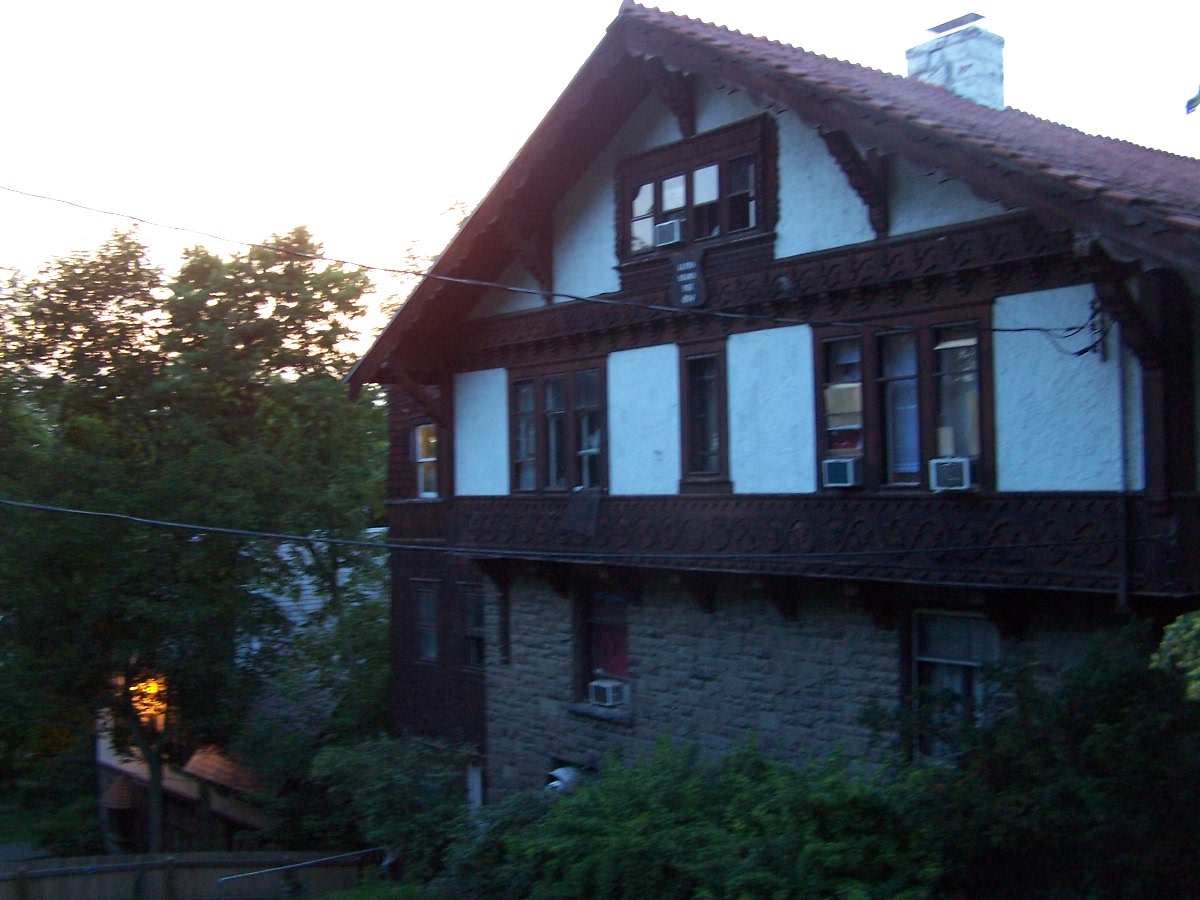
The house of Omega Tau Sigma, a professional fraternity for veterinarians. I didn’t realize professional fraternities did this sort of thing. The house has been in their name since the 1920s. And in my opinion, for a small house, I really like the uncluttered appearance from the outside. It vaguely reminded me of Scandinavian houses. Until I looked it up just now, I honestly thought the house was a regular house that kept the letters as a throwback to history.

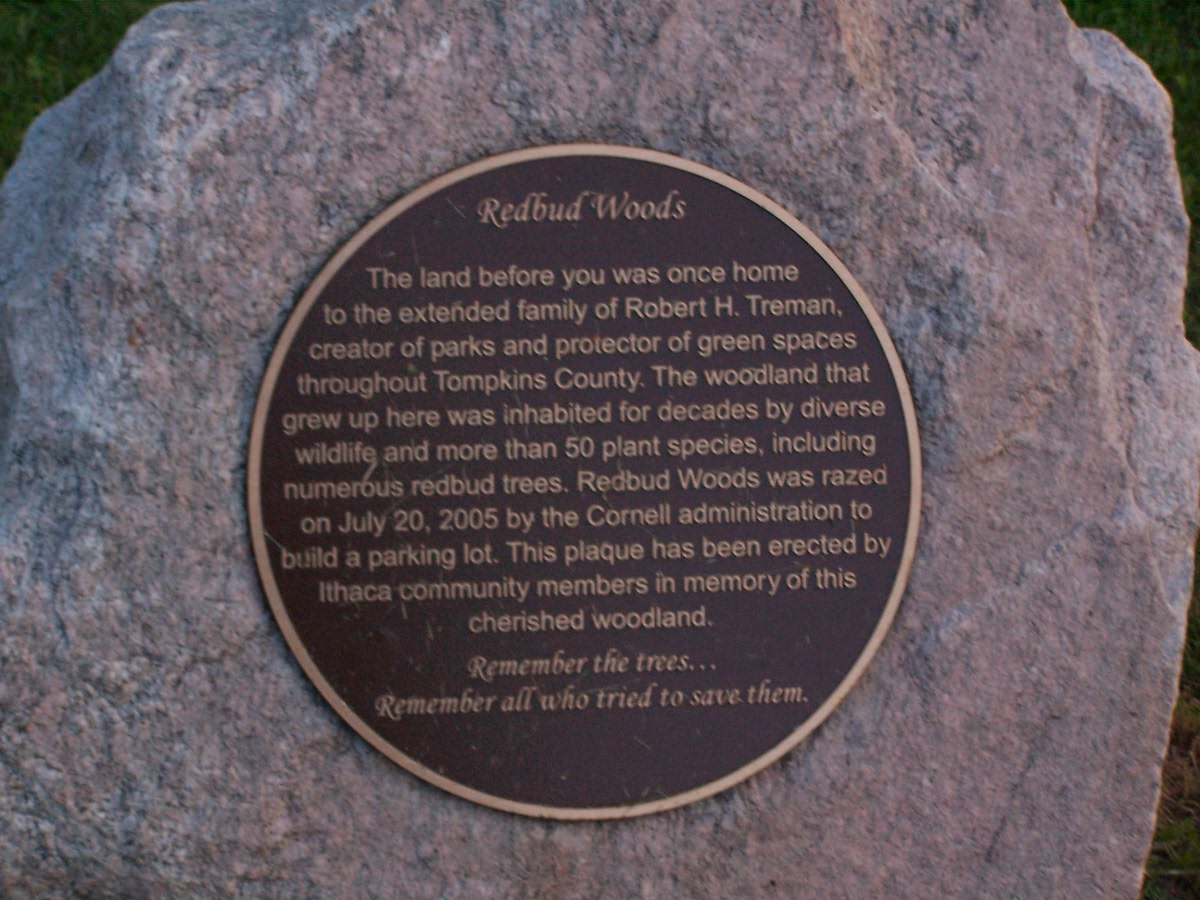
The former Redbud Woods site. I really don’t want to try and explain this, but a former patch of forest that was part of the old Treman Estate was bulldozed for a parking lot in 2005. The whole idea did not go over well. Student occupations of Day Hall, protestors from the college and city (including former mayor Ben Nichols), and a little backstabbing along the way. I’m not one for drama, I prefer my history untainted; and as you can see from the plaque that the city okayed but Cornell protested, the history is still a little too emotional for the local powers-that-be. for those who want to read the full story, here’s a wikilink: http://en.wikipedia.org/wiki/Redbud_Woods_controversy

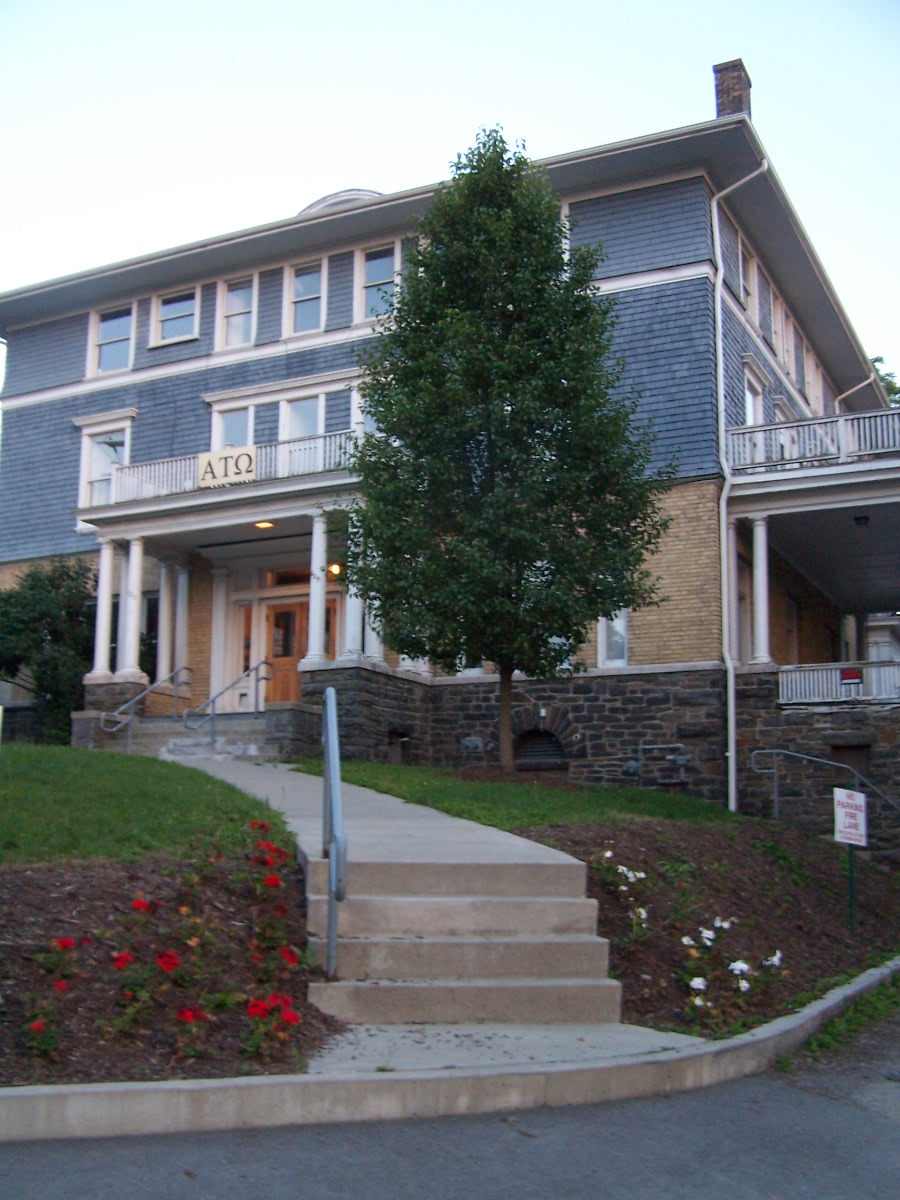
Alpha Tau Omega fraternity house. The house was built in 1900 and has been continually in ATO’s posession. Major renovations were completed in 1989, and once again in the past year [2]. The house was originally designed by an alum of the house, although it used to have a mansard roof, judging from old photos. Due to renovation and structural issues, the chapter has not had a house in the past two years. Judging from this photo and the state of the grounds as I walked by, it looks like it will be reoccupied fairly soon.

The house of Phi Sigma Kappa. So, thankk you Phi Sig for making it such a pain in my arse to find information about your house. I can say this house was built ca. 1900, and has always been in the posession of Phi Sig. I only know that because I had to ask someone who’s in the house. It is in need of some repair, but at least the front side, with its columns, is still imposing.

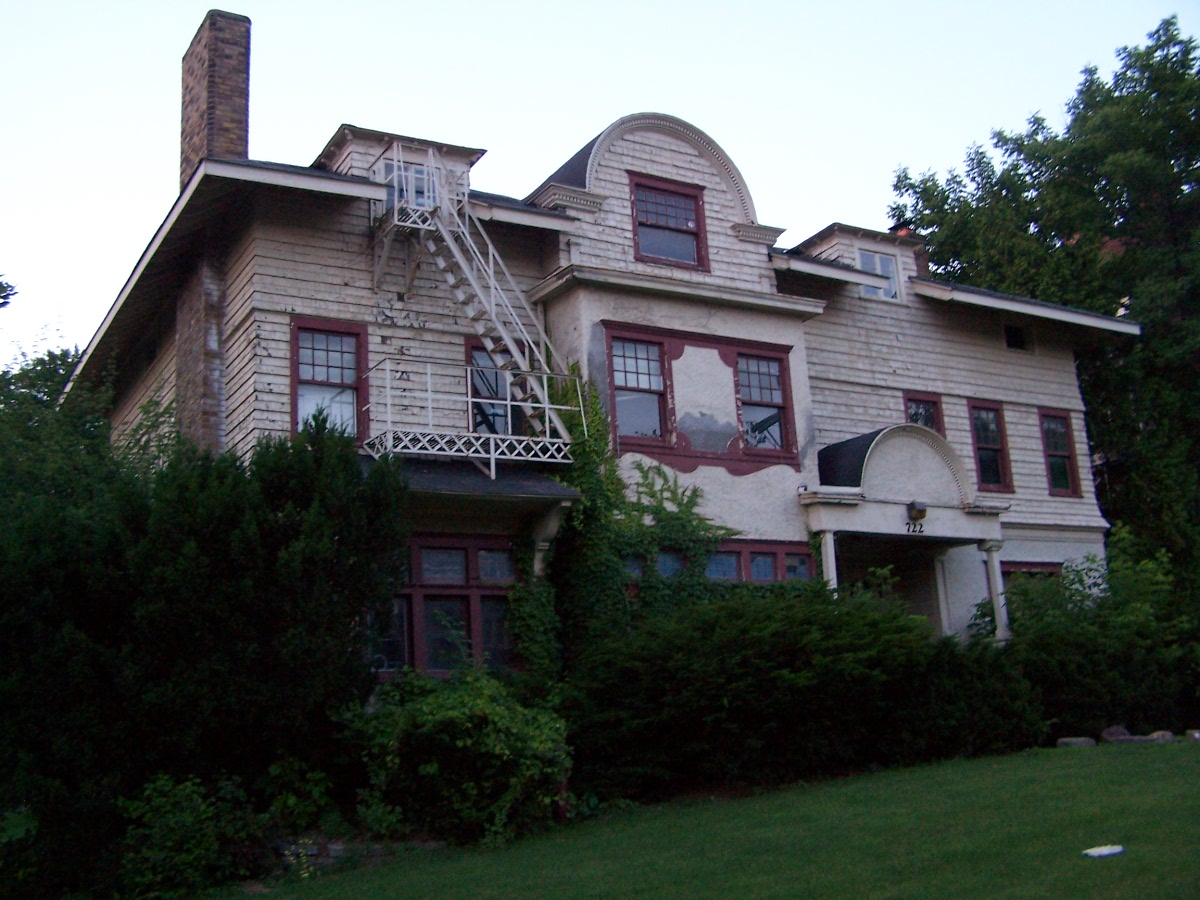
722 University Avenue, built in the Colonial Revival Style around 1900. This house most recently served as a home to Alpha Chi Rho fraternity. Alpha Chi Rho was on campus from 1908-1978 (it was next door at 736 for some of that time), and when they tried to recharter in 1991-92, they lived here. I believe the chapter closed once again in 1997-98.

EDIT: Thanks to a tip from JB, I was able to find that the house was occupied by Lambda Upsilon Lambda, the Latino fraternity, as recently as 2004. The house is currently unoccupied.


[1]http://www.alphasig-rockledge.com/history.php

[2]https://www.atocornell.org/public1.asp

[3]http://www.bookrags.com/wiki/Cornell_West_Campus