News Bits, 7/18/08

19 07 2008

http://www.ci.ithaca.ny.us/vertical/Sites/%7B5DCEB23D-5BF8-4AFF-806D-68E7C14DEB0D%7D/uploads/%7BDF57AF0F-5E85-427B-88A1-72ED7A93962D%7D.PDF

Watch the hippies flip when they find out Walmart is proposing an expansion. It’s not like someone didn’t try to bomb it or anything. Oh wait:

(May 2005) Ithaca, NY: Federal officials say the package found last month behind the Wal-Mart in Ithaca was an improvised explosive device. It had a battery on the bottom and a kitchen timer on top. The Wal-Mart and surrounding businesses were evacuated and a bomb dog called in. Authorities destroyed the package by shooting it with a shotgun. It broke apart, but did not explode. Nine officers came in contact with a liquid from the package that forced them to be quarantine for a short time [1].

Also notable is the expansion of the Cayuga Place Condos (a reduction of units from 45 to 30, but an increase from six to seven floors).

And, from an article in the ithaca times about the Collegetown Vision statement:

…That’s everything,” said Mallis. “How the whole area is to be treated both in terms of new developing and preserving the existing character of the place. As you see in reading the vision statement, this is very important to a lot of people to preserve Collegetown, but at the same time to create opportunities for undergrad student housing in ways that do not continue to invade communities like Bell Sherman that have single family homeowners living in it. That will mean increasing densities along College Avenue, but also increasing densities in a way that are not at all like Dryden Road in the mid-80s where you had six story apartment blocks that were put up and didn’t do a lot for the quality of the place.”…

“…The goal for Collegetown is to have all buildings be mixed use, meaning that retail will be on the ground floor with a visibility from the street of 75% to avoid teeny tiny windows. If all goes well, once a developer is named who has a similar vision, there could be a retail store on the ground floor of an apartment building or office space. ” [2]

Well, the article is a little off on its years. Let’s go through a list and some dates of construction for the major apartment blocks of C’Town.

-Collegetown Plaza (the flatiron) was built in 1989.

-312 College Avenue was built in 1999 (and inspired the 2000 moratorium).

-Collegetown Court was built in 1980.

-The Ciaschi Block (where Stella’s is) was built in 1988. Collegetown Center was built in 1997.

-Sheldon and Casca were extensively renovated in the 1980s (1983-84). Sheldon gained one floor, Casca two.

-307 Eddy, The Fontana Building (Dunbar’s), 217 Linden, 301 Eddy, and 305 Eddy  are 4-5 stories, and were built in the late 1980s onward, 301 being the last in 2002.

-The building where Student Agencies is was built in 2000 to replace a four-story building that burnt down in 1998 [3]. The former building, the Rulloff’s Building and the CTB building (415 College) date from the 1800s (renovated at various points).

-More recently, the Starbuck’s building (404 College) was completed in 2005/06. And at 320 Dryden are the new Top-of-the-Hill Apartments, which are 4 1/2 stories.

The only building that falls into their categorization is the Eddygate Park Apartments building at 110 Dryden. The curved building was built in 1986.

(Collegetown in Sept. 1985 – courtesy of “Upsilon Andromedae” on flickr.)

So yeah…I’m really curious to see where they pulled that statistic from. and I’m looking forward to the final presentation by Goody Clancy.


[1]http://www.carrollcitizens.com/files/WalmartCrimeandSaftey.pdf

[2]http://www.zwire.com/site/news.cfm?newsid=19854197&BRD=1395&PAG=461&dept_id=546876&rfi=6

[3]http://cornellsun.com/node/392


Random Photo Tours, 7/6 Edition

6 07 2008

So, I decided to do a little photo tour in my spare time.  Just imagine it to be like a bus tour, without the bus and the annoying woman in front of you with the oversized sun glasses.

This house, 210 Thurston Avenue, served as Sigma Alpha Mu’s house from 1947-2004.  Today, the house serves as Phi Delta Theta’s annex. Phi Delta Theta, nationally known as a dry social fraternity, operates their chapter house as a dry house, and the annex as….well, not a dry house.

The house of Kappa Sigma fraternity [1]. The house was built by a German nationalist who fled at the onset of WWI. The house was then bought by Claude Smith, the president of the Ithaca Gun Company, and remained his residence until 1937. Sigma Alpha Mu occupied this house in the 1940s, and by 1952, the house has been sold to Kappa Sigma.

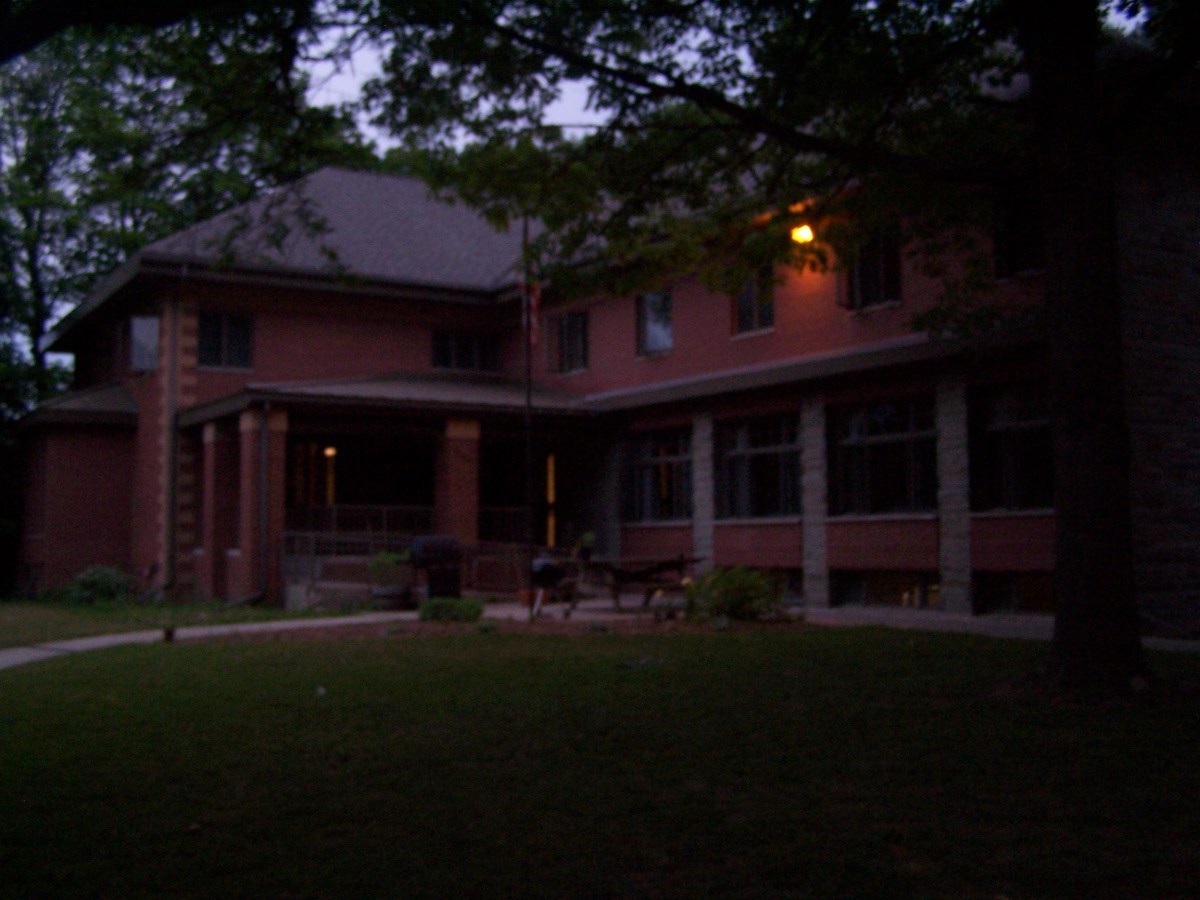
The house of Alpha Epsilon Pi. this house was built in 1957 [2]. With the except of reorganization periods, such as 2004, the house has been continuously occupied by AEPi.

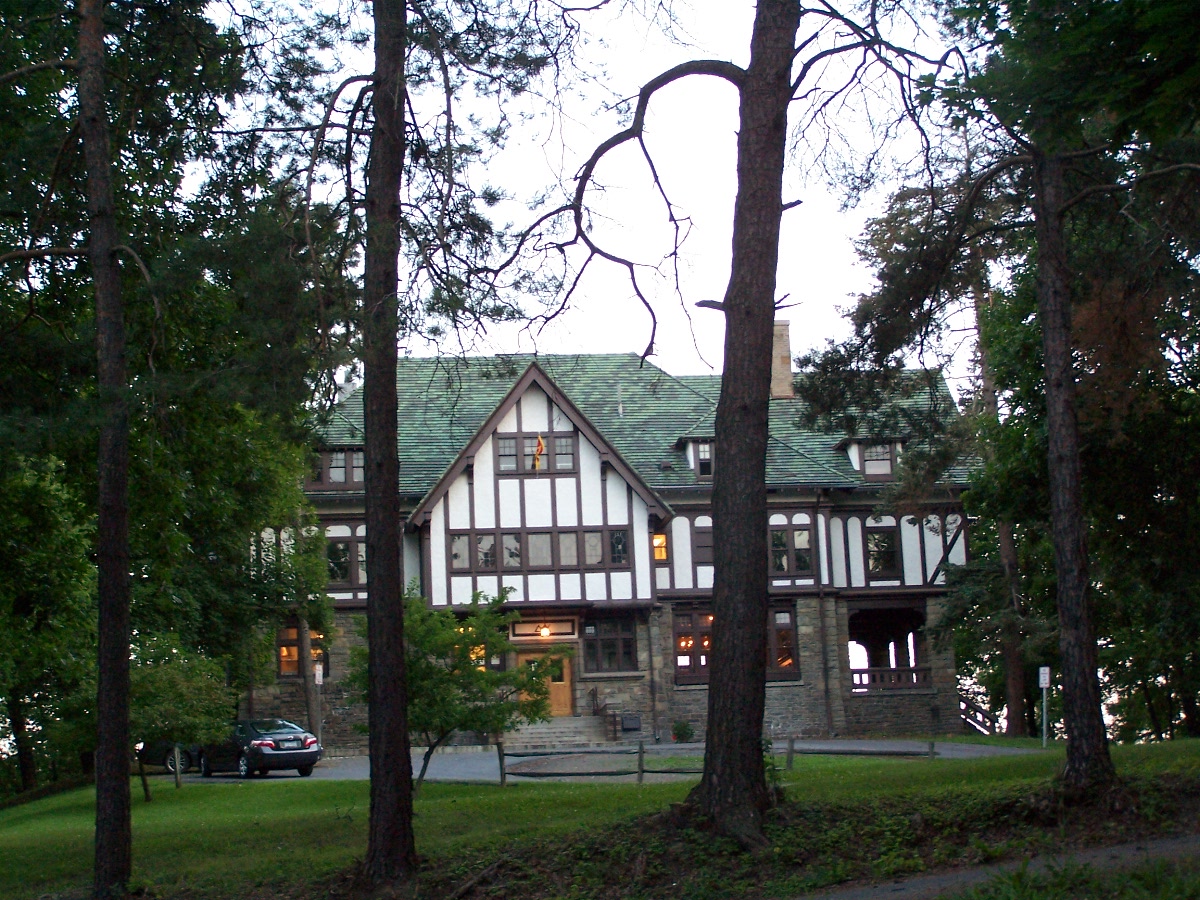
The Delta Chi Fraternity house on The Knoll. Originally founded as a law fraternity at Cornell in 1890, Delta Chi’s house was built in 1914 [3], and extensively renovated in the past two years. the fraternity did not become open for all men to pursue membership until 1922. The Cornell chapter was reactivated in 2004, and lived in Sigma Phi Epsilon’s house and AOPi’s old house for the interim of renovation. Sig Ep reorgainzed around the same time, so the logistics of two fraternities in one house undoubtedly led to a couple of issues.

Tha Alpha Zeta Fraternity House [4]. Alpha Zeta is one of the two ag-based fraternities (membership is virtually all from CALS), the other being Alpha Gamma Rho. Alpha Zeta is nearly unique in that it is co-ed. The originally house was built in the 1880s, but torn down in 1991. The portion on the right was built in the 1950s as an addition to the old house; the portion on the left, built in 1992-93, is on the old house’s footprint.

Phi Kappa Tau Fraternity house, also on The Knoll. The house was originally built in 1901 for John Tanner, a Cornell mathematics professor. The house was sold to Phi Kappa Tau in 1910, when it was still a local fraternity, named Bhandu [5]. The local fraternity marged with another to form Phi Delta Sigma during WWI, and became a chapter of PKT in 1930. The fraternity closed for several years in the 1990s, during which it was rented to the Big Red Band. It was recolonized in 2000.

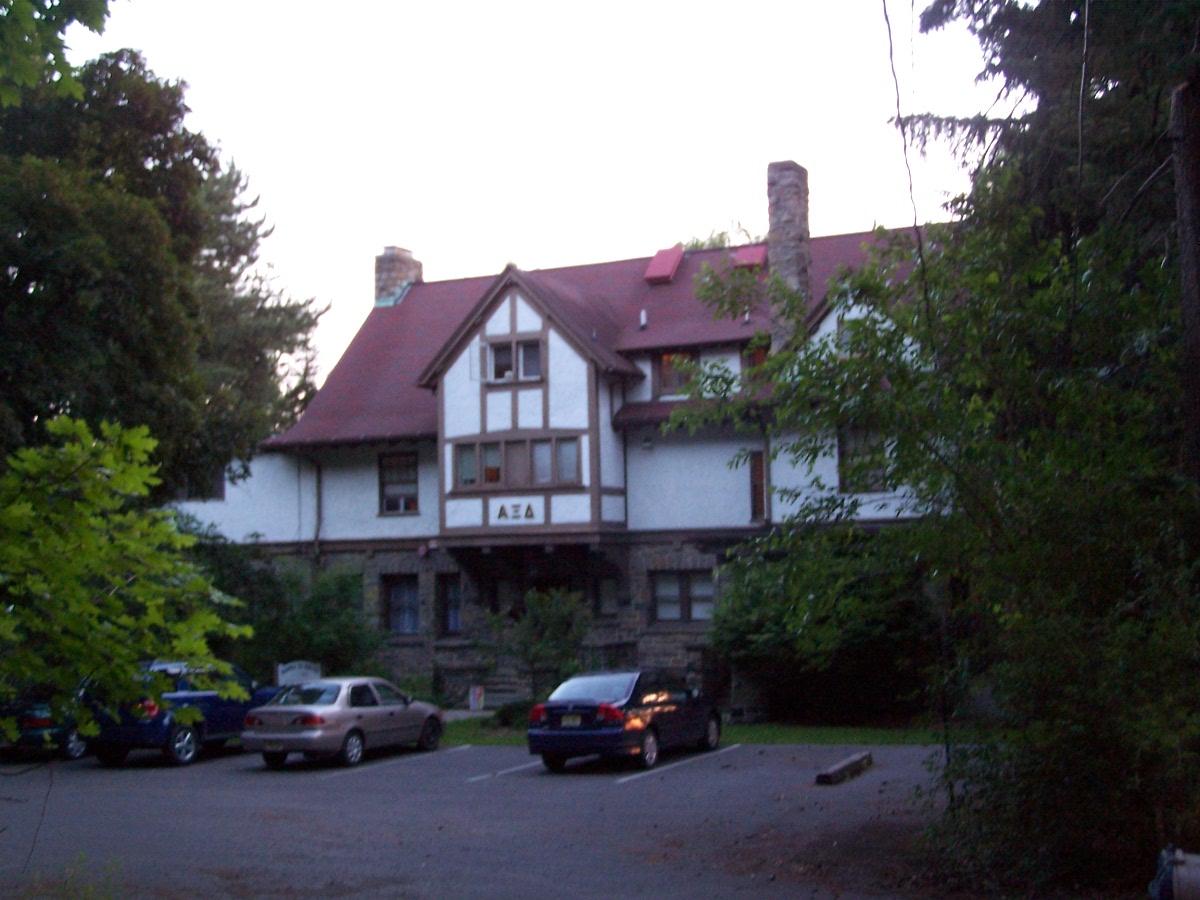
Alpha Xi Delta sorority house. AZD Cornell was rechartered in 2004 after a forty-year hiatus. It was selected from several bidding national sororities to replace the spot vacated bt the closure of two sororities in the early 2000s- Delta Phi Epsilon and Chi Omega. As a matter of fact, this used to be Delta Phi Epsilon’s house. (Chi Omega’s is now Sigma alpha Mu’s current house).


[1]http://www.dos.cornell.edu/dos/greek/chapter_details.cfm?id=3252

[2] http://www.aepibeta.org/FoundingTo1983.html

[3]http://www.cudx.com/cms/index.php?option=com_content&task=view&id=13&Itemid=28

[4]http://www.alphazeta-cornell.org/public2.asp

[5]http://www.cornellpkt.com/spage.php?id=1163279207&mainID=1159743751


News Tidbits 6/26

26 06 2008

from the IJ:

http://www.theithacajournal.com/apps/pbcs.dll/article?AID=/20080626/NEWS01/806260342

“* The housing supply project calls for developing “quality, affordable and sustainable residential communities for the benefit of Cornell employees.”

The proposal is to build “new affordable townhomes” on Cornell property by 2010.

This property could include land at East Hill Plaza, in Collegetown and potentially anywhere else Cornell owns land, Johnson said. New housing would be built within easy biking or walking distance to Cornell or along public transportation lines, he said.

Cornell proposes to spend $600,000 on the housing supply project in 2009.”

Have to keep an eye on that.  $600,000 isn’t much to build with though. Although Cornell already owns the land, and intends for it to be affordable (i.e. not big or loaded), I could see at most four or five townhomes being built with $600,000. Whether or not they continue to add as much each year is a big question.

Example townhomes


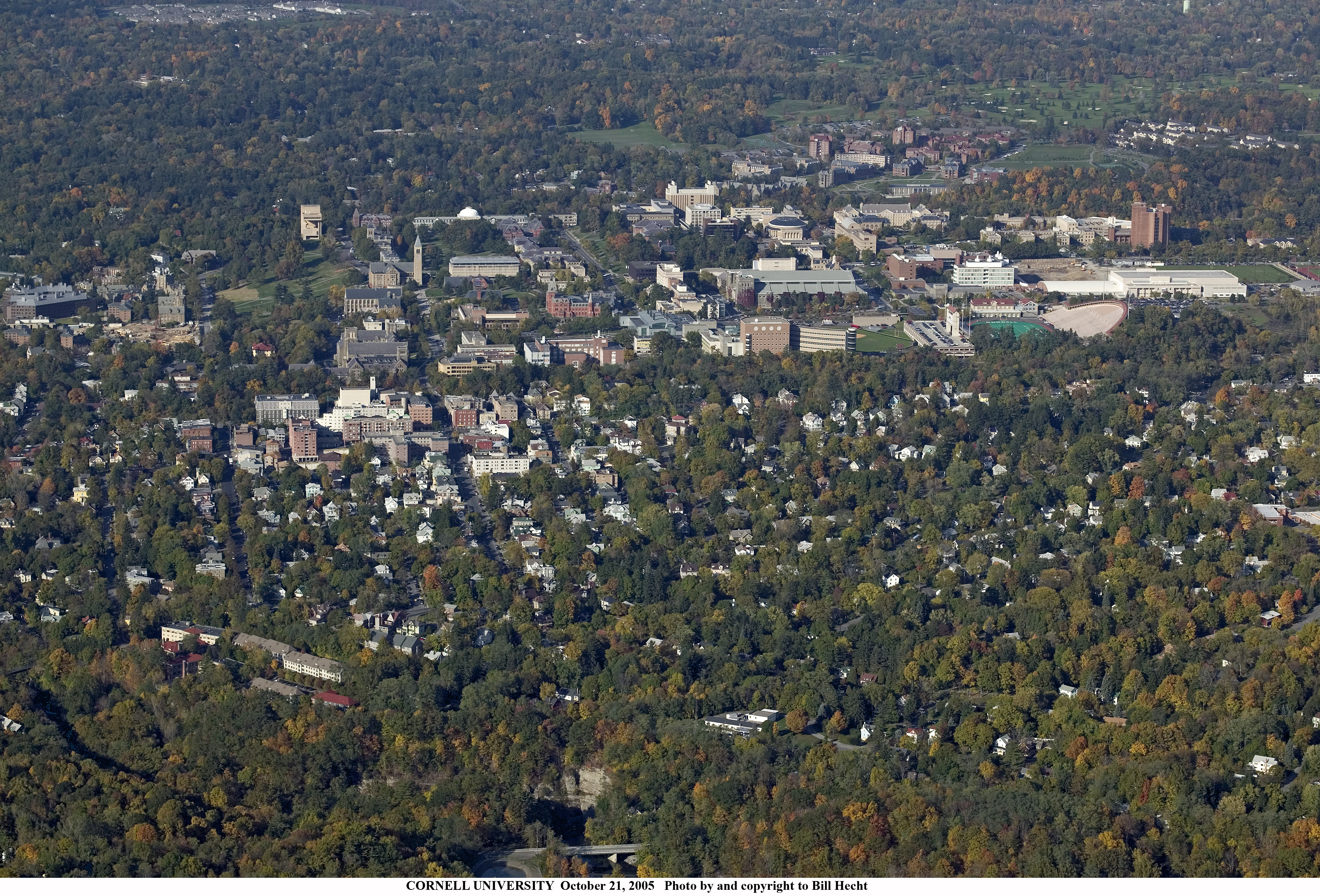
Aerial of Collegetown, Ithaca

26 06 2008

Damn I love this photo.


http://freepages.genealogy.rootsweb.com/~springport/pictures146/27DV7522.jpg