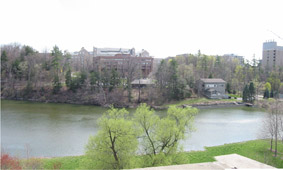
Historical Fraternity Rush Booklet, Part 2 of 3

18 07 2008

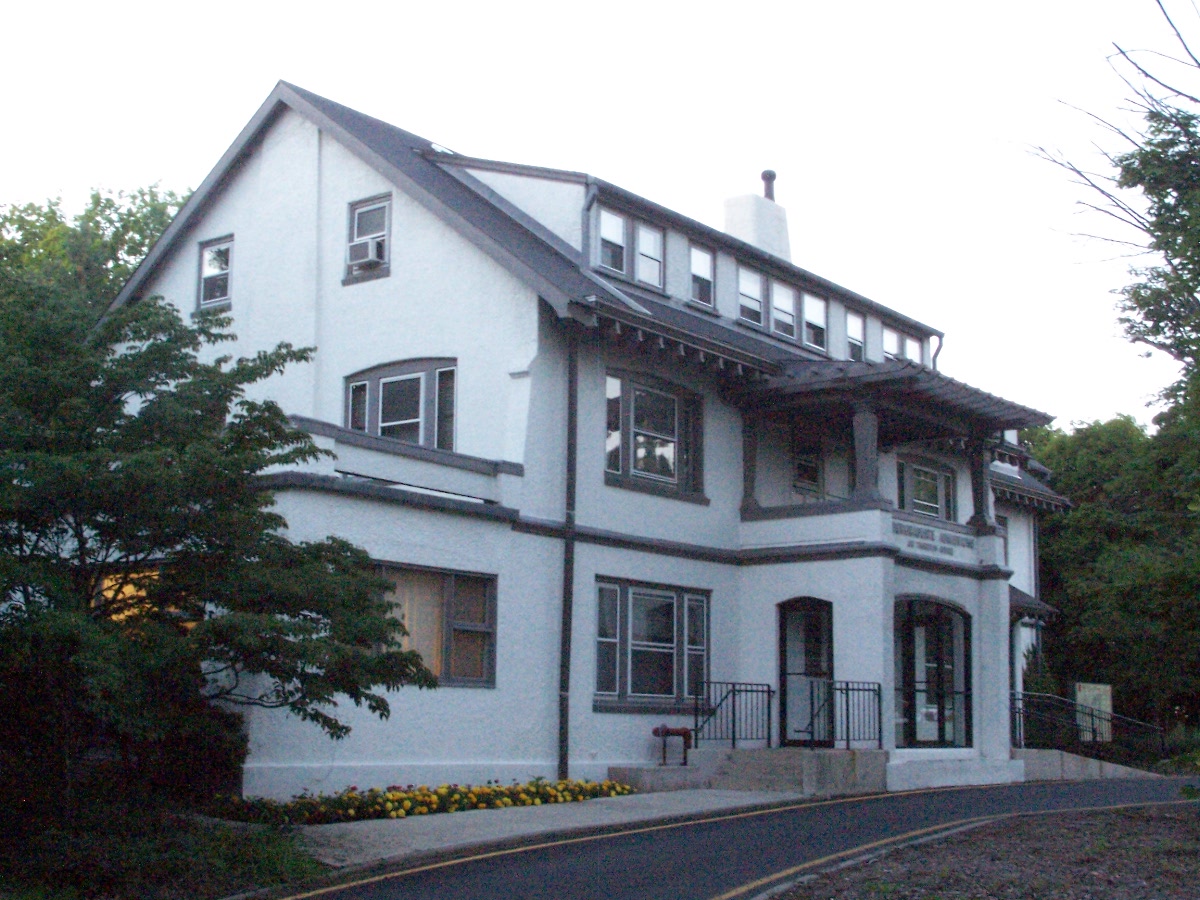
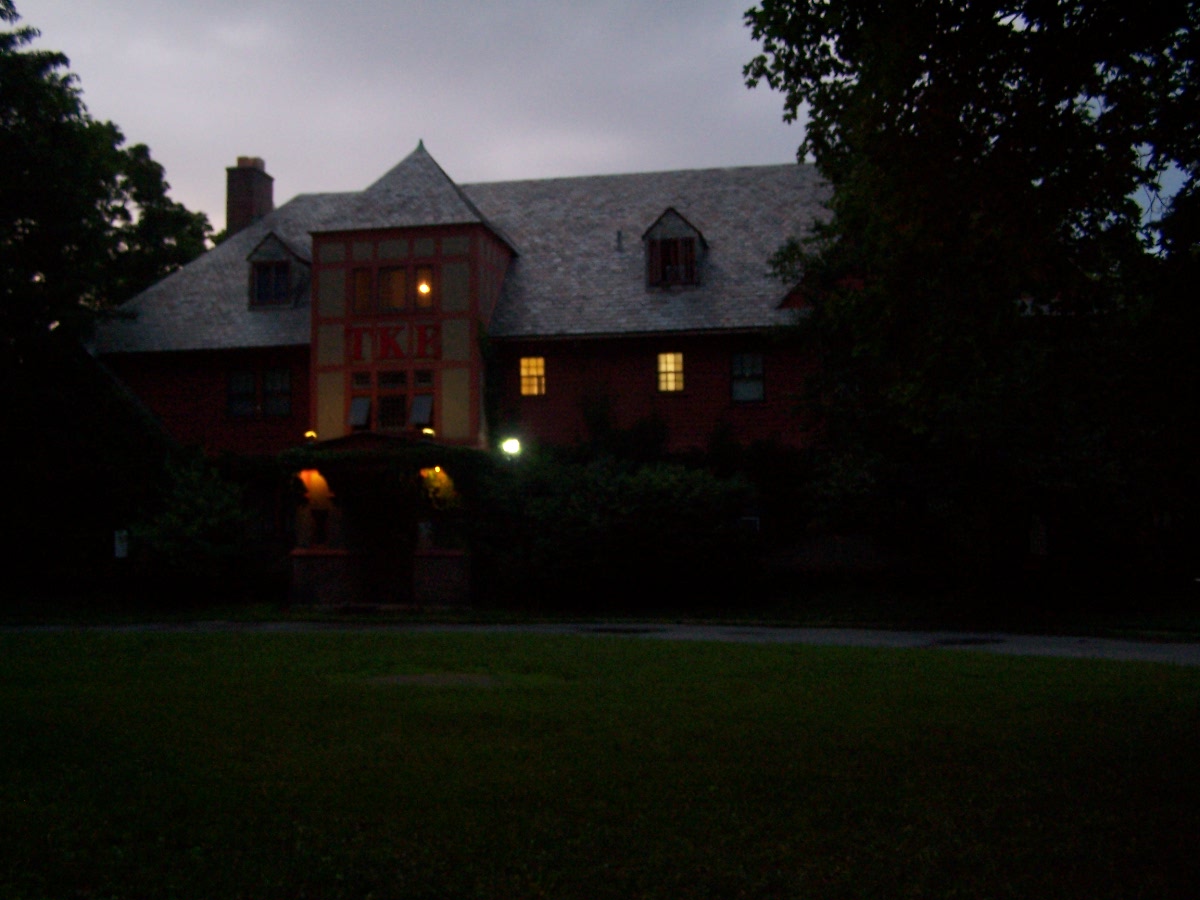
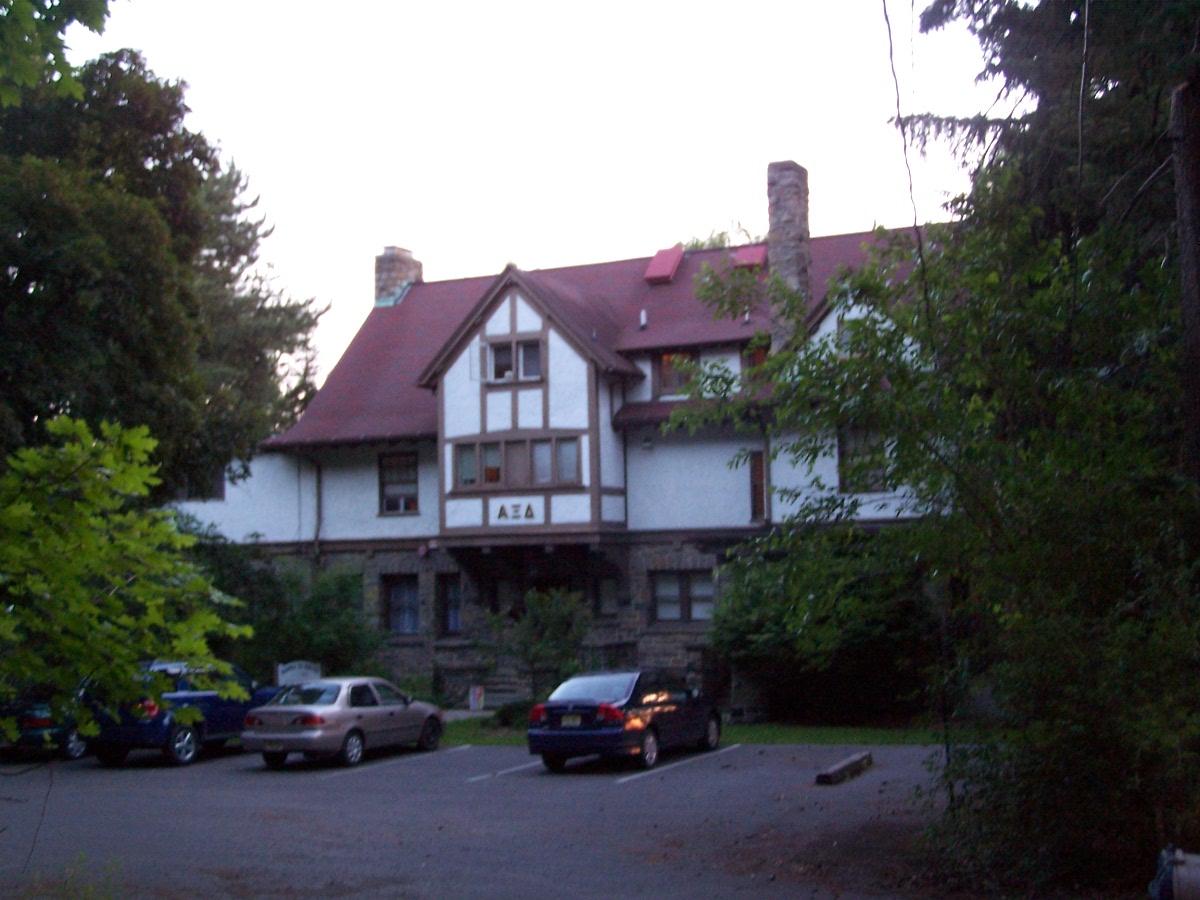
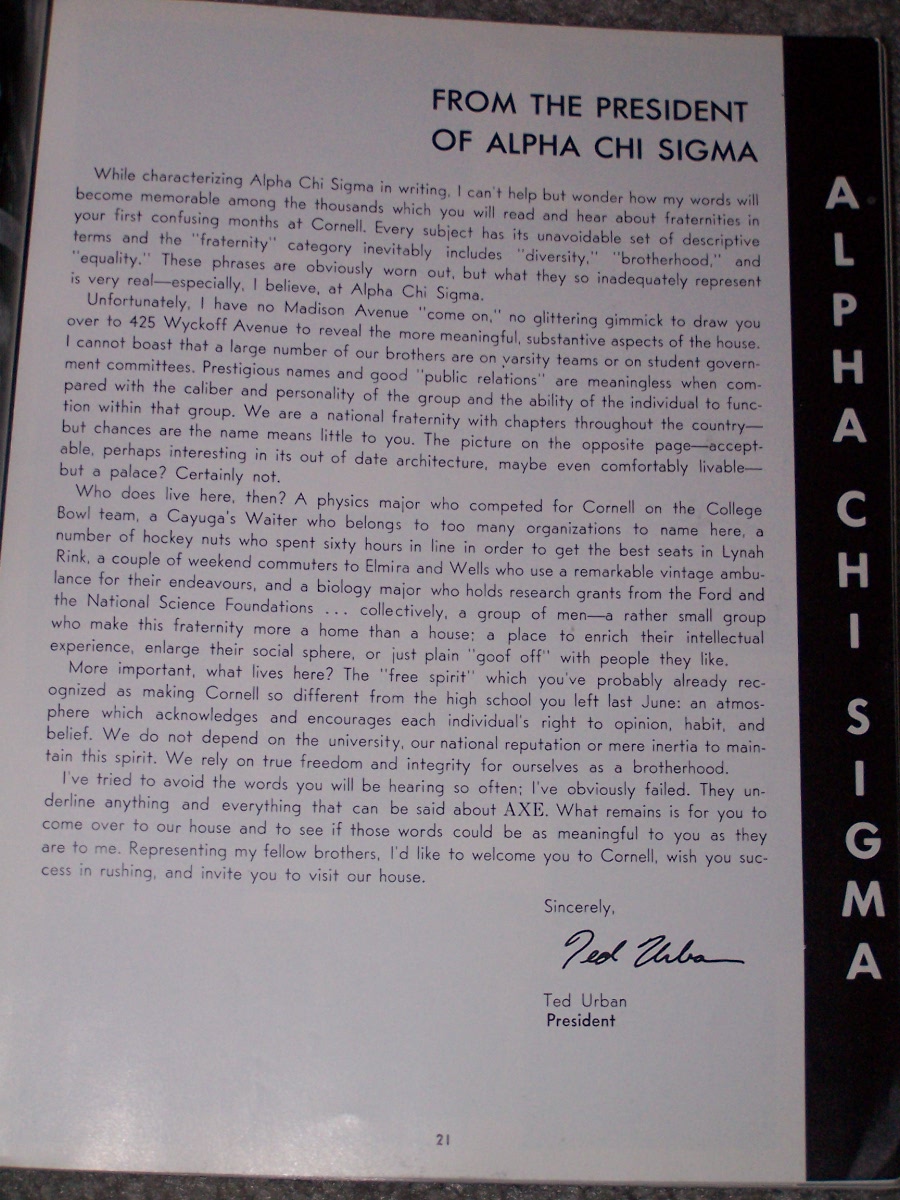
Going back to our fantastic fraternity guide from 1970, here’s the entry for Alpha Chi Sigma, the chemistry fraternity, located at 425 Wyckoff Avenue on North Campus (since 1955). According to the Tau chapter website, the house previously belonged to a sorority, and was built in the “silent-film era” [1]. The third floor rooms were added after the initial construction. The house became co-ed the year after this was published, in 1971.

The “demise” of Alpha Chi Sigma as an IFC Chapter is a bit unique. By the 1980s, the brotherhood consisted mostly of graduate students, and they lost interest in being a part in the IFC. From their website,

Tau lore suggests that the brothers nominated a dog to be their IFC representative at one point during this era.”

By the end of the 1980s, membership was virtually nothing, and the chapter withdrew from the IFC. By 1994, it was revived, but as a professional organization alone. Today, members still live in the house, but members of other frats can join, and it is not a member of the IFC.

***

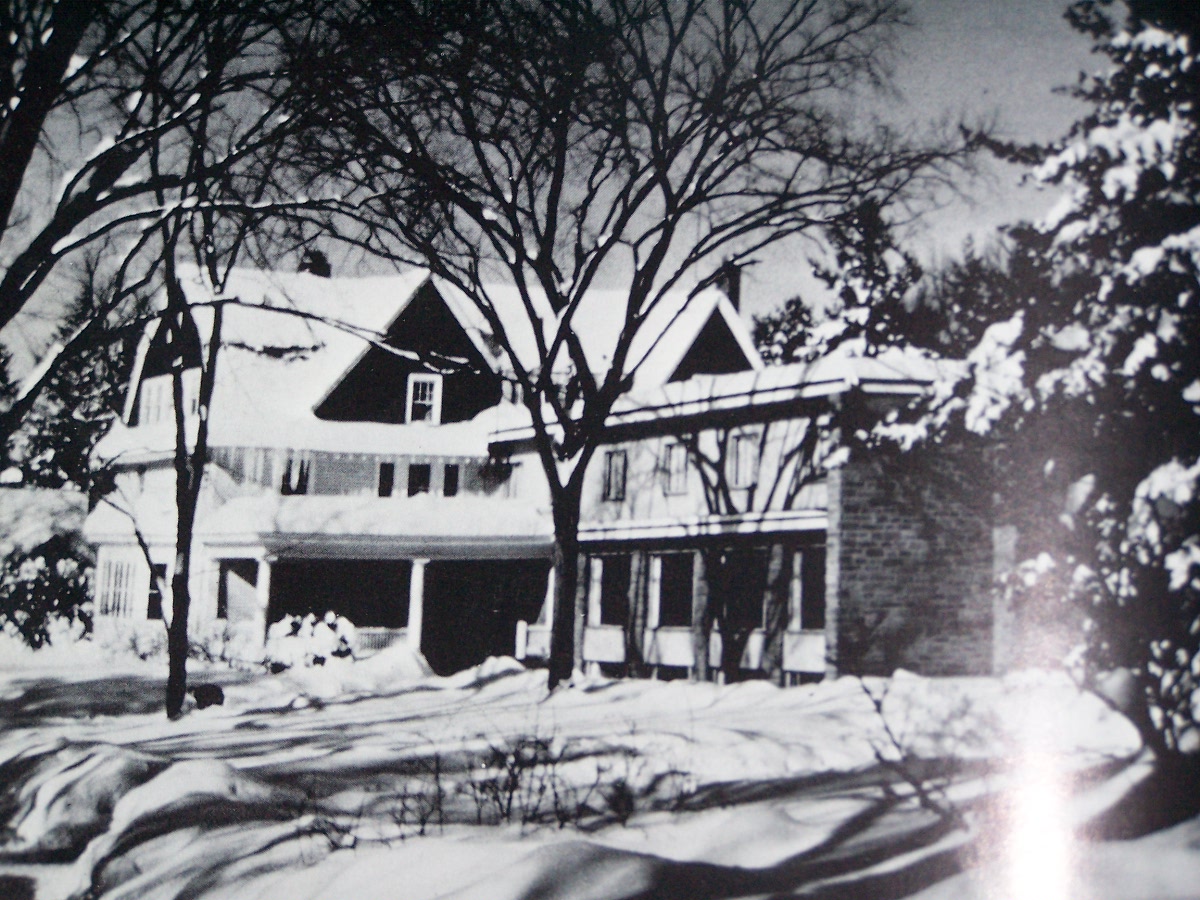
The above photo is that of the Phi Sigma Epsilon house in 1970. The fraternity and all of its chapters merged with Phi Kappa Sigma in 1985, one of the largest mergers of fraternal organizations ever recorded. In the case of Cornell, where both existed, the result was that ΦΣΕ closed its house.

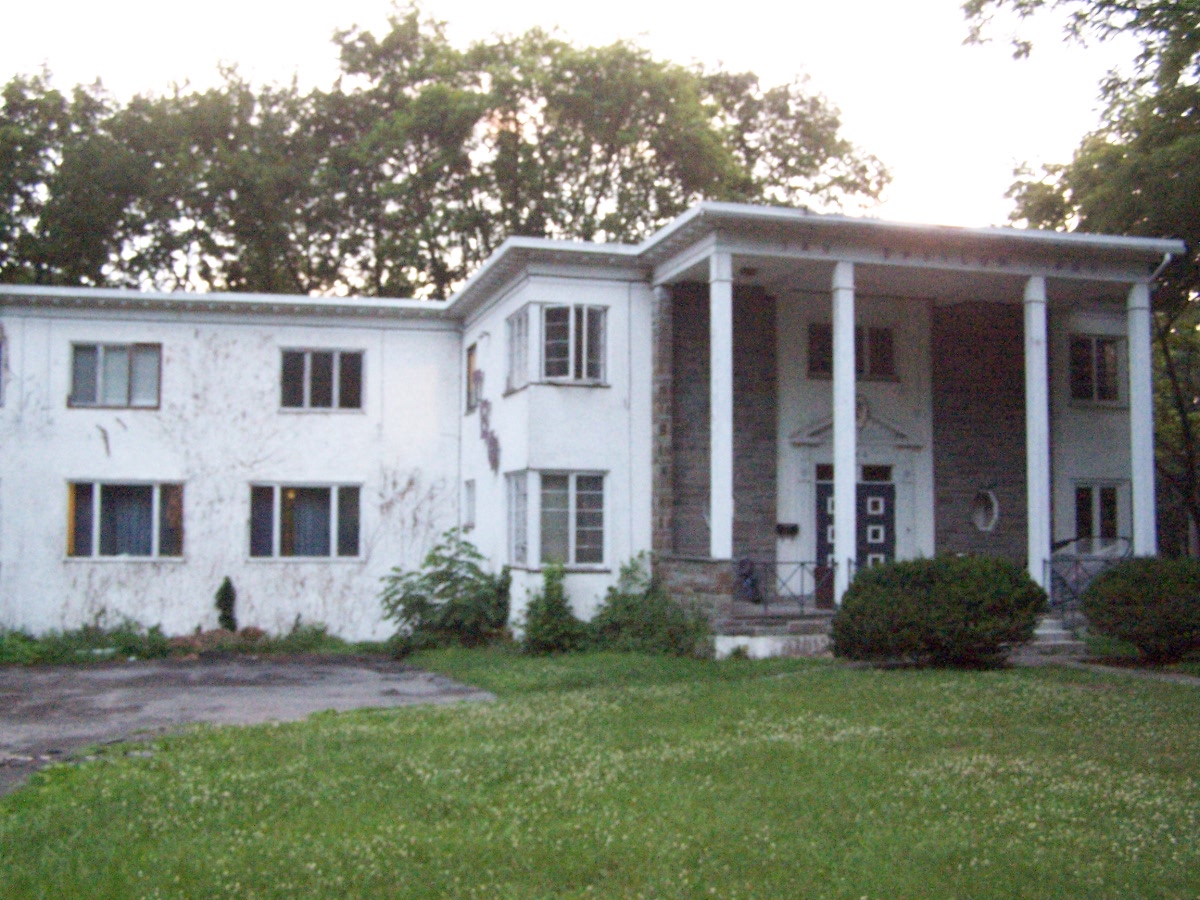
The house belongs to Alpha Chi Omega Sorority today.

***

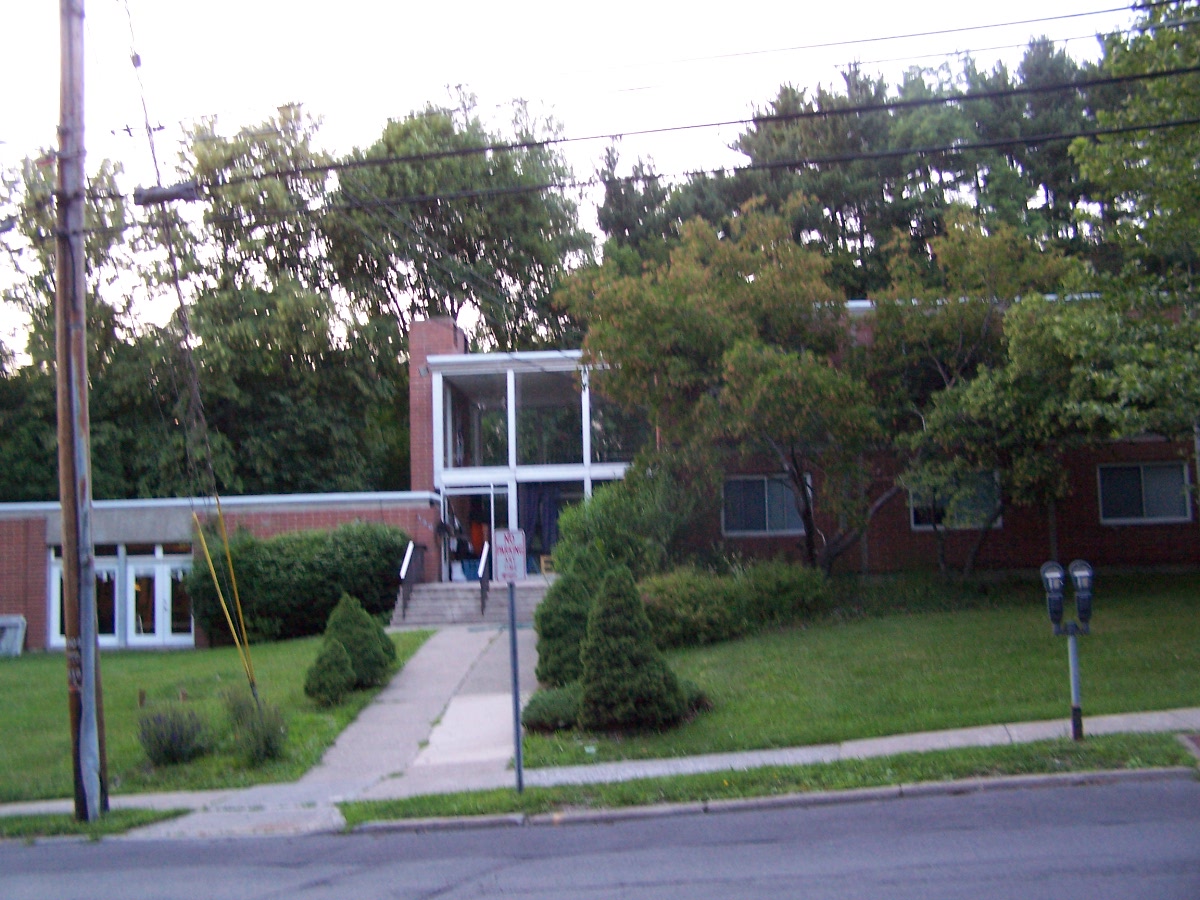
Between 1967 and 1984, when AEPi was inactive, Sigma Alpha Mu utilized their property. Here we can see that both of these houses on the 200 block of Thurston Avenue are technically “Sammy” houses; as history would have it, AEPi would regenerate in 1984, and SAM would move to the Phillips House by 2004.

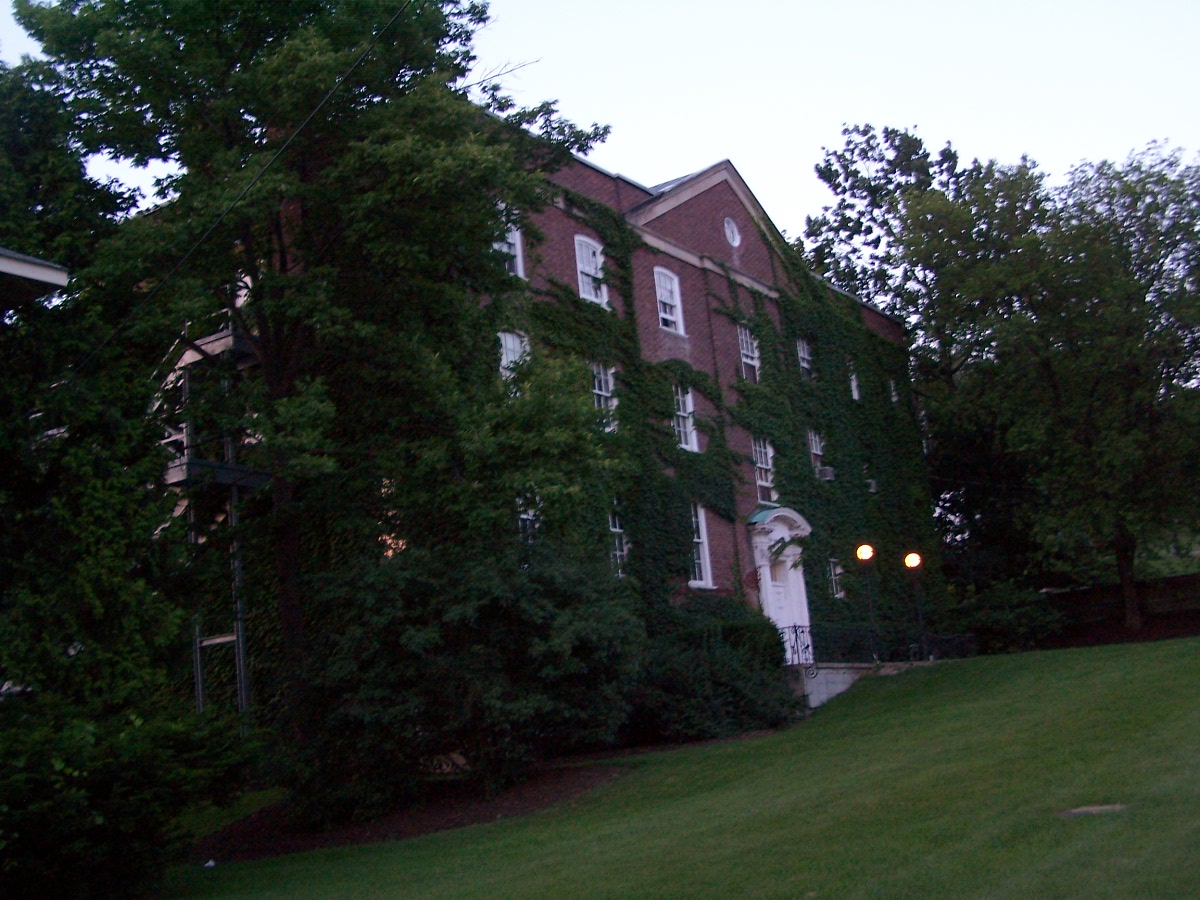
The current house is known in some documents as Phillips House, but I am unable to locate the source of the name. Possibly, it has something to do with the former landowners of where the house, at 10 Sisson Place, sits now. It was built in 1956 for Chi Omega sorority [2], and functioned as their house (save for a period when Chi Omega didn’t exist) until they folded in 2003. Sigma Alpha Mu bought the property shortly afterwards. The hipped roof is a later addition to the house (the original roof was flat).

***

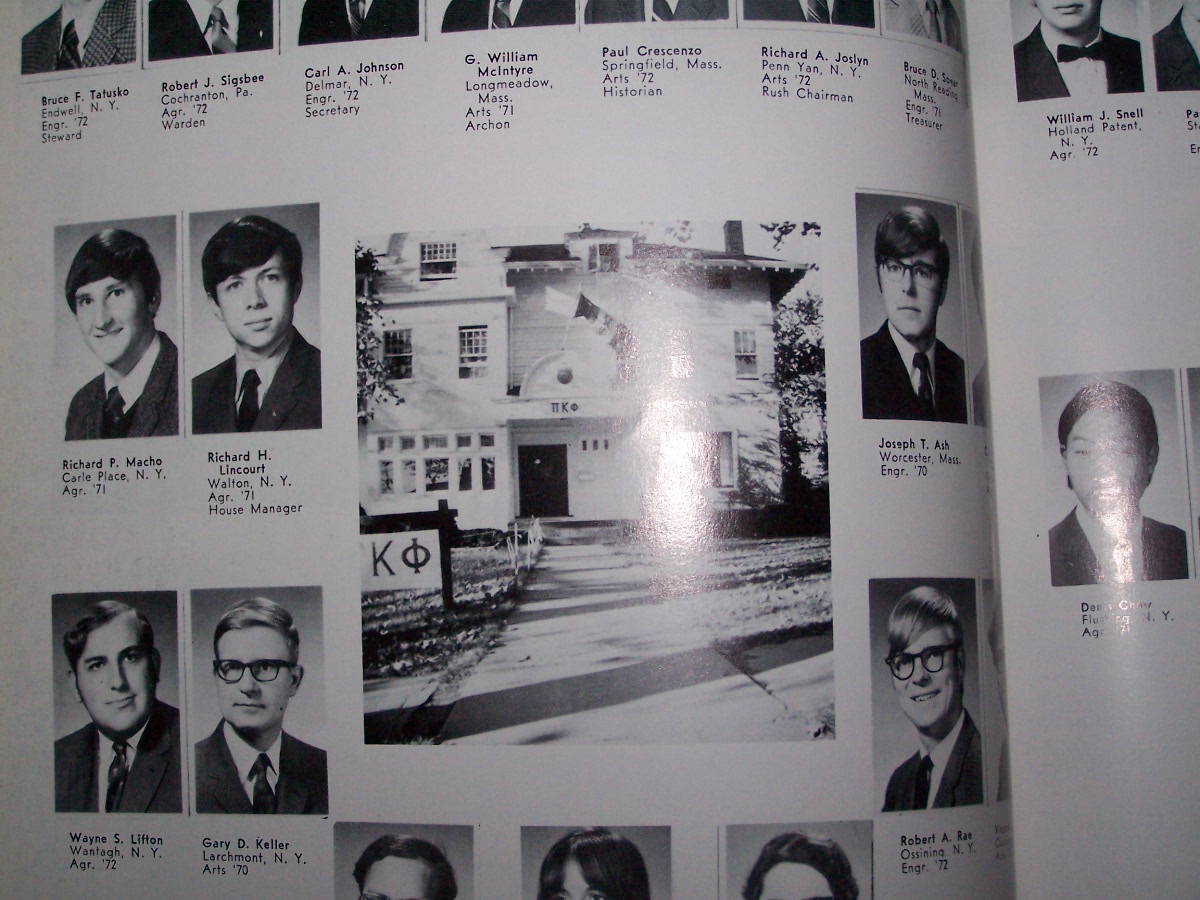
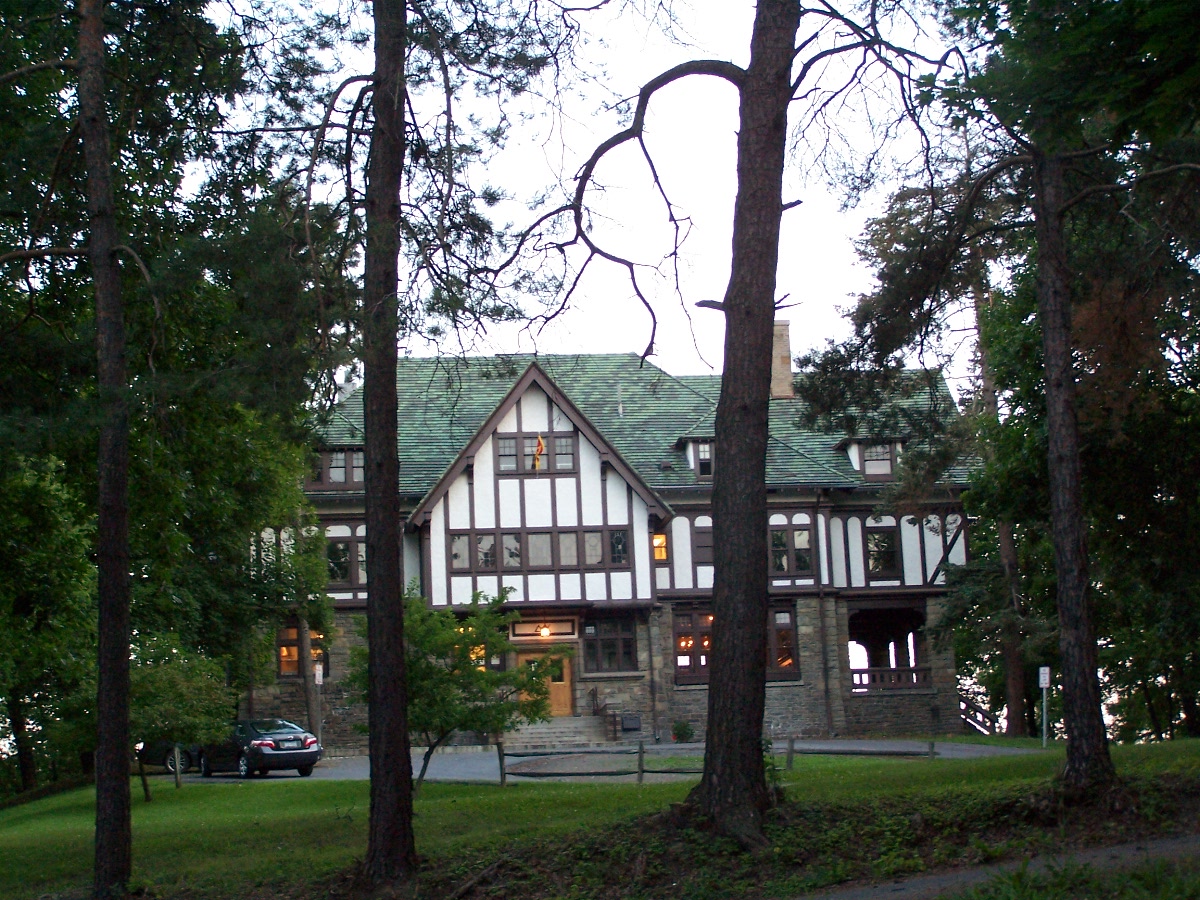
The house of Phi Lambda Phi Fraternity, in 1970. As mentioned previously, this historically Jewish fraternity merged with Beta Sigma Rho within a couple years of this publication (by 1972-1973). Well, the house was eventually used by Cornell for its undergraduate admissions office (imho, the happiness inside died with each rejected application—the place is rumored to be haunted [3]).

[1]http://rso.cornell.edu/alphachisigma/history.htm

[2]http://www.fs.cornell.edu/fs/facinfo/fs_facilInfo.cfm?facil_cd=4766

[3]http://en.wikipedia.org/wiki/Cornelliana


Historical Fraternity Rush Booklet (Part 1 of 3)

15 07 2008

So, as a special treat, I managed to get a hold of the 1970-1971 fraternity rush booklet. I figured it would be interesting to see some of the changes between the present Greek system and the system nearly forty years ago. I’m dividing it up into portion because there are some features I want to cover before I show them from a historical perspectives (i.e. certain photos have to be taken before I post the old photos). Sorry for the glare on the pages!

So, without further ado…

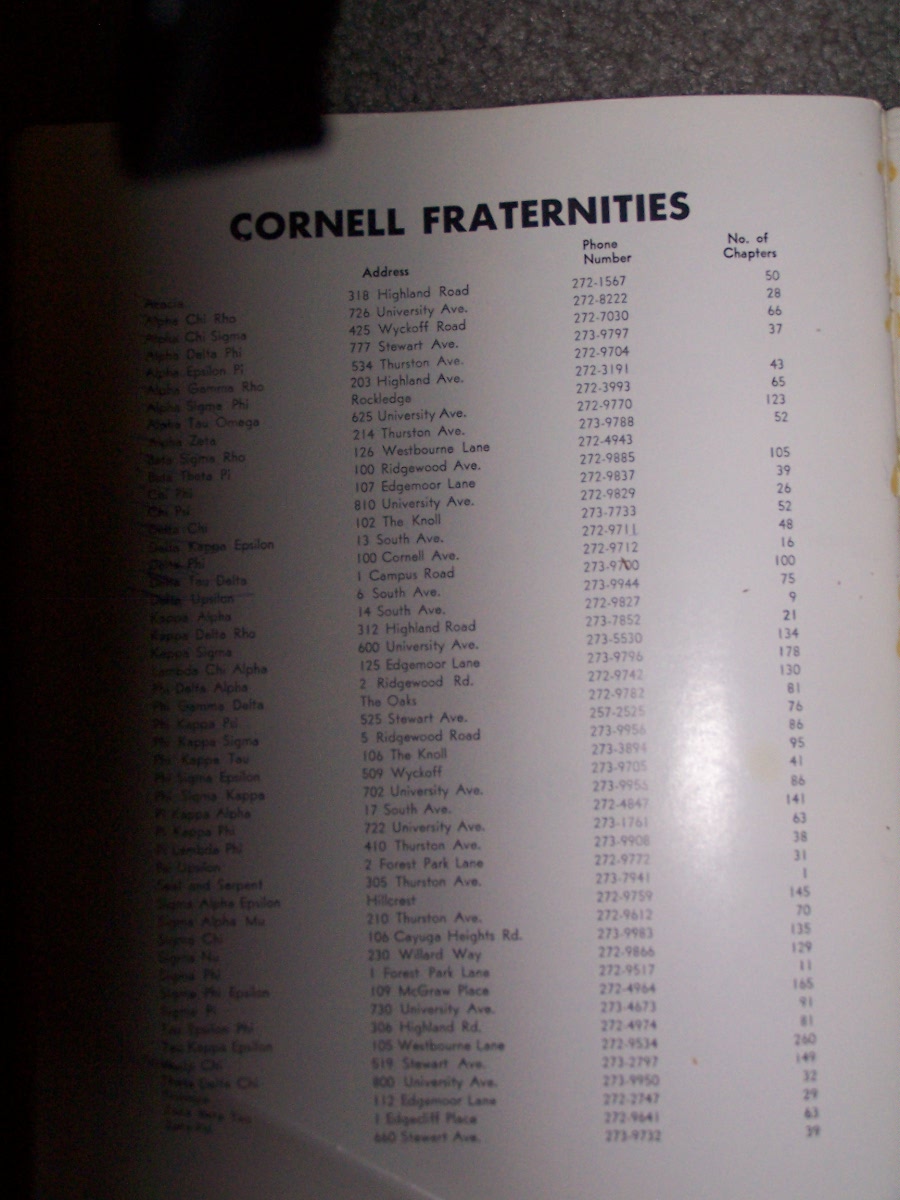
This was the list of fraternities on Cornell campus at the time of publication. There are 48 total, and the MGLC didn’t exist at this time either. This was published after Theta Xi announced it would close in 1971, but before Beta Sigma Rho and Pi Lambda Phi joined together in 1972-73. Kappa Alpha closed in 1990 (see the other entry concerning its recolonizing), and Triangle’s national council suspended Cornell chapter in 1985, never to return [1]. Phi Kappa Sigma closed in 1991, Theta Chi left in 1999, although they attempted to recolonize in 2003 [2] (my guess is that it didn’t work out), and Phi Sigma Epsilon merged with Phi Sigma Kappa in 1985 [3]. I’ve already gone over Alpha Chi Rho in a previous entry, so I think that covers the losses.

The Alpha Chi Rho entry for fall 1970. Please note that clicking the image enlarges it. It mentions how they’re experimenting with going without a house. I’d like to remind folks here that Alpha Chi Rho would close within a few years of this publication.

The old Alpha Zeta house. This was also back when the fraternity was still men only (It went co-ed in 1981).

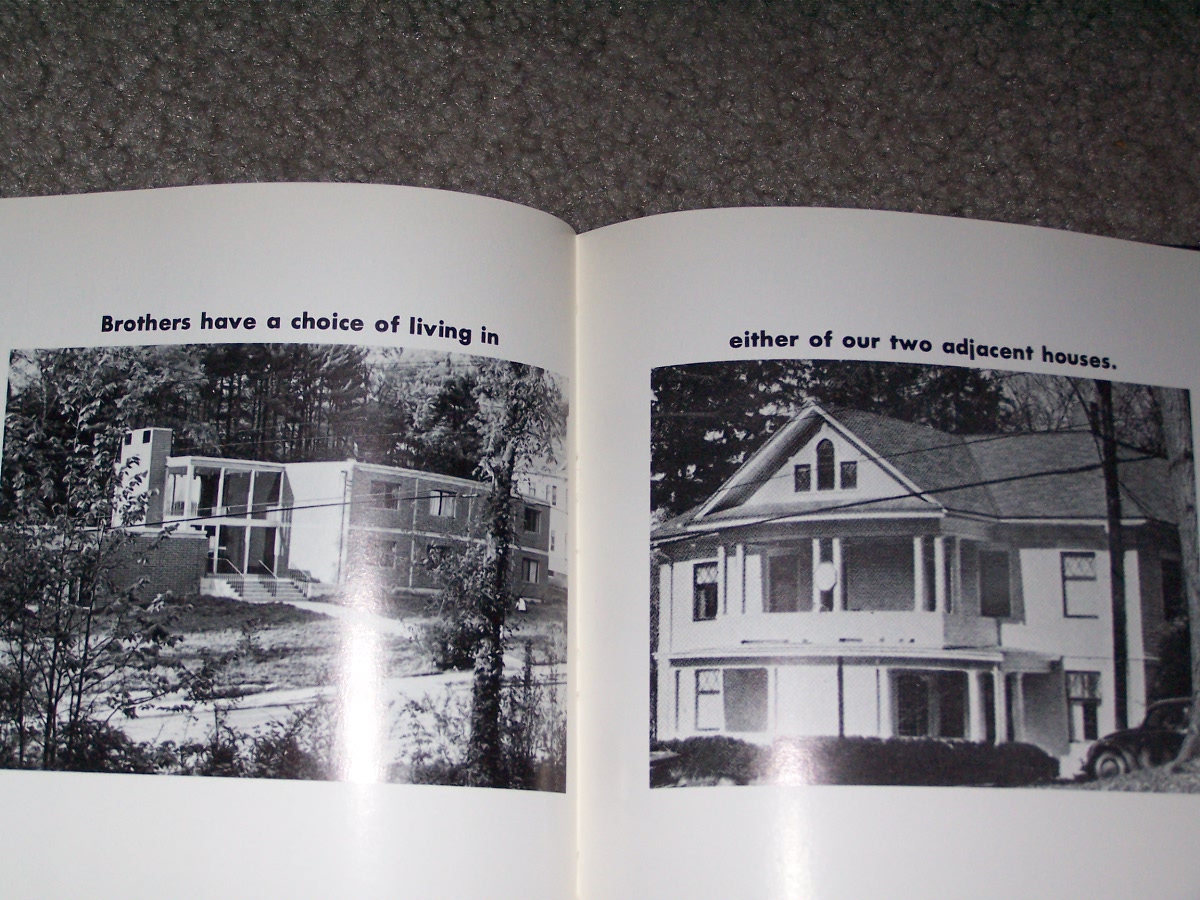
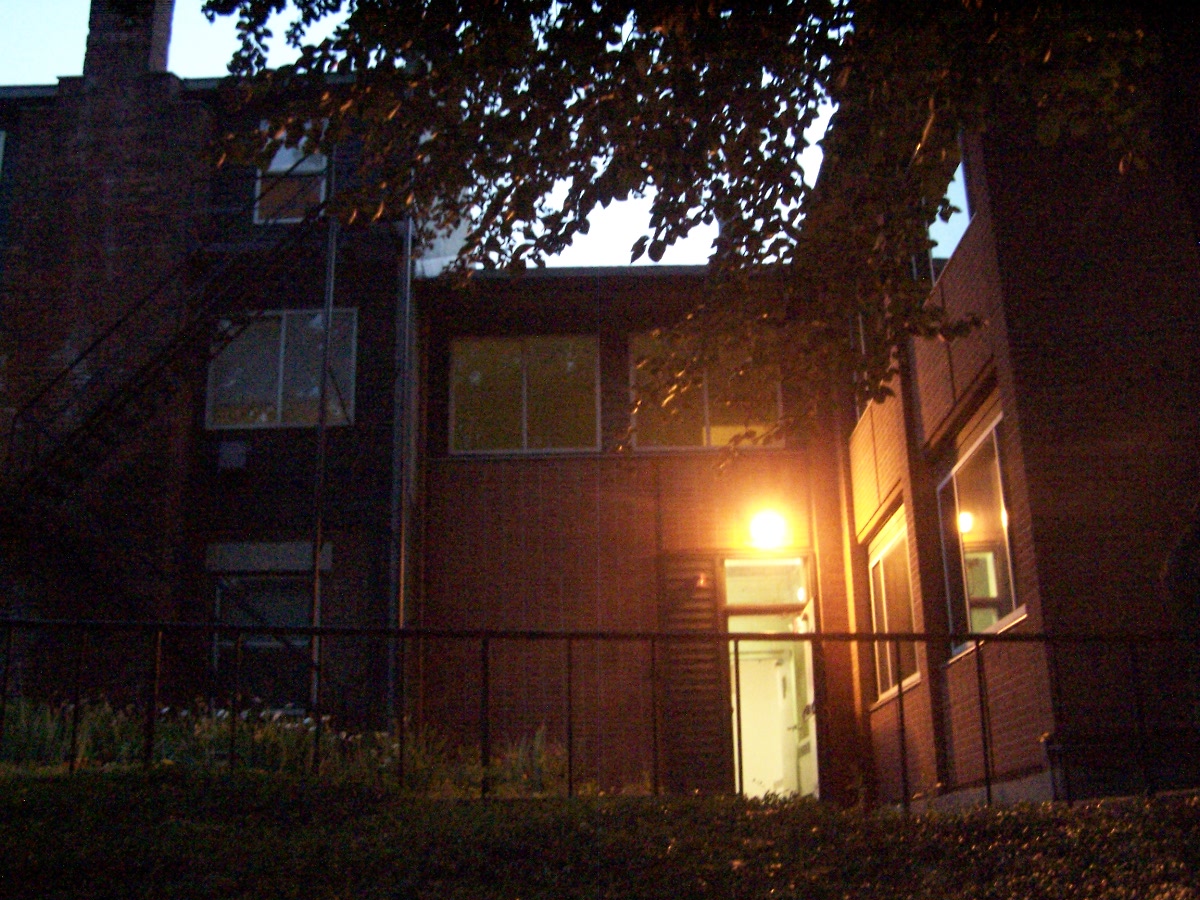
The Beta Sigma Rho house in 1970. This was the side of the apartments that I didn’t take with my camera; I’m pretty sure that staircase is no longer there and its heavily wooded, which made that angle difficult to take pictures from.

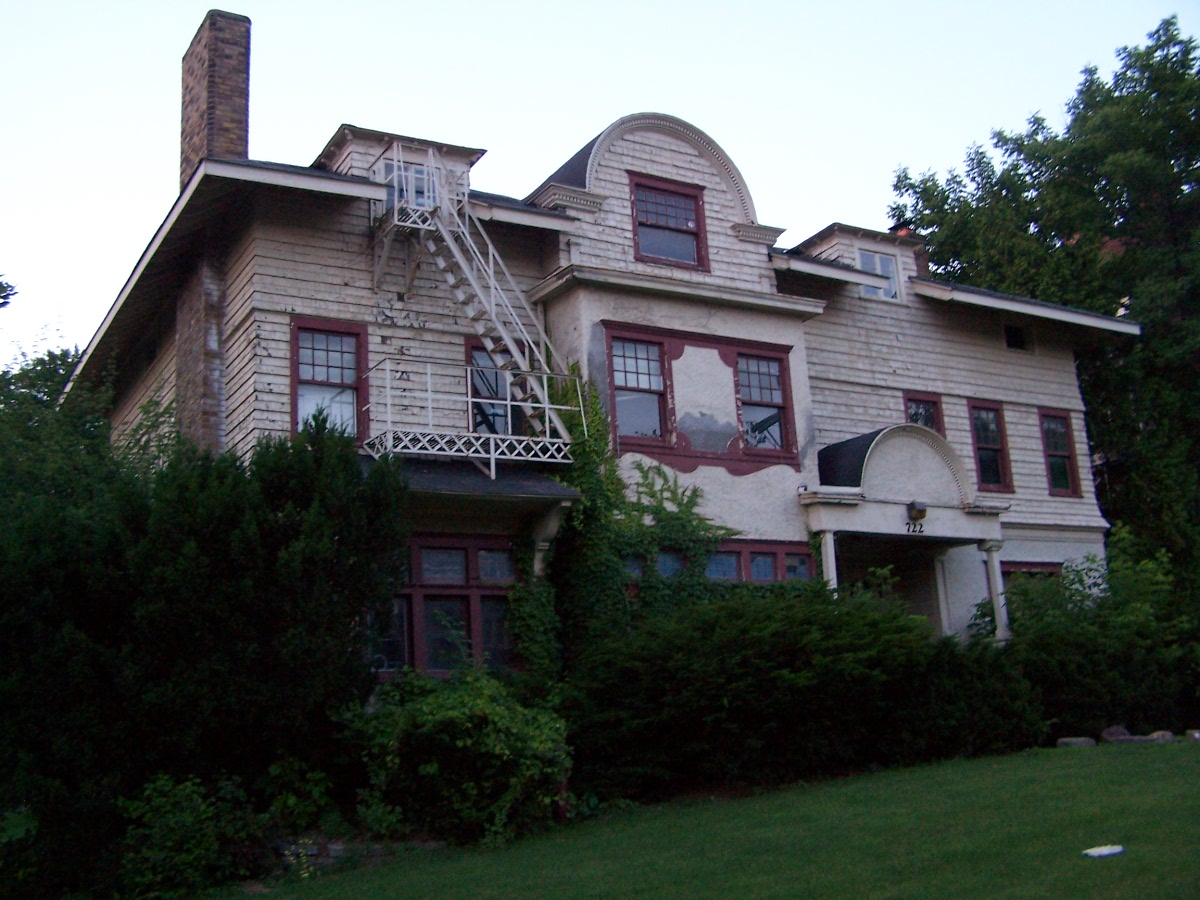
That worn down house, 722 University Avenue? In 1970, it was Pi Kappa Phi’s House (like I mentioned previously, Alpha Chi Rho was next door at 736 for a time, and we can see they had no house at this point in time).

This is the house next door, 736 University Avenue. It was built in the 1920s.


[1]http://www.triangle.org/about/history/chronology/

[2] http://www.highbeam.com/doc/1P1-71478145.html

[3]http://en.wikipedia.org/wiki/Phi_Sigma_Epsilon


Cayuga Heights Photo Tour, 7/12

12 07 2008

The house of the fraternity Tau Kappa Epsilon. The house has been occupied by the fraternity  since 1927. TKE was originally Kappa Psi, which became the Sigma Chapter of TKE in 1923. During this same time period, the local fraternity Scorpion was founded. The first TKE disbanded due to the hard times caused by the Great Depression, but Scorpion became the new affiliate of TKE (hence Scorpion chapter, which in my opinion is a really cool chapter name) in 1940. The fraternity Sigma Phi Sigma also merged with TKE in 1941 [1].

Farther up Highland we have the fraternity Tau Epsilon Phi. Um, their house could look better. I felt a little bad taking a photo of it and knowing I’d be putting it up, because it really was in shabby condition. The house was actually once the wing of the old house; they leased the property in 1949, and the wind was built in 1961. However, a fire “of unknown origin” destroyed the original house, so a new house was built connected to the relatively new wing in the mid 1960s. The building was last renovated in 1977 [2].

Speaking of which, this is the Kappa Delta Rho fraternity house. The house was built as an experiment by the architecture school in 1909 to teast the viability for poured cement for all the outside walls. KDR first occupied this property in 1952, and the new wing (the part on the left) was added in 1964 [3]. At least KDR is raising funds to repair the roof, it looks like it might need it.

So this was a treat to find. Today, this is the Westbourne Apartments building. Back in the day, it used to belong to a fraternity called Beta Sigma Rho. Beta Sigma Rho, or Beta Samach as it was originally called, was founded in 1910 by four Cornell students who were excluded from the current system because of their Jewish religion. By 1950, there were thirteen chapters. However, all good things come ot an end. Beta Sigma Rho’s Alpha Chapter, suffering from dwindling interest, merged with Pi Lamda Phi in 1972. The Pi Lams moved in to Beta’s house, and the organization adopted the name Pi Lambda Phi. The original Pi Lambda Phi house was closed (today, it’s the undergraduate admissions office). Then the Beta’s house was closed in 1978, and that ended their run at Cornell. One chapter survives; the Beta chapter at Penn state felt it would be better to go independent in 1975, so they did. Today, they have survived there as Beta Sigma Beta fraternity [4].

The house of Alpha Gamma Rho (AGR) fraternity. Originally known as Caduceus chapter,  (now Zeta- for those of you wondering, a caduceus is the double helix with the snakes [5]), Alpha Gamma Rho has occupied this property since 1916, with the current house being constructed in 1961 [6]. Alpha Gamma Rho is the other agricultural fraternity (AGR = agriculture…like we couldn’t figure that out.)


[1]http://www.scorpiontke.org/content/section/6/30/

[2]http://www.dos.cornell.edu/dos/greek/chapter_details.cfm?id=3271

[3]http://www.dos.cornell.edu/dos/greek/chapter_details.cfm?id=3251

[4]http://en.wikipedia.org/wiki/Beta_Sigma_Beta

[5]http://en.wikipedia.org/wiki/Caduceus

[6]http://www.dos.cornell.edu/dos/greek/chapter_details.cfm?id=4669


West Campus Photos

9 07 2008

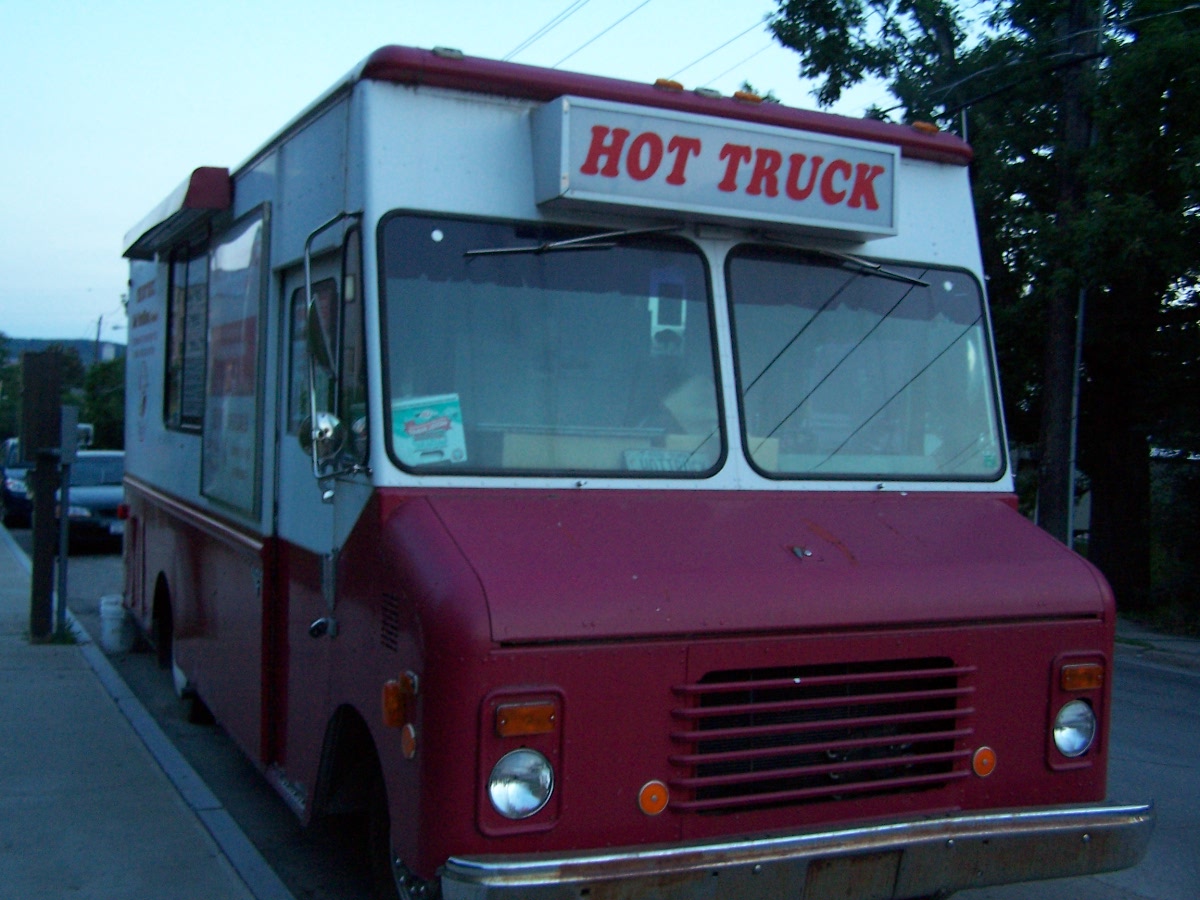
The Hot Truck is a West Campus icon. Located on Stewart Avenue just south of its intersection with University Ave, The Hot Truck[1]. The Hot Truck was founded in 1960 by Bob Petrillose, who called it “The Hot Truck” to differentiate it from “The Cold Truck”, a name that Louie’s Lunch used for its West Campus location from 1962-1981. Today, the truck is operated by Shortstop Deli, and sells subs along with PMPs, a pizza sub sold on french bread.

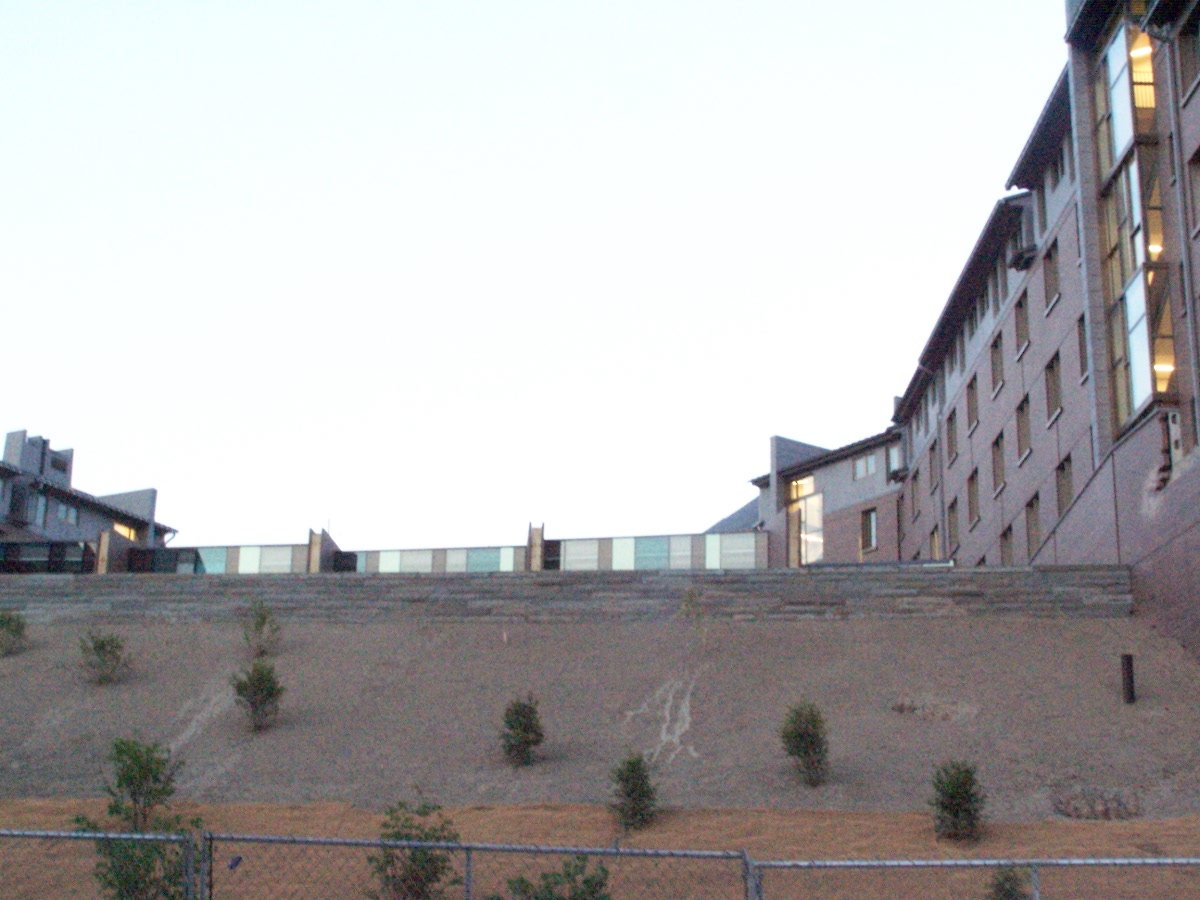
The West Campus houses, under construction. The house in the middle is House 5 until named otherwise. The house on the left is William Keeton House (House 4), slated to open in August 2008. The other three houses have already been opened; Alice Cook House in 2004, Carl Becker House in 2005, and Hans Bethe House in 2007. The houses are part of Cornell West Campus housing initiative. They are open to upperclassmen and transfers. In my experience, the house were astounding quiet whevered I visited, and although the dining was a pleaant experience, the houses were just a little too quiet for my preference. But then, I lived in the crypt that is Cascadilla, so who am I to comment?

Here, we can see the dining facility for Keeton. Notice that it has a variety of multi-colored glass.

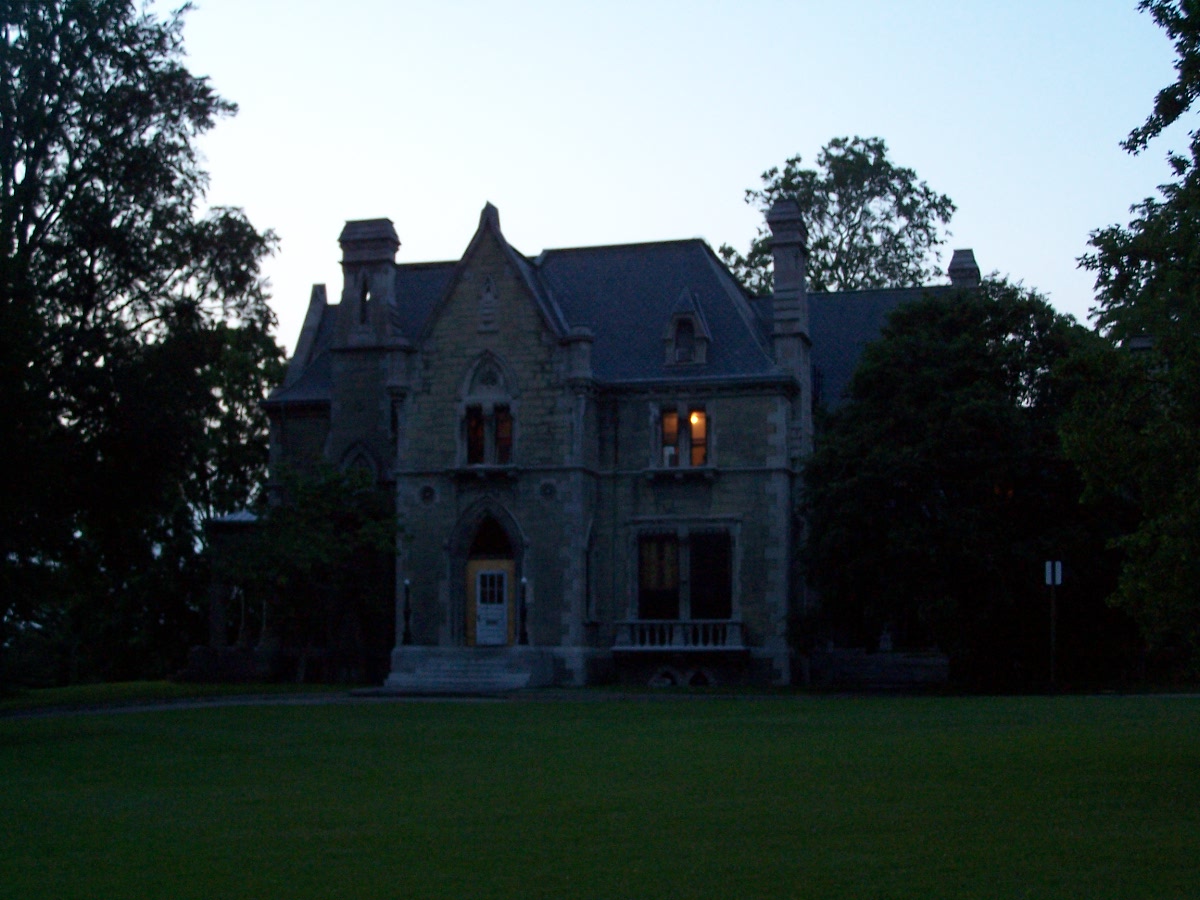
The House of the Cornell chapter of Delta Phi has a truly special history. First of all, the house is colloquially known as “Llenroc”. The house began construction in 1867, as the private residence of Ezra Cornell. However, Cornell passed away in December 1874, and never lived in the house. It was finally completed in 1875, and used as a private residence. The house became the residence of Delta Phi in 1911 [2].

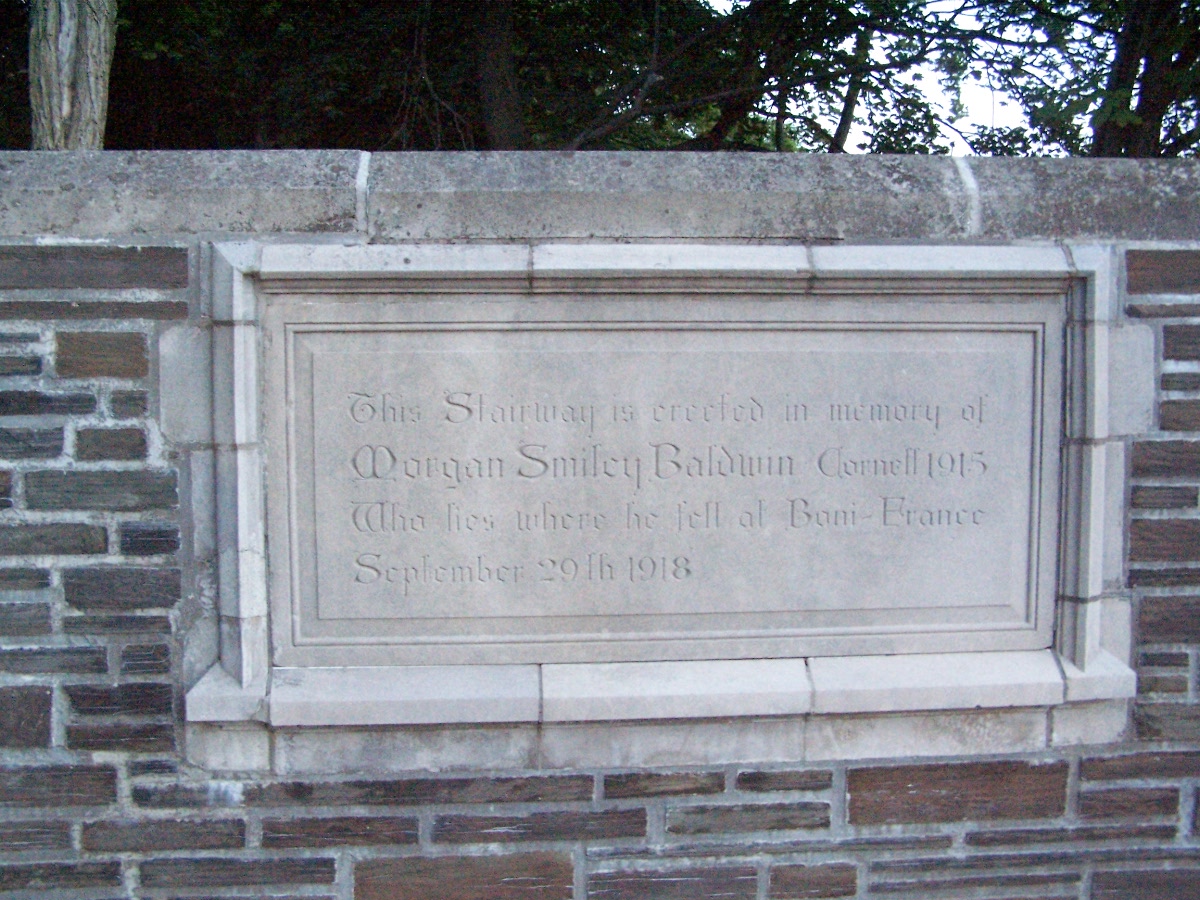
This staircase, also property of Llenroc, was dedicated in 1925 in memoriam to Morgan S. Baldwin 1915 by his father. Baldwin was a member of the Cornell Delta Phi chapter (Pi).

[1]http://en.wikipedia.org/wiki/Cornelliana#Hot_Truck_and_Louie.27s_Lunch

[2]http://en.wikipedia.org/wiki/Llenroc


Random Photo Tour 7/6/08, continued

7 07 2008

The house of Alpha Sigma Phi Fraternity, known locally as Rockledge (which is the name of the house). The name fits because the house is built on the cliff overlooking Ithaca Falls. The house was built around 1900, with the fraternity moving in during 1913, four years after the chapter was founded. Cornell’s first president, A.D. White (1832-1918 ) was a member of the Yale Chapter during his college days [1].

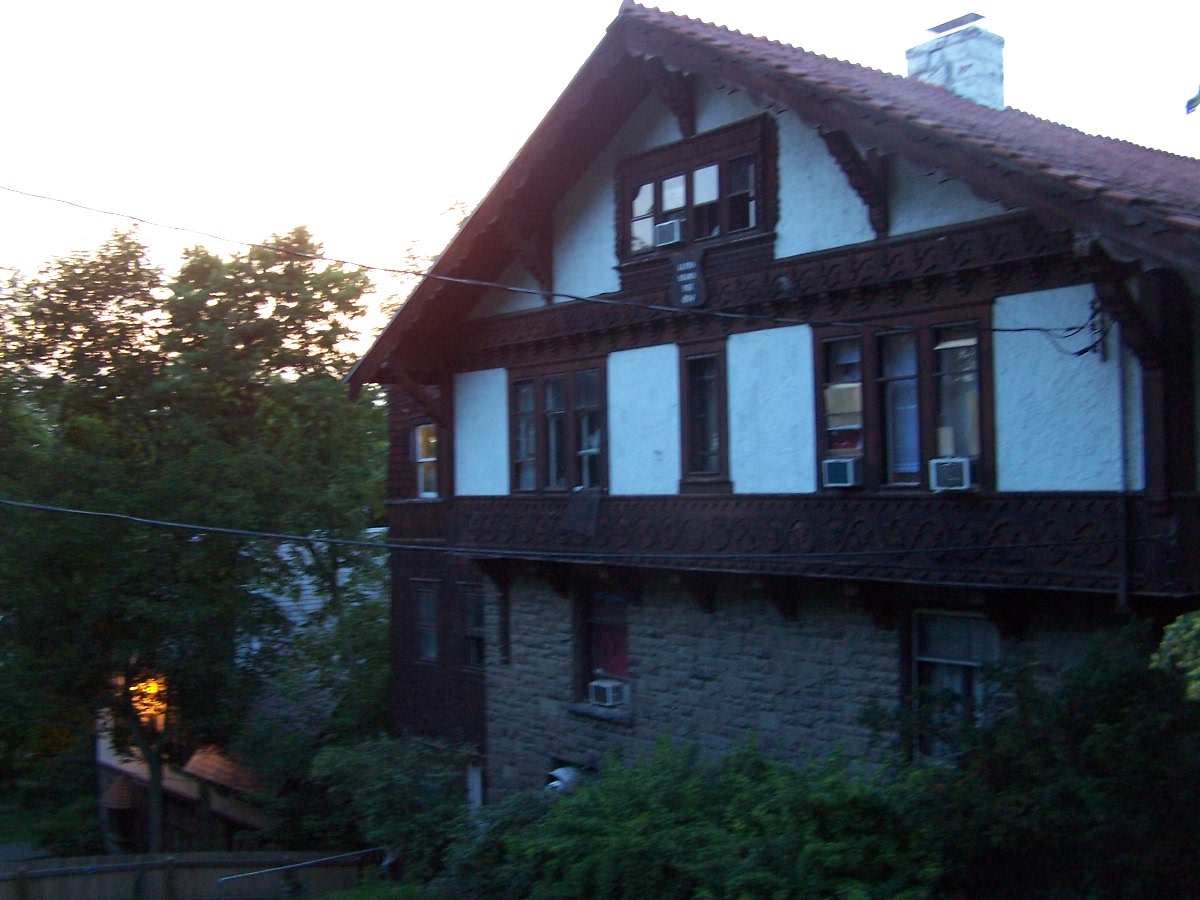
The house of Omega Tau Sigma, a professional fraternity for veterinarians. I didn’t realize professional fraternities did this sort of thing. The house has been in their name since the 1920s. And in my opinion, for a small house, I really like the uncluttered appearance from the outside. It vaguely reminded me of Scandinavian houses. Until I looked it up just now, I honestly thought the house was a regular house that kept the letters as a throwback to history.

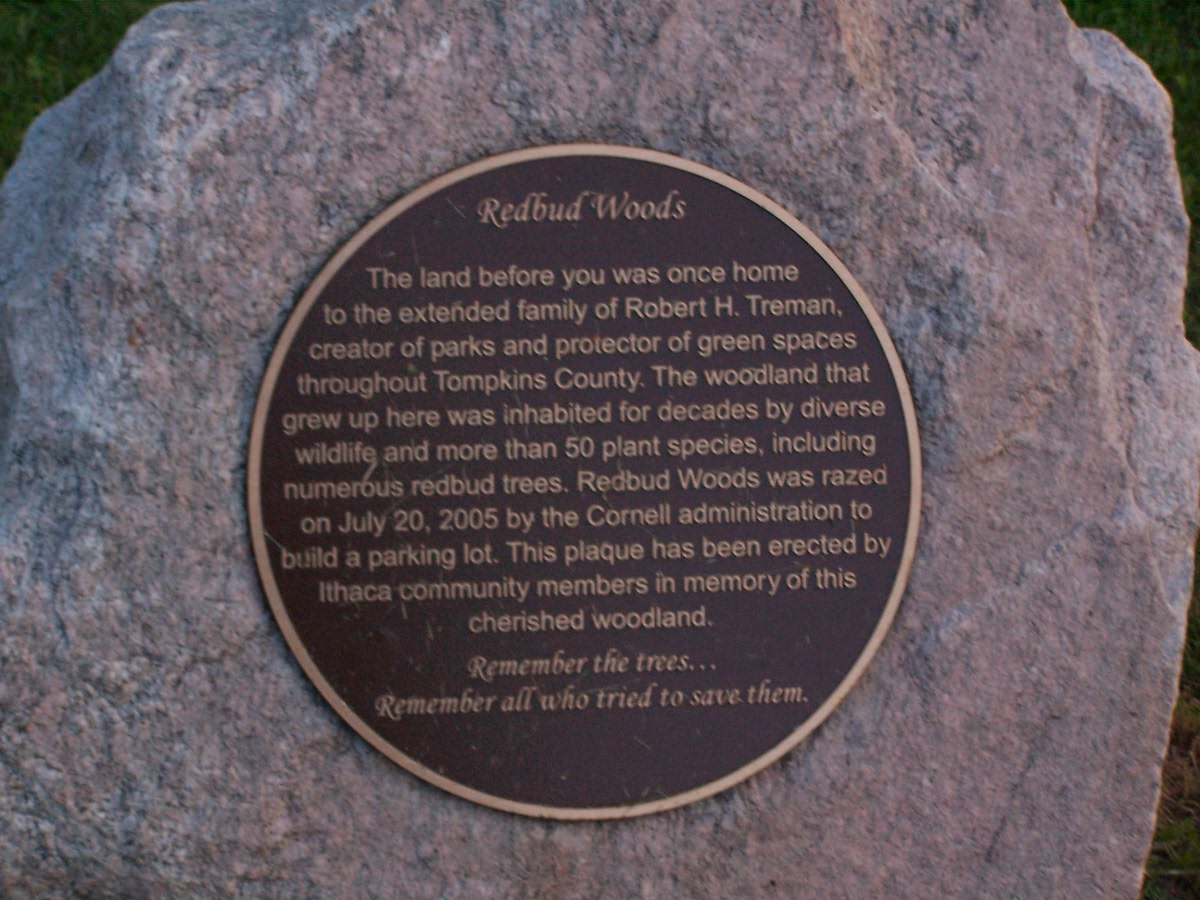
The former Redbud Woods site. I really don’t want to try and explain this, but a former patch of forest that was part of the old Treman Estate was bulldozed for a parking lot in 2005. The whole idea did not go over well. Student occupations of Day Hall, protestors from the college and city (including former mayor Ben Nichols), and a little backstabbing along the way. I’m not one for drama, I prefer my history untainted; and as you can see from the plaque that the city okayed but Cornell protested, the history is still a little too emotional for the local powers-that-be. for those who want to read the full story, here’s a wikilink: http://en.wikipedia.org/wiki/Redbud_Woods_controversy

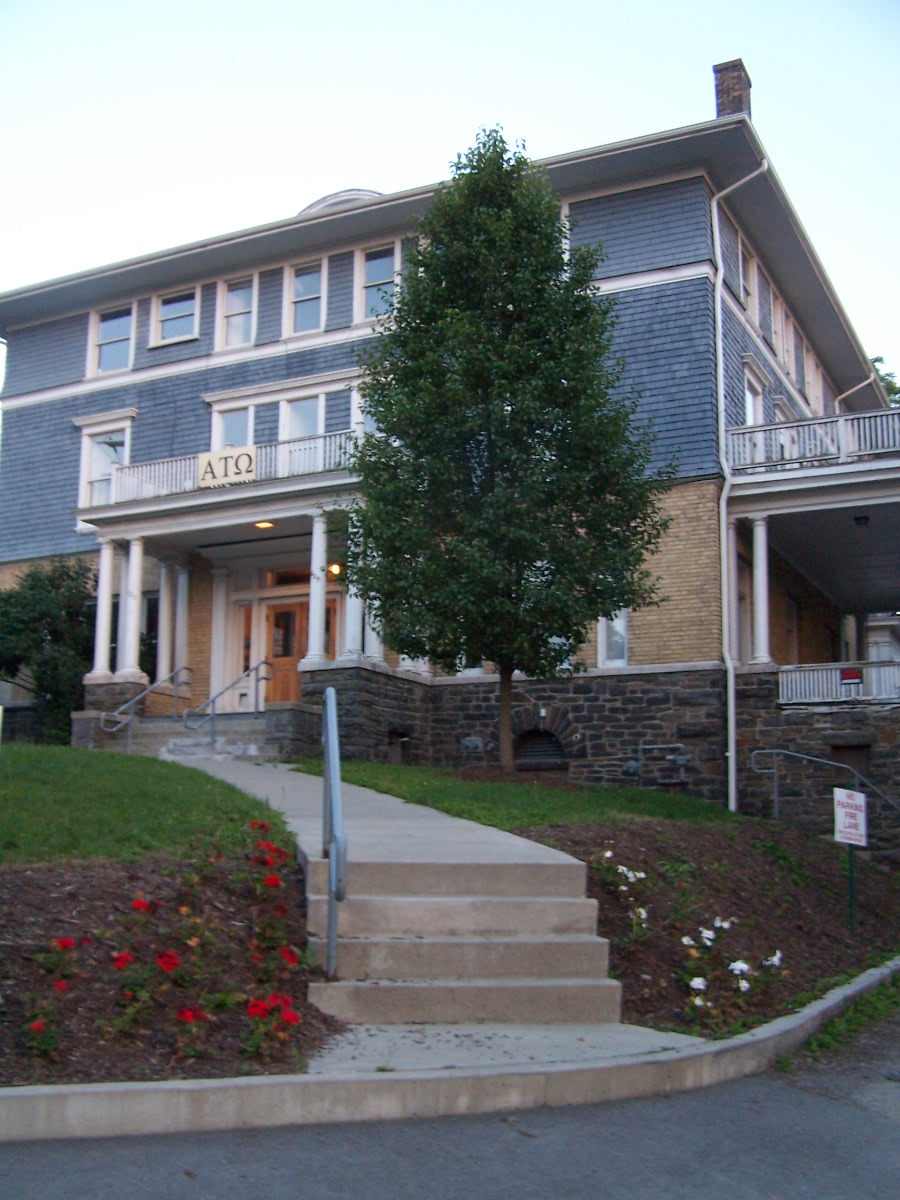
Alpha Tau Omega fraternity house. The house was built in 1900 and has been continually in ATO’s posession. Major renovations were completed in 1989, and once again in the past year [2]. The house was originally designed by an alum of the house, although it used to have a mansard roof, judging from old photos. Due to renovation and structural issues, the chapter has not had a house in the past two years. Judging from this photo and the state of the grounds as I walked by, it looks like it will be reoccupied fairly soon.

The house of Phi Sigma Kappa. So, thankk you Phi Sig for making it such a pain in my arse to find information about your house. I can say this house was built ca. 1900, and has always been in the posession of Phi Sig. I only know that because I had to ask someone who’s in the house. It is in need of some repair, but at least the front side, with its columns, is still imposing.

722 University Avenue, built in the Colonial Revival Style around 1900. This house most recently served as a home to Alpha Chi Rho fraternity. Alpha Chi Rho was on campus from 1908-1978 (it was next door at 736 for some of that time), and when they tried to recharter in 1991-92, they lived here. I believe the chapter closed once again in 1997-98.

EDIT: Thanks to a tip from JB, I was able to find that the house was occupied by Lambda Upsilon Lambda, the Latino fraternity, as recently as 2004. The house is currently unoccupied.


[1]http://www.alphasig-rockledge.com/history.php

[2]https://www.atocornell.org/public1.asp

[3]http://www.bookrags.com/wiki/Cornell_West_Campus


Random Photo Tours, 7/6 Edition

6 07 2008

So, I decided to do a little photo tour in my spare time.  Just imagine it to be like a bus tour, without the bus and the annoying woman in front of you with the oversized sun glasses.

This house, 210 Thurston Avenue, served as Sigma Alpha Mu’s house from 1947-2004.  Today, the house serves as Phi Delta Theta’s annex. Phi Delta Theta, nationally known as a dry social fraternity, operates their chapter house as a dry house, and the annex as….well, not a dry house.

The house of Kappa Sigma fraternity [1]. The house was built by a German nationalist who fled at the onset of WWI. The house was then bought by Claude Smith, the president of the Ithaca Gun Company, and remained his residence until 1937. Sigma Alpha Mu occupied this house in the 1940s, and by 1952, the house has been sold to Kappa Sigma.

The house of Alpha Epsilon Pi. this house was built in 1957 [2]. With the except of reorganization periods, such as 2004, the house has been continuously occupied by AEPi.

The Delta Chi Fraternity house on The Knoll. Originally founded as a law fraternity at Cornell in 1890, Delta Chi’s house was built in 1914 [3], and extensively renovated in the past two years. the fraternity did not become open for all men to pursue membership until 1922. The Cornell chapter was reactivated in 2004, and lived in Sigma Phi Epsilon’s house and AOPi’s old house for the interim of renovation. Sig Ep reorgainzed around the same time, so the logistics of two fraternities in one house undoubtedly led to a couple of issues.

Tha Alpha Zeta Fraternity House [4]. Alpha Zeta is one of the two ag-based fraternities (membership is virtually all from CALS), the other being Alpha Gamma Rho. Alpha Zeta is nearly unique in that it is co-ed. The originally house was built in the 1880s, but torn down in 1991. The portion on the right was built in the 1950s as an addition to the old house; the portion on the left, built in 1992-93, is on the old house’s footprint.

Phi Kappa Tau Fraternity house, also on The Knoll. The house was originally built in 1901 for John Tanner, a Cornell mathematics professor. The house was sold to Phi Kappa Tau in 1910, when it was still a local fraternity, named Bhandu [5]. The local fraternity marged with another to form Phi Delta Sigma during WWI, and became a chapter of PKT in 1930. The fraternity closed for several years in the 1990s, during which it was rented to the Big Red Band. It was recolonized in 2000.

Alpha Xi Delta sorority house. AZD Cornell was rechartered in 2004 after a forty-year hiatus. It was selected from several bidding national sororities to replace the spot vacated bt the closure of two sororities in the early 2000s- Delta Phi Epsilon and Chi Omega. As a matter of fact, this used to be Delta Phi Epsilon’s house. (Chi Omega’s is now Sigma alpha Mu’s current house).


[1]http://www.dos.cornell.edu/dos/greek/chapter_details.cfm?id=3252

[2] http://www.aepibeta.org/FoundingTo1983.html

[3]http://www.cudx.com/cms/index.php?option=com_content&task=view&id=13&Itemid=28

[4]http://www.alphazeta-cornell.org/public2.asp

[5]http://www.cornellpkt.com/spage.php?id=1163279207&mainID=1159743751


Olin Libe Renovations

26 06 2008

Is there any hope for a new facade?

~~~

Dear B-,

While the primary focus will be the interior of the building, the
renovation will affect the exterior. The limestone will be removed and
cleaned. Also, the windows will be replaced.

Thanks for writing!

Pat Schafer, co-chair, Olin Library Renovation Committee

~~~

Nope. I was hoping to see its dated, punch card appearance changed too. What makes the building even more of a travesty is that Boardman Hall, the building that was originally on the property, was actually nice looking. Built in 1892 and designed by the same architect as Uris Libe (W.H. Miller), it was the original home of the law school. It was torn down in 1959 [1].

[1]http://ezra.cornell.edu/posting.php?timestamp=1166504400


North Campus, Cornell

25 06 2008

So, I’m writing this entry after taking a short trek to Bear Necessities (Bear Nasties) located in Robert Purcell Center on the North Campus of Cornell. Since this is the closest food establishment to me, it serves very nicely as a convenience store for my sudden needs, even if they rip my face off when it comes to their prices. Seriously, like 75% more than the price of the same good at Tops.

So, let me segue into a little history. RPU was built in 1971, but not dedicated until 1982 (named for Robert Purcell- you can also find his name on the wall of donors for the construction of Olin Libe in the late 1950s). The building is known for Marketplace Eatery, Nasties, and the annoying self-operating toilets that never work when you want to, but rather wait until you reach for the t.p. Anyways, the whole place was remodeled in 2001.

The other community center on campus is Appel Commons, completed in 2002. Appel was the centerpiece of the $65 million dollar North Campus Residential Initiative, and was named for Robert ’53 and Helen Appel ’55 (yeah, the price tag to name that was $15 million, in case you were wondering). Appel is home to a small fitness area, an open lobby, and North Star eatery. In terms of preference, people tend to switch between Appel and RPU because theyre both fairly popular, but specialize in different foods.

As for the dorms, they were built in spurts. Technically, the first building north of the gorges was Risley Hall, built in 1911. Risley was named for Prudence Risley, the mother of Henry Russell Sage, of Sage Hall/Chapel fame. Note that it was dedicated by her daughter-in-law, for sage was dead by this time. Formerly an all-women’s dorm, unless you’re a thespian or seek to hide away in the only dorm really close to the arts quad, Risley isn’t a popular option. Although, it has the smallest single and largest double on campus, its own dining hall, and it quite opulent on the inside. And as rumor would have it, a healthy drug trade.

The next dorm built was Balch Hall. Balch was dedicated in 1930, a gift of Allan Balch 1889 and Janet Balch M.S. 1888 (Janet Balch’s alma mater, Scripps College, also received a donation that lead to the construction of Janet Jacks Balch Hall at that school in 1929 [1]). Balch Hall is the women’s dorm. The ladies there can be described three ways: 1) Their parents wanted them there 2) They were placed there out of sheer [bad] luck or 3) They genuinely wanted the quiet atmosphere without the distraction of boys. Yeah, I can say I’ve only met a few of the 3’s. Balch had a dining hall until 2000, when it was converted into the Carol Tatkon Center. *Guys, I recommend trying to streak through the Balch, as long as the RAs aren’t on the track team, and you know how to get out or where to hide. * Some RAs will m ake an issue about unescorted boys in the dorm, as will a few of the residents. Personally, I was only ever booted out once, and I was there all hours of the night. What I remember most was the very high ceilings in my friend L.B.’s room.

The next dorm constructed was Clara Dickson, named for A.D. White’s mother (what is up with naming buildings after one’s mother anyway?). Built in 1946, it is still the largest dorm in terms of number of residents in the Ivy League. The building from what I remember often seperated itself by wings and floors- I was an upper 2-5 resident, meaning my boundaries were for the most part the lobby and the side entrance; lower 2-5 was below that, and I never went there much except for a sociology project for my writing seminar. All in all, I associated with the twenty-one residents of my area, and maybe another half dozen scattered throughout the building. That was about it. The higher up you go floor-wise, the more luxurious the furnishings tend to be, and the smaller the rooms tend to be (why, you ask? because the largest spaces are on the “ground” floors, since they can’t be divided up too well due to the entrances).

The next dorm to be built was Mary Donlon Hall, constructed in 1961. This building is shaped like a thong. It’s also regarded as the most social of the dorms. I was in it maybe five times all of freshmen year, and from what I picked up, it really sounded like hit-or-miss when it came to social experiences in that hall. Don’t buy into everything that you hear. It was renovated recently though, so at least the furnishings are nice. Donlon was a women’s dorm for the first ten years of its existence as well.

***An aside, but the gym, Helen Newman (gift of Floyd Newman ’12, the same one as the Newman Annex across the gorge from the gym), was built in 1963. A little run-down and rusty, the building is set for a $15 million renovation in the next few years, including the addition of a second pool and more fitness facilties [3]. The bowling alley is in the basement.***

Starting in 1970, Cornell planned the high-rise/low-rise system. Some of the buildings are themed; HILC is building 8, JAM is building 9, and Ujamaa is building 10. 6 and 7 are unthemed (and 7 was home to a double murder in December 1983 [2]). The low-rises were completed around 1975. The high-rises would be completed by 1982; Jameson Hall (High-Rise 1) and High-Rise 5. Low-rises 2-4 were never completed due to a lack of funding.

Although a plan was launched to designed additional dorms under the guidence of architect Richard Meier, the plan fell through. It would not be until 2000-2001 that the Mews Hall and Court Hall buildings would be constructed. These are generally regarded well, although I have had friends complains that the suite-style setup was not exactly conducive to getting to know people outside your suite. Perosnally, I was in there maybe four times, so I can’t comment.

The townhouses, a throwback to the 1970s, are rather old-looking with decaying wood trim, and rather isolated from the social scenes of the other freshmen. At least they have a lot more living space. If you’re really unlucky as a freshman, Cornell will run out of space and stuff you into Hasbrouck, the neighboring apartment complex that is home to mostly grad students (and now with the demolition of the transfer center, transfer students may call Hasbrouck home as well). Cornell’s master plan calls for both of these to be demolished in the next ten to twenty years, and replaced with new dorms (the CC parking lot next to Sigma Alpha Mu will be torn out and dorms would be placed there as well).

With the exception of a couple of one offs like the Latino Living Center at Anna Comstock Hall (1932, reprogrammed 1994), that about sums up North Campus facilties. As a freshman, it’s convenient to all be in one place; you get to really bond with your class. As an upperclassman, it’s a pain in the arse to stay in contact with friends who are RAs or in a program house, because the place is just like an enclave and they hardly ever leave except for forays to Central Campus. I hardly visited North Campus during sophomore year because I lived on the exact opposite side of campus. Being closer now, I’m not sure if this makes me more likely to visit, but with the exception of more convenience store trips to RPU, my guess is “no”.

[1] http://www.scrippscollege.edu/about/campus-guide/balch-hall.php

[2] http://select.nytimes.com/gst/abstract.html?res=F20A15FA3F5C0C738EDDAB0994DB484D81

[3]http://www.alumni.cornell.edu/initiatives/res/images/helen_newman.gif


The Women’s Dorm and the Insane Asylum

21 06 2008

When I lived on campus, I lived in two dorms- Clara Dickson Hall, on Cornell’s north campus, and Cascadilla Hall, located in the Collegetown area directly south of campus.

Dickson was built in 1946. Originally an all-women’s dorm, it was designed to compliment Balch Hall’s courtyard setup, as part of the north campus master plan of the time. However, with the sudden increase of students attending the college in the 1950s, the plan was abandoned. Apparently, it used to have a dining facility. It houses mostly singles, but I shared a triple with two guys, D.S. from MA and J.W. from KS. They were good guys, and Dickson was a good place to be freshman year. I lived in a very social wing and floor, and it made freshman life enjoyable.

Sophomore year, I made the agreement with my family that I would stay on campus. Cascadilla is a six-story stone dorm on the edge of the highrises of Collegetown. Casca was built in 1866 as a water cure sanitarium, and old Ezra Cornell was one of the investors. When it failed, the building was bought out by Cornell and used for university dining, housing and office space. It was extensively renovated in 1981 [1]. Hence, because of the history, the building is rumored to have been an insane asylum when it was first built. In all reality, it was a “mental health spa”.

Wait, let’s think about the meaning of that…

Cornell is a place of never-ending construction. The north campus last saw construction in 2001, with the addition of Court and Mews Halls. Note that these are “temporary” names; with time and donations, they will be renamed. In 2005, the middle portion of the L that was Court was renamed Bauer Hall, to honor a $10 million dollar donation from Robert’40 and Virginia Bauer’42. Similarly, in 2007 the top of the L wad reanmed Kay Hall, to honor a $10 million donation from Bill Kay ’51 [2]. One half of Mews can be renamed for $15 million, in case anyone’s interested [3].


[1]http://www.fs.cornell.edu/fs/facinfo/fs_facilInfo.cfm?facil_cd=3001

[2] http://en.wikipedia.org/wiki/Court-Kay-Bauer_Community

[3] http://www.giving.cornell.edu/browse.cfm?page_index=8&keywords=&num_inits=0&m=browse&opt=yes&result_type=image


So you want to be the guy on TV, right?

19 06 2008

So, I study meteorology at Cornell University. When this comes up in conversation with someone for the first time, there are three basic responses:

1) So you want to be on TV, right?

Actually, no. I’d like to something in operations, like the National Weather Service. Granted, a few of us do pursue broadcasting as a career, but not many. Many of them are actually communications majors (seriously, just google Al Roker or Willard Scott).

2)  Hey, that’s a great job! You’re one of the only people who get paid to lie!

I’m not a politician. I look at models. I determine with the best of my ability what is going to happen. Weather is very dynamic, so if the high is off by two degrees, or it rains a half-hour earlier than expected, it’s not my fault. And you can go screw yourself.
3) So what do you think of global warming?

This question is one I try to dodge when I can. When I can’t escape it, I give the formulaic, highly technical response taught by my professors:

“Global warming is happening. We don’t know why.”

This is part where the second person refers to me as a diplomatic pansy. But I can live with that.

With regards to my major itself, I like to think of it as the illegitimate child of the engineering and hotel school, so they threw it to CALS. Cornell meteorologists, or “meteos”, take a lot of physics and engineering classes, particular engineering math. This means that a GPA doesn’t tend to stand out too well(specifically, mine—thank you differential equations). Yet, we’re a very close-knit, social bunch. Well, most. This major hemorrhages people like blood from a stabbed hemophiliac, so the ones that are left are bound to grow close. My class of 21 (and falling) is at the point where everyone knows everyone, and usually can share some embarassing story about their classmates becoming intoxicated at a Happy Hour. This is where the hotelie reference comes into play. My majors throws its own parties. We call them Happy Hours, and they happen at least once a month. And sometimes, the faculty will play beer pong with the students. And we bond, and we help each other out through good times and rough periods. This is why that even though the engineering courses give/gave me a lot of bullsh*t, I still love my major. But I might accidentally spill a can of gas all over the front of Thurston Hall someday, and accidentally drop a match onto it. Accidents happen.

Meterologists live in the enormous monstrosity known as Bradfield Hall [1]. Bradfield was built in 1968-69. Considering what else came out of the late sixties (hallucinogens and hippies), this is not a good sign. The building was designed to house agronomy, water resources-hydrology, and crop and soil sciences. Hence, they needed climate controlled rooms. And what was architect Ed Rosen of Ulrich Franzen Group’s way of dealing with this? Why, let’s have no windows in the building. Because everyone loves a misshapen thirteen-floor* windowless brick box of crap. It took much protesting from the meteorology department to get a band of windows on the top floor. Why the university continued to employ the firm[2] is beyond my grasp. The construction company forgot to actually attach the brick wall to the steel frame of Bradfield, so for the next decade or so after completion, the building was sandbagged, as bricks would randomly pop out of the building and plunge into the street or parking lot below (I wonder if any ever punctured roofing on neighboring Emerson Hall?). At the same time, the firm designed Martha Van Rensselaer’s North Addition [3]. It was essentially an upside-down trapezoid, cantilevered above the street. Hahaha, we forgot how to build and design with this one too, because by 2001, it had to evacuated; structural deficiencies made it liable to tumble down onto the street below [4; photo below from Cornell Facilities]. And then, Franzen designed some Vet School buildings, and the Boyce Thompson Institute in 1978, but these hideous additions have yet to be demolished for being structurally unsound.

mvrold

As of this time, Bradfield is the second tallest building in Tompkins County, at 167 feet (McGraw Bell Tower is six feet taller). But it does have the highest habitable floor, so it’s fitting that the major that studies the sky sits at the top of the tallest building.

[1] http://farm1.static.flickr.com/16/22952335_a3f96c0bf3.jpg?v=0

*Eleven floors, with two sub-basement floors. Some records read it as fifteen floors, but this is false.

[2]http://www.people.cornell.edu/pages/cre8/cudb/buildings.html

[4] http://www.fs.cornell.edu/fs/facinfo/fs_facilInfo.cfm?facil_cd=1015N

[4] http://www.news.cornell.edu/Chronicle/01/7.12.01/MVR.html